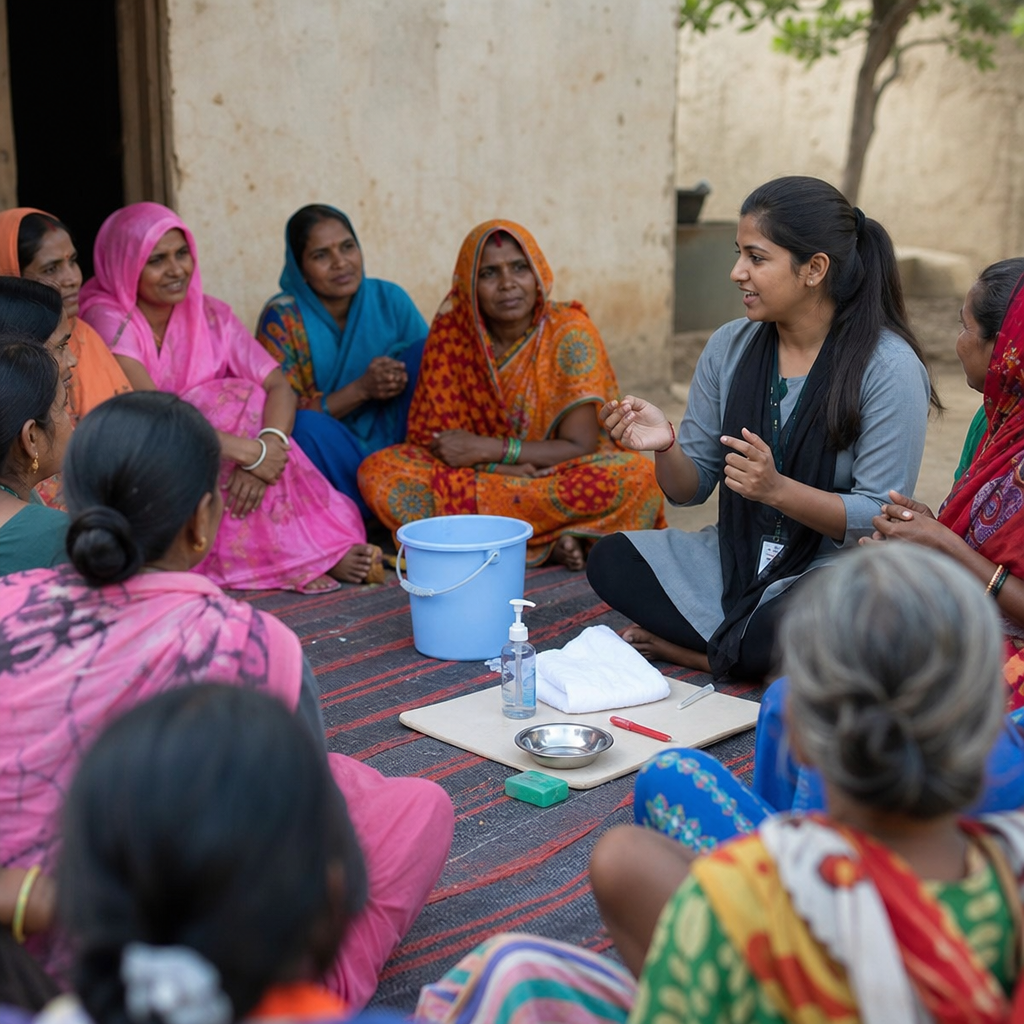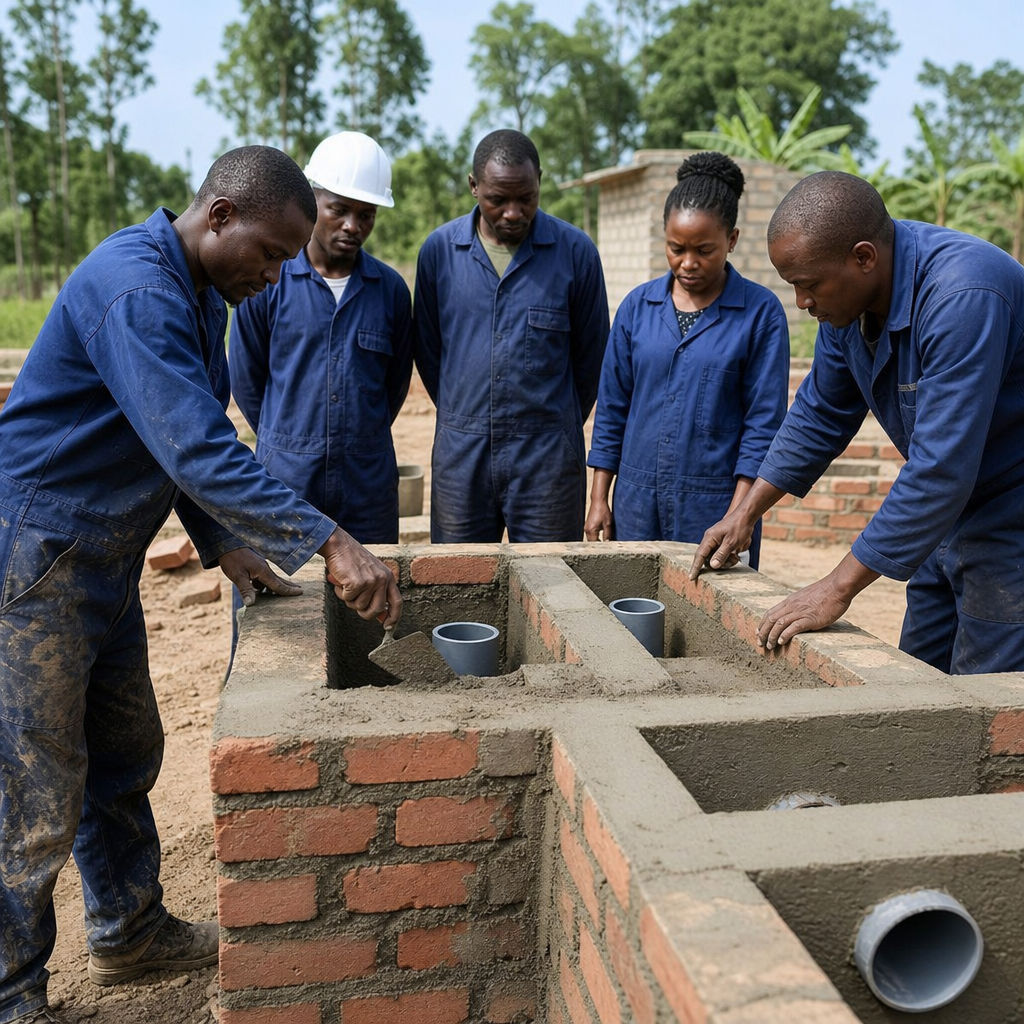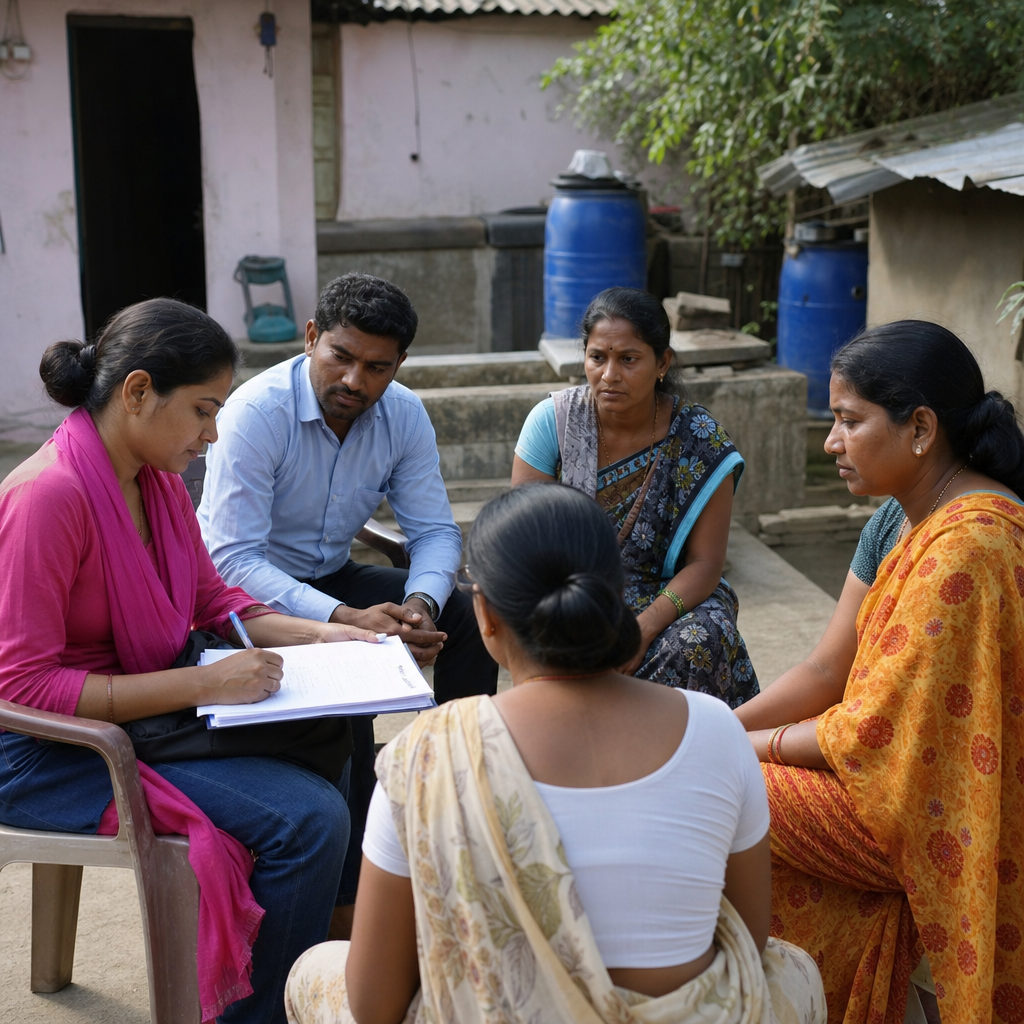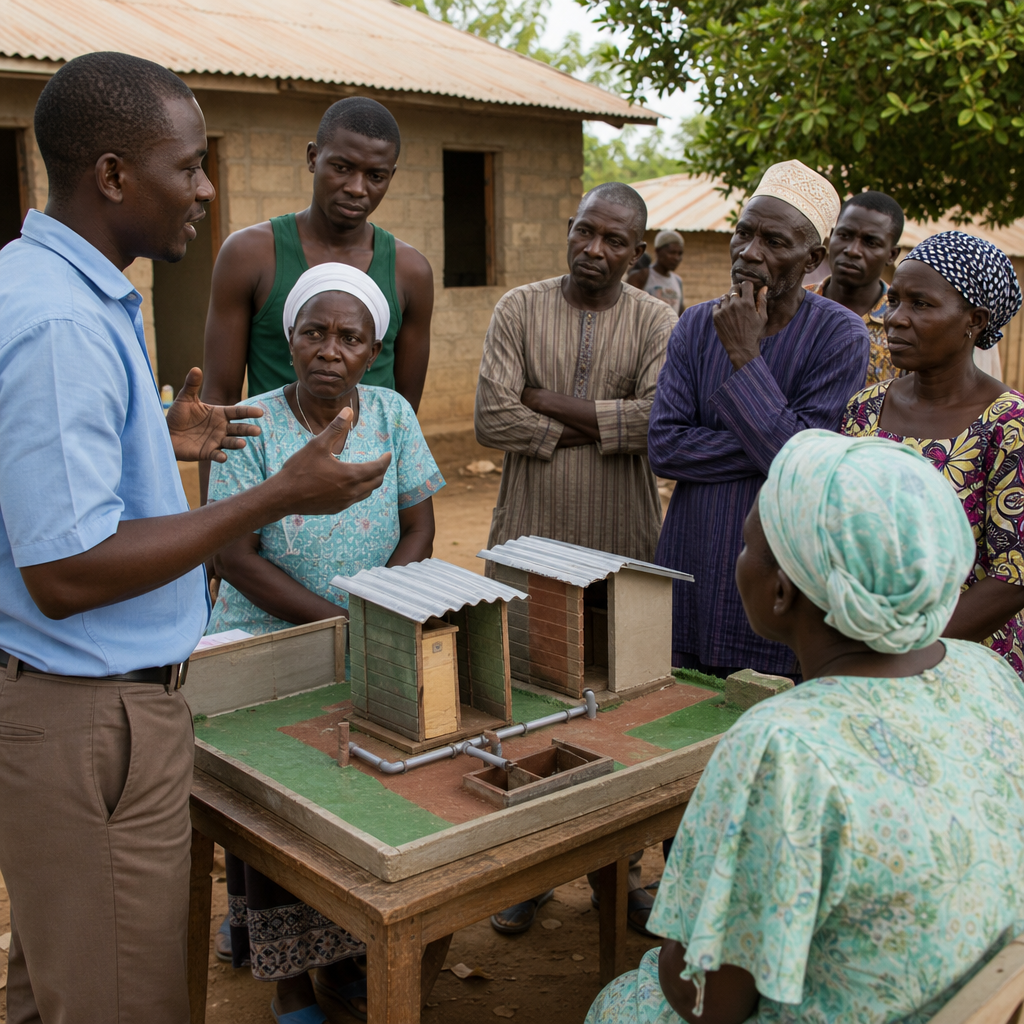
EcoSan role plays and simulations for effective learning help communities move sanitation education from abstract instruction to practical decision-making. In ecological sanitation, or EcoSan, people are asked to understand toilets not only as infrastructure but as part of a resource cycle that includes health, water, soil fertility, behavior change, and long-term maintenance. That is a lot to absorb through lectures alone. I have seen training sessions fail when participants could repeat definitions yet still hesitate when asked how to separate urine, manage ash, explain pathogen risks, or respond to local objections. Interactive learning closes that gap because it lets people test choices, make mistakes safely, and practice real conversations before they matter in the field.
This article serves as a hub for fostering participation and learning within community engagement and education. It explains what EcoSan role plays and simulations are, why they work, when to use them, and how to design them for households, schools, local officials, artisans, and community health workers. It also connects this learning approach to broader sanitation goals: adoption, correct use, dignity, environmental protection, and trust. If a program wants lasting behavior change, it must teach not only facts but judgment, confidence, and shared responsibility.
What EcoSan role plays and simulations are and why they work
EcoSan role plays are structured activities in which participants act out real sanitation situations, such as a household deciding between pit latrines and urine-diverting dry toilets, a mason explaining operation and maintenance, or a health volunteer addressing fears about reuse of treated excreta. Simulations are closely related but usually involve a model, scenario, or game with defined rules. Participants might allocate a budget for a village sanitation plan, map waste flows, troubleshoot a failing toilet, or sequence treatment steps using cards. Both methods turn passive audiences into active problem-solvers.
These methods work because sanitation behavior is social and practical. Adults learn best when content is relevant, participatory, and immediately applicable. That principle is consistent with long-used adult learning practice and public health training. In EcoSan specifically, people must connect technical knowledge with routines: adding cover material, keeping urine diversion channels clear, storing products safely, and using personal protective equipment when handling composted material. A role play can show why one missed step causes odor, flies, contamination, or user rejection more vividly than a slide deck can. When participants speak the words themselves, they remember both the message and the emotion behind it.
Role plays also surface hidden barriers. In workshops I have facilitated, participants often reveal concerns they would not state in a formal question period: who empties vaults, whether women feel safe using a facility at night, whether tenants will follow instructions, or whether elders will reject reuse on cultural grounds. A well-designed simulation makes these tensions visible without blaming anyone. That matters because many sanitation projects struggle not from poor hardware selection alone but from weak social preparation and unrealistic assumptions about use.
Core learning goals for fostering participation and learning
The strongest EcoSan learning sessions are built around clear outcomes. Participants should leave able to explain the sanitation cycle, identify the difference between waste disposal and resource recovery, describe safe handling and treatment steps, and demonstrate proper use and maintenance. Just as important, they should be able to discuss costs, responsibilities, gender considerations, accessibility, and local norms. This is the heart of fostering participation and learning: people do not merely receive instructions; they understand the reasons behind them and can act with others.
For community engagement and education, role plays and simulations support at least five core goals. First, they improve comprehension of technical concepts such as urine diversion, dehydration, composting time, and contamination routes. Second, they strengthen communication skills by letting facilitators, teachers, and health workers practice difficult conversations. Third, they build ownership because participants contribute ideas instead of being told what to do. Fourth, they help identify practical constraints, from supply chains for cover material to labor expectations for maintenance. Fifth, they create feedback loops that allow program teams to adjust messages before construction or scale-up.
These goals should be adapted to the audience. Households need confidence in everyday use. School clubs often need engaging formats that link sanitation, hygiene, and environmental stewardship. Masons and operators need troubleshooting and maintenance scenarios. Local leaders need exercises on budgeting, bylaw enforcement, and public acceptance. Farmers interested in reuse need careful discussion of storage, application methods, crop selection, and risk reduction. One generic session rarely works across all groups, which is why this hub topic should connect to audience-specific articles and training modules.
How to design effective EcoSan role plays and simulations
Good design starts with one realistic problem. Avoid broad scripts that try to teach everything at once. A stronger approach is to define a single decision point: a family notices odor in a urine-diverting toilet, a school committee must assign cleaning roles, or a community meeting debates reuse of treated products. Then assign roles with clear motivations. A mother may prioritize child safety and privacy, a mason may focus on construction quality, a farmer may care about nutrient value, and a local official may worry about cost recovery and complaints. Real motivations create credible dialogue.
Facilitators should provide enough structure to keep the activity purposeful without scripting every line. I usually brief participants on the setting, objective, constraints, and time limit, then let the exchange develop. Observers should have a checklist so they can note both technical accuracy and social dynamics. Afterward, the debrief matters more than the performance. Ask what decision was made, what information was missing, what assumptions shaped the outcome, and what would happen next in real life. If the debrief is rushed, participants remember the acting but miss the lesson.
Accessibility and local fit are essential. Use local language, familiar names, and scenarios based on real practices. If literacy is mixed, use pictures, tokens, and demonstration materials instead of text-heavy handouts. If discussing reuse is culturally sensitive, start with contamination pathways, soil health, and treatment safety before asking participants to advocate publicly. Strong facilitation also means creating psychological safety. No participant should be mocked for hesitation, accent, or lack of technical vocabulary. The point is to rehearse solutions, not test status.
| Learning objective | Best format | Example scenario | What success looks like |
|---|---|---|---|
| Correct toilet use | Role play | Household learns urine diversion and ash addition | Participants explain each step and common mistakes |
| Maintenance planning | Simulation | School committee assigns cleaning schedule and supplies | Clear roles, budget, and monitoring plan |
| Risk communication | Role play | Health worker addresses fears about pathogen exposure | Balanced answers using safe treatment guidance |
| System troubleshooting | Simulation | Team diagnoses odor, flies, or wet vault conditions | Participants identify causes and corrective actions |
| Community decision-making | Role play | Village meeting compares sanitation options | Tradeoffs discussed openly with local priorities |
Practical examples from community engagement and education
One of the most effective uses of role play is pre-construction community orientation. Before a new EcoSan system is introduced, facilitators can stage a household visit in which one person plays a skeptical resident, another a trained promoter, and others family members with different priorities. The promoter must explain how the toilet works, who empties the chamber, why handwashing remains essential, and how treated outputs can be handled safely. This exercise often reveals weak points in messaging. If promoters cannot answer simple questions clearly during training, they will struggle in the field.
In schools, simulations can turn sanitation from a rule-based topic into a systems lesson. Students can map the pathway from food to nutrient recovery, compare water use across sanitation options, or act as a school management committee deciding how to keep facilities clean and inclusive. When girls, boys, teachers, and cleaners are represented in the scenario, the discussion quickly becomes more realistic. Students begin to recognize that safe sanitation depends on design, cleaning schedules, menstrual hygiene support, soap availability, and respect for shared space. That broader understanding improves daily habits.
For local government and partner organizations, simulations are valuable for planning and coordination. A ward committee can work through a mock budget that includes construction, training, spare parts, transport, and follow-up visits. Participants must decide what happens if user training is cut, if vault-emptying tools are unavailable, or if a rainy season disrupts access. This kind of exercise exposes implementation risks early. It also builds alignment between technical teams and decision-makers, which is critical because sanitation failures are often administrative before they become physical.
Farm-focused education requires particular care. Reuse discussions should never imply that all treated products are automatically safe under all conditions. Instead, role plays should show the chain of safety measures: proper toilet use, adequate storage or composting time, moisture control, restricted access during treatment, careful transport, application methods that reduce contact, and crop-specific precautions. Using standards-based language and named risk reduction practices builds credibility. Participants should leave understanding both the opportunity and the boundaries.
Common mistakes, measurement, and continuous improvement
The most common mistake is using role play as entertainment rather than instruction. If participants laugh but cannot explain what they learned, the exercise was poorly designed. Another mistake is oversimplifying EcoSan into a sales pitch. Communities notice when facilitators skip tradeoffs such as maintenance discipline, odor control failures, or the need for consistent user training. Trust improves when facilitators acknowledge limits honestly and show how problems are prevented or corrected. A third mistake is failing to include the people who actually manage sanitation daily, especially women, cleaners, caretakers, and tenants.
Measurement should go beyond attendance. Strong programs use pre- and post-session questions, observation checklists, and follow-up visits. Useful indicators include whether users can describe correct operation, whether facilities remain clean and functional after several weeks, whether maintenance supplies are available, and whether misconceptions decline over time. For schools, monitor absenteeism linked to sanitation barriers, cleanliness scores, and student leadership participation. For community programs, track meeting participation, household adoption, proper use, and the quality of peer-to-peer explanations. Qualitative feedback is just as important as numeric data because it reveals why behavior changed or stalled.
Continuous improvement means treating every session as field intelligence. Debrief notes should be reviewed for recurring confusion, cultural objections, language gaps, and practical obstacles. Training materials should then be revised. If many participants misunderstand dehydration time, adjust the scenario. If masons repeatedly omit ventilation details, add a troubleshooting module. If households fear handling treated material, strengthen the risk communication script and include demonstrations with protective equipment. Effective community engagement and education is iterative. Programs that learn from each session build stronger adoption and fewer system failures.
Building a stronger learning hub for long-term adoption
As a sub-pillar hub under community engagement and education, this topic should connect learners to complementary resources on behavior change communication, school sanitation clubs, facilitator training, inclusive participation, monitoring, and safe reuse guidance. That hub structure matters because EcoSan learning is cumulative. A role play may introduce toilet use, but long-term success depends on reinforcement through community meetings, household visits, school activities, operator coaching, and local leadership support. Internal links between these resources help practitioners move from awareness to implementation without losing context.
The main benefit of EcoSan role plays and simulations is not novelty; it is practical competence. People remember what they practice, discuss, and adapt to their own reality. When communities can rehearse decisions before money is spent and habits are formed, sanitation programs become more resilient. They are better able to prevent misuse, respond to concerns, and maintain systems over time. If you are building a community engagement and education strategy, make interactive learning central, document what participants actually struggle with, and use those insights to shape every next session and support article in this hub.
Frequently Asked Questions
1. What are EcoSan role plays and simulations, and why are they effective for learning?
EcoSan role plays and simulations are participatory learning methods that help people understand ecological sanitation through action, discussion, and decision-making rather than passive listening. In a role play, participants take on realistic community roles such as household members, local leaders, masons, farmers, health workers, teachers, or sanitation committee members. In a simulation, they work through practical scenarios such as selecting a toilet design, responding to user complaints, planning urine diversion management, organizing fecal matter treatment, or deciding how to use recovered nutrients safely in agriculture. These methods are effective because ecological sanitation is not just about building a toilet. It involves behavior, maintenance, hygiene, social acceptance, resource recovery, cost, safety, and long-term ownership. That complexity is difficult to grasp through lectures alone.
What makes these methods especially powerful is that they turn abstract sanitation concepts into lived experience. Participants are no longer memorizing terms like nutrient cycling, pathogen risk, or vault management. They are making choices, facing trade-offs, negotiating with others, and seeing the consequences of decisions in a safe learning environment. For example, a group may discover during a simulation that an EcoSan system fails not because the technology is flawed, but because users were never trained to separate urine properly, ash was not consistently added, or no one was assigned to empty and maintain the chambers. Those insights tend to stay with people because they are connected to action and emotion, not just information.
Role plays and simulations are also effective because they reflect real community dynamics. Sanitation decisions are rarely technical alone. They involve culture, gender roles, affordability, land use, perceptions of cleanliness, trust in local institutions, and confidence in handling recovered materials. By surfacing these issues during training, facilitators can prepare participants to address resistance, misunderstandings, and operational problems before they occur in the field. In short, EcoSan role plays and simulations work because they help learners practice sanitation as a system, not just study it as a concept.
2. How do role plays and simulations improve understanding of the full EcoSan resource cycle?
One of the biggest strengths of role plays and simulations is that they help participants see the full EcoSan resource cycle as connected steps rather than isolated tasks. In ecological sanitation, toilets are not the end point. Human waste must be safely contained, treated, handled, and potentially reused in ways that protect health and contribute to soil fertility and water conservation. Many learners can repeat this idea in theory, but they struggle to connect it to actual household routines, community responsibilities, and agricultural practices. Simulations bridge that gap by requiring people to follow the entire chain from toilet use to maintenance to treatment to reuse.
For instance, a well-designed simulation might begin with households selecting an EcoSan option and learning proper use. It may then move to daily management, including keeping urine and feces separate, adding dry cover material, cleaning slabs appropriately, and ensuring that children and elderly users can operate the system comfortably. After that, participants may be asked to plan storage periods, determine when materials are safe to handle, discuss transport logistics, and decide whether reuse will happen on home gardens, community plots, or not at all. At each stage, they confront practical questions: Who is responsible? What if users do not comply? What if there is odor? What if farmers are interested but households are hesitant? What if water is scarce? These questions make the resource cycle real.
This kind of learning is critical because failure in EcoSan often happens at the connections between stages, not just within one stage. A toilet may be technically sound, but if users are confused about operation, treatment is incomplete, or there is no accepted plan for reuse or disposal, the system breaks down. Role plays and simulations show participants that sanitation outcomes depend on coordinated behavior and clear responsibilities across the whole cycle. That understanding leads to better planning, more realistic expectations, and stronger implementation in actual communities.
3. Who benefits most from EcoSan role plays and simulations?
EcoSan role plays and simulations benefit a wide range of learners because ecological sanitation involves many stakeholders, each with different concerns and responsibilities. Community members benefit because they need practical confidence, not just awareness. Households must know how to use the toilet correctly, maintain it consistently, and understand why each step matters for hygiene, odor control, and eventual reuse. Farmers benefit because they often have questions about the safety, value, and handling of recovered nutrients. Local leaders benefit because they may be called on to support adoption, resolve conflicts, mobilize participation, or explain the purpose of EcoSan systems to skeptical residents. Masons and artisans benefit because good construction alone is not enough; they also need to understand user interaction, maintainability, and the practical realities of the system they are building.
These methods are especially useful for trainers, extension officers, public health teams, teachers, NGO staff, and sanitation committees. Those groups often serve as the bridge between technical guidance and community adoption. If they only understand EcoSan at a theoretical level, they may deliver messages that sound correct but fail in real-life conditions. Through simulations, they can practice facilitation, troubleshoot likely problems, and learn how to explain sanitation concepts in language people actually relate to. They can also become more sensitive to barriers that are easy to miss in formal presentations, such as privacy concerns, taboos around handling waste, unequal labor burdens within households, or the needs of people with disabilities.
Another important point is that role plays and simulations are valuable for mixed groups. When household users, leaders, technicians, and agricultural stakeholders participate together, they begin to understand one another’s priorities. This can reduce blame and improve coordination. A mason may realize that a design feature is confusing for children. A farmer may better appreciate why storage time matters for safety. A local leader may recognize that enforcement without training will not work. In that sense, these exercises do more than transfer knowledge. They create shared understanding, which is often essential for successful EcoSan adoption and long-term management.
4. What makes an EcoSan role play or simulation successful in a training setting?
A successful EcoSan role play or simulation is realistic, well-structured, inclusive, and closely tied to actual sanitation decisions people will face. The best exercises are not overly theatrical or abstract. They focus on real situations such as choosing between sanitation options, introducing urine-diverting toilets, responding to maintenance failures, addressing community resistance, or planning the safe agricultural use of treated materials. Participants should be given clear roles, practical objectives, and enough background information to make meaningful choices. The scenario should include believable constraints such as budget limits, cultural concerns, labor demands, seasonal water availability, land constraints, or health regulations. These elements make the exercise feel relevant and force participants to think critically rather than provide idealized answers.
Good facilitation is equally important. The facilitator should not dominate the activity or push participants toward predetermined responses too quickly. Instead, they should create space for discussion, disagreement, and reflection. EcoSan learning becomes stronger when participants discover for themselves why a certain behavior matters or why a certain management step cannot be skipped. After the role play or simulation, a strong debrief is essential. This is where the deeper learning is consolidated. Facilitators should ask what decisions were made, what assumptions guided those decisions, what challenges emerged, and how those insights apply to real communities. Without this reflection stage, the exercise may be memorable but not fully educational.
Success also depends on inclusion and accessibility. Participants should see themselves in the scenario. That means accounting for women’s roles in household sanitation management, the experiences of children and elderly users, the concerns of farmers, and the realities faced by low-income households. Exercises should be adapted to local language, literacy levels, and cultural context. Visual aids, simple props, maps, cards, and case scenarios often help make the process easier to follow. Ultimately, an EcoSan role play or simulation is successful when participants leave with clearer understanding, stronger practical judgment, and greater readiness to apply what they learned in real sanitation planning and daily use.
5. Can EcoSan role plays and simulations lead to better long-term sanitation outcomes in communities?
Yes, they can, especially when they are used as part of a broader training and support strategy. Long-term sanitation outcomes depend on more than initial construction or one-time awareness campaigns. Communities need consistent use, proper maintenance, safe handling practices, acceptance of the system, and a workable plan for managing outputs over time. Role plays and simulations strengthen these outcomes because they prepare people for the operational and social realities that often determine whether an EcoSan system succeeds or fails. Instead of discovering problems only after installation, participants can explore them in advance, test responses, and build a more realistic understanding of what sustained use requires.
These methods also improve retention and ownership. People tend to remember what they have done more clearly than what they have only heard. When participants debate maintenance responsibilities, practice explaining reuse safety, or act out a household conflict over toilet use, they are more likely to internalize the lessons. That matters in EcoSan because many common failures are behavioral and organizational rather than purely technical. If users understand why ash addition matters, why urine diversion must be kept functional, why storage periods cannot be shortened, and why maintenance roles must be clear, they are more likely to sustain good practice. Simulations can also reveal where extra support is needed, such as follow-up coaching, improved design