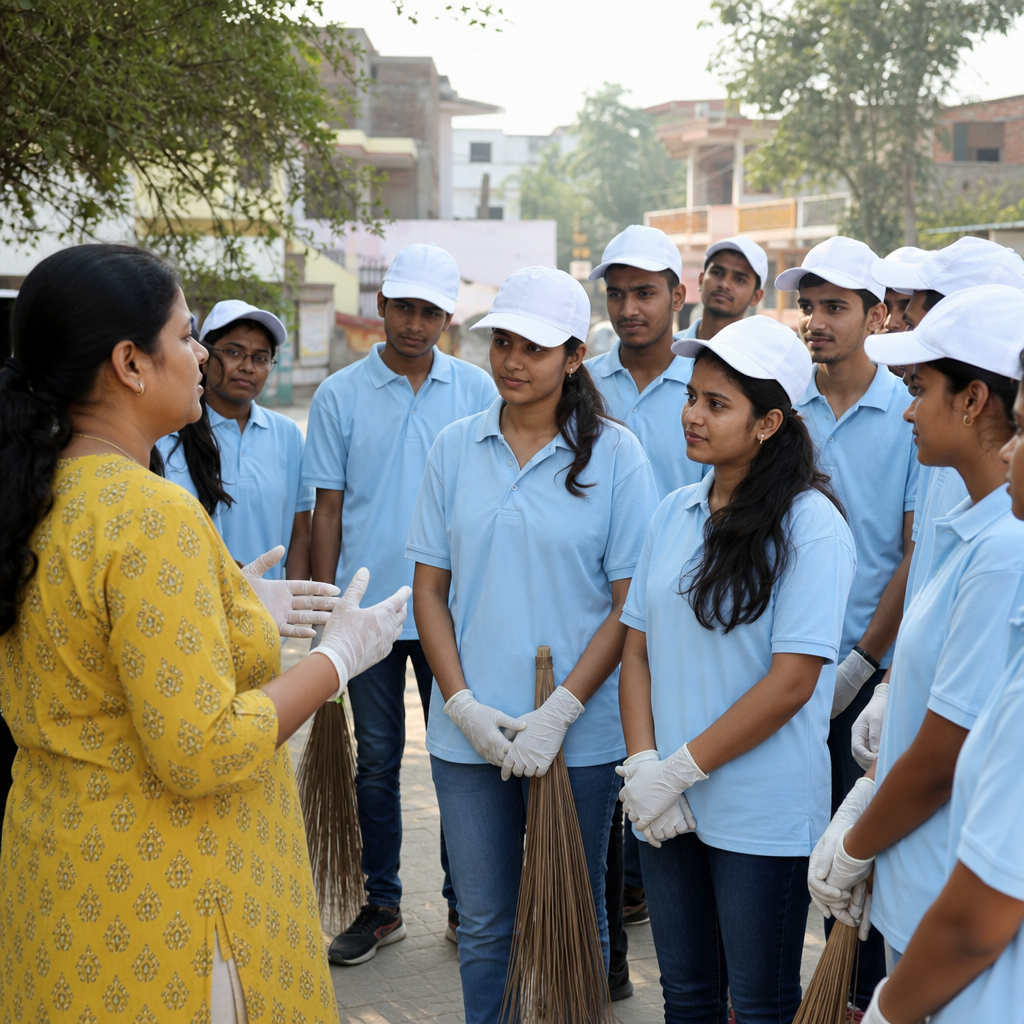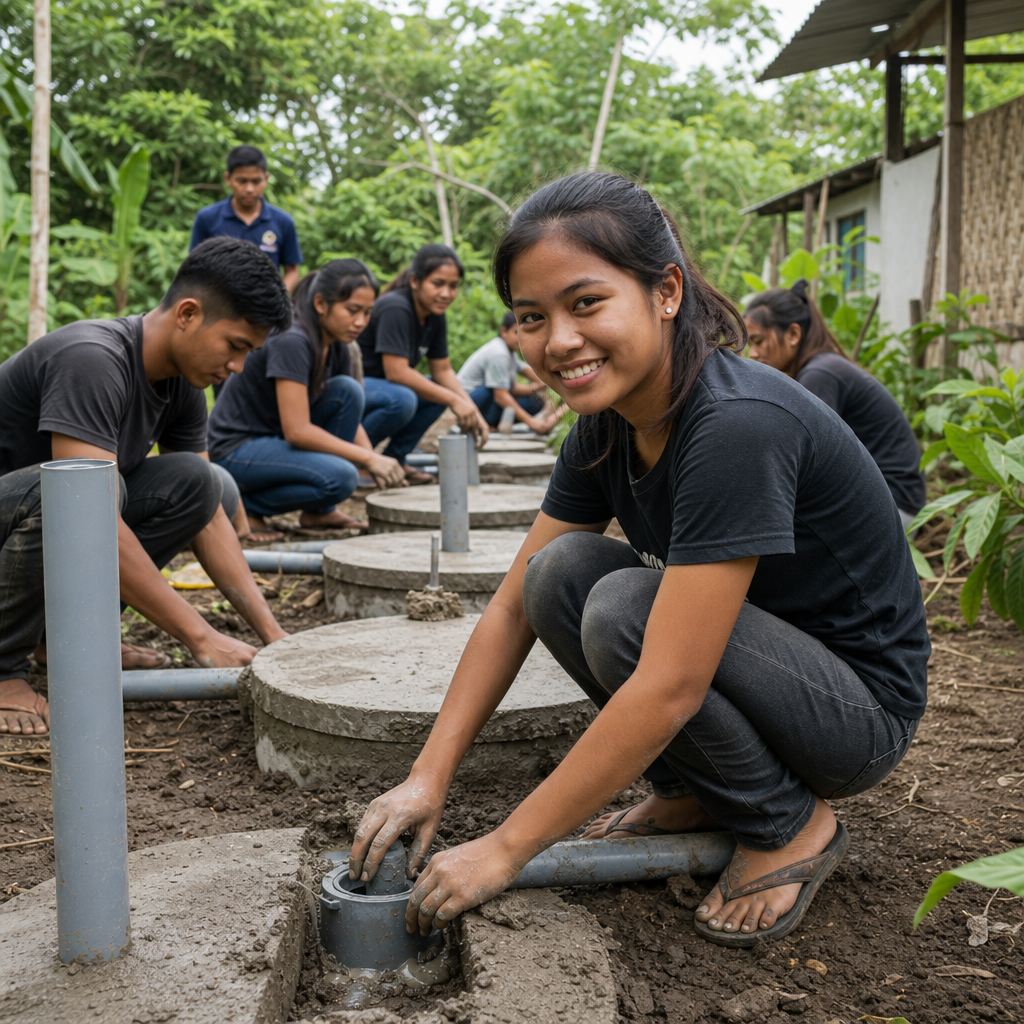
Youth-led initiatives in EcoSan are reshaping how communities approach sanitation, environmental protection, and civic learning at the same time. EcoSan, short for ecological sanitation, is a sanitation approach that treats human waste as a resource to be safely recovered, reused, and managed within natural cycles rather than simply flushed away and forgotten. In practice, it includes urine diversion, composting toilets, fecal sludge treatment, nutrient recovery, greywater reuse, hygiene education, and local systems that reduce pollution while protecting public health. When young people lead these efforts, communities gain more than new toilets or cleaner drains. They gain peer educators, local problem-solvers, and long-term advocates who can translate technical sanitation concepts into everyday habits that families understand and sustain.
I have seen this firsthand in community sanitation projects where adults attended a launch event, then drifted away, while students, youth volunteers, and young entrepreneurs kept mapping problem sites, running school demonstrations, and checking whether behavior changes actually lasted. That matters because sanitation is never only about infrastructure. It is about maintenance, social acceptance, affordability, gender safety, and daily use. Across low-income settlements, peri-urban neighborhoods, and climate-stressed rural areas, youth participation strengthens all of those factors. Young people are often the fastest adopters of new ideas, the most credible messengers to their peers, and the group most willing to blend environmental action with digital tools, creative communication, and local organizing.
For a hub page under community engagement and education, the core question is simple: how do youth-led initiatives in EcoSan foster participation and learning in ways that produce measurable results? The answer starts with agency. Participation means young people are not treated as a decorative audience for workshops; they help identify sanitation gaps, co-design solutions, test messages, monitor outcomes, and advocate for policy support. Learning means more than one-off awareness sessions. It includes practical skills such as toilet operation, handwashing promotion, compost handling, menstrual hygiene communication, water quality observation, and household-level risk reduction. It also includes civic learning: how to organize meetings, gather data, work with local government, and earn trust across generations.
This matters for public health, environmental management, and social development. The World Health Organization and UNICEF Joint Monitoring Programme consistently show that safe sanitation depends on service quality, not just facility counts. Communities need systems that are used correctly and maintained reliably. Youth-led EcoSan initiatives contribute by turning sanitation from a technical service into a shared learning process. As the central article in this subtopic, this guide explains where youth leadership creates the most value, which participation models work, how learning should be structured, what challenges commonly derail programs, and how communities can build durable pathways from awareness to ownership.
Why youth leadership works in ecological sanitation
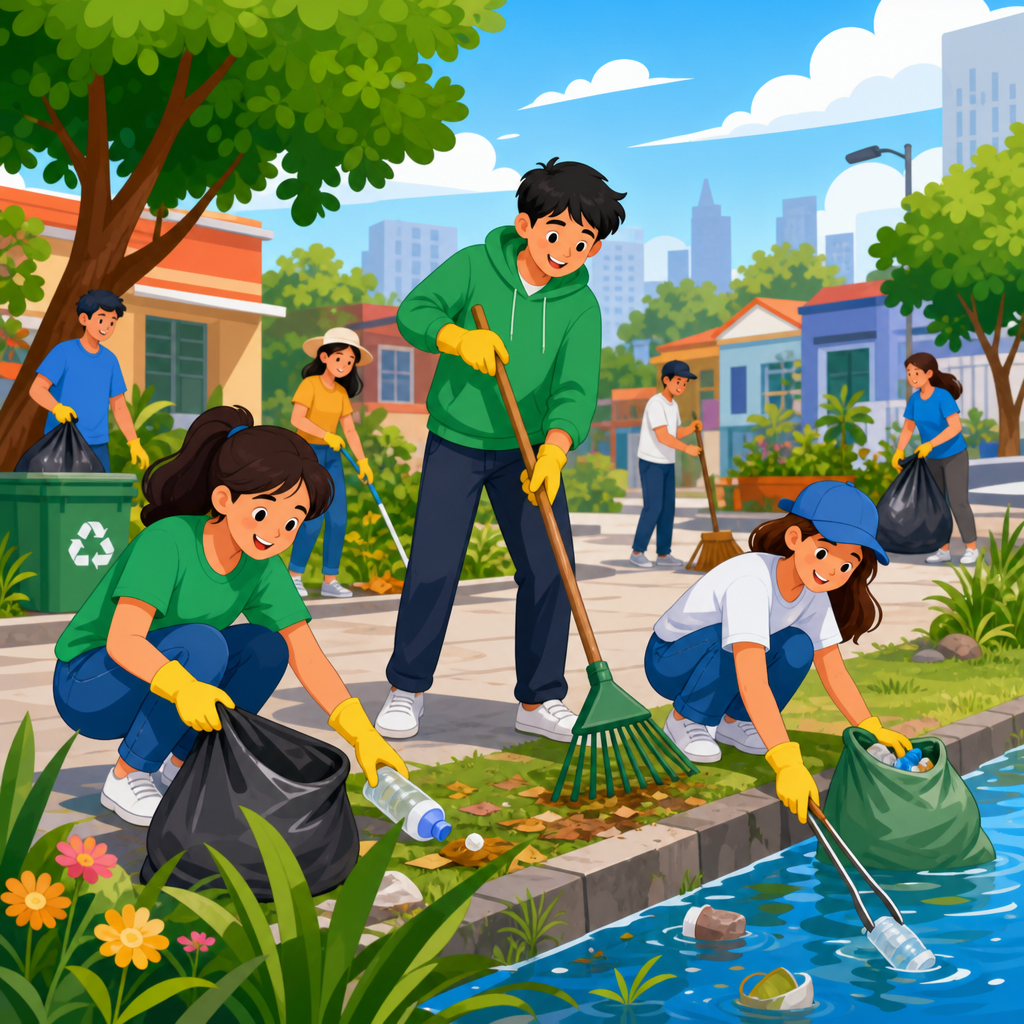
Youth leadership works in EcoSan because sanitation behavior is social, visible, and strongly influenced by norms. When young people model toilet use, handwashing, waste separation, and environmental stewardship, they make good practice more normal. In schools, for example, student health clubs often achieve what posters alone cannot. They can inspect facilities, report broken locks or water shortages, organize cleaning rosters, and explain why urine-diverting toilets must be used correctly to prevent odor and contamination. In neighborhoods, youth groups can run door-to-door outreach that feels less formal and more conversational than official campaigns, which improves response rates and reduces stigma.
Young leaders also bridge technology and culture. Many EcoSan systems fail because the design is technically sound but socially mismatched. A composting toilet may be rejected if users are unclear about maintenance or uneasy about handling treated outputs. A youth team can demonstrate use, answer questions in local language, film short explainer videos, and collect feedback quickly. I have watched youth facilitators improve adoption simply by noticing small details adults missed, such as confusing signs, inadequate lighting for girls at night, or the need for private disposal options during menstruation. Those observations improve both participation and system performance.
There is also a strategic reason to invest in youth-led work: young people create continuity. Community projects often depend on a few officials or external partners. When those people leave, momentum collapses. A trained youth network can preserve institutional memory through clubs, community-based organizations, apprenticeships, and peer mentoring. That makes EcoSan education more resilient over time.
Participation models that move beyond awareness
Effective youth-led initiatives in EcoSan use participation models that give young people defined roles, authority, and feedback loops. The weakest model is awareness only: a lecture, a cleanup day, and a few slogans. The stronger model is co-production, where youth help plan, implement, and evaluate activities. In school-based EcoSan programs, this can include student sanitation committees, debate clubs, demonstration gardens using safely treated compost, and teacher-supported monitoring of water, sanitation, and hygiene indicators. In community settings, youth can map open defecation hotspots, identify overflowing pits, interview households about barriers, and present findings at ward meetings.
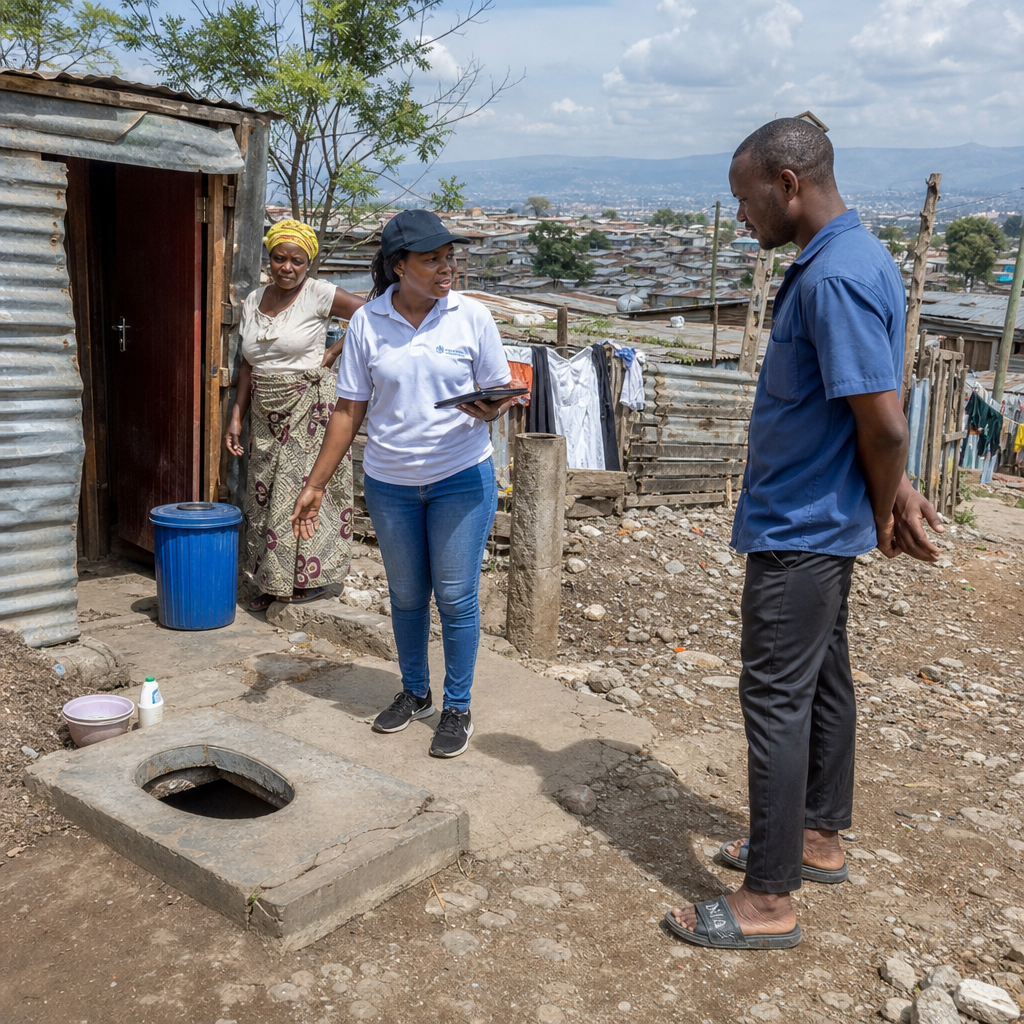
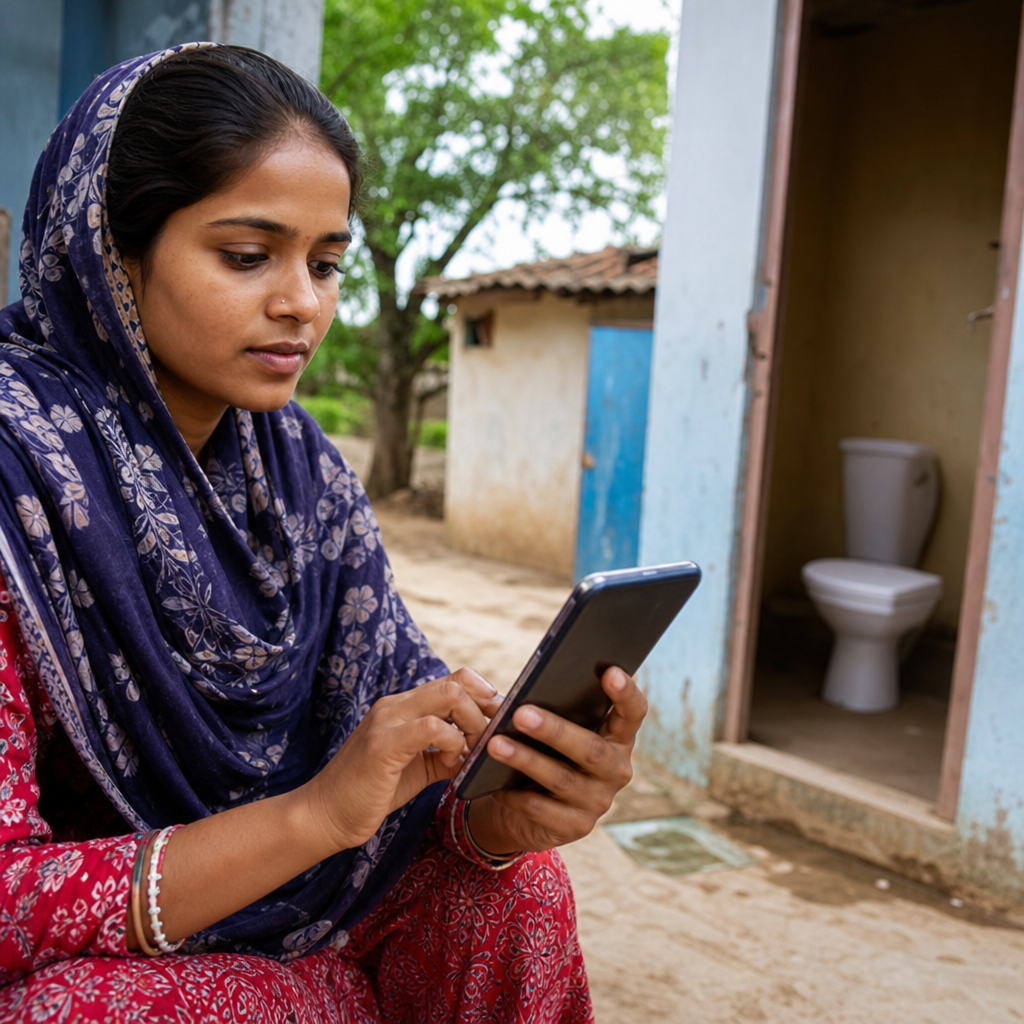
Participation improves when tasks are visible and achievable. A youth group asked to “promote sanitation” may struggle. A group asked to inspect ten communal toilets weekly, log odor complaints, and teach fifty households how a urine-diverting dry toilet works can deliver results. Digital tools can help. Open Data Kit, KoboToolbox, and simple WhatsApp reporting chains allow youth volunteers to document issues quickly and escalate maintenance needs. These tools also turn education into evidence. Instead of saying a campaign worked, a team can show that toilet functionality rose, cleaning frequency improved, or absenteeism among girls fell after privacy upgrades and hygiene support.
Programs should also connect participation to livelihoods and recognition. Youth-led EcoSan efforts are stronger when they include certifications, internships with sanitation enterprises, microgrants for community solutions, or paid roles in waste collection and treatment. Volunteerism has value, but unpaid labor alone is not a sustainable participation strategy.
How EcoSan education should be designed for real learning
Fostering participation and learning requires education that is practical, repeated, and adapted to context. The best youth-led EcoSan programs do not begin with abstract environmental messaging. They begin with problems people already feel: smell, flies, unsafe toilets, water scarcity, flooding, school absence, medical costs, and neighborhood cleanliness. From there, facilitators connect personal concerns to ecological sanitation concepts such as nutrient cycling, source separation, pathogen reduction, and safe reuse. This sequence works because it starts with lived experience, then introduces the technical explanation.
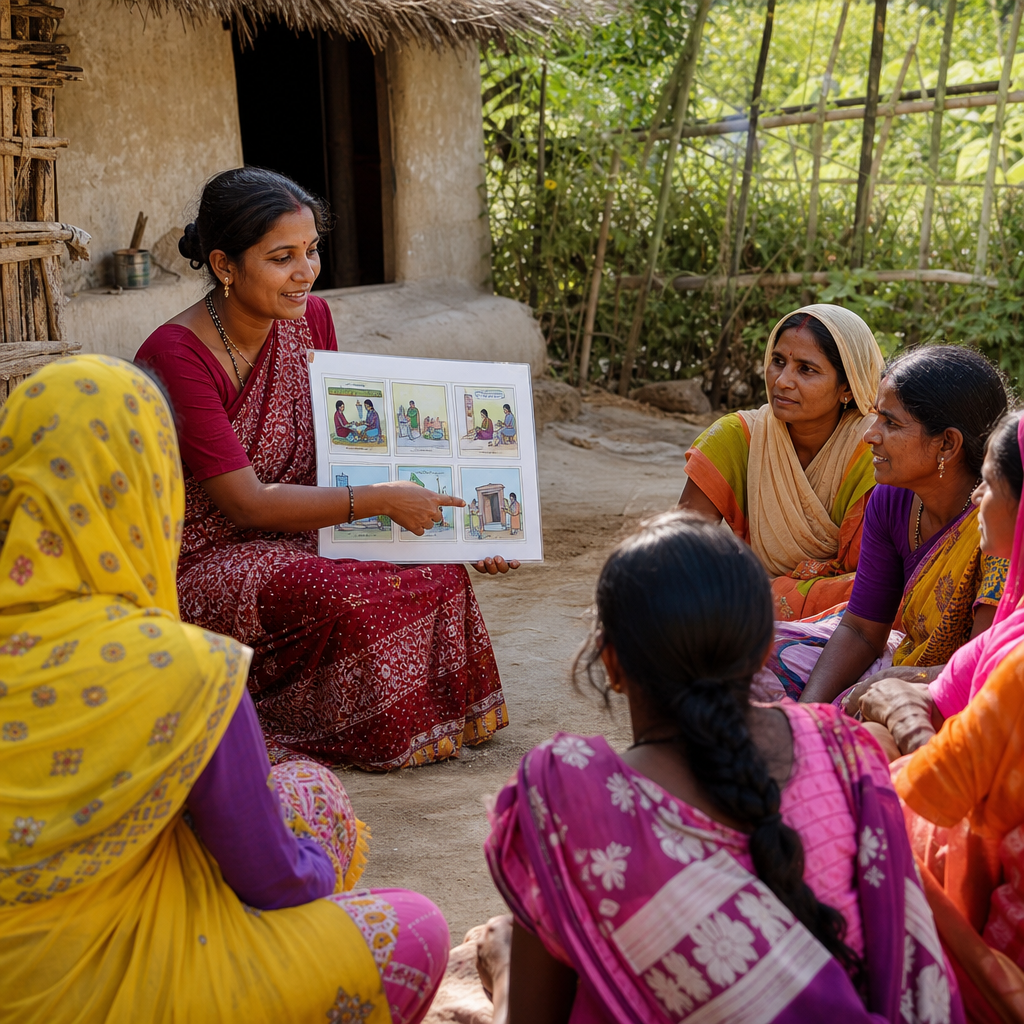
Real learning also depends on demonstration. If a community is considering composting toilets, show how carbon-rich cover material reduces odor, how vaults are rotated, and what treatment timelines are needed before reuse according to local guidance. If greywater reuse is part of the system, demonstrate where untreated water should never be applied and how simple filtration or constructed wetlands improve safety. Youth educators are especially effective when they combine demonstration with peer discussion. People ask more honest questions when the setting is less hierarchical.
Curricula should cover hygiene behavior, system operation, maintenance schedules, inclusion, and risk communication. Menstrual hygiene, disability access, and child-friendly design should not be add-ons. They are central to whether sanitation facilities are actually used. Learning materials should be multilingual where needed, visual for low-literacy settings, and structured in modules so schools, clubs, and community groups can adopt them without requiring outside experts for every session.
| Program element | What youth lead | Learning outcome | Practical result |
|---|---|---|---|
| School sanitation clubs | Facility checks, peer talks, hygiene campaigns | Correct toilet use and maintenance knowledge | Cleaner toilets and higher daily use |
| Community mapping | Surveys of toilets, drains, and dumping points | Risk identification and data literacy | Targeted repairs and better planning |
| Demonstration sites | Guided tours, compost and urine reuse explanation | Understanding of resource recovery | Greater acceptance of EcoSan systems |
| Digital reporting | Photo logs, maintenance alerts, dashboards | Monitoring and accountability skills | Faster response to sanitation failures |
| Youth enterprises | Collection, treatment support, product marketing | Business and operational competence | Jobs linked to local sanitation services |
Real-world examples and what they teach
Across regions, the most successful youth-led EcoSan initiatives combine education with a visible service improvement. In East African school WASH programs, student clubs have monitored latrine cleanliness, promoted handwashing, and supported menstrual hygiene management, leading to stronger facility use and reduced stigma around discussing sanitation. In parts of South Asia, youth volunteers have supported community-led sanitation mapping and behavior change campaigns that helped households move from unsafe disposal toward improved toilet adoption and maintenance. In southern Africa, ecological sanitation projects linked to gardens have shown that when communities can see treated nutrients supporting productive planting, resistance to resource recovery often drops.
The lesson is not that one model fits every place. It is that learning sticks when people can observe a direct benefit. A school with a functioning handwashing station and student monitors creates faster behavior change than a classroom lecture alone. A community toilet block with a youth-managed feedback board builds accountability better than a generic complaint system. A pilot garden using safely processed compost can open conversation about circular sanitation far more effectively than technical diagrams. Young facilitators excel in these examples because they can translate systems into stories, routines, and visible proof.
Another lesson is that credibility depends on safety. Communities will reject EcoSan quickly if programs gloss over pathogen risk or make unrealistic claims. Youth leaders need accurate protocols, adult technical backup, and clear escalation pathways for problems. Trust is built when teams explain both benefits and limits honestly.
Common barriers and how to overcome them
The main barriers to youth-led EcoSan participation are tokenism, weak training, social stigma, and poor follow-through. Tokenism happens when youth are invited to events but excluded from decision-making. The fix is structural: give youth seats on project committees, assign budgets they can influence, and include their indicators in project evaluation. Weak training is another frequent failure. Enthusiasm cannot substitute for technical understanding. Youth leaders need instruction on sanitation chains, contamination routes, operation and maintenance, safeguarding, and respectful community engagement.
Stigma remains a major challenge because sanitation work is often associated with shame, caste, class, or gendered expectations. Programs should address this directly by framing EcoSan as environmental stewardship, public health protection, and practical service leadership. Show the science. Explain pathogen control, nutrient recovery, and water savings in plain language. In my experience, stigma falls when youth see sanitation as skilled work connected to climate adaptation, agriculture, and entrepreneurship rather than as a hidden or low-status task.
Poor follow-through is the barrier that destroys trust fastest. A mapping exercise that leads nowhere teaches people that participation is performative. To avoid this, every youth engagement activity should connect to an action pathway: who receives the data, who approves repairs, what timeline applies, and how results are reported back. Communities stay engaged when they can see that learning leads to decisions and decisions lead to improvements.
Building a durable hub for community engagement and education
As a sub-pillar hub, youth-led initiatives in EcoSan should connect schools, households, local government, health workers, and sanitation enterprises into one learning ecosystem. The most durable model is a pathway, not a project. It begins with foundational sanitation literacy, moves into practical demonstrations and peer outreach, adds data collection and community feedback, then opens routes into leadership roles, internships, and local enterprise. Each stage reinforces participation because young people can see where they are going next.
This hub should also point readers toward related themes: school WASH engagement, behavior change communication, menstrual hygiene inclusion, community mapping, safe reuse practices, and youth green entrepreneurship. Those links matter because EcoSan adoption depends on coordinated learning. No single workshop can cover everything required for safe and accepted sanitation use.
Youth-led initiatives in EcoSan succeed when communities treat young people as capable partners in sanitation planning, education, and service improvement. They foster participation by giving clear roles, practical tools, and decision-making voice. They foster learning by connecting technical sanitation knowledge to daily life, visible demonstrations, and measurable outcomes. The strongest programs are honest about risks, attentive to inclusion, and organized for long-term continuity rather than short campaigns.
For communities seeking stronger engagement and education, the benefit is clear: youth leadership turns sanitation from a compliance message into a shared local practice that people understand, use, and improve. Build that pathway deliberately, support it with training and accountability, and EcoSan becomes more resilient, more accepted, and more effective. Start by identifying one youth-led sanitation action your community can launch this month, then give it the structure and support needed to last.
Frequently Asked Questions
What are youth-led initiatives in EcoSan, and why are they becoming so important?
Youth-led initiatives in EcoSan are programs, campaigns, enterprises, school projects, and community actions designed and driven by young people to improve sanitation through ecological principles. EcoSan, or ecological sanitation, views human waste not as something to dispose of and forget, but as a resource that can be safely treated, recovered, and returned to productive use. Young leaders are applying this idea in practical ways through composting toilet awareness, urine diversion pilots, greywater reuse systems, fecal sludge treatment advocacy, nutrient recovery education, and community hygiene campaigns.
These initiatives are becoming increasingly important because they connect three urgent priorities at once: public health, environmental protection, and civic participation. In many communities, sanitation challenges are linked to polluted waterways, unsafe waste disposal, limited infrastructure, and poor health outcomes. Young people often see these problems clearly because they experience them directly in schools, neighborhoods, and public spaces. At the same time, they are usually more open to innovation, peer education, digital communication, and community mobilization than traditional systems alone can provide.
What makes youth leadership especially powerful in EcoSan is that it goes beyond technical sanitation work. It builds local ownership, changes behavior, and creates a culture of responsibility around waste, water, and hygiene. A youth group may start by promoting handwashing or explaining how urine diversion works, but the broader impact can include leadership development, environmental stewardship, and stronger collaboration between households, schools, and local government. In that sense, youth-led EcoSan is not only about toilets or treatment systems. It is about helping communities rethink sanitation as part of a healthier, more circular, and more resilient future.
How do young people contribute to ecological sanitation in practical, real-world ways?
Young people contribute to ecological sanitation through both hands-on implementation and community education. In schools and neighborhoods, they often organize sanitation awareness drives, map problem areas, support toilet maintenance, demonstrate proper hygiene practices, and help explain why separating, treating, and reusing waste can be safer and more sustainable than conventional disposal. Because young people are often trusted by their peers and active on social media, they are especially effective at turning technical sanitation concepts into accessible messages that communities can understand and adopt.
In practical terms, youth-led EcoSan work can include establishing demonstration sites for composting toilets, promoting urine-diverting dry toilets, supporting school gardens that use safely treated organic inputs, and participating in greywater reuse projects for landscaping or non-potable purposes. Some youth groups also work with local organizations to collect data on sanitation conditions, monitor facility cleanliness, conduct surveys on hygiene behaviors, or advocate for better waste treatment services. Others support entrepreneurship by developing small businesses around compost production, toilet servicing, or education materials.
Another major contribution is their role in behavior change. Ecological sanitation depends not only on infrastructure, but also on how people use, maintain, and value sanitation systems. Young people can teach households why source separation matters, how to avoid contamination, and why treated waste products must meet safety standards before reuse. They can also reduce stigma by reframing sanitation as a matter of dignity, climate resilience, soil health, and community well-being. When youth are trained and supported, they become translators between technical experts and the public, making EcoSan more practical, visible, and locally relevant.
What are the main benefits of youth-led EcoSan initiatives for communities?
The benefits of youth-led EcoSan initiatives are broad and often long-lasting. First, they improve sanitation awareness and public health. When young leaders promote proper toilet use, handwashing, safe waste handling, and hygiene education, communities are better equipped to prevent disease transmission and reduce exposure to contaminated water and unsafe sanitation conditions. Even simple education campaigns can lead to cleaner facilities, stronger maintenance habits, and greater understanding of how sanitation affects health.
Second, these initiatives strengthen environmental protection. EcoSan approaches help reduce pollution by encouraging the safe treatment and reuse of nutrients, limiting uncontrolled discharge, and supporting more responsible water management. Youth-led projects that promote composting toilets, urine diversion, or greywater reuse can reduce pressure on overstretched sewer systems and lower the risk of untreated waste entering rivers, soils, or drainage networks. In communities facing water scarcity, EcoSan can also support more water-efficient sanitation options.
Third, youth-led EcoSan creates social and civic benefits that are often overlooked. It gives young people meaningful roles in solving local problems, which builds confidence, leadership, and practical skills. It can improve collaboration across generations by bringing schools, parents, community leaders, health workers, and local authorities into the same conversation. These initiatives also encourage a shift from seeing sanitation as a private inconvenience to seeing it as a shared public responsibility.
Finally, there can be economic and educational benefits. Recovered nutrients and organic matter, when safely processed and used according to health guidelines, can support agriculture, landscaping, or soil improvement. Youth involvement can also open pathways into green jobs, social enterprise, public health work, and environmental education. The strongest youth-led EcoSan initiatives do more than address immediate sanitation gaps. They help communities build systems that are healthier, more resource-conscious, and more prepared for long-term sustainability challenges.
What challenges do youth-led EcoSan projects face, and how can they be overcome?
Youth-led EcoSan projects often face a combination of social, technical, financial, and institutional challenges. One of the biggest barriers is stigma. In many places, anything connected to human waste is considered dirty, embarrassing, or unsuitable for discussion, especially by young people. This can make it difficult to gain community acceptance for ecological sanitation methods such as urine diversion, composting toilets, or nutrient reuse. Misunderstandings about safety can also cause resistance, even when a system is properly designed and managed.
Another common challenge is limited access to training, funding, and long-term support. Young leaders may be highly motivated, but EcoSan systems require technical knowledge, clear health safeguards, and consistent maintenance. Without mentoring from sanitation professionals, public health experts, educators, or local authorities, projects can struggle to move from awareness to reliable implementation. Financial constraints can also prevent groups from building demonstration units, running outreach campaigns, or maintaining facilities over time.
Institutional barriers are equally important. Youth groups may not be included in formal planning processes, and local regulations may not be well adapted to decentralized or resource-recovery sanitation models. In some cases, there is no clear policy support for reuse pathways, treatment standards, or school-based sanitation innovation. That can leave youth-led groups operating with enthusiasm but little structural backing.
These challenges can be overcome through a mix of education, partnerships, and realistic project design. Community engagement should start early and address both technical facts and cultural concerns in clear, respectful language. Demonstration projects are especially valuable because they allow people to see how EcoSan works in practice. Training in hygiene, maintenance, and safe reuse is essential, as is supervision by qualified experts where needed. Partnerships with schools, municipalities, NGOs, farmers, and health agencies can provide credibility, resources, and pathways for scaling up. Most importantly, youth should not be treated as symbolic participants. When they are given real decision-making roles, proper training, and long-term support, they are much more likely to lead successful and trusted EcoSan efforts.
How can schools, local governments, and organizations support youth-led initiatives in EcoSan?
Schools, local governments, NGOs, and community organizations play a crucial role in turning youth energy into lasting EcoSan impact. Schools are often the best starting point because they bring together education, daily sanitation use, and opportunities for peer leadership. They can integrate ecological sanitation into lessons on science, health, environment, and citizenship while also supporting student clubs, campus demonstration systems, hygiene campaigns, and garden projects linked to safe nutrient recovery. When schools treat sanitation as both a learning topic and a practical responsibility, students are far more likely to engage seriously and carry those ideas into their homes and communities.
Local governments can support youth-led EcoSan by including young people in sanitation planning, offering small grants or pilot funding, and creating policies that encourage safe, decentralized, and resource-recovery-based sanitation solutions. Municipal support is especially important for technical oversight, health regulation, fecal sludge management coordination, and links to broader water and sanitation services. Government recognition also helps validate youth contributions and makes it easier to build public trust.
Nonprofits, civil society groups, and development organizations can add value through training, mentorship, and implementation support. They can help youth groups understand system design, behavior change communication, monitoring methods, safety protocols, and community outreach strategies. They can also connect young leaders with farmers, engineers, public health practitioners, and environmental educators, creating a stronger ecosystem around each initiative.
The most effective support model is collaborative rather than top-down. Young people should be equipped with knowledge, tools, and responsibility, not just invited to attend events. That means giving them space to design campaigns, test ideas, collect data, present recommendations, and help evaluate results. It also means recognizing that EcoSan is not purely technical. Successful initiatives need communication, trust-building, maintenance planning, and long-term community ownership. When institutions invest in youth as capable partners, youth-led EcoSan can become a powerful driver of cleaner environments, safer sanitation, and stronger local leadership.