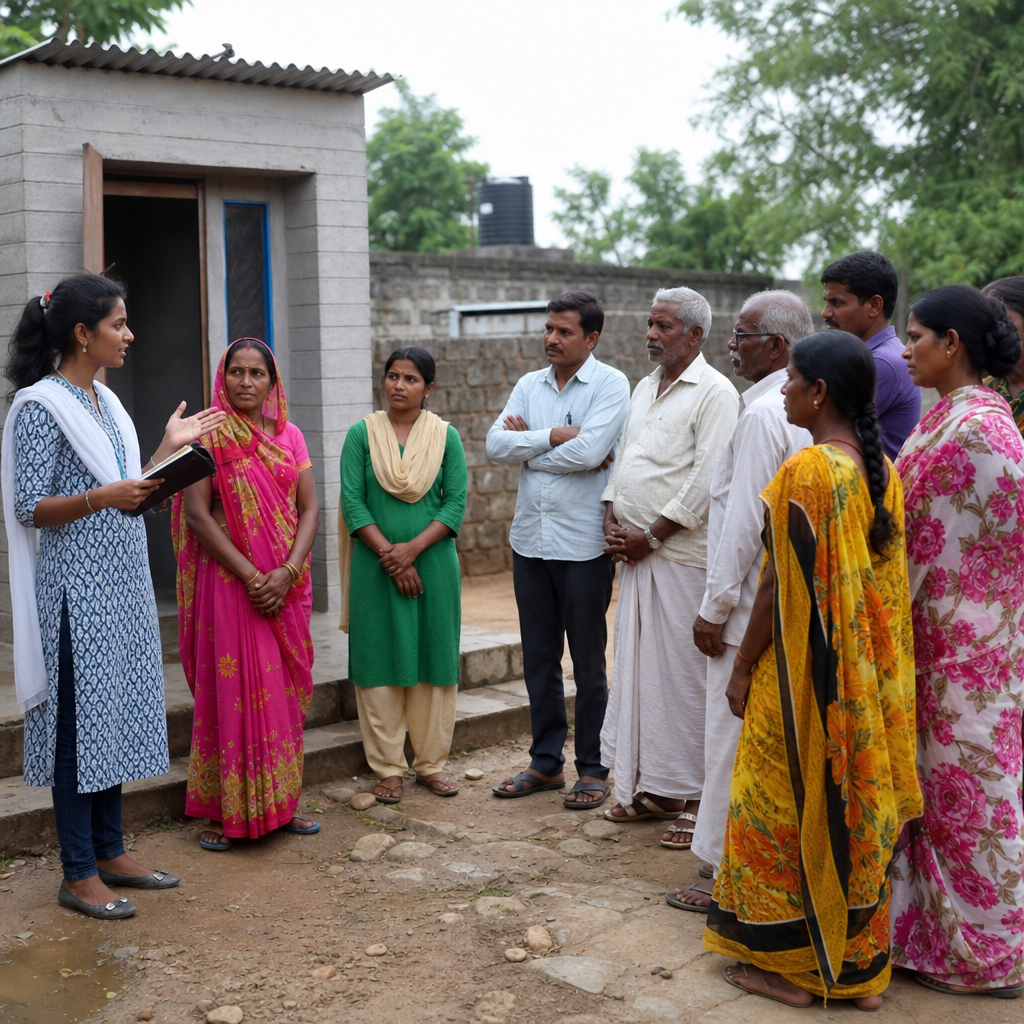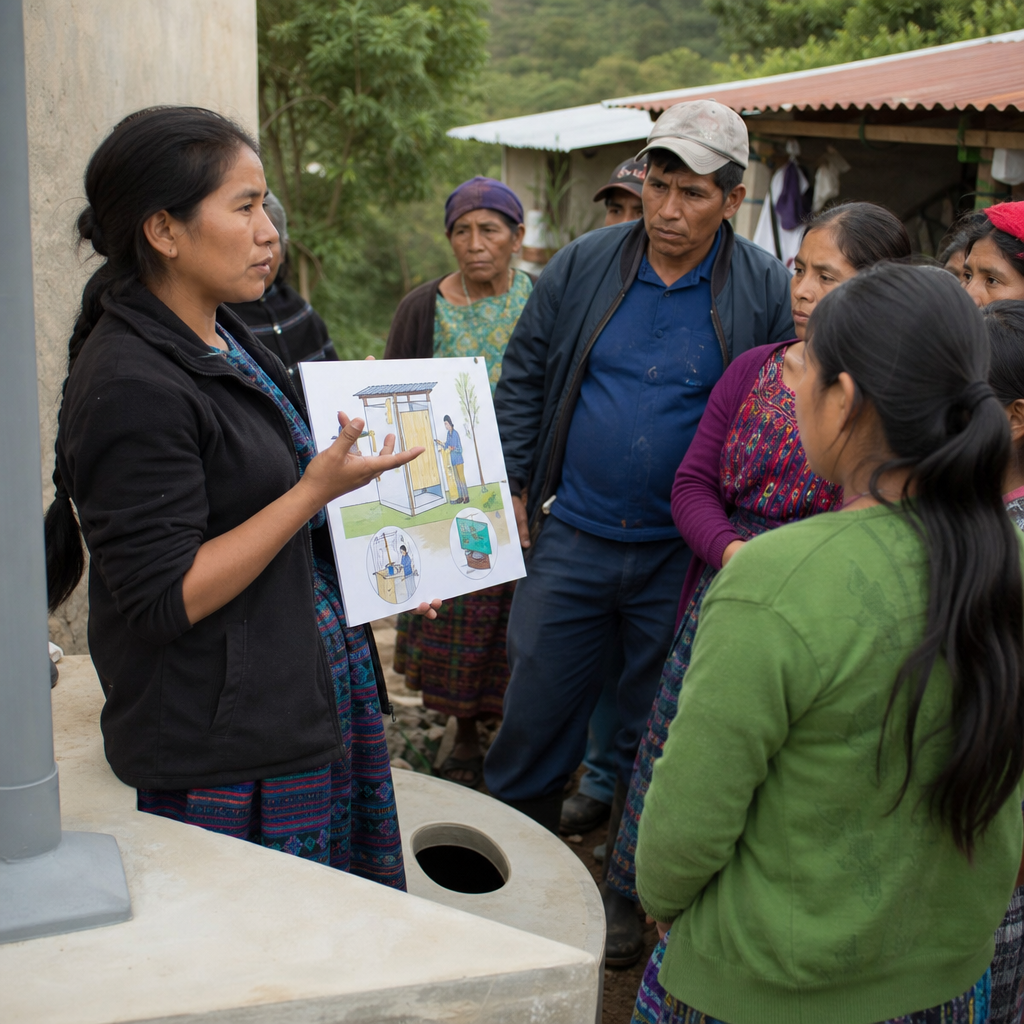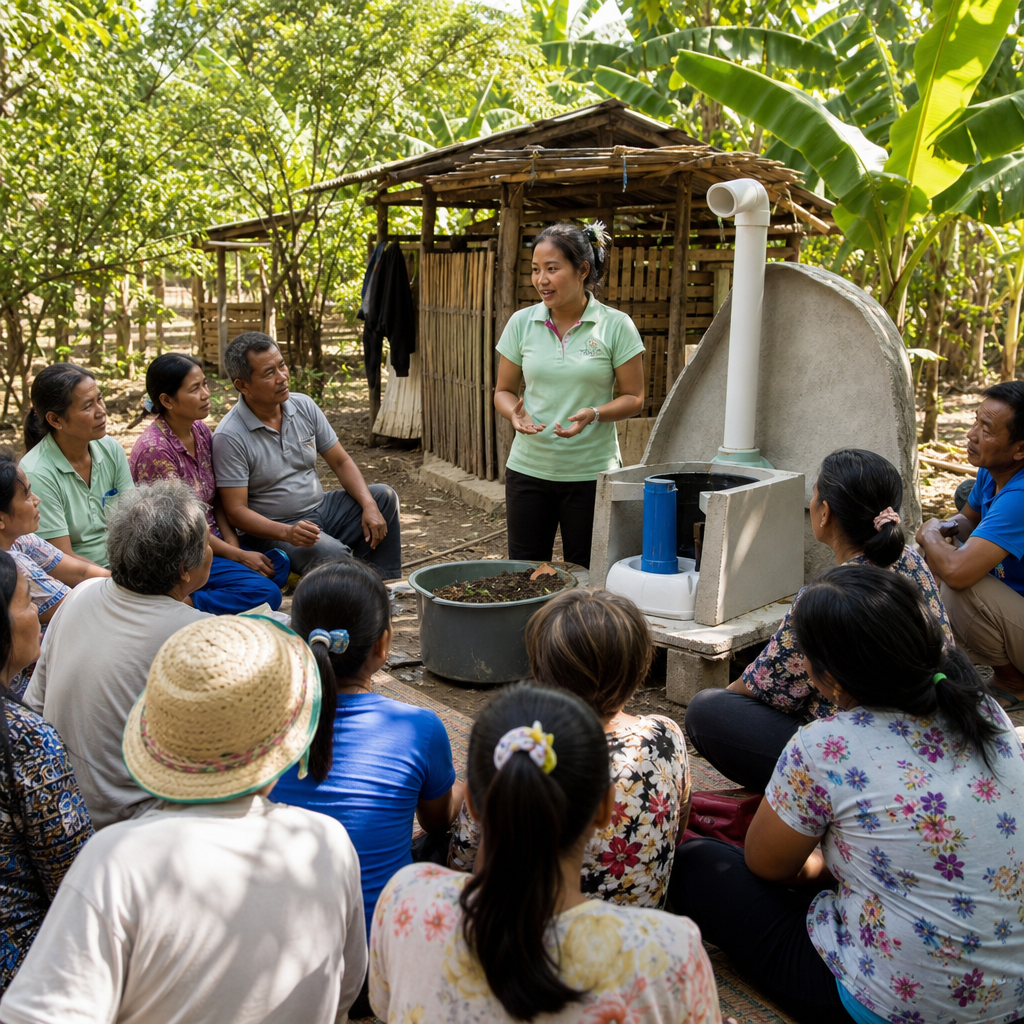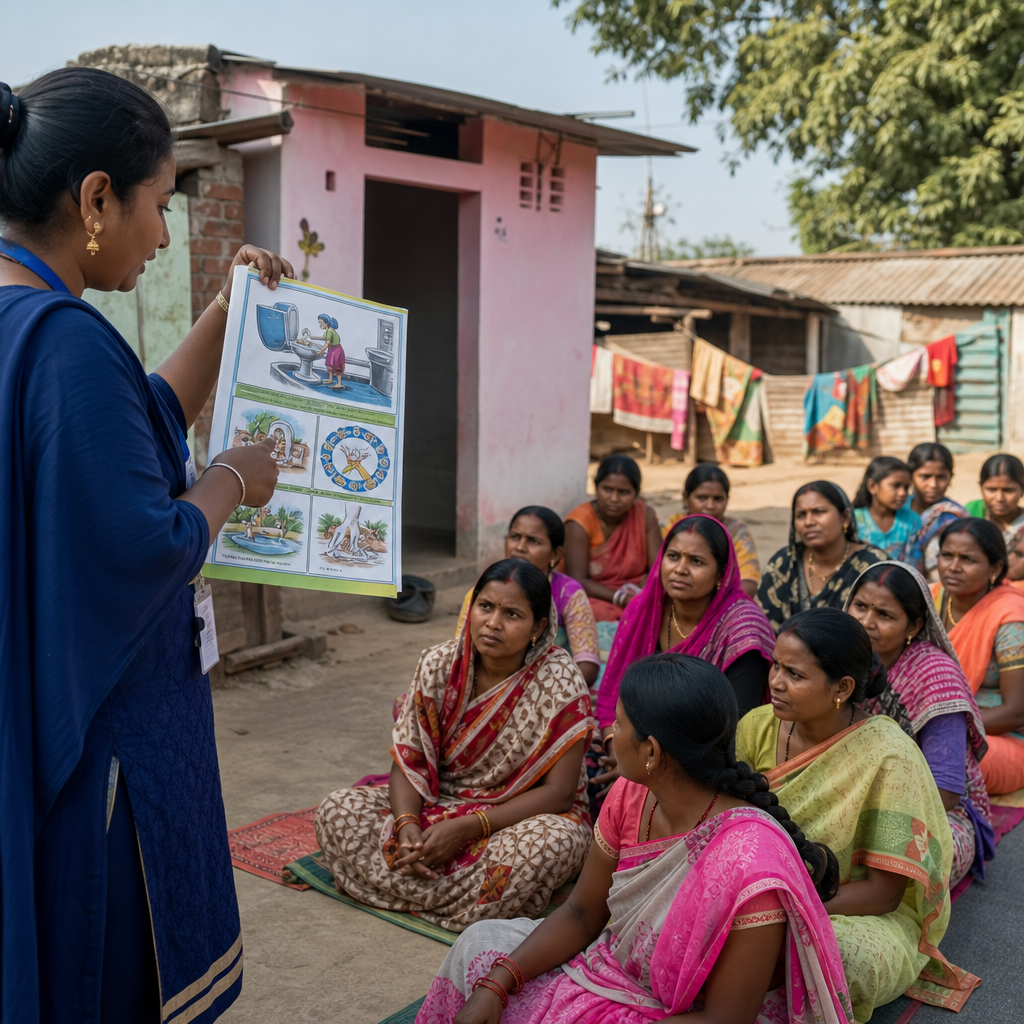
Public health campaigns integrating sanitation messages work best when they treat sanitation not as a narrow infrastructure issue but as a shared behavior, communication, and trust challenge. In community engagement and education, sanitation includes safe toilet use, handwashing with soap, menstrual hygiene support, waste handling, drainage awareness, and practical steps that reduce exposure to disease. A campaign is more than posters or slogans; it is a coordinated effort using local leaders, schools, clinics, media, and public spaces to change what people know, believe, and do. I have worked on outreach programs where a well-built latrine failed because nobody explained maintenance, while a modest handwashing station succeeded because neighbors taught each other how and why to use it. That contrast explains why this topic matters. Communities are empowered through knowledge when information is relevant, repeated, trusted, and linked to action. Strong sanitation messaging protects health, reduces absenteeism, supports dignity, and creates lasting habits.
Why sanitation messaging belongs at the center of community education
Sanitation messages belong at the center of community education because unsafe sanitation drives preventable illness, and illness follows daily routines. According to the World Health Organization and UNICEF Joint Monitoring Programme, safely managed sanitation and hygiene are foundational public health services, not optional extras. When communities understand fecal-oral transmission, contaminated water pathways, and the role of hand contact on shared surfaces, prevention becomes concrete. People can act on specific risks: unclean school toilets, uncovered waste pits, stagnant drainage, and poor handwashing after toilet use or before food preparation. The public health value is measurable. Improved sanitation and hygiene are associated with lower diarrheal disease risk, reduced parasitic infection, and better child growth outcomes when combined with clean water and nutrition support.
In practice, sanitation education succeeds when it connects health messages to everyday priorities. Parents respond to fewer missed school days. Market vendors respond to cleaner stalls and customer confidence. Teachers respond to improved attendance and easier classroom management when toilets are usable and handwashing is normal. Local governments respond when campaigns reduce open defecation, clogging, and outbreak pressure. Effective communication therefore avoids abstract warnings and instead answers direct community questions: How does disease spread here? What should households do first? What is the cheapest immediate improvement? Which behaviors matter most during rainy season? A hub article on empowering communities through knowledge must start there, because sanitation literacy creates the conditions for every later intervention, from infrastructure uptake to maintenance compliance and citizen reporting.
Core messages every integrated campaign should deliver
An integrated sanitation campaign should deliver a consistent set of core messages across channels. First, explain transmission simply and accurately: germs from human waste can move through hands, water, food, soil, flies, and surfaces into mouths. Second, define the priority behaviors: use a safe toilet every time, wash hands with soap after toilet use and before handling food, dispose of child feces safely, keep drinking water protected, and maintain clean shared facilities. Third, make the message local. In flood-prone areas, emphasize drainage and latrine overflow prevention. In dense settlements, stress shared toilet cleaning schedules and waste segregation. In schools, include menstrual hygiene, privacy, soap availability, and reporting broken doors or taps.
Good campaigns also separate essential actions from desirable upgrades. Households need to know what can be done immediately, such as setting up a low-cost tippy tap, covering stored water, designating a cleaning rota, or keeping soap in a dry container. They should also understand longer-term improvements such as septic system maintenance, sewer connections where available, and inclusive toilet design for older adults and people with disabilities. I have seen campaigns lose momentum by overwhelming residents with engineering language before establishing behavior basics. Clear sequencing matters. Start with risk recognition and daily habits, then move toward service accountability and infrastructure improvement. When messages are layered this way, communities are more likely to absorb, repeat, and normalize them.
How trusted community channels turn information into behavior change
People rarely change sanitation behavior because of one message from one source. They change when the same advice appears through trusted channels and is reinforced socially. Health workers provide credibility, teachers provide repetition, faith leaders provide moral framing, and neighborhood committees provide accountability. Radio call-in programs can answer questions at scale, while door-to-door visits help households troubleshoot practical barriers. In one municipal campaign model I helped review, school clubs demonstrated handwashing technique, nurses discussed diarrhea prevention at immunization days, and local repair teams posted contact numbers for broken communal toilets. Usage improved because the campaign made action visible and support accessible.
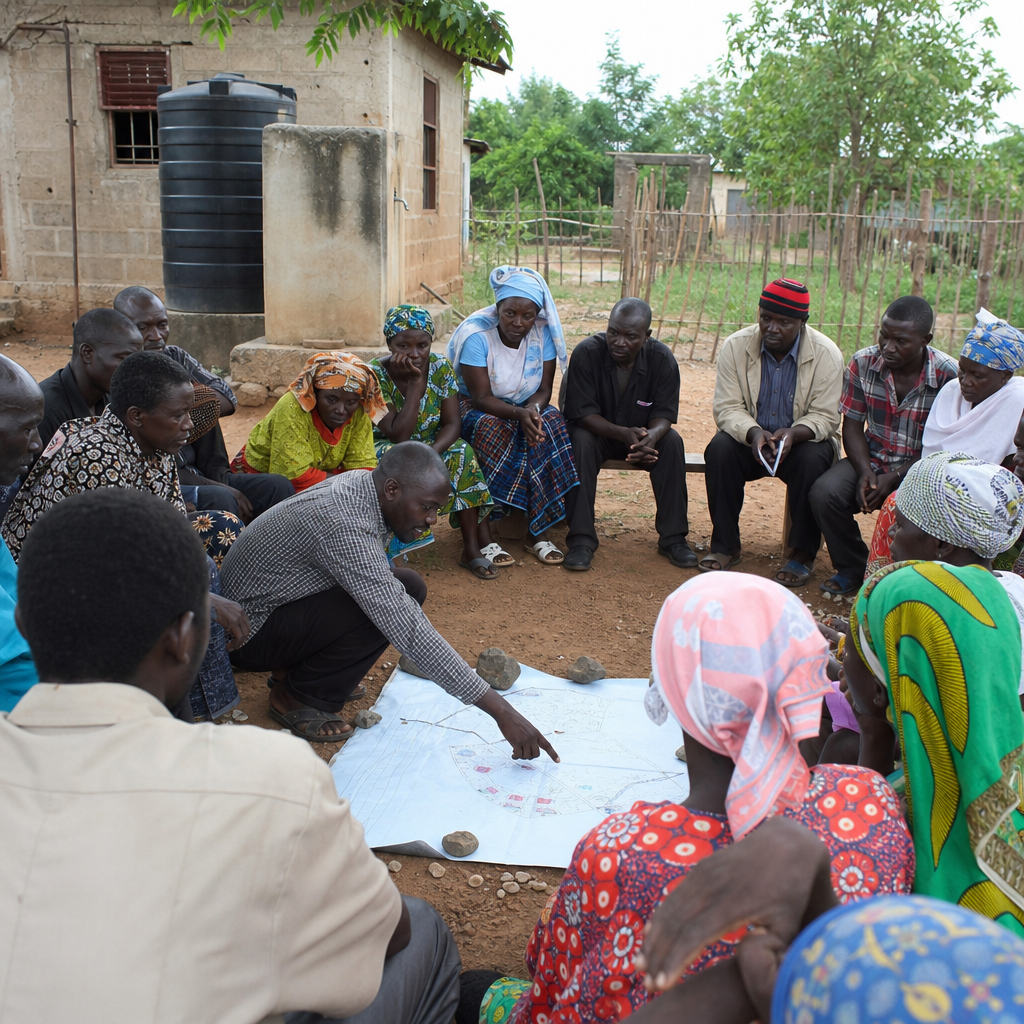
Integrated communication also means adapting to literacy levels and language preferences. Visual cues, color-coded cleaning charts, and demonstration sessions often work better than text-heavy leaflets. Social proof matters: when respected residents publicly commit to toilet cleanliness or waste segregation, others follow. Community mapping exercises can identify neglected lanes, overflowing bins, and unsafe open defecation areas, turning vague concern into a shared plan. The most effective campaigns do not merely inform; they invite participation. Residents help define the problem, test solutions, and monitor progress. That participatory approach builds ownership, which is essential because sanitation is maintained locally even when funding or policy originates elsewhere.
Designing messages for schools, clinics, markets, and households
Different settings require different sanitation messages, even when the health objective is the same. Schools need routines that children can remember and staff can supervise: handwashing before meals, reporting nonfunctional toilets, keeping menstrual products and disposal options available, and assigning clear cleaning responsibility. Clinics need infection prevention messaging linked to patient flow, toilet disinfection, safe waste handling, and water point reliability. Markets need messages for food vendors, customers, cleaners, and local inspectors focused on waste containment, drain maintenance, handwashing near food zones, and public toilet upkeep. Households need practical advice tied to family routines, available space, cost, and caregiving responsibilities.
This is where campaign planning becomes operational rather than generic. A school poster saying “wash your hands” is weak unless soap is present, handwashing stations are child-height, and teachers reinforce timing. A market announcement about cleanliness is ineffective unless waste collection schedules are posted and drain blockages are addressed. A household sanitation visit fails if the outreach worker ignores who controls spending, who cleans the toilet, and whether water is reliably available. Tailoring increases relevance and fairness. It also helps avoid a common mistake: treating sanitation as an individual choice when the setting itself prevents compliance. Good public health communication identifies behavior, environment, and service constraints together.
What strong campaign planning looks like in practice
Strong planning starts with a baseline, not assumptions. Before developing messages, campaign teams should assess current knowledge, behaviors, facility conditions, and local beliefs. Simple tools include household surveys, school audits, structured observations, focus groups, and rapid barrier analysis. Teams should ask: Are toilets available but not used? Is soap too expensive or simply not prioritized? Are women and girls avoiding facilities because of privacy concerns? Are landlords responsible for maintenance in rental compounds? The answers shape both the message and the delivery method. Frameworks used in hygiene promotion and social and behavior change communication consistently show that convenience, norms, perceived risk, and self-efficacy drive action more than awareness alone.
Planning also requires role clarity, timing, and measurable objectives. A campaign should define who creates content, who approves it, who delivers it, and how results will be tracked. Seasonal timing matters. Before rains, focus on drainage, overflow, vector breeding, and contamination risk. Before school terms, prioritize facility readiness and student orientation. During outbreaks, shift to rapid, directive communication while maintaining accuracy. The table below shows a practical planning structure used in many community sanitation programs.
| Campaign element | Key question | Example action | Indicator |
|---|---|---|---|
| Audience segmentation | Who must change what behavior? | Separate messages for caregivers, students, vendors, landlords | Message recall by group |
| Barrier identification | Why is the behavior not happening now? | Interview households about cost, privacy, water access | Top barriers documented |
| Channel selection | Which messenger is most trusted? | Use teachers in schools, nurses in clinics, radio in rural areas | Reach by channel |
| Enabling environment | Are supplies and services available? | Install soap points, publish repair contacts, set cleaning rota | Facility functionality rate |
| Measurement | How will progress be verified? | Track toilet use, soap presence, absenteeism, complaint logs | Monthly dashboard trends |
Using evidence, standards, and local feedback to improve campaigns
Reliable sanitation campaigns are grounded in evidence and updated through feedback. International standards and guidance from WHO, UNICEF, national ministries of health, and school health frameworks provide a solid starting point on hygiene promotion, water safety, healthcare waste, and inclusive sanitation design. But evidence must be interpreted locally. A behavior that is technically correct may still fail if the message ignores disability access, tenancy arrangements, or cultural norms around child feces disposal. That is why pilot testing matters. Show materials to residents before launch. Ask them what is confusing, unrealistic, or missing. Watch whether people can demonstrate the behavior after hearing the message once.
Measurement should go beyond attendance at events. The best indicators combine knowledge, environment, and behavior: percentage of facilities with water and soap, visible cleanliness scores, reduction in open defecation sites, school absenteeism related to gastrointestinal illness, complaint resolution time, and self-reported handwashing at critical moments backed by spot checks where appropriate. Digital tools such as KoboToolbox, DHIS2 integrations, GIS mapping, and simple WhatsApp reporting groups can help local teams capture patterns quickly. Still, numbers alone are not enough. Field notes often reveal why a metric changed. When a campaign improves handwashing but toilet cleanliness declines, the likely issue is maintenance capacity, not message failure. Good teams investigate before rewriting content.
Common mistakes that weaken sanitation communication
Many sanitation campaigns underperform for predictable reasons. One mistake is relying on fear without providing clear actions. Telling people disease is dangerous is not enough; they need practical steps they can afford and repeat. Another mistake is treating one-off events as a strategy. Community cleanup days can build momentum, but without follow-up, maintenance plans, and reinforcement, conditions revert quickly. A third mistake is excluding groups most affected by poor sanitation, including women, children, people with disabilities, migrants, and informal settlement residents. If messages are not designed with them, the campaign may look active while missing the highest-risk populations.
Other failures are operational. Campaigns promise hygiene but do not ensure soap, water, bins, desludging access, or repair systems. They use technical jargon instead of plain language. They do not align school messages with household realities. They overlook landlords, caretakers, and sanitation workers, even though those actors control facilities and waste flows. I have also seen good campaigns lose trust by overstating results. Communities notice when officials celebrate success while toilets remain broken. Credibility is preserved by acknowledging limits, publishing realistic timelines, and showing visible progress on small fixes. Honesty is not a weakness in public health communication; it is the basis of sustained participation.
Building a knowledge hub that empowers communities over time
As a sub-pillar hub within community engagement and education, this topic should connect readers to every related sanitation education question they will have next. A strong knowledge hub explains core sanitation concepts, then branches into practical areas such as school hygiene promotion, community-led monitoring, behavior change methods, menstrual hygiene education, outbreak communication, waste management awareness, rural sanitation outreach, urban settlement engagement, and evaluation methods. The goal is not to duplicate every detail on one page. The goal is to give readers a clear map, shared vocabulary, and confident starting points so they can explore deeper guidance in supporting articles.
Empowering communities through knowledge means making sanitation understandable, actionable, and locally owned. The strongest public health campaigns integrate sanitation messages across schools, clinics, markets, media, and neighborhood networks; they pair communication with functioning services; and they measure whether people can act on what they learn. When campaigns respect local experience, use trusted messengers, and respond to feedback, sanitation shifts from a periodic awareness topic to a daily community standard. That is the real benefit of this approach: healthier routines, stronger accountability, and better public health outcomes that last beyond a single campaign cycle. Use this hub as the starting point for planning, improving, or evaluating sanitation education efforts in your community, then build outward with targeted resources and local partnerships.
Frequently Asked Questions
What does it mean to integrate sanitation messages into a public health campaign?
Integrating sanitation messages into a public health campaign means treating sanitation as a core part of disease prevention, daily wellbeing, and community resilience rather than as a standalone construction or infrastructure topic. In practice, this means campaigns do not focus only on toilets or waste systems. They connect safe toilet use, handwashing with soap, menstrual hygiene support, household waste handling, drainage awareness, clean water protection, and everyday behaviors that reduce exposure to infection. The goal is to help people understand how these actions work together to protect families, schools, workplaces, and neighborhoods.
A strong integrated campaign also recognizes that behavior change depends on trust, relevance, and local participation. Messages are more effective when they are delivered through channels people already rely on, such as community health workers, teachers, religious leaders, women’s groups, youth groups, and local radio. Instead of repeating generic slogans, effective campaigns explain why sanitation matters, what specific actions people can take, and how those actions fit local routines and constraints. This approach makes sanitation practical, visible, and easier to adopt as part of everyday life.
Why are sanitation messages more effective when they are tied to community engagement and education?
Sanitation messages work better when they are rooted in community engagement and education because people are far more likely to act on information they trust, understand, and see reflected in their own environment. Public health communication is not simply about distributing facts. It is about building shared understanding, addressing concerns, and making recommended behaviors feel realistic. When communities are involved in shaping the campaign, the messages become more culturally appropriate, more specific to local risks, and more likely to address real barriers such as cost, water access, privacy, safety, or social stigma.
Education also helps move sanitation from a one-time message to a sustained habit. For example, a poster about handwashing may raise awareness, but a school demonstration, a neighborhood meeting, or a discussion led by a trusted local health worker can show when handwashing matters most, how to do it correctly, and why soap is important. The same is true for safe toilet use, menstrual hygiene management, and proper waste disposal. Community engagement creates space for questions, feedback, and problem-solving, which is essential for long-term behavior change. It transforms sanitation from an abstract health recommendation into a shared community standard.
What topics should a public health campaign include when communicating about sanitation?
A well-designed sanitation campaign should cover the full range of behaviors and conditions that influence exposure to disease. This typically includes consistent toilet use, safe disposal of children’s feces, handwashing with soap at critical times, menstrual hygiene support, safe storage and disposal of household waste, reduction of standing water, drainage maintenance, and protection of shared spaces such as schools, clinics, markets, and public toilets. Depending on the context, campaigns may also include messages about food hygiene, cleaning practices, safe water handling, and environmental cleanliness.
Just as important, the campaign should explain how these topics connect. People respond better when they understand the chain of risk: waste left in the open contaminates surroundings, poor drainage increases exposure, unclean hands spread germs, and a lack of privacy or menstrual hygiene support can keep people from safely using facilities. Effective campaigns also address the human side of sanitation. They speak to dignity, safety, convenience, and inclusion, especially for women, girls, children, older adults, and people with disabilities. By covering both practical behaviors and social realities, sanitation messaging becomes more complete and more useful.
How can public health campaigns make sanitation messages more trusted and actionable?
Sanitation messages become more trusted and actionable when they are clear, locally relevant, and delivered by credible voices through repeated, coordinated communication. Trust grows when communities hear consistent guidance from people they know, such as local leaders, nurses, teachers, and trained volunteers. It also grows when campaigns avoid blaming individuals and instead acknowledge common challenges. If a campaign tells people to wash hands but does not recognize limited soap access, or promotes toilet use without addressing safety or maintenance concerns, the message may feel disconnected from reality. Practicality is essential.
Actionable campaigns break broad goals into simple steps people can follow. Instead of saying only “improve sanitation,” they explain what to do: wash hands after toilet use and before preparing food, keep waste covered and disposed of safely, report blocked drainage, support private and clean menstrual hygiene spaces, and help children use sanitation facilities correctly. Demonstrations, community meetings, school activities, radio segments, and reminders in high-traffic areas can reinforce these actions. Campaigns are strongest when they also create a feedback loop, allowing residents to ask questions, raise concerns, and help improve the effort over time. That process turns communication into collaboration.
What makes a sanitation-focused public health campaign successful over the long term?
Long-term success depends on more than visibility. A campaign is successful when it leads to sustained behavior change, stronger local ownership, and measurable improvements in health protection. That means the effort should be continuous, coordinated, and adapted to the local context rather than limited to a short burst of posters or announcements. Successful campaigns typically combine education, social reinforcement, supportive services, and follow-up. They align messaging across schools, health centers, local government, and community organizations so people receive the same core guidance in multiple settings.
Durability also comes from inclusion and responsiveness. Campaigns should account for the needs of different groups, including women and girls managing menstruation, households with young children, people with disabilities, and residents of dense urban or remote rural areas facing different sanitation challenges. Monitoring matters as well. Organizers should look at whether people understand the messages, whether facilities are being used safely, whether handwashing or waste practices are improving, and whether disease risks are decreasing. When a campaign listens, adjusts, and stays connected to community realities, sanitation messaging becomes part of everyday public health practice rather than a temporary awareness exercise.