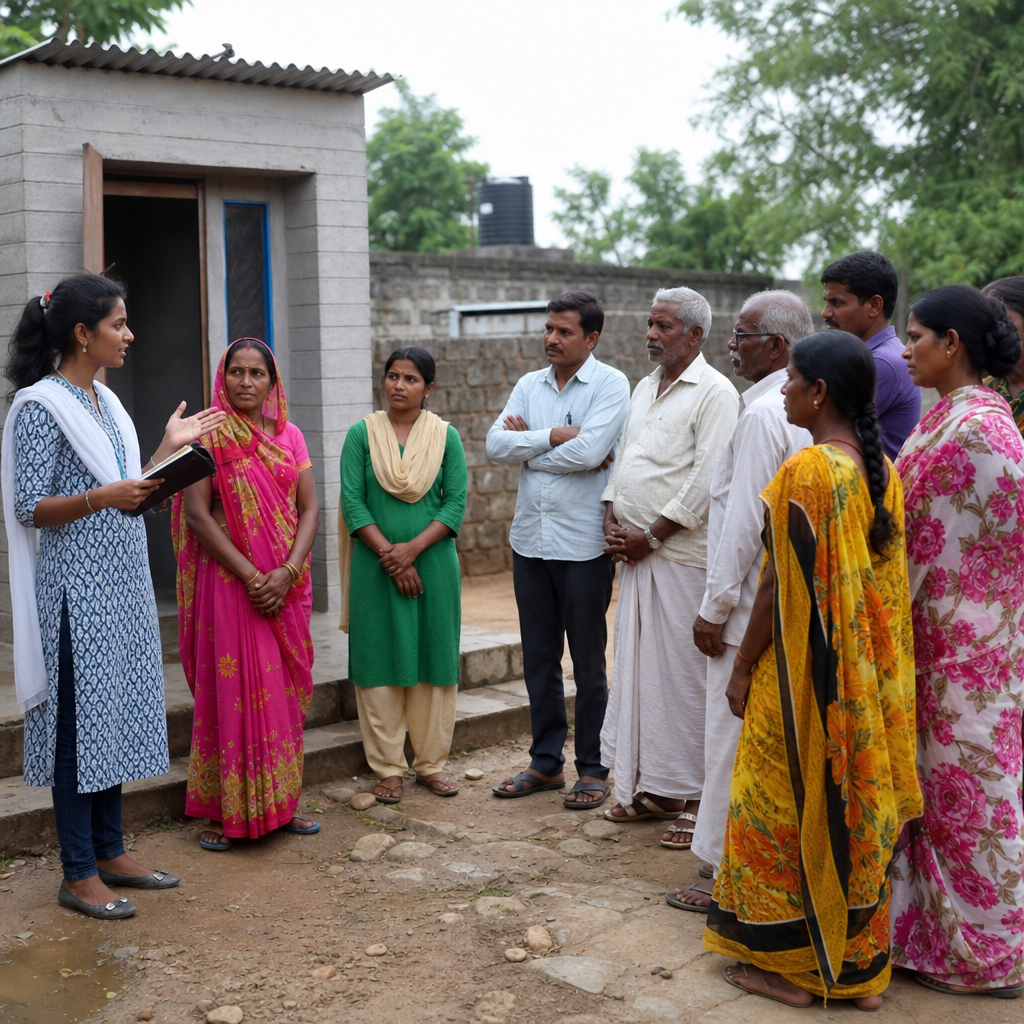
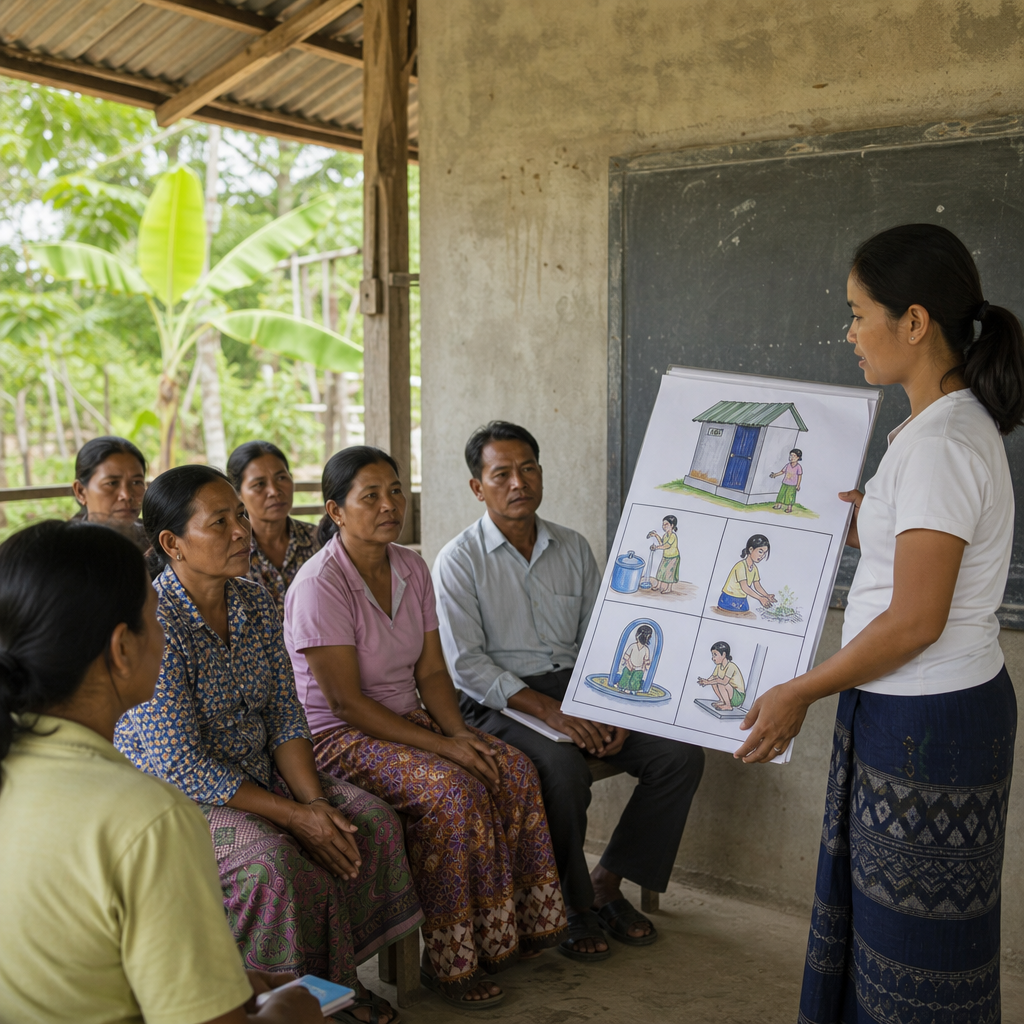
Community theatre for advocacy turns education into a public, participatory act, and in March that purpose becomes especially timely because schools, nonprofits, libraries, and civic groups often plan spring campaigns that need fresh ways to reach people. In practical terms, community theatre means locally created or locally staged performances involving residents rather than only professional casts. Advocacy means using those performances to inform, persuade, and mobilize around an issue such as public health, voting access, climate resilience, literacy, housing, or anti-bullying. Educating for change is the bridge between the two: it uses story, dialogue, and reflection to help people understand a problem, see its human impact, and imagine a response they can take together.
I have worked with community arts teams that needed to explain complex issues to mixed audiences, and theatre repeatedly outperformed lectures when the goal was retention, empathy, and conversation. People remember a scene in a school cafeteria about food insecurity longer than they remember a slide deck of statistics. That does not make theatre a substitute for research or policy expertise. It makes theatre a delivery system for evidence, lived experience, and public discussion. When a short performance is paired with a facilitated talkback, a fact sheet, and clear next steps, it can educate in a way that feels immediate without sacrificing accuracy.
This hub article explains how community theatre for advocacy supports educating for change, what models work best, how to design a program responsibly, and how to measure results. It also serves as the central guide for related articles under Community Engagement and Education, so the focus here is comprehensive. You will find definitions, planning methods, examples, audience strategies, partnership frameworks, and evaluation practices that help organizations move from a good idea to a credible, effective public education effort.
What community theatre for advocacy actually does
Community theatre for advocacy educates by translating abstract issues into recognizable human situations. A policy debate about eviction prevention becomes a family deciding whether to pay rent or buy medication. A discussion about water quality becomes a scene at a town meeting where residents compare bills, test results, and health worries. These stories create context, and context improves comprehension. Cognitive research on narrative transportation and memory consistently shows that people process and retain information more effectively when it is embedded in story. In outreach practice, that means a ten-minute scene can open the door to a much deeper conversation than a brochure alone.
Advocacy theatre also widens access. Not every community member will attend a workshop or read a report, but many will attend a free performance at a school auditorium, neighborhood park, church hall, or cultural center. Because the format is social and local, it lowers barriers for first-time participants. It can also work across age groups and literacy levels when scripts use plain language and visible action. For multilingual communities, directors can incorporate projected translations, bilingual narration, or scenes developed from interviews in more than one language. The educational value rises when audiences feel the performance reflects their own speech patterns, concerns, and institutions.
Used well, this form of theatre does three jobs at once. First, it informs by presenting verified facts in a vivid way. Second, it builds empathy by putting people close to the consequences of an issue. Third, it invites action by offering concrete responses such as attending a clinic, joining a tenants’ meeting, speaking with a school counselor, or contacting a local representative. Those three functions are why community theatre remains one of the most practical arts-based tools for civic education.
Core models for educating for change
Not every advocacy production works the same way. The strongest programs choose a model that fits the issue, audience, and setting. Devised theatre is common when a group wants to build a script from community interviews, workshops, and improvisation. It works well for topics where lived experience matters as much as formal data, such as youth mental health or immigrant access to services. Documentary theatre is better when credibility depends on direct use of transcripts, testimony, public records, and verbatim language. Organizations addressing criminal justice, environmental hazards, or labor conditions often use this model because it lets audiences hear the exact words of residents, officials, and experts.
Forum-style performance is especially valuable for education because it turns spectators into problem-solvers. A scene presents a conflict, then the facilitator invites audience members to suggest or enact different responses. In practice, this can help students test how to intervene in bullying, help patients practice asking informed questions at a clinic, or help residents rehearse how to challenge misinformation at a community meeting. Readers exploring this hub should also look at companion pieces on participatory facilitation, issue-based script development, and post-show discussion design, because those elements determine whether audience interaction becomes meaningful education or just a lively event.
Short touring pieces are another effective model. A nonprofit can stage a twenty-minute show in schools, libraries, shelters, or health fairs, followed by a structured discussion and referral resources. I have seen this approach work particularly well in public health communication because it respects limited attention spans while still creating emotional engagement. The key is disciplined writing: one clear educational objective, a small number of characters, and a direct call to action linked to local services.
Planning a credible education-centered production
Effective community theatre for advocacy begins with a precise educational question. Instead of asking, “How do we raise awareness about housing?” ask, “What do renters need to know about eviction timelines, legal aid, and documentation?” Instead of “How do we talk about mental health?” ask, “How can teenagers recognize early warning signs and identify trusted adults?” That specificity shapes research, scripting, casting, partnerships, and evaluation. It also prevents the common mistake of producing an emotionally moving show that leaves audiences unsure what they learned or what to do next.
Research comes next, and it must be rigorous. Use local agency reports, public datasets, peer-reviewed studies where relevant, and interviews with people directly affected. Cross-check facts, especially legal or medical information, and date your sources because guidance changes. If the piece addresses domestic violence, voting rules, immigration procedures, or health screenings, have a subject-matter expert review the script. Accuracy is not optional in advocacy theatre. A single incorrect claim can undermine trust with audiences and partners.
Then build the audience journey. What should people know before they arrive, understand during the performance, discuss afterward, and do within a week? This sequence matters. Educational theatre is strongest when the event includes pre-show framing, the performance itself, facilitated reflection, and a resource handout or digital follow-up. Schools may add classroom activities. Nonprofits may add sign-up forms, hotline cards, or referral desks. Libraries may add reading lists and workshop registrations. The production is one touchpoint inside a larger learning system, not a standalone miracle solution.
Program design elements that improve outcomes
Several design choices consistently improve educational impact. First, put the learning objective into the script architecture. If the goal is to teach bystander intervention, the script should show a recognizable harmful situation, at least one ineffective response, and at least one realistic effective response. If the goal is to explain environmental justice, include a clear chain from policy decision to neighborhood effect to resident action. Audiences do not infer every lesson on their own; they need structure.
Second, invest in facilitation as seriously as performance. The post-show discussion is where information is clarified, emotions are processed, and action becomes specific. Skilled facilitators ask open questions, restate key facts accurately, protect vulnerable participants, and know when to redirect debate. They also understand trauma-informed practice. A powerful scene about violence, addiction, discrimination, or grief can surface real experiences in the room. Staff need protocols for support, disclosure, and referral.
Third, make access practical. Schedule at times working families can attend. Offer free or low-cost admission. Provide captioning, wheelchair access, sensory considerations, childcare when possible, and materials in major local languages. If you are educating for change, accessibility is part of the message. An event about civic inclusion that excludes disabled attendees or non-English-speaking residents teaches the opposite of what it intends.
| Program element | Why it matters | Plain-language example |
|---|---|---|
| Issue briefing | Gives shared facts before emotions rise | A one-page handout on tenants’ rights distributed at check-in |
| Scenario-based script | Shows the issue in real life rather than abstract terms | A family navigating a school discipline policy step by step |
| Facilitated talkback | Turns reaction into understanding and next steps | A moderator asks what resources the character should have had |
| Partner presence | Connects learning to immediate help | A health clinic table offering screening appointments after the show |
| Follow-up message | Improves retention and action after the event | A text or email with links, hotline numbers, and volunteer options |
Partnerships, ethics, and representation
The best advocacy theatre is rarely created alone. Schools, grassroots groups, public agencies, museums, health providers, and legal aid organizations all contribute different strengths. Schools offer youth access and curricular relevance. Service providers supply accurate information and referral pathways. Grassroots groups bring trust and local legitimacy. Arts organizations contribute production skill, rehearsal discipline, and audience development. In successful projects I have led or advised, the most important early meeting was not about staging. It was about roles, review rights, safeguarding, and what success would look like for each partner.
Representation requires equal care. If a production draws on community stories, participants should know how interviews will be used, whether names will change, who approves final text, and whether compensation is available. Avoid extracting testimony for dramatic effect. People are not raw material. They are collaborators, and sometimes they are also vulnerable. This is especially important with youth, survivors of violence, undocumented residents, and communities that have been repeatedly studied without seeing benefits return to them.
Balance is another ethical requirement. Advocacy does not mean flattening complexity. A play about school attendance should not ignore transportation, caregiving, disability, or language barriers. A piece about public safety should not treat every stakeholder as identical. Credible work acknowledges tradeoffs, uncertainty, and conflicting pressures while remaining clear about the evidence. That nuance increases trust, and trust increases educational value.
Measuring whether theatre actually educates
Evaluation should be built into the project from the start. Count attendance, but do not stop there. The real question is whether the audience learned, discussed, remembered, or acted. Use short pre- and post-event surveys to measure knowledge gains. Ask specific questions, not vague satisfaction items. For example: “Can you identify two local resources for food assistance?” “Do you know the first step in requesting a special education evaluation?” “How confident are you in intervening when you witness harassment?” If the program includes a follow-up text or email, track click-throughs, registrations, hotline calls, or workshop sign-ups.
Qualitative data matters too. Collect comments from facilitators, partner organizations, teachers, and audience members. Note which scenes prompted the strongest discussion and where confusion remained. In school settings, teachers can assess retention a week later through writing prompts or class discussion. In public campaigns, partners can compare service uptake before and after performances. No single metric proves impact, but a pattern across knowledge, engagement, and action gives a reliable picture.
It is also important to measure who you reached. If turnout comes mainly from people already active in the issue, your educational strategy may need broader distribution. Touring to new venues, adjusting language access, or partnering with trusted local messengers can change audience composition. Good evaluation does not merely defend the program. It improves the next one.
Why this hub matters for Community Engagement and Education
Educating for change is the connective tissue across community engagement work because information alone rarely shifts behavior, and engagement without learning rarely lasts. Community theatre joins both. It creates a shared experience, then gives people a framework for understanding and action. As the hub for this subtopic, this page connects the essential questions practitioners ask: which theatre model fits the issue, how scripts should be researched, how facilitators should lead discussion, how partnerships should be structured, and how outcomes should be measured. Those related articles deepen each area, but the central principle remains simple: local stories, responsibly developed and carefully facilitated, can teach communities how to respond to real problems together.
For organizations planning March programs, the opportunity is immediate. Spring calendars bring school assemblies, awareness months, neighborhood events, budget hearings, volunteer drives, and campaign launches. A well-designed advocacy performance can support all of them when it is accurate, accessible, and tied to practical next steps. Start with one issue, one audience, and one measurable learning goal. Build with partners. Test the script against facts and lived experience. Facilitate discussion with care. Then evaluate what changed and refine the next production.
Community theatre for advocacy works best when it respects both art and education. It is not propaganda, and it is not entertainment detached from consequence. It is a disciplined public-learning tool that helps communities see, feel, and understand what needs to change. Use this hub as your starting point, then move into the supporting resources under Community Engagement and Education to plan a program that informs clearly and moves people toward action.
Frequently Asked Questions
What is community theatre for advocacy, and why is it especially relevant in March?
Community theatre for advocacy is the practice of using locally created or locally staged performances to educate the public, spark dialogue, and encourage action around a social issue. Unlike traditional theatre that may focus primarily on entertainment, advocacy-based community theatre is designed to serve a public purpose. It often involves residents, students, volunteers, educators, nonprofit staff, and local artists working together to present stories that reflect real concerns in their own community. These performances can address topics such as public health, literacy, housing, civic participation, youth well-being, environmental awareness, or access to local services.
March is an especially strategic time for this work because many organizations are moving into spring programming and outreach. Schools are planning educational initiatives, nonprofits are launching awareness campaigns, libraries are preparing public events, and civic groups are looking for meaningful ways to connect with residents after winter slowdowns. Community theatre fits naturally into that calendar because it offers a fresh, memorable way to communicate important messages just as audiences are becoming more active and available for events. It can also support observances, seasonal campaigns, and community priorities that often gain attention in early spring.
What makes this approach so effective is its participatory nature. People do not just receive information; they see it embodied by neighbors, classmates, and community members. That creates emotional resonance and trust in a way flyers, lectures, or social posts often cannot. In March, when organizations are trying to build momentum for the months ahead, advocacy theatre can help transform education into a shared public experience that is engaging, timely, and action-oriented.
How does community theatre help educate people and inspire real social change?
Community theatre helps educate people by making complex issues understandable, relatable, and emotionally immediate. A performance can take an abstract concern and turn it into a human story that audiences can see, hear, and feel. When people watch a scene about a family navigating housing instability, a student facing bullying, or a resident struggling to access community resources, they are far more likely to remember the message than if they had only read statistics on a handout. Theatre gives context to information, helping audiences understand not only what a problem is, but also how it affects real lives.
It also encourages conversation in ways that more one-directional communication often does not. A strong advocacy performance can be followed by a discussion, audience reflection, a resource fair, or a call to action. That means the event becomes more than a show; it becomes a platform for civic learning and community response. Audience members may leave with new knowledge, but also with a sense of personal connection and responsibility. They may sign up to volunteer, attend a town meeting, support a campaign, talk to a school leader, or share what they learned with others.
Another major strength is accessibility. Community theatre can reach people across ages, education levels, and cultural backgrounds, especially when productions are tailored to local concerns and performed in familiar spaces such as schools, libraries, community centers, parks, or faith-based venues. It is not limited to formal arts audiences. Because it is rooted in local participation, it often feels less distant and more trustworthy than outside messaging. That combination of education, emotion, visibility, and direct public engagement is what makes community theatre such a powerful tool for inspiring real social change.
What kinds of topics work best for advocacy-focused community theatre programs?
The most effective topics are issues that are both socially important and locally relevant. Community theatre works best when audiences can immediately recognize the stakes and see how the message connects to their own lives. Common subjects include mental health awareness, anti-bullying education, substance misuse prevention, voting and civic engagement, environmental stewardship, literacy promotion, public health, food access, domestic violence awareness, inclusion, and youth empowerment. These topics lend themselves well to storytelling because they involve everyday decisions, relationships, institutions, and consequences that people already understand on a personal level.
That said, the strongest advocacy productions do not choose a topic simply because it is popular or urgent in a national conversation. They choose one that matters to the specific community involved. A library may focus on digital literacy and access to information. A school may center student belonging, attendance, or peer pressure. A nonprofit may develop a performance around homelessness, family support services, or community safety. The topic should align with the goals of the organization, the needs of the audience, and the action steps available after the performance. That final point is important: advocacy theatre is most effective when people have somewhere to direct their concern once they are moved by the message.
It is also wise to select topics that can be handled responsibly and constructively. Sensitive issues should be developed with care, input from informed partners, and attention to audience readiness. The goal is not simply to shock people, but to educate them, build empathy, and open a path toward understanding and action. When the subject is relevant, thoughtfully developed, and paired with real community resources, advocacy-focused theatre can become one of the most compelling educational tools available.
How can schools, nonprofits, libraries, and civic groups start a community theatre advocacy project?
Starting a community theatre advocacy project does not require a large budget or a professional company, but it does require clear goals and good planning. The first step is to define the purpose of the project. Organizations should ask what issue they want to address, who they want to reach, and what they hope audiences will think, feel, or do after the performance. A project aimed at teen mental health, for example, will be shaped differently from one focused on voter participation or neighborhood environmental cleanup. Clear goals make it easier to decide on format, tone, venue, partners, and evaluation.
Next, gather the right people. This may include educators, community members, youth participants, local performers, teaching artists, nonprofit staff, subject-matter experts, and event partners. Community theatre thrives on collaboration, so it is important to include voices that reflect the audience and the issue. Scripts can be written from scratch, developed from interviews and workshops, or adapted from existing educational performance models. In all cases, authenticity matters. The more the material reflects real local experiences, the more credible and impactful the performance will be.
Organizations should also think practically about location, accessibility, promotion, and follow-up. Schools may host daytime assemblies or evening family events. Libraries can offer intimate performances followed by discussion. Nonprofits and civic groups may pair a production with a campaign kickoff, panel, or resource table. Promotion should clearly communicate both the event and the issue it addresses, while follow-up should give audiences a next step, whether that is joining a program, accessing services, participating in advocacy, or continuing the conversation. Even a modest production can have significant influence if it is well planned, community-centered, and connected to a real educational or civic purpose.
How can you measure whether an advocacy theatre program is successful?
Success should be measured by more than attendance alone. While audience size matters, the deeper value of advocacy theatre lies in what people learn, how they respond, and what actions follow. A successful program typically shows results in several areas: awareness, engagement, relevance, and community impact. Organizations can begin by looking at immediate feedback. Did audience members better understand the issue after the performance? Did they report feeling more connected to the topic? Did they participate in post-show discussions, ask questions, or seek out resources? Simple surveys, comment cards, facilitated conversations, or digital follow-up forms can provide useful insight.
It is also important to track behavioral or organizational outcomes where possible. For example, a school might look at whether students used support services more often after a performance on mental health or bullying. A nonprofit might measure volunteer sign-ups, campaign participation, resource requests, or partner engagement after a public event. A library or civic group might note increased program attendance, stronger community partnerships, or greater public discussion around the featured issue. These indicators help show whether the performance moved people beyond awareness and into involvement.
Longer-term success often comes from the relationships and momentum the project creates. Did the production open a new conversation in the community? Did it lead to future collaborations between organizations? Did participants gain confidence, leadership skills, or a stronger sense of civic purpose? Advocacy theatre is especially valuable because it can create ripple effects that continue after the event itself. When evaluation includes both short-term audience response and longer-term community outcomes, organizations get a clearer picture of how theatre is contributing to education, connection, and meaningful change.