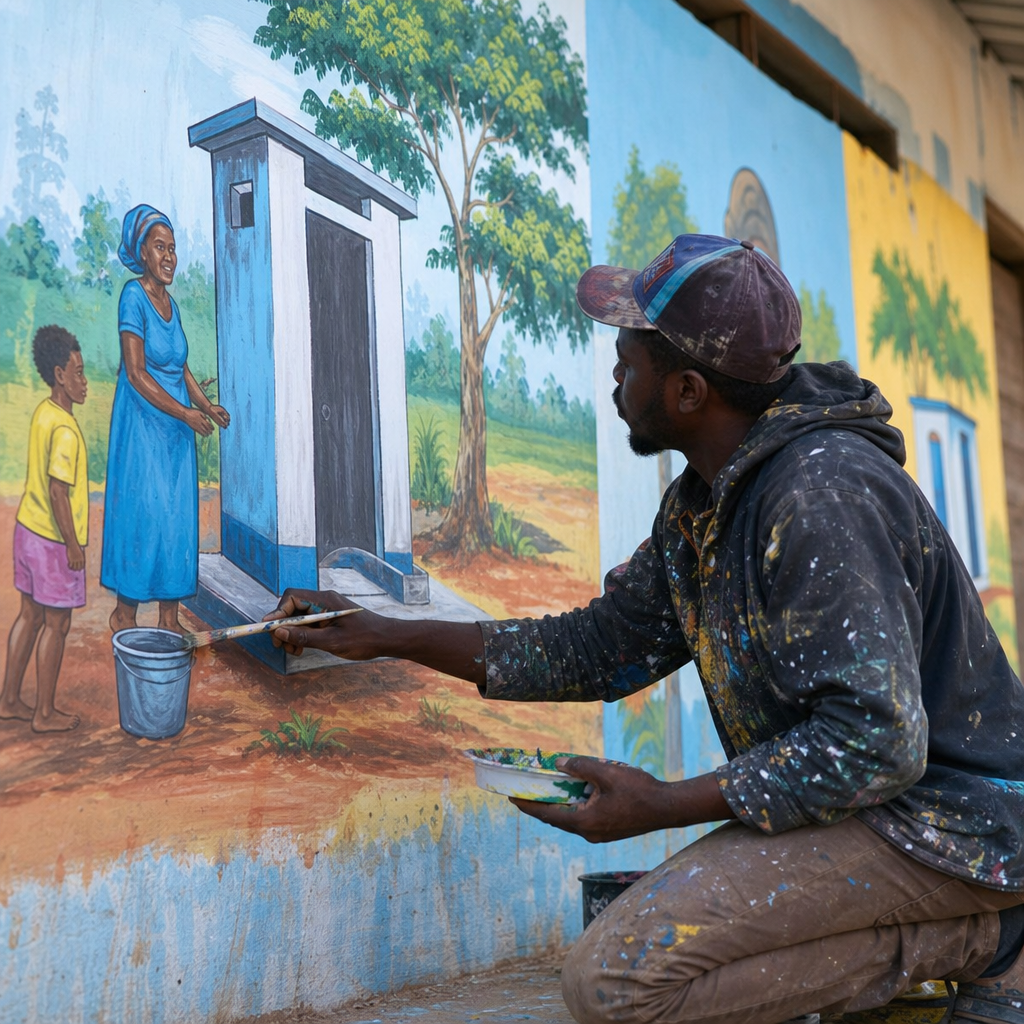
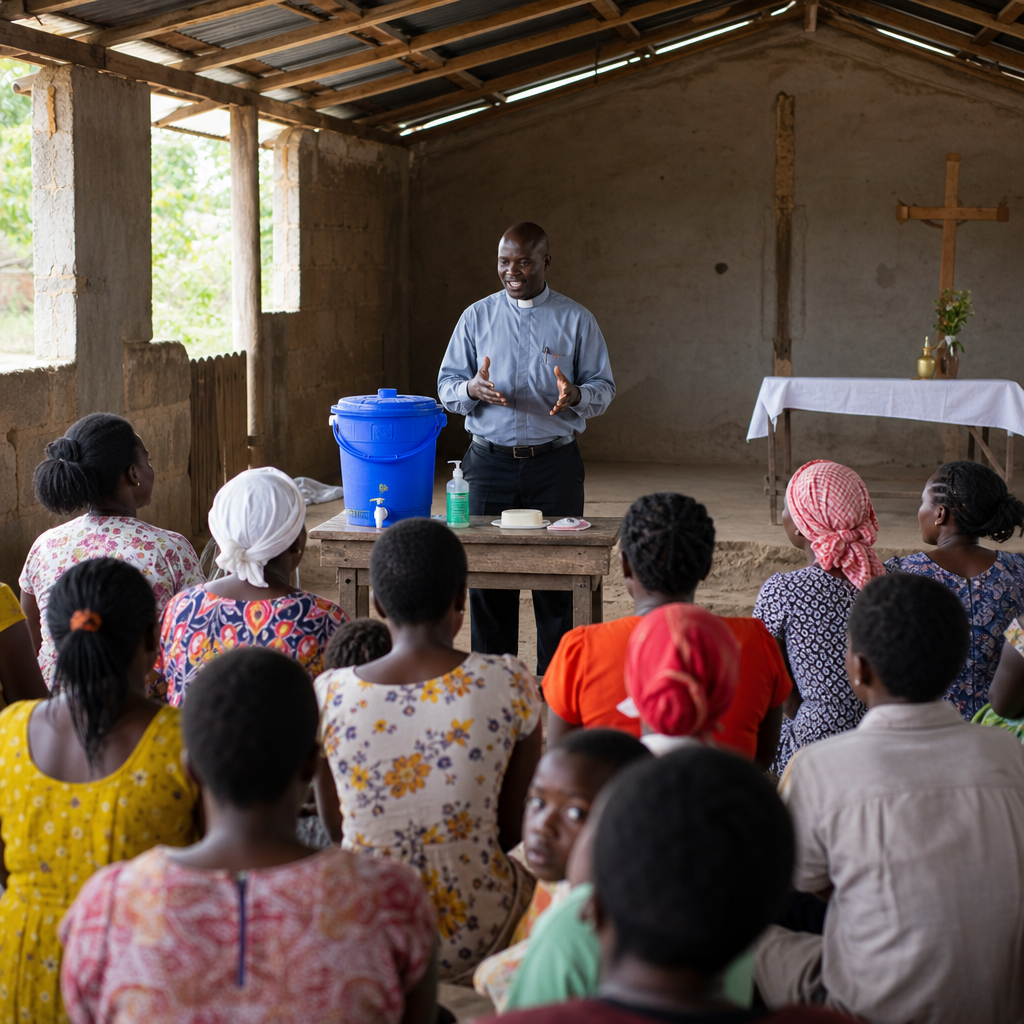
Women lead sanitation education because they manage water, hygiene, caregiving, and household health in many communities, making their knowledge central to behavior change. Sanitation education means the structured teaching of safe toilet use, handwashing, menstrual hygiene management, waste disposal, water protection, and the social norms that support these practices. When women shape that education, programs tend to address daily realities more accurately: school attendance during menstruation, privacy and safety in shared toilets, infant feces disposal, caregiver burden, and the link between sanitation and dignity. In fieldwork across community campaigns, school programs, and local health committees, I have seen the same pattern repeatedly: when women are invited only as attendees, uptake is modest; when they are trusted as planners, trainers, and evaluators, adoption is faster and more durable. That is why the role of women in leading sanitation education matters not only for fairness, but for measurable public health results.
The issue sits at the center of community engagement and education because sanitation practices are learned socially. Families copy what respected neighbors do, children follow the routines adults reinforce, and schools mirror what communities normalize. Poor sanitation contributes to diarrheal disease, intestinal worm infections, undernutrition, school absence, and environmental contamination. UNICEF and WHO have consistently shown that access alone is not enough; facilities fail when users are not taught, motivated, and supported to maintain them. Education closes the gap between infrastructure and everyday behavior. Women often carry the consequences of failure most directly, from caring for sick children to facing harassment when toilets are unsafe or distant. For that reason, this hub on educating for change explains how women lead sanitation education, what effective programs include, where barriers remain, and how communities, schools, nonprofits, and local governments can build stronger systems around women’s leadership.
Why women are effective leaders in sanitation education
Women are effective sanitation educators because they usually have the highest exposure to the daily points where hygiene succeeds or fails. They observe whether children wash hands after toilet use, whether soap is available, whether menstrual products can be changed privately, whether pit latrines are clean, and whether wastewater is being discharged near living spaces. In community health work, these observations matter more than broad messaging. Effective education is specific, timed, and rooted in routine. A mother’s group discussing handwashing before feeding a child, a teacher explaining pad disposal options, or a market vendor association setting cleaning shifts can influence behavior far more than posters alone.
Trust is another decisive factor. In many settings, women can speak candidly with other women and girls about taboo subjects that male facilitators may struggle to address, including menstruation, pregnancy, postpartum hygiene, and safety concerns around toilets. They also often know which households are excluded from community meetings, which children are missing school because of poor sanitation, and which facilities are unusable after dark. That local intelligence improves targeting. Programs aligned with Community-Led Total Sanitation, school WASH standards, and behavior-centered design work better when facilitators understand emotional drivers such as disgust, pride, nurture, status, and safety. Women leaders are often well positioned to translate those drivers into practical, accepted community action.
What women-led sanitation education includes
Comprehensive sanitation education goes beyond telling people to use toilets. Women leaders typically broaden the agenda to include the full behavior chain: safe containment of feces, handwashing with soap at critical times, cleaning and maintenance, menstrual hygiene management, inclusive access for older adults and persons with disabilities, child-friendly facilities, and safe disposal of solid and liquid waste. In schools, this means age-appropriate lessons, teacher training, girls’ clubs, peer mentoring, and functioning water points. In neighborhoods, it can include home visits, demonstrations, lane meetings, landlord engagement, and referral pathways for repairs.
Good sanitation education also links health with dignity and time. Women frequently frame messages in terms communities immediately understand: fewer clinic visits, less spending on medicine, more confidence for adolescent girls, safer toilet access at night, cleaner compounds, and more reliable school attendance. That framing is not cosmetic; it is strategic. People adopt habits when they can connect them to benefits they value. I have watched local women facilitators turn abstract disease-prevention messages into concrete actions by asking practical questions: Where is the soap kept? Who empties the child potty? What happens to used menstrual materials? Who checks the school toilet after lunch? Those questions reveal implementation gaps that standard awareness campaigns often miss.
| Setting | Women’s leadership role | Education focus | Likely outcome |
|---|---|---|---|
| Primary school | Teacher, mothers’ committee, girls’ club mentor | Handwashing, toilet etiquette, menstruation, maintenance routines | Better attendance, cleaner facilities, reduced stigma |
| Rural village | Community health volunteer, savings group leader | Latrine use, child feces disposal, safe water handling | Higher household adoption and follow-through |
| Urban informal settlement | Tenant organizer, kiosk operator, resident committee member | Shared toilet cleaning, fee systems, safety, waste disposal | Improved cleanliness and accountability |
| Clinic catchment area | Maternal health educator, outreach worker | Postpartum hygiene, infant care, handwashing | Lower infection risk and stronger caregiver practices |
Schools, households, and community platforms
Schools are one of the strongest platforms for women-led sanitation education because they combine routine, social influence, and measurement. Female teachers and school health coordinators often become the first trusted adults to explain hygiene without shame. Where schools provide separate, usable toilets, disposal bins, water, and soap, education becomes credible. Where facilities are broken, the lesson collapses. The most successful school programs I have worked on paired classroom instruction with operations: cleaning schedules, student monitors, parent committees, and simple maintenance budgets. Girls’ clubs can be especially effective when they move beyond product distribution and address privacy, pain management, absenteeism, and how to seek support.
Households are the second major platform. Here, women often influence daily routines, but influence should not be confused with sole responsibility. Strong programs engage fathers, grandparents, and older siblings so hygiene labor is shared. Home-based education works best when it is practical: tippy tap demonstrations, toilet cleaning checklists, visual reminders near handwashing stations, and coaching on child toilet training. Community platforms then reinforce these lessons publicly. Women’s savings groups, parent associations, faith networks, agricultural cooperatives, and market committees can all carry sanitation messages into regular local life. This repetition matters because behavior change is rarely linear. People relapse when soap runs out, floods damage latrines, or social pressure fades. Women-led groups are often the structures that keep follow-up going after a project team leaves.
Health, safety, and menstrual hygiene
One reason women must lead sanitation education is that they experience sanitation as a health issue and a safety issue at the same time. Shared or distant toilets can expose women and girls to harassment, assault risk, and fear after dark. Poorly designed facilities also create barriers during pregnancy, menstruation, disability, and caregiving. Education that ignores those realities is incomplete. Women leaders frequently surface design flaws that engineers or administrators overlook, such as doors without internal locks, lighting failures, lack of water inside stalls, or disposal systems that force girls to carry used materials in public view.
Menstrual hygiene management is especially important. Effective education covers the menstrual cycle, product choices, changing frequency, washing and drying reusable materials safely, disposal options, pain support, and stigma reduction for both girls and boys. It should also correct harmful myths and avoid treating menstruation as a niche topic separate from sanitation. In practice, the topics are inseparable. A toilet without privacy, water, soap, and disposal is not adequate for girls. UNESCO, UNICEF, and many national school WASH guidelines emphasize that menstrual health support affects attendance, participation, and confidence. Women facilitators often deliver these lessons with the right mix of technical accuracy and social sensitivity, making them essential leaders rather than optional contributors.
Barriers that limit women’s leadership
Despite their central role, women still face structural barriers in leading sanitation education. The first is tokenism. Many projects recruit women as volunteers but exclude them from budget decisions, procurement, monitoring design, or technical planning. That limits impact because the people closest to user behavior are removed from the decisions that shape service quality. The second barrier is unpaid labor. Communities often expect women to clean, teach, mobilize, and monitor without compensation, transport support, or childcare. Over time, that erodes participation and reinforces inequality.
Other barriers include low literacy assumptions, restricted mobility, social norms that discourage women from speaking publicly, and weak representation in local government or utility structures. In urban settlements, safety concerns and insecure tenure can make community organizing harder. In schools, female teachers may already be overloaded with administrative work. In some programs, monitoring focuses only on toilet construction counts and ignores educational quality, making women’s contributions invisible. I have also seen procurement choices undermine education directly: buying toilets without budgeting for soap, bins, cleaning supplies, or caretaker training. If institutions want women to lead sanitation education, they need enabling conditions, not symbolic invitations.
How to build stronger women-led sanitation education programs
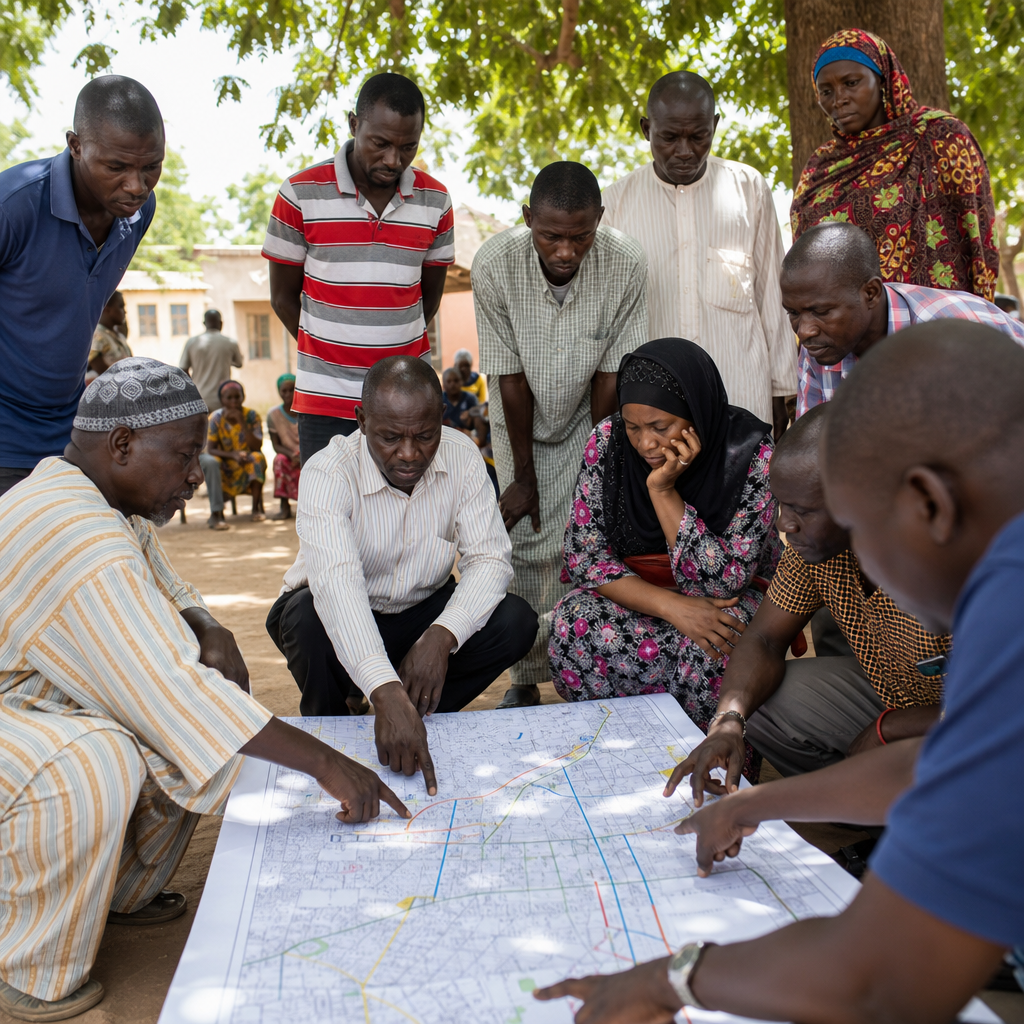
Effective programs start by giving women decision-making power from the assessment stage. That means participatory mapping, safety walks, user interviews, and leadership roles in school committees, water and sanitation boards, and local planning forums. It also means paying attention to data. Track attendance, toilet functionality, handwashing station use, cleaning frequency, soap availability, menstrual hygiene support, and user satisfaction, then review the findings with women leaders who can interpret them. Named tools help here: KAP surveys, barrier analysis, focus group discussion guides, service-level checklists, and simple operations dashboards all make education more accountable.
Training should combine communication skills with technical content. Women leaders need clear information on fecal-oral transmission pathways, facility maintenance, inclusive design, behavior change methods, safeguarding, and referral systems for repairs or protection concerns. Partnerships matter too. Health departments, education offices, local NGOs, parent associations, and sanitation entrepreneurs each bring part of the solution. A school can teach hygiene well, but if nearby vendors sell no soap and waste collection is irregular, habits are harder to sustain. The strongest hub approach connects these actors so that educating for change is not a slogan but a functioning local system. The next step for any community is straightforward: place women in real leadership, resource their work properly, and measure what changes because they are leading.
Women do not lead sanitation education by accident; they lead because the daily realities of health, care, privacy, and household management place them at the center of sanitation decisions. When programs recognize that reality and build around it, communities gain more than awareness. They gain better designed facilities, clearer messages, stronger follow-up, more credible school lessons, safer spaces for girls, and behavior change that lasts beyond a campaign cycle. This hub has shown that educating for change requires practical teaching, not generic messaging, and that women’s leadership improves relevance at every level, from classroom routines to settlement-wide accountability.
The main lesson is simple: sanitation education works best when the people who understand everyday use are empowered to shape policy, training, maintenance, and measurement. Women leaders bring that understanding, along with trust, social reach, and the ability to connect technical guidance to lived experience. Yet leadership cannot rest on goodwill alone. It requires budgets, authority, time, safety, and institutional backing. Communities, schools, and local governments that invest in those conditions see stronger outcomes because education is tied to operations and accountability, not left as an isolated awareness exercise.
If you are building a community engagement strategy, start by asking where women already teach, organize, and solve sanitation problems, then formalize those roles. Support female teachers, community health workers, mothers’ groups, tenant leaders, and local committees with training, data, and decision power. Use this page as the hub for your broader educating for change efforts, then expand into connected topics such as school WASH, menstrual health, community mobilization, inclusive toilet design, and behavior change monitoring. Put women at the front of sanitation education, and the entire system becomes more effective, more trusted, and more humane.
Frequently Asked Questions
Why are women so important in leading sanitation education?
Women are often at the center of daily household health practices, which makes their leadership in sanitation education especially effective. In many communities, women are the primary managers of water collection, food preparation, child care, cleaning, and hygiene routines. Because they directly handle these responsibilities, they have firsthand knowledge of the practical barriers families face, such as limited access to clean water, lack of private toilets, inconsistent handwashing facilities, and the stigma surrounding menstrual hygiene. This real-world understanding allows women to teach sanitation in ways that are relevant, realistic, and immediately applicable.
Women leaders also help connect sanitation education to everyday behavior change rather than treating it as an abstract public health topic. They can explain how safe toilet use, proper waste disposal, handwashing with soap, and water protection affect illness, dignity, school attendance, and household well-being. Their perspective often brings attention to issues that are overlooked in more general programs, including the need for privacy, safety, and menstrual hygiene support for girls and women. As a result, sanitation education led by women tends to be more grounded in lived experience, more trusted by families, and more capable of creating lasting improvements in community health.
What topics are usually included in sanitation education led by women?
Sanitation education led by women typically covers a broad set of interconnected health and hygiene practices. Core topics often include safe toilet use, handwashing at critical times, menstrual hygiene management, safe disposal of child and household waste, protection of water sources, cleaning and maintenance of sanitation facilities, and the social habits that support these behaviors. Rather than presenting these topics separately, women educators often show how they work together. For example, they may explain how poor waste disposal can contaminate water, how contaminated water contributes to disease, and how handwashing helps interrupt that cycle.
Another important feature of women-led sanitation education is that it often includes discussion of the practical and social dimensions of hygiene. This can mean teaching girls how to manage menstruation safely and confidently, helping caregivers support children in toilet training and handwashing, and addressing embarrassment or silence around sanitation-related topics. In schools and communities, women leaders may also discuss attendance challenges during menstruation, the importance of privacy and safe facilities, and the need for supportive norms that make healthy practices easier to maintain. This wider approach strengthens sanitation education because it addresses both technical knowledge and the social realities that influence whether people can actually follow good hygiene practices every day.
How does women’s leadership in sanitation education improve outcomes for girls and schools?
Women’s leadership can significantly improve sanitation outcomes for girls in educational settings because women are often more likely to recognize and address the specific needs that affect girls’ participation in school. One of the clearest examples is menstrual hygiene management. When women help design or deliver sanitation education, they are more likely to include accurate, practical guidance about menstruation, privacy, hygiene supplies, disposal options, and the emotional support girls need to manage their periods without shame. This matters because poor menstrual support can contribute to discomfort, anxiety, missed classes, and lower engagement in school.
Women leaders also tend to advocate for sanitation environments that are more usable and inclusive. That can include promoting separate and secure toilets, access to water and soap, clean changing spaces, and disposal systems for menstrual materials. Beyond physical infrastructure, women educators often help build a more supportive school culture by normalizing discussion of hygiene, encouraging respectful treatment of girls, and reducing stigma that discourages students from seeking help. When girls feel safe, informed, and supported, they are more likely to attend school consistently and participate fully. In this way, women-led sanitation education supports not only hygiene and health, but also dignity, confidence, and educational continuity.
What challenges do women face when leading sanitation education programs?
Although women bring critical insight and credibility to sanitation education, they often face structural and social barriers that can limit their impact. In some settings, women may not be given enough formal authority, funding, training, or decision-making power, even when they are expected to carry much of the educational work. They may also face time constraints because of unpaid care responsibilities and household labor, which can make it difficult to participate consistently in community meetings, school outreach, or program planning. In addition, sanitation itself is still considered a sensitive topic in many places, especially when discussions involve menstruation, toilet habits, or hygiene practices that are shaped by cultural norms and taboos.
There can also be broader safety and equity issues. Women educators may work in environments where sanitation facilities are inadequate, where travel to remote communities is difficult, or where their expertise is undervalued compared with outside technical actors. Sometimes programs rely on women’s local knowledge but do not compensate them fairly or include them in leadership at higher levels. Addressing these challenges requires more than praising women’s contributions. It means investing in their training, paying them appropriately, ensuring they have a real voice in planning and policy, and creating conditions in which their leadership is respected and sustained. When these barriers are reduced, sanitation education becomes stronger, more inclusive, and more effective over the long term.
How can communities and organizations better support women who lead sanitation education?
Communities and organizations can support women sanitation leaders by treating their role as essential public health leadership rather than informal volunteer work. A strong starting point is providing practical support: training in hygiene promotion, menstrual health education, communication methods, community facilitation, and monitoring of behavior change. Women leaders also need access to materials that help them teach effectively, such as visual aids, demonstration tools, hygiene supplies, and accurate health information adapted to local languages and customs. Just as importantly, they need the authority to influence decisions about sanitation facilities, school programs, outreach priorities, and budget allocations.
Long-term support also depends on reducing the barriers that prevent women from leading fully. This can include offering fair compensation, flexible scheduling, transportation support, child care options, and safer working conditions. Organizations should actively include women in planning, evaluation, and policy discussions so their lived experience shapes the direction of sanitation education from the beginning. Communities can reinforce this by publicly recognizing women’s expertise, encouraging men and local leaders to support their work, and helping normalize open, respectful conversations about hygiene and menstruation. When women are backed with resources, respect, and decision-making power, sanitation education becomes more practical, more trusted, and more capable of producing lasting improvements in health, dignity, and school participation.