EcoSan education in rural vs. urban settings requires different teaching strategies, delivery channels, and community partnerships, yet the goal is the same: help people understand, accept, and consistently use ecological sanitation systems in ways that protect health, conserve water, and recover nutrients. Ecological sanitation, often shortened to EcoSan, refers to sanitation approaches that safely separate, treat, and reuse human waste as a resource rather than treating it only as something to discard. In practice, this can include urine-diverting dry toilets, composting toilets, container-based sanitation, and decentralized treatment models tied to agriculture or landscaping. Building community awareness around these systems is not a side activity. It determines whether facilities are used correctly, maintained well, and trusted over time.
I have worked on sanitation education campaigns where two communities received nearly identical hardware but had opposite outcomes because the engagement model was wrong for the local setting. In one village, households accepted urine diversion once farmers saw how nutrient recovery reduced fertilizer spending. In one dense settlement, the same message failed until the discussion shifted toward odor control, privacy, tenancy, and service reliability. That contrast defines this topic. Rural residents often evaluate EcoSan through land availability, farming relevance, seasonal labor, and local leadership structures. Urban residents tend to judge it through convenience, space constraints, landlord approval, waste collection logistics, and social perceptions tied to density and status.
This hub article explains how to build community awareness for EcoSan across both contexts. It defines the core education challenges, outlines what messages work best, and shows how schools, health workers, local governments, utilities, NGOs, and community groups can reinforce adoption. It also serves as the central guide for related articles in the broader community engagement and education cluster, connecting household outreach, school programming, behavior change communication, local advocacy, and user training into one practical framework. If the question is how to make EcoSan understandable and acceptable at community scale, the answer starts with tailored education grounded in local daily life.
Why community awareness determines EcoSan success
Community awareness is the process of moving people from unfamiliarity or skepticism to informed, confident participation. For EcoSan, awareness must cover more than basic hygiene promotion. People need to know what the technology is, why separation or treatment matters, how the user interface works, what maintenance tasks are required, what products can be reused, and what safety rules are nonnegotiable. The World Health Organization sanitation safety planning approach and the International Organization for Standardization standards for non-sewered sanitation systems both reinforce a central point: technical safety depends on correct operation and informed users. Education is therefore part of system performance, not just a communications add-on.
In rural settings, awareness campaigns usually succeed when they connect EcoSan to practical livelihoods. Farmers ask whether compost is mature, urine can be diluted, ash should be added, and crops will respond. Elders ask who will empty pits or vaults. Women often raise concerns about privacy, menstrual hygiene management, cleaning burden, and child use. In urban settings, users ask different but equally concrete questions: Will it smell? Who services it? Is it safe in a multi-tenant compound? What happens if tenants misuse it? Can a landlord charge more rent? Does the municipality permit it? Effective awareness building anticipates these questions and answers them clearly before resistance hardens into rumor.
As the hub for building community awareness, this article points to five linked workstreams. First, baseline research identifies beliefs, influencers, languages, and sanitation pain points. Second, message design translates technical features into benefits people value. Third, trusted messengers deliver those messages repeatedly through suitable channels. Fourth, practical demonstrations turn abstract ideas into visible proof. Fifth, follow-up support reinforces correct use and catches problems early. When any one of these workstreams is weak, adoption suffers. Communities rarely reject EcoSan because they oppose resource recovery in theory. More often, they reject confusion, inconvenience, stigma, or poor support.
How rural EcoSan education differs from urban education
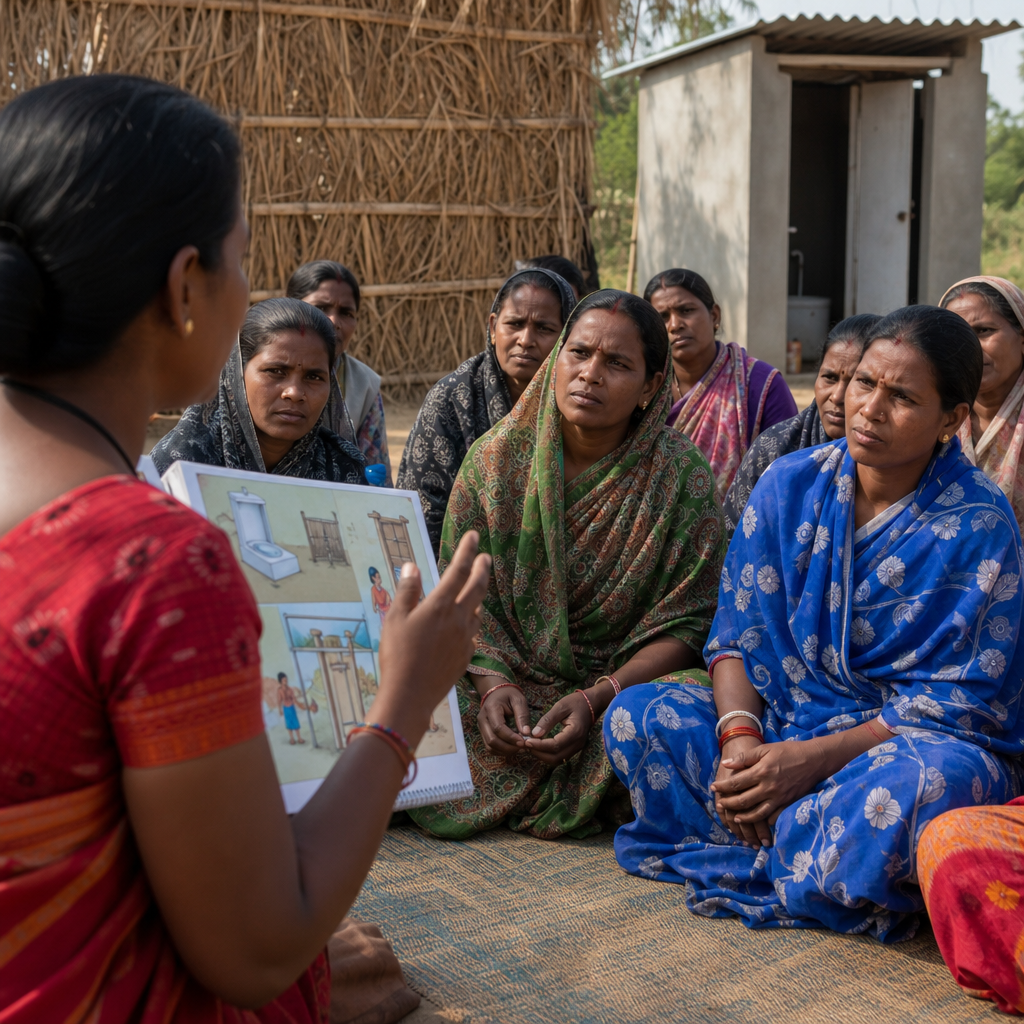
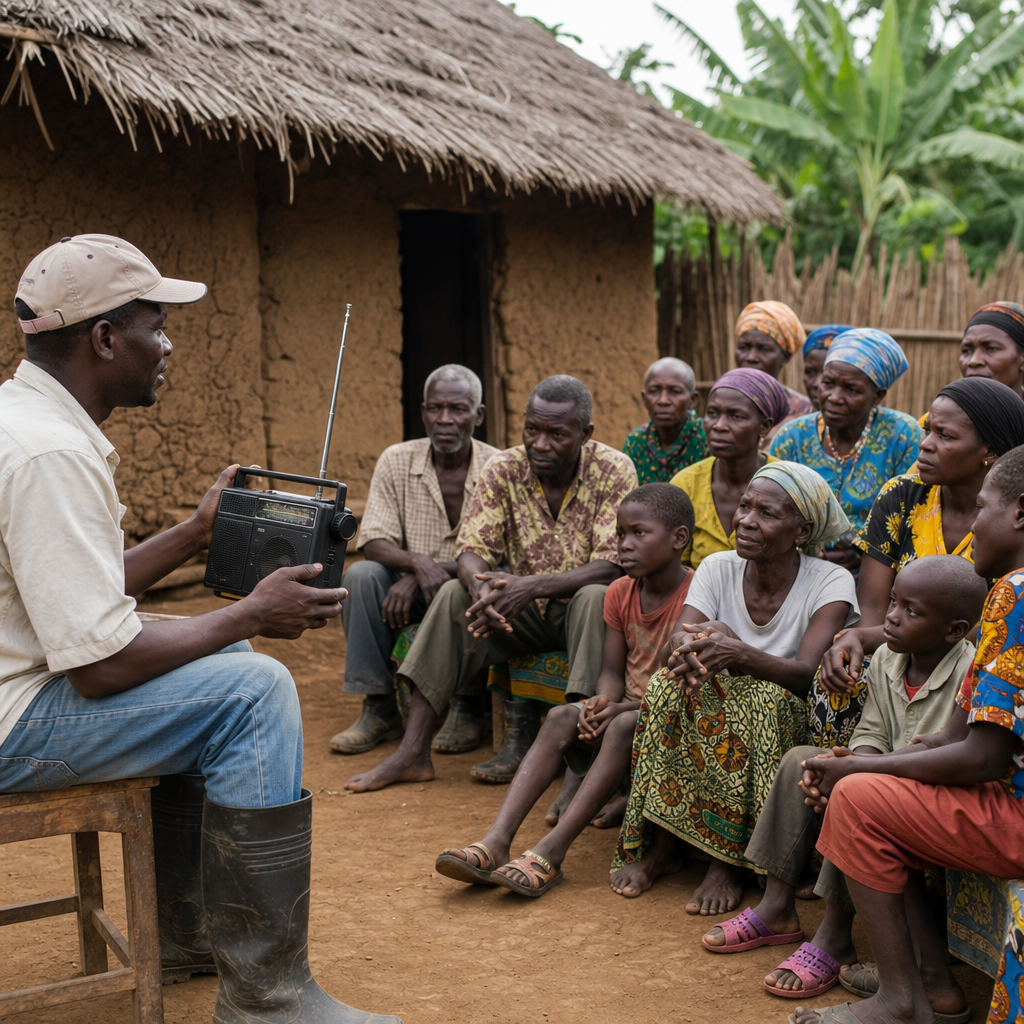
Rural EcoSan education typically takes place where social ties are strong, local leadership is visible, and agriculture creates a direct use case for treated outputs. Households may have more space for on-site systems, but they may also face lower literacy, less frequent formal service support, and stronger reliance on customary norms. In these settings, I have found that demonstrations on farms, village meetings, radio programs in local languages, and peer-to-peer learning among farmers outperform glossy brochures. People trust what they can see. A maize plot fertilized with treated urine often does more to persuade a rural audience than a technical lecture about nutrient cycles.
Urban EcoSan education operates in a denser, faster-moving environment. Residents may rent rather than own, making toilet investment decisions dependent on landlords or compound managers. Shared facilities are common. Land is scarce, so storage, treatment, and reuse must be explained in relation to service chains rather than household self-management alone. Messaging must address odor, cleanliness, safety, legal compliance, and affordability. Digital channels, resident associations, religious institutions, health clinics, and municipal outreach often matter more than village assemblies. In informal settlements especially, the education plan must account for irregular tenure, transient populations, and a history of failed sanitation projects that reduced trust.
The strongest difference is not rural simplicity versus urban complexity. Both are complex, but in different ways. Rural education centers on integrating EcoSan into household routines and local land use. Urban education centers on integrating EcoSan into compact living arrangements and organized service delivery. That distinction changes who must be educated. In rural areas, the key audience may be owner-occupiers, farmers, school committees, and village health volunteers. In urban areas, the audience expands to tenants, landlords, property managers, desludging or collection operators, ward officials, and environmental health inspectors. Awareness campaigns that ignore these decision-makers usually stall.
| Education factor | Rural setting | Urban setting |
|---|---|---|
| Primary user concern | Agricultural value, maintenance labor, household fit | Convenience, odor, cleanliness, tenancy, service reliability |
| Best messengers | Farmers, village leaders, teachers, health volunteers | Landlords, resident groups, municipal staff, clinic workers |
| Strongest proof point | Crop response and visible compost quality | Clean facilities, regular collection, reduced overflow |
| Useful channels | Community meetings, radio, demonstration plots | SMS, social media, building meetings, local campaigns |
| Main adoption barrier | Habit change and technical understanding | Shared responsibility and property-level decision making |
Core messages that build community awareness
The most effective EcoSan education uses a consistent message architecture. Start with the problem people already feel. In rural areas, this may be expensive fertilizer, unsafe pits in flood seasons, water scarcity, or long walks to fields. In urban neighborhoods, it may be overflowing latrines, high emptying costs, drain pollution, or poor toilet access for tenants. Then explain how EcoSan works in plain language. Separate urine and feces if the system requires it. Keep the chamber dry if dry processing is essential. Add cover material if specified. Store or treat outputs for the required time. Use or remove them through a defined chain. Finally, connect the process to outcomes that matter: safer sanitation, less water use, lower fertilizer needs, cleaner compounds, or more resilient service.
Three message categories should appear in nearly every awareness campaign. The first is health and safety. Communities need clear instruction on handwashing, chamber handling, pathogen reduction, and what treatment steps make reuse safe. Avoid vague promises. Name the precautions. The second is usability. Explain what goes into the toilet, what does not, how children can use it, how often containers are changed or chambers are rested, and who provides support. The third is value. Show why the system is worth learning. For rural users, value may mean nutrients for banana, maize, or vegetable production. For urban users, value may mean a cleaner, more reliable sanitation service that works where sewers are absent.
Language matters. Terms like reuse, nutrient recovery, dehydration, composting, and source separation should be translated into familiar concepts without losing accuracy. I have seen projects damage acceptance by overusing technical jargon, and others create safety risks by oversimplifying treatment steps. The balance is to be plain and exact. A strong awareness message says, for example, that urine can contain valuable nitrogen and phosphorus, but it must be applied according to local guidance, crop needs, and storage recommendations. It says dried fecal matter may be safer after proper treatment and time, but it should not be handled casually. Precision builds trust.
Channels, partners, and demonstrations that make education stick
People rarely change sanitation behavior after hearing a single talk. Awareness grows through repeated exposure across multiple trusted channels. In rural programs, I recommend combining household visits, school activities, radio spots, community theater, and demonstration sites. Household visits allow educators to correct practical mistakes such as adding water to a dry toilet or placing the urine diversion pan incorrectly. Schools are powerful because children normalize new practices quickly and often influence parents. Radio reaches dispersed settlements at low cost. Demonstration sites give communities tangible proof that a system can be clean, stable, and useful. A demonstration plot using treated outputs often becomes the strongest educational asset in an agricultural village.
Urban programs need a different mix. Short videos, WhatsApp groups, SMS reminders, apartment or compound meetings, public health campaigns, and service provider hotlines often outperform long workshops. In dense neighborhoods, residents want fast answers to practical questions, and they want to know whom to contact when something goes wrong. Partner choice is therefore critical. Municipal sanitation departments, community-based organizations, landlord associations, women’s savings groups, and local clinics can each reinforce different parts of the message. Clinics carry authority on health risk. Landlords shape infrastructure decisions. Resident committees can monitor shared-use norms. Service providers prove reliability by showing collection schedules, response times, and fee structures.
Demonstrations deserve special emphasis because EcoSan skepticism is usually sensory and social, not just technical. People wonder whether it smells, whether it attracts flies, and whether neighbors will view it as backward. A clean, well-managed facility answers these concerns better than abstract persuasion. In one urban pilot I supported, acceptance rose only after we opened a model shared toilet block and posted a simple maintenance roster, cleaning checklist, and service contact number. In a rural district, uptake increased after respected farmers compared crop plots side by side and discussed input costs publicly. In both cases, visible proof reduced rumor and reframed EcoSan as practical rather than experimental.
Common barriers, measurement, and the role of hub content
The biggest barriers to community awareness are stigma, inconsistent follow-up, weak user training, and message mismatch. Stigma remains powerful because many people associate any waste reuse with danger or poverty. The response is not to dismiss that concern. The response is to acknowledge risk, explain treatment and safeguards, and show managed systems that meet health expectations. Inconsistent follow-up is another frequent failure point. Initial enthusiasm fades when no one checks whether households are separating correctly, whether cover material is available, or whether collection services are on schedule. Awareness is cumulative. Without reinforcement, small user errors become evidence for critics that the technology itself does not work.
Measurement should be built into every awareness program. Track not only how many people attended meetings, but also whether they understood key instructions, whether they can explain the purpose of separation or treatment, whether facilities remain clean, and whether outputs are handled according to protocol. Practical indicators include correct use rates, frequency of misuse, cleaning compliance, maintenance requests, school participation, landlord sign-on, and attendance at demonstration events. In agricultural contexts, compare crop response and input savings. In service-based urban models, monitor collection reliability and customer satisfaction. These metrics help educators adjust messages quickly instead of waiting for infrastructure failure to reveal that users were never properly supported.
As a sub-pillar hub under community engagement and education, this page should connect readers to detailed guidance on school-based EcoSan learning, behavior change communication campaigns, training for operators and caretakers, women-led sanitation advocacy, youth engagement, and local government awareness strategies. The main benefit of treating awareness as a hub topic is coherence. Communities hear the same core message from multiple sources, while each related article can go deeper on a specific audience or method. EcoSan education works when it is localized, repeated, demonstrable, and honest about responsibilities. Start with local concerns, tailor the message to rural or urban realities, equip trusted messengers, and measure understanding over time. If you are planning an EcoSan initiative, build the awareness strategy before the hardware rollout, not after it.
Frequently Asked Questions
What is the main difference between EcoSan education in rural and urban settings?
The biggest difference is context. In rural areas, EcoSan education often focuses on household-level systems, farming benefits, local water protection, and hands-on training that fits community routines and literacy levels. People may have more space, stronger links to agriculture, and more direct interest in using treated nutrients and organic matter to improve soil. Because of that, rural education programs often emphasize practical demonstrations, safe handling, composting or dehydration processes, and how ecological sanitation can reduce fertilizer costs while protecting wells, streams, and family health.
In urban settings, the educational approach usually has to address higher population density, limited space, shared sanitation facilities, tenant-landlord relationships, and more complex service chains. Urban audiences may need guidance on proper use of urine-diverting toilets or container-based systems, odor control, collection logistics, and the role of municipalities, building managers, and waste service providers. Messaging often needs to be faster, more visual, and adapted for schools, apartment blocks, workplaces, and informal settlements where many users share the same infrastructure.
Even with these differences, the core educational goal stays the same: help people understand why EcoSan systems work, how to use them correctly every day, and how they support public health, water conservation, and resource recovery. In both rural and urban areas, success depends on building trust, correcting misconceptions, making instructions simple and practical, and showing people that these systems are not just environmentally sound but also manageable and beneficial in everyday life.
Why do teaching strategies for EcoSan need to be adapted to local conditions?
EcoSan education is most effective when it reflects how people actually live, learn, and make decisions. A strategy that works in a farming village may fail in a dense urban neighborhood, not because the sanitation technology is poor, but because the teaching method does not match local realities. Factors such as literacy, language, water availability, cultural norms, housing patterns, livelihood activities, and whether sanitation facilities are shared or privately managed all influence how education should be designed.
For example, in rural communities, trainers may rely more on in-person meetings, demonstration toilets, farmer field schools, village health workers, and repeated follow-up visits. These methods allow for direct discussion about maintenance, reuse practices, and seasonal issues such as rainfall, dry cover material availability, or crop cycles. In urban areas, people may have less time for long community meetings, so education may need to use posters, short videos, social media, school campaigns, SMS reminders, or building-level orientation sessions. Urban education also often needs to clarify user responsibilities in shared systems, where one person’s incorrect behavior can affect many others.
Adapting teaching strategies also improves acceptance. People are far more likely to trust and consistently use EcoSan systems when education respects local beliefs, addresses concerns openly, and uses familiar examples. If trainers ignore concerns about smell, cleanliness, safety, status, or food production, users may reject the system even if it is technically well designed. Good EcoSan education is therefore not only about explaining a toilet or treatment process; it is about connecting that explanation to local priorities, habits, and values so behavior change becomes realistic and lasting.
What delivery channels work best for EcoSan education in rural communities versus urban communities?
In rural communities, the most effective delivery channels are often interpersonal and community-based. These can include village meetings, household visits, school programs, agricultural extension services, local health volunteers, women’s groups, faith leaders, and demonstration sites. Because trust is especially important when discussing sanitation and reuse, people tend to respond well to messages delivered by familiar local figures who can answer questions directly and return for follow-up. Demonstration plots that show how treated EcoSan outputs support crop growth can be particularly persuasive in rural areas, where the connection between sanitation, soil fertility, and livelihoods is easier to see.
Urban communities usually require a broader mix of channels. In addition to face-to-face outreach, effective urban education often uses apartment or compound meetings, landlord engagement, public signage, radio, community influencers, local government notices, digital campaigns, and school-based learning. Where residents are mobile or time-constrained, short and repeated messages may work better than one long training session. In dense neighborhoods, visual instructions placed directly inside or near facilities are especially useful because they guide behavior at the exact moment of use. This is important for steps such as separating urine and feces, adding cover material, avoiding contamination with trash, and reporting maintenance problems quickly.
The strongest programs usually combine channels rather than relying on only one. People may first hear about EcoSan through a local campaign, then see a demonstration, then receive hands-on instruction, and later get reminders through community networks or digital media. Whether rural or urban, the best delivery channel is the one that is trusted, easy to access, repeated over time, and closely tied to the real use and maintenance of the sanitation system.
Who should be involved in EcoSan education partnerships in rural and urban areas?
EcoSan education works best when it is not carried by one organization alone. In rural areas, strong partnerships often include community leaders, teachers, local health staff, agricultural extension officers, sanitation committees, women’s associations, youth groups, and farmers who can model safe reuse practices. These partners help translate technical guidance into everyday behavior, reinforce messages over time, and make the link between sanitation, nutrition, agriculture, and environmental protection more visible. When respected local people support the program, communities are more likely to see EcoSan as practical and credible rather than experimental or imposed from outside.
Urban partnerships tend to be more institutionally complex. They may involve municipal authorities, public health departments, school administrators, landlords, tenant groups, neighborhood associations, waste collection providers, NGOs, social enterprises, and local media. In apartment buildings or shared compounds, property owners and managers are especially important because they influence maintenance standards, signage, repairs, and user orientation. Service providers are also critical in urban settings, since collection, transport, treatment, and reuse often depend on coordinated systems beyond the household level.
Across both settings, partnerships should also include the users themselves from the beginning. People who will use, clean, maintain, or manage EcoSan facilities need to shape the education approach, not simply receive instructions after decisions have already been made. This creates better materials, surfaces hidden barriers earlier, and increases long-term ownership. The most successful EcoSan education programs are built as community-supported systems of learning, not one-time awareness campaigns.
How can educators improve acceptance and long-term use of EcoSan systems in both rural and urban settings?
Acceptance improves when education is honest, practical, and continuous. People need clear explanations of how the system works, why certain user steps matter, what health protections are built into the process, and what happens if the system is used incorrectly. Many concerns about EcoSan center on safety, smell, convenience, cleanliness, and social stigma. Educators should address these directly with evidence, demonstrations, and simple operating instructions rather than assuming people will accept the concept automatically. When users understand both the purpose and the daily routine of the system, correct use becomes much more likely.
Long-term use also depends on making EcoSan feel manageable. That means teaching not only ideal practice but realistic practice: how often to add dry cover material, what should never be thrown into the toilet, when compartments are switched, how to clean safely, how treated outputs are stored or reused, and who to contact if there is a problem. In rural areas, educators may need to provide seasonal guidance and farm-related examples. In urban areas, they may need to emphasize shared responsibility, maintenance schedules, and service-chain reliability. In both contexts, visible reminders, refresher training, and supportive supervision can make a major difference.
Finally, acceptance grows when people can see benefits for themselves and their community. These benefits may include cleaner surroundings, reduced water use, safer management of human waste, lower contamination of water sources, improved soil fertility, or reduced spending on inputs such as fertilizer. Education should connect EcoSan to outcomes people value, while also showing that success depends on consistent behavior. When communities see that ecological sanitation is not just a theory but a practical system that protects health and recovers resources, long-term adoption becomes far more achievable.