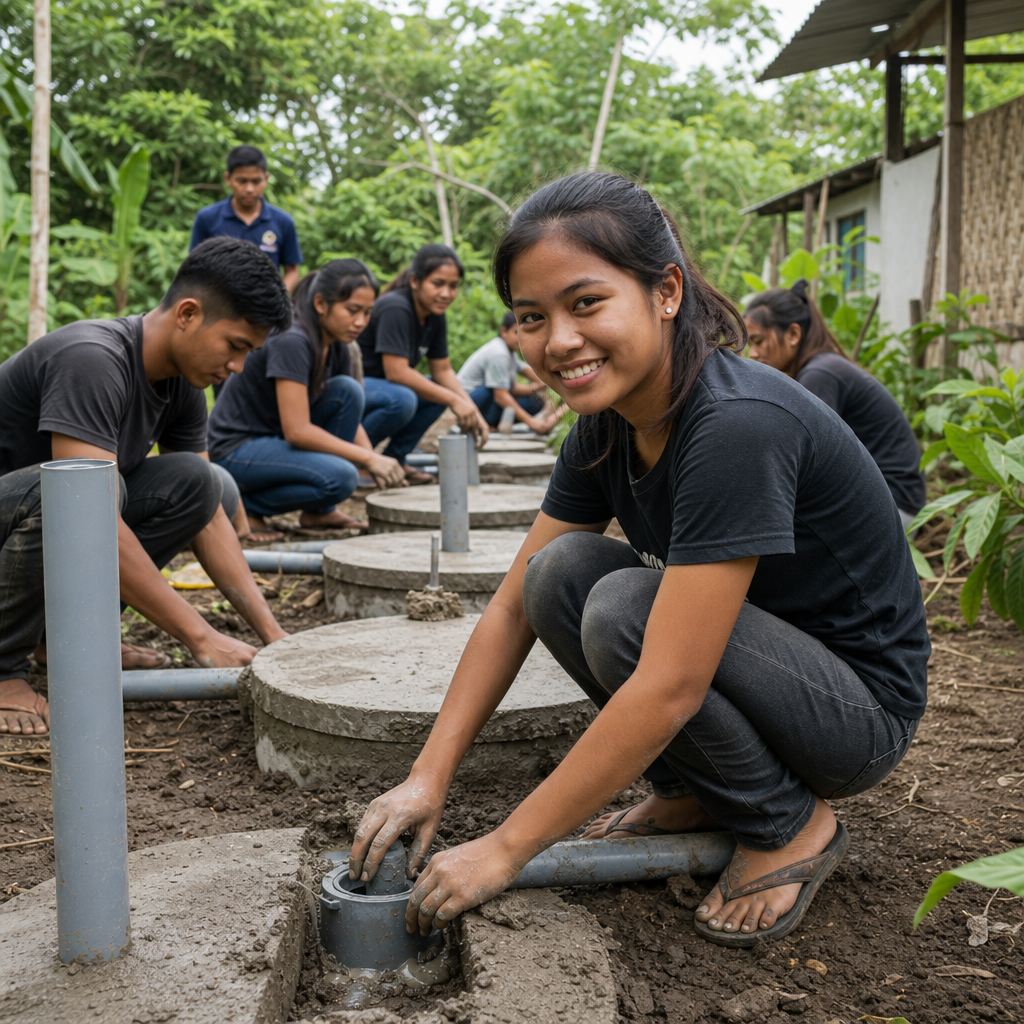
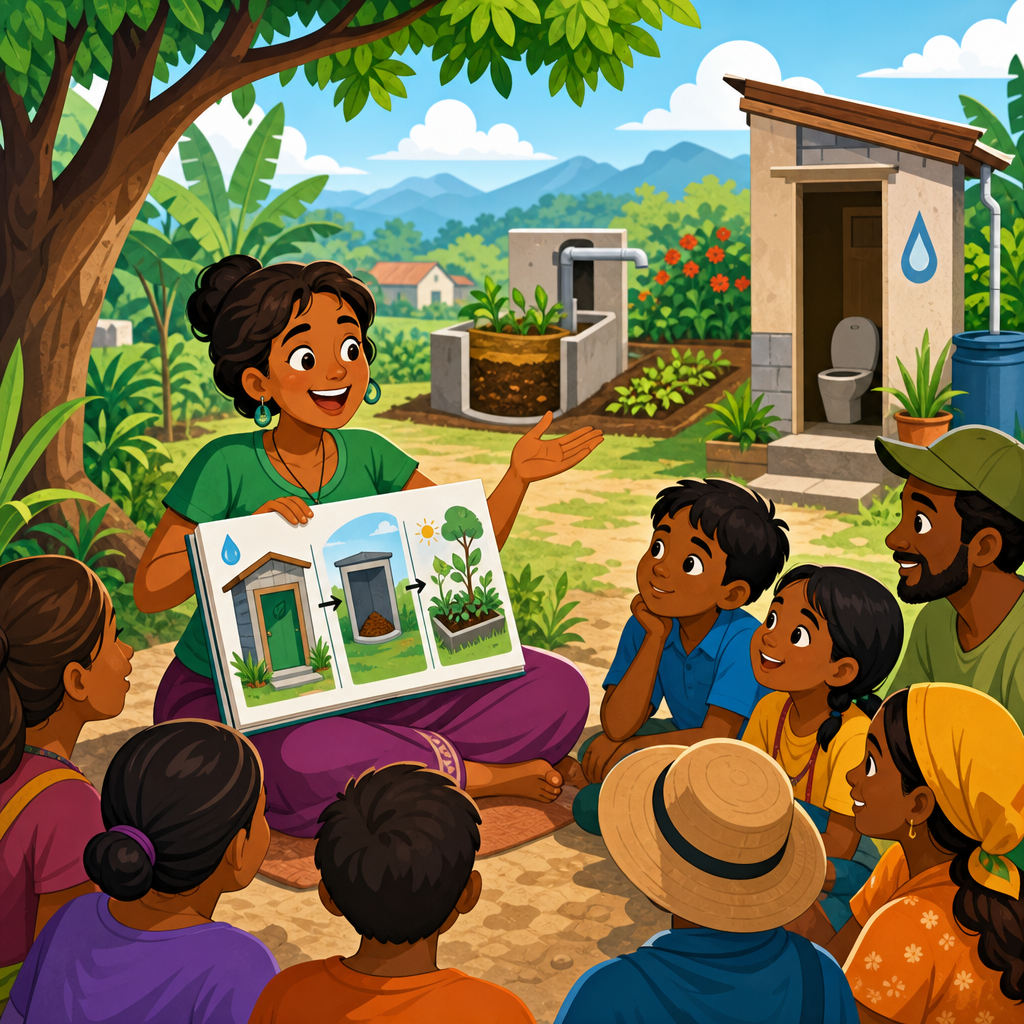
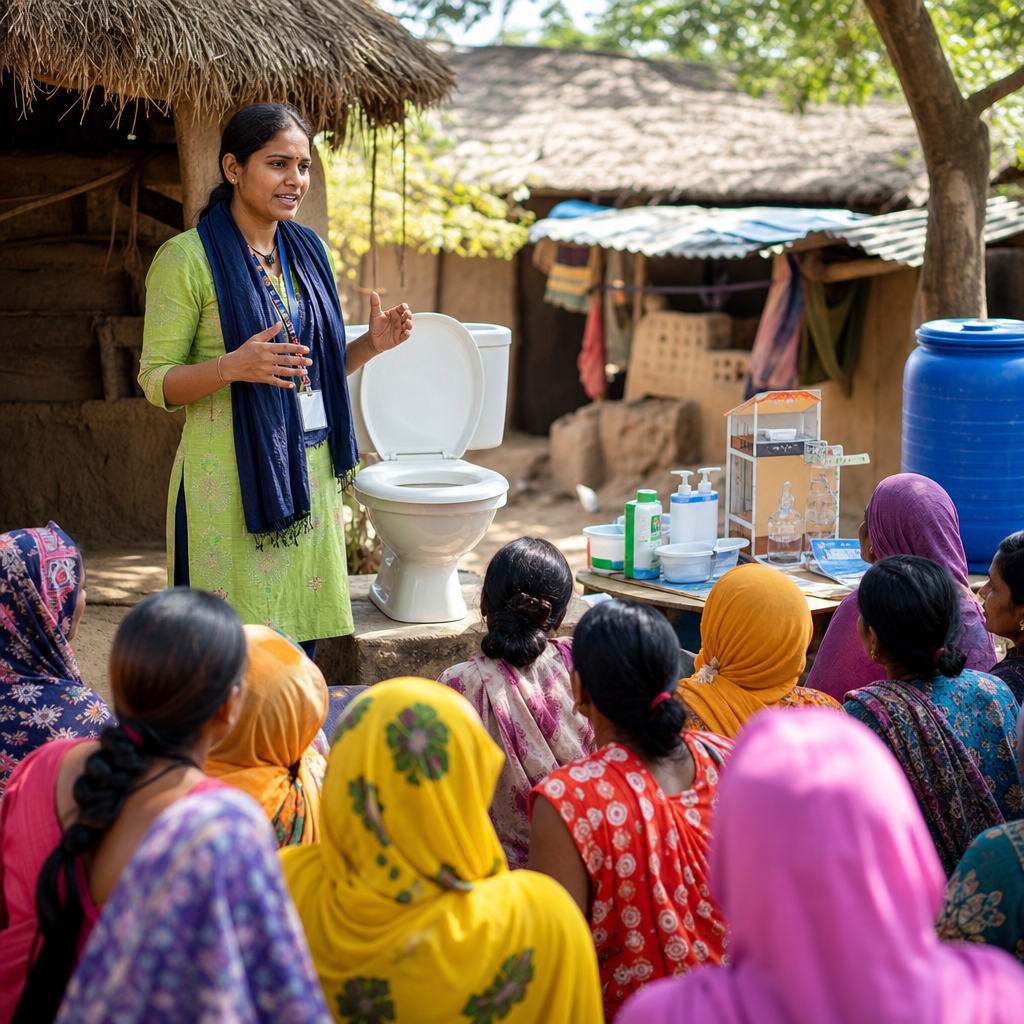
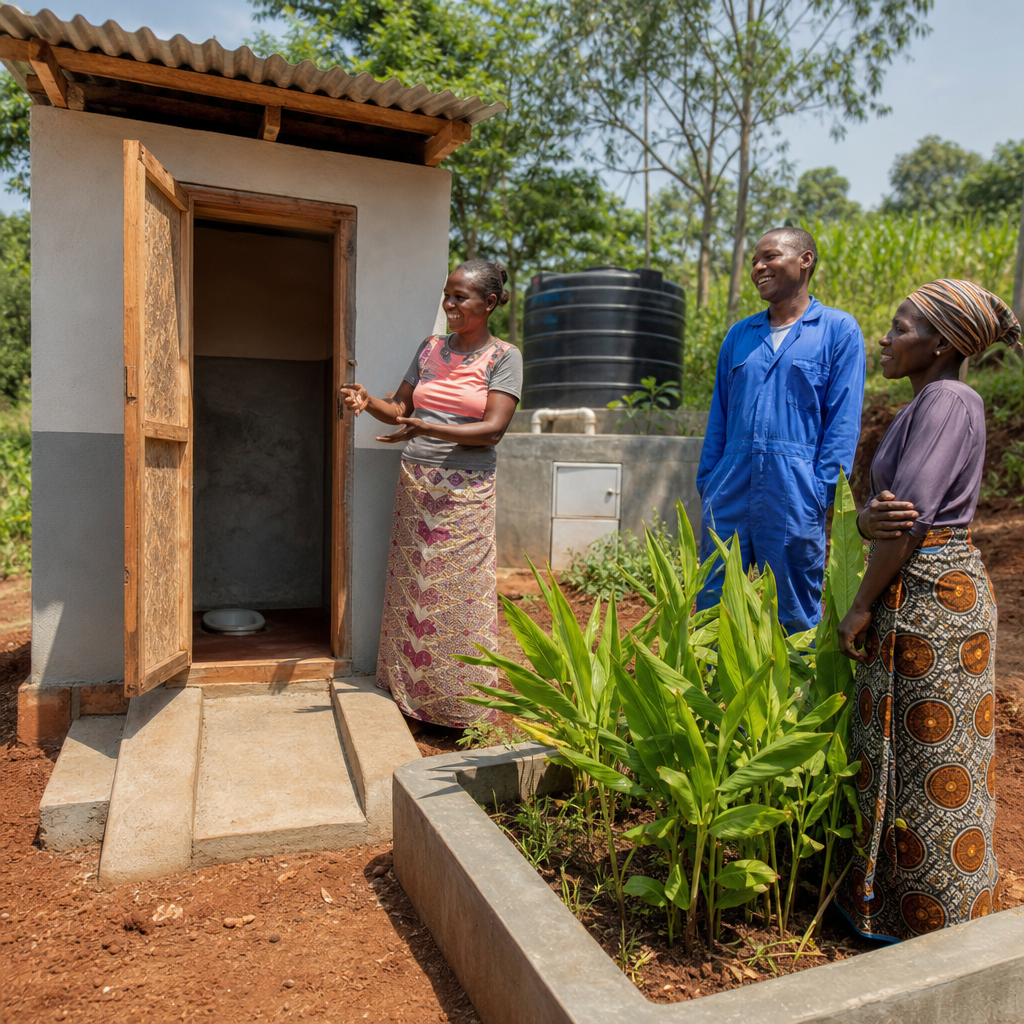
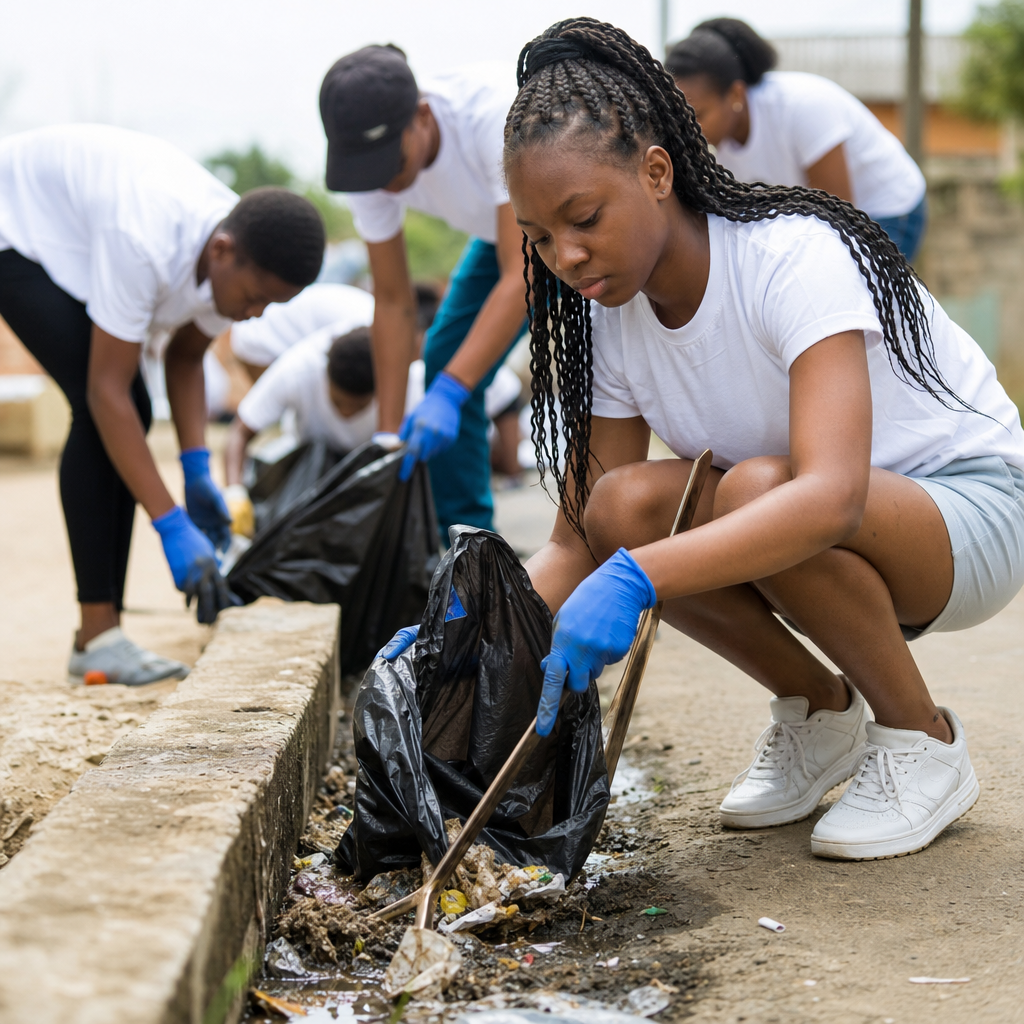
Integrating sanitation education into public health campaigns is one of the most effective ways to reduce preventable disease, strengthen community trust, and turn health messaging into daily practice. Sanitation education means teaching people how safe water, toilet use, handwashing, waste disposal, drainage, and hygiene behaviors protect health. Public health campaigns are organized efforts led by governments, clinics, schools, nonprofits, or community groups to influence behavior at scale. When these two areas are designed together, campaigns move beyond posters and slogans and begin changing the environments and habits that shape infection risk. I have seen this firsthand in community outreach programs where a vaccination drive gained far better attendance after educators also addressed toilet safety, handwashing stations, and household water storage. Families often do not separate these issues; they experience health as a connected system. That is why building community awareness is not a side activity within community engagement and education. It is the hub that links knowledge, trust, local leadership, and sustained behavior change across every sanitation effort.
Sanitation education matters because poor sanitation remains a major driver of diarrheal disease, intestinal worm infections, cholera outbreaks, undernutrition, and school absenteeism. The World Health Organization and UNICEF Joint Monitoring Programme has repeatedly shown that safely managed sanitation and hygiene services are unevenly distributed, especially in low-income communities, informal settlements, schools, and rural areas. Public health campaigns that ignore sanitation leave a major transmission route unaddressed. At the same time, education alone is not enough if messages are vague, culturally tone-deaf, or disconnected from real barriers such as water scarcity, cost, disability access, or weak municipal services. Effective campaigns define the exact behavior they want to change, explain why it matters in plain language, and connect households to practical solutions. As a hub topic, building community awareness includes audience research, message design, trusted messengers, school and faith partnerships, media selection, feedback loops, and measurement. It also supports related articles on handwashing promotion, community-led total sanitation, school hygiene, menstrual health education, and risk communication during outbreaks.
Why sanitation education belongs inside public health campaigns
Sanitation education belongs inside public health campaigns because sanitation is not an isolated infrastructure issue; it is a behavior, service, and governance issue at the same time. A new toilet block will not reduce disease if people keep practicing open defecation because they fear unsafe facilities at night. A handwashing campaign will underperform if soap is unaffordable or if caregivers do not understand the link between fecal contamination and child illness. In successful campaigns, sanitation education explains the chain of transmission and then makes the desired action visible, practical, and socially supported. That is how awareness becomes routine behavior.
One useful concept is the F-diagram, which shows how pathogens move through fluids, fingers, flies, fields, and food into new hosts. Community educators can translate this into plain language: germs from feces spread easily unless barriers such as toilets, handwashing with soap, safe water storage, and clean food preparation break the path. In field settings, this framing consistently improves understanding because it turns abstract hygiene advice into a clear explanation of cause and effect. It also helps campaign teams coordinate messages across clinics, schools, radio spots, and door-to-door outreach so people hear the same logic everywhere.
Integrating sanitation education also improves efficiency. During maternal and child health campaigns, adding short sanitation modules can address newborn infection prevention, safe disposal of child feces, and household water treatment without creating a separate mobilization system. During outbreak response, sanitation messages help people understand why oral cholera vaccination, rehydration points, chlorination, and safe burial guidance all fit together. In urban communities, housing officers, waste collectors, environmental health staff, and primary care workers can reinforce the same sanitation messages instead of working in silos. Campaigns become stronger when sanitation is treated as a core public health function rather than an optional add-on.
How to build community awareness that leads to action
Building community awareness starts with listening, not broadcasting. Before drafting messages, campaign teams need to know what people already believe, where they get information, which sanitation practices are possible in their setting, and what prevents safer behavior. I have found that short household interviews, focus groups with caregivers and adolescents, and walk-through observations of water points, toilets, drainage, and waste areas reveal more than generic surveys alone. People may say they know handwashing is important, yet the real barrier may be that the closest water tap works only twice a day. Others may avoid shared toilets because of safety concerns, odor, or maintenance failures. Awareness efforts that miss these realities sound correct on paper and fail in practice.
Once barriers are understood, define a small number of priority behaviors. Good public health campaigns do not ask communities to change everything at once. They focus on actions such as washing hands with soap after toilet use and before food handling, using an improved toilet consistently, safely disposing of child feces, storing drinking water in covered containers, cleaning shared latrines on a roster, or reporting blocked drains. Each action needs a simple explanation, a visible demonstration, and a locally realistic solution. For example, if soap cost is a barrier, campaigns can teach low-cost soapy water systems. If privacy is a barrier, local leaders can prioritize lighting, door locks, or gender-separated facilities.
Message design should be direct, specific, and respectful. Fear-based messaging can briefly capture attention, but durable change usually comes from messages that balance risk with efficacy. People need to hear both what is dangerous and what they can do today. Trusted messengers matter just as much as wording. Community health workers, teachers, religious leaders, respected elders, women’s groups, youth leaders, and sanitation workers all carry different kinds of credibility. The best campaigns map these trusted voices and give them consistent talking points, demonstrations, and referral information. Repetition across familiar channels is what turns public awareness into community norms.
| Campaign component | Purpose | Practical example |
|---|---|---|
| Audience research | Identify beliefs, barriers, and local risks | Household interviews reveal that shared toilets are avoided at night because lighting is poor |
| Priority behavior | Focus effort on a specific action | Promote handwashing with soap after toilet use and before preparing food |
| Trusted messenger | Increase message acceptance | School teachers demonstrate tippy taps and safe water storage during parent meetings |
| Channel mix | Reach people repeatedly in daily settings | Combine radio spots, clinic counseling, market announcements, and door-to-door visits |
| Practical support | Remove obstacles to behavior change | Distribute chlorine tablets, soap vouchers, or cleaning rosters for shared latrines |
| Measurement | Track whether awareness leads to action | Observe functioning handwashing stations and monitor diarrhea trends or toilet usage |
Channels, partners, and settings that expand reach
Sanitation education works best when public health campaigns meet people where decisions happen. Households are important, but they are not the only setting. Schools shape lifelong hygiene habits, and children often carry messages home. Health facilities can model cleanliness and provide brief sanitation counseling during antenatal care, immunization visits, nutrition screening, and outpatient consultations. Markets, transport hubs, workplaces, and places of worship are useful for reaching adults who may not attend clinic sessions. In dense urban areas, landlords, resident associations, and waste collection contractors can be more influential than formal health staff on everyday sanitation conditions.
Mass media extends reach, but local adaptation determines impact. Radio remains powerful in many regions because it reaches low-literacy audiences and can feature local languages, call-ins, and trusted presenters. Social media can amplify campaign messages, especially during outbreaks, but it also requires active rumor monitoring. Printed materials still matter when they are visual, concise, and tied to demonstrations rather than used as stand-alone education. In my experience, the highest-performing campaigns combine broad-reach channels with interpersonal reinforcement. A family may hear a radio message about safe child feces disposal, then see the same advice in a clinic waiting area, then receive a home visit showing exactly how to create a washable potty area and where to empty waste safely.
Partnerships should be intentional, not symbolic. Schools can integrate sanitation into life-skills teaching, student clubs, and facility maintenance routines. Faith leaders can frame sanitation as dignity, stewardship, and care for neighbors. Local businesses can sponsor handwashing stations or waste bins. Municipal authorities can align campaigns with drain clearing schedules, desludging services, or neighborhood cleanup days so residents see visible action behind the message. Nonprofits often add training capacity, but long-term credibility usually depends on local ownership. When communities can name the people responsible for repairs, complaints, and follow-up, awareness becomes linked to accountability rather than vague advice.
From awareness to behavior change and measurable health outcomes
The biggest mistake in sanitation campaigns is treating awareness as the final goal. Awareness is only the first step. Effective public health campaigns define what success looks like in observable terms: more households using toilets consistently, more schools maintaining soap and water at handwashing points, fewer reports of open defecation areas, faster reporting of sewage leaks, better menstrual hygiene support, lower diarrheal incidence, or improved attendance in schools and clinics. These indicators are concrete enough to manage and meaningful enough to justify investment.
Behavior change models help campaign teams avoid simplistic assumptions. The COM-B framework, for example, highlights capability, opportunity, and motivation as conditions for behavior. A caregiver may be motivated to wash hands but lack opportunity because the handwashing station is broken. A tenant may understand safe sanitation but have no control over shared toilet maintenance. A community may want cleaner surroundings but lack municipal waste pickup. By diagnosing which condition is missing, campaign managers can design better interventions. This is why sanitation education must be linked to service delivery, infrastructure maintenance, and local problem-solving.
Measurement should combine process, output, and outcome data. Process measures include number of sessions held, households visited, schools reached, or radio spots aired. Output measures look at what changed immediately, such as improved knowledge scores, installed handwashing stations, or cleaning committees formed. Outcome measures examine health and behavior over time, including observed soap availability, toilet use patterns, clinic data on diarrhea, helminth prevalence surveys, or environmental cleanliness audits. Direct observation is valuable because self-reported hygiene behavior is often overstated. Where budgets allow, structured spot checks, water quality testing, and facility audits provide stronger evidence than recall surveys alone.
Real-world campaigns also need humility. Not every message will land, and not every improvement will be attributable to education alone. Seasonal flooding, migration, political disruption, and price shocks can undermine progress. Yet well-integrated sanitation education still creates resilience because it builds shared understanding, trusted communication channels, and community habits that can be mobilized quickly during crises. That is the deeper value of this hub topic within community engagement and education: it connects public health messaging to practical, local action. If you are planning sanitation outreach, start by mapping behaviors, barriers, messengers, and settings, then build a campaign that teaches clearly, solves real problems, and measures what changes.
Frequently Asked Questions
Why is it important to integrate sanitation education into public health campaigns?
Integrating sanitation education into public health campaigns helps turn broad health goals into practical, everyday behaviors that people can understand and use. Many preventable illnesses, including diarrheal disease, intestinal infections, cholera, typhoid, and some skin and eye infections, are closely linked to unsafe water, poor hygiene, inadequate toilet access, poor drainage, and improper waste disposal. When campaigns explain these connections clearly, communities are more likely to see sanitation not as a separate issue, but as a direct part of protecting family health, child development, school attendance, and overall quality of life.
It is also important because sanitation education gives people the “why” behind health messages. A campaign that simply tells people to wash hands or use toilets may not create lasting change unless it also explains how germs spread, when contamination happens, and what simple actions break the chain of infection. Education builds understanding, and understanding improves compliance, trust, and long-term adoption. In this way, sanitation education strengthens the impact of vaccination drives, maternal and child health outreach, nutrition programs, school health efforts, and disease prevention campaigns by reinforcing the daily behaviors that keep communities healthier between clinical visits and emergency responses.
What sanitation topics should public health campaigns include?
Effective public health campaigns should cover the sanitation topics that most directly affect disease prevention and daily living conditions. At a minimum, this includes handwashing with soap at critical times, such as after using the toilet, before preparing food, before eating, and after cleaning a child. Campaigns should also address safe toilet use, the importance of ending open defecation, proper child feces disposal, and routine cleaning and maintenance of sanitation facilities. These topics are foundational because they reduce direct exposure to harmful pathogens and help protect shared environments.
Strong campaigns also include safe water handling, household water storage, waste segregation and disposal, drainage management, menstrual hygiene, food hygiene, and environmental cleanliness around homes, schools, clinics, and marketplaces. In many settings, practical guidance matters just as much as awareness. People need to know how to keep water containers covered, how to avoid stagnant water, how to dispose of waste without contaminating nearby areas, and how to maintain safe, usable toilets. The most successful campaigns tailor these topics to local risks, seasonal conditions, infrastructure realities, and cultural practices so the education feels relevant, realistic, and actionable rather than generic.
How can public health campaigns make sanitation education more effective and easier for communities to adopt?
Sanitation education becomes more effective when campaigns move beyond one-way messaging and focus on behavior change, community participation, and practical barriers. People are more likely to adopt healthier habits when they receive clear, repeated messages through trusted channels such as community health workers, teachers, local leaders, clinics, radio, social media, faith groups, and schools. Messages should be simple, specific, and consistent. Instead of vague advice, campaigns should show exact actions: how to wash hands correctly, how to keep a latrine clean, where to dispose of waste, and how to protect drinking water from contamination.
Adoption also improves when campaigns recognize that behavior is shaped by convenience, affordability, access, and social norms. For example, families may understand the importance of handwashing but still struggle if soap, water, or handwashing stations are not available. That is why the best campaigns pair education with enabling support, such as low-cost sanitation solutions, facility improvements, demonstrations, school programs, and local follow-up. Community dialogue is especially valuable because it allows people to ask questions, address misconceptions, and help define workable solutions. When sanitation education respects local context and gives communities ownership, behavior change is more likely to last.
Who should be involved in delivering sanitation education as part of a public health campaign?
Sanitation education is most effective when it is delivered through a coordinated, multi-sector effort rather than by one institution alone. Governments often provide policy direction, funding, public messaging, and infrastructure support. Clinics and health workers play a critical role because they can connect sanitation behaviors to disease prevention, maternal health, child health, and outbreak control. Schools are equally important because they shape habits early and can reach both children and caregivers. Community-based organizations, nonprofits, and local leaders help adapt messages to cultural realities and build trust at the grassroots level.
Involving community members themselves is essential. Religious leaders, women’s groups, youth organizations, market associations, teachers, landlords, sanitation workers, and neighborhood committees can all reinforce the same health messages in everyday spaces. This broad involvement matters because sanitation is not only a medical issue; it is also a social, environmental, educational, and infrastructure issue. When multiple trusted voices communicate the same standards and model the same behaviors, campaigns gain credibility and reach. The result is a stronger link between public health messaging and daily practice across households, schools, workplaces, and public spaces.
How do organizations measure whether sanitation education in public health campaigns is actually working?
Organizations measure effectiveness by looking at both behavior change and health outcomes. Awareness alone is not enough, so strong evaluation includes practical indicators such as increased handwashing at key times, higher rates of toilet use, reduced open defecation, better household water storage, cleaner communal spaces, and safer waste disposal practices. Campaigns may track these outcomes through household surveys, school and clinic reporting, spot checks, community observations, and feedback from frontline workers. In some cases, programs also monitor the availability and condition of sanitation facilities, soap, water points, and drainage systems to understand whether infrastructure is supporting the intended behaviors.
Longer-term success is often reflected in public health data, such as reductions in diarrheal illness, lower rates of sanitation-related infections, fewer school absences, and improved community confidence in local health systems. Qualitative feedback is also important. If people can explain why sanitation matters, describe the behaviors they have changed, and identify the campaign as useful and trustworthy, that is a strong sign that education is taking hold. The most reliable evaluations combine numbers with community insight, because sanitation behavior is influenced not only by knowledge, but also by access, culture, and consistency over time.