Grassroots advocacy in sanitation and hygiene turns public health goals into daily habits by organizing residents, schools, health workers, and local leaders around practical action. In this context, sanitation means the safe management of human waste, wastewater, and solid waste, while hygiene refers to behaviors that reduce disease transmission, especially handwashing with soap, menstrual hygiene management, food hygiene, and safe water handling. Grassroots advocacy is the community-led process of building awareness, shaping norms, and influencing decisions from the neighborhood level upward. I have worked with community engagement teams on hygiene promotion campaigns, and the strongest results always came when local people were treated not as targets of messaging but as partners in design, delivery, and accountability.
This topic matters because sanitation and hygiene outcomes depend as much on social participation as on infrastructure. A latrine can be built and still go unused if privacy, safety, disability access, or cultural preference is ignored. Handwashing stations can be installed and remain empty if no one budgets for soap or assigns maintenance. According to UNICEF and WHO Joint Monitoring Programme reporting, billions of people still lack safely managed sanitation, and hygiene gaps remain widespread in homes, schools, and health care facilities. Those figures are not only engineering problems; they are participation problems, trust problems, and education problems. Effective community engagement closes the gap between what is available and what is consistently practiced.
As a hub article under community engagement and education, this page focuses on fostering participation and learning across the full sanitation and hygiene cycle: identifying needs, mobilizing stakeholders, building knowledge, changing behavior, monitoring progress, and sustaining local ownership. It connects household behavior with institutions such as schools, clinics, local government, faith groups, and community-based organizations. It also addresses a central question searchers often ask: what makes grassroots sanitation and hygiene advocacy work in real communities? The short answer is relevance, credibility, repetition, and shared power. People participate when they see their priorities reflected, learn through methods that respect local knowledge, and trust that their effort will influence visible decisions and measurable outcomes.
Why community participation determines sanitation and hygiene outcomes
Sanitation and hygiene programs succeed when people help shape them. Community participation improves uptake because residents know which barriers are practical and which are social. In one peri-urban settlement I supported, households said the problem was not awareness of handwashing but the cost and inconvenience of replacing soap every week. Once neighborhood volunteers worked with women’s groups and local shopkeepers to create low-cost soap purchasing bundles, handwashing compliance improved faster than it had under poster campaigns alone. That is a common pattern: behavior change accelerates when advocacy addresses the actual friction points people face.
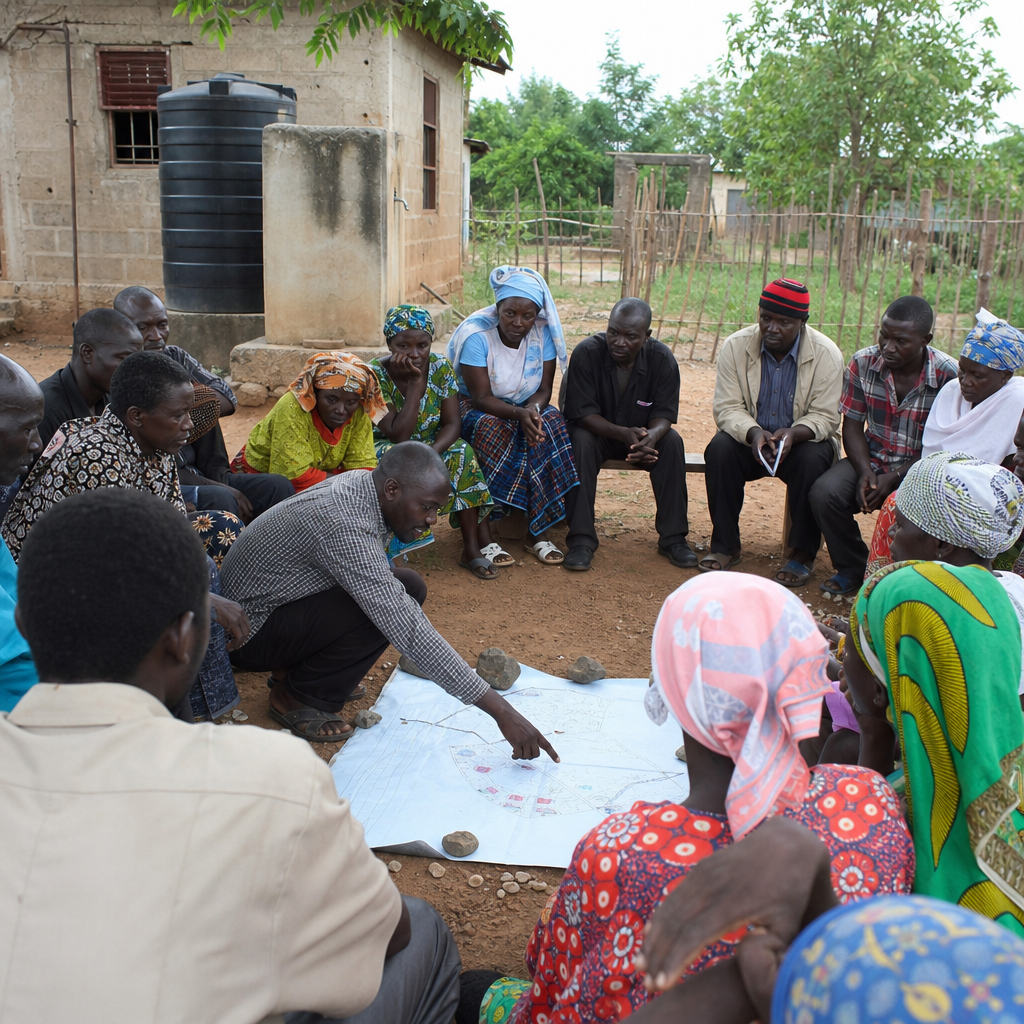
Participation also strengthens legitimacy. Messages delivered only by outsiders often sound temporary, but messages repeated by teachers, religious leaders, youth organizers, and respected health volunteers become part of local expectation. This is especially important for sensitive topics such as open defecation, child feces disposal, menstrual health, and shared latrine cleaning. Community dialogue can reduce stigma and move sanitation from a private embarrassment to a shared responsibility. Good facilitators avoid shaming. They use social mapping, household visits, public demonstrations, and problem-solving sessions to help residents identify risks and solutions without humiliation, because shame may produce short-term compliance but often undermines trust and long-term maintenance.
Participation improves equity as well. Standard campaigns can miss renters, migrants, people with disabilities, older adults, and women who do not attend public meetings. Grassroots advocacy corrects that by deliberately widening the circle. When committees include caregivers, adolescent girls, sanitation workers, and people living in informal areas, the resulting plans are more realistic. For example, a school hygiene initiative may look complete on paper until girls explain that the toilets lack disposal bins, doors do not lock, and water is unavailable during menstruation. Participation reveals these blind spots before they become program failures.
Core strategies for fostering participation and learning
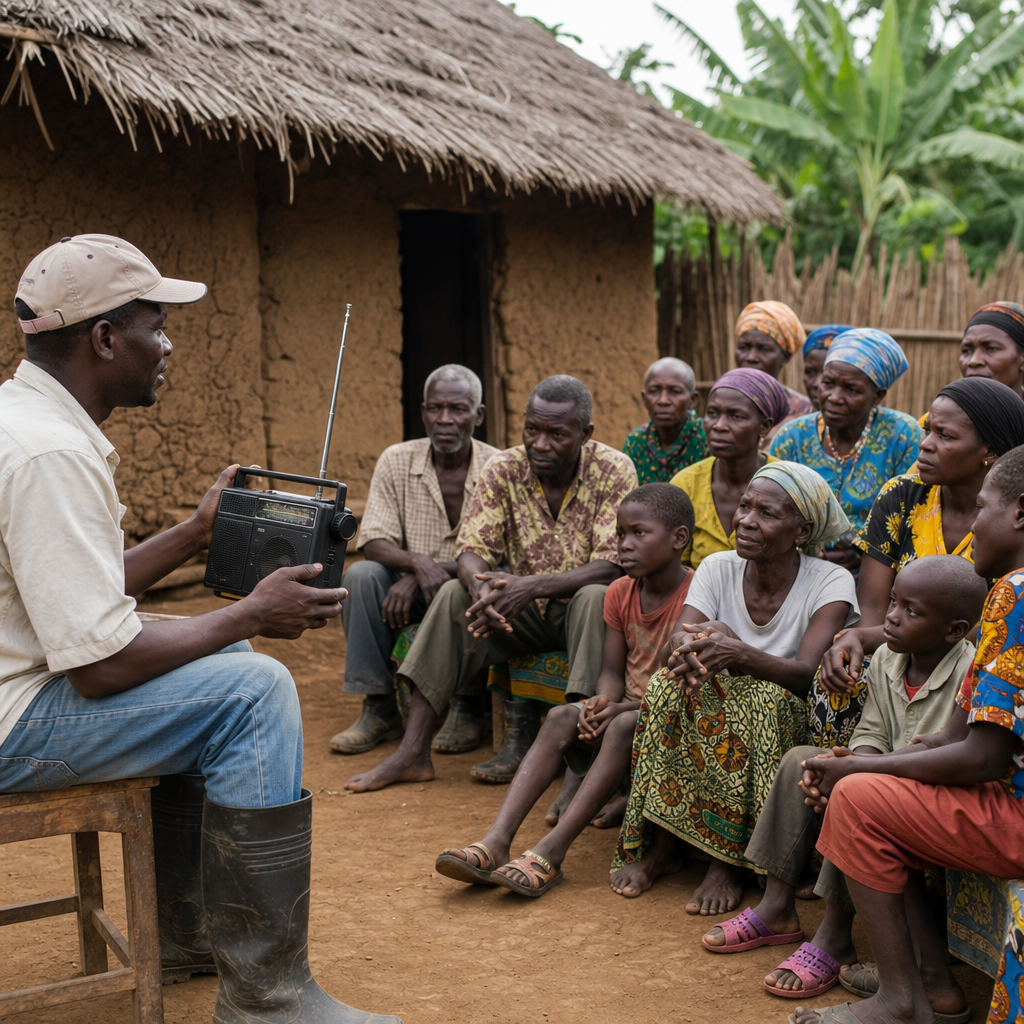
Fostering participation and learning in sanitation and hygiene requires a structured approach. The strongest programs combine listening, education, demonstration, and feedback. They do not rely on one channel. Door-to-door outreach reaches households that never attend meetings. Small group sessions allow detailed questions. Public commitments create social accountability. School clubs normalize good habits early. Community radio and messaging apps reinforce reminders between in-person events. The purpose is not simply to spread information; it is to create repeated opportunities for people to observe, practice, discuss, and adapt new behaviors.
Adult learning principles matter. People learn sanitation and hygiene best when messages are concrete, local, and immediately useful. “Wash hands at critical times” is too abstract by itself. “Wash with soap after using the toilet, after cleaning a child, before preparing food, and before eating” is better because it specifies cues. Demonstrations are even stronger. In trainings I have run, showing how contamination spreads from hands to cups, door handles, and food surfaces consistently produces more engagement than lecture-style sessions. Simple visual aids, locally relevant examples, and practical take-home actions outperform jargon-heavy presentations.
Behavior change frameworks help teams organize this work. The COM-B model, for example, asks whether people have capability, opportunity, and motivation to perform a behavior. In sanitation and hygiene, that means checking whether people know what to do, have the tools and time to do it, and believe it is worthwhile and socially expected. Social norms theory is equally useful because many hygiene practices are visible and influenced by what neighbors, peers, and teachers model. When a community sees clean shared facilities, stocked handwashing stations, and regular maintenance, hygienic behavior feels normal rather than exceptional.
| Participation method | Best use | Practical example | Main caution |
|---|---|---|---|
| Household visits | Personalized coaching | Volunteer demonstrates handwashing station setup | Time-intensive without route planning |
| Community meetings | Shared problem solving | Residents agree on latrine cleaning rota | May exclude women or shift workers if timing is poor |
| School clubs | Early habit formation | Students monitor soap and water availability | Needs teacher support to last beyond one term |
| Peer champions | Norm reinforcement | Market vendors model safe food hygiene | Champions need refreshers and recognition |
| Community scorecards | Accountability | Users rate toilet cleanliness and water access | Must link to action, not just data collection |
Building local leadership, trust, and inclusive engagement
Local leadership is the engine of grassroots advocacy. Effective programs identify who already influences behavior and who is trusted across social groups. That usually includes elected officials, community health workers, school administrators, landlords, women’s associations, youth leaders, faith leaders, and sanitation workers. Each group reaches different audiences and carries different forms of legitimacy. Health workers can explain disease pathways. Teachers can shape routine. Religious leaders can frame cleanliness as a moral and communal value. Landlords can decide whether shared toilets receive repairs. Advocacy works best when these actors are coordinated rather than operating in parallel.
Trust is built through consistency and follow-through. Communities quickly recognize when engagement is extractive, meaning they are asked to attend meetings or provide data without seeing change. For that reason, early wins matter. If residents identify broken taps or missing bins, the program should solve some of those issues quickly or explain transparently what can and cannot be addressed. I have seen participation increase sharply after simple visible improvements, such as posting cleaning schedules, restocking soap, repairing locks, or publishing a hotline for maintenance requests. These steps signal that engagement produces action.
Inclusive engagement must be designed, not assumed. Meeting times should reflect caregiving and work schedules. Materials should be understandable for low-literacy audiences. Venues should be accessible. Separate discussion spaces may be appropriate for adolescent girls, people with disabilities, or sanitation workers, especially when stigma or power imbalances suppress open discussion. Menstrual hygiene management deserves specific attention here. Too many hygiene campaigns still treat menstruation as peripheral, even though privacy, disposal, pain management, and absence from school or work are central community concerns. Grassroots advocacy improves when it names these realities directly and plans around them.
Education channels that change behavior at household, school, and community level
Different settings require different educational methods. At household level, outreach should focus on specific actions tied to routines: where to place water and soap, how to keep child potties clean, how to safely dispose of child feces, and how to maintain a latrine slab, vent, or container. Community health workers and trained volunteers are effective because they can adapt messages to the home environment. They can also spot practical issues a mass campaign misses, such as a handwashing station placed too far from the toilet or a water container left uncovered near food preparation space.
Schools are among the strongest entry points for fostering participation and learning because they combine education, demonstration, and social influence. School WASH programs work best when infrastructure and instruction reinforce each other. Students need functioning toilets separated by sex where appropriate, reliable water, handwashing facilities with soap, and teachers who integrate hygiene into lessons and routines. Student-led health clubs, cleaning committees, and peer monitoring systems can be powerful when they avoid punitive approaches. The point is not to embarrass children for mistakes but to make hygiene visible, normal, and practical every day.
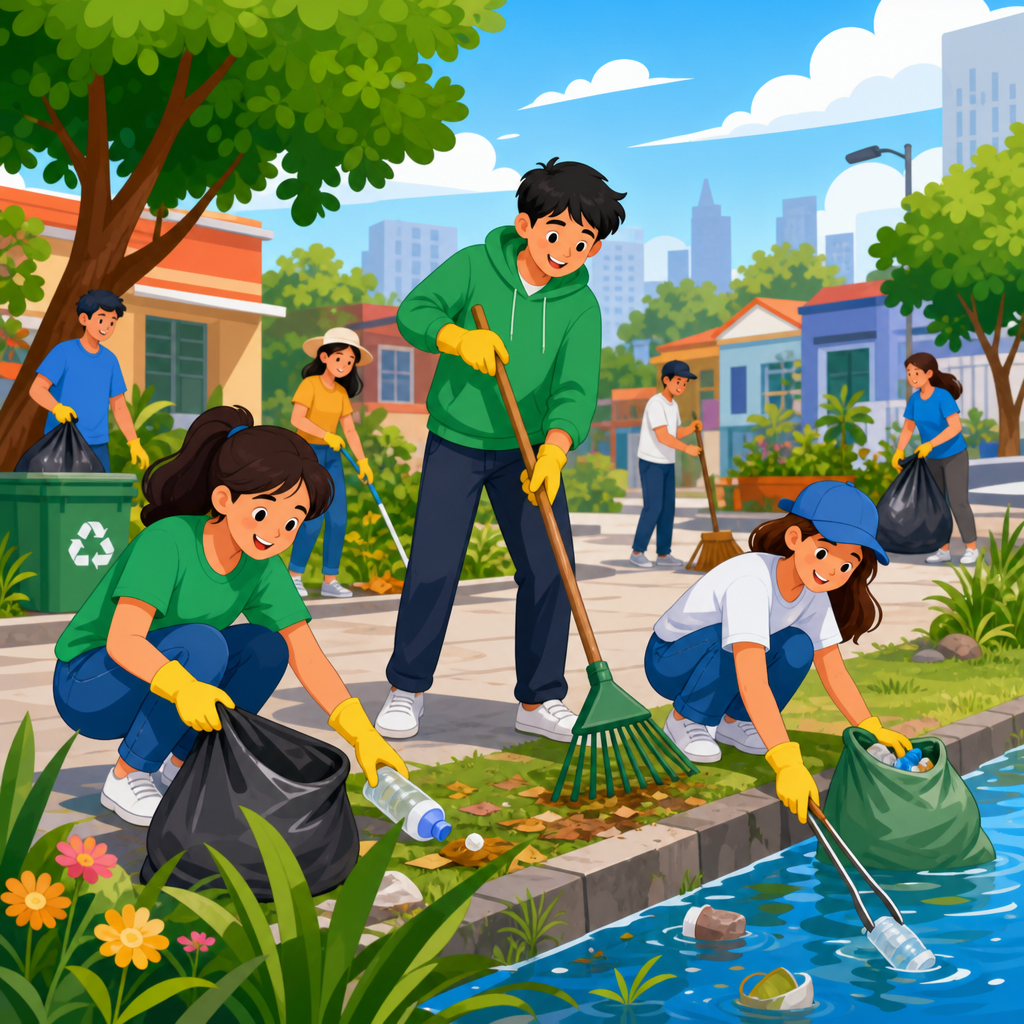
At community level, campaigns should connect private behavior to public benefit. Clean compounds reduce flies, safe fecal sludge management protects water sources, and hygienic markets reduce foodborne illness. Public demonstrations, radio call-in programs, drama groups, and local language videos can all support learning, but they should be synchronized with service improvements and opportunities for feedback. In dense settlements, for example, hygiene promotion is more credible when paired with scheduled waste collection, drain cleaning, and clear reporting channels for overflowing shared toilets. Communication alone rarely compensates for failed services.
Measuring impact and sustaining momentum over time
Good grassroots advocacy is measurable. The most useful indicators combine participation metrics, service metrics, and behavior metrics. Participation metrics include attendance diversity, volunteer retention, household visit coverage, and the number of issues raised and resolved. Service metrics include soap availability, water reliability, toilet functionality, cleaning frequency, and accessibility features. Behavior metrics include observed handwashing station use, safe storage of drinking water, latrine use, school attendance during menstruation, and proper disposal of child feces. Direct observation, spot checks, structured interviews, and community scorecards all have value when used ethically and consistently.
Programs should be careful about what they claim. Self-reported hygiene behaviors often overstate success because people want to give the expected answer. That is why triangulation matters. If respondents say everyone washes hands with soap, but spot checks find empty stations and no soap near latrines, the program needs a more accurate reading. Digital tools such as KoboToolbox, CommCare, and DHIS2 can help teams collect and analyze field data, but technology is only as good as supervision and indicator design. A short, reliable dashboard is better than a long list of metrics no one reviews.
Sustaining momentum requires institutional anchors. Volunteer energy is valuable, but it fades without support. The strongest sanitation and hygiene advocacy efforts are embedded in school improvement plans, clinic quality standards, municipal budgets, landlord agreements, and community bylaws that are fair and enforceable. Refresher training, public recognition, small maintenance funds, and periodic review meetings keep participation alive. Partnerships with local government are especially important because community action can identify and prioritize problems, but infrastructure repair, fecal sludge services, and public facility upgrades usually require formal authority and budget.
Grassroots advocacy in sanitation and hygiene works when communities gain both knowledge and influence. The central lesson is simple: lasting change comes from participation that is inclusive, practical, and tied to real decisions. People need clear information, visible examples, functioning services, and trusted local leadership. They also need ways to report problems, track progress, and see that their effort leads to cleaner, safer environments. As a hub for fostering participation and learning, this topic connects household habits, school routines, community norms, and local governance into one system. Treat any one piece in isolation and results weaken.
The most effective approach is to start with listening, then build layered education and accountability around what residents actually need. Use household visits for tailored coaching, schools for early habit formation, peer champions for norm change, and community scorecards for follow-through. Pay close attention to inclusion, especially for women, girls, renters, people with disabilities, and sanitation workers whose needs are often overlooked. Measure what matters, verify claims with observation, and secure institutional support so progress survives beyond a single campaign cycle. This is how sanitation and hygiene move from awareness to routine practice.
If you are building a community engagement and education strategy, use this hub as your starting point and map the stakeholders, barriers, and learning channels in your context. Then turn those insights into a participation plan with clear roles, realistic indicators, and visible early actions. Communities do not need more slogans; they need practical systems they can trust and help lead.
Frequently Asked Questions
What is grassroots advocacy in sanitation and hygiene?
Grassroots advocacy in sanitation and hygiene is a community-led approach to improving public health by turning broad goals into practical, everyday action. Instead of relying only on top-down campaigns, it brings together residents, schools, health workers, faith groups, youth leaders, women’s groups, and local officials to identify sanitation and hygiene problems and solve them in ways that fit local realities. In this setting, sanitation includes the safe management of human waste, wastewater, and solid waste, while hygiene includes behaviors that reduce disease transmission, such as handwashing with soap, menstrual hygiene management, food hygiene, and safe water handling.
What makes grassroots advocacy different is that it focuses on ownership, trust, and participation. Community members are not just recipients of information; they are active decision-makers who help define priorities, organize behavior change activities, monitor progress, and hold institutions accountable. For example, a neighborhood group may campaign for better toilet access, support household handwashing stations, organize cleanup drives, or work with schools to improve hygiene education. When people see that sanitation and hygiene are not abstract policies but daily practices tied to dignity, safety, and family well-being, change becomes more sustainable and more likely to spread across the community.
Why is grassroots advocacy important for improving sanitation and hygiene outcomes?
Grassroots advocacy matters because sanitation and hygiene challenges are deeply connected to daily routines, social norms, local infrastructure, and community priorities. Public health messages are far more effective when they are reinforced by trusted local voices and supported by practical solutions people can actually use. A community may understand that handwashing is important, for instance, but still face barriers such as lack of soap, poor water access, unsafe toilets, weak waste collection systems, or stigma around menstruation. Grassroots advocacy helps surface these barriers and address them in ways that are realistic and locally acceptable.
It is also important because long-term change depends on behavior as much as infrastructure. Building toilets or water points alone does not guarantee safer outcomes if maintenance is poor, wastewater is unmanaged, or hygiene practices remain inconsistent. Community advocacy strengthens the link between services and behavior by creating local demand, encouraging accountability, and promoting shared responsibility. It can also help ensure that vulnerable groups, including women, girls, children, people with disabilities, and low-income households, are not overlooked. In many cases, grassroots efforts are what turn sanitation and hygiene from a short-term project into a durable community norm that protects health, reduces disease transmission, and improves quality of life.
What kinds of actions are typically involved in grassroots sanitation and hygiene advocacy?
Grassroots advocacy usually combines education, organization, and practical problem-solving. Common activities include community meetings, household visits, school hygiene clubs, public demonstrations of proper handwashing, neighborhood cleanup campaigns, and local discussions about toilet use, waste disposal, and safe water storage. Advocates may also work with health workers to share disease prevention information, partner with schools to improve student hygiene practices, or engage local leaders to support bylaws, budget priorities, or infrastructure improvements.
Many successful efforts focus on making behavior change visible and achievable. That might mean encouraging households to install low-cost handwashing stations, promoting soap availability near toilets, supporting menstrual hygiene education and access to supplies, or improving systems for separating and disposing of waste safely. In areas with infrastructure gaps, advocacy can also involve petitioning local government for drainage repairs, safer public toilets, better sludge management, or more reliable waste collection. The strongest grassroots actions usually blend immediate habits with longer-term systems change, helping communities improve both what people do every day and the conditions that make healthy choices possible.
How can communities make grassroots sanitation and hygiene advocacy more effective?
Effective grassroots advocacy starts with listening. Communities need a clear understanding of local conditions, beliefs, and barriers before designing solutions. That means identifying who lacks access to safe toilets, where wastewater or solid waste accumulates, why handwashing is inconsistent, what schools need, and how stigma affects issues such as menstrual hygiene. It also means recognizing that different groups experience sanitation and hygiene differently. Women and girls may face privacy and safety concerns, children may need age-appropriate education, and people with disabilities may require accessible facilities and tailored support.
From there, effectiveness depends on participation, consistency, and follow-through. Community members should be involved in planning, messaging, and monitoring, not just invited to attend events. Advocacy is stronger when local champions are trained, messages are repeated through trusted channels, and practical improvements accompany awareness efforts. For example, promoting handwashing works better when soap and water are available; encouraging toilet use works better when facilities are safe, clean, and functional. It is also helpful to track progress through simple indicators such as school attendance, latrine use, handwashing station presence, waste collection reliability, or reports of diarrhea and other hygiene-related illnesses. When communities combine local leadership, inclusive planning, and measurable goals, advocacy becomes more credible and more likely to deliver lasting results.
What are the biggest challenges in grassroots advocacy for sanitation and hygiene?
One of the biggest challenges is that sanitation and hygiene problems are rarely caused by a single factor. Communities may face limited budgets, weak local services, poor infrastructure, overcrowding, seasonal water shortages, low awareness, and cultural stigma at the same time. Even when people are motivated to improve hygiene, they may lack the resources or support systems needed to sustain new practices. For example, households may build toilets but struggle with maintenance, or schools may teach handwashing without ensuring regular access to soap and water. Advocacy efforts can also lose momentum if they depend too heavily on a small group of volunteers without broader institutional backing.
Another major challenge is inequality. The people most affected by poor sanitation and hygiene are often those with the least power to influence decisions. Informal settlements, rural communities, and marginalized groups may be excluded from planning processes or underserved by public investment. Sensitive topics such as open defecation, menstrual hygiene, and waste handling can also be difficult to discuss openly, which limits awareness and action. To overcome these challenges, grassroots advocacy needs patience, partnerships, and persistence. Communities often make the most progress when they build coalitions, use local evidence to support their case, and pursue both immediate behavior change and longer-term policy or service improvements. The process can be gradual, but consistent community action is often what drives meaningful and lasting gains in sanitation, hygiene, dignity, and public health.