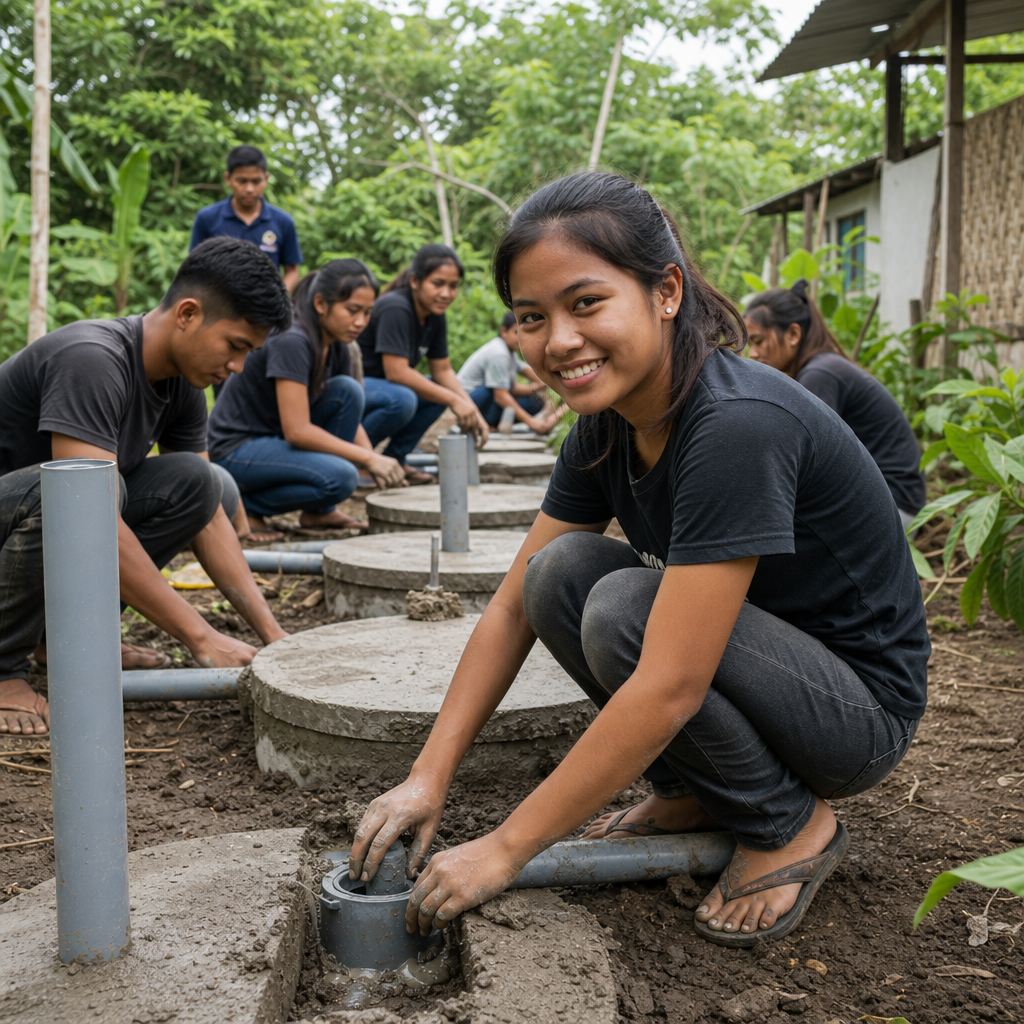
Public forums on the future of sanitation turn abstract policy into practical community action by creating a place where residents, engineers, health workers, teachers, and local officials can solve problems together. In sanitation, the term covers the safe collection, treatment, reuse, or disposal of human waste, wastewater, stormwater, and solid waste that affects public health and the local environment. A public forum is any structured, open meeting designed for dialogue rather than one-way announcements, whether it happens in a town hall, school gym, library, neighborhood association, or online platform. When these forums are planned well, they do more than collect opinions. They educate people about disease prevention, infrastructure costs, water quality, climate resilience, and personal behavior, then connect that knowledge to decisions communities actually control.
This matters because sanitation systems are changing fast. Aging sewer networks leak, septic systems fail, informal settlements often lack safe toilets, and climate-driven flooding pushes contaminated water into homes and streets. At the same time, newer approaches such as decentralized wastewater treatment, fecal sludge management, nutrient recovery, green stormwater infrastructure, and real-time monitoring are expanding the menu of options. I have seen projects stall not because the engineering was weak, but because people did not understand what was proposed, who would pay, or how daily routines would change. Educating for change is therefore not a side activity. It is the core function of public engagement in sanitation, and it is the bridge between technical plans and public trust.
As a hub page under community engagement and education, this article explains how public forums help communities learn, deliberate, and act on sanitation issues. It defines the main goals of sanitation education, shows how to design forums that produce better decisions, and highlights methods that work across cities, small towns, schools, and underserved neighborhoods. It also points readers toward linked subtopics they should explore next, including school outreach, household behavior change, utility communication, participatory budgeting, and inclusive planning. If you need one practical idea to remember, it is this: the best sanitation forum answers people’s immediate questions clearly, then gives them a realistic role in shaping the solution.
Why public forums matter in sanitation planning
Public forums matter because sanitation is both a technical system and a shared social contract. Pipes, pumps, treatment plants, septic tanks, toilets, drains, and collection routes only work when people use them correctly, maintain them, and accept the tradeoffs involved. A sewer upgrade may reduce combined sewer overflows, but residents still want to know why roads will be dug up, how long disruption will last, and whether rates will rise. A city considering container-based sanitation or communal toilet blocks must explain service reliability, odor control, privacy, menstrual hygiene support, and who handles waste safely after collection. Forums create space for those questions before resistance hardens into mistrust.
From a public health perspective, these meetings can close dangerous knowledge gaps. The World Health Organization and UNICEF Joint Monitoring Programme has repeatedly shown that safely managed sanitation is not just about access to a toilet; it requires hygienic separation of excreta from human contact through the whole service chain. In plain terms, a toilet without safe emptying, transport, treatment, and disposal is not enough. Public forums are where that service-chain idea becomes understandable. Residents can see why illegal dumping from vacuum trucks contaminates waterways, why fats and wipes block sewers, and why handwashing, drainage maintenance, and proper containment all connect.
Forums also improve policy legitimacy. In my experience, people accept difficult sanitation decisions when agencies are transparent about constraints. If a utility explains that infiltration and inflow are overloading a treatment plant during storms, shows monitoring data, and outlines phased capital improvements, residents are more likely to support a timeline they may otherwise oppose. Education does not guarantee agreement, but it raises the quality of disagreement. That is a major gain in any sanitation program.
What “educating for change” means in practice
Educating for change means moving beyond awareness campaigns that only tell people what to do. Effective sanitation education gives communities the context, evidence, and decision pathways needed to change behavior and support better infrastructure choices. It answers three questions directly: what is the problem, what are the realistic options, and what role can each group play? In a forum setting, that often means translating technical language into service impacts. Instead of saying “anaerobic digestion improves biosolids management,” a facilitator explains that sludge can be stabilized, odors reduced, pathogens lowered, and biogas captured for energy.
This approach works best when it is layered. First, share foundational knowledge: disease transmission routes, wastewater basics, stormwater pathways, and the difference between on-site and sewered systems. Second, localize the issue with maps, overflow records, complaint data, or school absenteeism linked to poor sanitation. Third, connect people to choices, such as approving rate structures, joining maintenance programs, supporting source separation, or participating in neighborhood cleanup and drain protection efforts. Fourth, reinforce learning after the forum through schools, community groups, utility bills, text alerts, and follow-up workshops.
As the hub for this subtopic, this page supports several related articles that deepen the work. Readers should next explore sanitation education in schools, because children often become the most effective messengers at home. Utility leaders should look at crisis communication for boil-water advisories, sewer backups, and flooding. Community organizers should review participatory planning methods, especially for low-income areas where informal systems and landlord neglect complicate behavior change. Program managers will also benefit from articles on multilingual outreach, disability-inclusive sanitation design, and measuring engagement outcomes. Together, these pieces build a complete education strategy rather than a one-off meeting.
How to design a public forum people trust
Trusted sanitation forums are designed, not improvised. The process starts with audience mapping. Homeowners on septic systems, apartment tenants, school staff, public health departments, wastewater operators, informal settlement leaders, environmental groups, and local businesses all experience sanitation differently. If they receive the same message in the same format, many will leave confused. Segment the audience and tailor examples. Septic households need practical guidance on desludging frequency, drainfield protection, and signs of system failure. Urban renters may need to know how to report leaks, mold, blocked sewers, or inaccessible public toilets.
Accessibility is equally important. Hold meetings at times workers can attend, provide interpretation, ensure wheelchair access, and use plain-language materials. In neighborhoods with low digital access, do not rely on online registration as the main entry point. I have seen attendance double when organizers added paper flyers through schools, church announcements, and door-to-door invitations from trusted community health workers. Trust often depends less on branding than on who extends the invitation.
Good facilitation follows a simple rule: explain first, discuss second, document third. Open with a concise problem statement supported by local evidence. Then invite questions in structured rounds, using prompts such as cost, health, convenience, environmental impact, and fairness. End by recording commitments, unresolved issues, and next steps in language people can verify later. Publishing a meeting summary within a week is not a courtesy; it is a credibility test.
| Forum element | What it should do | Sanitation example |
|---|---|---|
| Problem framing | Define the issue with local evidence | Show overflow incidents, drain blockage hotspots, or septic failure rates |
| Education segment | Teach key concepts in plain language | Explain how wastewater moves from home to treatment or disposal |
| Public input | Capture concerns, tradeoffs, and lived experience | Residents describe flooding patterns missed by official maps |
| Decision pathway | Clarify what happens after the meeting | Rate hearing, pilot program, design revision, or maintenance campaign |
| Follow-up | Keep people informed and accountable | Email summary, hotline, dashboard, and dates for the next workshop |
Topics every sanitation forum should cover
Every sanitation forum should cover the full service chain, public health impacts, affordability, environmental performance, and maintenance responsibility. Starting with toilets alone is a common mistake. Communities need to understand containment, collection, transport, treatment, reuse, and final disposal. In peri-urban areas, this may mean discussing pit emptying standards, licensed haulers, transfer stations, and treatment capacity. In cities with centralized systems, it may mean sewer condition, treatment compliance, nutrient limits, and wet-weather overflow control. Without this broader view, residents often support visible upgrades while overlooking the less visible parts that determine actual safety.
Health impacts should be concrete. Explain how fecal contamination contributes to diarrheal disease, intestinal parasites, stunting, and waterborne outbreaks. Where relevant, discuss school attendance, especially for girls when toilets lack privacy, lighting, disposal bins, or menstrual hygiene support. Environmental impacts should be equally specific. Nutrient pollution can trigger algal blooms; poor sludge disposal can contaminate groundwater; blocked drains can worsen vector breeding and flood damage. A good forum also addresses occupational safety for sanitation workers, including personal protective equipment, confined-space hazards, and safe handling standards.
Affordability deserves honest treatment. Residents want to know both the cost of poor sanitation and the price of improvement. Present capital costs, operating costs, user fees, and assistance options clearly. If cross-subsidies, grants, or phased billing are possible, say so. If they are not, explain why. Communities respond better to hard numbers than vague promises. Named tools such as life-cycle cost analysis, asset management planning, and customer assistance programs help ground the discussion in practical decision-making rather than slogans.
Methods that improve learning and participation
The most effective sanitation forums use mixed methods because people learn differently. Short expert presentations are useful for baseline facts, but they should be paired with maps, diagrams, translated handouts, and scenario-based discussion. A flood-prone neighborhood can review before-and-after drainage plans. A rural township can compare the maintenance demands of conventional septic systems, clustered systems, and small-bore sewers. A school-centered forum can let families walk through model handwashing stations and toilet maintenance checklists. When people can visualize how a system works, they ask better questions and make fewer false assumptions.
Case examples are especially powerful. Singapore’s long-term sanitation success is often linked to integrated planning, enforcement, and public communication, not engineering alone. In many Indian cities, public campaigns around fecal sludge management have improved understanding that emptying pits safely matters as much as toilet construction. In U.S. cities working under combined sewer overflow consent decrees, utilities have used green infrastructure demonstrations to show how permeable pavements, rain gardens, and detention systems reduce pressure on aging sewer networks. These examples help local audiences see that change is achievable, but they must be adapted to local finances, governance, and climate.
Measurement matters too. A forum should not be judged only by attendance. Track pre- and post-event understanding, participation diversity, recurring concerns, and whether people take the next step, such as enrolling in septic inspections, reporting illegal dumping, or supporting a capital improvement plan. I recommend a simple evaluation set: knowledge gained, trust change, action taken, and issues requiring design revision. Those metrics turn education into management data.
Inclusion, misinformation, and long-term follow-through
Sanitation forums fail when they ignore the people most affected. Inclusion means more than inviting everyone. It means identifying barriers that prevent meaningful participation and then removing them. Women and girls may raise design issues men overlook, including privacy, lighting, cleaning responsibilities, and menstrual hygiene needs. Disabled residents can identify inaccessible toilets, narrow pathways, missing rails, and poor signage. Informal settlement leaders can explain why official service maps are wrong, where shared facilities are unsafe, or how payment methods exclude cash-based households. These are not side comments. They are design requirements.
Misinformation must be managed directly. In nearly every sanitation meeting, rumors appear: treated wastewater is always unsafe, septic additives eliminate pumping, sewer odors mean treatment has failed, or green infrastructure is only decorative landscaping. The best response is calm, evidence-based correction with named standards and operational facts. Cite local water quality tests, explain permit requirements, and distinguish between legitimate uncertainty and false claims. If a project carries risks, acknowledge them plainly. Communities trust agencies that say, “Here is what we know, here is what we do not know yet, and here is when we will update you.”
Long-term follow-through is what turns public forums into real education systems. One meeting can launch interest, but durable change requires repeated contact. Link forums to school curriculum, public health campaigns, neighborhood champions, utility customer portals, and annual reporting. Create simple internal pathways so readers can move from this hub to deeper topics: designing school sanitation programs, creating multilingual education materials, training community facilitators, running household behavior campaigns, and evaluating participation quality. Public forums on the future of sanitation work best when they are not isolated events but the visible center of an ongoing learning network.
The future of sanitation will be shaped as much by public understanding as by engineering design. Communities need forums that explain systems clearly, welcome hard questions, and connect learning to decisions people can influence. The strongest programs treat education as infrastructure: essential, planned, funded, and maintained over time. They cover health, environment, affordability, maintenance, and worker safety without hiding tradeoffs. They also make space for those who are usually left out, because inclusive sanitation planning produces better outcomes and fewer costly mistakes.
As the hub for educating for change within community engagement and education, this page points to a simple conclusion. If you want safer sanitation, more resilient infrastructure, and stronger public trust, start with better public forums. Build meetings around evidence, plain language, local examples, and documented follow-up. Then expand outward into schools, neighborhoods, utilities, and community organizations so education continues long after the chairs are folded away. Review your current outreach, identify the gaps, and use this hub as the starting point for a more informed sanitation strategy today.
Frequently Asked Questions
What are public forums on the future of sanitation, and why do they matter?
Public forums on the future of sanitation are structured, open meetings where community members and decision-makers come together to discuss how sanitation systems should work now and how they should improve over time. In this context, sanitation includes the safe collection, treatment, reuse, or disposal of human waste, wastewater, stormwater, and solid waste that affects public health and the local environment. Unlike one-way presentations, a true public forum is built for dialogue. Residents, engineers, health workers, teachers, neighborhood leaders, and local officials all have a chance to raise concerns, share local knowledge, and explore practical solutions together.
These forums matter because sanitation problems are rarely solved by policy alone. A treatment plan may look effective on paper, but if it ignores neighborhood flooding patterns, school hygiene needs, maintenance capacity, or affordability for households, it can fail in practice. Public forums help bridge that gap. They turn technical issues into shared community priorities and help decision-makers understand what people actually experience in their homes, streets, schools, and workplaces.
They also build trust and accountability. When the public can ask questions openly, review proposals, and hear how choices are made, the process becomes more transparent. That transparency can improve support for new investments, reduce conflict, and lead to better long-term outcomes. In short, public forums matter because they connect policy, infrastructure, public health, and everyday life in a way that makes sanitation planning more realistic, more inclusive, and more effective.
Who should participate in a sanitation forum, and what does each group contribute?
A strong sanitation forum works best when it includes a wide range of participants, because sanitation touches nearly every part of community life. Residents are essential because they experience the direct effects of poor drainage, sewer failures, overflowing bins, unsafe toilets, contaminated water, or inadequate waste collection. Their firsthand knowledge helps identify problems that may not appear in official reports or engineering surveys. They can explain where flooding happens first, which areas have unreliable services, and how sanitation challenges affect daily routines, especially for families, older adults, and people with disabilities.
Engineers and technical experts contribute by explaining how systems function, what upgrades are feasible, what maintenance is required, and what trade-offs come with different design choices. Health workers bring a public health perspective, helping the group understand the links between sanitation, disease prevention, child health, hygiene, and environmental exposure. Teachers and school administrators can highlight how sanitation affects student attendance, dignity, learning conditions, and access to handwashing and safe facilities for children and adolescents.
Local officials play a critical role because they connect public input to budgets, regulations, land-use decisions, service contracts, and long-term planning. Community organizations, environmental advocates, sanitation workers, and small business owners can also add important perspectives on outreach, local conditions, workforce realities, recycling practices, and economic impacts. When all of these groups participate, the forum becomes more than a discussion. It becomes a practical problem-solving space where technical knowledge and lived experience can inform each other, leading to solutions that are both workable and publicly supported.
What sanitation issues are typically discussed in public forums?
Public forums on sanitation usually cover a broad mix of immediate service concerns and long-term system planning. Common topics include sewer and septic system performance, wastewater treatment capacity, stormwater drainage, flood prevention, solid waste collection, illegal dumping, toilet access, public hygiene facilities, and the environmental impacts of untreated or poorly managed waste. In many communities, the discussion also includes how sanitation systems hold up during extreme weather, population growth, aging infrastructure, and development pressure.
Health and equity issues are often central as well. Forum participants may discuss how sanitation failures affect low-income neighborhoods, renters, informal settlements, schools, healthcare settings, or rural households that rely on decentralized systems. Questions about affordability frequently arise, especially when utility rates, user fees, or new infrastructure costs are being considered. Residents may want to know who pays, how priorities are set, and whether improvements will reach the areas that need them most.
Many forums also explore future-facing topics such as water reuse, resource recovery, climate resilience, green infrastructure, circular sanitation models, and technologies that reduce pollution or improve efficiency. For example, a forum may examine whether treated wastewater can be reused safely, how stormwater can be better managed through landscape design, or how organic waste can be diverted to reduce pressure on disposal systems. The specific agenda varies by community, but the overall purpose is the same: to create a public space where sanitation challenges are examined not as isolated technical problems, but as connected issues involving health, environment, infrastructure, cost, and quality of life.
How do public forums turn sanitation policy into practical community action?
Public forums turn sanitation policy into practical community action by translating broad goals into specific local steps. Policy often sets the direction, such as improving wastewater treatment, reducing flooding, expanding safe waste disposal, or increasing equitable access to sanitation services. But a forum helps answer the critical implementation questions: Which neighborhoods should be prioritized first? What barriers do households face? What maintenance gaps are causing repeated failures? Which solutions are affordable, and which require outside funding or phased rollout?
Because forums allow direct dialogue, they help communities move from abstract ideas to concrete plans. A discussion about stormwater management, for instance, can lead to mapping flood-prone streets, identifying blocked drains, planning routine maintenance, and coordinating responsibilities across departments. A conversation about school sanitation can result in facility audits, hygiene education efforts, and budget requests for repairs or upgrades. Public input can also reveal whether a technically sound proposal needs adjustment to fit local behavior, cultural expectations, land constraints, or public safety concerns.
Another key benefit is that forums create shared ownership. When people are invited into the planning process early, they are more likely to understand the reasons behind proposed changes and to support implementation. This can improve participation in public health campaigns, reduce misinformation, and strengthen cooperation between agencies and residents. Forums also create a record of concerns, priorities, and commitments, which makes follow-up more measurable. In that sense, they are not just listening sessions. When organized well, they become working platforms for coordination, accountability, and informed action.
What makes a public sanitation forum effective and worth attending?
An effective public sanitation forum is clear in purpose, inclusive in participation, and organized around genuine two-way engagement. People are much more likely to attend and contribute when they understand what the forum is about, how their input will be used, and what decisions or next steps may result from the discussion. Strong forums usually provide accessible background information in plain language, explain technical terms carefully, and create multiple ways for people to participate, including open discussion, written feedback, small-group dialogue, or translated materials where needed.
Inclusion is especially important. Sanitation affects everyone, but not everyone experiences it in the same way. A forum is more effective when it actively reaches groups that are often left out of infrastructure discussions, including low-income residents, people with disabilities, tenants, sanitation workers, parents, students, and communities in under-served areas. Meeting times, location, transportation access, childcare support, and language access can all influence whether the conversation reflects the full community or only a narrow segment of it.
What makes a forum truly worth attending, however, is follow-through. People need to see that participation leads somewhere. The most effective forums document concerns, summarize key findings, identify responsibilities, and communicate next steps after the meeting ends. They may lead to revised plans, pilot projects, maintenance priorities, funding requests, or additional consultations. Even when immediate solutions are not possible, a well-run forum helps the public understand constraints and timelines honestly. That combination of transparency, responsiveness, and practical outcomes is what gives a sanitation forum lasting value and turns public discussion into meaningful progress.