Sanitation and sustainability depend on behavior as much as infrastructure, which is why community training programs are often the deciding factor between a short-lived project and a lasting public health gain. In this context, sanitation includes safe toilet use, handwashing, menstrual hygiene management, fecal sludge management, solid waste separation, drainage upkeep, and household water handling. Sustainability means those practices continue without constant outside supervision, while local institutions, budgets, and skills are strong enough to adapt over time. Educating for change is the bridge between hardware and habit: it turns latrines into regularly used assets, waste bins into cleaner streets, and health messages into daily routines. I have seen technically sound sanitation systems fail because training was treated as a one-off meeting, and I have also seen modest facilities succeed when local teachers, health workers, and resident groups were trained to reinforce practical actions every week.
As a hub within Community Engagement and Education, this article explains how sanitation training programs are designed, delivered, measured, and sustained. It addresses the questions practitioners, municipalities, nonprofits, school leaders, and resident committees usually ask first: Who should be trained, what content matters most, which methods change behavior, how much follow-up is needed, and how do you prove results? Effective programs combine public health education, adult learning principles, local leadership development, and accountability systems. They use baseline assessments, audience segmentation, training-of-trainers models, and simple indicators such as handwashing station functionality, toilet cleanliness scores, school absenteeism patterns, and waste collection participation rates. When these elements are aligned, sanitation education stops being a campaign slogan and becomes an operating system for healthier communities, lower environmental risk, and stronger local ownership.
Why community sanitation training matters
Community sanitation training matters because contamination pathways are social, environmental, and operational at the same time. A toilet can be present yet unsafe if it is poorly cleaned, inaccessible to children, disconnected from emptying services, or culturally unacceptable for women at night. A drain can be constructed yet blocked by plastic waste because residents were never shown how disposal habits affect flooding and vector breeding. Training closes these gaps by translating technical systems into routines people can actually maintain. The World Health Organization and UNICEF Joint Monitoring Programme has repeatedly shown that safely managed sanitation requires not just facility access, but service quality, safe waste handling, and equitable use. Training supports each of those requirements by clarifying roles, reinforcing standards, and creating local expectations around cleanliness and safety.
From practical experience, the strongest programs start by identifying specific behaviors rather than teaching sanitation in broad, abstract terms. Instead of saying “improve hygiene,” they define actions such as washing hands with soap after toilet use, keeping lids closed, reporting full pits early, separating organic waste, cleaning shared toilets on a roster, or ensuring girls know where menstrual waste can be disposed safely. This specificity matters because people adopt routines more easily when the action is visible, timed, and socially reinforced. In dense settlements, for example, a neighborhood committee may focus on drain clearing schedules before rainy season. In schools, training may prioritize handwashing supervision and menstrual hygiene support. In rural villages, the immediate challenge may be latrine maintenance, child feces disposal, and seasonal water treatment. Good training programs fit these realities instead of copying generic lesson plans.
Core components of effective educating for change programs
Educating for change begins with a baseline. Before creating materials, program teams need to understand current practices, barriers, and incentives. That means household surveys, spot checks, focus groups, school walkthroughs, service mapping, and interviews with local leaders, sanitation workers, and clinic staff. The goal is not to produce a long report; it is to identify where contamination risk is entering daily life. Common baseline findings include broken handwashing stations, low confidence in toilet cleaning responsibilities, poor awareness of sludge emptying options, and stigma around discussing menstruation or disability access. Once those issues are visible, training content can be shaped around actual decisions people face every day.
The next component is audience segmentation. Communities are not one audience. Caregivers, schoolchildren, landlords, market vendors, waste pickers, transport operators, and religious leaders influence sanitation differently. I usually map three levels: primary users, frontline influencers, and system enablers. Primary users perform the behaviors. Frontline influencers include teachers, community health workers, and block leaders who model and reinforce them. System enablers include municipal sanitation departments, private emptiers, school administrators, and utilities that determine whether services remain available. Programs that train only residents often underperform because they ignore the people who control maintenance budgets, schedules, and service access.
Content should be practical, visual, and sequenced. Start with immediate health and convenience benefits, then move into system topics such as waste flows and environmental protection. Adults engage better when they understand why a practice matters and how to do it with the resources they already have. A good curriculum often includes disease transmission basics, facility use and cleaning, inclusive access, child-friendly sanitation, menstrual hygiene, waste segregation, flood prevention, reporting channels, and community roles. It also includes demonstrations: how to mix a chlorine solution safely if locally appropriate, how to inspect a toilet slab for hazards, how to organize a cleaning rota, and how to maintain a handwashing point with a tippy tap or a plumbed sink depending on context.
| Program element | What it includes | Example in practice | Indicator to track |
|---|---|---|---|
| Baseline assessment | Surveys, observation, service mapping | School audit finds 40% of taps nonfunctional | Repair rate within 30 days |
| Audience segmentation | Separate plans for households, schools, vendors, leaders | Market vendors trained on bin placement and cleanup timing | Waste overflow incidents per week |
| Skills-based training | Demonstrations, role-play, facility walkthroughs | Residents practice mixing cleaning solution safely | Toilet cleanliness checklist score |
| Local reinforcement | Peer educators, teachers, health workers | Community volunteers conduct monthly home visits | Observed handwashing station availability |
| Monitoring and feedback | Scorecards, inspections, complaint channels | Ward office posts monthly sanitation results publicly | Response time to maintenance complaints |
Training methods matter as much as curriculum. Lectures alone rarely shift sanitation behavior, especially where practices are tied to habit, dignity, privacy, or cost. Participatory methods work better: guided discussions, household demonstrations, school clubs, street theater, community mapping, peer-to-peer visits, and public commitment boards. In one settlement upgrading project, residents responded far more strongly to a live demonstration of how blocked drains backflow into walkways than to posters about “environmental cleanliness.” The lesson was simple: when people can see the pathway from behavior to consequence, the message becomes actionable. The same principle applies to handwashing, where glow-germ demonstrations or timed routines before meals create stronger recall than slogans alone.
Delivery models that work in schools, neighborhoods, and public institutions
Different settings require different delivery models. In schools, the most effective sanitation education integrates with routines rather than relying only on annual awareness days. Teachers can embed hygiene into science and life skills lessons, while student clubs monitor soap availability, cleanliness, and peer reminders. Separate, private, and well-managed facilities for girls are essential, particularly where menstruation affects attendance. UNESCO and UNICEF guidance has long emphasized that school sanitation succeeds when infrastructure, curriculum, and operations are managed together. In practice, that means assigning maintenance responsibility, budgeting for consumables, and training staff to respond quickly when facilities fail. A school can become a sanitation learning center for families, but only if students see good practice modeled consistently on campus.
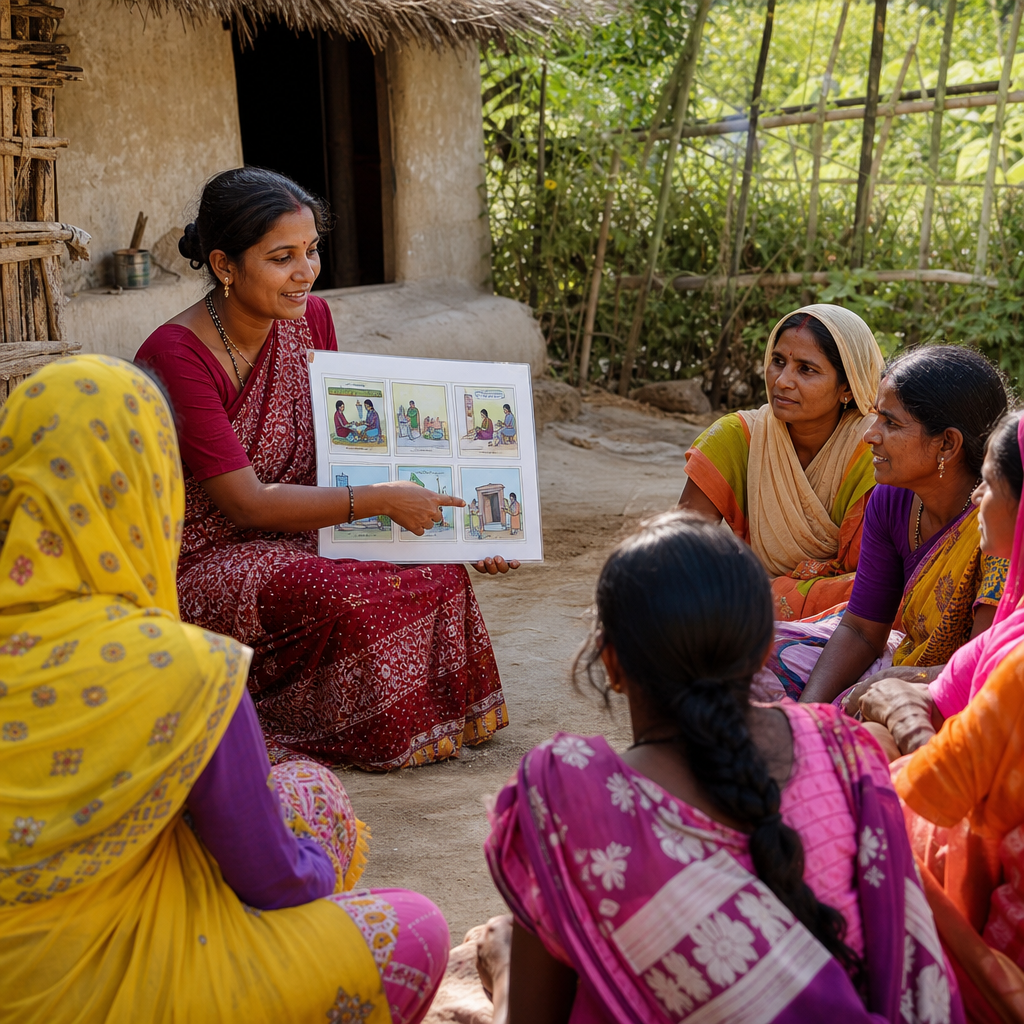
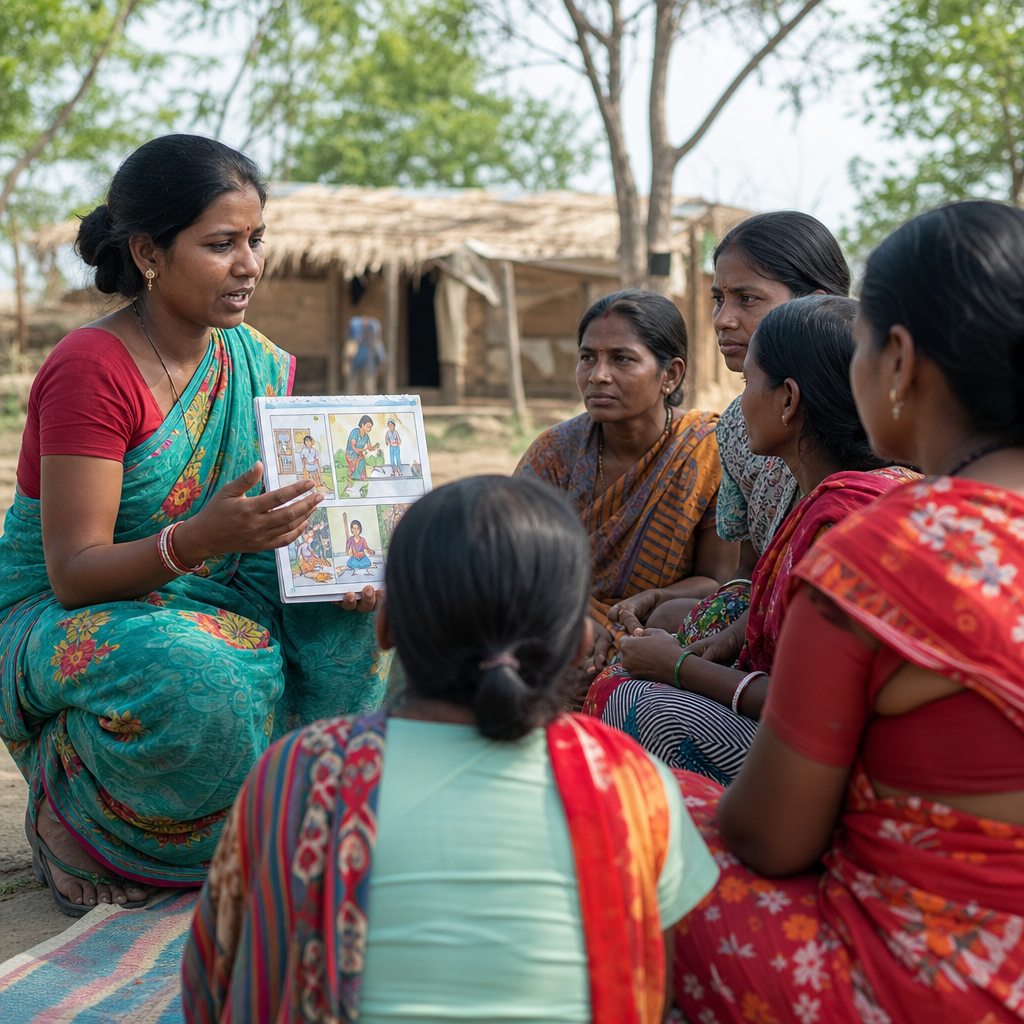
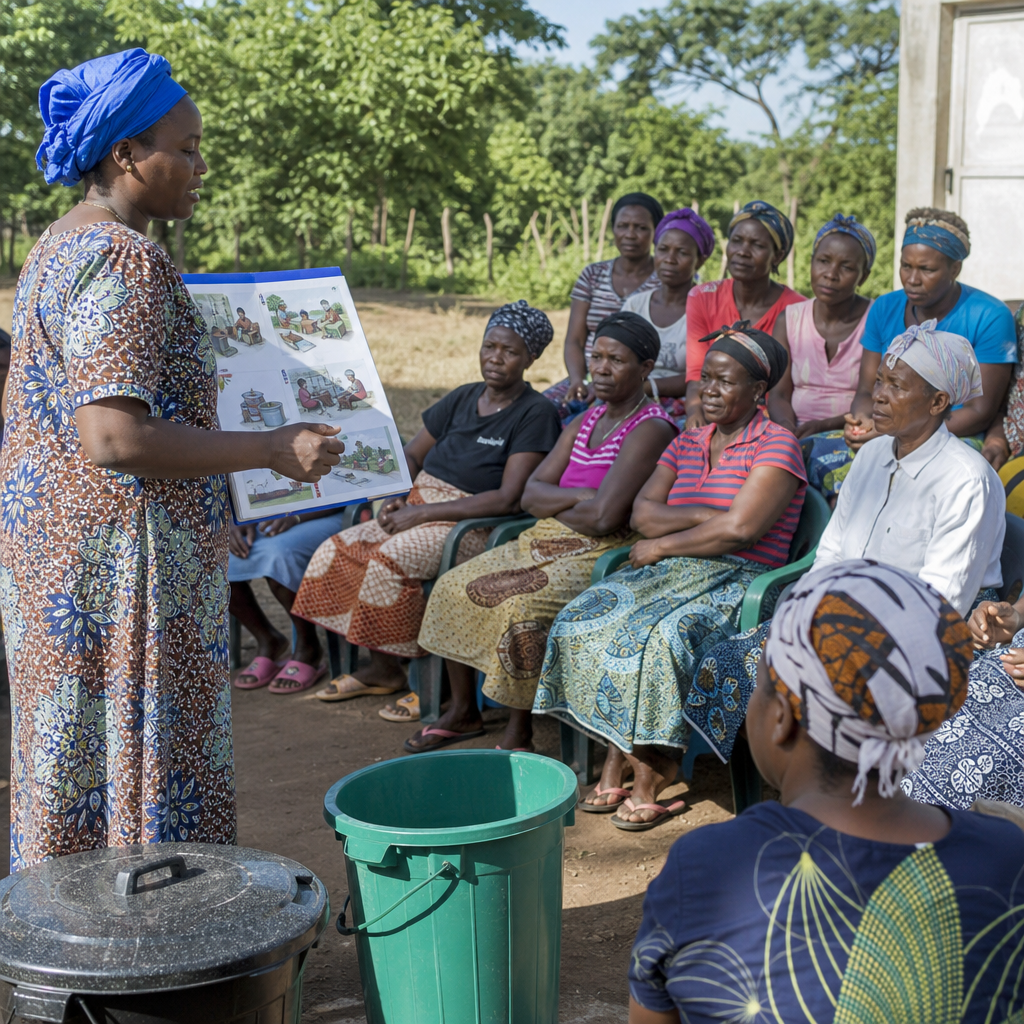
In neighborhoods, community-based delivery often works best through resident associations, health volunteers, women’s groups, youth leaders, and trusted local institutions. Training-of-trainers models are useful here because they lower costs and create repeated contact points. However, they only work when trainers receive supportive supervision, simple job aids, and realistic responsibilities. I have seen volunteer networks collapse when they were asked to do household follow-up with no transport, no recognition, and no reporting structure. By contrast, programs that gave volunteers checklists, monthly review meetings, and public acknowledgment maintained momentum for much longer. Religious institutions, market committees, and tenant associations can also extend reach because they already gather people regularly and can normalize sanitation expectations through existing social structures.
Public institutions such as clinics, municipal offices, transport hubs, and markets need operational training as much as public education. Cleaners, guards, maintenance staff, administrators, and vendors all influence sanitation outcomes. For example, a market may install new toilets and bins but still fail if stallholders do not know collection times, cleaners lack supplies, and managers do not inspect facilities daily. Institutional training should therefore clarify standard operating procedures, replenishment schedules, safety protocols, signage, and escalation channels for repairs. Where fecal sludge or solid waste services are outsourced, contractors should be trained alongside facility managers so everyone understands service standards and documentation requirements. This is where sanitation education connects directly to governance, procurement, and accountability.
Behavior change, inclusion, and long-term adoption
Behavior change in sanitation is strongest when programs reduce friction, increase social visibility, and make the desired action feel normal. This is why environmental cues and defaults matter. A handwashing station placed directly outside a toilet with soap attached will outperform a distant sink. Color-coded bins with clear symbols improve waste separation more than text-heavy posters. Cleaning schedules posted publicly increase compliance because responsibilities are visible. These tactics are not cosmetic; they are part of how habits form. Behavioral science supports this approach: people are more likely to repeat actions that are easy, prompted at the right moment, and reinforced by peers. Community training should therefore pair education with small design improvements that make the right behavior simpler than the wrong one.
Inclusion is nonnegotiable. Sanitation programs routinely fail the people who face the highest barriers: women, girls, people with disabilities, older adults, renters, informal workers, and lower-income households. Training content should address safety, privacy, affordability, and accessibility directly. That means discussing lighting near facilities, menstrual product disposal, child assistance, wheelchair access, handrail use, and the realities of shared sanitation in dense settlements. It also means holding sessions at accessible times and locations, using local languages, and avoiding assumptions about literacy. When I review weak training plans, the most common flaw is that they treat the average user as the only user. Strong programs design around edge cases first, because if the system works for the most excluded residents, it usually works better for everyone.
Long-term adoption depends on reinforcement. One workshop does not change a community norm. Successful programs create cycles of reminder, practice, observation, and feedback over months, not days. Follow-up can include home visits, school inspections, peer champions, public dashboards, mobile reminders, and quarterly refresher sessions. Monitoring should combine behavior indicators with service indicators. It is not enough to ask whether people know that handwashing matters; teams should also check whether soap is present, water is available, and facilities are usable. Likewise, communities may understand the value of safe sludge emptying but still resort to unsafe methods if formal services are unavailable or too expensive. Education works best when service access and affordability are addressed alongside messaging.
Measuring results and linking training to sustainable systems
Measuring a sanitation training program means tracking changes in practice, facility condition, and system responsiveness. Start with a simple results chain: inputs such as trainer hours and materials; outputs such as sessions delivered and people reached; outcomes such as cleaner toilets, more consistent handwashing, or better waste segregation; and longer-term impacts such as reduced diarrheal illness, lower absenteeism, or fewer blocked drains. Not every program can measure health impact rigorously, but every program can measure operational indicators reliably. Standard tools include structured observation, facility scorecards, school WASH inspections, complaint logs, and periodic knowledge checks. Digital collection platforms like KoboToolbox, CommCare, and Open Data Kit can simplify field monitoring, especially when supervisors need geotagged evidence and trend reports.
Programs should also connect training metrics to broader sanitation systems. If households are trained to report overfilled pits, is there a licensed emptying service available? If schools teach waste segregation, does the municipality collect separated waste? If communities are urged to keep drains clear, who removes accumulated silt after storms? These links determine whether behavior change can endure. Sustainable sanitation education therefore requires coordination with local government plans, school management committees, public health teams, and service providers. Budget lines for soap, repairs, emptying, and refresher training are not administrative details; they are the backbone of sustained outcomes. The most credible community training programs are the ones that institutionalize responsibilities rather than depending forever on external facilitators.
Sanitation and sustainability improve when education is treated as an ongoing local capability, not a short campaign. The central lesson is clear: infrastructure provides the opportunity, but trained communities create the result. Effective programs start with a baseline, target distinct audiences, teach practical behaviors, reinforce them through trusted local actors, and measure what people actually do. They also confront tradeoffs honestly, including affordability, service gaps, volunteer fatigue, and unequal access. As the hub for Educating for Change under Community Engagement and Education, this page should guide your next steps: review your audience groups, define the behaviors that matter most, connect training to maintenance systems, and build a monitoring plan that proves progress. If you are designing or upgrading a sanitation initiative, start by strengthening the community training program that will keep it working.
Frequently Asked Questions
Why are community training programs so important for sanitation and sustainability?
Community training programs matter because sanitation systems only work well when people understand, trust, and consistently use them. A new toilet block, drainage line, handwashing station, or waste collection point can improve health on paper, but without local knowledge and daily follow-through, those investments often break down quickly. Training helps turn sanitation from a one-time construction project into a set of practical habits that households, schools, and neighborhood groups can maintain over time. It connects infrastructure to behavior, which is usually the deciding factor in whether disease risks actually fall.
Effective training also builds local ownership. When residents learn why safe toilet use, handwashing with soap, menstrual hygiene management, household water handling, waste separation, and drainage upkeep all work together, they are more likely to protect shared facilities and hold each other accountable. This is especially important in places where outside organizations cannot provide constant supervision. A well-trained community can identify problems early, organize repairs, adapt practices to local conditions, and teach new members what to do. In that way, training creates a foundation for sustainability by developing local leadership, practical skills, and a shared understanding that sanitation is a community responsibility, not just a technical service delivered from the outside.
What topics should a strong sanitation training program include?
A strong program should cover the full chain of sanitation and hygiene rather than focusing on only one behavior. At the household level, this usually includes safe and regular toilet use, handwashing at critical times, safe storage and handling of water, cleaning routines, and prevention of contamination around the home. It should also address menstrual hygiene management in a respectful and practical way, including privacy, product use, washing, drying, disposal, and access to facilities that meet the needs of women and girls. If training ignores these realities, participation and long-term use often suffer.
Beyond the household, good training should explain what happens to waste after it leaves the toilet or home. That means covering fecal sludge management, the risks of unsafe emptying, the importance of approved disposal or treatment, and the roles of service providers and local authorities. Solid waste separation should also be included so people know how to sort organic waste, recyclables, and non-recoverable materials in ways that reduce blocked drains, pests, and environmental contamination. Drainage upkeep is another core topic, especially in flood-prone areas, because poor drainage can spread waste and undermine sanitation gains. The best programs combine health education, environmental awareness, practical demonstrations, maintenance routines, and problem-solving skills so communities can keep systems functioning long after the initial training ends.
How do community training programs make sanitation improvements last over time?
Training supports long-term results by making good practices routine rather than temporary. When people understand both the health risks and the practical steps required, behaviors are more likely to continue after a project team leaves. For example, it is one thing to install a handwashing station; it is another to make sure water is refilled, soap is available, children are taught when to wash, and someone notices if the station is damaged. Community training helps establish these routines and assigns responsibility clearly, which reduces the common pattern of facilities being used poorly, neglected, or abandoned.
Sustainability also improves when training develops local capacity instead of dependence. Programs that identify community champions, train peer educators, involve schools, and work with local committees create a support system that reinforces behavior change. Refresher sessions, simple monitoring tools, and public discussions about what is working can keep sanitation visible as a priority. Just as important, training can help communities plan for financing, maintenance, and inclusion. If residents know how to organize cleaning schedules, budget for small repairs, contact desludging services, or adapt facilities for children, older adults, and people with disabilities, they are much better positioned to maintain gains. Lasting sanitation is rarely the result of information alone; it comes from a combination of knowledge, ownership, social norms, and practical systems that communities can manage themselves.
What makes a sanitation training program effective in different communities?
The most effective programs are tailored to local realities rather than copied from a standard template. Communities differ in language, literacy, water availability, settlement patterns, cultural practices, gender roles, and existing sanitation infrastructure. A program that works in a dense urban settlement may not work in a rural area where households are spread out and waste services are limited. Good training starts with listening: understanding what people already know, what barriers they face, who makes decisions in the household, and which sanitation problems they consider most urgent. This allows trainers to use examples, demonstrations, and solutions that feel relevant instead of abstract.
Effective programs are also inclusive and practical. They make space for women, men, adolescents, people with disabilities, landlords, tenants, school staff, sanitation workers, and local leaders, because each group experiences sanitation differently and influences outcomes in different ways. Sessions should use clear language, visual tools, demonstrations, and discussion rather than relying only on lectures. It also helps to connect training to visible actions, such as setting up handwashing points, organizing drain cleaning, improving waste separation, or establishing a plan for safe pit emptying. When people can immediately apply what they learn, confidence and participation increase. Finally, effective programs respect dignity. They address sensitive topics such as menstrual hygiene, toilet cleanliness, and fecal sludge management without shame, while still being honest about health risks and environmental consequences.
How can communities and organizations measure whether sanitation training is actually working?
Measuring success requires looking beyond attendance numbers. A full room at a training session does not necessarily mean behaviors have changed or systems are being maintained. Strong evaluation looks at both knowledge and practice. Communities and organizations should track indicators such as regular toilet use, presence of functioning handwashing stations with soap and water, safe household water storage, cleaner compounds, proper waste separation, reduced dumping into drains, and timely drainage upkeep. For sanitation services, it is also useful to monitor whether pits or tanks are emptied safely, whether sludge reaches approved treatment or disposal points, and whether shared facilities are cleaned and repaired consistently.
Qualitative signs matter too. If residents can explain why certain practices matter, if local leaders are actively reinforcing messages, if households remind children about handwashing, and if community groups can solve small sanitation problems without waiting for outside support, the training is likely having a durable effect. Organizations should also check whether benefits are reaching everyone, including women and girls managing menstruation, low-income households, renters, and people with mobility limitations. Follow-up visits, observation checklists, community scorecards, and short feedback discussions can provide a more accurate picture than one-time surveys alone. The real test of success is whether sanitation behaviors continue, facilities stay usable, and the community can manage challenges with decreasing dependence on external supervision.