Religious institutions often shape daily habits more effectively than short-term public campaigns, which is why their role in sanitation promotion deserves serious attention. In sanitation work, I have repeatedly seen that behavior change accelerates when messages come from trusted faith leaders rather than outside officials. Sanitation promotion refers to the organized effort to improve hygiene practices, safe waste disposal, clean water handling, and community norms around public health. Religious institutions include churches, mosques, temples, synagogues, monasteries, and faith-based associations that gather people regularly, manage facilities, and influence family decisions across generations. Building community awareness is the process of turning sanitation from a technical issue into a shared social responsibility that people understand, discuss, and act on. This matters because inadequate sanitation contributes to diarrheal disease, parasitic infection, environmental contamination, school absenteeism, and lost productivity. According to the World Health Organization and UNICEF Joint Monitoring Programme, billions of people still lack safely managed sanitation, and progress depends as much on behavior and trust as on infrastructure. Faith communities are uniquely positioned to close that gap. They provide repeated contact, moral framing, volunteer networks, physical space, and local legitimacy. As a hub topic within community engagement and education, this article explains how religious institutions build awareness, support habit formation, reduce stigma, and connect households to practical sanitation solutions.
Why Religious Institutions Matter in Community Awareness
Religious institutions matter because awareness is not created by information alone; it is created when information is reinforced by values, routine, and relationships. A poster about handwashing may be seen once, but a sermon, study circle, youth meeting, and women’s fellowship can repeat the same message for months. That repetition is how social norms shift. In many communities, clergy and lay leaders are among the most trusted public voices, especially where government outreach is sporadic or health systems are under-resourced. When an imam explains safe latrine use as part of protecting neighbors, or a pastor links waste management with stewardship and dignity, sanitation stops sounding like an external directive and starts sounding like a community obligation.
Trust is particularly important when sanitation topics touch embarrassment or taboo. Open defecation, menstrual hygiene, child feces disposal, drainage blockages, and latrine cleaning are often avoided in public discussion. Religious settings can reduce that barrier if leaders address sanitation respectfully and directly. I have seen congregations engage with difficult issues more openly once leaders model the language and normalize the conversation. Awareness grows faster when people hear practical messages in familiar settings from people they already rely on for guidance in family life, education, and conflict resolution.
Religious institutions also reach people missed by other channels. Weekly gatherings include elders, caregivers, children, and people with limited literacy. Seasonal festivals, pilgrimages, funerals, weddings, and charitable distributions create additional points of contact. That reach makes faith communities effective hubs for sanitation promotion within broader community engagement and education strategies.
How Faith Leaders Translate Sanitation Into Shared Moral Action
Faith leaders influence sanitation most effectively when they connect technical health guidance to teachings people already accept. The strongest messaging does not replace public health facts with doctrine; it translates those facts into moral language that motivates action. Cleanliness, respect for creation, care for the vulnerable, responsibility to neighbors, and preservation of life are themes found across many traditions. When those themes are tied to concrete actions such as maintaining toilets, washing hands with soap, protecting water sources, and keeping waste out of drainage channels, congregants understand both the reason and the responsibility.
This translation role is especially useful during prevention campaigns. For example, during cholera preparedness, a religious leader can explain why contaminated water, unsafe food handling, and poor fecal sludge management spread disease, then reinforce the message by urging households to chlorinate water, repair latrines, and seek treatment early. During flood season, faith leaders can urge proper disposal of solid waste to prevent blocked drains and stagnant water. During school outreach, they can support menstrual hygiene education as a dignity and attendance issue rather than a source of shame. These messages become more credible when leaders use precise, actionable language instead of abstract appeals.
The most successful leaders also know their limits. They are not substitutes for engineers, environmental health officers, or clinicians. Their strength lies in convening, endorsing, and sustaining behavior change. When religious institutions partner with sanitation professionals, awareness campaigns are usually more accurate and more persuasive.
Practical Channels Religious Institutions Use to Promote Sanitation
Religious institutions have multiple communication channels, which is why they are valuable sanitation awareness hubs rather than one-off message amplifiers. Weekly sermons are the most visible channel, but not the only one. Smaller group sessions often produce better discussion and problem solving. Women’s groups can address household water storage, child feces disposal, and menstrual waste management. Youth groups can lead compound cleanups, mural campaigns, and peer education. Marriage preparation sessions can include household hygiene planning. Charity committees can identify vulnerable households that need soap, water containers, or toilet repairs. Facility managers can model best practice by keeping worship-site toilets functional, accessible, and stocked for handwashing.
In my experience, the turning point often comes when institutions move from general encouragement to specific routines. Instead of saying “keep clean,” they say “wash hands with soap after toilet use and before food preparation,” “empty bins before overflow,” or “keep drinking water covered and use a clean ladle.” Specificity matters because awareness should answer the next question a household will ask: what exactly should I do today, and why?
| Channel | Sanitation Use | Practical Example |
|---|---|---|
| Sermons and teachings | Normalize discussion and frame responsibility | A Friday khutbah explains how handwashing and toilet maintenance protect the elderly and children |
| Youth groups | Create peer-led behavior change | Teen volunteers map litter hotspots and organize monthly cleanup drives |
| Women’s associations | Address household hygiene decisions | Mothers discuss safe water storage, menstrual hygiene, and child feces disposal |
| Religious schools | Build lifelong habits early | Students practice handwashing routines before meals and after toilet use |
| Facility management | Demonstrate visible standards | A temple installs handwashing stations and a cleaning roster for toilets |
These channels work best when messages are repeated, timed to local health risks, and backed by visible action. A congregation that teaches sanitation but neglects its own toilets undermines trust. A congregation that maintains clean facilities demonstrates that awareness and practice belong together.
Building Community Awareness Beyond the Congregation
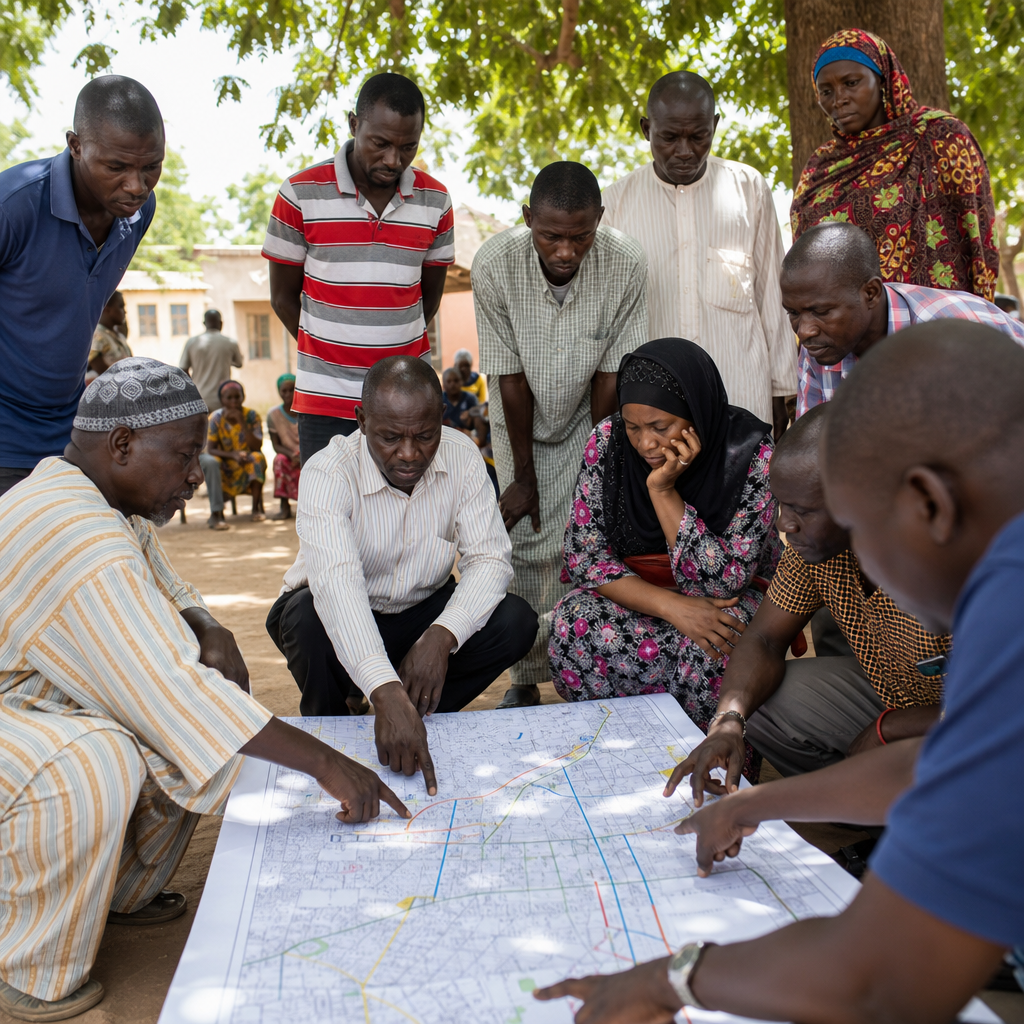
The influence of religious institutions extends beyond their members because they often serve as community anchors during ordinary life and crisis response. Their compounds host meetings, health camps, food distribution, and local mediation. That means sanitation promotion can be integrated into wider civic life. A church hall can host a demonstration on handwashing station construction using jerry cans and tippy taps. A mosque committee can announce desludging schedules and safe pit-emptying options. A temple trust can coordinate neighborhood cleanup days before festivals to reduce waste accumulation. These are not symbolic gestures; they are mechanisms for moving awareness into visible collective action.
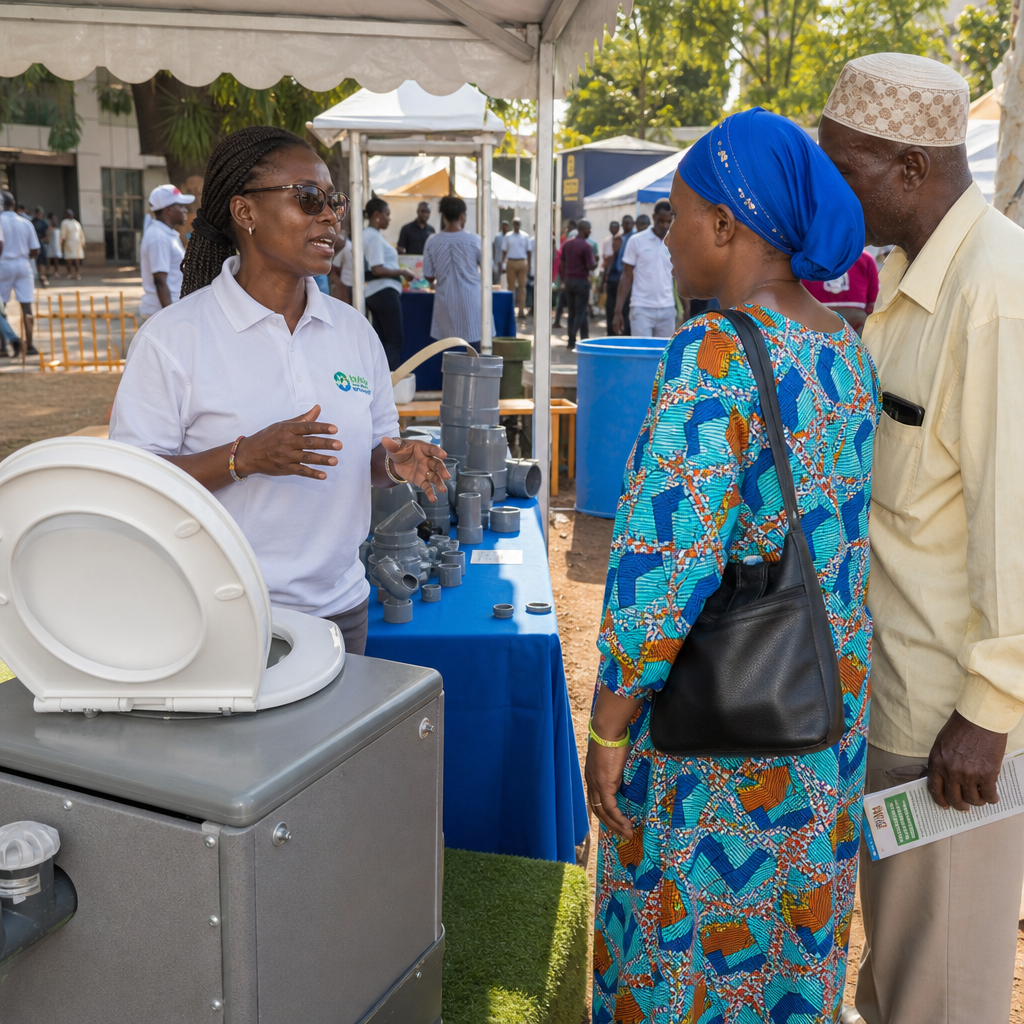
Cross-sector partnership is essential here. Public health departments can provide technical materials, community health workers can train volunteers, and water or sanitation utilities can explain service options and tariff support. Faith-based organizations often become the bridge that converts official information into local participation. In settlements where rumor spreads faster than policy, that bridge matters. During disease outbreaks, I have seen false claims about chlorine, vaccines, or pit latrine safety derail response efforts until trusted local leaders corrected them in person.
Awareness building also requires inclusion. Messages should reach people with disabilities, renters, migrants, and minority groups who may not control housing conditions. Religious institutions can help by identifying overlooked households and advocating for practical accommodations such as accessible toilets, handrails, lighting, and safe paths. Community awareness is incomplete if it teaches ideals without addressing who is actually able to act on them.
Addressing Stigma, Gender, and Cultural Sensitivity
Sanitation promotion fails when it ignores stigma. Many people avoid discussing toilets, incontinence, menstruation, disability-related hygiene needs, or the labor of cleaning because these subjects are associated with shame. Religious institutions can either reinforce silence or break it responsibly. The more effective approach is to treat sanitation as a dignity issue. That means speaking carefully, avoiding blame, and recognizing the unequal burdens carried by women, girls, caregivers, sanitation workers, and low-income households.
Gender sensitivity is especially important. Women and girls are often most affected by inadequate toilets, poor lighting, lack of privacy, and unsafe menstrual hygiene facilities. If faith leaders speak only in mixed public settings, some concerns will remain hidden. Separate discussion spaces led by trained women leaders usually reveal more realistic barriers, such as the cost of pads, the absence of disposal bins, harassment near toilets, or girls missing school during menstruation. Once those barriers are named, institutions can respond with targeted support, education, and facility improvements.
Cultural sensitivity does not mean avoiding evidence-based advice. It means presenting that advice in ways communities can accept and use. For example, campaigns on ending open defecation are stronger when they avoid humiliation and instead emphasize safety, cleanliness, and collective responsibility. Respectful language protects participation. So does acknowledging tradeoffs. A household may understand the health risks but still lack money for repairs, water for flushing, or legal tenure to improve a toilet. Effective awareness efforts recognize those constraints and connect people with solutions rather than simply repeating instructions.
What Effective Programs Look Like in Practice
Effective religious institution sanitation programs share several features. First, they begin with local assessment. Leaders identify the actual sanitation problems affecting their community: overflowing pits, weak handwashing compliance, poor waste disposal after events, school toilet neglect, or contamination of nearby wells. Second, they set narrow, measurable priorities instead of trying to fix everything at once. Third, they combine messaging with demonstration. If a congregation promotes hand hygiene, it installs soap and water stations. If it teaches toilet dignity, it keeps its facilities clean, safe, and accessible.
Fourth, effective programs train messengers. Faith leaders, teachers, janitors, youth coordinators, and volunteers need consistent guidance based on recognized public health standards. Materials from WHO, UNICEF, national ministries of health, and established WASH organizations help keep messaging accurate. Fifth, programs monitor results. They track practical indicators such as toilet functionality, soap availability, attendance at awareness sessions, cleanup participation, or referrals for desludging and repair services. Not every outcome is easy to measure, but some measurement is necessary to know whether awareness is translating into changed behavior.
A good example is a congregation-based campaign that starts with poor handwashing after toilet use at a religious school. Leaders install low-cost stations, train teachers to supervise key moments, involve parents through meetings, and review soap stock weekly. Within months, handwashing becomes a routine rather than a slogan. Another example is a mosque-led neighborhood initiative that maps illegal dumping points, organizes volunteer cleanup, and works with municipal services to place containers and improve collection timing. In both cases, the institution builds awareness by making sanitation visible, practical, and collective.
Challenges, Limits, and How to Strengthen Impact
Religious institutions are influential, but they are not a universal solution. Some leaders lack sanitation knowledge, some facilities lack maintenance budgets, and some congregations are divided along class, ethnic, or political lines. Messages can also become too moralizing, which risks blaming households for conditions created by poverty or absent public services. Another limitation is sustainability. Initial enthusiasm may fade if no one is assigned to maintenance, monitoring, and follow-up. I have seen handwashing stations installed with fanfare and abandoned weeks later because soap procurement was never planned.
Strengthening impact requires structure. Institutions need simple sanitation plans, designated responsibilities, and partnerships with technical actors. They should schedule facility inspections, budget for cleaning supplies, train backup volunteers, and align messages with local health calendars such as rainy season preparedness or school reopening. They should also document lessons learned. A congregation that records which messages increased toilet use or reduced litter can improve future campaigns and support neighboring institutions.
Coordination across faith groups can multiply results. Interfaith sanitation coalitions can share materials, align public messages, and reach wider audiences without duplicating effort. That approach is especially valuable in diverse urban areas where no single institution speaks to everyone. The central lesson is clear: religious institutions contribute most when they combine trust, practical action, and collaboration with the wider sanitation system.
Religious institutions play a powerful role in sanitation promotion because they turn public health messages into repeated, trusted, community-level action. They build awareness through sermons, schools, volunteer groups, women’s networks, youth activities, and visible facility management. They help communities discuss difficult topics with dignity, connect moral responsibility to practical behavior, and reach people who may be excluded from formal outreach. Their greatest value is not replacing sanitation services or technical expertise, but making healthy practices understandable, acceptable, and socially expected.
For the broader community engagement and education agenda, this subtopic matters because awareness is the foundation on which every other sanitation improvement depends. Toilets, drainage, waste collection, and hygiene infrastructure only protect health when people know how to use them, maintain them, demand them, and teach others to value them. Religious institutions can anchor that process if they work with evidence, acknowledge barriers honestly, and model the standards they promote. If you are developing a sanitation awareness strategy, start by mapping local faith institutions, identifying trusted leaders, and building partnerships that turn messages into measurable action.
Frequently Asked Questions
1. Why are religious institutions so effective in promoting sanitation practices?
Religious institutions are often highly effective in sanitation promotion because they influence both belief and behavior at the same time. In many communities, places of worship are not only spiritual centers but also trusted spaces where people learn social values, household habits, and responsibilities toward others. That level of trust is difficult for short-term public health campaigns to match. When a faith leader speaks about handwashing, safe toilet use, clean water storage, or proper waste disposal, the message is often received as a moral and community obligation rather than just technical advice.
Another reason for their effectiveness is consistency. Government campaigns may appear during outbreaks or special awareness weeks, but religious institutions usually engage with the same people every week, and sometimes every day. That repeated contact helps reinforce sanitation habits until they become part of normal life. A sermon, women’s group meeting, youth gathering, school lesson, or community announcement can all repeat the same practical guidance in ways that feel familiar and locally meaningful.
Religious institutions also help shape community norms. Sanitation behavior is not only about access to facilities; it is also about what a community sees as acceptable, respectable, and necessary. Faith communities can normalize practices such as using latrines, keeping shared spaces clean, managing waste safely, and protecting water sources. In that sense, religious institutions do more than spread information. They help create a social environment where healthy sanitation behaviors are supported, expected, and sustained.
2. What specific sanitation messages can faith leaders and religious communities promote?
Faith leaders and religious communities can promote a wide range of sanitation messages that directly improve public health. These include regular handwashing with soap at critical times, safe use and maintenance of toilets or latrines, hygienic disposal of children’s feces, proper household waste management, drainage maintenance, and safe storage and handling of drinking water. They can also encourage cleaning routines for homes, schools, places of worship, and shared public spaces, which helps reduce contamination and disease transmission.
Beyond these basics, religious institutions can play an important role in addressing behaviors that are sometimes difficult to discuss publicly. For example, they can support conversations about menstrual hygiene management, dignity in sanitation access for women and girls, and the need for safe, private, and accessible facilities for older adults and people with disabilities. In many settings, these topics are sensitive, but trusted religious leaders can introduce them respectfully and frame them as matters of care, dignity, and community responsibility.
They can also promote preparedness and collective action. Messages about keeping water points clean, avoiding open defecation, preventing waste from clogging drains, and organizing community clean-up efforts are especially valuable in areas prone to flooding, cholera, diarrhea, or other sanitation-related illnesses. When these messages are linked to compassion, stewardship, and protection of the vulnerable, they often gain stronger support. The most effective sanitation promotion from religious institutions combines practical instruction with values-based motivation, making the message both actionable and deeply persuasive.
3. How can religious institutions work with public health agencies on sanitation promotion?
Religious institutions can be strong partners for public health agencies when collaboration is based on respect, clarity, and shared goals. Public health teams bring technical expertise, data, and program design, while religious institutions bring trust, access, and influence within the community. When these strengths are combined, sanitation promotion can reach people more effectively and with greater credibility. For example, health agencies can provide training on hygiene, disease prevention, toilet maintenance, and safe water handling, while faith leaders adapt those messages into language and examples that resonate with local beliefs and everyday life.
One practical approach is to involve religious leaders early in sanitation planning rather than only using them at the awareness stage. This may include consultation on local barriers to toilet use, attitudes toward waste disposal, or concerns about women’s and children’s safety. Religious institutions can also help identify volunteers, host training sessions, distribute educational materials, and mobilize congregations for community clean-up activities. In some cases, places of worship can serve as demonstration sites by installing handwashing stations, maintaining clean sanitation facilities, and modeling proper waste management.
For these partnerships to succeed, communication must remain accurate and respectful. Public health agencies should avoid treating religious institutions as mere channels for message delivery. Instead, they should engage them as long-term community actors with insight into local norms and behavior. At the same time, faith leaders should be equipped with correct sanitation information so that public health guidance remains evidence-based. The strongest partnerships are those where technical knowledge and moral leadership support one another in a practical, consistent, and community-centered way.
4. What challenges can arise when involving religious institutions in sanitation campaigns?
Although religious institutions can be powerful allies in sanitation promotion, several challenges can arise if the work is not handled carefully. One common issue is assuming that all religious communities are the same. In reality, traditions, leadership structures, local influence, and willingness to engage in public health matters can vary widely. A message that works well in one setting may need to be adapted in another. Effective sanitation promotion requires listening to the specific community context rather than using a one-size-fits-all approach.
Another challenge is the risk of oversimplifying sanitation as only a matter of personal morality. Sanitation behavior is strongly affected by infrastructure, cost, water availability, land access, disability inclusion, and local governance. Even the most trusted faith leader cannot persuade people to use facilities that do not exist or are unsafe, unaffordable, or poorly maintained. That is why sanitation promotion through religious institutions should complement, not replace, investment in toilets, waste systems, water services, and equitable access.
There can also be difficulties around sensitive topics, misinformation, or exclusion. Some communities may feel uncomfortable discussing menstrual hygiene, child feces disposal, or sanitation needs for marginalized groups. In other cases, leaders may unintentionally share outdated or inaccurate health information if they have not received proper training. It is also important to ensure that sanitation campaigns do not favor one religious group over others in a diverse community. The best way to address these challenges is through inclusive planning, technical support, cultural sensitivity, and a clear commitment to serving the whole community fairly and respectfully.
5. How can religious institutions create long-term behavior change in sanitation, not just short-term awareness?
Long-term sanitation behavior change happens when healthy practices become part of routine community life, and religious institutions are especially well positioned to support that process. Unlike short campaigns that may raise awareness briefly and then fade, religious institutions usually have regular gatherings, established leadership, and ongoing relationships across generations. This allows sanitation messages to be repeated, modeled, and reinforced over time. A single sermon may inspire interest, but sustained change often comes from repeated reminders in worship services, youth activities, women’s groups, religious schools, marriage counseling, and community meetings.
Behavior change also lasts longer when institutions lead by example. If places of worship maintain clean toilets, provide handwashing facilities with soap, manage waste responsibly, and keep water storage areas sanitary, they demonstrate that sanitation is not just something preached to others. It becomes a visible standard. Congregants are more likely to adopt these habits at home when they see them practiced consistently in respected communal spaces. In this way, religious institutions can turn sanitation promotion into lived community culture rather than occasional instruction.
Finally, long-term impact depends on linking sanitation to values people already hold deeply. Religious institutions can frame cleanliness, health protection, dignity, care for children, respect for neighbors, and stewardship of shared resources as ongoing responsibilities. They can celebrate positive examples, encourage accountability, and support vulnerable households that need help improving facilities or practices. When sanitation is woven into the moral and social fabric of community life, it becomes much more resilient than awareness efforts alone. That is where religious institutions often make their greatest contribution: not merely informing people, but helping communities sustain healthier norms over time.