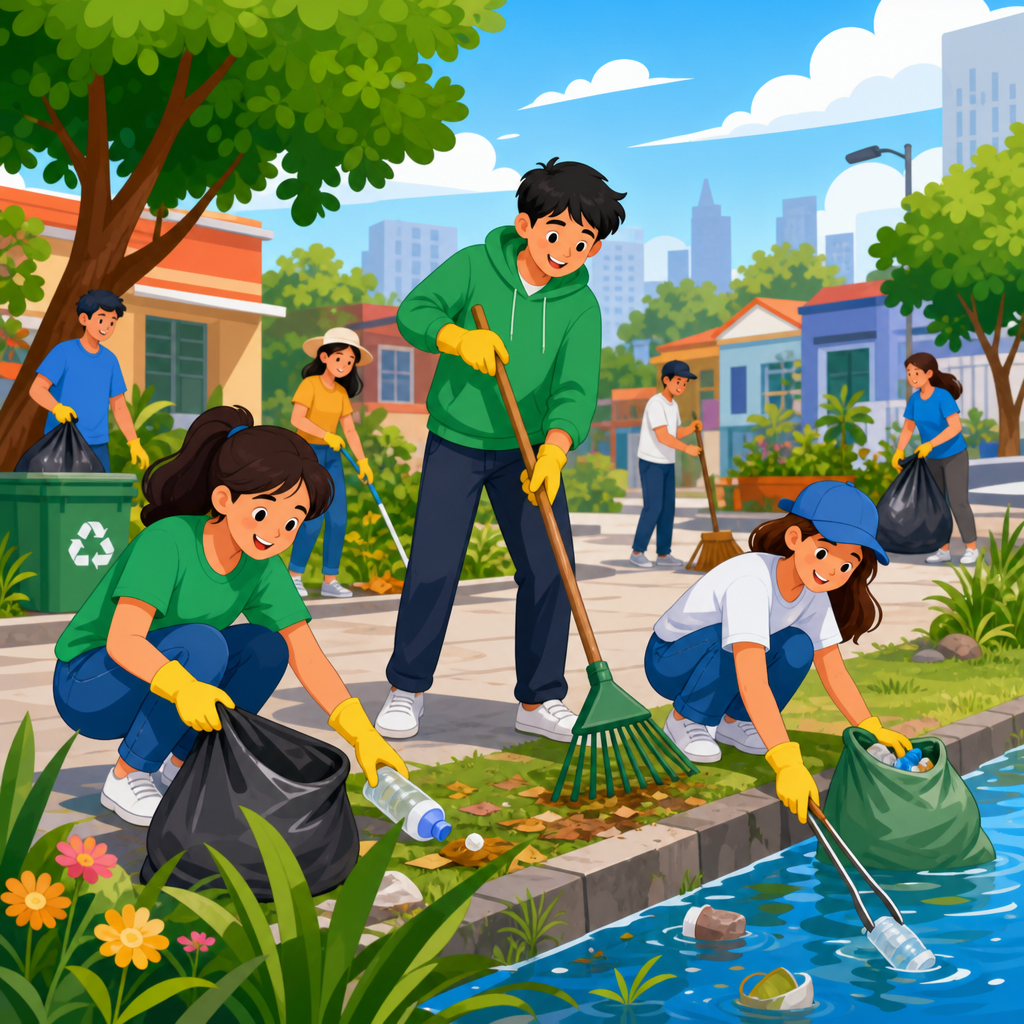
Volunteer programs for sanitation improvement turn community concern into organized action, helping residents improve waste management, hygiene, drainage, and public health through education and practical service. In community engagement work, I have seen that sanitation problems rarely come from one cause alone. Overflowing bins, blocked drains, open dumping, unsafe toilets, and poor handwashing habits usually reflect a mix of weak infrastructure, limited awareness, and inconsistent local coordination. A volunteer program addresses the awareness gap while also creating the local relationships needed to support lasting improvements.
Sanitation improvement refers to the systems and behaviors that safely manage human waste, solid waste, wastewater, stormwater, and hygiene practices. Volunteer programs are structured initiatives in which residents, students, civic groups, faith organizations, and local businesses donate time to support sanitation goals. Building community awareness means helping people understand sanitation risks, their role in prevention, and the practical actions that improve neighborhood conditions. This matters because sanitation is not only an environmental issue. It directly affects diarrheal disease rates, vector breeding, school attendance, dignity, property values, and trust in local institutions.
For a community engagement and education strategy, volunteer programs work best as a hub model. They connect awareness campaigns, school outreach, cleanup events, household education, reporting systems, and partnerships with local government. They also create internal pathways to more specialized topics such as waste segregation, water safety, menstrual hygiene, drain maintenance, and behavior change communication. A strong hub page should explain how these programs function, what makes them effective, and how communities can build awareness in ways that last beyond a single event. That is the purpose of this guide.
Why community awareness is the foundation of sanitation improvement
Community awareness is the starting point because sanitation systems fail when people do not understand how everyday actions affect shared spaces. When households dump waste into drains, flood risk rises. When public toilets are seen as someone else’s responsibility, maintenance declines. When standing water is ignored, mosquitoes breed. Volunteers help close this knowledge gap by translating technical public health guidance into practical local action. In neighborhoods where I have supported cleanup and education campaigns, the biggest early win was not the number of bags collected. It was hearing residents repeat the reasons behind the action: cleaner drains reduce flooding, covered waste reduces pests, and handwashing interrupts disease transmission.
Awareness is also the bridge between infrastructure and behavior. A city may install bins, but if residents do not know collection schedules or sorting rules, contamination rises. A school may have toilets, but if students are not taught cleaning protocols and hand hygiene, infection risk remains high. Volunteer programs can reinforce the behavior side of sanitation by using demonstrations, door-to-door outreach, school clubs, posters, market engagements, and community meetings. The most effective programs answer simple questions directly: What is the problem, why does it matter here, what should people do differently, and who can help if services fail?
Public health evidence supports this approach. The World Health Organization and UNICEF have consistently linked improved sanitation and hygiene with lower disease burden, especially when infrastructure and behavior change are addressed together. Local governments often focus on service delivery targets, while volunteers can focus on the day-to-day habits that determine whether those services succeed. That division of labor is practical, cost-effective, and realistic.
Core components of an effective volunteer sanitation program
An effective volunteer sanitation program has six core components: a clear goal, local leadership, training, defined activities, communication channels, and measurement. Without these elements, volunteer energy gets wasted. The clearest goals are specific and place-based, such as increasing household waste segregation in one ward, reducing drain blockage near a market, improving school handwashing compliance, or raising reporting of illegal dumping. Broad ambitions sound inspiring, but precise targets produce better volunteer performance and better community understanding.
Local leadership matters because residents trust familiar voices more than outside campaigns. In practice, the best programs recruit block leaders, teachers, health workers, youth captains, and respected elders. Training should cover sanitation basics, risk communication, safeguarding, data collection, and referral pathways for issues volunteers cannot solve themselves. Defined activities prevent confusion. A volunteer should know whether a shift involves household visits, event staffing, cleanup support, toilet monitoring, school education, or complaint logging.
Communication channels are the operational backbone. Volunteers need scripts, flyers, WhatsApp groups, reporting forms, and escalation contacts inside the municipality or utility provider. Measurement is equally important. Programs should track participation, households reached, repeat engagement, behavior indicators, and visible environmental outcomes. In one ward-level campaign model, we used a weekly dashboard covering drain obstructions reported, bins serviced, homes receiving education visits, and school sessions completed. The dashboard kept partners aligned and made progress visible to the public.
| Program component | What it does | Example in practice |
|---|---|---|
| Clear goal | Focuses volunteer effort on a measurable sanitation outcome | Reduce illegal dumping complaints by 25% in six months |
| Local leadership | Builds trust and improves participation | Market association leaders co-host weekend awareness drives |
| Training | Ensures accurate, safe, consistent messaging | Volunteers learn handwashing demonstrations and hazard reporting |
| Defined activities | Turns goodwill into repeatable tasks | Door-to-door visits every Wednesday, drain checks every Saturday |
| Communication channels | Connects residents, volunteers, and service providers | WhatsApp hotline for missed collection and blocked drains |
| Measurement | Shows whether awareness is changing behavior | Track households separating organic and recyclable waste |
How volunteers build community awareness in practical settings
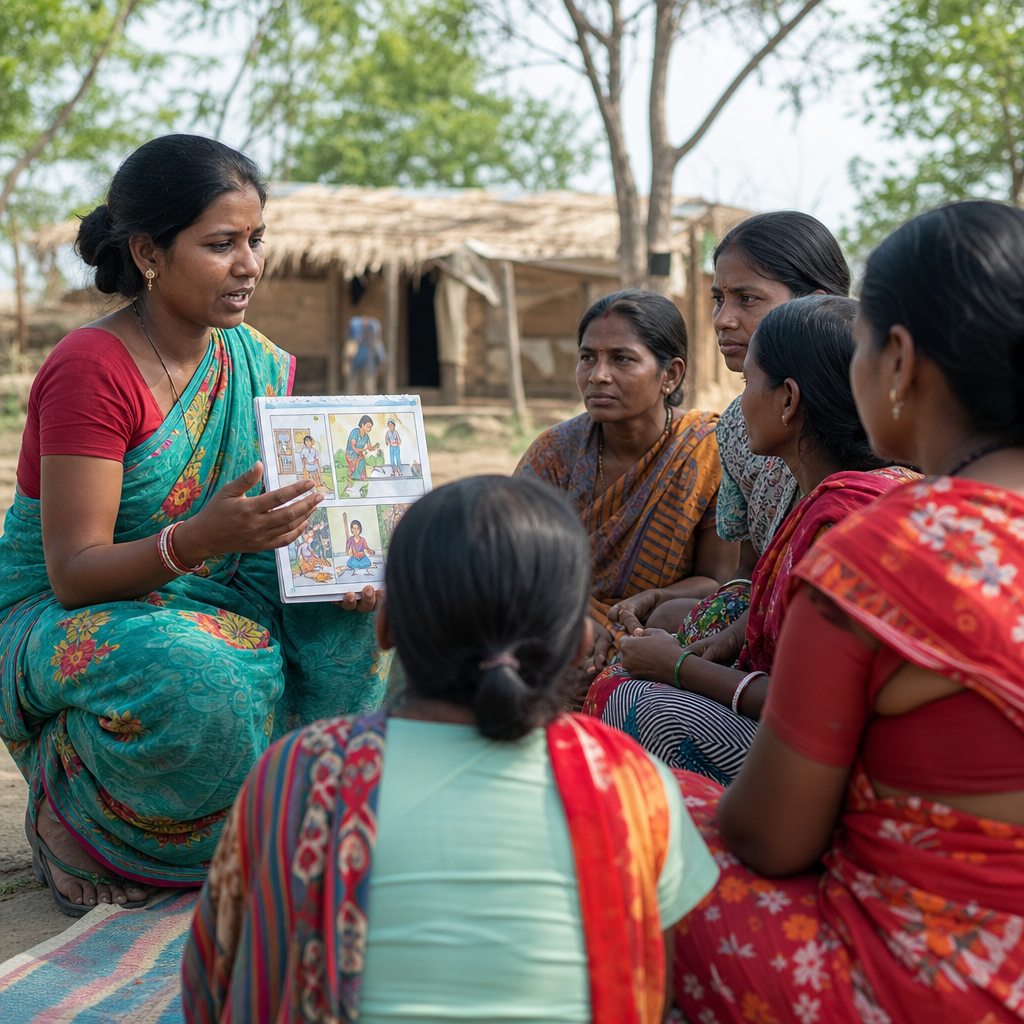
Building community awareness is not one tactic; it is a coordinated set of repeated contacts in the places where people already live, study, work, and gather. Door-to-door outreach is one of the most effective methods because it allows volunteers to tailor messages to household conditions. In dense urban areas, volunteers can show residents exactly how loose plastic contributes to drain blockage. In peri-urban settlements, they may focus on latrine safety, pit emptying options, and handwashing stations. These conversations work best when volunteers ask questions first, then offer one or two practical changes rather than delivering a lecture.
Schools are another high-impact setting. Student sanitation clubs often spread messages faster than adult campaigns because children carry routines home. Effective school-based volunteer programs combine hygiene demonstrations, peer monitoring, toilet maintenance checklists, and parent engagement. I have seen schools improve handwashing compliance simply by assigning rotating student ambassadors and making soap availability visible. The lesson is straightforward: awareness increases when people can see, practice, and repeat the expected behavior.
Markets, bus stands, apartment compounds, and faith centers are also important awareness venues. Short talks before community gatherings, visual signage near dumping hotspots, and neighborhood cleanup days all reinforce the same core message: sanitation is shared, local, and immediate. Digital tools can extend reach. Community Facebook pages, SMS alerts, and neighborhood WhatsApp groups are useful for reminding residents of collection schedules, flood precautions, or event dates. Still, digital communication should support, not replace, face-to-face trust building.
Partnerships, training, and trust: what makes programs sustainable
Volunteer sanitation programs last when they are built through partnerships rather than isolated campaigns. Municipal sanitation departments, public health offices, schools, clinics, resident associations, waste contractors, and local businesses each hold part of the solution. Volunteers can educate and mobilize, but they cannot replace formal services. If a cleanup campaign uncovers chronic missed collection or broken public toilets, there must be an escalation route. Communities lose faith quickly when awareness rises but service response does not.
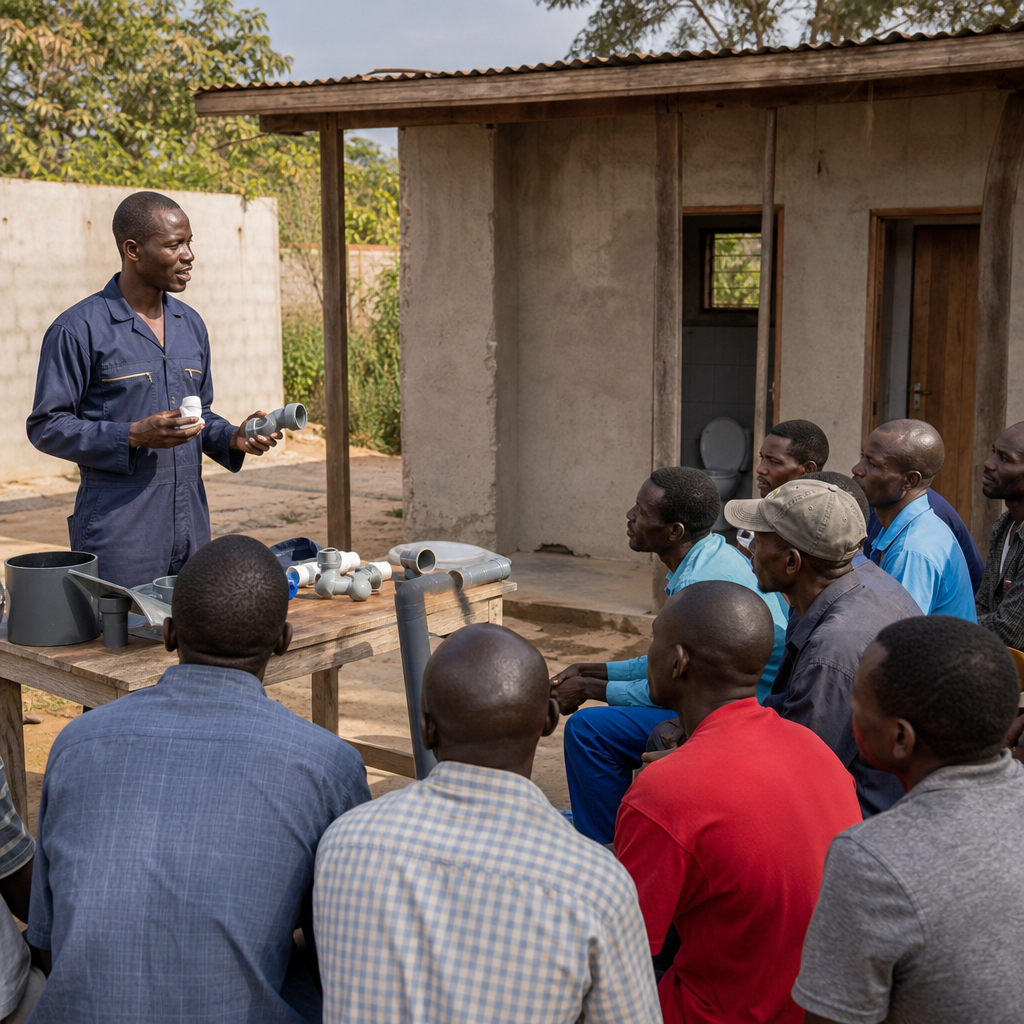
Training should reflect that reality. Volunteers need enough technical accuracy to explain source segregation, hand hygiene, composting basics, vector control, and toilet cleanliness standards, but they also need limits. They should never handle hazardous waste without proper equipment, enter unsafe drains, or promise infrastructure fixes beyond their authority. Good training includes role-play, local case scenarios, and a simple field manual. Standard references from public health agencies, WASH programs, and municipal bylaws help keep messages consistent.
Trust grows when programs are reliable, respectful, and visibly useful. That means showing up on schedule, using local languages, avoiding blame, and reporting back on results. Small actions matter. If volunteers collect resident complaints, they should later share what was resolved, what is pending, and why. Transparency converts participation into ownership. In several communities, the turning point came when volunteers published monthly noticeboard updates on drains cleared, bins delivered, school sessions run, and unresolved issues sent to officials. People support what they can see.
Measuring results and connecting this hub to wider community education
Sanitation awareness should be measured by changes in knowledge, behavior, and local conditions. Attendance counts alone are weak indicators. Better measures include the percentage of households storing waste properly, the number of schools with functioning handwashing stations, the reduction in visible litter at hotspots, complaint response times, and the frequency of drain blockages after rainfall. Surveys can test whether residents know collection schedules, understand why open dumping is harmful, or can identify safe hygiene practices. Photos, maps, and volunteer logs add useful context.
This hub also connects to the broader community engagement and education agenda. Building community awareness leads naturally into related articles and initiatives: household waste segregation training, school sanitation education, community-led total sanitation methods, behavior change communication, public toilet stewardship, flood prevention through drain care, menstrual hygiene outreach, and citizen reporting systems. A hub page should make these relationships clear because communities rarely solve sanitation issues one topic at a time. They move through a sequence of learning, trial, feedback, and shared responsibility.
The main benefit of volunteer programs for sanitation improvement is that they make public health practical. They translate policy into neighborhood action, turn residents into partners, and create the repeated local conversations that change habits. When designed well, these programs do more than organize cleanups. They build awareness that supports better services, stronger accountability, and healthier daily routines. If you are developing a community engagement strategy, start with a focused volunteer sanitation program, define one priority area, train local leaders well, and measure behavior change from the first month.
Frequently Asked Questions
1. What are volunteer programs for sanitation improvement, and why do they matter?
Volunteer programs for sanitation improvement are organized community efforts that help address everyday public health and environmental challenges such as poor waste disposal, blocked drainage channels, unsafe toilets, open dumping, stagnant water, and weak hygiene practices. These programs usually bring together residents, local leaders, schools, faith groups, youth associations, and health workers to take practical action while also building long-term awareness. Rather than treating sanitation as only a government issue or only a household issue, volunteer initiatives connect both sides by encouraging local participation and shared responsibility.
They matter because sanitation problems are rarely caused by a single failure. In many communities, overflowing bins may reflect irregular collection services, but they may also result from poor sorting habits, lack of public bins, weak enforcement, or limited community education. Blocked drains can come from both inadequate drainage design and the dumping of plastic and household waste. Unsafe toilets may be linked to poverty, overcrowding, poor maintenance, or lack of technical guidance. Volunteer programs are valuable because they help communities respond to these connected problems in ways that are practical, visible, and collaborative.
Strong sanitation volunteer programs do more than organize cleanups. They may support hygiene education, household visits, school awareness sessions, drain-clearing campaigns, toilet maintenance drives, waste segregation training, composting demonstrations, and reporting systems for sanitation hazards. They also help create a culture where cleanliness, safe water practices, and public health become shared community priorities. When well managed, these programs can improve neighborhood conditions quickly while also strengthening trust, civic participation, and local ownership of sanitation solutions.
2. What kinds of activities do sanitation volunteers usually carry out in a community?
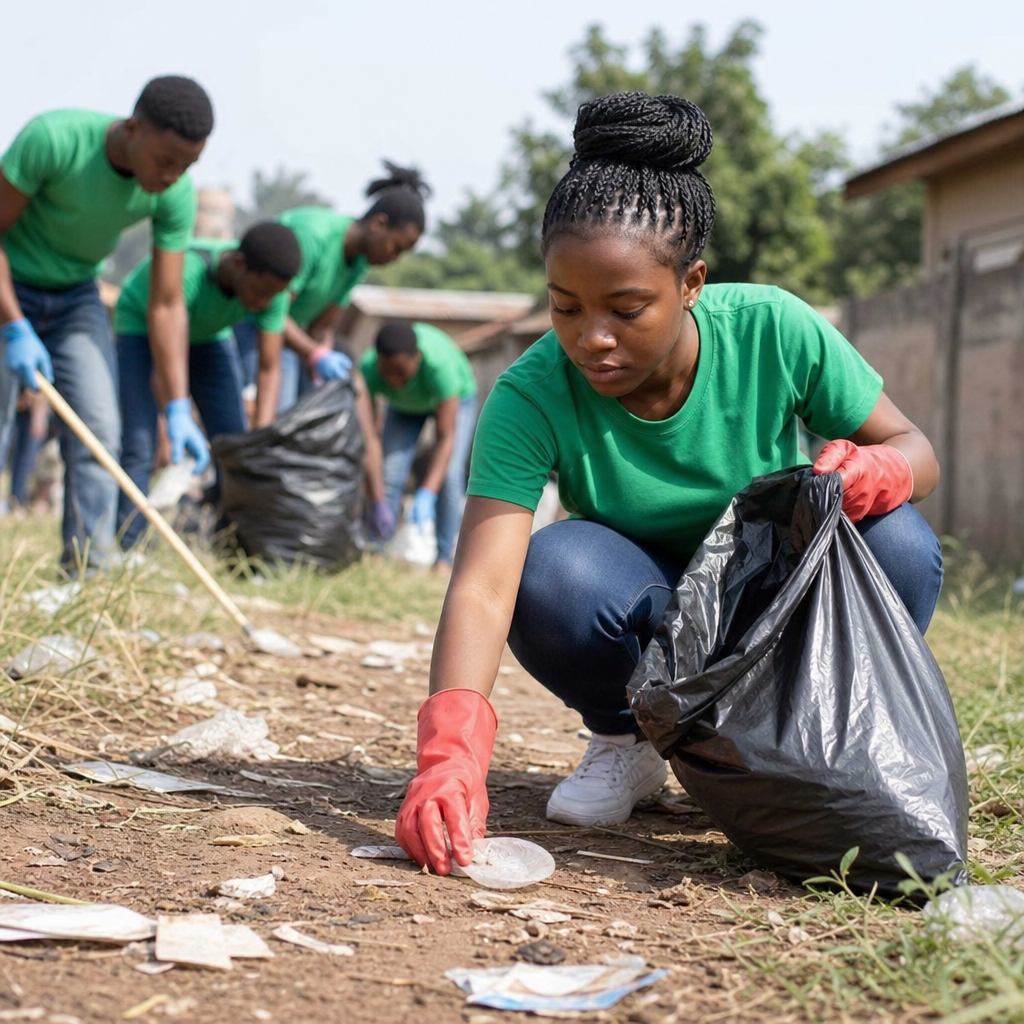
Sanitation volunteers often work across several areas because community sanitation involves both behavior change and physical improvements. One of the most common activities is organized cleanup work, including the removal of litter, clearing illegal dumping spots, and helping reopen blocked drains and pathways. These efforts are often especially important before or during rainy seasons, when clogged drainage systems can lead to flooding, standing water, and increased disease risk.
Another major area is hygiene promotion. Volunteers may visit households to discuss handwashing, safe water storage, toilet cleanliness, child hygiene, menstrual hygiene support, and proper waste disposal. In schools, they may help establish hygiene clubs, lead demonstrations on handwashing with soap, and encourage students to take part in keeping toilets and surroundings clean. In markets and public spaces, volunteers may run awareness campaigns on waste sorting, keeping food areas sanitary, and using designated bins instead of open dumping.
Many volunteer programs also support practical systems improvement. This can include mapping problem areas, identifying broken waste points, reporting overflowing bins, documenting unsafe toilets, and working with local authorities or service providers to address gaps. Some groups help communities build low-cost handwashing stations, create compost pits, label waste collection points, or organize neighborhood monitoring teams. In places where resources are limited, volunteers can play a very important role in helping residents understand what actions they can take themselves and what issues need formal support from municipal agencies, health departments, or water and sanitation providers.
The most effective programs combine service and education. A one-day cleanup can improve appearances, but if residents are not also engaged around waste habits, drainage protection, and hygiene, the same conditions often return. That is why successful sanitation volunteering usually includes regular follow-up, communication, and community mobilization rather than only occasional events.
3. How can a community start a successful volunteer program for sanitation improvement?
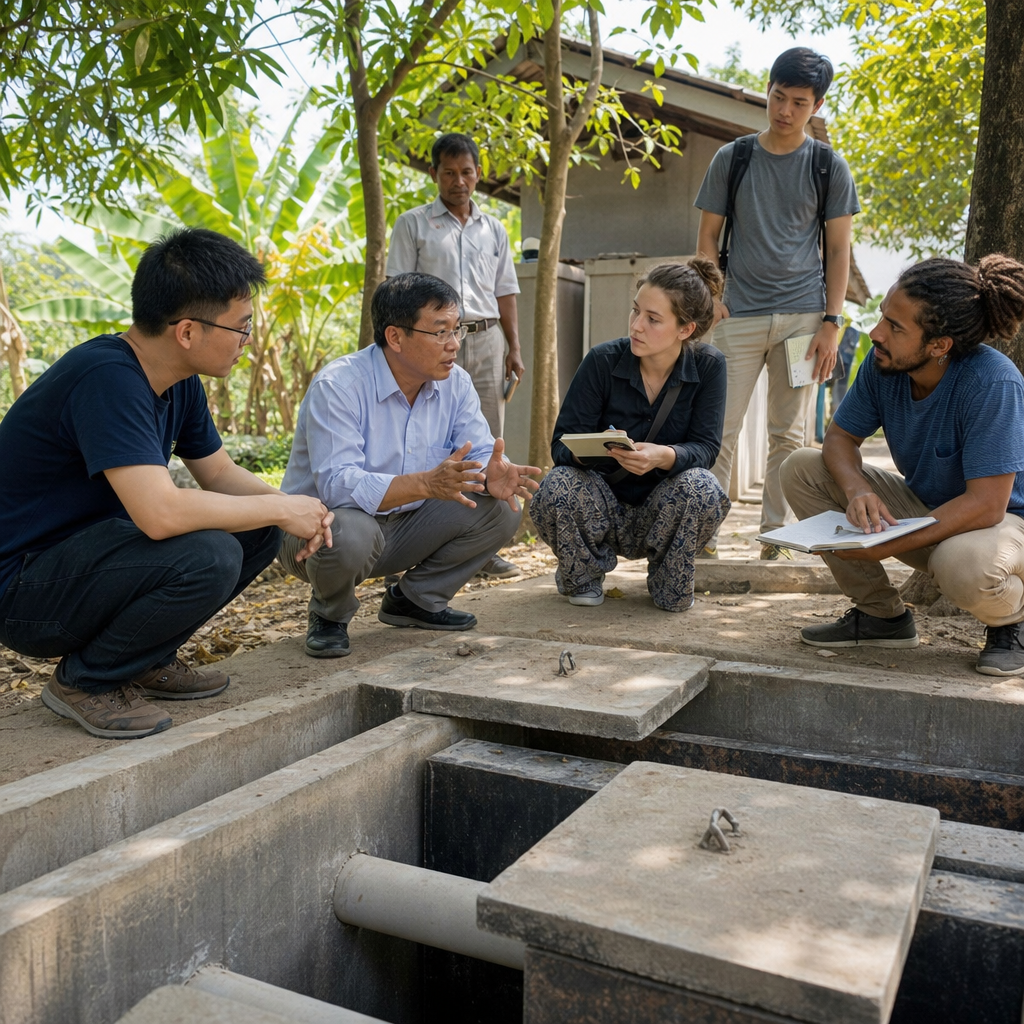
Starting a successful volunteer program begins with understanding the actual sanitation problems in the community instead of assuming they are all the same. A good first step is a simple local assessment: identify where waste accumulates, which drains are frequently blocked, where toilets are unsafe or poorly maintained, which areas have weak handwashing practices, and what groups are most affected. Speaking with residents, school staff, health workers, market vendors, and local officials can reveal not only the visible problems but also the reasons behind them. This helps the program focus on root causes rather than scattered activities.
Once the priority issues are clear, organizers should define realistic goals. For example, a program might aim to reduce open dumping in a specific neighborhood, improve school hygiene behavior, clear key drains before heavy rains, or increase household participation in proper waste disposal. Clear goals help volunteers understand their role and make it easier to measure progress. The next step is to recruit people who reflect the community itself, including youth, women’s groups, elders, religious leaders, teachers, and local health volunteers. Sanitation improvement works best when it is locally trusted and broadly represented.
Training is essential. Volunteers need basic guidance on hygiene messaging, waste handling safety, use of gloves and protective equipment, community communication, and when to refer technical or hazardous issues to professionals. They should also understand that some sanitation problems, such as sewage leaks, structural toilet failures, or large drainage blockages, may require specialized support. A well-run program protects volunteers while making their efforts more effective and credible.
Good coordination is what turns enthusiasm into results. Successful programs usually assign roles, set schedules, prepare supplies, and create simple reporting systems. They also build partnerships with local government, clinics, schools, and sanitation service providers. This matters because volunteers can do a great deal, but long-term sanitation improvement often depends on formal waste collection, infrastructure repair, and enforcement. The strongest volunteer programs are not isolated; they are connected to decision-makers and community institutions that can sustain progress over time.
4. What challenges do sanitation volunteer programs face, and how can they overcome them?
Sanitation volunteer programs often face a mix of social, logistical, and institutional challenges. One common issue is low participation after the initial excitement fades. People may care about community cleanliness, but competing work demands, lack of incentives, or frustration with recurring problems can reduce long-term involvement. Programs can respond by setting manageable schedules, celebrating small wins, rotating responsibilities, and making participation feel meaningful rather than burdensome. Recognition, visible results, and local leadership support often make a major difference.
Another challenge is the expectation that volunteers should solve problems that are actually caused by weak infrastructure or poor service delivery. For example, if waste collection is irregular, volunteers may clean an area only to see it fill up again within days. If drains are damaged, repeated clearing may not fix the underlying issue. If public toilets are broken, community awareness alone will not restore safe use. In these situations, volunteer action should be paired with advocacy, documentation, and referral. Programs are strongest when they help identify patterns, collect evidence, and push for needed municipal or institutional response.
Safety is also a serious concern. Volunteers may encounter sharp waste, contaminated water, human waste, smoke from burning garbage, or hazardous dumping sites. Without proper gloves, boots, masks where appropriate, and basic safety protocols, well-meaning efforts can put people at risk. Programs should set clear boundaries on what volunteers can handle, provide protective gear when possible, and ensure that dangerous materials or high-risk sanitation failures are referred to trained personnel.
Behavior change can be slow as well. Residents may understand the health risks of open dumping or poor handwashing but still continue those practices due to convenience, habit, lack of alternatives, or social norms. This is why repeated engagement matters. Instead of blaming the community, effective programs use practical education, local role models, visible demonstrations, and consistent messaging. Over time, sanitation improvements are more likely to stick when people see clear benefits, have access to usable alternatives, and feel that standards are being applied fairly across the community.
5. How do volunteer sanitation programs create lasting public health and community benefits?
Well-designed volunteer sanitation programs create lasting benefits because they improve both the physical environment and the social systems that shape daily health behavior. On the public health side, cleaner surroundings, safer waste disposal, reduced drain blockages, improved toilet hygiene, and stronger handwashing habits can help lower exposure to diarrheal disease, vector-borne illness, and other sanitation-related health threats. Even modest improvements in drainage and waste management can reduce stagnant water, odors, pest breeding, and contamination in shared spaces.
Beyond immediate cleanliness, these programs help communities become more organized and responsive. Residents often begin to notice patterns they previously accepted as normal, such as repeated dumping in the same location, lack of handwashing facilities in key public areas, or poor maintenance of shared sanitation points. Volunteer activity can turn those observations into action through monitoring, reporting, and collective problem-solving. Over time, this increases local accountability and encourages stronger coordination with service providers and local authorities.
There are also important educational and social benefits. Children who learn hygiene habits through school-based volunteer initiatives may carry those practices home. Youth volunteers often develop leadership, communication, and civic responsibility. Community members who work together on sanitation projects can build trust and cooperation that extends into other areas of local development. In many places, sanitation improvement becomes an entry point for broader conversations about health, water access, environmental care, and neighborhood planning.
The lasting impact comes when volunteer programs are consistent, inclusive, and linked to systems change. A single campaign can raise awareness, but ongoing efforts are what build healthier habits and cleaner environments. When communities combine local action with practical education, routine follow-up, and collaboration with formal institutions, sanitation volunteering becomes more than a cleanup exercise. It becomes a foundation for better public health, stronger local ownership, and more