Sanitation as a community responsibility starts with a practical truth: clean, safe surroundings do not come from individual effort alone, but from shared knowledge, shared systems, and shared accountability. In public health, sanitation means the services and behaviors that safely manage human waste, wastewater, solid waste, drainage, and hygiene conditions to reduce disease and protect dignity. Awareness raising is the organized work of helping people understand risks, change habits, demand better services, and participate in solutions. I have worked on community outreach campaigns where the biggest lesson was simple: infrastructure matters, but people only use and maintain it well when they understand why it matters and feel ownership over it.
This topic sits at the center of community engagement and education because sanitation affects every household, school, clinic, market, and workplace. The World Health Organization and UNICEF repeatedly link inadequate sanitation to diarrheal disease, undernutrition, parasitic infection, school absenteeism, and avoidable healthcare costs. Poor sanitation also harms women and girls disproportionately through safety risks, lack of privacy, and menstrual hygiene barriers. Communities therefore need more than occasional messaging. They need local leadership, accurate information, trusted messengers, and practical pathways to act. Empowering communities through knowledge means turning sanitation from a government slogan into a daily community norm backed by evidence, skills, and participation.
As a hub article, this page explains the full awareness-raising picture: what communities need to know, how behavior change happens, who should be involved, which outreach methods work, and how progress should be measured. It also connects sanitation awareness to broader goals such as child health, environmental protection, school readiness, and resilient local governance. When sanitation is framed as a collective responsibility rather than a private chore, communities are far more likely to adopt handwashing, stop open defecation, report broken facilities, support waste segregation, and hold institutions accountable for safe services.
Why sanitation awareness is the foundation of community health
Sanitation awareness matters because disease transmission is often invisible until it becomes a crisis. Many families do not see contaminated water storage, poorly maintained pit latrines, blocked drainage, or unmanaged waste as linked parts of one health system. In field programs, I have seen households keep cooking areas spotless while children still became sick because wastewater pooled outside, flies moved freely between feces and food, and handwashing stations lacked soap. Awareness closes that gap between what people observe and what actually drives infection.
The classic fecal-oral transmission framework explains why sanitation education must be concrete. Pathogens spread through fluids, fields, flies, fingers, food, and surfaces. Effective awareness raising teaches communities how barriers interrupt those routes: toilets that safely contain waste, handwashing with soap after toilet use and before food handling, protected water sources, safe child feces disposal, and clean public spaces. This direct explanation works better than abstract warnings because it gives people a visible mental model of prevention.
Awareness also helps communities connect sanitation with outcomes they already care about. Parents respond when they understand that repeated diarrhea can contribute to malnutrition and missed school days. Market vendors respond when they see that cleaner stalls attract customers and reduce municipal penalties. Local officials respond when sanitation maps show flooding hotspots, complaint clusters, and maintenance failures. Good awareness campaigns therefore translate sanitation into locally meaningful benefits: fewer illnesses, safer neighborhoods, lower medical costs, better attendance, and stronger community pride.
What communities need to know to act effectively
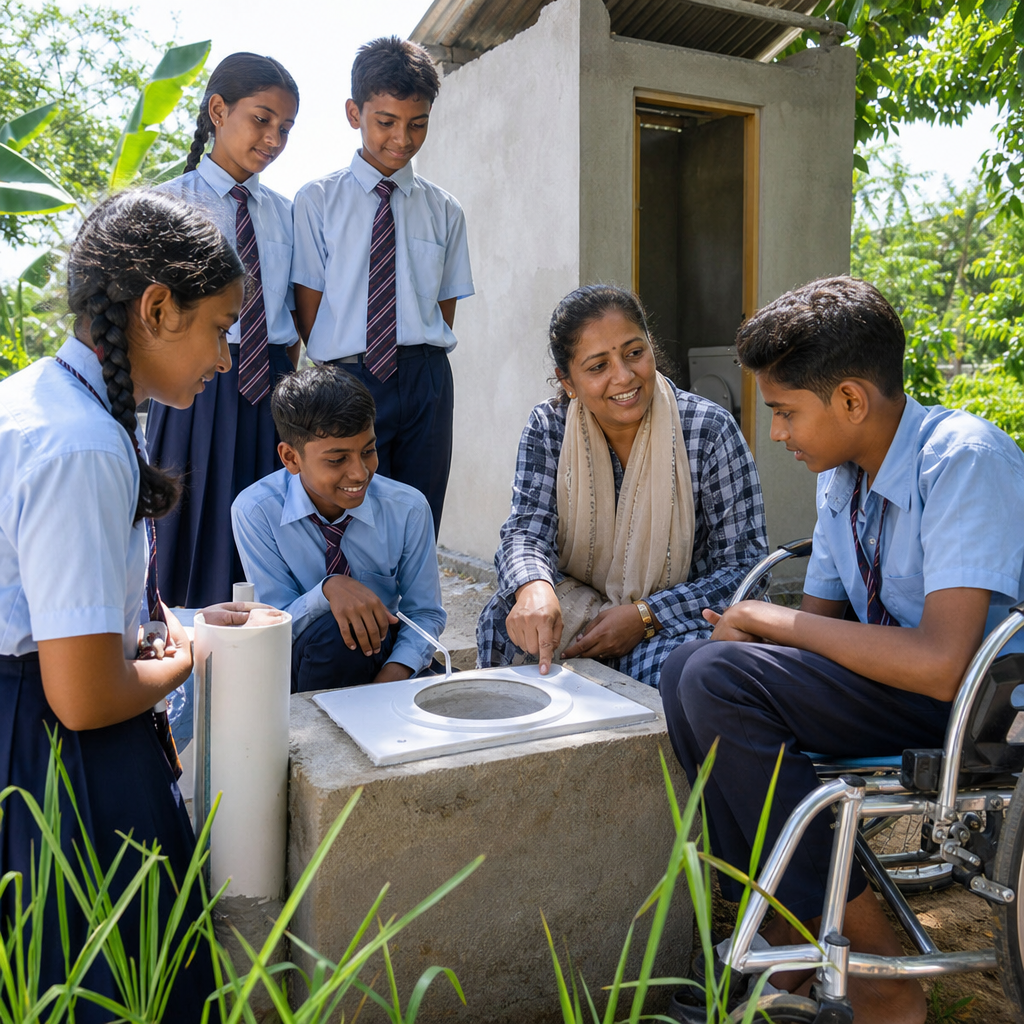
Empowering communities through knowledge requires more than telling people to be clean. Residents need practical, prioritized information they can use immediately. First, they need a clear understanding of sanitation risks: open defecation, shared or damaged toilets, unsafe sludge disposal, uncollected solid waste, stagnant water, and animal waste near living areas. Second, they need feasible actions for their setting, whether rural, peri-urban, or densely urban. Advice that ignores space, water access, disability needs, or cost constraints quickly loses credibility.
Third, communities need role clarity. Households are responsible for daily hygiene behaviors, toilet cleanliness, and safe storage practices. Landlords may be responsible for shared facilities. Schools and clinics must provide usable, inclusive toilets and handwashing stations. Municipal authorities typically manage collection, drainage, public toilets, regulation, and fecal sludge services. Community groups often monitor conditions, coordinate cleanup, and amplify local concerns. When these roles are not explained, people assume sanitation failures belong to someone else.
Fourth, people need accurate information on standards and safe practices. A toilet is not truly safe if it is inaccessible, overflowing, missing handwashing facilities, or leaking into nearby water. Waste collection is not complete if dumping simply shifts to an informal site beside homes or waterways. Drain cleaning is not effective if removed waste is left on the curb to wash back into channels. Awareness raising should therefore include standards people can recognize, question, and demand from service providers.
| Knowledge area | What residents should understand | Practical community action |
|---|---|---|
| Toilet safety | Containment, privacy, accessibility, ventilation, and maintenance all matter | Report damage, organize cleaning rosters, support inclusive upgrades |
| Hand hygiene | Soap and critical moments prevent disease transmission | Set up handwashing points at homes, schools, markets, and meeting areas |
| Waste management | Mixed waste, illegal dumping, and blocked drains create health risks | Separate waste, follow collection schedules, protect drainage channels |
| Water protection | Unsafe storage and contamination near sources undermine sanitation gains | Cover containers, keep latrines away from wells where feasible, clean surroundings |
| Community reporting | Early reporting reduces breakdowns and public health hazards | Use local committees, hotlines, or digital reporting tools |
How awareness raising changes behavior in real communities
Behavior change in sanitation is rarely achieved through one poster, one workshop, or one inspection. It happens when information, motivation, and enabling conditions align. Public health practitioners often use behavior models that focus on capability, opportunity, and motivation. In practice, that means people need to know what to do, have a realistic way to do it, and believe the action is worthwhile and socially expected. If any of those pieces is missing, awareness campaigns underperform.
Consider handwashing. Most people already know it is generally good, yet actual practice often drops because water is far away, soap is reserved for laundry, or the handwashing point is inconvenient. The most effective awareness efforts therefore pair messaging with environmental design: tippy taps in low-resource areas, sinks near toilets, visual cues for children, and community recognition for households that maintain stations. Similarly, encouraging toilet use fails when facilities are dirty, unsafe at night, or unusable for older adults and people with disabilities. Awareness must be linked to facility improvement, not used as a substitute for it.
Social norms are especially powerful. In communities where respected leaders publicly support sanitation rules, adoption rises faster. I have seen cleanup drives succeed when youth groups, religious leaders, teachers, and health workers all repeated the same standards over several months. Consistent reinforcement matters more than dramatic launches. People are more likely to change when they hear the same message through schools, clinics, neighborhood meetings, radio, and household visits, then see neighbors practicing it.
Who should lead sanitation education and why shared leadership works
Sanitation awareness is strongest when leadership is distributed across institutions the community already trusts. Community health workers are often the front line because they understand local disease patterns and household constraints. Teachers are equally important because schools shape habits early and can carry messages into homes through students. Religious leaders, traditional leaders, women’s groups, youth clubs, and tenant associations extend reach into daily community life. Municipal sanitation officers provide technical authority, while civil society organizations often contribute training materials, facilitation skills, and monitoring systems.
Shared leadership works because sanitation touches private behavior and public systems at the same time. A family may keep its toilet clean, but if drainage is blocked outside the compound, risk remains. A municipality may install public toilets, but if residents do not understand maintenance rules, facilities deteriorate quickly. Collaborative leadership prevents these gaps. For example, a market sanitation campaign can combine municipal waste collection, vendor training, public signage, customer education, and trader association enforcement. No single actor can sustain all of that alone.
The best local leaders also listen before they instruct. They ask why a toilet is not used, why waste is dumped in a canal, or why handwashing stations disappear after projects end. Sometimes the answer is cost. Sometimes it is safety, distance, water scarcity, or poor design. Awareness raising becomes credible when leaders acknowledge those realities and adapt solutions accordingly. Communities trust educators who solve actual barriers, not those who repeat ideal behaviors without context.
Communication methods that make sanitation messages stick
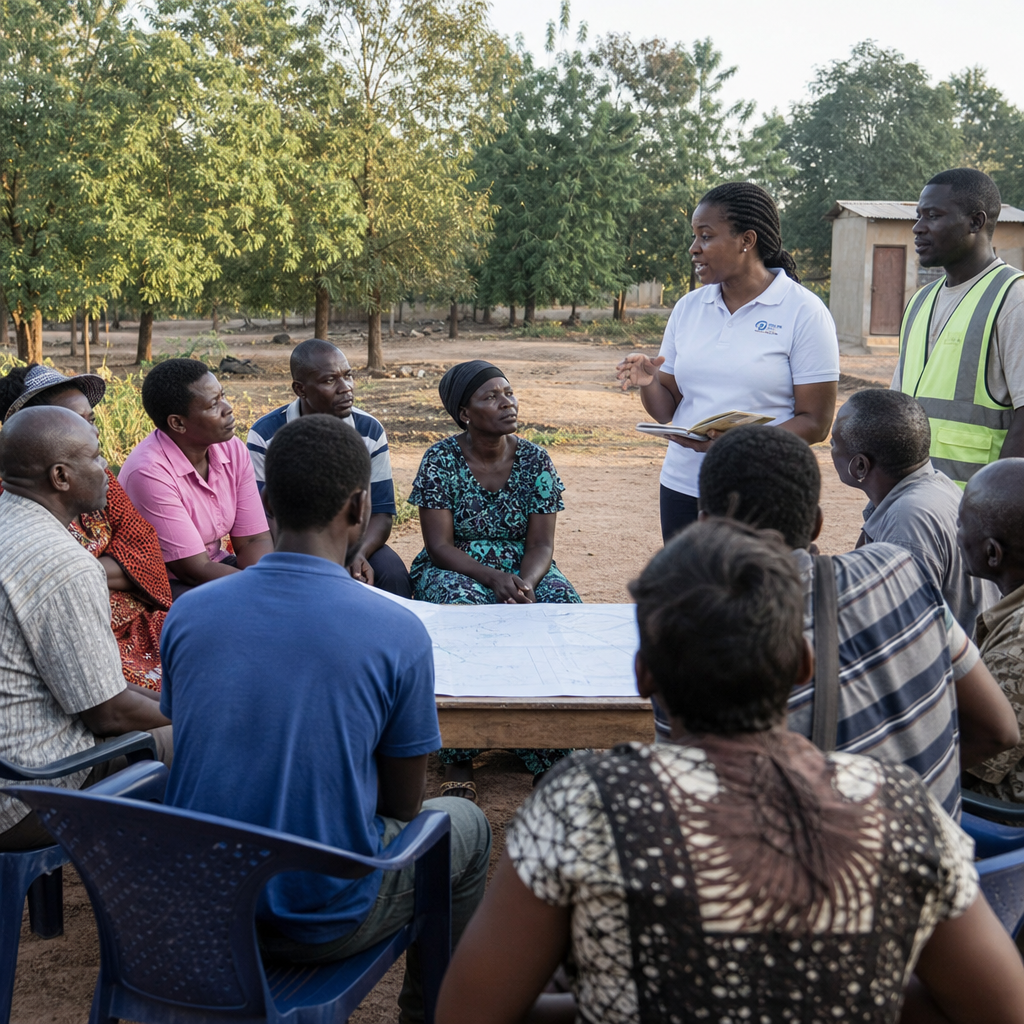
Effective sanitation communication is simple, repetitive, local, and actionable. Household visits allow educators to tailor advice to specific risks such as unsafe child feces disposal or standing water beside kitchens. Small group sessions work well for landlords, food vendors, school management committees, and mothers’ groups because participants can discuss practical constraints openly. Community mapping exercises help residents identify open dumping points, broken toilets, flood-prone drains, and neglected public areas. Once people see the sanitation system spatially, responsibility becomes harder to avoid.
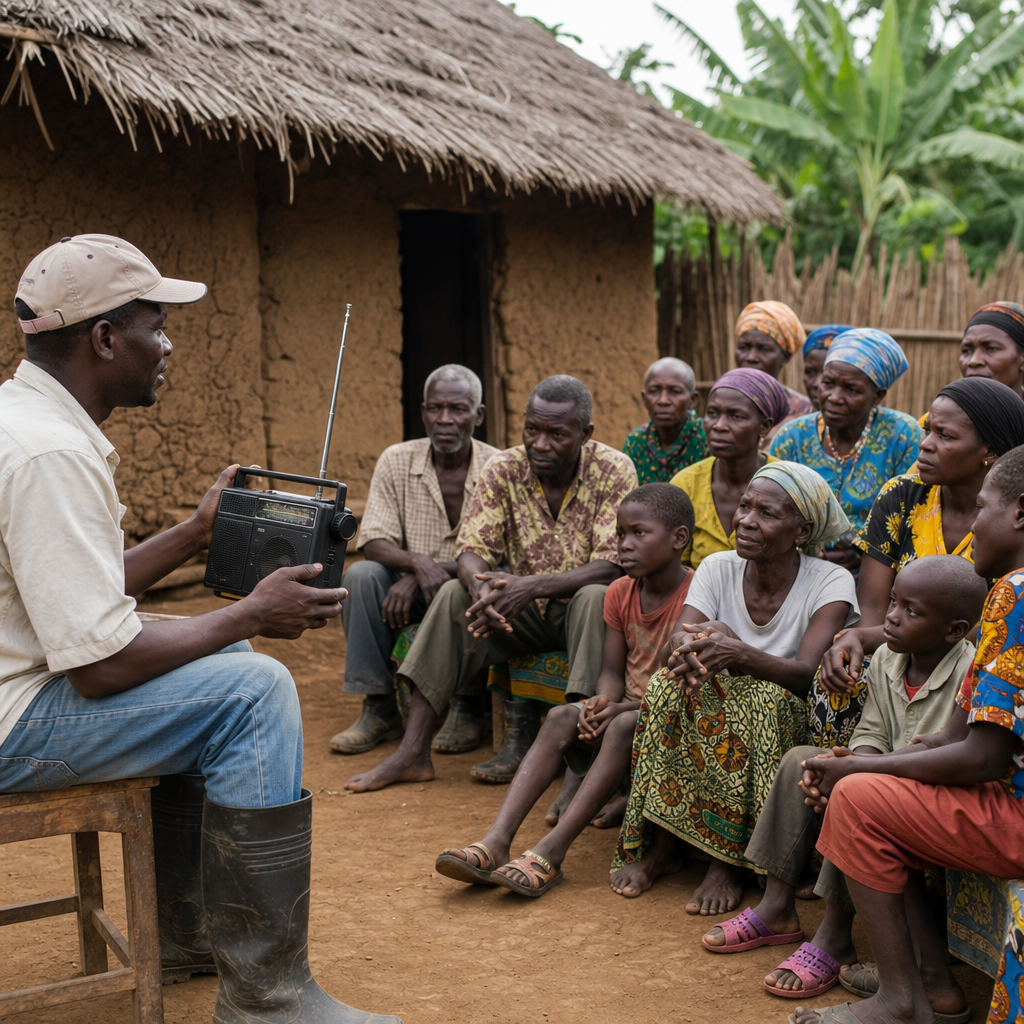
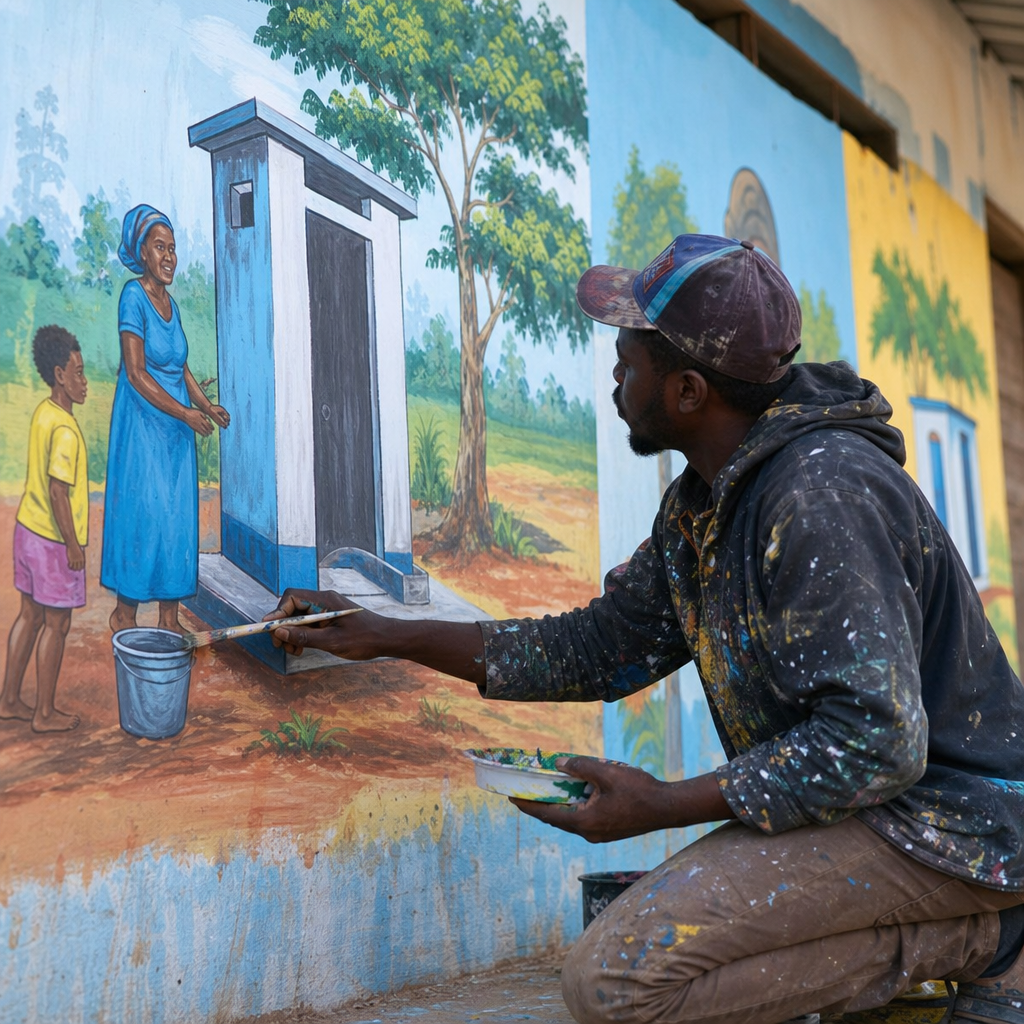
Mass communication also has a place. Local radio remains highly effective in many regions because it reaches people repeatedly in familiar language. Short dramas and call-in shows can address myths, embarrassment, and resistance more naturally than formal lectures. In urban areas, messaging apps, SMS reminders, and neighborhood social media groups can support reporting, cleanup scheduling, and event promotion. Visual prompts matter too: painted footprints to handwashing stations, color-coded bins, school wall charts, and market cleanliness scoreboards all convert knowledge into visible routine.
The strongest campaigns avoid blame. Fear-based messaging may produce temporary compliance, but it often stigmatizes poorer households or communities lacking services. Better communication combines risk information with dignity, feasibility, and recognition. It explains what to do, why it matters, and where to get support. It also uses local language carefully. Technical terms such as fecal sludge management, graywater, vector control, and containment may be necessary for training committees, but community messages should translate them into plain instructions and observable actions.
Measuring progress and sustaining community responsibility
Awareness raising only becomes meaningful when progress is measured and responsibilities continue after the campaign ends. The right indicators combine knowledge, behavior, service quality, and health protection. Useful measures include the percentage of households with functional handwashing facilities with soap and water, toilet usability rates, frequency of waste collection, number of blocked drains cleared and kept clear, school attendance linked to sanitation conditions, and response time for repair complaints. Community scorecards and transect walks are practical tools because they make results visible to residents and officials at the same time.
Sustainability depends on routine, not enthusiasm alone. Communities need maintenance plans, cleaning schedules, complaint channels, budget lines, and periodic refresher education. Schools should assign sanitation oversight clearly. Markets should define vendor obligations and penalties. Neighborhood committees should know who reports overflowing pits, illegal dumping, or broken public taps. Local governments should publish service schedules and respond transparently. When accountability systems are visible, awareness becomes a continuing governance practice rather than a one-off event.
This hub article supports the wider community engagement and education agenda by showing that sanitation knowledge is not a side issue; it is the mechanism that turns infrastructure into health impact. Communities that understand contamination pathways, know their roles, trust their leaders, and monitor conditions consistently are better able to protect children, support schools, improve neighborhoods, and demand reliable services. The main benefit is lasting collective action. Use this page as your starting point, then build local campaigns, training, and partnerships that make sanitation everyone’s responsibility every day.
Frequently Asked Questions
Why is sanitation considered a community responsibility rather than just a personal one?
Sanitation is a community responsibility because the risks created by poor sanitation rarely stay confined to one household. When human waste is not safely contained, when wastewater flows into shared spaces, when solid waste is dumped in open areas, or when drainage systems are blocked, the entire neighborhood can be affected. Contaminated water sources, increased flies and mosquitoes, foul odors, flooding, and the spread of diarrheal disease are all examples of problems that move beyond individual property lines. In other words, one family can practice good hygiene, but if nearby homes, schools, markets, and public spaces lack safe sanitation, everyone remains vulnerable.
That is why effective sanitation depends on shared systems, shared standards, and shared accountability. Communities need functioning toilets, waste collection, drainage maintenance, handwashing facilities, and local rules that are understood and followed by all. Public health improves most when people see sanitation not as a private chore, but as a collective effort that protects children, supports dignity, improves safety, and reduces preventable illness. Awareness raising helps build that mindset by showing people how everyday behaviors connect to wider community health outcomes.
What does awareness raising about sanitation actually involve?
Awareness raising about sanitation is more than simply telling people to keep their surroundings clean. It is a structured process of helping individuals and groups understand how sanitation affects health, safety, dignity, education, and the local environment. This usually includes clear information on topics such as proper toilet use, safe disposal of child feces, handwashing with soap, wastewater management, solid waste separation and collection, drain maintenance, and the links between poor sanitation and diseases such as cholera, typhoid, intestinal infections, and other waterborne illnesses.
Strong awareness efforts also focus on behavior change, not just information delivery. That means using methods that people can relate to, including community meetings, school activities, door-to-door outreach, health worker education, demonstrations, posters, radio messages, and local leadership engagement. The goal is to move people from knowing that sanitation matters to consistently practicing safer habits and encouraging others to do the same. In the best programs, awareness raising also empowers residents to demand better services, report sanitation problems, and take part in local decisions about infrastructure and maintenance.
How does better sanitation awareness improve public health in a community?
Better sanitation awareness improves public health by reducing the everyday exposures that allow disease to spread. When communities understand how germs move through contaminated hands, water, food, soil, and surfaces, they are more likely to adopt protective behaviors. These can include using toilets consistently, keeping latrines clean, washing hands after toilet use and before handling food, covering or properly disposing of waste, preventing standing water, and maintaining clean communal spaces. Each of these actions interrupts common transmission pathways and lowers the chance of illness.
The public health benefits go beyond infection control. Better sanitation awareness can reduce school absenteeism, especially where safe and private facilities are important for girls and women. It can support nutrition by reducing recurrent diarrheal disease, which can interfere with a child’s growth and development. It can also improve mental well-being and dignity by making public and household environments cleaner, safer, and more usable. In practical terms, communities with stronger sanitation awareness are often better equipped to organize clean-up campaigns, support local maintenance systems, and respond early when hygiene risks begin to appear.
What are the biggest barriers to improving sanitation practices through awareness campaigns?
One major barrier is the gap between knowledge and action. People may understand the importance of sanitation but still face obstacles such as lack of access to toilets, unreliable water supply, poor waste collection, overcrowding, cost, or weak local services. In these situations, awareness alone is not enough. People need realistic options and supportive systems. Another common barrier is habit. Daily routines around waste disposal, drainage, or handwashing are often deeply ingrained, so changing them requires repeated engagement, practical demonstrations, and visible community support.
Social norms and trust also matter. If people believe that sanitation is solely the government’s job, they may hesitate to take local action. If they feel their neighbors are not cooperating, they may see little reason to change their own behavior. In some cases, stigma or embarrassment can prevent open discussion about toilets, menstrual hygiene, child feces disposal, or open defecation. Effective campaigns address these barriers directly by involving respected local leaders, using culturally appropriate language, including women and youth in planning, and linking messages to practical improvements. The most successful efforts combine education with accessible services, local ownership, and regular follow-up.
What can communities do to make sanitation awareness efforts more effective and lasting?
Communities can make sanitation awareness efforts more effective by treating them as an ongoing local priority rather than a one-time campaign. A good starting point is to involve a wide range of stakeholders, including households, schools, health workers, local officials, religious leaders, youth groups, women’s groups, waste workers, and business owners. When these groups share responsibility, sanitation becomes part of daily community life instead of a temporary message. Local action plans can help define who is responsible for tasks such as drain clearing, waste collection coordination, reporting broken facilities, and organizing handwashing or hygiene education events.
Lasting results also depend on monitoring, visibility, and accountability. Communities benefit from setting simple goals, such as cleaner shared spaces, reduced open dumping, better toilet use, or regular clean-up days, and then reviewing progress publicly. Schools can reinforce sanitation habits among children, who often carry those lessons home. Community champions can model positive behavior and help maintain momentum. Most importantly, awareness should be paired with practical improvements, such as accessible toilets, soap and water at handwashing points, reliable waste disposal options, and responsive local governance. When people see that awareness leads to real change in their environment, they are far more likely to stay engaged and protect those gains over time.