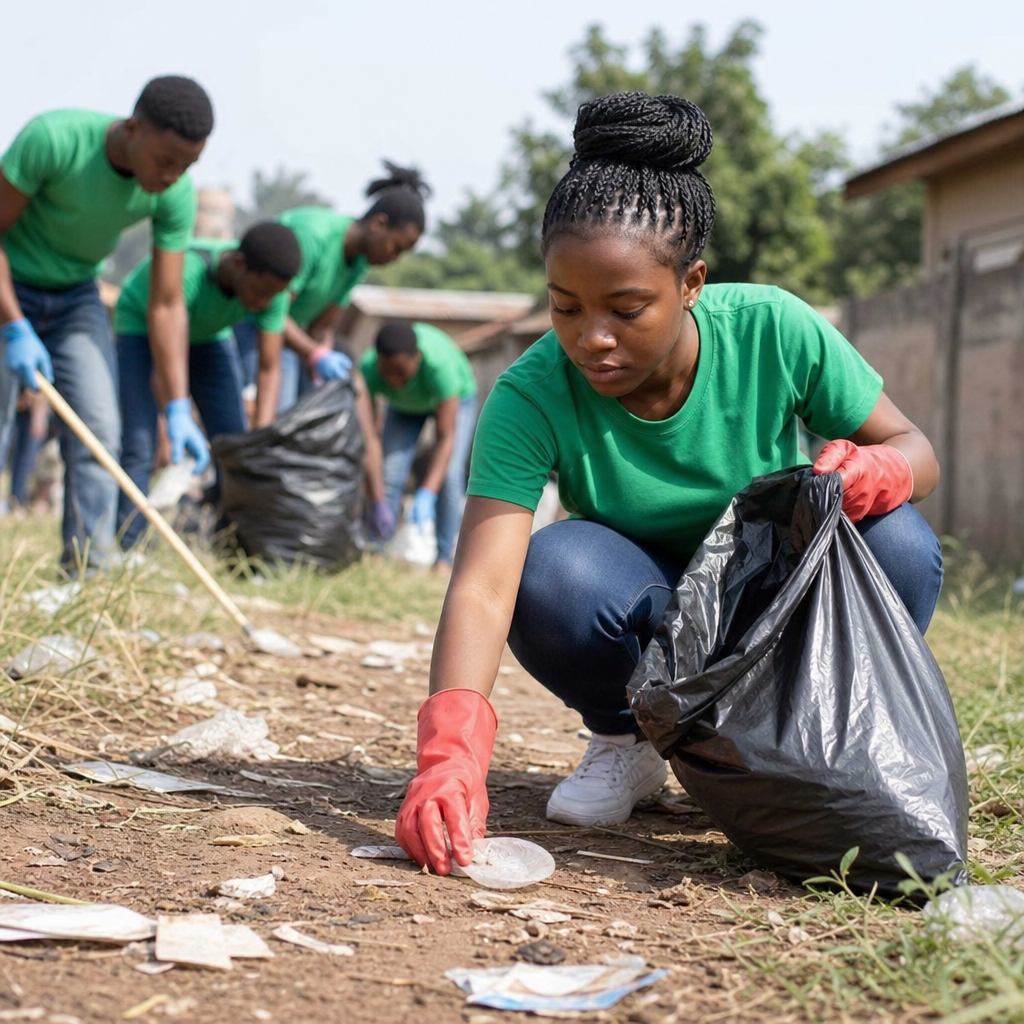
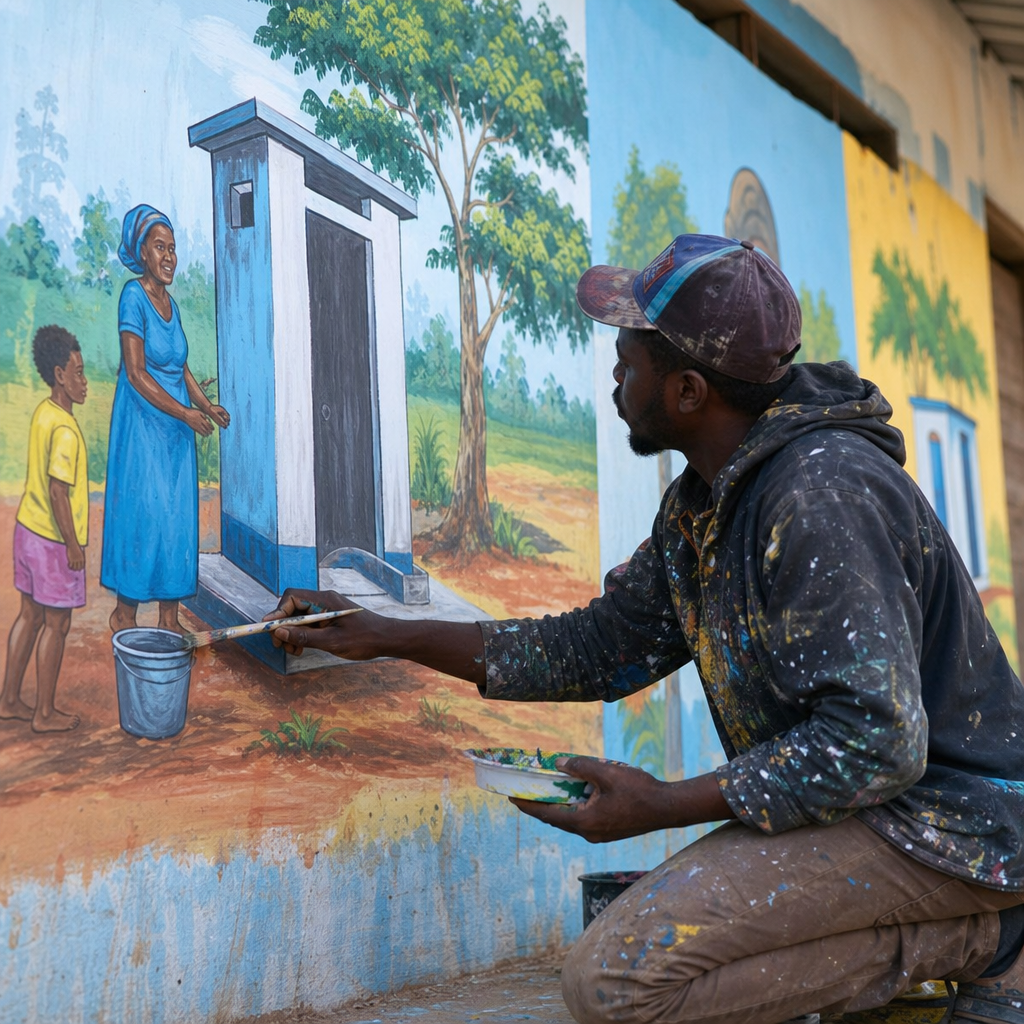
Sanitation rights and responsibilities in communities shape public health, human dignity, environmental protection, and local development. Sanitation means the systems, services, and everyday behaviors that safely manage human waste, wastewater, stormwater, solid waste, and hygiene practices so people can live in clean, safe surroundings. Rights refer to every person’s entitlement to access safe, affordable, acceptable, and inclusive sanitation without discrimination. Responsibilities refer to the shared duties of households, landlords, schools, businesses, local leaders, and public agencies to maintain facilities, prevent pollution, pay fair user costs, and protect others from avoidable health risks. I have worked with community education campaigns where one blocked drain, one broken toilet door, or one missed waste collection route quickly turned a manageable issue into a neighborhood health problem. That is why this topic matters. Good sanitation reduces diarrhea, parasitic infections, cholera transmission, school absenteeism, lost workdays, and environmental contamination. It also affects safety, especially for women, girls, older adults, and people with disabilities who may face harassment or exclusion when facilities are poorly designed or located. Communities that understand both their rights and their responsibilities are better equipped to demand fair services, use them correctly, hold providers accountable, and build lasting local solutions through knowledge.
What sanitation rights mean at community level
At community level, sanitation rights are practical, not abstract. People have the right to facilities and services that are available, accessible, safe, private, functional, and culturally acceptable. These standards align with guidance from the World Health Organization and UNICEF Joint Monitoring Programme, which distinguishes between safely managed, basic, limited, unimproved, and open defecation conditions. In plain terms, a community sanitation right is fulfilled when residents can use a toilet or latrine that hygienically separates waste from human contact, supports handwashing with soap and water, and connects to safe storage, treatment, or disposal. For renters, that includes protection from negligent landlords who ignore broken toilets or sewage leaks. For students, it means schools must provide separate, usable, and secure sanitation facilities. For people with disabilities, it means ramps, adequate turning space, handrails, and doors that can be opened safely. For informal settlements, rights include service planning that does not bypass low-income neighborhoods simply because tenure is complex. When these conditions are missing, communities face more than inconvenience. They face unequal disease exposure, reduced dignity, and barriers to education and work.
Shared responsibilities that keep sanitation systems working
Sanitation works only when infrastructure and behavior support each other. Public authorities are responsible for planning networks, enforcing building and health codes, funding underserved areas, regulating desludging and wastewater treatment, and publishing complaint channels that residents can actually use. Utilities and service providers must maintain pipes, pumps, treatment units, and collection schedules, while reporting outages honestly. Property owners are responsible for safe toilets, proper connections, and timely repairs. Households are responsible for correct use: not dumping diapers, pads, wipes, grease, sand, or plastics into toilets and drains; paying agreed service fees where possible; reporting leaks early; and supporting community cleanup days. Schools, clinics, markets, and places of worship carry special responsibility because they host many users and can either model good hygiene or spread disease rapidly. Community-based organizations often bridge the gap by training residents, organizing women’s groups, mapping problem points, and negotiating with municipalities. I have seen the difference this makes. In one settlement, a resident committee that tracked overflowing pits and shared hotline numbers reduced response times dramatically because the issue stopped being invisible. Knowledge turned frustration into organized action and measurable service improvement.
Health, education, and economic impacts of sanitation knowledge
Empowering communities through knowledge changes outcomes because informed residents make earlier, safer, and more coordinated decisions. Poor sanitation is strongly linked to diarrheal disease, which remains a major cause of illness worldwide, especially among young children. Unsafe wastewater and fecal sludge management can contaminate groundwater, rivers, and local food systems. Standing water and blocked drains also create breeding conditions for mosquitoes, increasing vector risks in some regions. The education impact is just as important. When school toilets are dirty, broken, or lack menstrual hygiene support, attendance falls, particularly for girls during menstruation. Workers lose wages when illness spreads through a neighborhood or market. Local governments then spend more on emergency responses than on prevention. By contrast, communities with strong sanitation literacy understand handwashing moments, know how to identify infrastructure failure, and recognize when to escalate a complaint before it becomes an outbreak. They also better understand tariffs, service schedules, septic emptying intervals, and why treatment matters after collection. This prevents a common misconception: that sanitation ends when waste leaves the home. In reality, the entire service chain matters, from containment to transport, treatment, reuse, or disposal. A broken link anywhere puts everyone at risk.
How communities can identify gaps and set priorities
The first step in improving sanitation is to identify what problem actually exists. Communities often describe sanitation failure as a single issue, but fieldwork shows several categories: access, functionality, safety, affordability, inclusion, drainage, waste collection, and maintenance. A settlement may have toilets, yet no safe emptying service. A school may have blocks of latrines, yet no water for cleaning. A market may have drains, yet they are routinely clogged by food waste and packaging. The most effective community assessments are simple and repeatable. Walkthrough audits, household surveys, school inspections, and public complaint logs can reveal where the system breaks down. Mapping is especially useful. Residents can mark overflowing septic tanks, illegal dumping points, flood-prone alleys, broken standpipes, and areas where women feel unsafe at night. Once problems are visible, communities can prioritize according to health risk and feasibility. An exposed sewer near a clinic entrance deserves faster action than cosmetic upgrades. A disabled-access retrofit at a busy public toilet may serve more people than building a new but distant facility. Clear priorities help communities advocate with evidence rather than anecdotes, and evidence is what usually moves budgets.
Practical actions that empower communities through knowledge
Community education works best when it is specific, local, and tied to action. General messages such as “keep the area clean” are far less effective than teaching residents exactly how a septic tank should be inspected, when desludging is needed, what should never enter a pit latrine, and where to report illegal discharge. Training should include hygiene, facility care, rights awareness, budgeting, and accountability. It should also recognize local constraints such as water scarcity, seasonal flooding, insecure tenure, or low literacy. The hub approach under community engagement and education is valuable because no single lesson solves sanitation. Residents need linked knowledge on handwashing, waste segregation, menstrual hygiene management, school sanitation, disability inclusion, drainage maintenance, and citizen reporting. In practice, I have found that communities respond best when education is paired with tools they can use immediately.
| Community action | What it involves | Why it works |
|---|---|---|
| Sanitation mapping | Residents identify toilets, drains, dumping sites, flood points, and unsafe areas on a local map | Creates shared evidence for planning and complaints |
| Facility monitoring | Committees check cleanliness, water availability, lighting, locks, and accessibility on a schedule | Finds failures early before they become health hazards |
| Service-chain education | Households learn about containment, emptying, transport, treatment, and disposal | Reduces unsafe dumping and misuse of toilets |
| School hygiene clubs | Students lead peer education on handwashing, toilet respect, and menstrual support | Builds lifelong habits and influences families |
| Complaint tracking | Residents log leaks, missed collection, broken toilets, and response times | Improves accountability and supports funding requests |
These actions are effective because they convert sanitation from a hidden technical service into a shared public issue that people can understand, discuss, and improve.
Inclusion, safety, and accountability in sanitation governance
Sanitation is equitable only when governance includes those most affected by poor service. Women and girls often carry the daily burden of water collection, child hygiene, and family care, so excluding them from decisions leads to facilities that fail in practice. People with disabilities can identify design flaws that engineers miss, such as steep ramps, narrow doors, slippery surfaces, or poorly placed handrails. Older adults can highlight lighting and distance concerns. Tenants can reveal landlord neglect. Waste workers and pit emptiers can explain operational hazards and why protective equipment, vaccination, and formal recognition matter. Accountability mechanisms should therefore be visible and routine. Good models include public service standards, posted cleaning schedules, budget transparency, hotline numbers, resident oversight committees, and social audits. Local governments should measure not only how many toilets were built but whether they are functional, accessible, and safely connected to treatment. Communities should ask direct questions: Who empties pits? Where does sludge go? How often are school toilets cleaned? What is the response time for sewer blockages? What protections exist for sanitation workers? These questions matter because visible infrastructure can hide unsafe practices. A neighborhood may appear served while waste is being discharged untreated into a stream nearby. Real accountability follows the full chain and includes every user.
Building a long-term culture of sanitation stewardship
Lasting progress comes from stewardship, not one-off campaigns. Stewardship means communities treat sanitation as an ongoing civic practice supported by education, budgets, maintenance routines, and local leadership. The most resilient communities normalize preventive action: regular drain clearing before rainy seasons, scheduled septic maintenance, school inspections each term, annual bylaw reviews, and household education for new residents. They also connect sanitation to broader development goals such as housing quality, climate resilience, public safety, and child wellbeing. For example, flood-prone communities need sanitation planning that considers stormwater pathways, raised latrine designs where appropriate, and emergency response procedures when pits overflow. Dense urban neighborhoods may need shared facilities with strong management contracts and cleaning accountability, while rural areas may focus more on safely managed on-site systems. Digital tools can help, including mobile reporting apps, GIS mapping, and simple dashboards for tracking repairs, but technology is only useful when people trust the process and receive responses. The strongest sanitation culture is built through repetition and local ownership. Children learn habits in schools, adults reinforce them at home, institutions model standards, and leaders respond consistently. That is how knowledge becomes community power rather than temporary awareness.
Sanitation rights and responsibilities in communities are inseparable. Rights establish that every person deserves safe, dignified, inclusive sanitation. Responsibilities ensure the systems, behaviors, and institutions behind that right actually function every day. The central lesson of empowering communities through knowledge is that information changes outcomes when it is practical, shared, and connected to action. Communities need to understand what safe sanitation includes, how the service chain works, who is accountable for each part, and how to document gaps clearly. They also need the confidence to insist on fair service without ignoring their own role in maintenance, payment, reporting, and respectful facility use. As the hub for this topic under community engagement and education, this page points to the bigger picture: sanitation knowledge supports healthier families, safer schools, stronger local governance, and cleaner environments. Start with one concrete step this week: map a local sanitation problem, verify who is responsible, and organize a small group to follow it through to resolution. Community change usually begins there.
Frequently Asked Questions
1. What are sanitation rights in a community, and why do they matter?
Sanitation rights are the basic rights every person has to use safe, affordable, accessible, acceptable, and inclusive sanitation services without discrimination. In practical terms, this means people should be able to use toilets or latrines that are hygienic, private, secure, and appropriate for their needs, while also benefiting from systems that safely manage wastewater, stormwater, solid waste, and hygiene practices. These rights apply to everyone, including children, older adults, people with disabilities, low-income households, tenants, informal settlement residents, and people living in rural or underserved areas.
These rights matter because sanitation is directly linked to public health, human dignity, and environmental safety. When communities lack proper sanitation, the risks are immediate and serious: water sources can become contaminated, diseases can spread more easily, and neighborhoods may face unsafe, unpleasant, and unhealthy living conditions. Poor sanitation also affects school attendance, workplace productivity, and the safety of women and girls, especially when facilities are far away, poorly lit, or lack privacy.
Recognizing sanitation as a right also creates a stronger basis for accountability. It means local governments, service providers, property owners, and community leaders cannot treat sanitation as optional or as a privilege only available to some people. Instead, sanitation must be planned and delivered in ways that protect health, uphold dignity, and serve the whole community fairly. When these rights are respected, communities are cleaner, healthier, more resilient, and better able to support long-term development.
2. What responsibilities do individuals and households have when it comes to sanitation?
While people have a right to sanitation, they also have important responsibilities in keeping sanitation systems effective and communities healthy. At the household level, this includes using toilets and sanitation facilities properly, practicing good hygiene such as handwashing with soap, storing and disposing of waste safely, and avoiding behaviors that damage public infrastructure or pollute the environment. For example, dumping trash into drains, open spaces, rivers, or sewer systems can block water flow, increase flooding, attract pests, and create health hazards for everyone nearby.
Households also have a responsibility to maintain the sanitation facilities under their control. That may involve cleaning toilets regularly, reporting leaks or blockages, arranging for safe emptying of septic tanks or pit latrines, and making sure children and vulnerable family members can use facilities safely. In shared housing or compound settings, residents often need to cooperate on schedules, cleanliness standards, and fair contributions to maintenance costs.
Just as important is community-minded behavior. Sanitation is not only a private issue; it is a shared public concern. One household’s unsafe practices can affect an entire neighborhood through contaminated water, foul odors, overflowing waste, or increased disease transmission. Responsible sanitation behavior means understanding that everyday choices have collective consequences. When households use systems correctly, pay agreed service fees where applicable, support local sanitation efforts, and participate in awareness programs, they help build a healthier and more functional community for everyone.
3. What responsibilities do local governments and community leaders have for sanitation?
Local governments and community leaders play a central role in making sanitation rights real. Their responsibilities usually include planning, funding, regulating, monitoring, and improving sanitation services so that all residents can access safe and dignified facilities. This covers more than building toilets. It includes creating systems for sewage and fecal sludge management, drainage, stormwater control, solid waste collection, treatment and disposal, public hygiene promotion, and environmental protection.
Authorities are also responsible for making sure sanitation services are inclusive and equitable. That means considering the needs of people with disabilities, women and girls, schoolchildren, tenants, low-income families, people living in remote areas, and communities with limited infrastructure. Good sanitation governance requires placing facilities where people can reach them, ensuring safety and privacy, maintaining public toilets, responding to complaints, enforcing public health rules, and preventing discrimination in service access.
Community leaders, including local councils, neighborhood committees, traditional leaders, and civil society groups, often serve as the bridge between residents and institutions. They can help organize clean-up efforts, encourage behavior change, resolve disputes over shared facilities, identify underserved areas, and advocate for better investments. Effective leadership also depends on transparency and accountability. Residents should be able to understand who is responsible for which services, how decisions are made, how funds are used, and where to report sanitation failures. When local institutions take these responsibilities seriously, communities are better protected from disease, environmental damage, and avoidable inequality.
4. How does sanitation affect public health, the environment, and community development?
Sanitation has a far-reaching impact because it sits at the center of health, environmental management, and local development. From a public health perspective, good sanitation reduces exposure to disease-causing organisms that spread through contaminated water, unsafe waste disposal, poor drainage, and inadequate hygiene. Properly managed toilets, wastewater systems, solid waste services, and handwashing practices help prevent diarrheal illness, parasitic infections, skin conditions, and other sanitation-related diseases. In addition, cleaner surroundings reduce breeding grounds for insects and pests that can contribute to illness.
Environmentally, sanitation protects rivers, groundwater, soils, streets, and shared public spaces from contamination. When waste is dumped indiscriminately or sewage is poorly managed, the damage extends beyond immediate inconvenience. Water bodies can become unsafe, ecosystems can deteriorate, and drainage systems can fail, contributing to flooding and long-term pollution. Strong sanitation systems support cleaner neighborhoods, better water quality, and more sustainable use of land and natural resources.
The development benefits are equally important. Communities with reliable sanitation tend to experience better school attendance, improved worker productivity, safer public spaces, and stronger local economies. Businesses are more likely to operate successfully in clean environments, and families spend less time and money dealing with preventable illness. Sanitation also supports dignity and social inclusion, which are essential for stable, thriving communities. In short, sanitation is not a narrow technical issue; it is a foundation for healthier people, cleaner environments, and more resilient local development.
5. How can communities promote both sanitation rights and shared responsibility?
Communities can promote sanitation rights and responsibilities most effectively by treating sanitation as a shared system rather than an individual problem. A strong starting point is education. People need clear, practical information about hygiene, waste disposal, drainage protection, toilet maintenance, menstrual hygiene needs, and the health risks of poor sanitation. Public awareness campaigns, school programs, neighborhood meetings, and door-to-door outreach can help turn sanitation principles into daily habits.
Communities also need collaboration. Residents, local governments, schools, landlords, businesses, health workers, and community organizations each have a role to play. This may include maintaining shared facilities, organizing regular clean-up activities, creating reporting systems for blocked drains or overflowing waste, supporting low-income households with access solutions, and encouraging residents to participate in sanitation planning. Inclusive decision-making is especially important because the people most affected by poor sanitation often understand the barriers best and can help design realistic solutions.
Finally, promoting sanitation rights and shared responsibility requires accountability and consistency. Communities benefit when there are clear standards for cleanliness, maintenance, safe disposal, and respectful use of shared spaces. They also benefit when service gaps are documented and raised with the proper authorities. Rights are strengthened when people know what they should be able to expect, and responsibilities are strengthened when everyone understands how their behavior affects others. Over time, this combination of awareness, cooperation, and accountability helps create cleaner, safer, and more dignified living conditions for the entire community.