Utilizing traditional media for EcoSan education remains one of the most practical ways to turn sanitation concepts into everyday community action, especially where digital access is uneven and trust is built face to face. EcoSan, short for ecological sanitation, refers to sanitation systems and behaviors that safely recover nutrients, conserve water, protect public health, and return treated human waste to productive use where appropriate. Educating for change in this context means more than spreading awareness; it means helping households, schools, farmers, local leaders, and service providers understand why sanitation choices affect soil health, water security, disease transmission, and dignity. I have worked on community outreach around sanitation behavior change, and the consistent lesson is clear: people rarely adopt a new toilet practice because of technical diagrams alone. They respond when messages are repeated through familiar channels such as radio, local newspapers, posters, theater, call-in programs, religious announcements, and school clubs.
Traditional media still matters because it reaches broad audiences, reinforces social norms, and gives complex ideas a local voice. In many regions, a community radio host is more influential than a national campaign website. A market-day drama can explain urine diversion better than a brochure if the audience sees a relatable family solving real problems. Print inserts can support extension officers, teachers, and health workers with durable reference material they can revisit. For a sub-pillar hub on educating for change, traditional media is the connective layer linking technical guidance, community mobilization, school sanitation, farmer engagement, gender inclusion, and public health messaging. When used well, it does not replace interpersonal education; it amplifies it, making EcoSan visible, understandable, and discussable across an entire community.
Why traditional media works for EcoSan behavior change
Traditional media works for EcoSan education because it combines reach, repetition, and cultural relevance. Sanitation behavior change depends on more than knowledge transfer. People must believe a practice is safe, socially accepted, affordable, and worth the effort. Radio segments can normalize toilet maintenance routines. Newspaper features can profile a school that cut water use with urine-diverting dry toilets. Posters at health centers can remind caregivers how to wash hands after handling child feces. Community theater can openly discuss topics that are often taboo, including smell, menstrual hygiene, pit emptying, and the reuse of sanitized compost. In my experience, the strongest campaigns use plain language, local examples, and repeated messages over several months rather than one-off awareness bursts.
Traditional media is especially effective in places where literacy levels vary. Audio and visual formats reduce dependence on text-heavy materials, while local-language broadcasting improves comprehension. It also supports credibility. Messages delivered by trusted announcers, agricultural extension agents, religious leaders, and nurses carry social weight. This matters for EcoSan because the subject intersects with health, environment, and agriculture. If a farmer hears from an agronomist that properly treated excreta-derived compost can improve soil organic matter, and hears the same point reinforced by a radio interview with a local producer, the idea becomes less abstract. The educational goal is not simply to inform people that EcoSan exists. It is to answer their practical questions directly: Is it safe, how does it work, who should maintain it, what does it cost, and what benefits will I see?
Choosing the right channels for different audiences
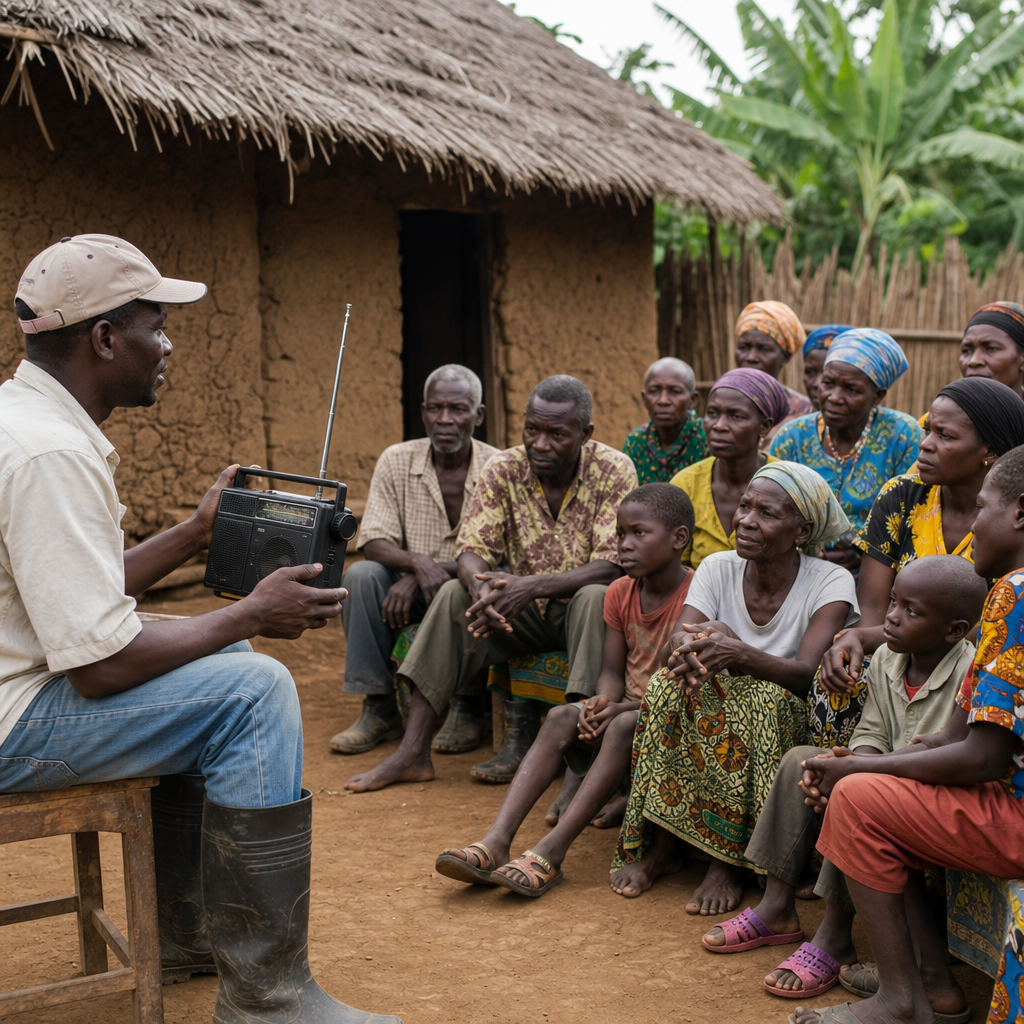
Effective EcoSan education starts by matching the medium to the audience and the behavior being promoted. Households deciding whether to adopt a urine-diverting toilet need different information from municipal officials setting sanitation bylaws. Schoolchildren need memorable, age-appropriate content, while farmers need practical instructions on treatment periods, application rates, and crop restrictions. Community radio is usually the best broad-reach channel because it allows interviews, listener questions, and local-language repetition. Local newspapers are useful for policy explainers, case studies, and public accountability. Posters and wall paintings work well for high-traffic places such as clinics, schools, bus stands, and markets. Roadshows, loudspeaker vans, and local theater are effective for launch periods or hard-to-reach settlements.
Audience segmentation improves message performance. Women managing household hygiene may need content on privacy, cleaning routines, and child use. Men involved in construction may need guidance on toilet design, venting, urine diversion plumbing, or ash application. Landlords need messages about maintenance standards and tenant satisfaction. Teachers need lesson-ready material they can integrate into science, health, or environmental studies. Faith leaders may be strong allies when messages connect cleanliness, stewardship, and care for neighbors. When I map campaigns, I usually identify the exact decision each audience must make, then choose the medium that best supports that decision. A call-in show works for clearing doubts. A poster works for routine reminders. A newspaper profile works for showcasing social proof and local success.
| Audience | Best traditional medium | Main EcoSan question | Useful message angle |
|---|---|---|---|
| Households | Community radio | Is EcoSan safe and practical? | Health protection, affordability, ease of use |
| Farmers | Agricultural programs and print guides | Can treated outputs benefit crops? | Soil fertility, treatment standards, correct application |
| Schools | Posters, clubs, local press | How do students use and maintain facilities? | Routine, dignity, handwashing, student leadership |
| Local leaders | Newspapers and radio interviews | Why support EcoSan publicly? | Public health, water savings, service delivery |
| Service providers | Trade radio, flyers, demonstrations | What technical standards matter? | Design quality, maintenance, customer trust |
Crafting messages that communities trust and remember
The most effective EcoSan messages are concrete, locally grounded, and framed around benefits people can verify. Avoid slogans that promise transformation without explaining the practice. Instead, state exactly what users should do and why it matters. A strong radio message might say: keep urine and feces separate, add dry cover material after each use, store outputs for the recommended period, and wash hands with soap. That sequence gives listeners a complete action pathway. It also addresses the usual failure point in EcoSan communication, which is assuming people will infer maintenance steps from general awareness. They will not. Precision is essential.
Message framing should connect EcoSan to problems communities already want to solve. In water-scarce areas, emphasize reduced water use compared with flush systems. In farming communities, explain nutrient recovery in practical terms: nitrogen, phosphorus, and potassium are valuable because crops need them, and imported fertilizers are often expensive. In flood-prone settlements, discuss how well-designed above-ground or sealed systems can reduce contamination risks compared with poorly managed pits. In schools, focus on cleanliness, attendance, and dignity, especially for girls during menstruation. Every claim must be responsible. Safe reuse depends on correct treatment, storage, and handling. Good education acknowledges that EcoSan is not a shortcut around hygiene controls; it is a managed system with rules that protect health.
Using radio, print, and public performance together
The strongest traditional media campaigns use several formats in sequence rather than relying on one channel. A practical model is awareness, explanation, reinforcement. Start with radio spots and interviews to introduce EcoSan concepts and announce community meetings or demonstrations. Follow with newspaper stories, flyers, or poster series that explain system types, user steps, and maintenance responsibilities. Reinforce with public theater, market-day demonstrations, school events, or village meetings where people can ask uncomfortable questions openly. This layered approach reflects how behavior change actually happens. People first hear about a practice, then assess whether it is relevant, then look for evidence from peers, and only later decide whether to try it.
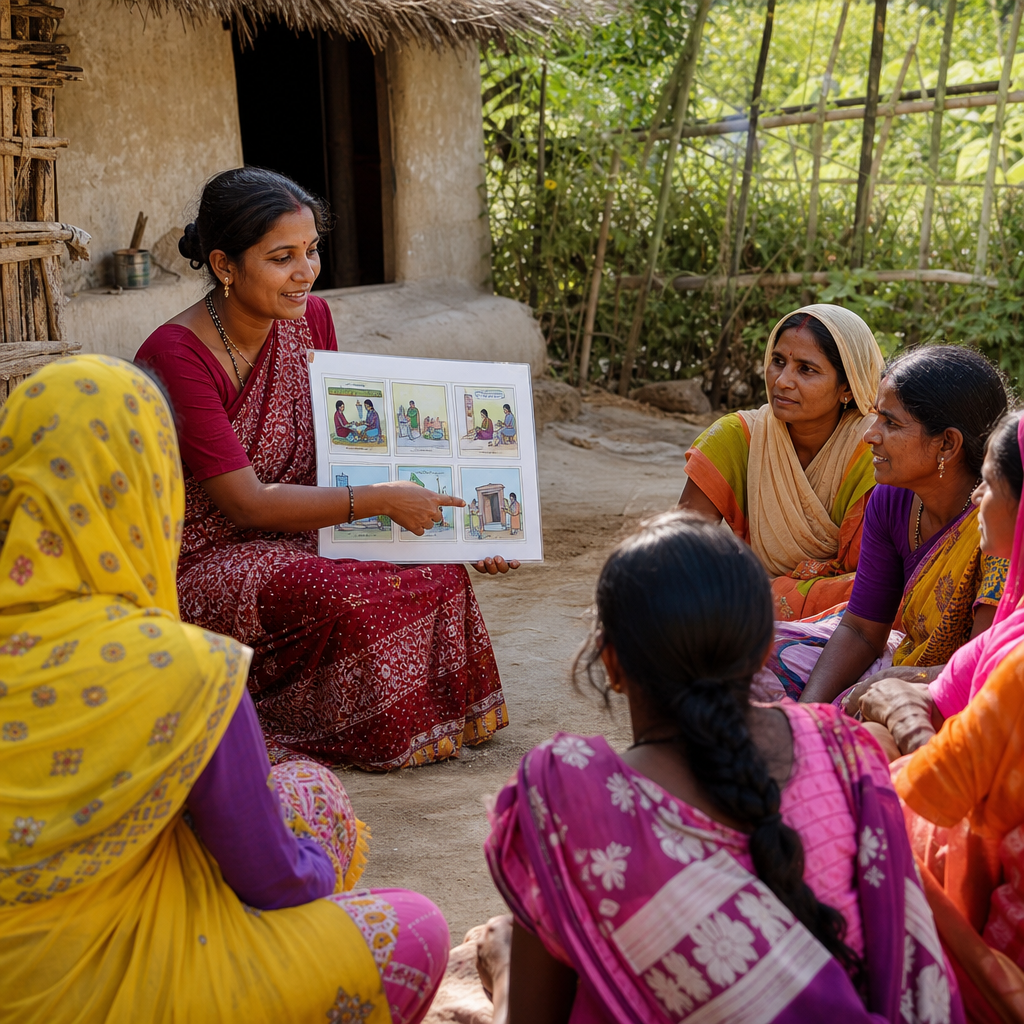
Radio is often the anchor because it supports frequency and interaction. A fifteen-minute weekly sanitation segment can cover odor control one week, child-friendly use the next, and safe storage periods after that. Call-in episodes are particularly useful because the questions reveal barriers campaign planners might miss. Print materials then give permanence to those answers. A poster can show the steps for adding ash or sawdust, closing a full chamber, or keeping urine containers covered. Theater and public performance handle stigma well. Characters can model resistance, confusion, and eventual adoption in ways that feel familiar rather than preachy. I have seen audiences remember a sanitation drama months later because the humor helped them retain the maintenance sequence.
Building credibility through local voices and evidence
EcoSan education succeeds when communities hear from people they recognize and institutions they already trust. That means moving beyond anonymous campaign slogans. Use local farmers who have applied sanitized compost correctly and can describe what changed in their fields. Feature school principals who can speak about maintenance routines and student behavior. Include environmental health officers who can explain why treatment time, moisture control, and safe handling matter. Agricultural extension staff, nurses, and masons are especially valuable because they connect advice to visible practice. Their authority is practical, not abstract.
Evidence also needs to be communicated carefully. The World Health Organization sanitation safety planning approach, along with established public health guidance on excreta management, supports risk-based communication: identify hazards, control exposure, and verify safe use. Campaigns should therefore avoid presenting all reuse as automatically safe. Instead, explain the controls. For example, if fecal matter is composted or stored, specify that pathogen reduction depends on time, temperature, moisture, and handling conditions. If urine is reused, explain storage guidance, dilution where relevant, crop suitability, and application methods that reduce contact. Named standards and local regulations matter because they reassure audiences that EcoSan is governed by rules, not improvised by enthusiasts. Credibility comes from honesty about both benefits and safeguards.
Measuring whether education is changing behavior
Media campaigns are only useful if they lead to better understanding and safer sanitation practices. Measurement should start with simple questions tied to behavior. After a radio campaign, can listeners correctly describe how to use the toilet, what dry cover material does, when a chamber should be sealed, and why handwashing remains essential? After a school poster campaign, are facilities cleaner, are students using them properly, and are teachers reinforcing routines? After a newspaper series aimed at local decision-makers, did budget discussions, bylaw enforcement, or procurement choices change? Output metrics such as airtime, circulation, and attendance matter, but outcome metrics matter more.
In practice, I recommend combining baseline and follow-up surveys with observation and service data. Spot checks can reveal whether toilets are being used as intended, whether urine diversion is functioning, and whether storage containers are labeled and covered. Focus groups can test whether messages were understood or merely heard. Radio stations may share listener call themes, which often expose persistent misconceptions. Community health workers can report whether households are maintaining systems or abandoning them. If adoption is low, the problem may be less about awareness than about cost, supply chains, design flaws, or unclear maintenance roles. Good educational strategy accepts this. Traditional media can motivate and inform, but it must be linked with technical support, financing options, and responsive local governance.
Utilizing traditional media for EcoSan education works best when it is treated as a system for public learning, not just a publicity tool. The goal of educating for change is to help communities move from curiosity to correct practice, and that requires repeated, trustworthy communication across channels people already use. Radio builds reach and dialogue. Print creates durable reference points. Posters and public art reinforce routines. Theater and community events make taboo subjects discussable. Together, these formats can explain what EcoSan is, why safe sanitation matters, how nutrient recovery works, and what households, schools, farmers, and leaders must do differently.
As the hub for this subtopic, this page points to the broader truth behind community engagement and education: sanitation change is social before it is technical. People adopt and sustain EcoSan when the message is understandable, locally relevant, and backed by visible examples, credible voices, and practical support. The core benefit is not only cleaner facilities or lower water use. It is a healthier community that understands sanitation as part of environmental stewardship and shared responsibility. If you are planning EcoSan outreach, start by mapping your audiences, choosing the traditional media they trust, and building messages that answer real questions with clear, safe guidance. Then reinforce those messages until good practice becomes community norm.
Frequently Asked Questions
What does EcoSan mean, and why is traditional media still important for EcoSan education?
EcoSan, or ecological sanitation, is an approach to sanitation that focuses on safely managing human waste in ways that protect health, conserve water, recover nutrients, and, where appropriate, return treated materials to productive use. Rather than viewing sanitation only as waste disposal, EcoSan treats sanitation as part of a larger environmental and public health system. It connects household hygiene, safe containment, treatment, reuse, agriculture, water protection, and community well-being. This makes education especially important, because EcoSan often asks people to understand not just a toilet or a facility, but a different way of thinking about sanitation, resource use, and responsibility.
Traditional media remains highly important for EcoSan education because many communities still rely on radio, community theater, posters, local newspapers, public announcements, faith-based gatherings, school programs, and village meetings as their most trusted sources of information. In places where internet access is limited, expensive, inconsistent, or simply not the main way people learn, traditional media reaches people where they already are. Just as important, it often carries more local legitimacy. A radio host speaking in the local language, a respected elder addressing sanitation at a community event, or a drama group acting out the consequences of unsafe waste handling can make EcoSan concepts feel practical, relevant, and culturally grounded.
Traditional media is also valuable because EcoSan education is rarely a one-time message. People may need repeated explanations about toilet use, maintenance, handwashing, urine diversion, composting timelines, odor control, and safe reuse practices. Traditional channels allow these ideas to be repeated over time in familiar formats. When designed well, they help turn technical sanitation information into everyday understanding and action. In short, traditional media matters not because it is old, but because it is accessible, trusted, adaptable, and often more effective than digital-only outreach for building real behavior change around EcoSan.
Which traditional media channels work best for teaching communities about EcoSan practices?
The most effective traditional media channels for EcoSan education are usually the ones that match local communication habits, literacy levels, and cultural norms. Community radio is often one of the strongest options because it can reach large audiences at low cost, including rural households and people with limited literacy. Radio programs can explain how EcoSan systems work, answer common concerns, correct myths, share local success stories, and repeat key messages frequently. Call-in programs or interviews with health workers, farmers, teachers, and local leaders can make the information more credible and interactive.
Community theater and live demonstrations are also especially powerful for EcoSan education. Sanitation behaviors are practical and visible, so people often learn better when they can see situations acted out or demonstrated in person. A local drama can show the consequences of poor sanitation, the benefits of proper EcoSan use, and the steps for safe handling and maintenance in a way that is engaging and memorable. Demonstrations at schools, markets, health centers, or village meetings help people move from abstract ideas to concrete action. They can also reduce fear or embarrassment by showing that EcoSan is manageable in real life.
Printed materials such as posters, flipcharts, brochures, murals, and local newspaper articles remain useful when they are simple, visual, and tailored to the audience. Posters in clinics, schools, public toilets, agricultural centers, and community halls can reinforce messages about handwashing, toilet use, ash application, storage times, and safe reuse. Faith-based announcements, school competitions, loudspeaker campaigns, and local leader briefings can also be highly effective because they build on relationships of trust. The best channel is rarely a single one. In most cases, EcoSan education works best when several traditional media forms are used together so that people hear, see, discuss, and practice the same core messages in multiple settings.
How can traditional media make EcoSan concepts easier for people to understand and accept?
Traditional media can make EcoSan easier to understand by translating technical sanitation concepts into familiar language, practical examples, and everyday experience. Many EcoSan ideas, such as nutrient recovery, dehydration, composting, pathogen reduction, or source separation, can sound complex if presented in technical terms alone. Traditional media helps break those ideas down. For example, a radio segment can explain that certain EcoSan systems save water and turn safely treated waste into something useful for soil improvement. A community demonstration can show exactly where ash is added, how chambers are used, how long materials are stored, and why safe handling matters. This kind of communication makes EcoSan feel understandable rather than intimidating.
Acceptance grows when messages are locally relevant and respectful. Traditional media allows educators to use local languages, familiar humor, local farming examples, and trusted messengers. Instead of presenting EcoSan as an outside solution imposed on a community, traditional communication can frame it as a practical tool that addresses local concerns such as water scarcity, poor soil fertility, flooding, sanitation-related disease, lack of sewer infrastructure, or the cost of chemical fertilizers. When people hear neighbors, local farmers, health workers, religious leaders, or schoolteachers discussing benefits and addressing concerns openly, skepticism often decreases.
Traditional media is also well suited to addressing the social and emotional barriers around sanitation. EcoSan can raise questions about smell, cleanliness, safety, dignity, gender roles, and cultural attitudes toward human waste. These are not just technical issues; they are social ones. Through storytelling, discussion forums, interviews, and public meetings, traditional media creates space to surface concerns and answer them respectfully. That matters because behavior change is much more likely when people feel heard, not lectured. By combining clear explanation with cultural sensitivity and repetition, traditional media helps communities not only understand EcoSan, but also see how it can fit into daily life in ways that are safe, beneficial, and socially acceptable.
What challenges can arise when using traditional media for EcoSan education, and how can they be addressed?
One common challenge is oversimplification. EcoSan involves important technical and safety details, and if traditional media messages are too brief or too vague, people may misunderstand how to use or maintain systems correctly. For example, if communication emphasizes reuse benefits without equally stressing treatment, storage, hygiene, and safe handling, it can create confusion or unsafe practices. The solution is to design messages carefully, making sure each channel communicates what people need to know at the right level. Broad media like radio can introduce the concept and reinforce benefits, while demonstrations, school activities, and health worker outreach can provide more detailed instructions.
Another challenge is cultural resistance or discomfort. In many places, sanitation is a sensitive subject, and conversations about human waste may be considered embarrassing, inappropriate, or taboo. EcoSan can also be resisted if people associate it with poverty, extra labor, or unfamiliar practices. To address this, communicators should work with respected local figures and community groups from the beginning. Messages should be framed around shared priorities such as health, dignity, cleaner surroundings, reduced disease risk, water conservation, and agricultural value. Using local stories and visible examples of successful adoption can help shift perceptions from suspicion to practicality.
Literacy and language barriers can also limit the effectiveness of some traditional media formats. Printed materials may not work well in communities with low literacy unless they rely heavily on images and are reinforced by spoken communication. In multilingual settings, messages may need to be adapted into more than one language or dialect. In addition, there may be logistical issues such as limited funding, poor coordination between agencies, irregular broadcasting schedules, or weak follow-up after awareness campaigns. These problems can be reduced by planning communication as part of a broader education strategy rather than as a one-off campaign. Monitoring audience response, testing messages before launch, training local facilitators, and linking media outreach with on-the-ground support all make EcoSan education more accurate, responsive, and effective.
What makes an EcoSan education campaign through traditional media successful in the long term?
A successful long-term EcoSan education campaign does more than raise awareness; it supports lasting behavior change and community ownership. The strongest campaigns begin with a clear understanding of the audience. Different groups may need different messages: households want practical guidance, farmers may be interested in nutrient recovery and soil productivity, local leaders may focus on public health and environmental protection, and schools may need age-appropriate sanitation education. When campaigns are built around real local concerns and motivations, the messages become much more persuasive and useful.
Consistency and repetition are also essential. People rarely change sanitation behavior after hearing one message once. Long-term success comes from reinforcing key ideas through multiple traditional media channels over time. A radio discussion might introduce benefits, a poster might remind users about maintenance steps, a school activity might normalize good hygiene behavior, and a village demonstration might show proper system use in practice. Repetition from trusted sources helps new information feel reliable and familiar. It also creates opportunities to correct misunderstandings before they become entrenched.
Perhaps most importantly, successful campaigns connect communication with practical support and visible results. If people hear about EcoSan but cannot access materials, training, maintenance advice, or examples of functioning systems, education alone will have limited impact. The best traditional media campaigns are linked to local extension workers, health promoters, teachers, masons, agricultural officers, and community organizations that can answer questions and support adoption. They also highlight local success stories, because seeing nearby households, schools, or farms benefit from EcoSan builds confidence. In the long term, the most effective traditional media campaigns are those that treat education