Healthcare professionals and sanitation education are inseparable when communities want lasting improvements in health, dignity, and daily safety. Sanitation education means teaching people how water, waste, hygiene, and environmental cleanliness affect disease transmission, child development, school attendance, maternal health, and economic stability. In practice, it covers hand hygiene, safe toilet use, menstrual hygiene, water handling, waste disposal, cleaning routines, infection prevention, and the social behaviors that turn infrastructure into real protection. I have seen clinics with new latrines and handwashing stations still struggle with diarrheal disease because families were never shown how contamination travels from unwashed hands, unsafe storage containers, or open drains into food and drinking water.
This topic matters because sanitation is not just an engineering issue; it is a public health behavior issue that depends on trust, repetition, and local relevance. The World Health Organization and UNICEF have consistently linked inadequate sanitation and hygiene to diarrheal disease, parasitic infection, undernutrition, and healthcare-associated infections. Communities also experience less visible harms: girls miss school without safe toilets, older adults avoid clinics with poor facilities, and caregivers spend income on preventable illness instead of food or education. Healthcare professionals occupy a uniquely credible position in this system. Nurses, physicians, community health workers, environmental health officers, midwives, pharmacists, and public health educators can connect sanitation knowledge to everyday decisions, making prevention understandable and actionable.
As a hub within community engagement and education, this article explains how healthcare professionals empower communities through knowledge, what effective sanitation education includes, where common programs fail, and how institutions can build practical, measurable, locally trusted initiatives. It also points toward related work such as school health promotion, maternal and child outreach, water safety communication, infection prevention training, and behavior change campaigns. The core idea is simple: when healthcare professionals teach sanitation well, communities gain more than information. They gain the ability to prevent disease, advocate for safer environments, and sustain healthier routines across homes, schools, workplaces, and care settings.
The role of healthcare professionals in community sanitation education
Healthcare professionals translate sanitation from an abstract public message into concrete daily action. A clinician can explain that diarrhea is not simply bad luck; it often follows a chain of exposure involving unsafe water, contaminated surfaces, poor hand hygiene, or inadequate waste disposal. A midwife can connect clean delivery environments and postnatal handwashing to lower infection risk for mothers and newborns. A community health worker can show a household how to store water in a narrow-necked covered container and use a clean ladle, reducing recontamination after collection. These interactions are powerful because they happen at teachable moments when people are already concerned about health.
Different professionals contribute different strengths. Nurses often lead patient teaching and can reinforce routines during immunization visits, chronic disease management, and discharge counseling. Environmental health practitioners understand waste pathways, vector control, drainage, and facility sanitation systems. Physicians and advanced practitioners can lend authority to prevention messages, especially during outbreaks. Pharmacists can counsel on oral rehydration, hand hygiene, and safe medicine storage while identifying patterns of preventable gastrointestinal illness. Dentists, school nurses, and allied health staff also matter because sanitation education intersects with attendance, nutrition, and overall wellbeing.
In successful programs, professionals do more than lecture. They assess beliefs, barriers, language needs, cost constraints, and available infrastructure. I have found that families usually know handwashing is important, yet many do not know the key times that matter most: after using the toilet, after cleaning a child, before preparing food, before eating, and before feeding children. Education becomes effective when professionals demonstrate the exact behavior, explain why it matters, watch the learner repeat it, and solve practical obstacles such as lack of soap, inconvenient station placement, or shared household responsibilities.
What communities need to know about sanitation
Effective sanitation education focuses on the information people can use immediately. Communities need a clear explanation of fecal-oral transmission, because once people understand how microbes move from feces to fingers, food, fluids, fields, and flies, preventive behaviors make sense. They also need practical guidance on toilet maintenance, wastewater management, child feces disposal, household cleaning, food hygiene, menstrual hygiene, and safe water handling. Messaging should be specific. “Keep things clean” is weak. “Wash hands with soap for at least twenty seconds after toilet use and before touching food” is actionable.
Education must address both household and public settings. At home, families need routines for cleaning latrine surfaces, storing soap, separating animal waste from living areas, and protecting water from contamination. In schools and markets, users need to know how to report broken facilities, maintain shared responsibility, and reduce stigma around waste and menstruation. In healthcare settings, sanitation education supports patient safety through proper toilet access, environmental cleaning, hand hygiene compliance, and respiratory etiquette. When communities see the same message reinforced across settings, behavior is more likely to stick.
Healthcare professionals should also explain risk in plain language. For example, children under five are especially vulnerable to dehydration from diarrhea. Repeated enteric infections can contribute to poor growth and impaired development. People with diabetes, cancer, frailty, or suppressed immunity face higher risks from contaminated water and poorly cleaned environments. Pregnant women need reliable sanitation to reduce infection exposure and preserve dignity. This risk-based framing helps communities understand that sanitation is not cosmetic. It is a frontline health intervention with measurable outcomes.
How education turns knowledge into behavior change
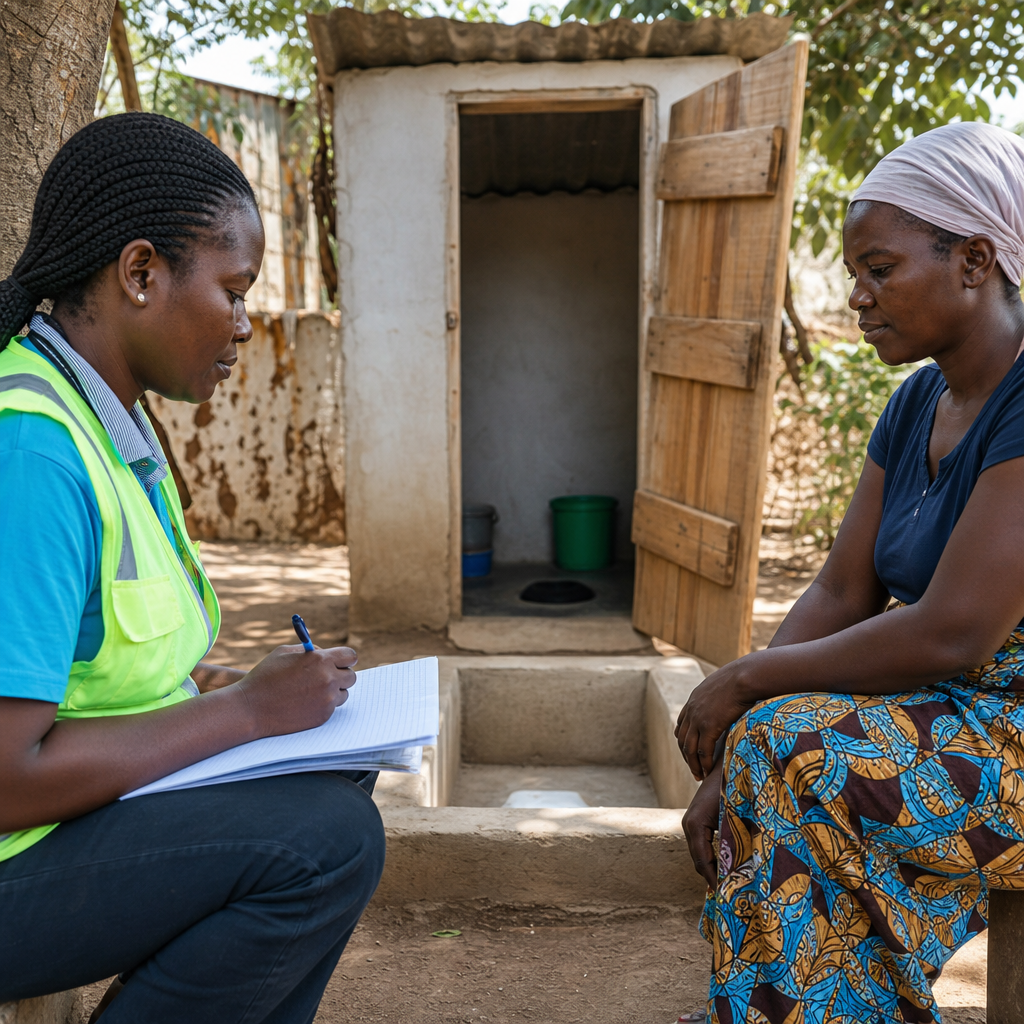
Sanitation knowledge only improves health when it becomes routine behavior. That requires more than posters and one-time talks. Healthcare professionals should use behavior change methods that combine demonstration, repetition, reminders, social reinforcement, and environmental design. In many outreach programs, the most effective step is a household walkthrough: identify where water is stored, where soap is kept, where diapers or child feces are discarded, and where food is prepared. This reveals the actual friction points that prevent safe habits.
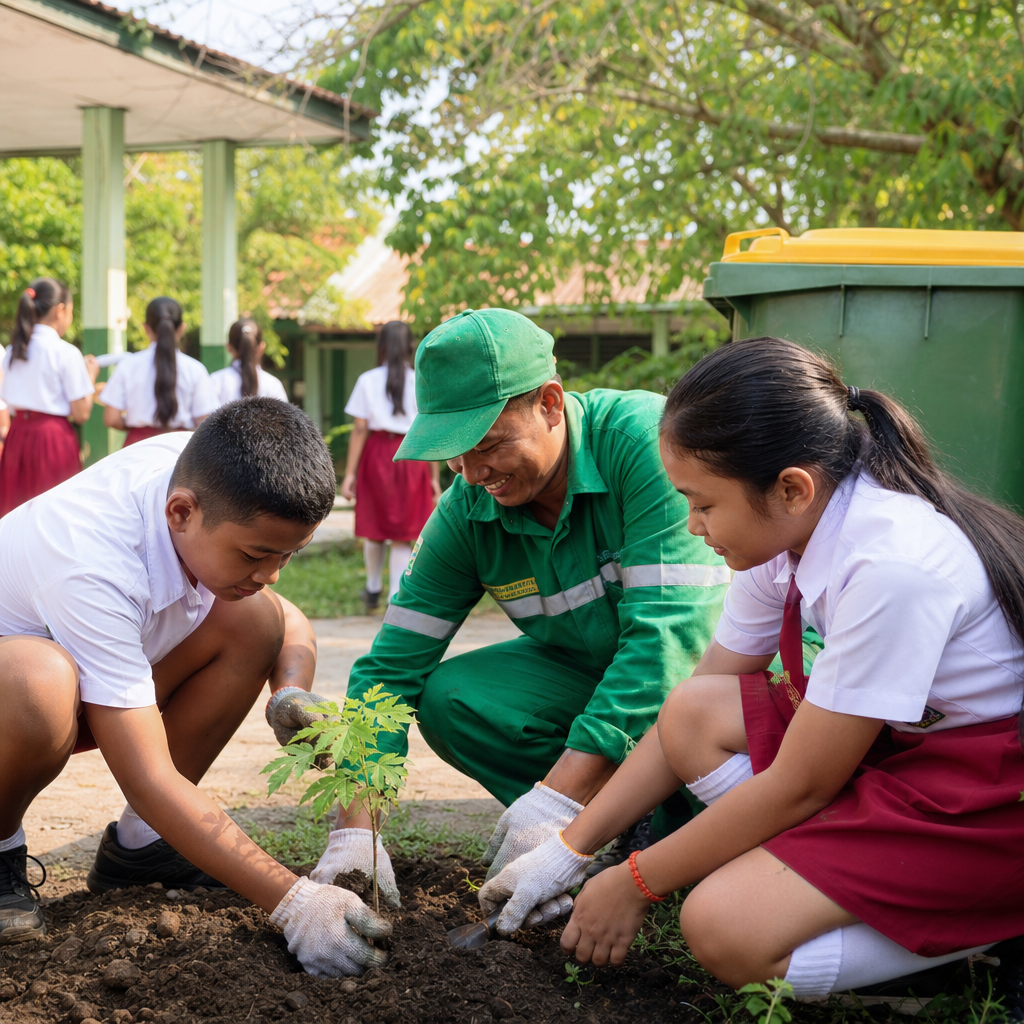
People are more likely to adopt behaviors when the recommendation is easy, visible, and socially supported. A handwashing station placed next to the toilet with water and soap available will outperform a generic instruction to wash hands. School sanitation clubs can normalize toilet cleanliness and menstrual hygiene support. Community leaders can publicly endorse proper waste disposal and safe water practices. In clinics, visual cues near sinks and patient toilets increase compliance when paired with direct instruction from staff. The principle is consistent: make the healthy action the easy action.
Measurement matters because communities and funders need proof that education is working. Healthcare teams can track attendance at teaching sessions, observed handwashing technique, availability of soap and water at key points, latrine usage, school absenteeism related to menstrual barriers, and rates of diarrhea or skin infection. A simple baseline-and-follow-up approach often reveals whether messages are being retained and practiced.
| Education focus | What professionals teach | Practical indicator |
|---|---|---|
| Hand hygiene | Key moments, soap use, complete technique | Soap and water present at household or facility stations |
| Safe water | Collection, treatment, covered storage, clean dispensing | No uncovered storage containers observed |
| Toilet sanitation | Use, cleaning schedule, child feces disposal | Clean latrine, visible cleaning supplies, consistent use |
| Menstrual hygiene | Safe products, privacy, disposal, stigma reduction | Girls report fewer missed school days |
| Waste management | Segregation, drainage, vector control, disposal routes | Reduced standing waste and fewer pest complaints |
Core program models that strengthen community engagement
The strongest sanitation education programs are built around trusted contact points. Primary care clinics can integrate short teaching modules into antenatal visits, vaccination sessions, chronic disease reviews, and discharge planning. Community health worker home visits are especially effective because they allow tailored coaching within the household environment. School-based health programs can teach children who then reinforce behaviors at home, particularly around handwashing, toilet respect, and drinking water safety. Mobile outreach teams can reach informal settlements, migrant populations, and remote villages where facility-based education alone misses high-risk groups.
Partnerships improve reach and credibility. Local governments may manage water and waste infrastructure, while healthcare workers provide the risk communication and household coaching that explain why and how to use those services. Faith leaders, teachers, women’s groups, youth groups, and market associations can amplify messages and reduce resistance. In one municipal program model, environmental health officers inspected shared sanitation blocks while nurses held on-site demonstrations for caregivers on hand hygiene and oral rehydration. That pairing worked because residents saw both system accountability and practical support.
Digital tools can extend education but should not replace human engagement. SMS reminders about handwashing, diarrhea prevention, and clinic sanitation days can reinforce learning. Messaging apps can circulate short videos on water storage or cleaning practices. However, digital strategies fail when literacy is low, internet access is inconsistent, or messages are not localized. Healthcare professionals should use digital channels to support, not substitute for, direct education, demonstration, and trust-building.
Challenges, equity issues, and what professionals must address
Sanitation education fails when it ignores the barriers people actually face. Telling families to wash hands frequently is ineffective if water is expensive, soap is unaffordable, or handwashing points are badly located. Advising girls to manage menstruation hygienically without privacy, disposal bins, or reliable supplies is not education; it is wishful thinking. Professionals must identify structural constraints and advocate for practical solutions, whether that means low-cost tippy taps, subsidized soap distribution, accessible toilets for people with disabilities, or safer lighting around communal latrines.
Cultural beliefs and stigma also shape uptake. In some communities, child feces are considered less harmful than adult feces, even though they can carry serious pathogens. Menstrual topics may be hidden, limiting school attendance and proper disposal. Shared toilets may be seen as unsafe or undignified, especially for women, older adults, and people with disabilities. Healthcare professionals need cultural competence, not cultural avoidance. That means asking respectful questions, using local language, involving trusted community figures, and correcting harmful misconceptions without humiliation.
Another challenge is fragmented messaging. If clinics, schools, and local authorities give inconsistent advice on water treatment, toilet cleaning products, or waste disposal methods, communities lose confidence. Standardized guidance based on recognized public health recommendations improves consistency. Training should reference established infection prevention principles, water safety concepts, and community health standards so frontline educators speak with one voice. Consistency builds trust, and trust determines whether education becomes lasting behavior.
Building a sustainable sanitation education hub
As a sub-pillar hub under community engagement and education, sanitation education should connect readers and practitioners to related topics rather than exist as a standalone message. A strong hub links sanitation with maternal health, child nutrition, school health, infection prevention, outbreak preparedness, environmental health, and health literacy. For organizations, this means creating a content and program architecture where each sanitation topic leads naturally to the next question a community member or practitioner will have. If someone learns about handwashing, they should also find guidance on safe water storage, diarrhea management, school sanitation, and household cleaning plans.
Sustainability depends on workforce preparation and institutional routine. Healthcare professionals need training in communication, adult learning, risk explanation, and behavior observation, not only clinical facts. Supervisors should audit whether sanitation counseling is happening during real encounters, not just listed in policy. Facilities should model the standards they promote by maintaining clean toilets, available soap, accessible handwashing points, and visible cleaning schedules. Communities notice hypocrisy quickly. A clinic that teaches sanitation while its own toilets are unusable undermines every message it gives.
The long-term benefit of empowering communities through knowledge is resilience. When people understand contamination pathways and prevention methods, they respond better during outbreaks, protect children more consistently, and demand safer services from institutions. Healthcare professionals are central to that shift because they combine credibility, access, and practical teaching opportunities across the lifespan. The next step is straightforward: build sanitation education into every community touchpoint, measure what changes, and keep improving the message until healthy behavior becomes the local norm.
Frequently Asked Questions
Why are healthcare professionals so important in sanitation education?
Healthcare professionals play a central role in sanitation education because they understand how poor hygiene, unsafe water, inadequate waste disposal, and unclean environments directly contribute to illness. Doctors, nurses, midwives, public health workers, community health officers, and environmental health specialists see the real-life consequences of sanitation failures every day, from diarrheal disease and parasitic infections to skin conditions, respiratory illness, maternal complications, and healthcare-associated infections. That practical experience gives them credibility when explaining why sanitation is not just a household issue, but a major health issue that affects families, schools, clinics, and entire communities.
They are also uniquely positioned to translate medical knowledge into practical habits people can use in daily life. Rather than speaking only in technical terms, healthcare professionals can teach families how handwashing at critical times reduces disease transmission, why safe toilet use protects children from exposure to pathogens, how storing water properly prevents contamination, and why regular cleaning routines matter in homes, schools, and care settings. Their guidance helps connect sanitation behaviors to outcomes people care about, such as fewer sick days, safer pregnancies, better child growth, improved school attendance, and lower medical costs.
Just as importantly, healthcare professionals often serve as trusted messengers in communities. When they provide sanitation education during clinic visits, prenatal care, vaccination campaigns, school outreach, or home visits, people are more likely to listen and adopt healthier practices. They can identify local barriers, whether those involve limited infrastructure, cultural beliefs, lack of privacy, misinformation, or financial constraints, and then tailor education accordingly. In that way, healthcare professionals do more than share information. They help communities build sustainable sanitation behaviors that protect dignity, safety, and long-term public health.
What topics are usually included in sanitation education?
Sanitation education usually covers a broad set of topics that explain how everyday hygiene and environmental practices influence health. A core area is hand hygiene, especially teaching when and how to wash hands effectively with soap and safe water. This includes critical moments such as after using the toilet, after cleaning a child, before preparing food, before eating, and before feeding infants. Education also addresses safe toilet use, including the importance of using improved sanitation facilities, keeping them clean, preventing open defecation, and making sure children learn safe toilet habits early.
Another major topic is safe water handling. Healthcare professionals often teach communities how water can become contaminated during collection, transport, storage, or use, even when the source itself appears safe. As a result, sanitation education includes methods for protecting water containers, covering stored water, using clean utensils for retrieval, and understanding household treatment methods where needed. Waste disposal is also central, covering the safe handling of household refuse, child feces, medical waste in care environments, and wastewater that can attract insects or spread contamination if not managed properly.
Sanitation education also addresses personal and household cleanliness in a wider sense. This may include menstrual hygiene management, infant hygiene, food hygiene, cleaning high-touch surfaces, laundering contaminated materials, and preventing infection in homes caring for sick family members. In schools and healthcare settings, the focus may expand to infection prevention and control, routine disinfection, availability of handwashing stations, and maintenance of safe, accessible sanitation facilities. Strong sanitation education does not treat these as isolated issues. It presents them as connected practices that reduce disease transmission, support dignity, protect vulnerable groups, and improve quality of life across the lifespan.
How does sanitation education improve community health and daily life?
Sanitation education improves community health by reducing exposure to the germs, parasites, and environmental hazards that cause preventable disease. When people understand the links between unsafe sanitation and illness, they are more likely to adopt behaviors that interrupt transmission, such as handwashing with soap, proper disposal of waste, safe use of toilets, and careful water storage. These changes can lower rates of diarrhea, intestinal worms, eye infections, skin disease, and other conditions that spread through contaminated hands, surfaces, water, and environments. For young children, the benefits are especially significant because repeated infections can interfere with nutrition, growth, and development.
Its impact reaches far beyond illness prevention. Better sanitation education supports school attendance by helping children stay healthier and by encouraging cleaner, safer school environments. It also strengthens maternal and newborn health by promoting hygienic care during pregnancy, childbirth, and the postnatal period. Menstrual hygiene education helps girls and women manage their health with greater comfort, privacy, and confidence, which can influence participation in school, work, and community life. For older adults and people with disabilities, sanitation education can promote safer caregiving practices and more accessible hygiene routines that preserve dignity and reduce risk.
There are economic and social benefits as well. Families that experience fewer sanitation-related illnesses often spend less on treatment, miss fewer workdays, and carry a lower burden of caregiving. Communities may also benefit from cleaner shared spaces, fewer odors, reduced pest problems, and stronger public awareness about environmental cleanliness. Over time, sanitation education helps build a culture of prevention, where health is protected not only through medical treatment but through everyday habits. That is why it is considered one of the most practical and cost-effective tools for improving both public health and daily life.
What challenges do healthcare professionals face when teaching sanitation practices?
Healthcare professionals often face the challenge of teaching sanitation practices in settings where knowledge alone is not enough to create change. Many communities understand the value of hygiene but lack the infrastructure or resources to act consistently on that knowledge. Limited access to clean water, inadequate toilets, overcrowded housing, poor drainage, and unreliable waste collection can make recommended practices difficult to maintain. In these situations, healthcare professionals must balance ideal health guidance with realistic, locally appropriate advice that people can actually follow.
Cultural norms, stigma, and misinformation can also create barriers. Topics such as toilet use, menstrual hygiene, child feces disposal, and household cleanliness may be shaped by long-standing beliefs or considered too sensitive to discuss openly. Healthcare professionals need strong communication skills to address these subjects respectfully without judgment. Trust is essential. If education feels disconnected from local realities or dismissive of community practices, people may resist the message. Effective sanitation education therefore depends on listening as much as teaching, identifying what people believe, and building from that starting point toward safer behaviors.
Another major challenge is sustaining behavior change over time. A single lesson or clinic conversation rarely produces lasting results on its own. People may forget instructions, return to old routines, or face interruptions caused by cost, time pressure, illness, or household instability. That is why healthcare professionals often need reinforcement strategies such as follow-up visits, visual reminders, school partnerships, mother-and-child programs, community demonstrations, and collaboration with local leaders. Their work becomes most effective when sanitation education is not treated as a one-time intervention, but as an ongoing part of community health promotion supported by systems, resources, and shared responsibility.
How can healthcare professionals make sanitation education more effective and sustainable?
Healthcare professionals can make sanitation education more effective by grounding it in clear, practical, behavior-focused guidance. People are more likely to act on advice that is specific and relevant to daily life, such as showing exactly how to wash hands correctly, where to place soap and water for convenience, how to keep a toilet clean, or how to store drinking water safely. Demonstrations, visual materials, local examples, and simple routines often work better than abstract warnings. Education should also explain the reason behind each practice so people understand not just what to do, but why it matters for disease prevention, family wellbeing, and dignity.
Sustainability improves when healthcare professionals adapt their teaching to the realities of the communities they serve. That means considering language, literacy, income, household structure, available facilities, and cultural expectations. It also means identifying who influences sanitation behaviors at home, whether parents, grandparents, teachers, religious leaders, or youth. Involving these trusted figures can strengthen acceptance and help healthy practices spread beyond individual clinic visits. Education is especially powerful when it reaches people across multiple settings, including homes, schools, healthcare facilities, community meetings, and maternal and child health programs.
Long-term success also depends on linking education with broader support. Healthcare professionals can advocate for handwashing stations, cleaner public toilets, menstrual hygiene resources, safer waste systems, and stronger infection prevention policies in clinics and schools. They can monitor outcomes, gather feedback, and adjust messaging when certain practices are not being adopted. Most importantly, they can frame sanitation as a shared, continuing public health responsibility rather than a personal failure or a one-time campaign. When communities receive consistent education, practical tools, and supportive environments, sanitation habits are far more likely to become routine, lasting, and life-improving.