Sanitation as part of environmental conservation education is not a side topic; it is one of the most practical ways communities learn how daily habits shape water quality, soil health, biodiversity, and public health. In community programs I have helped design, sanitation education works best when people see the whole system: where drinking water comes from, where wastewater goes, how solid waste moves through neighborhoods, and why unsafe disposal damages ecosystems long before the harm becomes visible. Sanitation includes the safe management of human waste, household wastewater, stormwater, solid waste, and hygiene practices that prevent contamination. Environmental conservation education teaches people how natural systems function and how human actions can protect or degrade them. Bringing these together matters because communities do not conserve forests, rivers, wetlands, and coastlines through abstract lessons alone; they do it by learning concrete behaviors, building local infrastructure, and organizing around shared standards.
This hub article explains how sanitation education empowers communities through knowledge, why it belongs at the center of community engagement and education, and how local leaders can turn information into measurable environmental improvements. It also serves as a foundation for related articles on water stewardship, waste segregation, school-based environmental learning, behavior change communication, and community-led monitoring. The core principle is simple: when people understand contamination pathways and have the skills to prevent them, they reduce disease risk and strengthen conservation outcomes at the same time. That dual benefit is why sanitation is central to resilient, informed communities.
Why sanitation education is a conservation strategy
Sanitation is often discussed as a health service, but it is also a conservation strategy because pollution travels. A poorly maintained pit latrine can leach into shallow groundwater. Untreated graywater from kitchens and laundry can carry detergents, oils, nutrients, and pathogens into drainage channels. Open dumping blocks storm drains, increases flooding, and sends plastics into rivers and coastal habitats. When these pathways are explained clearly, communities understand that environmental degradation is not only caused by distant industries or large-scale land clearing. It is also shaped by unmanaged waste at household and neighborhood level.
Organizations such as the World Health Organization and UNICEF have long linked safe sanitation with disease prevention, while the United Nations Sustainable Development Goals connect sanitation, clean water, sustainable cities, climate resilience, and ecosystem protection. In practice, this means a community workshop on toilet maintenance, handwashing stations, septic management, and waste segregation can directly support river conservation, fisheries protection, and cleaner public spaces. I have seen participation rise when facilitators frame sanitation not as a lecture about rules, but as a community defense system for local resources people already value, such as wells, streams, mangroves, irrigation canals, and farmland.
Conservation education becomes stronger when it answers everyday questions directly. Why does a river smell worse after rain? Because runoff carries fecal matter, organic waste, and chemicals from exposed surfaces into the water. Why do fish disappear near informal dump sites? Because low dissolved oxygen, eutrophication, and plastics degrade aquatic habitat. Why do children miss school during outbreaks? Because inadequate sanitation spreads diarrheal disease, which reduces attendance and weakens household income. These are tangible links that turn environmental concepts into community priorities.
How knowledge changes community behavior
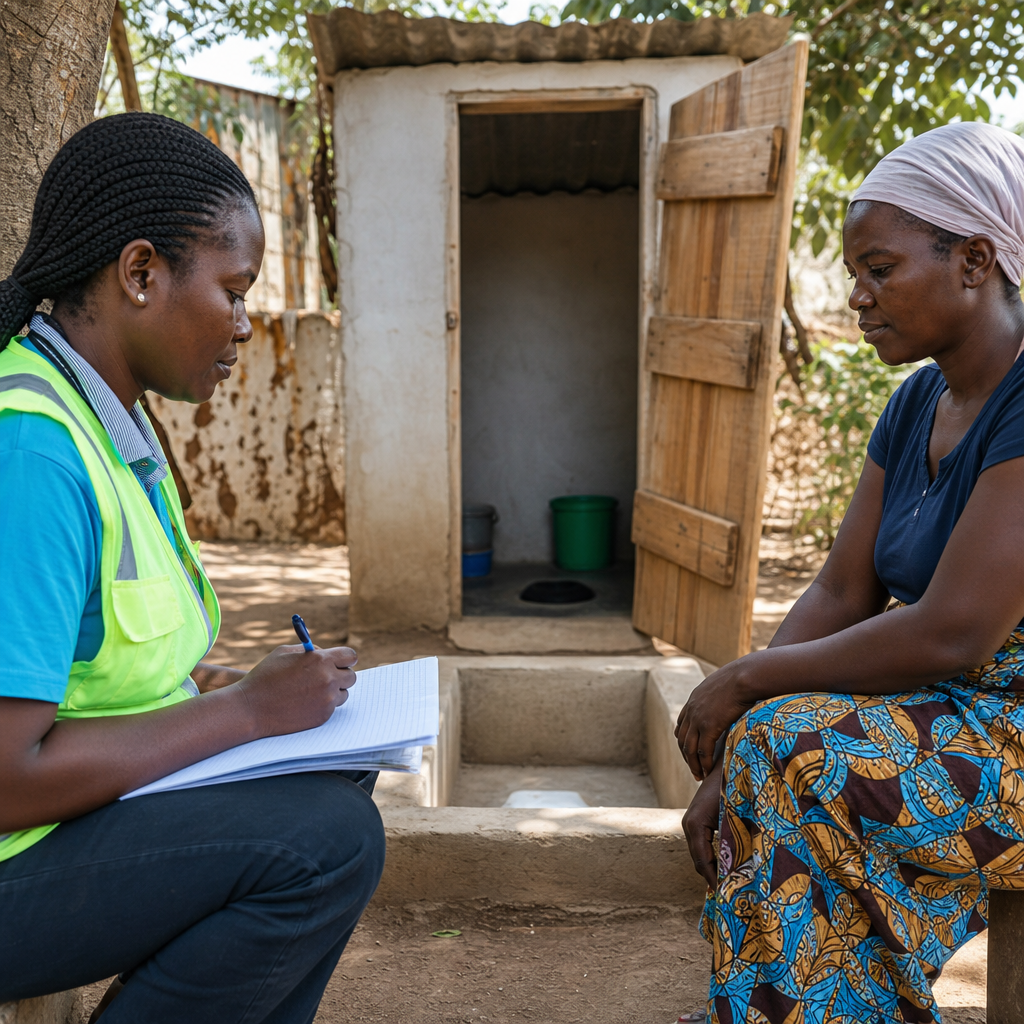
Empowering communities through knowledge means going beyond awareness slogans. People need practical understanding, local evidence, and options they can actually use. The most effective sanitation education starts with a baseline: what people currently believe, what infrastructure exists, what barriers they face, and which messengers they trust. In one coastal settlement, residents knew dumping waste into canals was harmful, but they lacked regular collection and assumed tides would carry waste away. Once training sessions mapped the canal-to-sea pathway and showed impacts on fisheries and flood risk, households became more willing to organize collection points and advocate for municipal service.
Behavior change is more durable when communities connect new practices to visible benefits. Handwashing campaigns succeed better when paired with demonstrations on contamination transfer. Toilet adoption increases when households understand groundwater protection and privacy benefits, not only compliance requirements. Waste segregation improves when residents see how separated organics can become compost for community gardens while recyclables generate income through local aggregators. Knowledge works when it reduces uncertainty and shows a realistic path from action to outcome.
Trusted local intermediaries matter. Teachers, health workers, women’s groups, youth leaders, faith leaders, and neighborhood committees often communicate more effectively than external experts. Their role is not only to repeat messages but to translate technical concepts into local language and context. For example, explaining pathogen transmission through the fecal-oral route may be necessary for program design, but in community sessions it is often more effective to show how dirty hands, uncovered water containers, and flies move contamination from waste to food. That translation is what makes education usable.
Core topics every community sanitation hub should cover
A strong hub under community engagement and education should organize sanitation learning around the decisions households and local institutions make every day. The first topic is safe containment and disposal of human waste, including toilet options, septic system care, pit latrine siting, desludging schedules, and the risks of open defecation. The second is water safety: protecting wells, storing drinking water properly, maintaining drainage, and preventing wastewater from entering water sources. The third is solid waste management, especially segregation at source, composting, collection systems, and the environmental effects of burning or dumping waste.
A fourth topic is hygiene behavior, including handwashing with soap at critical times, menstrual hygiene management, safe cleaning routines, and food hygiene. A fifth is stormwater and flooding, because blocked drains, eroded channels, and informal dumping can rapidly turn sanitation failures into environmental emergencies. A sixth is community governance: reporting systems, local bylaws, maintenance funds, school participation, and shared responsibilities between households and local authorities. These topics make the hub useful because they connect technical sanitation knowledge to environmental stewardship and civic action.
| Education topic | Key community question | Environmental benefit | Practical example |
|---|---|---|---|
| Toilet and septic management | How do we prevent waste from contaminating water? | Protects groundwater and surface water | Scheduling septic inspection and safe desludging |
| Waste segregation | What should be separated at home? | Reduces dumping, burning, and plastic leakage | Sorting organics, recyclables, and residual waste |
| Drainage and stormwater | Why do floods worsen after waste accumulates? | Prevents polluted runoff and habitat damage | Monthly drain clearing led by community teams |
| Handwashing and hygiene | How does hygiene affect the environment? | Reduces pathogen spread into shared spaces | Handwashing stations in schools and markets |
| Community monitoring | How do we know practices are improving? | Supports accountability and early problem detection | Tracking illegal dumping and water point cleanliness |
These categories also support internal navigation across related learning materials. A reader interested in sanitation infrastructure may continue to articles on fecal sludge management or decentralized wastewater treatment. Someone focused on youth participation may move into school eco-clubs, peer education, or citizen science. The hub functions best when each topic answers immediate questions while pointing to deeper subtopics.
Methods that make sanitation education effective
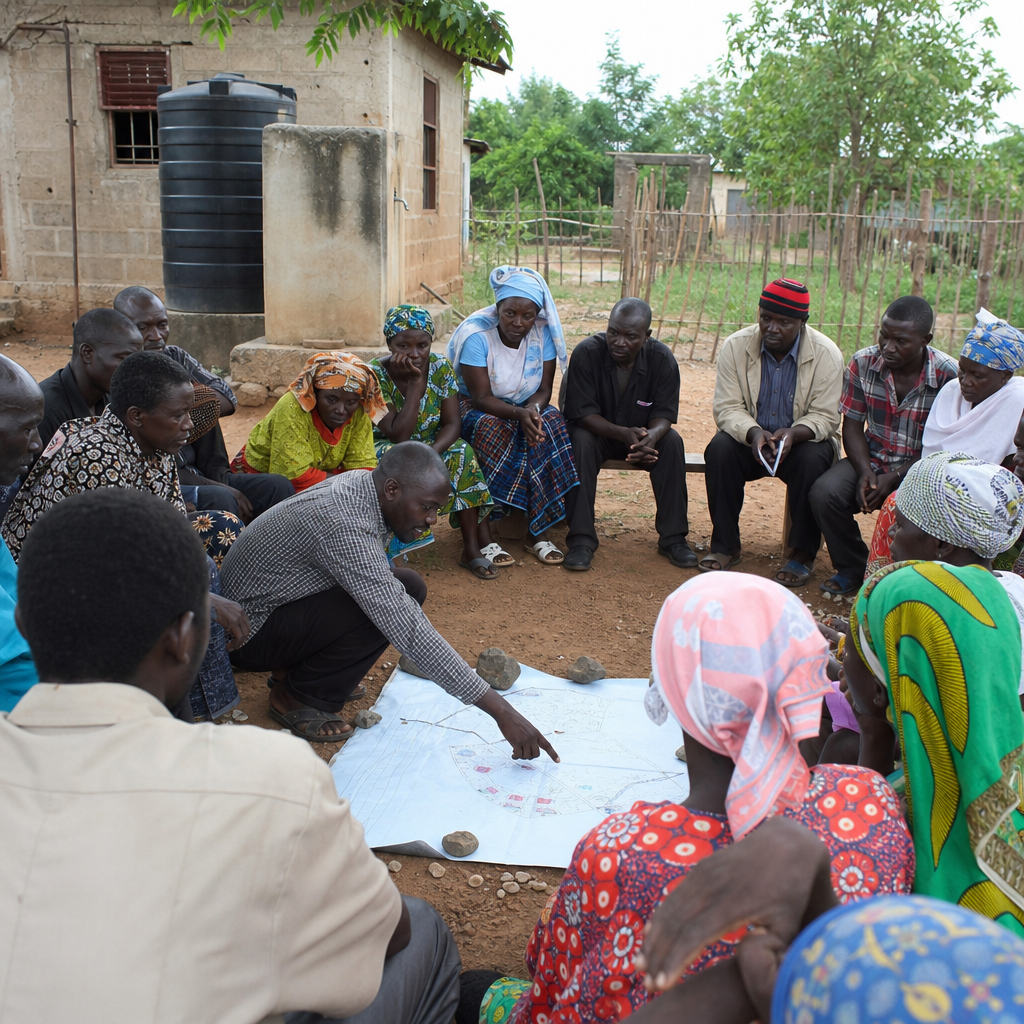
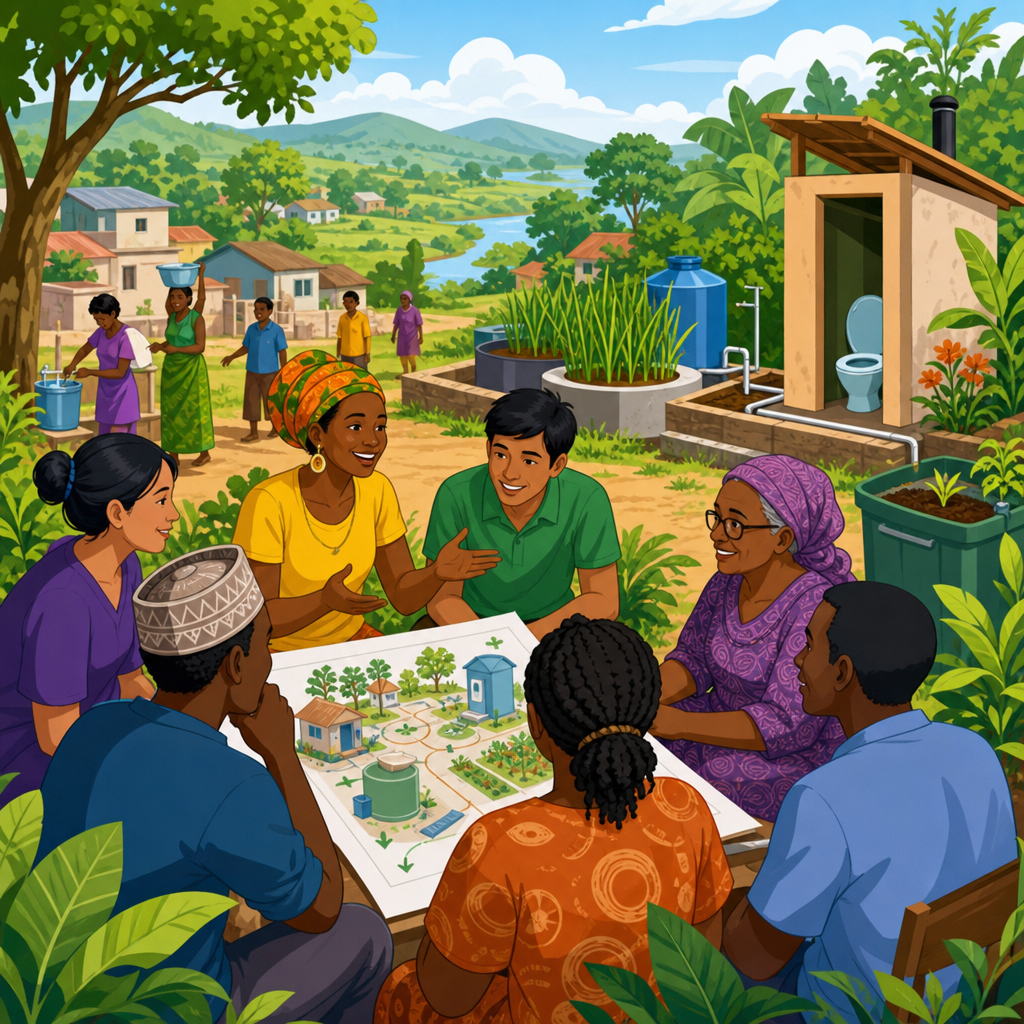
Community sanitation education is most effective when it is participatory, visual, and tied to action. Classroom-style lectures alone rarely change entrenched routines. Methods I have found reliable include community mapping, transect walks, household demonstrations, school projects, waste audits, role-play, and simple water testing. A community map showing wells, toilets, drains, dump sites, and flood-prone areas often changes the discussion immediately because residents can see contamination risks in relation to their own homes. Transect walks reveal what formal reports miss: leaking pipes, clogged drainage, stagnant water, illegal discharge points, and public areas where waste accumulates.
Schools are especially important. Children often carry sanitation messages home, but the school itself must model good practice through clean toilets, handwashing facilities, menstrual hygiene support, and waste sorting. When schools teach environmental conservation without functioning sanitation facilities, the message loses credibility. The same applies to markets, health posts, transport terminals, and places of worship. Public learning is strongest when institutions demonstrate the standards they promote.
Digital tools can extend community education, but they do not replace face-to-face trust building. Messaging apps help volunteers share collection schedules, flood alerts, and maintenance reminders. Low-cost sensors and mobile data collection can support reporting on water point conditions or illegal dumping. Yet technology only works when there is local ownership, data literacy, and a clear response pathway. Communities disengage quickly if they report sanitation problems and nothing happens.
Barriers communities face and how to address them
Knowledge alone does not solve sanitation problems. Communities often face structural barriers including poverty, insecure land tenure, weak municipal services, high desludging costs, limited water access, disability exclusion, and settlement patterns unsuited to conventional sewer systems. Education must acknowledge these realities. Telling households to install improved toilets without discussing financing, space constraints, or tenancy rules is ineffective and undermines trust.
The practical response is to pair education with problem solving. In dense informal settlements, shared sanitation may be necessary, but it must be designed for accessibility, cleaning responsibility, lighting, and safe waste removal. In flood-prone zones, raised latrine designs and protected drainage matter more than standard templates. In water-scarce communities, hygiene education should include water-efficient handwashing devices and safe graywater handling. For low-income households, microfinance, rotating savings groups, targeted subsidies, or staged upgrades can make sanitation improvements feasible.
Social barriers matter as much as technical ones. Shame, stigma, and gender norms can prevent open discussion of toilets, menstruation, or household hygiene. Youth may be excluded from decisions even though they manage many daily tasks related to waste and water. Persons with disabilities are frequently overlooked in facility design. Effective environmental conservation education makes inclusion nonnegotiable. It asks who is not in the room, who uses facilities differently, and whose knowledge is being ignored.
Measuring impact and building long-term community leadership
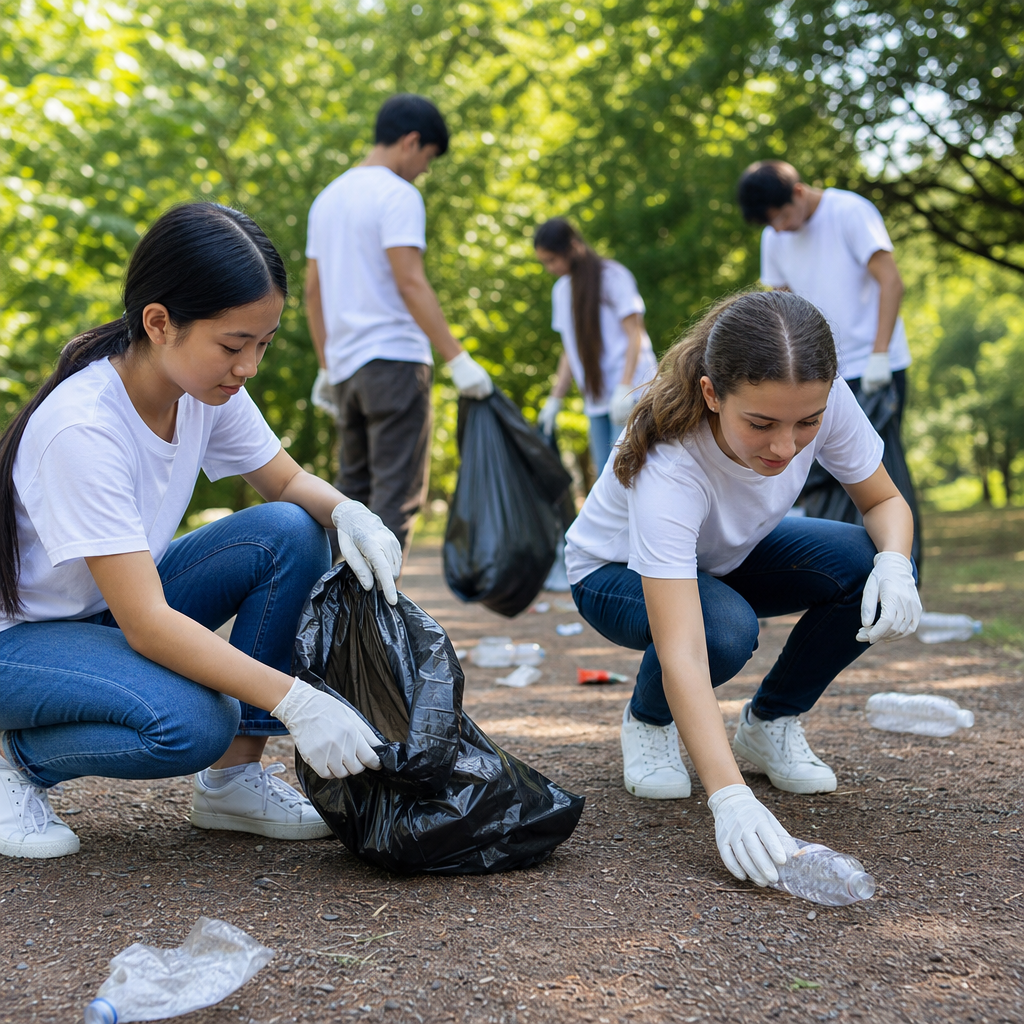
Sanitation education should be evaluated by what changes in the environment and in community practice, not by attendance alone. Useful indicators include toilet functionality, handwashing station availability, waste segregation rates, drain blockage frequency, illegal dumping reports, water quality trends, school absenteeism linked to sanitation-related illness, and participation in cleanup or maintenance activities. Where possible, combine community observation with municipal or clinic data. Even simple before-and-after photo records can document change if they are collected consistently.
Long-term success depends on leadership structures that outlast a campaign. Community sanitation committees, school environment clubs, women-led savings groups, and youth monitoring teams can maintain momentum if they have clear roles and links to local government. The most resilient programs I have seen do three things well: they train local facilitators instead of relying entirely on outsiders, they create feedback loops so reported problems lead to visible action, and they celebrate practical progress rather than perfect outcomes. A neighborhood that reduces drain blockages by half and establishes regular waste sorting is building real conservation capacity.
As the hub for Empowering Communities through Knowledge, this article points to a clear conclusion: sanitation education is one of the most direct ways to connect environmental conservation to everyday life. It protects water, land, habitat, and health through informed local action. Communities need accurate information, trusted messengers, workable infrastructure options, and systems for accountability. When those pieces come together, education stops being a one-time event and becomes a community skill.
If you are developing a community engagement strategy, start by treating sanitation as foundational environmental learning rather than a separate service topic. Build your next program, lesson, or neighborhood initiative around the sanitation decisions people make daily, then connect those decisions to conservation outcomes they can see and measure. That is how knowledge becomes power, and how communities protect the environments they depend on.
Frequently Asked Questions
Why is sanitation an important part of environmental conservation education?
Sanitation is essential to environmental conservation education because it turns big ecological ideas into everyday actions people can understand and apply. When learners see how human waste, household wastewater, and solid waste are managed, they begin to recognize the direct connection between daily habits and the health of rivers, groundwater, soils, wetlands, and local wildlife. Poor sanitation does not only create unpleasant surroundings; it introduces pathogens, nutrients, chemicals, and plastics into the environment, often long before the damage becomes obvious. That pollution can contaminate drinking water sources, degrade agricultural land, reduce biodiversity, and increase disease risk in both people and animals.
Teaching sanitation within conservation education also helps communities think in systems rather than isolated problems. A leaking pit latrine near a water source, open dumping in a drainage channel, or untreated wastewater entering a stream are not separate sanitation issues alone; they are environmental issues that affect entire ecosystems. This broader perspective helps learners understand that conservation is not limited to forests, wildlife, or climate discussions. It also includes how communities manage toilets, drainage, sewage, greywater, waste collection, and hygiene practices. In practical terms, sanitation education gives people some of the most immediate and measurable ways to protect the environment while improving public health at the same time.
How does poor sanitation affect water quality, soil health, and biodiversity?
Poor sanitation affects the environment through several connected pathways. When wastewater is untreated or human waste is poorly contained, harmful bacteria, viruses, parasites, and excess nutrients can enter streams, lakes, and groundwater. This reduces water quality and can make water unsafe for drinking, washing, irrigation, and fishing. Nutrient pollution, especially from nitrogen and phosphorus, can also trigger algal blooms that deplete oxygen in the water. Once oxygen levels fall, fish and aquatic organisms struggle to survive, and the whole aquatic ecosystem becomes less balanced and less resilient.
Soil health is also damaged when waste is dumped or discharged without proper treatment. Contaminants can alter soil chemistry, reduce beneficial microbial activity, and make land less productive over time. In densely populated areas, repeated dumping of sewage or mixed solid waste can lead to long-term soil degradation, foul odors, insect breeding, and runoff that spreads contamination even further. Biodiversity suffers because many species depend on clean water, stable habitats, and uncontaminated food chains. Polluted wetlands, clogged drainage systems, and littered landscapes reduce habitat quality for birds, amphibians, insects, and aquatic life. In short, poor sanitation weakens the environmental foundations that support both human communities and natural ecosystems.
What should sanitation education include to help people understand the full environmental system?
Effective sanitation education should go beyond messages such as “use a toilet” or “do not litter.” It should help people understand the full cycle of water, waste, and environmental impact. That means teaching where drinking water comes from, how it can be contaminated, what happens after water is used in homes and schools, where wastewater flows, and how stormwater and drainage systems interact with waste disposal. It should also explain the movement of solid waste through a neighborhood, including collection, separation, recycling, dumping, and final disposal. When people understand this full pathway, they are more likely to see why one unsafe practice in one location can affect many others downstream or nearby.
Strong sanitation education also includes practical topics such as handwashing, toilet maintenance, safe fecal sludge management, proper greywater disposal, source separation of waste, composting where appropriate, and the environmental risks of open defecation and open dumping. Community mapping exercises, water testing demonstrations, school-based cleanup audits, and local case studies are especially useful because they make invisible systems visible. The most effective programs connect sanitation to real local concerns: contaminated wells, flooding caused by blocked drains, declining fish populations, disease outbreaks, or reduced crop productivity. This approach helps learners understand sanitation not as a narrow technical subject, but as a core part of environmental stewardship and community resilience.
How can schools and community programs teach sanitation in a way that leads to real behavior change?
Real behavior change happens when sanitation education is practical, locally relevant, and reinforced by visible results. In schools and community programs, this means moving beyond one-time awareness talks and creating opportunities for people to observe, discuss, and practice better habits. Learners are much more likely to change behavior when they can connect sanitation problems to familiar places such as a neighborhood stream, a community well, a school toilet block, or a market drainage system. Demonstrations, facility tours, student-led waste audits, water source mapping, and problem-solving sessions are far more effective than abstract lectures because they show how environmental damage begins and how it can be prevented.
Programs also work better when they combine knowledge with infrastructure and social support. It is difficult to sustain good sanitation habits if toilets are broken, water is unavailable for handwashing, waste bins are missing, or collection services are inconsistent. That is why successful education efforts often involve teachers, local leaders, health workers, sanitation staff, and families together. Clear routines, peer monitoring, visible community standards, and regular follow-up make a major difference. People are also motivated when they can see benefits quickly, such as cleaner surroundings, fewer bad odors, less standing wastewater, reduced flooding, and improved school attendance or health. The strongest programs treat sanitation education as an ongoing community practice tied to environmental improvement, not just a classroom topic.
What are the long-term benefits of integrating sanitation into environmental conservation education?
Integrating sanitation into environmental conservation education produces long-term benefits that extend well beyond cleaner facilities. At the environmental level, it helps protect freshwater sources, reduce pollution loads, improve soil conditions, and support healthier ecosystems. Communities that understand the environmental side of sanitation are often better equipped to prevent contamination before it occurs, rather than responding only after waterborne disease, flooding, or ecosystem decline becomes severe. This preventive mindset is especially important in areas facing rapid urban growth, climate pressure, or limited waste and wastewater infrastructure.
There are also major social and economic benefits. Better sanitation knowledge supports healthier households, lower medical costs, improved school participation, safer public spaces, and stronger community responsibility for shared resources. Over time, children and adults who learn the environmental consequences of waste disposal, wastewater management, and hygiene practices are more likely to make decisions that protect both public health and natural systems. That creates a foundation for more sustainable local development. In the long run, sanitation education helps build communities that understand conservation not as an abstract goal, but as something practiced through responsible daily management of water, waste, land, and shared environmental resources.