Community-led approaches to sanitation challenges work because lasting public health gains depend on local ownership, practical knowledge, and trust built inside neighborhoods rather than imposed from outside. In sanitation, the term covers the safe management of human waste, household wastewater, solid waste linked to hygiene conditions, and the behaviors that prevent contamination from spreading. Community engagement and education turn sanitation from a one-time infrastructure project into a shared system of responsibilities, incentives, and daily habits. I have seen well-built toilets fail because no one agreed on maintenance, desludging, user rules, or handwashing promotion, while modest facilities succeeded when residents understood risks and organized around solutions. This matters because poor sanitation drives diarrheal disease, parasitic infection, child stunting, unsafe water contamination, school absence, and lost income. It also affects dignity, gender safety, disability access, and climate resilience in dense settlements and rural villages alike. As a hub article under Community Engagement and Education, this guide explains how empowering communities through knowledge improves sanitation planning, behavior change, service management, accountability, and long-term results. It also maps the core ideas that connect related topics such as hygiene education, participatory planning, school outreach, fecal sludge management awareness, and local leadership development. When communities understand both the health science and the practical service chain, they make better choices, demand better systems, and protect gains over time.
Why community leadership changes sanitation outcomes
Community leadership improves sanitation outcomes because sanitation is not only about assets; it is about coordinated behavior across many households. One family can install a toilet, but disease risk remains high if neighboring households still practice open defecation, dump greywater near wells, or leave child feces unmanaged. The public health effect is collective. That is why programs centered on community engagement and education often outperform hardware-only interventions. Residents know seasonal flooding patterns, land disputes, informal settlement layouts, cultural taboos, and the social influence networks that determine whether a message is accepted or ignored. In my work reviewing local sanitation plans, the strongest projects started with community mapping and problem definition before discussing construction targets.
Knowledge is the mechanism that turns participation into action. When residents understand fecal-oral transmission, they can connect seemingly separate issues such as drain blockage, flies on food, unsafe pit emptying, and contaminated handpumps. When they learn the sanitation service chain, they ask sharper questions: Who empties pits safely? Where is sludge treated? What happens when containment fails during heavy rain? This shift matters because communities often receive fragmented information. They may hear messages about toilet use without guidance on operation and maintenance, or they may receive infrastructure without financial planning. Empowering communities through knowledge means providing clear, usable information that supports decisions at household, block, and municipal levels.
Strong community-led sanitation also creates accountability. User committees can monitor cleanliness, verify subsidies, report broken communal facilities, and negotiate with utilities or municipalities. Women’s groups often identify safety and privacy issues that engineers miss, such as inadequate lighting, door locks, menstrual hygiene space, or access routes at night. Youth groups can support data collection, social media reporting, and peer education. Local leadership does not replace government responsibility; it makes service delivery more responsive and durable. The most effective model is shared responsibility: authorities finance, regulate, and support systems, while communities inform priorities, monitor quality, and sustain behavior change.
Core principles of empowering communities through knowledge
Empowering communities through knowledge begins with treating residents as decision-makers, not passive beneficiaries. The first principle is participation with influence. Community meetings should shape actual plans, budgets, siting decisions, and maintenance arrangements, not simply validate choices already made. The second principle is inclusion. Sanitation burdens fall unevenly, so education efforts must include women, tenants, people with disabilities, older adults, sanitation workers, and households in the poorest areas. If meetings happen only during work hours or in technical language, the people most affected are excluded from the conversation.
The third principle is practical learning. Information must connect to action. Instead of generic hygiene messaging, effective programs explain what to do, who does it, what it costs, and how success is checked. For example, a settlement using shared toilets needs posted cleaning rosters, fee collection rules, a contact for repairs, and safe child-use guidance. A rural village considering pit latrines needs instruction on siting distances from groundwater sources, flood risks, ventilation, and plans for emptying when pits fill. The fourth principle is transparency. Communities should know how funds are allocated, what standards apply, and what level of service to expect.
The fifth principle is continuous learning. Sanitation conditions change with migration, climate shocks, school enrollment, and urban growth. Communities need recurring forums, refresher education, and data feedback, not one campaign followed by silence. Public boards showing toilet functionality, desludging schedules, or complaint resolution rates can keep knowledge visible. Finally, empowering communities through knowledge requires respect for local realities. Technical correctness matters, but solutions fail when they ignore tenure insecurity, informal housing density, or affordability. The best facilitators translate standards into workable options while protecting health outcomes.
How communities identify sanitation problems and set priorities
Participatory diagnosis is the foundation of community-led approaches to sanitation challenges. Before choosing interventions, communities need a shared picture of current conditions. This usually starts with mapping households, defecation areas, drainage paths, water points, schools, markets, and health risks. In dense urban settlements, residents often identify micro-hotspots invisible on municipal maps: alleys where wastewater stagnates, plots where pits collapse in the rainy season, or corners used for open defecation at night. In rural areas, seasonal calendars help explain why toilet use drops during harvest periods or floods.
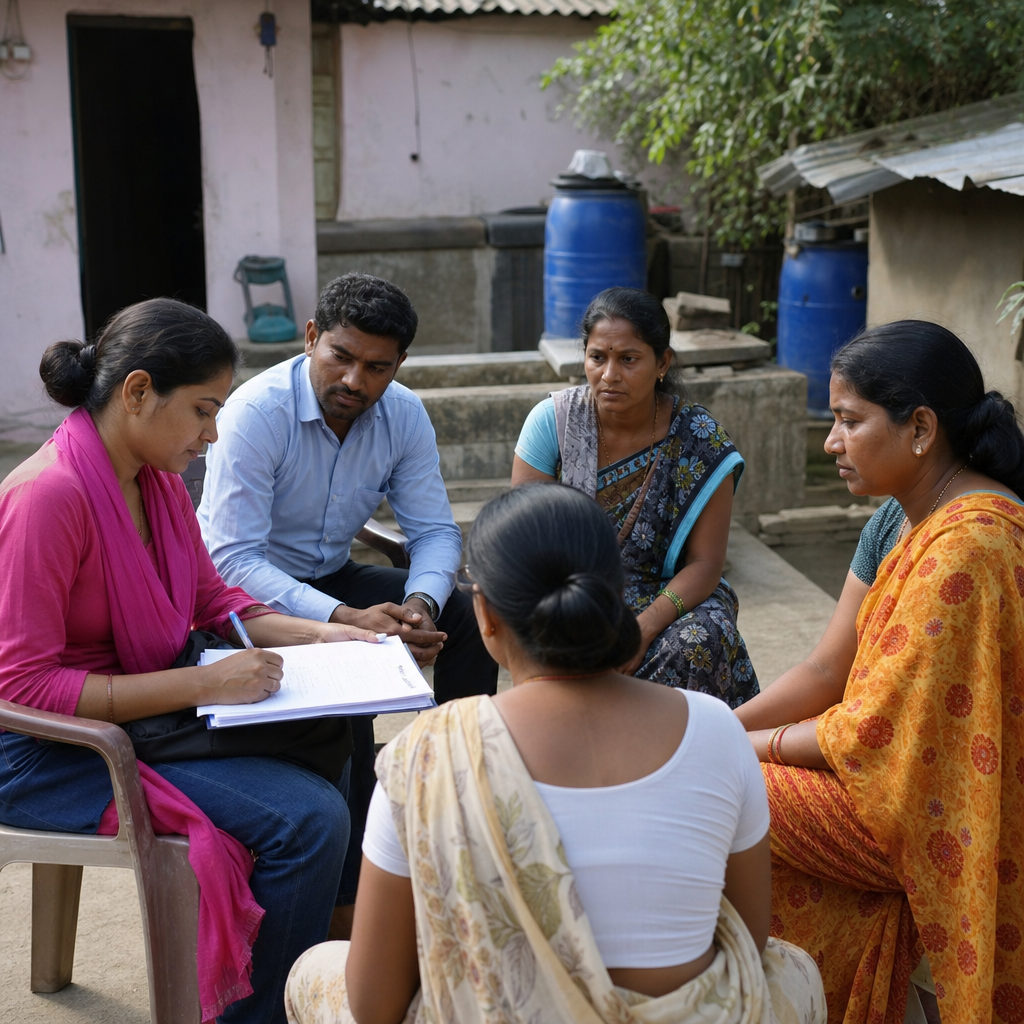
Household surveys add depth by documenting facility type, sharing arrangements, handwashing access, cost barriers, and repair needs. Focus groups reveal social factors, such as stigma around pit emptying or landlord reluctance to invest in rental sanitation. Transect walks are especially effective because they turn sanitation from an abstract topic into visible evidence. When residents, health workers, and local officials walk together and observe overflowing pits, drain connections, or exposed sludge, discussions become more concrete and less political. I have found that disagreement often declines once the community can point to shared facts on the ground.
Prioritization should then balance health risk, feasibility, equity, and cost. A community may want household toilets for everyone, but if the immediate crisis is blocked drainage causing repeated fecal flooding near a school, that issue may deserve first action. Transparent criteria help avoid elite capture. Useful questions include: Which areas have the highest exposure risk? Which groups lack safe access? Which improvements can the community manage directly, and which require municipal support? Which actions produce quick wins that build confidence? This process creates a practical roadmap rather than a wish list.
Education strategies that change sanitation behavior
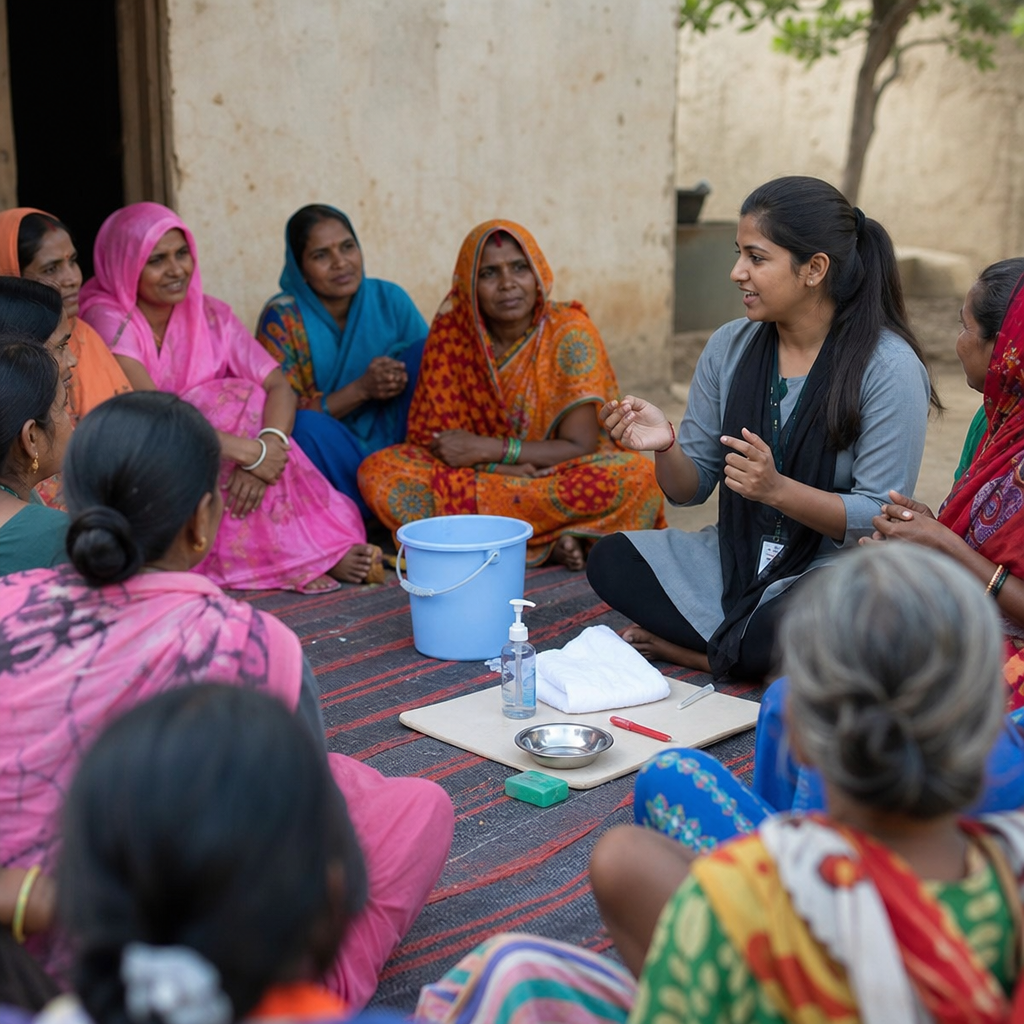
Education works when it is specific, repeated, socially reinforced, and linked to convenient options. People rarely change sanitation behavior because of information alone; they change when they understand risk, believe change is normal, and have a feasible path to act. Community-led sanitation programs therefore mix household counseling, public demonstrations, school activities, peer champions, and visible commitments. Messages should focus on critical practices: consistent toilet use, safe disposal of child feces, handwashing with soap after contact with feces and before eating, regular cleaning, and safe management when pits or tanks fill.
Language and framing matter. Technical terms like pathogen transmission are useful for training facilitators, but households often respond better to plain explanations about how feces travel from the environment to hands, water, food, and then into the body. Demonstrations can be powerful. Handwashing stations built from local materials, toilet cleaning sessions, and safe emptying briefings show that sanitation is manageable, not mysterious. Schools are high-value platforms because children carry messages home, but school campaigns must match household realities. Telling students to wash with soap is ineffective if no soap is available near school toilets or at home.
Behavior change also depends on social norms. Public pledges, lane-by-lane progress boards, and recognition for well-maintained shared facilities can create positive pressure. At the same time, programs should avoid shaming that isolates the poorest households or people unable to build quickly. Supportive approaches work better, especially where affordability is the main barrier. Linking education to finance options, mason training, or municipal service contacts closes the gap between awareness and action. The practical question is always the same: after people learn, what exactly can they do next?
Models, tools, and roles that make participation effective
Community-led sanitation becomes operational when roles are defined and simple tools are used consistently. The table below summarizes common participation tools and what they are best used for.
| Tool or structure | Primary purpose | Practical example |
|---|---|---|
| Community mapping | Identify hotspots, service gaps, and vulnerable groups | Residents mark flooded latrines and unsafe paths to communal toilets |
| Sanitation committee | Coordinate decisions, maintenance, and reporting | Committee tracks repair requests and manages user fees for shared blocks |
| Household visits | Deliver tailored education and verify adoption barriers | Volunteers help families plan child feces disposal and handwashing setup |
| Public scoreboards | Keep progress visible and strengthen accountability | Village board displays toilet functionality and desludging dates |
| School hygiene clubs | Build habits early and spread messages to homes | Students monitor soap availability and lead handwashing demonstrations |
| Feedback channels | Report faults, inclusion gaps, and service failures | Residents send complaints about broken locks or missed sludge collection |
These tools work best when responsibilities are explicit. Community health workers may lead household education. Tenant leaders may organize shared facility rules. Local government engineers should verify technical safety and support upgrades beyond community capacity. Nonprofits can train facilitators, but they should avoid becoming permanent substitutes for local management. The handoff plan matters from the start.
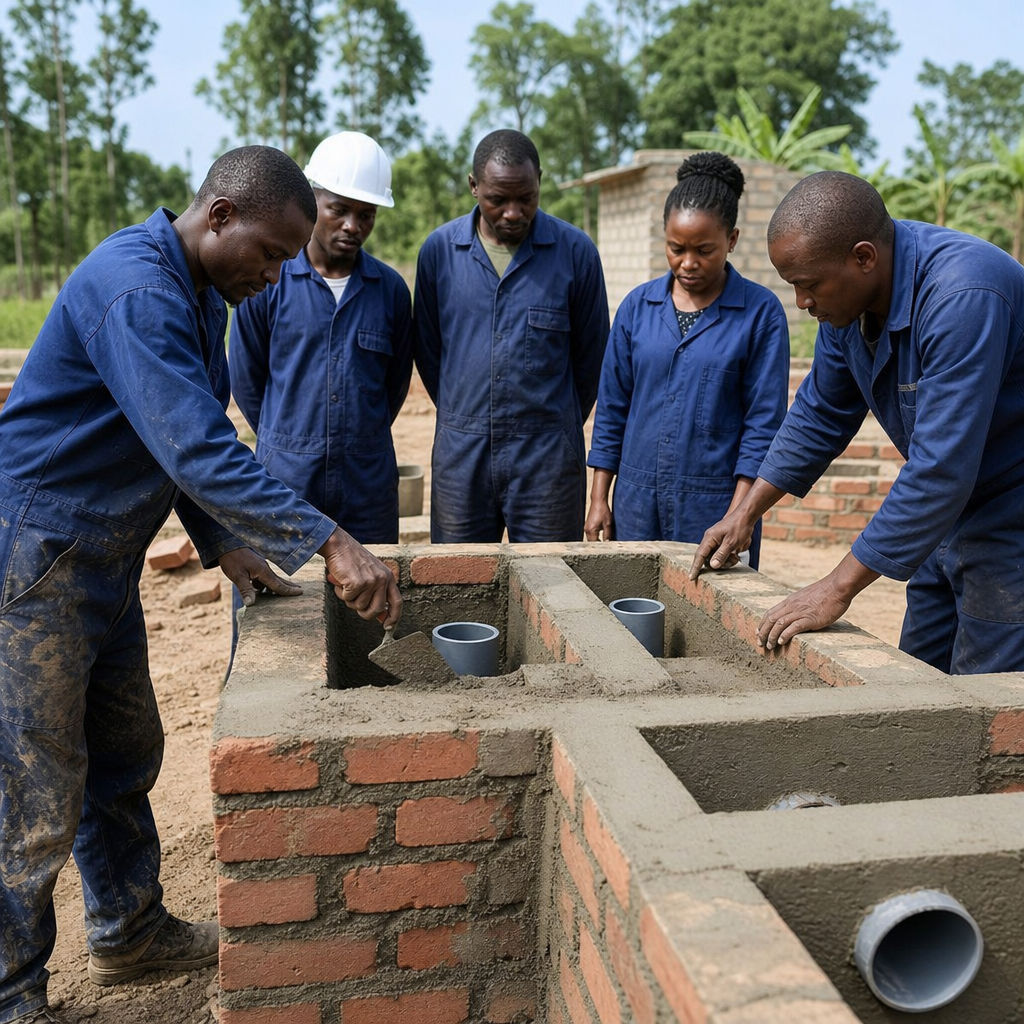
Capacity building is often overlooked. Sanitation committees need training in record keeping, conflict resolution, inclusive outreach, and basic financial management. Masons need instruction on safe designs suited to local soil and flood conditions. Emptying workers need protective equipment, training, and legal recognition. Without these practical competencies, participation remains symbolic. Effective community engagement and education build both understanding and implementation skills.
Linking local action to service systems, finance, and policy
No community can solve sanitation alone if the wider service chain is broken. Toilets require affordable construction, reliable water where relevant, safe emptying, transport, treatment, and regulation. A frequent program failure is expecting communities to maintain standards without municipal alignment on fecal sludge management. If pits fill and there is no licensed emptying service or treatment site, unsafe dumping becomes predictable. Empowering communities through knowledge therefore includes explaining where community responsibility ends and where public service obligations begin.
Finance is another decisive factor. Low-income households may understand the need for improved sanitation but still be unable to pay upfront costs. Communities can help identify realistic options: savings groups, rotating funds, targeted subsidies, installment payments, or landlord compliance mechanisms in rental areas. The most credible education programs speak honestly about cost and lifecycle expenses. A toilet is not a one-time purchase; it has cleaning costs, water needs, repairs, and eventual emptying or replacement. When residents plan for these costs early, systems last longer.
Policy literacy strengthens advocacy. Communities that know local bylaws, service standards, and public health rules are better positioned to demand action. They can document failures, petition for budget allocation, and negotiate for inclusive designs. This is especially important in informal settlements, where sanitation gaps are often treated as temporary even when communities have lived there for decades. Organized residents using clear evidence can influence upgrading plans, school sanitation improvements, and safe worker protections. The hub value of this topic is clear: knowledge is not only educational content; it is a pathway to stronger systems.
Measuring success and sustaining progress over time
Measuring community-led sanitation success requires more than counting toilets. Good monitoring tracks use, cleanliness, accessibility, functionality, safe emptying, handwashing access, and user satisfaction. It should also capture whether the most vulnerable groups are benefiting. A village can report full toilet coverage while older adults still cannot reach facilities safely at night, or a settlement can have communal blocks that exist on paper but lack water, locks, or cleaning. Reliable indicators reveal whether sanitation is truly protective.
Useful measures include the share of households using improved sanitation consistently, proportion of facilities functional at spot checks, percentage of schools with soap and water available, response time for repairs, number of safe desludging events completed, and reduction in open defecation hotspots. Health indicators such as diarrhea trends can help, but they should be interpreted carefully because many factors affect disease rates. Community-generated data often improve responsiveness, especially when residents help validate results and discuss them publicly.
Sustainability comes from routines, not campaigns. Monthly inspections, annual refresher training, youth involvement, and budgeted maintenance keep progress from fading. Leadership turnover should be expected, so committees need succession plans and simple documentation. Celebrating milestones helps, but the deeper goal is normalization: sanitation becomes part of everyday governance, like water supply or street lighting. For communities building a stronger engagement and education strategy, the next step is practical: map current gaps, identify who is excluded from decision-making, and create a local learning plan tied to real service improvements. When knowledge is shared, actionable, and backed by accountable systems, communities do more than solve sanitation problems; they build healthier, more resilient places to live.
Frequently Asked Questions
What does a community-led approach to sanitation actually mean?
A community-led approach to sanitation means local residents play the central role in identifying sanitation problems, setting priorities, choosing practical solutions, and maintaining progress over time. Instead of relying only on outside agencies to design and deliver a program, this model starts with the people who live with the daily realities of unsafe waste disposal, unreliable drainage, poor toilet access, and hygiene-related illness. Community members understand which areas flood first, where waste accumulates, which households face the biggest barriers, and what cultural habits or social norms shape sanitation behavior. That local knowledge is essential for designing solutions that people will actually use and support.
In practice, community-led sanitation can include neighborhood mapping of open dumping areas, local committees that oversee shared toilet maintenance, volunteer health promoters who teach handwashing and safe waste handling, and public discussions that help residents agree on rules and responsibilities. It also includes the safe management of human waste, household wastewater, and solid waste that affects hygiene conditions. Just as important, it focuses on behavior change, because sanitation is not only about infrastructure. Toilets, drains, bins, and wastewater systems matter, but lasting public health gains happen when communities build shared habits that reduce contamination and protect water, food, and living spaces.
This approach works because it builds local ownership and trust. When people help create the solution, they are more likely to maintain facilities, encourage neighbors to participate, and hold each other accountable. Community-led sanitation turns sanitation from a one-time construction effort into an ongoing public health practice rooted in everyday life.
Why are community-led sanitation strategies often more effective than top-down programs?
Community-led sanitation strategies are often more effective because they address both the technical and social sides of sanitation at the same time. Top-down programs may provide infrastructure, funding, or policy direction, but they can fall short if they do not align with local routines, beliefs, affordability, or maintenance capacity. A toilet block that is poorly located, culturally inappropriate, or impossible to keep clean may quickly be abandoned. A drainage plan that looks efficient on paper may fail if it ignores how residents already manage water flow during heavy rain. Community-led strategies reduce these gaps by involving the people most affected from the beginning.
Another major advantage is trust. Residents are more likely to participate in sanitation campaigns, behavior change efforts, and collective maintenance when messages come from neighbors, local leaders, teachers, health workers, or respected community groups. Trust helps people discuss sensitive subjects such as open defecation, menstrual hygiene, child feces disposal, shared toilet use, and household responsibilities for cleaning. These are not purely engineering problems; they are deeply connected to dignity, gender roles, privacy, and social norms. Programs that ignore those realities often struggle to produce lasting change.
Community-led methods also create stronger accountability. When a neighborhood helps establish sanitation goals, residents can monitor progress more closely, report failures earlier, and adapt solutions faster. This flexibility matters because sanitation conditions change with migration, seasonal flooding, economic stress, or infrastructure breakdowns. The most successful programs usually combine outside support with community leadership: technical guidance, financing, and regulation from institutions, paired with local planning, participation, and stewardship from residents.
What kinds of sanitation problems can communities help solve?
Communities can help solve a wide range of sanitation problems, especially those that depend on daily behavior, shared responsibility, and local monitoring. This includes unsafe disposal of human waste, lack of access to clean and usable toilets, poor maintenance of shared sanitation facilities, open dumping of household waste, stagnant wastewater near homes, blocked drains, and hygiene practices that allow contamination to spread. In many neighborhoods, residents are the first to notice where sanitation breakdowns create health risks, such as overflowing pits, foul-smelling wastewater channels, overflowing trash points, or children playing near contaminated areas.
Community action is especially valuable in situations where sanitation systems are shared or decentralized. For example, apartment clusters, informal settlements, rural villages, and peri-urban neighborhoods often depend on collective agreements to keep latrines clean, organize desludging, maintain handwashing stations, separate waste, and prevent wastewater from draining into public pathways. Community groups can organize cleanup days, establish rotating cleaning schedules, create reporting systems for repairs, and advocate for municipal services where local efforts alone are not enough.
Communities can also tackle the educational side of sanitation challenges. They can promote handwashing with soap, safer child feces disposal, proper storage of drinking water, menstrual hygiene awareness, and healthier waste-handling habits. These actions directly reduce exposure to pathogens that cause diarrhea, parasitic infections, and other preventable illnesses. While some large-scale sanitation problems require government investment and professional engineering, communities play a critical role in identifying risks early, shaping practical solutions, and making sure improvements are sustained.
How do education and behavior change support better sanitation outcomes?
Education and behavior change are at the heart of better sanitation outcomes because even the best infrastructure cannot protect health if it is not used properly, maintained consistently, and supported by safe daily habits. A household may have access to a toilet, but contamination can still spread if people do not wash their hands with soap, if wastewater is dumped near the home, if children’s feces are not disposed of safely, or if solid waste blocks drains and creates stagnant water. Sanitation is a system of behaviors as much as a system of facilities.
Community education works best when it is practical, ongoing, and rooted in local realities. Rather than relying only on one-time awareness campaigns, effective programs use demonstrations, peer learning, school engagement, home visits, neighborhood meetings, and visible reminders that reinforce everyday action. Residents are more likely to adopt new practices when they understand how disease spreads in their own environment and when they can see realistic ways to reduce risk. For example, simple education on keeping wash areas clean, covering waste pits, maintaining shared toilets, or storing water safely can make a measurable difference in household and neighborhood health.
Behavior change is also more durable when it is collective. People are influenced by what they see neighbors doing, what community leaders endorse, and what local groups define as acceptable and responsible. When sanitation becomes part of shared community expectations, improvements are more likely to last beyond the life of a project. This is why education is not a side component of sanitation work; it is one of the main reasons community-led approaches succeed in producing healthier, cleaner, and more resilient environments.
What makes a community-led sanitation program sustainable over the long term?
A community-led sanitation program becomes sustainable when it moves beyond short-term mobilization and builds systems that communities can manage, adapt, and support over time. Sustainability depends on several connected factors: strong local ownership, clear roles and responsibilities, practical maintenance plans, affordable solutions, inclusion of vulnerable groups, and continued links to municipal or public health services. If a program depends entirely on outside funding or external supervision, it may stall once the initial project ends. But if residents have decision-making power, local leadership structures, and a realistic plan for upkeep, the benefits are much more likely to continue.
Long-term success also requires attention to equity and participation. Sanitation systems fail when they exclude renters, low-income households, women, people with disabilities, older adults, or communities living in informal areas. Sustainable programs listen to different groups and design solutions that reflect real access needs, privacy concerns, safety risks, and cost limitations. They also create ways to resolve disputes, collect feedback, and adjust approaches as conditions change. This adaptability is important because sanitation is affected by population growth, weather events, shifting settlement patterns, and infrastructure wear.
Finally, sustainable community-led sanitation programs connect local initiative with institutional support. Communities can organize, educate, monitor, and maintain many aspects of sanitation, but they should not be left to carry the full burden alone. Lasting progress is strongest when local leadership is matched by public investment, technical assistance, reliable waste collection, fecal sludge management, drainage services, and health system coordination. In other words, sustainability comes from partnership: communities leading from within, and institutions responding with the support needed to protect public health at scale.