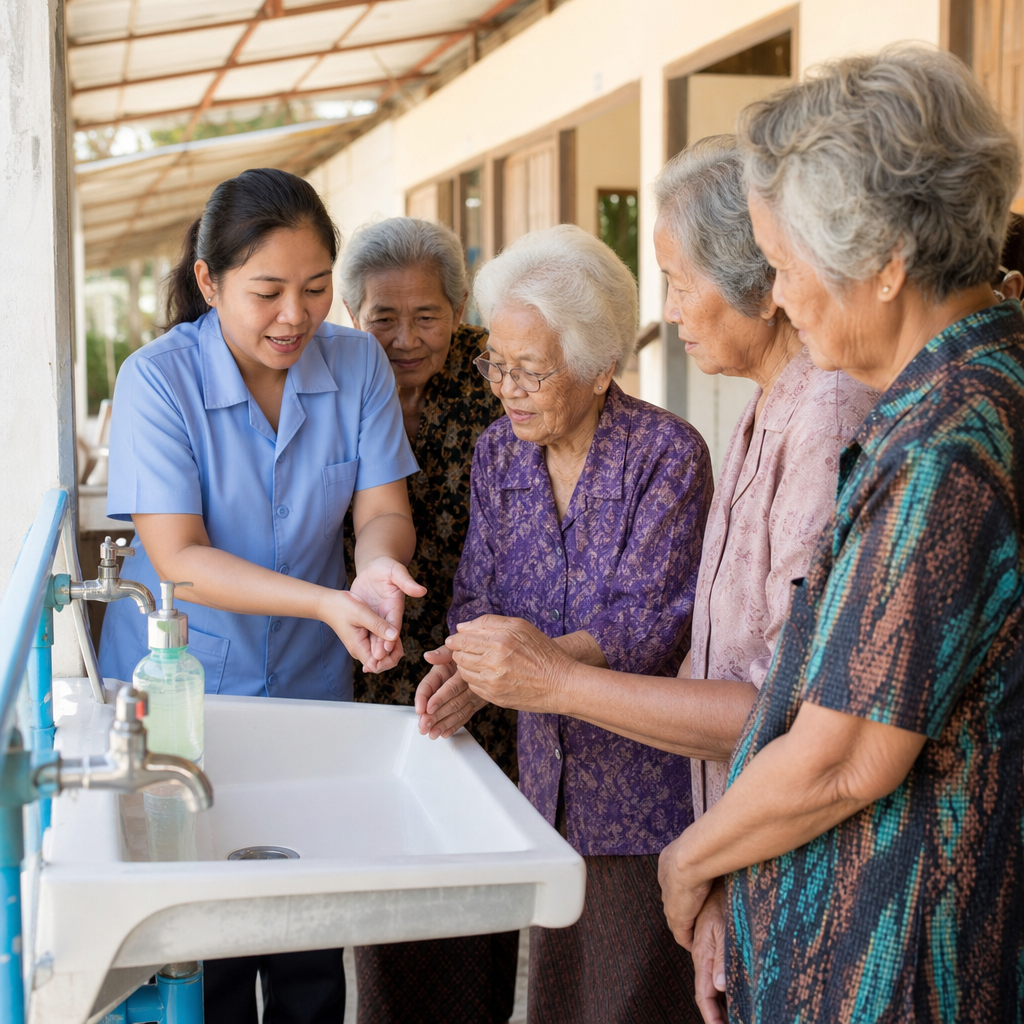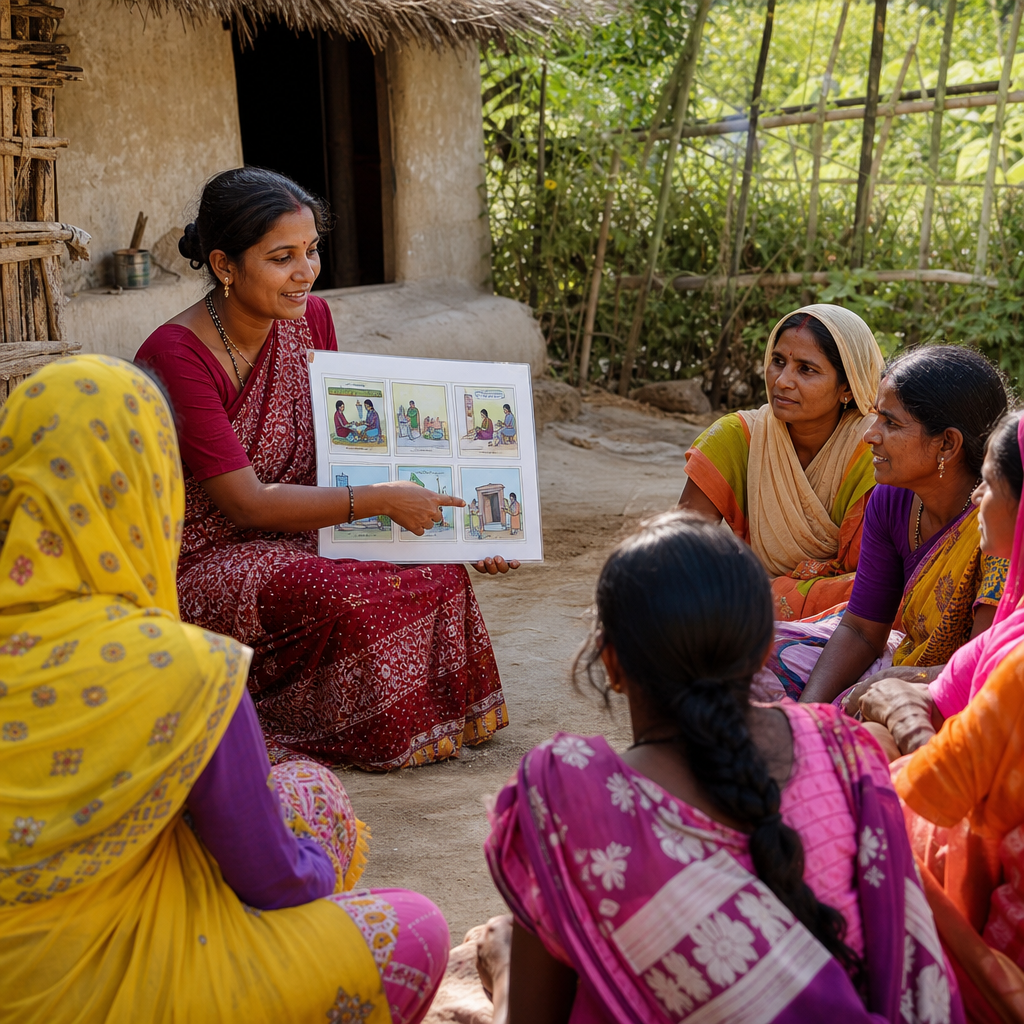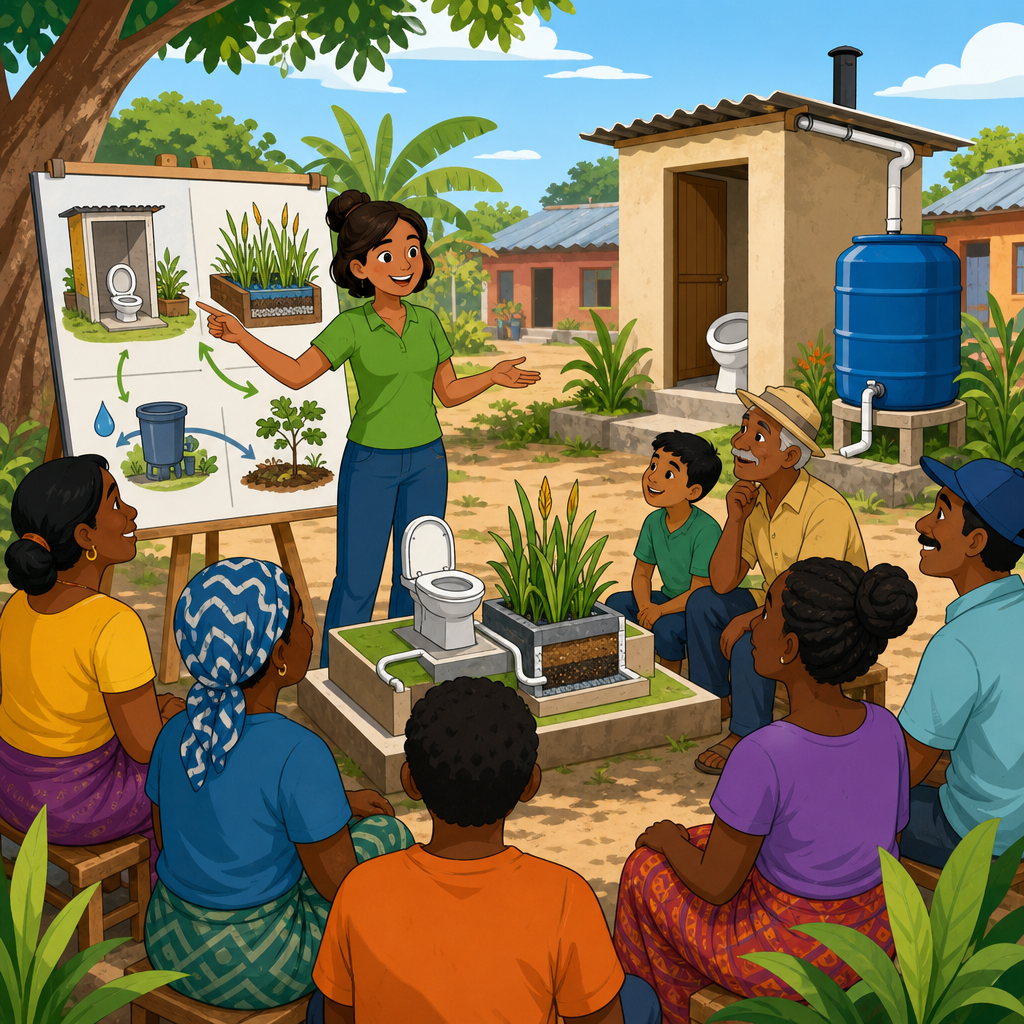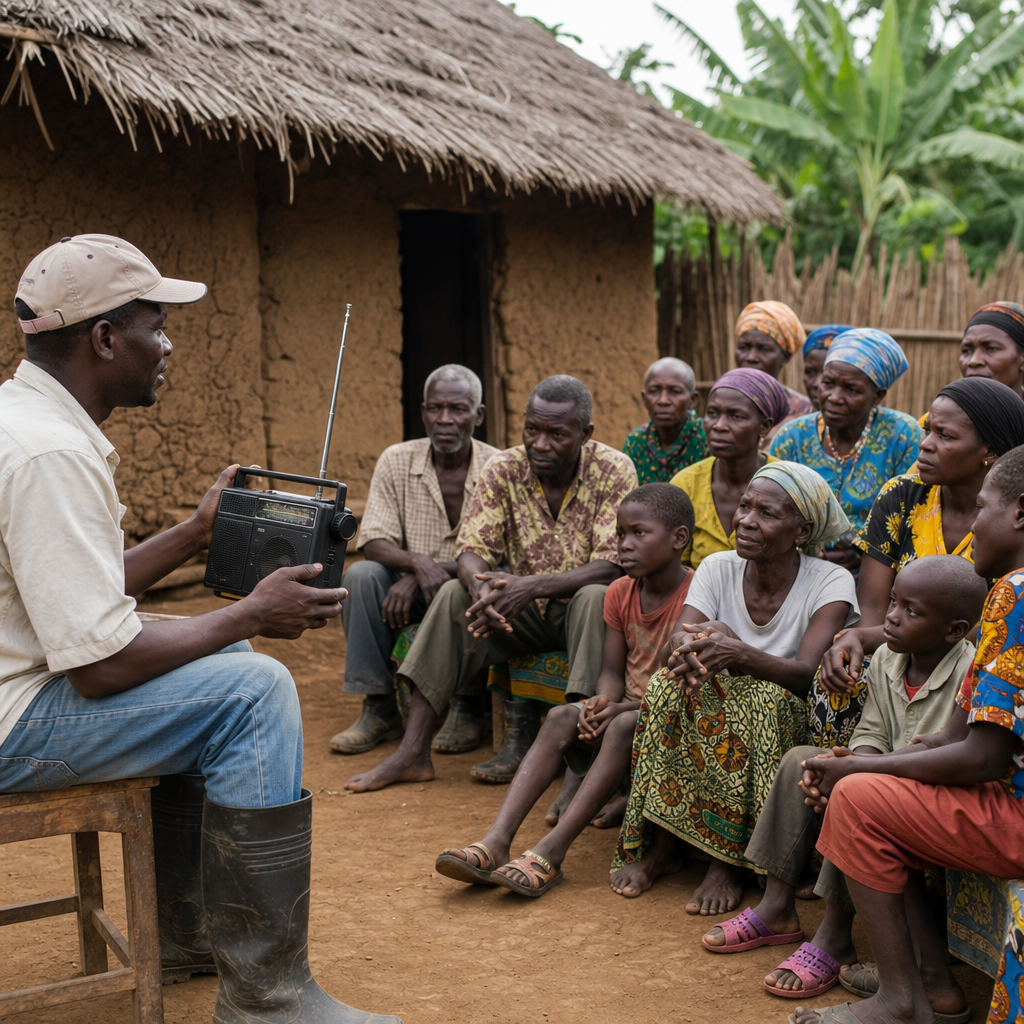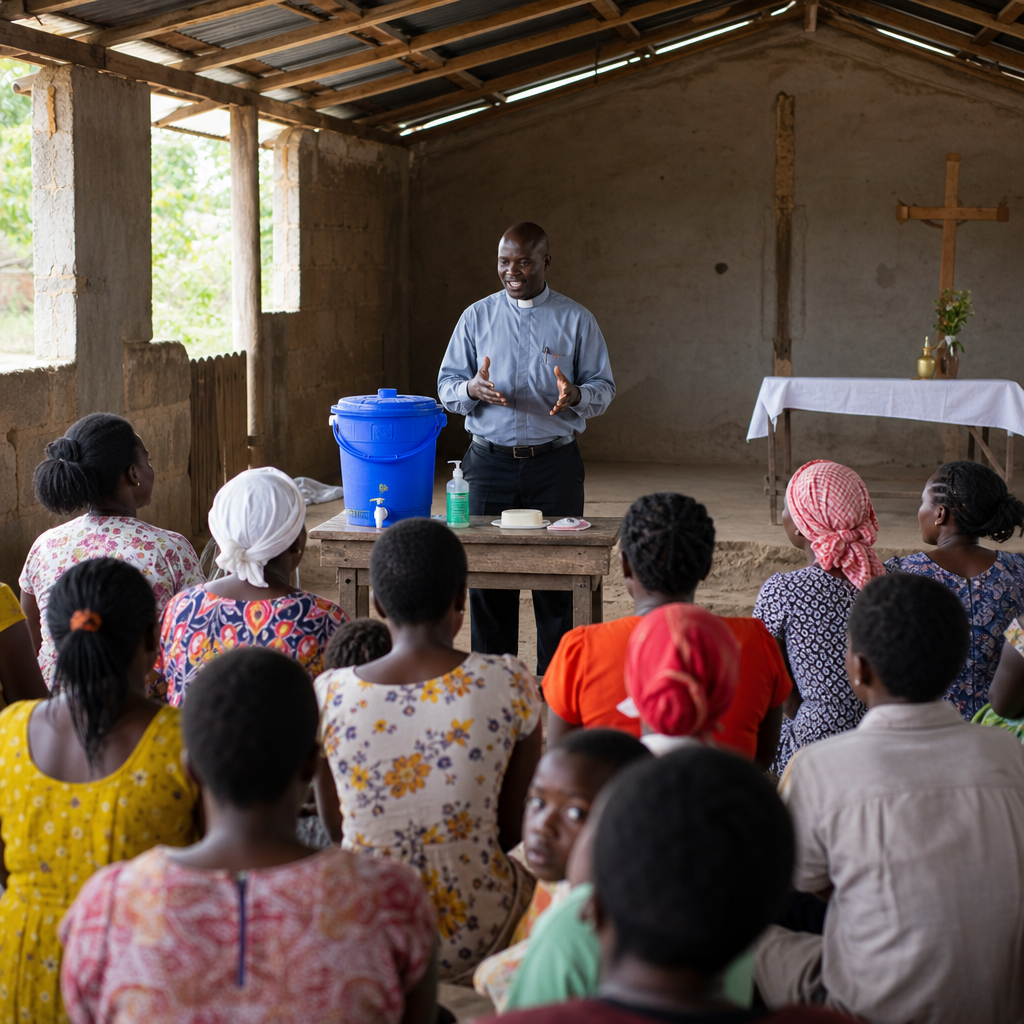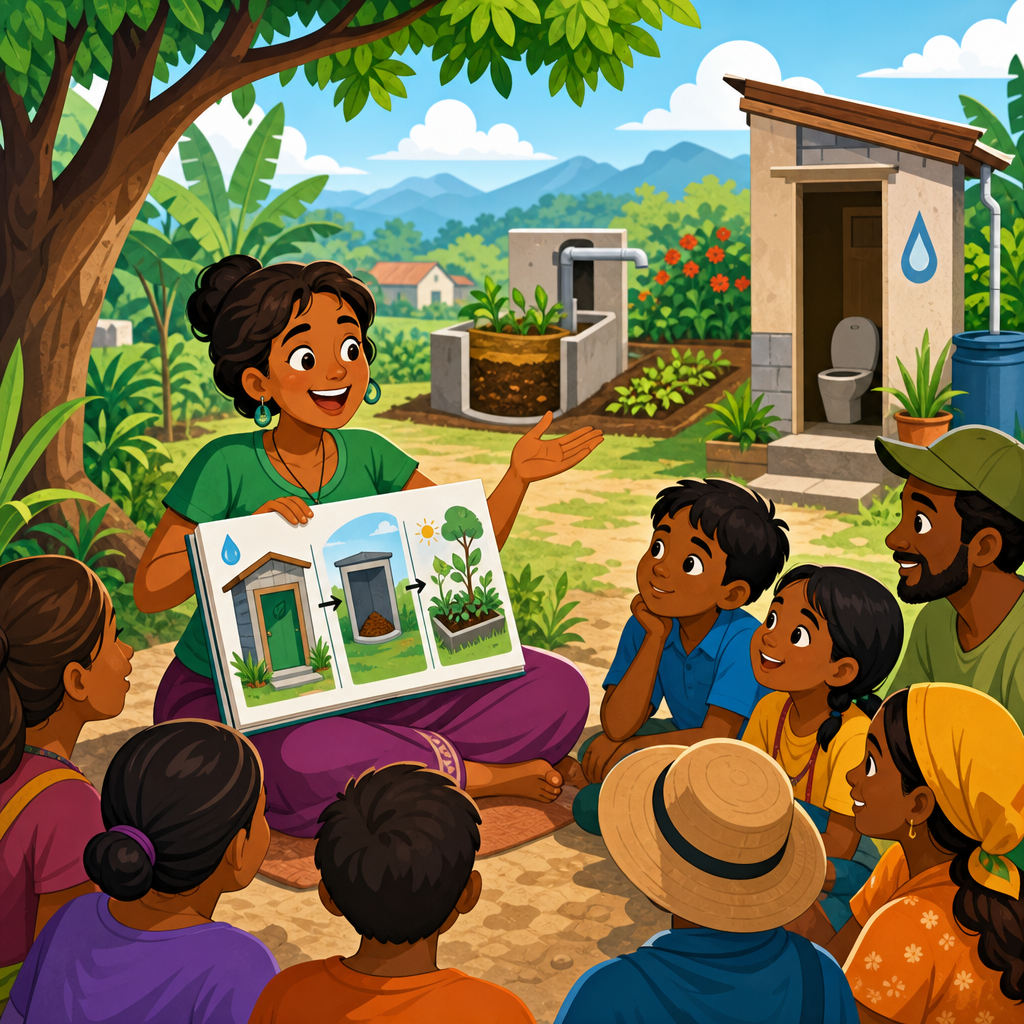
Storytelling is one of the most effective tools for building community awareness around ecological sanitation, because it turns technical information about toilets, waste treatment, hygiene, and resource recovery into human experiences people can understand, remember, and act on. In EcoSan education, storytelling means using real narratives, local voices, visual examples, and culturally familiar messages to explain how sanitation systems protect health, conserve water, recover nutrients, and strengthen dignity. I have seen communities respond more openly to a neighbor’s story about safer latrines, lower disease risk, or fertilizer from treated waste than to a lecture full of engineering terms. That matters because EcoSan projects succeed or fail based on public understanding, trust, and daily behavior. A well-built urine-diverting toilet, composting system, or decentralized treatment unit only works when households know why it matters, how to use it properly, and how it benefits the wider community.
Community awareness is the foundation of successful sanitation change. It includes knowledge of health risks, attitudes toward waste, confidence in new systems, willingness to participate, and shared responsibility for operation and maintenance. In EcoSan, those factors are especially important because the approach asks people to rethink sanitation from disposal to resource management. Instead of viewing human waste only as a hazard, EcoSan frames it as a material that can be safely treated and reused under controlled conditions, consistent with guidance from the World Health Organization and practical models promoted by organizations such as the Stockholm Environment Institute and Sustainable Sanitation Alliance. That shift can be difficult if communication relies only on diagrams, regulations, or one-off awareness campaigns. Storytelling closes that gap by linking sanitation with everyday life: children missing school due to diarrhea, farmers paying high fertilizer costs, women seeking privacy and safety, or neighborhoods dealing with polluted groundwater after floods.
As a hub page for building community awareness, this article explains why storytelling works in EcoSan education, how to structure it for different audiences, what channels are most effective, and how to measure whether awareness efforts are changing understanding and behavior. It also connects this theme to related community engagement topics such as participatory planning, school outreach, behavior change communication, local leadership, and feedback systems. If you are designing an EcoSan education strategy, this page will help you use stories not as decoration, but as a practical method for stronger adoption, better maintenance, and broader community ownership.
Why Storytelling Works in EcoSan Education
Storytelling works because people make sense of risk, trust, and change through narrative, not just instruction. In sanitation meetings I have facilitated, technical presentations often produce polite silence, while one concrete story prompts discussion immediately. A mother explaining how a cleaner, more private toilet reduced her daughter’s fear of using school facilities does more than share an opinion; she establishes relevance, emotion, and social proof. Those three factors are central to community awareness. Relevance answers, “Why does this matter here?” Emotion answers, “Why should I care?” Social proof answers, “Who like me has already tried this?”
Research in public health communication consistently shows that narratives improve recall and can increase openness to behavior change when the message is credible and culturally appropriate. In EcoSan, this is useful because many concepts are unfamiliar or misunderstood. People may assume reuse is unsafe, that composting toilets smell worse, or that decentralized systems are only temporary solutions for poor areas. A good story corrects those assumptions through lived detail. For example, instead of saying “urine diversion reduces moisture and improves treatment performance,” a facilitator can share how a household learned to separate urine properly, kept the chamber drier, reduced odor, and later used treated outputs to support tree planting. The technical point remains accurate, but the pathway is easier to grasp.
Storytelling also lowers resistance around taboo subjects. Sanitation, excreta, menstruation, child feces disposal, and toilet maintenance are often hard to discuss in public. Direct instruction can feel accusatory or embarrassing. Stories create a safer entry point because they allow communities to examine issues through a character, event, or shared challenge rather than personal exposure. This is especially valuable in awareness campaigns aimed at mixed audiences, including elders, youth, landlords, teachers, and local officials.
Core Story Types That Build Community Awareness
Not every story serves the same purpose. In EcoSan education, the strongest awareness programs combine several story types, each matched to a communication goal. Origin stories explain why a community adopted a sanitation solution in the first place, often after outbreaks, water scarcity, rising fertilizer costs, or failing pit latrines. Change stories show what improved over time, such as cleaner compounds, lower desludging frequency, or safer school sanitation. Practice stories focus on exact behaviors: adding cover material, handwashing after toilet use, keeping urine and feces separate, or respecting maintenance schedules. Trust stories address safety and legitimacy by highlighting testing protocols, treatment timelines, and oversight by health workers or engineers.
Future-oriented stories are equally important. These describe what the community can gain if awareness turns into participation: healthier children, reduced contamination of wells, lower pressure on water systems, and nutrient reuse for gardens or tree nurseries. They help residents see EcoSan not as a pilot project imposed from outside, but as part of local development. I have found that future stories work best when they stay concrete. “A cleaner village” is vague. “A school that no longer closes toilets during the rainy season because the system is easier to manage” is specific and believable.
The messenger matters as much as the message. Residents trust stories from people they identify with: a caretaker discussing maintenance routines, a farmer describing compost use, a nurse connecting sanitation to lower infection risk, or a youth leader explaining why peer education changed attitudes. External experts still matter, especially for safety guidance, but awareness grows faster when community members become co-authors of the message.
| Story type | Main purpose | Best messenger | Example in EcoSan education |
|---|---|---|---|
| Origin story | Explain why change was needed | Community elder or local leader | How repeated pit collapse during floods led to interest in raised EcoSan systems |
| Change story | Show visible benefits | Household user or school administrator | How toilet cleanliness improved after introducing clear maintenance roles |
| Practice story | Teach correct use | Caretaker or health promoter | How adding ash after use reduced odor and supported treatment |
| Trust story | Address fear and misconceptions | Health worker or engineer | How storage time, pathogen reduction, and safe handling rules protect families |
| Future story | Build motivation and shared vision | Youth leader or project champion | How treated nutrients could support a community garden and local learning site |
How to Create Effective EcoSan Stories for Different Audiences
Effective EcoSan storytelling starts with audience analysis. A single script rarely works for an entire community because people care about sanitation for different reasons. Parents often respond to health, cleanliness, and convenience. Farmers pay attention to soil fertility, water efficiency, and input costs. Teachers need messages that fit school routines and child-friendly language. Local officials look for compliance, public health outcomes, and long-term operating models. Landlords may focus on durability, tenant satisfaction, and maintenance burden. Building community awareness means identifying these motivations and then shaping stories around them without distorting the facts.
A practical method is to structure each story with five elements: a relatable character, a local problem, a realistic decision, a visible result, and a clear lesson. Suppose the audience is peri-urban households with failing septic systems. A useful story could feature a family dealing with frequent emptying costs and foul overflow during heavy rain. They attend a community demonstration, ask questions about source separation and maintenance, adopt an EcoSan option suited to their plot, and over time see cleaner surroundings and more predictable management. The lesson is not that every system is easy or universal; it is that informed design plus correct use solves a specific local problem better than the status quo.
Language choice matters. Use plain terms first, then introduce technical vocabulary where needed. For example, say “separating urine from feces at the toilet” before “urine diversion,” and “turning treated waste into a safe soil input under strict conditions” before “resource recovery.” This approach helps awareness grow without losing precision. Visual storytelling also strengthens comprehension. Photos of well-maintained facilities, diagrams showing treatment steps, and before-and-after maps of polluted areas can support spoken narratives, especially in low-literacy settings.
Authenticity is nonnegotiable. Communities recognize exaggerated claims quickly. If a system requires regular cover material, say so. If reuse needs storage time, treatment controls, and protective handling, explain that clearly. Trust increases when educators acknowledge tradeoffs, such as the need for user training, consistent cleaning, or adaptation to local climate and soil conditions.
Channels and Formats That Spread Stories Across a Community
To build community awareness at hub level, storytelling must extend beyond one workshop. The most effective programs use multiple channels so people encounter the same core message in different settings. Community meetings are useful for introducing stories and inviting discussion. Household visits allow educators to tailor the story to actual sanitation conditions. Schools are strong multipliers because children carry messages home, especially when storytelling is paired with clubs, drawings, drama, or handwashing activities. Local radio remains powerful in many regions because it reaches households consistently and in familiar languages. Short interview segments with respected residents can normalize EcoSan faster than printed leaflets alone.
Demonstration sites are another high-value format. A story told beside a functioning toilet or treatment area becomes easier to believe because people can inspect details directly. I have seen skepticism drop sharply when residents can look inside a dry, odor-controlled chamber, ask who cleans it, and hear from the users themselves. Community theater works well where discussion of sanitation is sensitive, since humor and characters can surface difficult issues without direct confrontation. Mobile messaging and social media can support younger audiences, especially through short videos showing routine use, maintenance, and benefits. However, digital channels should reinforce, not replace, face-to-face trust building.
Because this article is the hub for building community awareness, it should connect naturally to related materials on stakeholder mapping, school engagement, behavior change campaigns, facilitation methods, and monitoring participation. In practice, awareness expands when these efforts are coordinated. A radio story that mentions a school demonstration, followed by a neighborhood meeting and a home visit, creates repetition and consistency. That is how stories move from interest to understanding and then to adoption.
Measuring Whether Storytelling Changes Awareness and Behavior
Storytelling should be evaluated with the same seriousness as infrastructure. The goal is not applause after a presentation; it is measurable improvement in knowledge, attitudes, participation, and correct system use. Start with baseline questions: Do households understand how the EcoSan system works? Can they explain why treatment is necessary? Do they know who is responsible for maintenance? Are there fears about smell, safety, or social status? After storytelling activities, repeat those questions and compare results.
Useful indicators include attendance at meetings, recall of key messages, willingness to visit a demonstration site, number of households requesting more information, proper use observations, and maintenance compliance over time. In schools, indicators might include student knowledge, toilet cleanliness scores, handwashing rates, and teacher participation. In community settings, focus groups can reveal whether stories changed the way people talk about sanitation. Listen for evidence of new understanding, such as residents explaining pathogen risk, source separation, groundwater protection, or reuse safeguards in their own words.
Behavioral data matters most. If awareness is working, fewer users misuse the system, maintenance logs improve, complaint patterns become more specific, and local champions emerge. Where awareness remains weak, problems often appear as wet chambers, poor cover material use, unsafe handling, or abandonment. These signals help educators refine the story, choose better messengers, or address gaps more directly. Build a simple feedback loop: tell the story, observe what changes, ask what people still doubt, and update the message.
Building a Long-Term Culture of Community Ownership
The deepest value of storytelling in EcoSan education is that it helps communities move from passive recipients to active stewards. Awareness is not a one-time campaign. It is a continuing process of making sanitation visible as a public good, a health safeguard, and a practical resource system. When stories are grounded in local reality, they create shared language for discussing maintenance, hygiene, cost, dignity, and environmental protection. They also help new users learn from existing users, which is essential for scaling beyond pilot projects.
For practitioners, the main lesson is simple: teach the system, but always tell the human story around the system. Explain who benefited, what changed, what responsibilities remain, and why safe practice matters. Connect household experiences with wider community goals such as cleaner water, healthier children, stronger schools, and productive land use. As the hub for building community awareness, this page should guide readers toward every related strategy that turns understanding into participation. Start by collecting real local stories, matching them to audience concerns, and sharing them through trusted channels. When people see themselves in the narrative, EcoSan education becomes clearer, more credible, and far more likely to last.
Frequently Asked Questions
Why is storytelling so effective in EcoSan education?
Storytelling is effective in EcoSan education because it helps people connect technical sanitation concepts to real life. Ecological sanitation often includes topics such as urine diversion, composting, dehydration, hygiene behavior, pathogen reduction, water conservation, and nutrient recovery. While these ideas are important, they can feel abstract or overly technical when presented only through diagrams, manuals, or lectures. Stories make them understandable by showing how a family, school, farmer, or community actually experiences sanitation challenges and solutions in everyday life.
When people hear a story about a household that reduced illness after improving toilet use and handwashing, or a farmer who benefited from safely recovered nutrients, the information becomes personal and memorable. Stories create emotional engagement, which helps audiences retain key messages and discuss them with others. They also build trust, especially when the storyteller is a respected local voice or someone who has lived through the same sanitation issues as the audience. In EcoSan education, that trust is essential because communities are more likely to adopt new practices when they see that the benefits are real, practical, and relevant to their own circumstances.
Another reason storytelling works so well is that it can simplify complex systems without oversimplifying their importance. A good story can explain how sanitation protects health, reduces contamination, saves water, and supports resource recovery in a way that feels natural rather than instructional. Instead of telling people what to do, storytelling shows why those actions matter. That shift makes education more persuasive, more culturally grounded, and often far more effective than information alone.
How does storytelling help communities understand ecological sanitation systems?
Storytelling helps communities understand ecological sanitation systems by translating unfamiliar processes into familiar situations. Many EcoSan systems involve steps that are not immediately intuitive, such as separating waste streams, maintaining dry toilets, storing treated materials safely, or using recovered nutrients in agriculture. If these ideas are introduced only with technical language, people may feel confused, skeptical, or disconnected. Stories close that gap by framing the system through daily routines, common concerns, and visible outcomes.
For example, a story can follow the journey of a household from dealing with unsafe sanitation conditions to adopting an EcoSan toilet that is cleaner, safer, and easier to manage in a water-scarce setting. Through that narrative, educators can explain why keeping urine and feces separate matters, how proper treatment reduces health risks, and how recovered nutrients can support soil fertility. The audience learns not just the steps of the system, but the reasons behind them. That context is critical for correct use and long-term success.
Storytelling also supports understanding across different literacy levels. Not everyone learns best from written materials or formal presentations. Oral narratives, role-play, testimonies, illustrations, photo stories, and short videos can communicate the same concepts in more accessible ways. This is especially valuable in community education, where participants may have varied educational backgrounds and different levels of familiarity with sanitation technologies. By grounding EcoSan principles in local experience, storytelling helps people move from hearing about a system to truly understanding how it works and why it matters.
What makes a good EcoSan story for education and awareness campaigns?
A strong EcoSan story is clear, relatable, accurate, and rooted in the realities of the audience. The best stories do not rely on vague messages about sanitation being important; they show specific people facing specific challenges and finding practical solutions. That might include a school improving student hygiene, a rural family adopting a water-saving toilet, a women’s group promoting safer sanitation practices, or a farmer benefiting from carefully managed nutrient recovery. These kinds of stories work because they reflect real motivations such as health, dignity, convenience, cost savings, environmental protection, and agricultural productivity.
Good EcoSan stories also include local voices and culturally familiar references. When people hear a message in their own language, from someone they identify with, and within a social context they recognize, the content feels more trustworthy and relevant. Visual details matter as well. Photos, drawings, demonstrations, and before-and-after examples can strengthen the narrative and make technical points easier to understand. Even a simple story becomes more powerful when people can picture the problem and the solution clearly.
Accuracy is equally important. Storytelling should never sacrifice safety or technical correctness for emotional impact. EcoSan education involves health-sensitive topics, so stories must reflect proper hygiene, safe treatment practices, and realistic expectations. The most effective educational stories balance emotion and evidence. They inspire interest and confidence while also teaching correct behavior. When campaigns combine authenticity, practical detail, and cultural relevance, storytelling becomes a highly credible tool for awareness and behavior change.
Can storytelling really influence sanitation behavior and long-term community adoption?
Yes, storytelling can strongly influence sanitation behavior and long-term community adoption, especially when it is part of a broader education strategy. Behavior change rarely happens because people receive facts once. It usually happens when they understand the issue, trust the message, see its relevance, and believe that change is possible. Storytelling supports all of those conditions. It helps communities see the consequences of poor sanitation and the benefits of improved systems through lived examples rather than abstract recommendations.
Stories are particularly powerful because they model behavior. When people hear how others cleaned and maintained an EcoSan toilet, practiced safer hygiene, overcame initial concerns, or used recovered resources responsibly, they gain a practical roadmap for action. This reduces uncertainty and makes new behaviors feel more achievable. Storytelling can also normalize change. If a community hears multiple examples of neighbors, schools, or local leaders using ecological sanitation successfully, adoption begins to feel less unusual and more socially accepted.
For long-term impact, storytelling works best when it is repeated across community meetings, school programs, local media, training sessions, and peer-to-peer discussions. Repetition strengthens memory, while varied formats help reach different audiences. Over time, stories can shape local attitudes around dignity, environmental responsibility, health protection, and resource use. They do more than inform people about sanitation systems; they help communities build a shared narrative about why better sanitation matters and how collective action can make it sustainable.
How can educators and organizations use storytelling responsibly in EcoSan programs?
Educators and organizations should use storytelling responsibly by making sure their narratives are respectful, evidence-based, and community-centered. Sanitation is closely linked to privacy, health, social norms, gender roles, and economic conditions, so stories must be handled with care. The first priority is authenticity. Whenever possible, stories should reflect real experiences, real barriers, and real outcomes rather than idealized scenarios that ignore local challenges. This helps maintain credibility and ensures that education is grounded in practical reality.
Responsible storytelling also means avoiding shame-based messaging. Communities should not be portrayed as ignorant or irresponsible. Instead, stories should recognize existing knowledge, resilience, and problem-solving capacity. A respectful story highlights how people identify challenges, test solutions, and improve sanitation practices in ways that fit their context. It should also represent diverse voices, including women, children, elders, people with disabilities, and others whose sanitation experiences may differ significantly. Inclusive storytelling leads to more complete and effective education.
Organizations should also be careful to align every story with correct technical guidance. If a story discusses waste treatment, toilet maintenance, hygiene, or the reuse of recovered resources, it should communicate those processes accurately and safely. Pairing stories with demonstrations, expert facilitation, and opportunities for questions is a smart approach. In this way, storytelling becomes more than a communication tactic. It becomes a bridge between knowledge and action, helping communities engage with EcoSan systems in a way that is informed, confident, and sustainable.