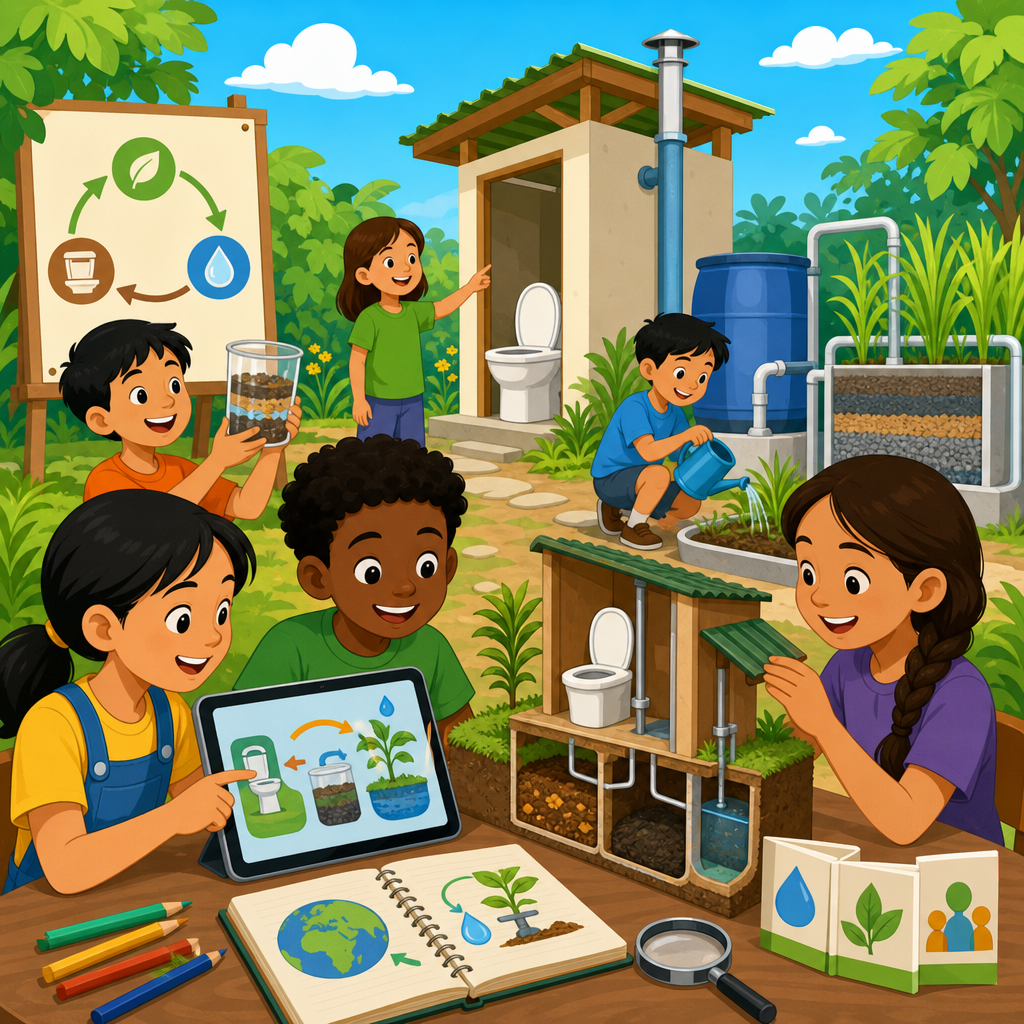
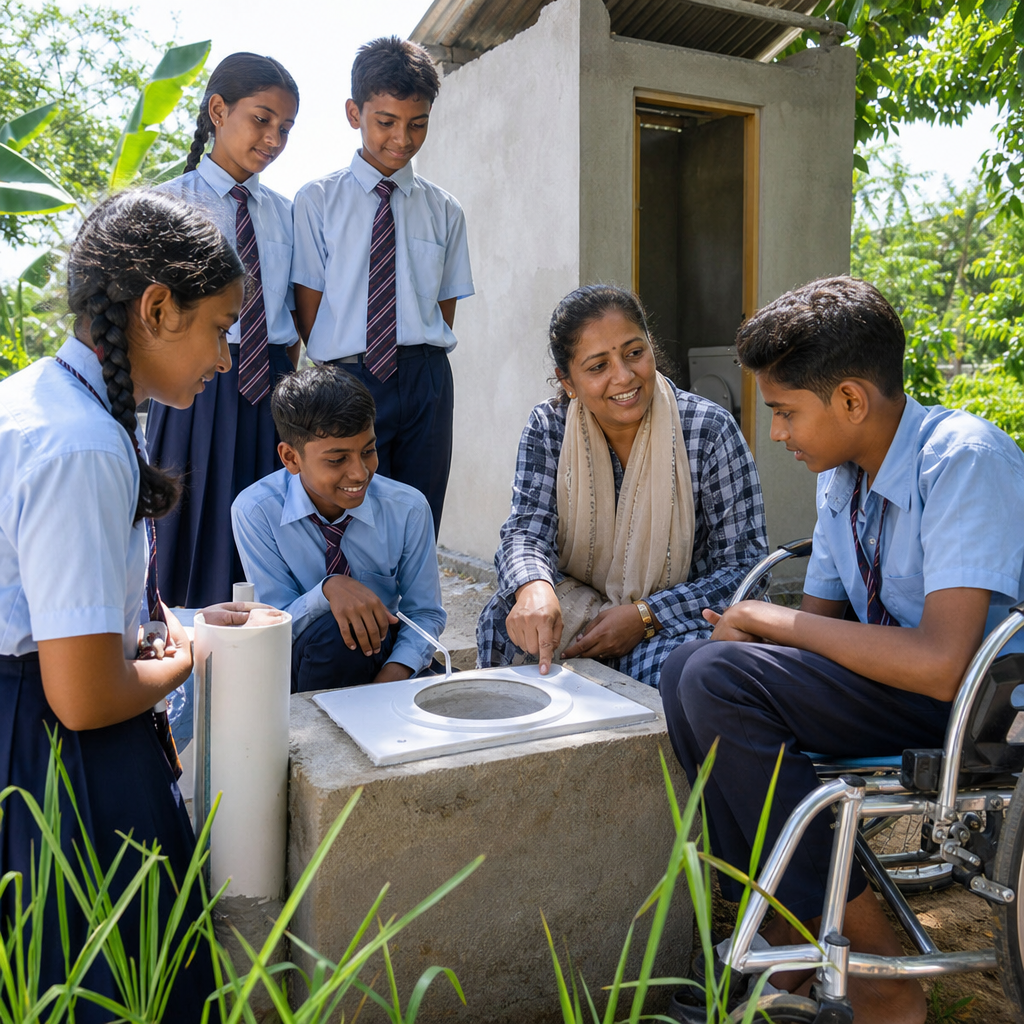
Eco-friendly festivals and events promoting sanitation turn public gatherings into practical classrooms where people learn waste segregation, safe water habits, handwashing, toilet use, and shared responsibility for cleaner neighborhoods. In community engagement work, I have seen one well-designed event change behavior faster than months of posters because people remember what they do, not just what they read. This topic matters because festivals attract families, schools, vendors, faith groups, local officials, and businesses at the same time, creating a rare chance to connect celebration with public health. Sanitation means the systems and behaviors that safely manage human waste, solid waste, wastewater, hygiene, and environmental cleanliness. Eco-friendly means reducing pollution, conserving resources, and designing activities so the event itself models the habits it promotes. When communities use festivals to teach sanitation, they move beyond awareness campaigns toward visible, shared practice.
As a hub within community engagement and education, this article explains how knowledge becomes action when people can see, test, compare, and discuss solutions in a trusted social setting. A sanitation-focused event can show how handwashing stations should be placed, why toilets fail without maintenance plans, how composting differs from dumping, and why menstrual hygiene support must be included rather than treated as an afterthought. It also gives communities a structure for involving youth leaders, resident associations, health workers, water utilities, and local entrepreneurs. The result is not only cleaner event grounds but stronger civic capacity. Communities become better at identifying risks, evaluating options, and sustaining improvements after the music, market, or sports tournament ends.
Why festivals are effective sanitation education platforms
Festivals work because they combine emotion, identity, and repetition. People attend by choice, often with friends or relatives, so they are more open to demonstrations and conversations than they would be during a formal lecture. A sanitation lesson delivered through a recycling game, a neighborhood cleanup challenge, or a live demonstration of tippy taps feels relevant and social. Public health research has long shown that behavior change improves when people receive clear prompts, immediate feedback, and visible social norms. Events can provide all three at once. A volunteer can direct guests to separate organic waste from plastics, a scoreboard can show which team sorted correctly, and public announcements can reinforce that clean grounds are the community standard.
These events also work because sanitation problems are interconnected. Overflowing bins attract pests. Poor toilet maintenance discourages use. Inadequate handwashing increases disease transmission. Weak drainage creates stagnant water and odors. During festival planning, these links become concrete. Organizers must think about site design, user flow, cleaning schedules, vendor licensing, food safety, and water access. That makes the event a useful training ground for broader community sanitation management. I have watched market associations adopt better daily waste routines after piloting them successfully at annual fairs. Once people see that cleaner operations reduce complaints, improve attendance, and lower cleanup costs, sanitation stops feeling like an external rule and starts becoming good management.
Core sanitation themes every eco-friendly event should teach
An effective sanitation festival should cover five core themes. First is hand hygiene: when to wash hands, how long to wash, and why soap matters more than water alone for removing pathogens. Second is safe toilet use and maintenance: adequate lighting, gender-sensitive design, accessible units, regular cleaning, child-friendly features, and reliable containment or connection to approved treatment systems. Third is solid waste management: preventing litter, separating recyclables, keeping organics out of drains, and reducing single-use plastics. Fourth is water safety: protecting drinking water points, avoiding contamination during storage, and managing greywater responsibly. Fifth is inclusive hygiene education, including menstrual health, diaper disposal, and support for older adults and people with disabilities.
For a hub page on empowering communities through knowledge, the central lesson is that information must be practical, local, and repeatable. People need to know which bin to use, where wastewater goes, who empties containers, how often toilets are cleaned, and what to do when systems fail. Good events answer common questions directly: How many toilets are needed for a crowd? Where should handwashing stations sit? What signs actually change behavior? Why do some composting projects smell while others do not? Communities learn best when the event explains both the “what” and the “why.” When a child understands that trash in drains worsens flooding, or a vendor sees that covered waste bins reduce flies around food, sanitation knowledge becomes easier to retain and share.
Planning a festival that models the behavior it teaches
Eco-friendly sanitation events succeed when operational planning matches educational goals. Start with a baseline assessment of the venue: expected attendance, existing toilets, water points, waste collection routes, drainage patterns, accessibility, and cleanup capacity. Then set measurable targets such as toilet-to-attendee ratios, percentage of waste diverted from landfill, refill water points per zone, and response time for spills or overflows. Use standard event risk planning methods like a site map, hazard register, cleaning roster, and incident reporting log. For sanitation, placement matters as much as quantity. Toilets should be visible yet separated from food areas, handwashing stations should sit directly outside toilet blocks and near eating zones, and bins should be paired and color coded with clear examples of what goes where.
Vendor management is equally important. Contracts should define approved packaging, wastewater disposal rules, grease handling, and cleanup responsibilities at stall level. If vendors sell drinks, refill stations and deposit-return cups can cut large volumes of plastic waste. If food is prepared onsite, organizers need safe water supply, covered storage, pest control, and regular inspection by environmental health staff. Signage should use plain language and graphics, especially where literacy levels vary. In one community event I supported, a picture-based bin system outperformed text-only signs because children and elders could follow it instantly. The event became cleaner within hours, and volunteers spent less time correcting contamination. That is the value of designing sanitation systems people can use correctly without needing constant supervision.
Community participation turns information into ownership
Knowledge spreads further when residents help design the event rather than simply attend it. A strong model is co-creation: schools lead poster contests on hygiene, youth groups run recycling games, women’s groups shape menstrual health sessions, sanitation workers advise on realistic waste routes, and disability advocates review toilet access before the site opens. This process improves the event itself and increases legitimacy. People trust solutions they helped test. It also surfaces local constraints that outsiders often miss, such as where water pressure drops at certain hours, which paths become muddy after rain, or why some public toilets are avoided after dark. Good engagement treats these details as operational intelligence, not side comments.
Local champions are especially powerful. Community health workers, respected teachers, market leaders, faith leaders, and neighborhood volunteers can translate technical advice into familiar language. During live demonstrations, they can explain why chlorine dosing must be done carefully, why open burning of mixed waste is harmful, or why septic systems need scheduled emptying rather than emergency response after overflow. Their role is not to replace engineers or health officers but to make expert guidance easier to accept. Knowledge empowerment also means creating pathways for action after the event: neighborhood sanitation committees, school hygiene clubs, reporting channels for broken facilities, and follow-up workshops on composting, drain maintenance, or toilet financing. Without these next steps, even a successful festival remains a one-day performance instead of a catalyst for sustained change.
Program formats that teach sanitation clearly
The best festival programs mix demonstration, participation, and evidence. Stage talks alone rarely change habits. Instead, build short, practical experiences into the event flow. A “glitter bug” handwashing test can reveal missed spots under UV light. A transparent model can show how fecal contamination reaches water sources when containment fails. Waste audits can compare what attendees think they discard with what actually ends up in each bin. Repair clinics can teach how to maintain handwashing taps, pedal bins, or simple compost units. These activities work because they turn invisible sanitation systems into visible cause-and-effect lessons. In my experience, people remember a clogged drain demonstration or a side-by-side clean toilet and neglected toilet comparison far more vividly than any brochure.
| Program format | Sanitation lesson | Best use case |
|---|---|---|
| Live handwashing demo | Soap, timing, drying, and station placement | School and family events |
| Waste sorting challenge | Segregation, contamination, recycling value | Markets and community fairs |
| Toilet maintenance tour | Cleaning schedules, accessibility, odor control | Large festivals and sports grounds |
| Vendor compliance booth | Food safety, greywater disposal, packaging rules | Street food events |
| Menstrual hygiene session | Privacy, disposal, stigma reduction, product options | Women’s groups and mixed community events |
Real-world examples show why format matters. At music festivals in Europe, reusable cup systems and clearly staffed sorting points have significantly reduced visible litter while increasing recovery of recyclable materials. At community clean days in East Africa, combining sports, cleanup competitions, and drain education has improved turnout because the event feels civic and festive rather than punitive. In India, school sanitation fairs often use student science exhibits to explain water treatment, toilet design, and the disease pathways behind diarrhea and worm infections. The common thread is interaction. When attendees compare options, ask questions, and practice a task themselves, sanitation education becomes memorable and credible.
Measuring results and proving community value
Events should be evaluated like any other public education intervention. Count attendance, but go further. Track waste generated per attendee, contamination rates in recycling streams, liters of refill water dispensed, toilet cleaning frequency, soap replenishment intervals, volunteer interactions, and post-event ground condition. Short surveys can test whether people learned where to wash hands, how to sort waste, or whom to contact about local sanitation issues. For stronger evidence, compare conditions before and after the event in nearby schools, markets, or public spaces. Did litter decrease? Are handwashing stations still maintained? Did vendors keep using approved packaging? Measurement matters because it separates attractive ideas from effective practice.
Community value is broader than environmental metrics. Well-run sanitation festivals can improve trust between residents and local government, create income for recycling cooperatives, and normalize conversations that are often neglected, especially around menstrual health, disability access, and sanitation worker safety. They can also support local policy. Data from an event may justify more bins in public areas, routine desludging budgets, stricter vendor standards, or investment in permanent handwashing points. The biggest mistake is treating sanitation as only a cleanup issue. It is a public health, dignity, education, and governance issue at once. Communities empowered through knowledge understand that cleaner events are not the final goal; they are evidence that better systems are possible every day.
Building a long-term community knowledge hub
For this sub-pillar topic, the real opportunity is to use festivals as the visible front door to a wider learning ecosystem. Every event should connect attendees to ongoing resources: school toolkits, neighborhood workshops, volunteer sign-ups, reporting apps, local recycling directories, and guides for household composting, toilet maintenance, safe water storage, and inclusive hygiene planning. In digital terms, this page should lead readers deeper into related articles on youth engagement, school sanitation campaigns, waste segregation education, menstrual health awareness, and community-led cleanup programs. Offline, the same hub model applies. A festival can launch a year-round calendar of talks, demonstrations, and citizen monitoring activities.
The main benefit is durable community capability. When people know how sanitation systems work, who is responsible for each step, and how their own choices affect outcomes, they become active stewards instead of passive service users. Eco-friendly festivals and events promoting sanitation are effective because they turn knowledge into public practice, making healthy behavior visible, social, and achievable. Communities that celebrate clean water, safe toilets, and responsible waste management build more than tidy event sites; they build resilience, dignity, and accountability. If you are planning community engagement under this theme, start with one event that teaches by example, measure the results carefully, and use that momentum to create a lasting local sanitation education program.
Frequently Asked Questions
What are eco-friendly festivals and events promoting sanitation?
Eco-friendly festivals and events promoting sanitation are public gatherings designed to entertain, educate, and inspire practical behavior change around cleanliness, hygiene, and responsible waste management. Instead of treating sanitation as a dry public health topic, these events bring it to life through activities people can see, try, and remember. A well-planned festival may include handwashing stations, safe drinking water demonstrations, toilet hygiene education, waste segregation games, reusable serving systems, composting displays, and vendor training on food-area cleanliness. The eco-friendly aspect means the event itself models good environmental practice by reducing single-use plastics, managing waste responsibly, conserving water where possible, and leaving the venue cleaner than it was found.
What makes these events especially effective is that they transform a crowd into an active learning community. Families, school groups, local businesses, faith leaders, municipal teams, and neighborhood volunteers all take part in a shared experience rather than receiving one-way instructions. People learn how to separate organic and recyclable waste, why open dumping creates health risks, how handwashing interrupts disease transmission, and why clean toilets and safe water systems matter for everyone. In many communities, this kind of participation creates stronger recall than posters or lectures alone because attendees connect sanitation practices with real actions, local pride, and social responsibility.
Why are festivals and public events effective tools for improving sanitation behavior?
Festivals and community events work well because they combine visibility, repetition, demonstration, and social influence in one setting. Public health messages often struggle when they are delivered only through written materials or formal campaigns, especially in busy communities where people have many competing priorities. At an event, sanitation is not just explained; it is practiced in real time. Attendees may wash their hands before eating, use clearly marked waste bins, refill safe drinking water containers, observe clean food handling, and see volunteers keeping toilets usable throughout the day. That kind of direct participation helps people understand not only what to do, but also how simple and achievable good sanitation habits can be.
These events also create a powerful social norm. When visitors see children sorting waste correctly, vendors keeping stalls tidy, organizers maintaining clean restrooms, and community leaders speaking openly about hygiene, sanitation becomes a shared expectation rather than a private or embarrassing topic. This is important because behavior change often spreads through example. A person who learns proper waste disposal at a festival may repeat it at home, in school, in a market, or during future gatherings. In this way, one event can become a catalyst for wider neighborhood change, especially when supported by local partnerships, follow-up communication, and visible infrastructure such as handwashing points and labeled bins.
What sanitation practices are usually promoted at eco-friendly festivals and events?
Most eco-friendly sanitation-focused events promote a set of practical habits that people can adopt immediately. These usually include proper handwashing with soap, safe storage and handling of drinking water, consistent toilet use, menstrual hygiene awareness where appropriate, responsible food hygiene, and correct waste segregation. Organizers often divide waste into categories such as organic waste, recyclables, and non-recyclable refuse, using color-coded bins and clear signage to make sorting easy. Some events go further by showing what happens after collection, including composting of food scraps, recycling partnerships, and safe disposal methods for hazardous or sanitary waste.
Another major area is event sanitation management itself. This includes providing enough clean toilets, scheduling regular cleaning, ensuring access to water and soap, managing wastewater safely, and training staff or volunteers to respond quickly to sanitation issues. Food vendors may be asked to use covered containers, maintain clean preparation surfaces, and handle waste responsibly. Reusable cups, plates, and cutlery may replace disposable items, reducing the burden on waste systems. The best events do not just talk about sanitation as an ideal; they create a full working example of what a clean, healthy, environmentally responsible public gathering looks like. That practical model gives attendees something concrete to trust and imitate.
How can organizers plan an eco-friendly festival that genuinely promotes sanitation?
Strong sanitation promotion starts long before the event opens. Organizers need a clear sanitation plan that covers waste management, toilet access, water supply, cleaning schedules, crowd movement, vendor standards, and public education activities. A successful event begins with a site assessment to identify where toilets, handwashing stations, waste bins, food stalls, and drinking water points should be placed for maximum convenience and minimum contamination risk. If people must walk too far to wash hands or use a toilet, usage typically drops. Convenience is a sanitation strategy, not just a logistical detail.
Education should also be built into the experience rather than added as an afterthought. Interactive demonstrations, stage announcements, school competitions, games for children, volunteer ambassadors, and simple visual instructions can all help people engage. Vendors should receive guidance in advance on waste handling, serving materials, drainage, and cleanliness expectations. Partnerships with local health departments, waste collectors, schools, environmental groups, and community leaders can improve both credibility and execution. Most importantly, organizers should measure results. They can track waste volumes, segregation accuracy, handwashing use, toilet maintenance needs, and attendee feedback. When events collect and use this information, they become stronger over time and can show real public health value, not just good intentions.
What long-term benefits can communities gain from sanitation-focused eco-friendly events?
The long-term benefits can be significant because these events do more than clean up one venue for one day. They help communities build habits, vocabulary, and shared standards around hygiene and environmental responsibility. When people repeatedly encounter messages and examples about toilet use, handwashing, clean water, and waste separation in a positive public setting, those practices begin to feel normal and expected. Children may bring lessons back to their homes. Vendors may improve cleanliness in their daily businesses. Local leaders may become more willing to invest in bins, drainage, public toilets, or water access because they have seen strong community interest firsthand.
There are also broader social and environmental gains. Cleaner events can reduce litter, lower the risk of disease transmission, improve public perception of shared spaces, and strengthen trust between residents and organizers. In some cases, they create new local systems, such as composting networks, recycling partnerships, volunteer sanitation teams, or school hygiene clubs. Just as importantly, they shift sanitation from being seen as a government-only responsibility to a community-wide commitment. That mindset change is often the foundation of durable progress. When people understand that clean surroundings, safe water, and proper hygiene depend on everyday choices as well as infrastructure, communities become better prepared to sustain healthier neighborhoods long after the festival ends.