Innovative EcoSan solutions are reshaping how communities manage sanitation, recover resources, and build public understanding through hands-on participation. In this hub article for Community Engagement and Education, the focus is Fostering Participation and Learning: the practical work of helping residents, schools, local governments, and grassroots groups understand ecological sanitation and take part in it. Ecological sanitation, often shortened to EcoSan, is a sanitation approach that treats human waste as a resource stream rather than something to hide, dump, or flush away. In practice, that includes urine diversion, composting toilets, container-based sanitation, decentralized wastewater treatment, nutrient recovery, and hygiene systems designed around local conditions. The community dimension matters because even technically sound sanitation systems fail when people do not trust them, know how to use them, or see a direct benefit.
I have seen this repeatedly in sanitation projects: infrastructure alone does not change outcomes. Participation changes outcomes. When residents help map sanitation problems, test toilet designs, set maintenance rules, and track health benefits, adoption rises and misuse falls. Learning is equally important. People need clear explanations of pathogen risk, composting timelines, odor control, handwashing practice, menstrual hygiene inclusion, and the value of recovered nutrients for soil. This article serves as a hub by connecting those issues into one framework. It explains how communities are engaged, what case studies reveal, which methods produce lasting behavior change, and where tradeoffs need honest discussion. For organizations planning EcoSan programs, the central lesson is straightforward: community participation is not outreach added at the end. It is the operating system of a successful EcoSan initiative.
Why participation determines whether EcoSan systems succeed
Community participation in EcoSan means people influence decisions, not just receive instructions. That includes early-stage consultation, co-design workshops, user training, fee discussions, local caretaker models, school lessons, and feedback loops after installation. The reason this matters is simple: sanitation habits are intimate, cultural, and repetitive. A toilet can be engineered perfectly and still fail if the user finds it confusing, unsafe at night, or unacceptable for children and older adults. In one peri-urban project I worked on, residents initially rejected urine-diverting toilets because they associated separate collection with extra labor. Once demonstrations showed reduced smell, lower water demand, and easier emptying, acceptance changed noticeably. The shift came from practical learning, not branding.
Participation also improves technical performance. Users who understand ash dosing, moisture balance, and diversion systems are less likely to create odor, flies, or blockages. Community committees can monitor fill levels, organize emptying schedules, and enforce cleaning standards. Public health agencies, including the World Health Organization, consistently emphasize safe management across the sanitation chain, from user interface to treatment and end use. That chain cannot be managed by engineers alone. It depends on daily user behavior, caretaker routines, and local institutional support. When participation is weak, small mistakes accumulate into system failure. When participation is strong, communities troubleshoot quickly and systems become normal parts of daily life rather than pilot curiosities.
Community case studies that show participation in action
Several community case studies illustrate how participation and learning drive results. In eThekwini Municipality, South Africa, urine-diverting dry toilets were deployed in water-scarce areas where sewer expansion was impractical. The most important lessons were not only about toilet hardware. They were about sustained user education, municipal follow-up, and respect for household concerns around maintenance and social acceptance. Research around the program showed that uptake depended heavily on whether households understood operation and felt their questions were answered. Technical rollout without ongoing support led to frustration; structured engagement improved use.
In Haiti, container-based sanitation models demonstrated another path. Organizations such as SOIL combined toilet service delivery with household education and transparent collection routines. Families did not need to manage composting on site, which reduced barriers in dense settlements. What made the model credible was consistency: predictable pickup, clear hygiene messaging, and visible reuse pathways for treated waste in agriculture. Residents participated by reporting service issues, adapting products for small homes, and helping normalize safe sanitation as a professional service rather than a temporary aid measure. The educational value was significant because people could see the full sanitation chain, not just the toilet seat.
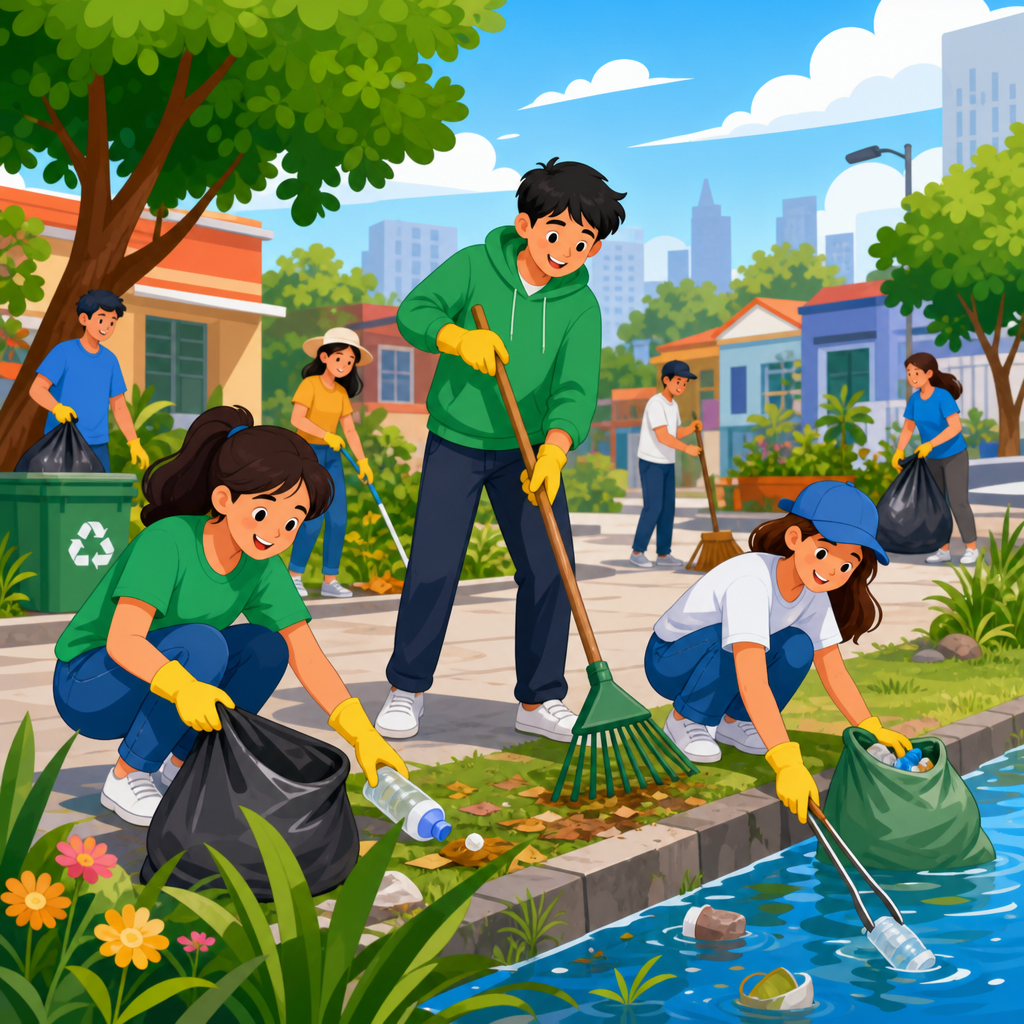
In rural Uganda and Kenya, school-based EcoSan toilets have shown how learning spreads from institutions into households. When teachers integrate sanitation, handwashing, and nutrient cycling into science lessons, students become messengers. Some schools use demonstration gardens fertilized with properly treated compost or diluted urine under agricultural guidance. That creates a concrete lesson: sanitation affects food systems, water quality, and health. The strongest programs do not stop at construction. They train janitors, teachers, parent committees, and student clubs. Where that structure exists, toilets stay cleaner and educational outcomes improve. Where it does not, facilities often degrade despite good intentions.
Methods for fostering participation and learning
Effective EcoSan education is practical, repetitive, and adapted to local language and norms. The best programs start with listening. Before installation, teams conduct household interviews, focus groups, transect walks, and sometimes participatory mapping to understand defecation practices, water access, flood risk, land tenure, disability access, and gendered safety concerns. That information shapes design choices. For example, a raised toilet may suit flood-prone ground, while a removable container system may work better in dense informal settlements with limited pit access. The educational process then moves from awareness to competency: users learn not just why the system exists, but exactly how to operate it safely.
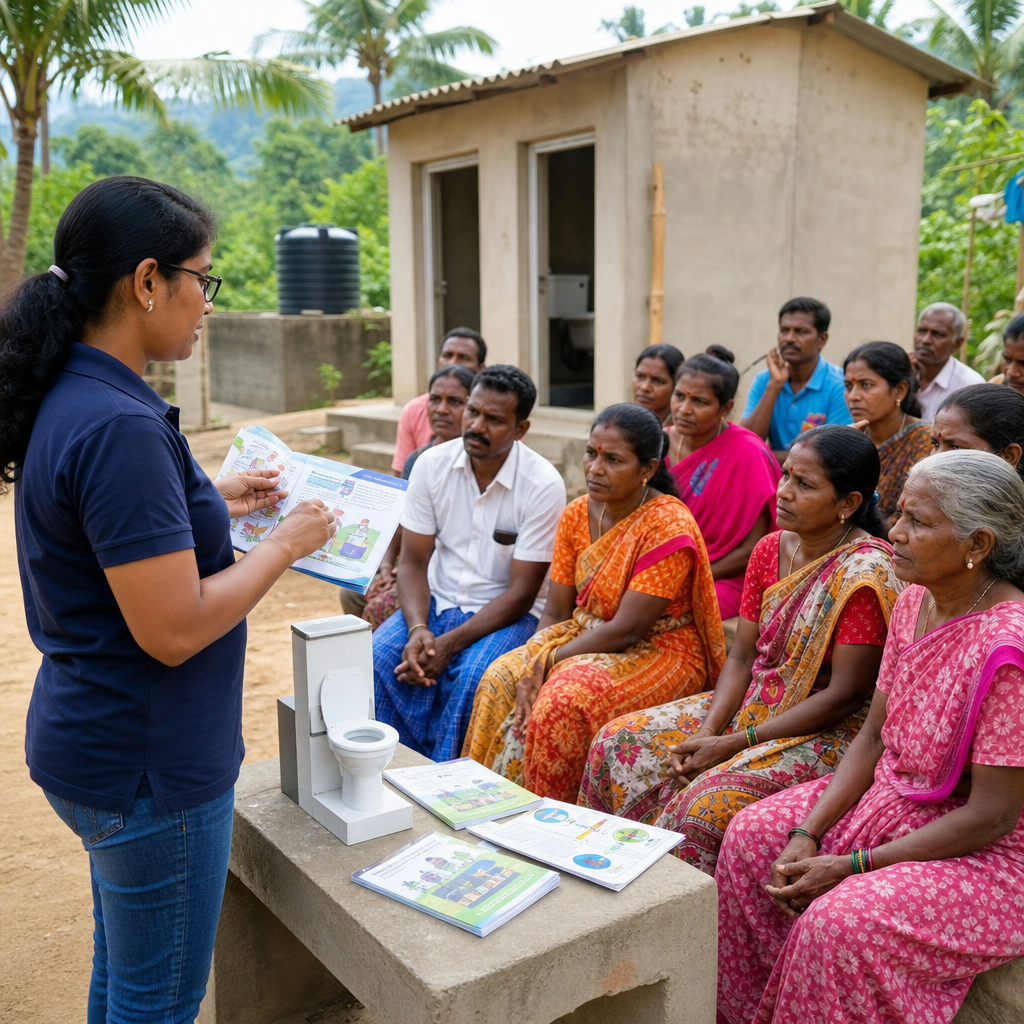
I usually structure participation around a simple sequence: identify concerns, demonstrate use, support first-month behavior, then reinforce with peer learning. Demonstration toilets are especially valuable because they reduce abstract fear. People can inspect the urine bowl, vent pipe, cover material, vault access, and cleaning method before committing. Household champions also matter. In many communities, one respected early adopter has more influence than a poster campaign. Training should include what to do when things go wrong: excess moisture, insect presence, child use challenges, menstruation disposal questions, or confusion about emptying intervals. Honest troubleshooting builds trust because residents can see that the program is built for real life, not ideal conditions.
| Participation method | What it does | Best use case | Common mistake |
|---|---|---|---|
| Community mapping | Identifies sanitation gaps, risky zones, and user priorities | Project planning and site selection | Treating it as a one-time consultation |
| Demonstration toilets | Shows operation, cleaning, and maintenance in real terms | New or unfamiliar technologies | Skipping hands-on practice |
| School sanitation clubs | Builds student knowledge and household spillover effects | Long-term behavior change | Ignoring teacher and janitor training |
| User committees | Supports accountability, fee setting, and maintenance oversight | Shared or public facilities | Creating committees without decision power |
| Service hotlines or feedback logs | Captures problems early and improves trust | Container-based and managed services | Collecting complaints without response |
Education strategies for households, schools, and local leaders
Different audiences need different educational formats. Households need short, actionable guidance: how to separate urine if required, what cover material to add, how often to clean, why handwashing matters, and when to request servicing. Schools need a curriculum link. Lessons work best when tied to biology, water cycles, soil fertility, and public health rather than treated as one-off hygiene talks. Local leaders need governance information: budgeting, procurement standards, operator responsibilities, land allocation, and compliance with sanitation safety planning principles. When the same message is copied across all groups, learning weakens because it misses each audience’s decisions.
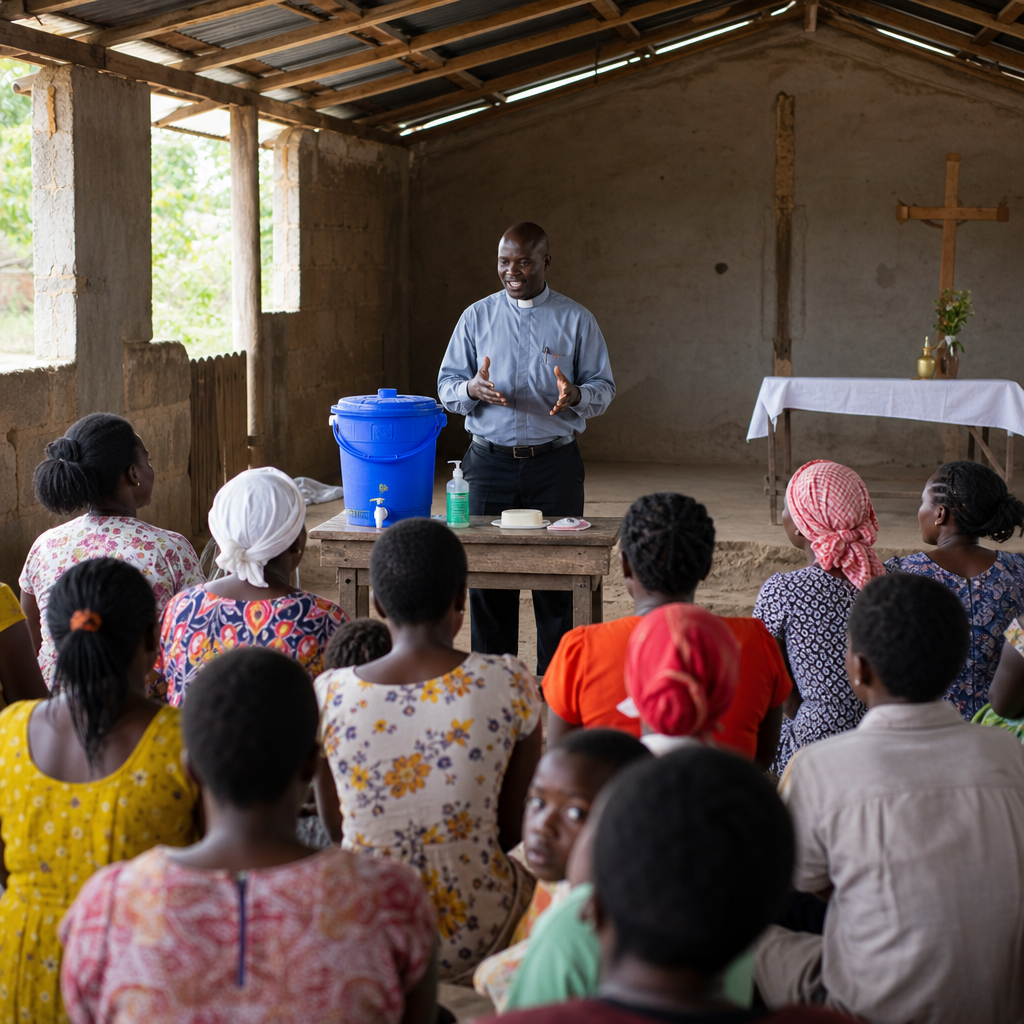
One of the most effective approaches is peer education combined with visual cues. In practice, that means clear wall signage inside facilities, local-language audio or video demonstrations, and trained community educators who can answer questions without judgment. For schools, maintenance rosters and student monitors can help, but only when adults remain responsible for supply chains and repairs. Children should learn stewardship, not carry the burden of system management. For municipal leaders, site visits are invaluable. Seeing a working EcoSan system with odor control, user satisfaction, and a documented maintenance plan often shifts the conversation from skepticism to planning. Data helps too: lower water demand, reduced pit emptying costs in some settings, and improved resilience where sewer infrastructure is not feasible.
Barriers communities face and how strong programs respond
Every EcoSan project encounters barriers, and serious programs address them directly. Cultural resistance is common, especially around handling excreta-derived products. The response is not to dismiss concern; it is to explain pathogen reduction, storage periods, treatment standards, and safe agricultural use with precision. According to WHO-aligned risk management principles, end use must depend on treatment quality, crop type, exposure pathways, and protective practices. Another barrier is convenience. If a system is harder to use than the previous option, adoption suffers. This is why interface design matters: seat height, child adaptability, menstrual hygiene provisions, lighting, privacy, and accessibility are not extras.
Economics can also limit participation. Some households can contribute labor but not cash. Others prefer a managed service with monthly fees rather than emptying responsibilities. Good programs offer realistic financing and clarify long-term costs from the beginning. There is also the challenge of maintenance fatigue. Early enthusiasm can fade if spare parts are unavailable or if responsibility is vague. The strongest response is operational clarity: who cleans, who empties, who pays, who monitors, and what happens when a problem is reported. Finally, trust can be fragile in communities that have seen abandoned pilots. Delivering small promises consistently, such as training on schedule and answering service requests promptly, is often more persuasive than ambitious messaging.
Building a hub model that connects participation, learning, and long-term adoption
As a hub page under Community Engagement and Education, this topic should guide readers to the full ecosystem of participation strategies around EcoSan. That means linking conceptually to articles on school sanitation programs, behavior change communication, participatory design, gender-sensitive sanitation, operation and maintenance training, community health promotion, and monitoring adoption over time. The reason for a hub structure is practical. Participation is not one activity. It is a sequence of related practices that must reinforce each other. A school toilet program without parent engagement has limited reach. A household toilet rollout without maintenance training will struggle. A fecal sludge reuse initiative without farmer education may stall at the final step.
The long-term goal is normalization. Communities move from curiosity, to trial, to routine use, to local ownership. That progression is visible when trained residents teach neighbors, schools integrate sanitation into regular learning, local masons can build or repair systems, and municipalities budget for decentralized options alongside conventional sewers. Innovative EcoSan solutions succeed when participation is designed with the same rigor as engineering. The core takeaway is clear: if you want sanitation systems that last, invest in people before, during, and after installation. Use this hub as a starting point, then build a local engagement plan that treats learning as infrastructure. That is how EcoSan becomes trusted, usable, and durable at community scale.
Frequently Asked Questions
1. What makes innovative EcoSan solutions effective in community case studies?
Innovative EcoSan solutions tend to work well in community settings because they address sanitation as both a technical system and a social process. In successful case studies, the approach goes beyond installing toilets or treatment units. It includes community meetings, school-based learning, local leadership involvement, user training, and clear maintenance plans. This matters because ecological sanitation is not just about waste disposal. It is about safely treating human waste, protecting water resources, recovering nutrients, and helping people understand how sanitation connects to health, agriculture, and the environment.
Many strong examples show that effectiveness improves when residents help shape the project from the start. Communities are more likely to trust and use EcoSan systems when they understand how the technology works, why it is being introduced, and what practical benefits it can bring. Those benefits may include reduced contamination, lower dependence on water-intensive systems, improved soil fertility through safe nutrient recovery, and stronger local ownership of sanitation infrastructure. Case studies also show that systems are more durable when local governments, schools, and grassroots organizations share responsibility for education and oversight. In other words, innovative EcoSan succeeds not simply because the technology is clever, but because participation, learning, and long-term stewardship are built into the model.
2. How do communities encourage residents to participate in EcoSan education and sanitation projects?
Communities usually encourage participation by making EcoSan practical, visible, and relevant to everyday life. The most effective case studies often begin with listening rather than lecturing. Project leaders may hold neighborhood discussions, household visits, demonstrations, and workshops to learn what residents worry about most, such as cost, smell, safety, convenience, or maintenance. Once those concerns are acknowledged, education can be tailored in a way that feels useful instead of abstract. This helps build trust, which is essential for any sanitation initiative that asks people to change habits or adopt unfamiliar systems.
Hands-on learning is especially important. Communities often use demonstration sites, school gardens, pilot toilets, farmer exchanges, and community-led monitoring to turn EcoSan from a concept into something people can see and evaluate for themselves. Residents are more likely to participate when they witness tangible outcomes, such as cleaner shared spaces, reduced wastewater problems, or productive use of treated resources. Local champions also play a major role. Teachers, health workers, youth leaders, women’s groups, and respected community members can explain the benefits in language people trust. In many successful projects, participation grows when people are treated as partners and co-learners rather than passive recipients. That approach creates stronger understanding, more consistent use, and better long-term care of the sanitation system.
3. What role do schools, local governments, and grassroots groups play in EcoSan case studies?
Schools, local governments, and grassroots groups each bring different strengths, and the best EcoSan case studies usually depend on all three. Schools are powerful learning centers because they help normalize sanitation knowledge early. Students can learn about hygiene, nutrient cycles, water protection, and resource recovery in ways that are practical and memorable. In some communities, school EcoSan facilities become demonstration sites for families, creating a ripple effect that extends education beyond the classroom. Students often carry home new ideas about safe sanitation practices, which can influence household decision-making over time.
Local governments are important because they can provide policy support, technical guidance, site approvals, budget alignment, and connections to broader public health goals. Their involvement helps EcoSan move from isolated pilot efforts into more organized and scalable community systems. Grassroots groups, meanwhile, often supply the social energy that makes adoption possible. They understand local concerns, social dynamics, and cultural expectations in ways outside agencies may not. They can organize meetings, identify barriers, support outreach, and help ensure that marginalized residents are included. When these actors collaborate, EcoSan case studies become stronger, more credible, and more sustainable. Schools support learning, local governments support structure, and grassroots groups support trust and participation.
4. What challenges do communities face when introducing EcoSan systems, and how are they overcome?
Communities introducing EcoSan systems often face a mix of technical, cultural, financial, and educational challenges. One common issue is unfamiliarity. Residents may not immediately understand how an EcoSan toilet works, why source separation matters, or how treated outputs can be safely reused. There may also be stigma around discussing sanitation openly, especially where waste has long been seen only as something to dispose of, not manage or recover as a resource. In addition, some communities worry about odor, cleanliness, maintenance responsibilities, or whether a new system will be reliable in daily use. These concerns are valid and should be addressed directly, not dismissed.
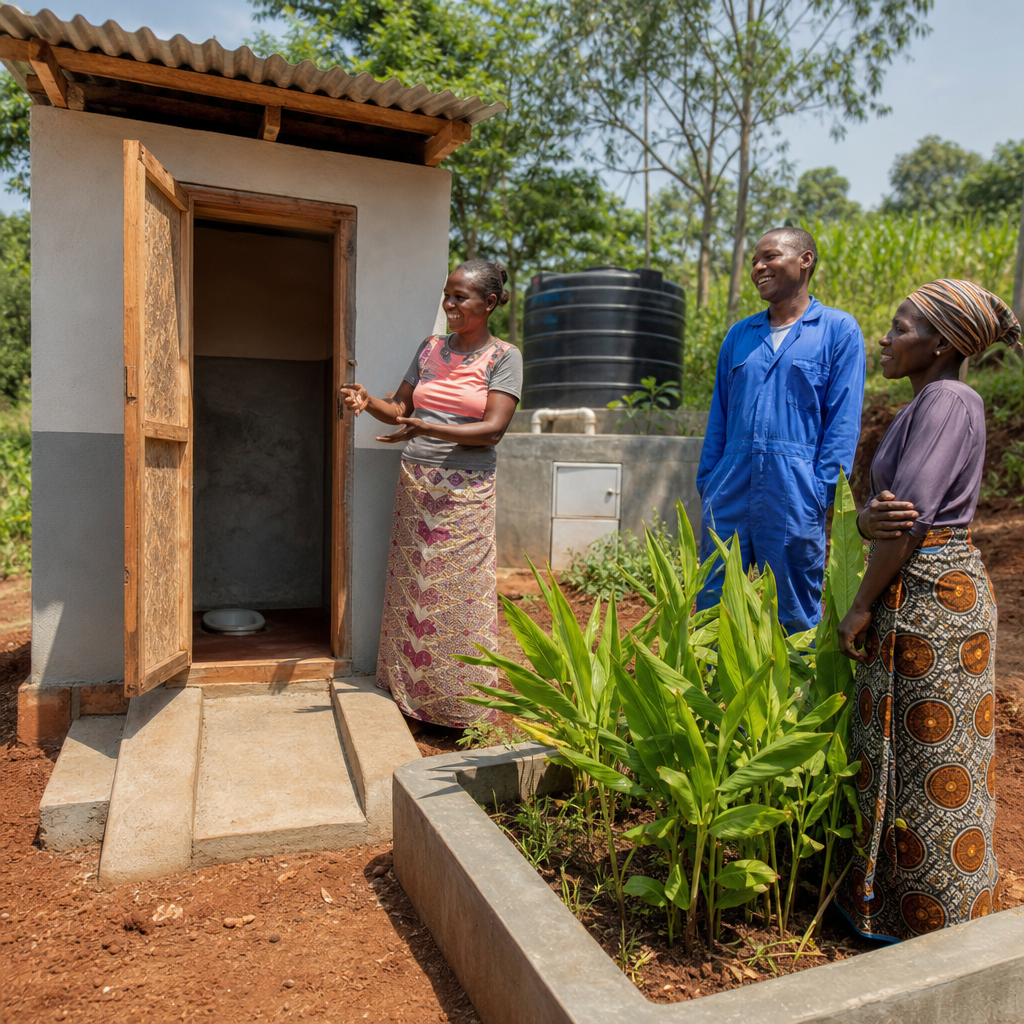
Successful case studies show that these barriers can be overcome through patient engagement, transparent communication, and responsive design. Training is essential, but so is adaptation. Projects work better when systems are designed around local habits, available materials, climate conditions, and maintenance capacity. Communities also benefit from clear roles: who cleans, who monitors, who repairs, and who provides follow-up support. Financial obstacles can be reduced through phased implementation, subsidies, cooperative models, or partnerships with public institutions and nonprofits. Just as important, early pilot successes help shift public perception. When residents see a well-maintained, odor-controlled, easy-to-use EcoSan system functioning in a school, community center, or cluster of homes, skepticism often gives way to curiosity and acceptance. Over time, consistent support and visible results are what turn initial resistance into participation.
5. Why is public understanding so important to the long-term success of ecological sanitation?
Public understanding is central to ecological sanitation because EcoSan depends on informed use, safe management, and shared responsibility. Unlike conventional sanitation systems that may be largely hidden from users, EcoSan often asks people to engage more directly with how sanitation works. That means users need to understand not just the immediate function of a toilet or treatment system, but the broader logic behind it: preventing pollution, conserving water, recovering nutrients, and protecting community health. Without that understanding, systems may be misused, poorly maintained, or rejected altogether, even if the technology itself is sound.
Long-term success comes when communities see EcoSan as a practical public good rather than a temporary project or outside intervention. Education helps build that shift. It empowers residents to make informed choices, ask better questions, and participate in management decisions. It also supports accountability, since people are more likely to care for systems they understand and value. In community case studies, strong public understanding often leads to better maintenance routines, more willingness to invest time and resources, and greater openness to expanding EcoSan into schools, public facilities, and households. Just as importantly, education fosters a culture of learning. Communities that understand ecological sanitation are better equipped to improve their systems, train others, and adapt solutions over time. That is what makes participation and learning so essential: they transform sanitation from a service delivered to people into a shared, community-driven practice.