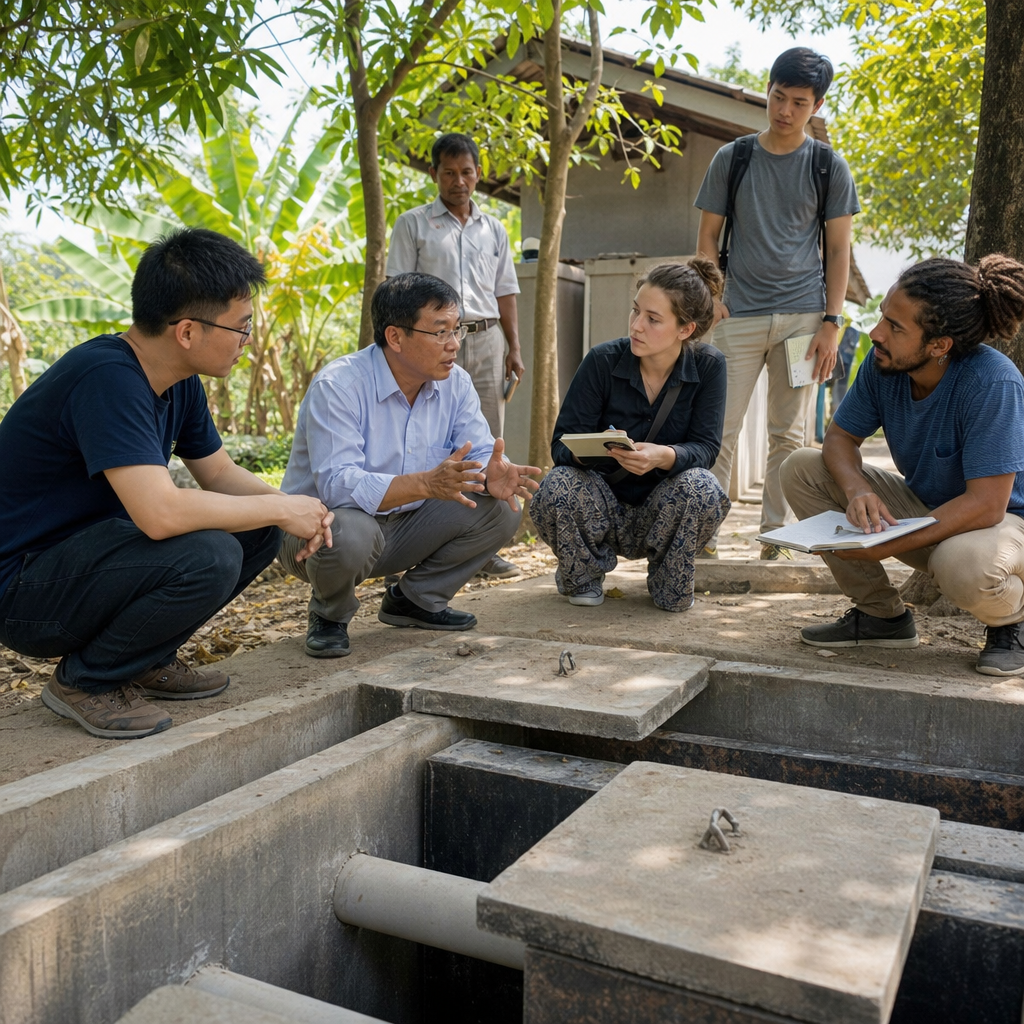
Interactive workshops for women on sanitation and hygiene are one of the most effective ways to turn health information into daily practice, because they combine practical teaching, peer support, and local problem solving in a format people can immediately use. In community health work, sanitation refers to the safe management of human waste, wastewater, solid waste, and environmental cleanliness, while hygiene refers to behaviors that prevent disease, including handwashing, menstrual hygiene management, food hygiene, and safe water handling. Workshops matter because information alone rarely changes routines shaped by time pressure, cost, social norms, and limited infrastructure. I have seen communities attend lectures politely and then return to unsafe water storage, open dumping, or poor toilet maintenance because no one had addressed the barriers women face at home, in schools, markets, and workplaces. A well-designed workshop does that.
This hub article explains how to foster participation and learning through interactive sanitation and hygiene workshops for women. It covers why women-centered formats work, how to design sessions that respect local realities, what topics should be included, which facilitation methods produce real behavior change, and how to measure outcomes without reducing learning to attendance sheets. It also connects this subject to broader community engagement and education goals, because effective workshops do more than transfer knowledge. They strengthen confidence, create local leadership, surface hidden needs, and build momentum for safer households and healthier neighborhoods. For organizations planning programs, local governments improving public health outreach, and community groups leading peer education, this article provides the practical framework needed to make workshops relevant, participatory, and durable.
Why women-centered sanitation and hygiene workshops work
Women often manage water collection, child care, household cleaning, food preparation, menstrual health needs, and care for sick family members. That makes them central decision makers in hygiene behavior, even when they do not control household budgets or infrastructure investments. A workshop designed specifically for women creates space to discuss issues that are frequently ignored in mixed settings, including toilet safety at night, privacy, menstrual product disposal, incontinence, disability access, pregnancy-related hygiene needs, and how girls miss school when facilities are inadequate. In practice, women participate more openly when examples reflect their daily routines instead of abstract public health messages.
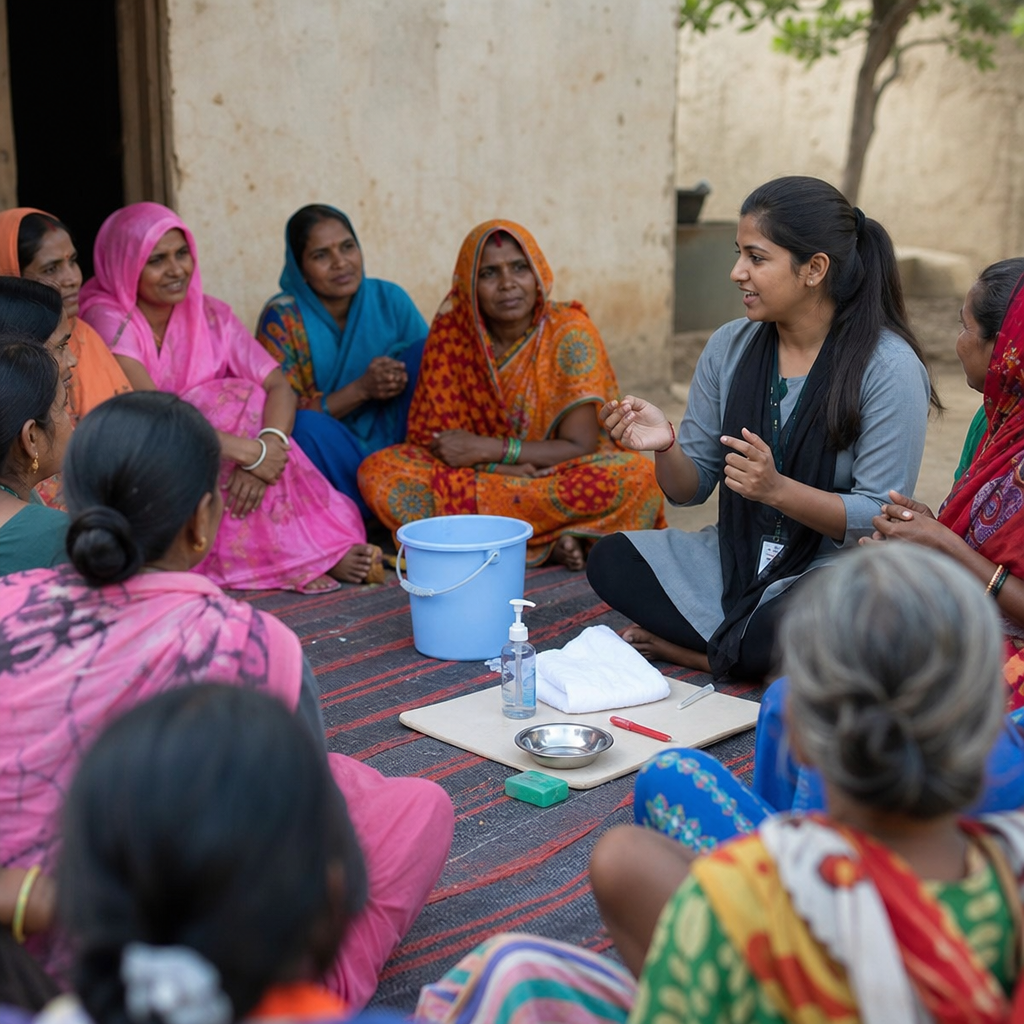
These workshops also work because they use social learning. People adopt new behaviors faster when they can observe, question, and practice them with peers. In one municipal outreach project I supported, attendance improved when sessions moved from lecture halls to neighborhood courtyards and included demonstrations on handwashing station setup, safe chlorination, and low-cost toilet cleaning schedules. Women began comparing solutions, not just listening. That shift mattered. Once participants saw a neighbor explain how she stored treated water in a narrow-neck container with a lid and ladle, the recommendation became practical rather than theoretical. Participation rose again when facilitators included mothers, adolescent girls, market vendors, and older women in the same learning cycle while still allowing breakout discussions for sensitive topics.
Another reason these workshops succeed is trust. Sanitation and hygiene touch intimate parts of life. People will not discuss open defecation, menstrual pain, leaking latrines, harassment near public toilets, or infant feces disposal unless the setting feels safe. Skilled facilitators build trust through confidentiality rules, nonjudgmental language, and problem solving that starts with what households can realistically change this week. That approach prevents the shame-based messaging that often undermines public health campaigns.
Core topics every hub-level workshop program should cover
A strong hub for fostering participation and learning should organize content around the full sanitation and hygiene journey rather than one-off awareness themes. First, personal hygiene should include proper handwashing with soap at critical times: after toilet use, after cleaning a child, before preparing food, before eating, and before feeding a child. Demonstrations should cover friction, duration, drying, and the difference between rinsing quickly and washing effectively. Second, household sanitation should address toilet use, maintenance, odor control, child-friendly adaptations, and safe disposal of child feces, which the World Health Organization and UNICEF identify as a major but underestimated exposure pathway.
Third, water hygiene must include safe collection, transport, treatment, storage, and retrieval. Many households contaminate water after treatment by dipping cups or hands into storage containers. Workshops should show why narrow openings, covers, and pouring methods reduce recontamination. Fourth, menstrual hygiene management deserves dedicated time. Practical discussion should include product choices, changing frequency, washing and drying reusable materials safely, disposal options, pain management, and privacy concerns in schools and public places. Fifth, food hygiene should cover surface cleaning, separation of raw and cooked foods, safe reheating, and protection from flies and rodents. Sixth, environmental hygiene should address drainage, waste segregation where relevant, standing water reduction, and community action around shared spaces.
For a sub-pillar hub article, it is important to make the internal structure clear so future linked articles can go deeper into each area. Supporting pages can expand on school sanitation education, menstrual health facilitation, participatory rural appraisal for hygiene planning, behavior change communication, WASH monitoring tools, and training methods for community health volunteers. The hub should frame these as connected pieces of one engagement strategy: women learn best when technical information is translated into relatable household decisions, reinforced by peer discussion, and supported by local systems.
How to design workshops that foster participation and learning
Participation does not happen because a session is labeled interactive. It happens when the design removes practical and social barriers. Timing is the first factor. Sessions scheduled during water collection hours, market periods, prayer times, or school pickup windows will exclude the very women most affected by sanitation burdens. Location matters equally. A trusted community space within walking distance is usually better than a formal office. Childcare, seating, shade, ventilation, and access to toilets influence attendance more than many planners expect. If the topic includes menstrual hygiene or safety, privacy is essential.
Language and literacy also shape learning. I have found that the most effective workshops use plain spoken language, local examples, visual prompts, and live demonstrations rather than text-heavy slides. Facilitators should ask what participants already do, what they want to improve, and what constraints they face. That sequence respects existing knowledge and reveals barriers such as soap cost, water scarcity, landlord neglect, flood-prone toilets, lack of bins, or family resistance. Once those realities are named, the workshop can move from generic advice to feasible action planning.
Good design also means setting learning objectives that are observable. “Increase awareness” is too vague. Better objectives are: participants can demonstrate correct handwashing; identify three ways water becomes contaminated at home; compare menstrual product management options; or create a household toilet cleaning roster. When objectives are concrete, methods become clearer and evaluation becomes credible. Finally, workshop plans should include referral pathways. If participants disclose violence near shared sanitation facilities, repeated diarrhea in children, fistula symptoms, or inaccessible toilets for disabled family members, facilitators need a list of local services and authorities, not just educational content.
Facilitation methods that produce behavior change
The best sanitation and hygiene workshops blend adult learning principles with public health practice. Demonstration is essential because many critical behaviors are physical skills. A facilitator can explain handwashing for ten minutes, but a two-minute demonstration with soap, water, and visible missed areas will teach more. Role play works well for household negotiation, such as asking family members to fund a toilet repair or support menstrual product purchases. Small-group problem solving helps participants compare constraints and solutions without feeling exposed in front of the full room.
Participatory mapping is another effective method. Women can map water points, public toilets, unsafe pathways, dumping areas, and flood zones in their neighborhood. This quickly reveals why hygiene behavior is not only a matter of knowledge but also of access and safety. Ranking exercises are useful for prioritizing issues: soap affordability, drainage, privacy, disability access, water availability, or school toilet maintenance. Story-based discussion works especially well when addressing stigma. A fictional case about a girl missing school during menstruation or a grandmother struggling with incontinence allows honest discussion without forcing personal disclosure.
Commitment tools improve follow-through. At the end of sessions, participants should name one action they will take within a week and one barrier they need help solving. Peer pairs or neighborhood groups can check in on progress. In programs I have evaluated, this simple accountability step increased completion of practical changes such as installing tippy taps, covering water containers, and organizing shared toilet cleaning schedules. Behavior change is stronger when workshops move beyond one session and include reinforcement through home visits, text reminders, mothers’ groups, school clubs, or health volunteer follow-up.
Practical workshop formats and topic pathways
Different communities need different formats, but a hub article should outline reliable models that can be adapted. Short awareness sessions of sixty to ninety minutes work for market settings or health days, but they are best for one or two focused behaviors. Half-day workshops allow demonstrations, discussion, and action planning. Multi-session series are ideal when the goal is leadership development, neighborhood sanitation planning, or training peer educators. In dense urban settlements, rotating micro-workshops hosted by block leaders may reach more women than central events. In rural areas, integrating sessions into existing women’s groups or savings groups often improves continuity.
| Format | Best use | Typical activities | Main limitation |
|---|---|---|---|
| Single short session | Rapid awareness on one issue | Demonstration, questions, takeaway messages | Limited behavior follow-up |
| Half-day workshop | Skills plus discussion | Group work, mapping, practice, action plans | Needs careful scheduling |
| Multi-session series | Deep learning and local leadership | Peer teaching, home assignments, review meetings | Higher retention effort |
| Training of facilitators | Scale through community leaders | Method coaching, content mastery, supervision | Quality can drift without support |
Topic pathways should also be sequenced logically. A common mistake is starting with disease statistics rather than everyday relevance. Better pathways begin with lived experience, move to risk identification, then introduce skills and solutions. For example, a menstrual hygiene workshop might start with privacy challenges and school attendance, then cover body literacy, product options, washing and drying practices, disposal systems, and advocacy for facility improvements. A water hygiene pathway might begin with where contamination happens in the household, then demonstrate treatment and storage options, and finish with household pledges and follow-up visits. This structure keeps learning practical and memorable.
Measuring success and sustaining impact
Attendance is the easiest metric to collect and the least useful on its own. Success should be measured at four levels: participation quality, knowledge gain, practice adoption, and community-level improvement. Participation quality includes who attended, who spoke, whether adolescents and older women were represented, and whether women from marginalized groups could engage comfortably. Knowledge gain can be assessed with short oral quizzes, picture sorting, or demonstration checks instead of written tests. Practice adoption requires follow-up. Did households add soap near handwashing points, start covering stored water, improve menstrual material drying, or organize cleaning schedules for shared toilets?
Community-level improvement takes longer but matters most. Indicators may include cleaner shared facilities, reduced standing wastewater, more functioning handwashing stations, fewer complaints about public toilet safety, or improved school attendance among girls during menstruation. Health outcomes such as reduced diarrhea are important but should be interpreted carefully because many variables affect them. For implementation quality, recognized approaches from WASH programming are useful: pre- and post-assessments, observation checklists, barrier analysis, and periodic supportive supervision of facilitators. Digital tools such as KoboToolbox, CommCare, and simple mobile survey forms can help community teams collect consistent data without expensive systems.
Long-term impact depends on linking workshops to local structures. Community health workers, women’s associations, school management committees, water user groups, and municipal sanitation teams should all have a role. The workshop becomes the entry point, not the endpoint. When participants know where to report a broken public toilet, access subsidized hygiene supplies, request a school bin with a lid, or join a neighborhood cleanup committee, learning translates into sustained change. Programs that budget only for training materials and not for follow-up almost always underperform.
Building an inclusive hub for community engagement and education
As a hub within community engagement and education, this topic should connect participation methods with equity. Women are not a single audience. Adolescent girls, pregnant women, caregivers of young children, women with disabilities, informal workers, migrants, and older women face different sanitation and hygiene barriers. Effective workshops acknowledge those differences in examples, venue choice, and facility design. Accessibility is not optional. Venues need safe entry, seating, understandable materials, and toilets participants can actually use. If sign language, translation, or transport support is needed, it should be planned from the start.
The hub should also guide readers toward related articles that deepen implementation: facilitating sensitive discussions, co-designing with local women leaders, budgeting for consumables and demonstrations, adapting hygiene education during outbreaks, integrating sanitation topics into livelihoods groups, and documenting stories of change ethically. That structure helps organizations move from isolated events to coherent engagement systems. In my experience, the strongest programs treat women not as passive recipients of health education but as analysts, trainers, monitors, and advocates. When workshops are built this way, they improve sanitation and hygiene practices while strengthening community voice.
Interactive workshops for women on sanitation and hygiene succeed when they are practical, participatory, and tied to real decisions women make every day. The most effective programs define sanitation and hygiene broadly, create safe learning environments, focus on observable skills, and connect education to local action and services. They use demonstrations, mapping, discussion, and peer accountability to turn knowledge into routine practice. They also measure success through behavior adoption and community improvement, not attendance alone. If you are building a community engagement and education strategy, use this hub as your foundation, then develop linked resources for each workshop topic, facilitation method, and follow-up system so participation leads to lasting learning and healthier communities.
Frequently Asked Questions
What are interactive workshops for women on sanitation and hygiene, and why are they so effective?
Interactive workshops for women on sanitation and hygiene are hands-on learning sessions designed to help participants understand and apply practical health behaviors in their daily lives. Instead of relying only on lectures or printed advice, these workshops use demonstrations, group discussion, problem-solving activities, role-play, and peer learning to make information clear, relevant, and memorable. Women can ask questions openly, practice skills such as proper handwashing or safe water storage, and discuss real barriers they face at home, at work, or in the community.
They are especially effective because they connect health knowledge to daily routines. In community health, sanitation includes the safe management of human waste, wastewater, solid waste, and environmental cleanliness, while hygiene includes disease-prevention behaviors such as handwashing, menstrual hygiene management, food hygiene, and household cleanliness. Workshops bring these topics to life by showing not only what to do, but also how and why to do it. When women see demonstrations, practice techniques themselves, and hear solutions from others in similar situations, they are more likely to adopt and sustain healthy habits.
Another reason these workshops work so well is that they create a supportive environment for shared learning. Women often already manage many aspects of household water use, child care, food preparation, and family health, so improving sanitation and hygiene knowledge can have a broad impact. Interactive sessions also help participants identify local risks and realistic solutions, such as improving toilet cleanliness, managing menstrual materials safely and privately, reducing standing water, or organizing community waste disposal. This practical, participatory format turns information into action and helps build confidence, leadership, and long-term community health awareness.
What topics are usually covered in a sanitation and hygiene workshop for women?
A well-designed workshop usually covers a wide range of topics that support disease prevention, dignity, safety, and everyday wellbeing. Core sanitation topics often include safe toilet use, proper disposal of human waste, management of wastewater around the home, solid waste separation and disposal, reducing environmental contamination, and keeping shared spaces clean. These sessions may also address the health risks linked to poor sanitation, such as diarrhea, intestinal infections, skin conditions, and the spread of bacteria and parasites through contaminated hands, water, food, or surfaces.
Hygiene topics typically include proper handwashing with soap at critical times, such as after using the toilet, after cleaning a child, before preparing food, before eating, and before feeding children. Workshops may also cover bathing, oral hygiene, food hygiene, water handling, cleaning household surfaces, and preventing infections in crowded or resource-limited settings. Menstrual hygiene management is also a common and essential component. This can include information on choosing and safely using menstrual products, changing materials regularly, washing hands before and after changing, cleaning reusable materials correctly, private drying and storage, and safe disposal where needed.
Many workshops go beyond basic instruction and focus on practical problem solving. For example, facilitators may help women think through what to do if water is scarce, toilets are shared, disposal systems are limited, or privacy is poor. Sessions often include child hygiene, maternal health, infection prevention during pregnancy and postpartum recovery, and strategies for teaching healthy habits to children and other family members. In effective programs, content is adapted to local realities, literacy levels, cultural norms, and available resources, which makes the information more useful and easier to apply consistently.
How do these workshops help women apply sanitation and hygiene practices at home and in their communities?
The main strength of interactive workshops is that they focus on real-life application rather than abstract advice. Women learn practical steps they can use immediately, such as setting up a handwashing station near a toilet or cooking area, storing drinking water in clean covered containers, keeping waste away from living spaces, or creating a routine for cleaning high-contact surfaces. Because participants can practice these actions during the workshop, they leave with more than awareness; they leave with skills, confidence, and a clear understanding of what healthy practice looks like.
These workshops also help women identify obstacles that might otherwise prevent change. A participant may know that handwashing matters, for example, but still struggle if soap is limited, water is far away, or washing facilities are inconvenient. Through discussion and demonstration, the group can explore practical alternatives and low-cost solutions. The same is true for menstrual hygiene, toilet maintenance, wastewater drainage, and household waste disposal. When local problems are discussed openly, the solutions developed tend to be more realistic, culturally acceptable, and sustainable.
At the community level, workshops often encourage women to become advocates and informal educators. Participants may share what they learn with children, spouses, neighbors, and community groups, helping healthy behaviors spread beyond the training session itself. In some cases, workshops strengthen collective action by helping women organize neighborhood cleanups, improve shared sanitation spaces, push for safer water access, or coordinate better waste management practices. This ripple effect is one of the reasons interactive workshops are so valuable: they support both personal behavior change and broader community health improvement.
Why is it important to include menstrual hygiene management in these workshops?
Menstrual hygiene management is an essential part of women’s health, dignity, comfort, and participation in daily life, so it should never be treated as a secondary issue. Including it in sanitation and hygiene workshops helps normalize a topic that is often surrounded by silence, misinformation, or stigma. Many women and girls do not receive clear, practical guidance on how to manage menstruation safely and comfortably, especially in areas where access to products, water, privacy, or disposal systems is limited. Workshops create a trusted space where participants can ask questions, correct myths, and learn evidence-based practices.
This topic is closely linked to both hygiene and sanitation. Good menstrual hygiene involves using clean materials, changing them as needed, washing hands before and after handling menstrual products, bathing regularly, and keeping reusable materials properly washed, dried, and stored. Sanitation matters because women also need private, safe, and functional toilets, a way to wash with dignity, and appropriate disposal or cleaning options. When these needs are not met, women may face discomfort, infections, stress, embarrassment, and reduced participation in work, school, or community life.
Addressing menstrual hygiene in workshops also supports confidence and empowerment. It helps women understand that menstruation is a normal biological process and that managing it safely is a health right, not a private burden to carry without support. In practical terms, facilitators can discuss product options, local availability, cleaning methods for reusable items, safe disposal practices, and ways to improve privacy at home or in shared facilities. By treating menstrual hygiene management as a core part of sanitation and hygiene education, workshops become more complete, more inclusive, and more responsive to women’s real needs.
What makes a sanitation and hygiene workshop successful and sustainable over time?
A successful workshop is one that is relevant, participatory, practical, and respectful of local conditions. Strong programs begin by understanding the community’s actual challenges rather than assuming a one-size-fits-all solution. This means considering access to water, sanitation infrastructure, cultural practices, privacy concerns, literacy levels, income limitations, and seasonal conditions. When workshops reflect the daily realities of the women attending, the guidance feels achievable rather than idealized, which greatly improves adoption and long-term behavior change.
Facilitation style also matters. Workshops are most effective when participants are encouraged to speak, demonstrate, ask questions, and share their own experiences. Visual tools, simple language, live demonstrations, and group activities help make complex ideas easy to understand. Skilled facilitators also create a safe environment for discussing sensitive topics such as menstruation, toilet use, personal hygiene, caregiving, and household responsibilities. This trust is essential because sanitation and hygiene are deeply connected to privacy, dignity, and social norms.
For sustainability, workshops should not be isolated events. Follow-up support, peer groups, refresher sessions, local champions, and community monitoring can help keep new practices in place. It is also important to link education with practical improvements wherever possible, such as better access to soap, clean water, menstrual products, waste bins, drainage solutions, or safer toilets. Lasting results come when behavior change efforts are reinforced by community support and enabling conditions. In that sense, the most sustainable workshops do more than transfer knowledge; they build local capacity, strengthen networks among women, and encourage ongoing problem solving that improves health well beyond the classroom or meeting space.