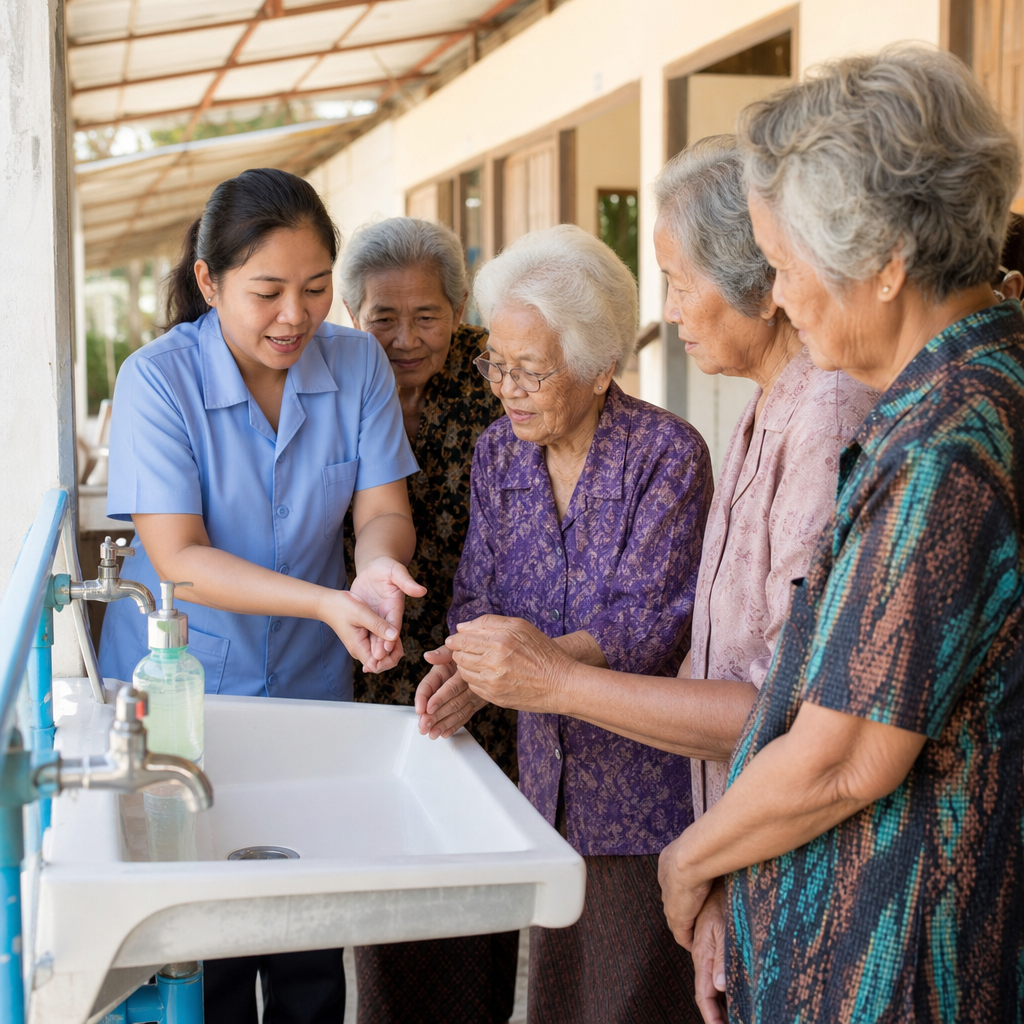
Sanitation education for the elderly and vulnerable groups is a practical public health strategy that helps people stay healthy, independent, and socially included. In community programs, I have seen sanitation training work best when it goes beyond generic hygiene messages and addresses the daily realities of older adults, people with disabilities, low-income households, migrants, and people living with chronic illness. Sanitation education means teaching people how to use, maintain, and demand safe sanitation services, including toilets, handwashing facilities, menstrual hygiene support, waste handling, water storage, and infection prevention practices. Vulnerable groups are populations with higher exposure to health risks or greater barriers to accessing services because of age, disability, poverty, isolation, language, or limited mobility. This topic matters because poor sanitation is directly linked to diarrheal disease, parasitic infections, urinary tract complications, skin conditions, and avoidable dignity loss. For older adults, unsafe toilets and poor drainage also increase fall risk, caregiver burden, and social withdrawal. A strong community engagement and education approach builds knowledge, confidence, and participation so people can shape services, not just receive them. As a hub topic, fostering participation and learning connects sanitation awareness with accessibility, behavior change, caregiver support, inclusive design, and local accountability, creating a foundation for healthier households and more resilient communities.
Why participation and learning are the foundation of inclusive sanitation
Participation and learning are the core of effective sanitation education because behavior change is rarely sustained through one-way instruction alone. Older adults and other vulnerable groups need information that is understandable, relevant, and actionable in the places where they live. In practice, this means moving from lecture-style awareness campaigns to participatory education sessions, household demonstrations, peer learning groups, and community feedback loops. The most successful programs ask simple questions first: What stops people from using a toilet safely? Is the barrier physical access, cost, stigma, fear of falling, poor lighting, lack of privacy, dementia-related confusion, or inconsistent water supply? Once those constraints are identified, education can address real problems instead of repeating broad hygiene slogans.
Community learning also improves service uptake because it builds ownership. When older residents help map unsafe latrines, identify broken handrails, or report overflowing pits, local authorities get clearer priorities. When caregivers learn safe cleaning routines and continence-support practices, household sanitation improves immediately. Participation is equally important for trust. Many vulnerable groups have experienced being excluded from planning meetings or receiving materials in formats they cannot use. Education efforts that include home visits, large-print materials, sign language support, pictorial instructions, and local-language facilitation create better outcomes because they reduce friction at the point of learning. In my experience, the shift is measurable: attendance improves, questions become more specific, and households are far more likely to adopt simple changes such as installing grab bars, improving lighting, elevating water containers, or setting cleaning schedules. Education is not only about transferring knowledge. It is about enabling people to participate in decisions, practice safer routines, and hold systems accountable.
Who sanitation education must reach and what barriers they face
A hub page on fostering participation and learning must define the audience clearly. The elderly are not a uniform group. Some are active and independent, while others live with frailty, incontinence, arthritis, poor vision, hearing loss, cognitive decline, or multiple chronic conditions. Vulnerable groups also include people with physical, sensory, or intellectual disabilities, immunocompromised individuals, women and girls managing menstruation, refugees and migrants, people living in informal settlements, and households with very low income. Each group faces different sanitation barriers, and education must reflect those differences.
Common barriers fall into five categories. First is physical accessibility. Steps, narrow doors, slippery floors, squat toilets, and distant facilities can make safe use impossible. Second is information accessibility. Printed posters with small text or technical language fail many older adults and people with low literacy. Third is affordability. Soap, disinfectant, incontinence products, and small home modifications cost money, and some households ration them. Fourth is social stigma. People may avoid discussing incontinence, menstruation, disability needs, or open defecation practices because of shame. Fifth is institutional exclusion. Community meetings are often held at inconvenient times, in inaccessible venues, or without transportation support. Effective sanitation education recognizes these barriers openly and designs around them.
Programs should segment audiences rather than assume one message fits all. An older adult living alone may need toilet safety guidance and emergency contact planning. A family caring for a person with limited mobility may need transfer techniques, cleaning protocols, and advice on reducing skin irritation. A neighborhood of informal workers may need flexible session times and practical guidance on water-saving hand hygiene. Reaching the right audience with the right message is the difference between nominal outreach and meaningful learning.
What effective sanitation education should teach
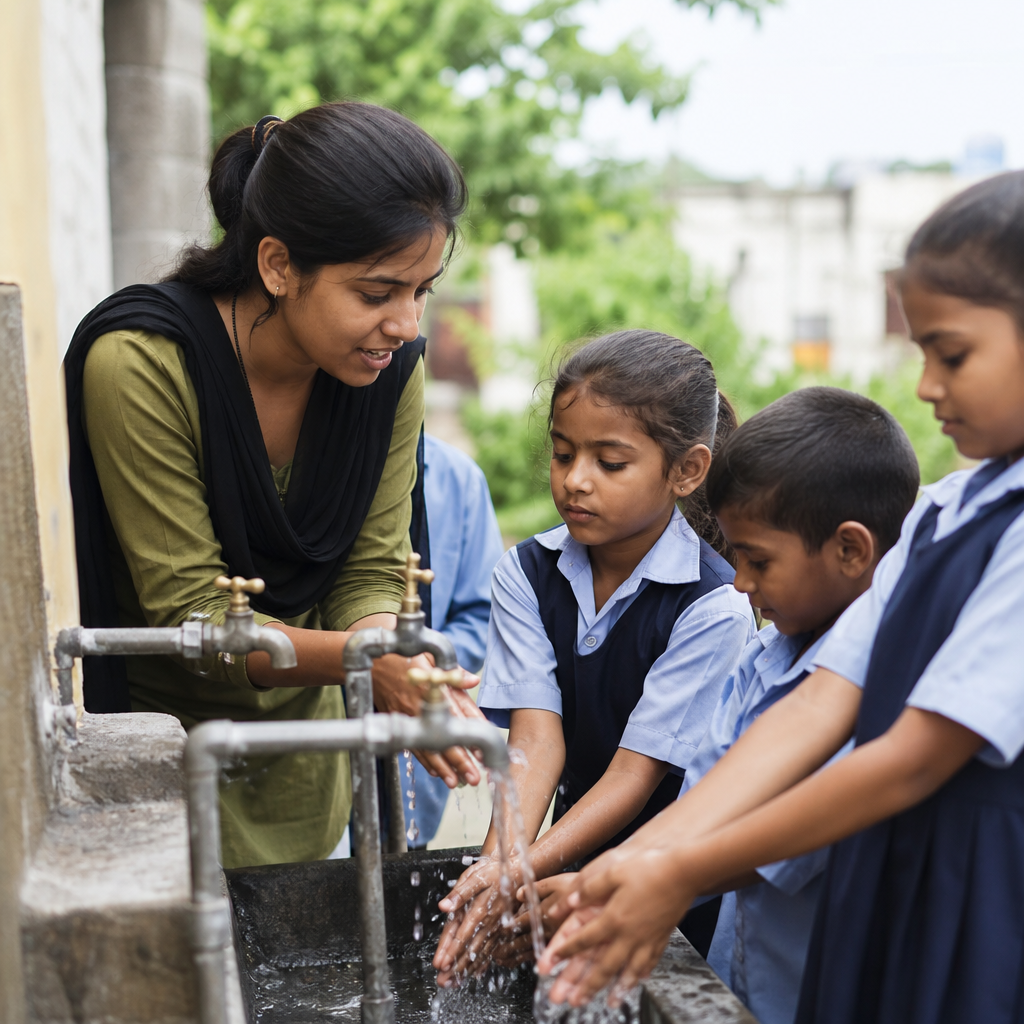
Sanitation education for the elderly and vulnerable groups should cover a practical set of topics that people can apply immediately. The first is safe toilet use: keeping pathways clear, ensuring lighting at night, installing non-slip surfaces, using raised seats or support rails when needed, and cleaning high-touch surfaces regularly. The second is hand hygiene, including when to wash hands, how to wash effectively, and what to do when water is limited. The third is household environmental sanitation: safe disposal of waste, wastewater drainage, routine cleaning schedules, pest control, and safe water storage. The fourth is personal dignity and care, including continence management, menstrual hygiene support, and respectful caregiver assistance. The fifth is infection prevention, especially after episodes of diarrhea, vomiting, respiratory illness, or wound care.
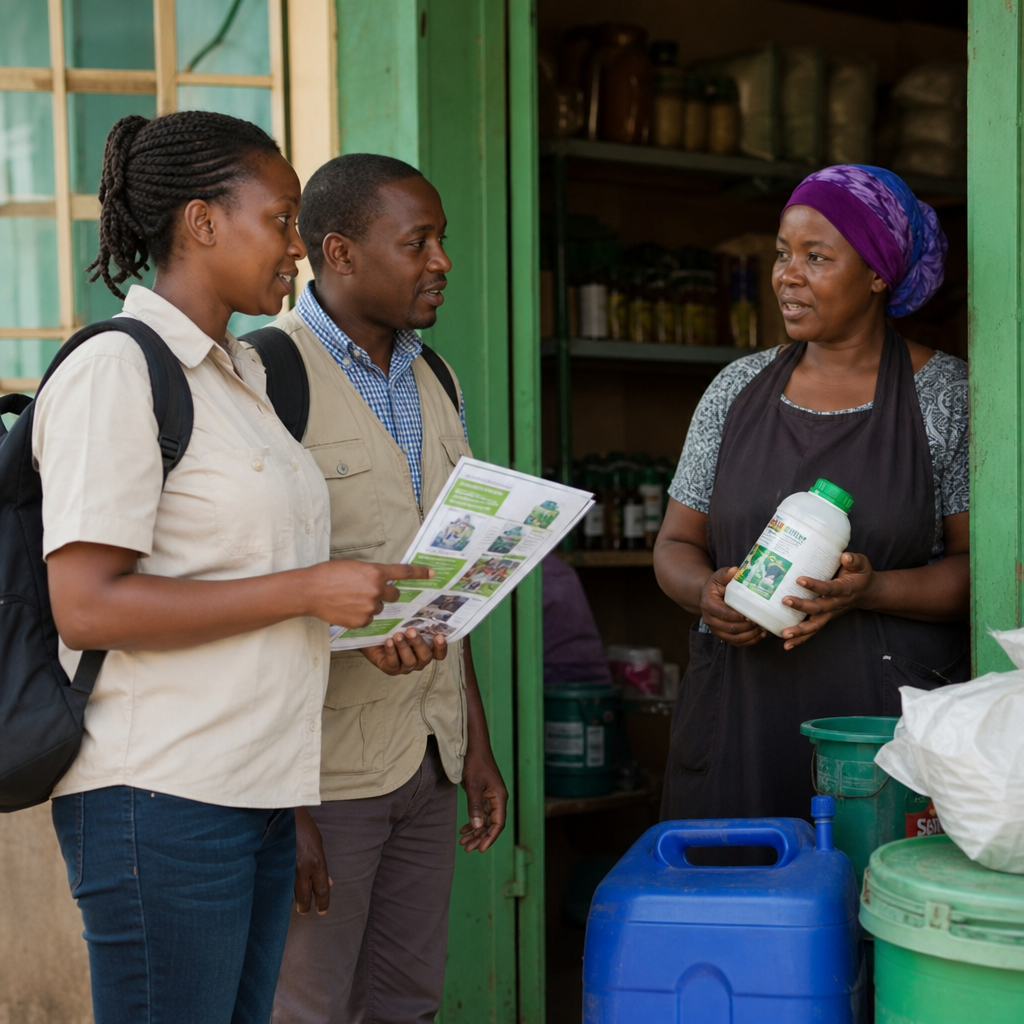
Teaching should also include rights and service navigation. Many people do not know who is responsible for desludging septic tanks, repairing public toilets, emptying waste bins, or responding to blocked drains. Good education explains the local chain of responsibility and gives households realistic reporting routes. This is especially important in decentralized systems where service quality varies. I have found that a simple contact sheet with names, phone numbers, and complaint steps often improves community response more than another poster on handwashing alone.
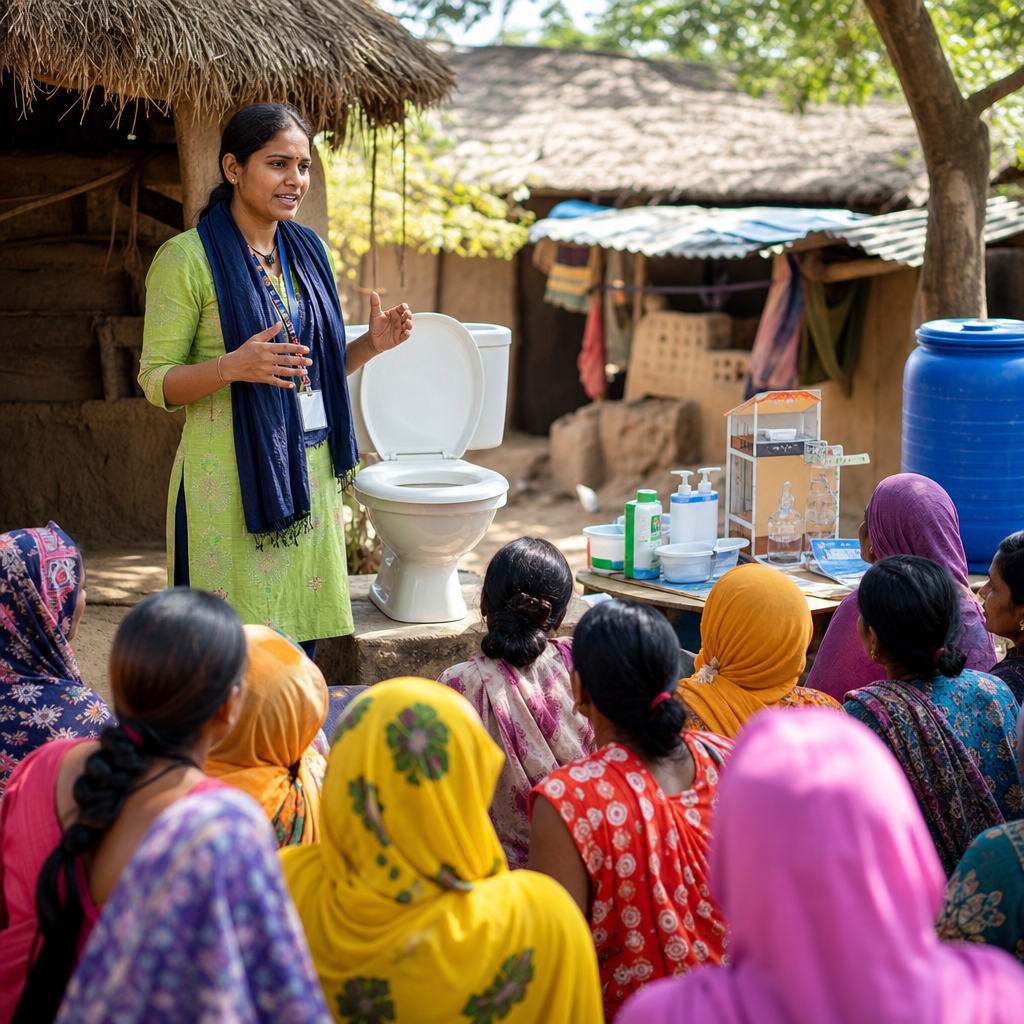
Methods matter as much as topics. Demonstration-based learning is usually more effective than abstract instruction. Showing a caregiver how to disinfect a commode chair correctly, or walking an older resident through a safer nighttime toilet route, produces immediate understanding. Repetition is essential because many learners need reinforcement over time. Adult learning works best when messages are concise, tied to daily routines, and practiced in the real environment where behavior must occur.
Delivery methods that increase understanding and adoption
The strongest sanitation education programs use multiple delivery methods so information is repeated across trusted channels. Home visits are often the most effective option for frail older adults and people with severe mobility limitations because educators can assess the actual sanitation environment. Community workshops work well when venues are accessible, seating is comfortable, and sessions are interactive rather than lecture-heavy. Peer educators are especially valuable. Older adults often respond better to someone who understands their daily challenges, while caregivers trust advice grounded in lived experience. Radio segments, religious gatherings, pharmacy partnerships, and clinic-based counseling can extend reach further.
Materials should be adapted for accessibility. Use large fonts, high-contrast colors, plain language, icons, and step-by-step visuals. For low-literacy audiences, picture cards and demonstration tools are more useful than text-dense leaflets. For people with hearing or visual impairments, combine verbal explanation, tactile cues, audio formats, and caregiver reinforcement. Digital tools can help, but they should not be the only channel. Messaging apps are useful for caregiver groups, appointment reminders, and short instructional videos, yet many elderly people still prefer phone calls or in-person contact.
Timing and frequency affect adoption. Short sessions repeated over several weeks outperform a single long event. Seasonal planning also matters. Before rainy periods, communities need education on drainage, standing water, and safe toilet access in flooded areas. During outbreaks, educators should update messages quickly with local health guidance. Programs that combine sanitation education with health screenings, social protection visits, or rehabilitation services tend to reach vulnerable households more consistently because sanitation becomes part of routine contact instead of a standalone campaign.
How communities can organize inclusive sanitation learning
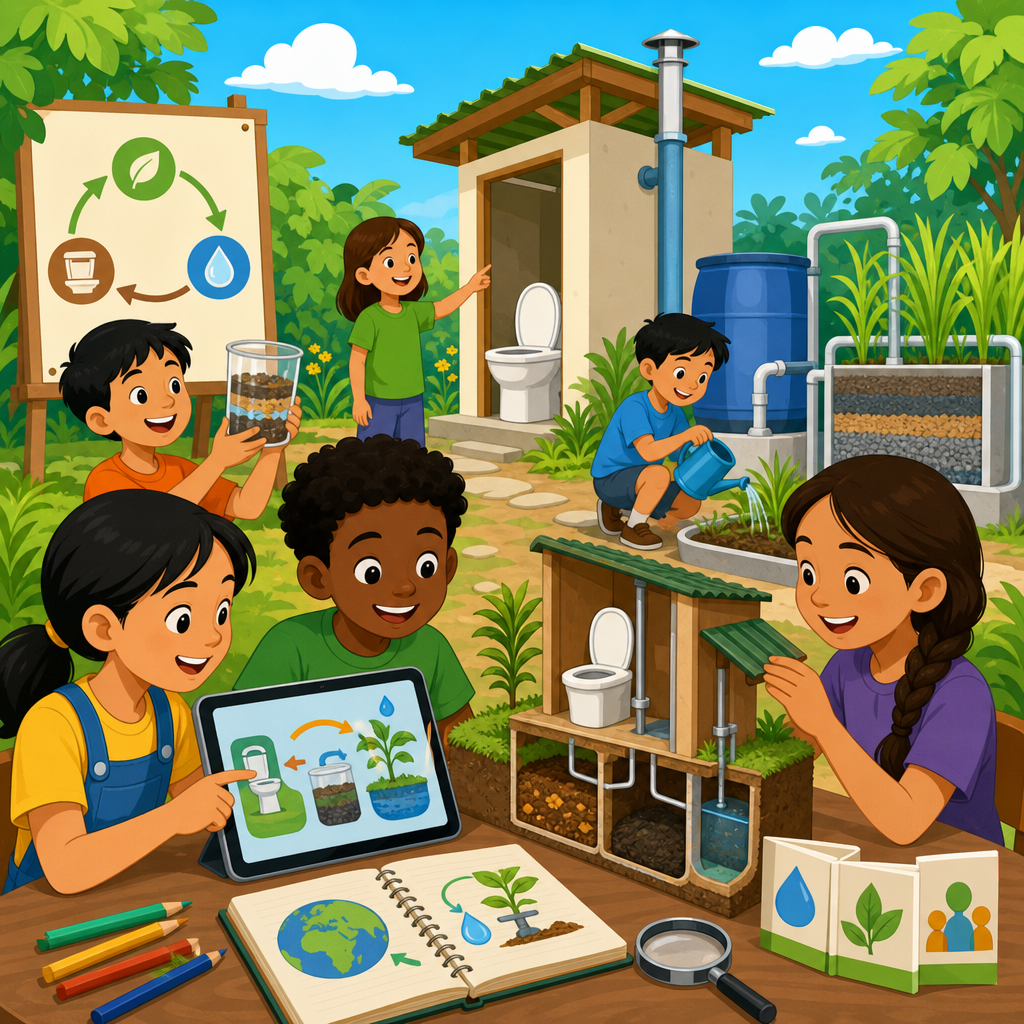
Inclusive sanitation learning works best when local actors share roles clearly. Community health workers can provide household counseling and identify high-risk residents. Local governments can support venue access, service referrals, and small infrastructure fixes. Civil society groups can convene peer forums and advocate for inclusive design. Caregivers and older persons’ associations can test materials and shape messages so they reflect real needs. Schools and youth groups can help with intergenerational learning, especially when families support aging relatives at home.
A simple planning structure helps communities move from intention to action. Start with a needs assessment that maps vulnerable households, common sanitation risks, and communication barriers. Then define priority messages, delivery channels, and referral pathways. Assign responsibilities, set a calendar, and decide how feedback will be collected. Monitoring should include both participation and practice change, not just attendance. I recommend checking whether households adopted specific actions such as installing lighting, storing soap near toilets, covering water containers, or requesting repairs.
| Community action | Primary purpose | Example for elderly and vulnerable groups |
|---|---|---|
| Household assessment | Identify risks and tailor education | Find slippery toilet floors, narrow doors, or missing handrails in an older person’s home |
| Peer learning session | Build trust and practical understanding | Caregivers share continence care routines that reduce odor and skin irritation |
| Service referral | Connect education to action | Refer a household for latrine repair, pit emptying, or disability-friendly toilet upgrades |
| Feedback meeting | Improve accountability | Residents report broken public toilet locks or inaccessible wash stations to local officials |
This kind of structure keeps participation concrete. People learn more when they can see how education leads to visible improvements in their home or neighborhood.
Measuring results, strengthening trust, and linking to related topics
Sanitation education should be evaluated with indicators that reflect real-life outcomes. Knowledge scores are useful, but they are not enough. Better measures include observed handwashing station use, safer toilet access, fewer sanitation-related falls, improved cleaning frequency, reduced open defecation, more timely waste disposal, and higher rates of repair reporting. Qualitative feedback is equally important. Ask older adults whether facilities feel safer, whether instructions were understandable, and whether they felt respected during the learning process. Trust grows when programs listen and adjust.
Balanced evaluation also requires acknowledging limitations. Education cannot solve every sanitation problem where infrastructure is absent, water is unreliable, or public authorities fail to maintain services. In those situations, education should include advocacy and referral pathways rather than placing the full burden on households. That is why this hub topic connects to broader articles on caregiver engagement, accessible toilet design, hygiene promotion methods, community-led monitoring, behavior change communication, and inclusive WASH planning. Fostering participation and learning is the thread that ties them together. It turns sanitation from a technical service into a shared community practice shaped by users, caregivers, educators, and local institutions.
Sanitation education for the elderly and vulnerable groups succeeds when it is practical, inclusive, and rooted in participation. The central lesson is simple: people adopt safer sanitation habits when education matches their real environment, respects their dignity, and gives them a voice in decisions. Effective programs define vulnerable audiences clearly, address barriers such as mobility, stigma, and low literacy, teach concrete daily practices, and deliver messages through accessible, repeated, trusted channels. They also connect learning to service improvement by showing households where to seek repairs, support, and accountability.
As the hub for fostering participation and learning within community engagement and education, this topic should guide every related sanitation effort. If a program wants better hygiene outcomes, lower infection risk, safer toilet use, or stronger community ownership, participation cannot be treated as an optional extra. It is the mechanism that makes learning stick. Review your current sanitation education activities, identify who is being missed, and build the next phase around inclusion, feedback, and practical action.
Frequently Asked Questions
1. What is sanitation education for the elderly and vulnerable groups, and why is it important?
Sanitation education for the elderly and vulnerable groups is the process of teaching practical, relevant, and accessible information about safe toilet use, handwashing, menstrual and incontinence hygiene, waste disposal, water handling, and the maintenance of sanitation facilities in ways that match people’s everyday realities. It is especially important because older adults, people with disabilities, people living with chronic illness, migrants, low-income households, and other at-risk groups often face barriers that general public health messages do not address. These barriers can include reduced mobility, vision or hearing impairments, memory loss, pain, stigma, inaccessible toilets, limited money for soap or cleaning supplies, and dependence on caregivers.
When sanitation education is designed well, it does much more than promote cleanliness. It helps prevent diarrhea, skin infections, urinary tract infections, parasitic disease, and other illnesses that can become more serious in elderly or medically vulnerable individuals. It also protects dignity, privacy, and confidence. For many people, being able to use a toilet safely, manage personal hygiene independently, and keep their living space clean can make the difference between remaining active in the community and becoming isolated. In that sense, sanitation education is both a health intervention and a social inclusion strategy. It helps people understand not only what healthy sanitation practices are, but also how to adapt them to their physical, financial, and environmental conditions.
2. How should sanitation education be adapted for older adults and people with disabilities?
Effective sanitation education must be adapted to the abilities, routines, and environments of the people it is meant to serve. For older adults, this often means recognizing challenges such as reduced strength, poor balance, arthritis, visual impairment, incontinence, or memory changes. For people with disabilities, the approach must account for physical, sensory, intellectual, or psychosocial needs. A one-size-fits-all message is rarely enough. Instead, education should focus on practical problem-solving: how to make toilet access safer, how to reduce slipping risks, how to position handwashing stations within reach, how to use assistive devices hygienically, and how to simplify cleaning routines so they are manageable every day.
Communication style matters just as much as content. Materials should use clear language, large print, visual aids, demonstrations, and repetition when needed. For people with hearing impairments, educators may need written instructions, sign language support, or pictorial tools. For people with low vision, verbal explanation and tactile guidance can be more useful than printed materials. For people with cognitive difficulties, short and consistent messages tied to daily habits often work best. Caregivers should also be included wherever appropriate, because they are often central to hygiene support, toileting assistance, and sanitation maintenance. Most importantly, adaptation should preserve dignity and autonomy. The goal is not simply to instruct people, but to help them use sanitation facilities safely and confidently in ways that respect their independence.
3. What topics should a strong sanitation education program cover for vulnerable populations?
A strong sanitation education program should cover the full range of sanitation practices that affect daily health, comfort, and safety. This includes correct toilet use, safe disposal of feces and other waste, handwashing with soap at key times, cleaning and disinfecting toilets and bathrooms, safe water storage, menstrual hygiene management, and incontinence care. Programs should also address the proper handling of cleaning materials, how to prevent contamination in shared living environments, and what to do when facilities are broken, full, unsafe, or inaccessible. In settings where people rely on shared toilets, public latrines, or temporary shelters, education should include strategies for reducing exposure to dirty surfaces, carrying personal hygiene items, and identifying safer times or ways to access facilities.
For elderly and vulnerable groups, the program should go beyond basic instructions and include real-life guidance. That means discussing mobility and fall prevention in wet areas, nighttime toilet access, the use of commodes or bedpans when needed, odor control, skin protection, safe laundering of soiled clothes or bedding, and the importance of ventilation and routine cleaning. It should also explain rights and responsibilities: people should know that they can ask for accessible facilities, privacy, affordable supplies, and support from local services or community leaders. A high-quality sanitation education program connects personal hygiene practices with broader health outcomes and empowers people to advocate for better sanitation conditions, not just cope with poor ones.
4. What are the biggest barriers to sanitation for elderly and vulnerable groups, and how can education help overcome them?
The biggest barriers are usually a combination of physical, economic, social, and environmental challenges. Physically, some people cannot walk long distances to a toilet, squat safely, lift water containers, or clean facilities regularly. Economically, households may struggle to afford soap, disinfectant, incontinence products, water, transport, or repairs. Socially, stigma can prevent people from discussing incontinence, disability-related needs, menstrual hygiene, or sanitation difficulties. Some older adults feel embarrassed asking for help, while migrants or marginalized groups may not know what services are available or may fear discrimination. Environmental barriers are also common, such as toilets without handrails, poor lighting, narrow doors, slippery floors, steps, lack of privacy, irregular water supply, or unsafe paths to latrines.
Sanitation education helps by making these barriers visible and solvable. Good education does not blame people for poor hygiene when the real issue is lack of access or support. Instead, it offers practical alternatives, such as setting up handwashing stations closer to where people live, organizing supplies in easy-to-reach places, using low-cost cleaning routines, creating caregiver schedules, improving bathroom safety, and identifying community resources for repairs or assistive modifications. It also opens up conversations that reduce shame and normalize the fact that hygiene needs change with age, illness, disability, or poverty. When education includes families, caregivers, local health workers, and community leaders, it can lead to concrete improvements in both behavior and infrastructure. In that way, education becomes a tool for empowerment, not just information-sharing.
5. How can communities deliver sanitation education in a way that is effective, respectful, and sustainable?
Communities can deliver effective sanitation education by starting with listening rather than assuming. The best programs are built around the actual living conditions of the people they serve. That means consulting older adults, people with disabilities, caregivers, and vulnerable households about the sanitation challenges they face every day. Education should then be offered through trusted channels such as community health workers, local clinics, social support groups, faith organizations, home visits, senior centers, disability associations, and schools that engage families. Practical demonstrations are often more effective than lectures, especially when they show how to clean a toilet safely, set up an accessible handwashing area, store water hygienically, or adapt a household bathroom for limited mobility.
Respect and sustainability depend on consistency, inclusion, and follow-up. Programs should avoid technical language that excludes people and should never shame participants for living in difficult conditions. Instead, they should provide clear steps people can take immediately, while also linking them to longer-term support such as sanitation subsidies, public services, caregiver training, or facility improvements. Ongoing reinforcement matters because sanitation behaviors are shaped by routine, health status, and household resources. Communities should monitor whether people can actually apply what they learn and whether facilities remain safe and usable over time. When sanitation education is delivered in an accessible, participatory, and culturally sensitive way, it becomes a lasting public health investment. It helps people stay healthier, preserve dignity, remain more independent, and participate more fully in community life.