Environmental clubs turn concern about litter, unsafe water, open dumping, and poor hygiene into organized sanitation advocacy that changes behavior, school culture, and local policy. In schools, universities, neighborhoods, faith groups, and youth centers, these clubs provide a practical structure for educating people, running cleanups, monitoring waste systems, and pressing institutions to improve toilets, drainage, handwashing access, and waste segregation. Sanitation advocacy means more than asking people to clean up. It includes public education, evidence gathering, behavior change campaigns, budget influence, and accountability for services that protect health and dignity. I have worked with student-led environmental groups and municipal outreach teams, and the most effective clubs consistently combine education with action. They teach why sanitation matters, then create visible routines that make better habits easier to sustain.
This matters because sanitation failures are not abstract environmental issues. They drive diarrheal disease, contaminate groundwater, worsen flooding through blocked drains, increase vector breeding, and undermine school attendance, especially for girls when toilets are unsafe or unavailable. According to WHO and UNICEF Joint Monitoring Programme reporting, safely managed sanitation remains unevenly distributed worldwide, with low-income communities carrying the greatest burden. At community level, sanitation advocacy works best when trusted local messengers repeat clear messages across multiple settings. Environmental clubs are especially strong in this role because they operate where daily habits form: classrooms, campuses, apartment blocks, and neighborhoods. As a hub for educating for change, this article explains what environmental clubs are, how they influence sanitation behavior, what programs they run, how they partner with institutions, and how communities can build clubs that deliver measurable public health results.
What Environmental Clubs Do in Sanitation Advocacy
Environmental clubs are voluntary groups organized around practical stewardship, civic education, and problem solving. In sanitation advocacy, their core function is to connect environmental awareness with everyday systems: toilets, drains, waste collection, handwashing stations, wastewater disposal, and public cleanliness norms. A strong club does not stop at awareness posters. It maps sanitation problems, identifies who controls each issue, and chooses tactics that match the barrier. If overflowing bins are caused by poor placement, the response may be a bin audit and redesign. If school toilets are unusable because cleaning budgets are inconsistent, the response may be evidence-backed engagement with administrators rather than another one-day cleanup.
In practice, I have seen successful clubs work across four roles. First, they educate peers using simple, repeated messages about hygiene, segregation, menstrual health, and disease prevention. Second, they model behavior by maintaining visible standards in their own spaces. Third, they collect local evidence through surveys, waste audits, photo documentation, and incident logs. Fourth, they advocate upward to decision-makers such as principals, landlords, market managers, and municipal sanitation departments. This mix matters. Education without systems change often fades, while advocacy without community buy-in can trigger resistance. Clubs bridge both sides.
They are also effective because they operate through peer influence. People often ignore formal instructions yet imitate routines normalized by classmates, colleagues, and respected local volunteers. A student club that redesigns handwashing cues near toilets and tracks soap availability can improve use more reliably than a lecture alone. A neighborhood club that publishes before-and-after drain cleaning evidence can persuade residents to stop dumping waste into channels. The key point is direct: environmental clubs make sanitation advocacy local, visible, and continuous.
Educating for Change: How Clubs Build Sanitation Knowledge
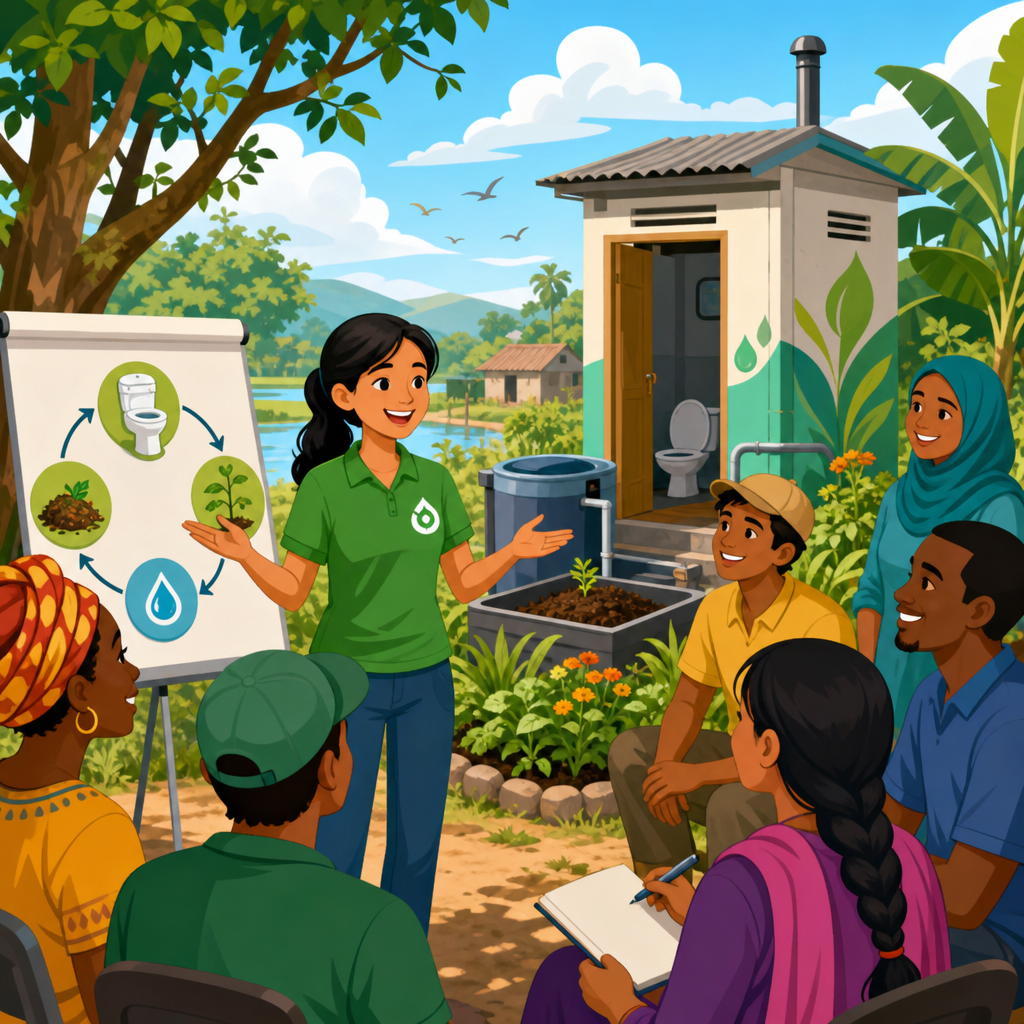
Education is the foundation of sanitation advocacy, but good education is specific, practical, and tied to action. Environmental clubs teach the health pathway clearly: human waste, wastewater, and unmanaged solid waste spread pathogens through contaminated hands, surfaces, soil, food, and water. They explain why standing water supports mosquitoes, why mixed waste complicates collection and recycling, and why toilet maintenance is part of disease prevention, not simply appearance. Effective clubs adapt these messages to local realities. In a flood-prone settlement, drain protection and solid waste disposal may be the priority. In a school with poor toilet use, privacy, cleaning schedules, and handwashing may matter most.
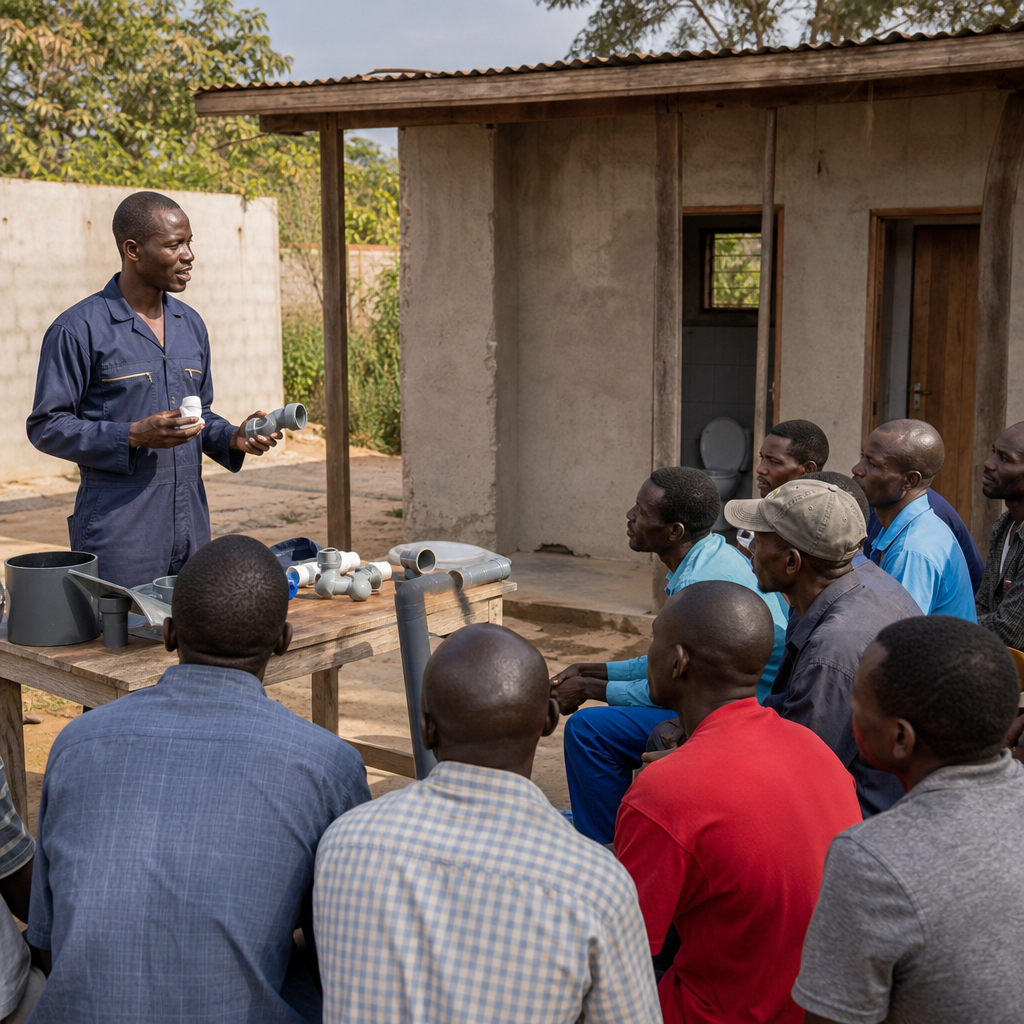
The best educational programs use multiple methods. Peer talks, demonstration sessions, poster campaigns, science projects, and social media explain concepts in different formats. Clubs can run short lessons on the difference between sanitation, hygiene, and waste management; host handwashing demonstrations using soap and running water; or organize campus walks to identify contamination risks. In one secondary school program I supported, students used fluorescent gel and UV light to show how contamination spreads from surfaces to hands. That five-minute demonstration changed handwashing behavior faster than weeks of reminders because it made risk visible.
Good sanitation education also addresses social barriers. Many communities avoid discussing toilets, menstrual hygiene, or fecal contamination because the topics feel embarrassing. Environmental clubs can reduce stigma by framing sanitation as health, safety, dignity, and shared responsibility. They can invite nurses, public health officers, or WASH practitioners to answer common questions directly. They can also produce age-appropriate materials for younger students and more technical content for older members who want to understand septic systems, fecal sludge management, composting, or local bylaws. When clubs educate for change, they do not merely transfer facts. They reshape what a community considers normal, acceptable, and urgent.
Programs That Move People From Awareness to Action
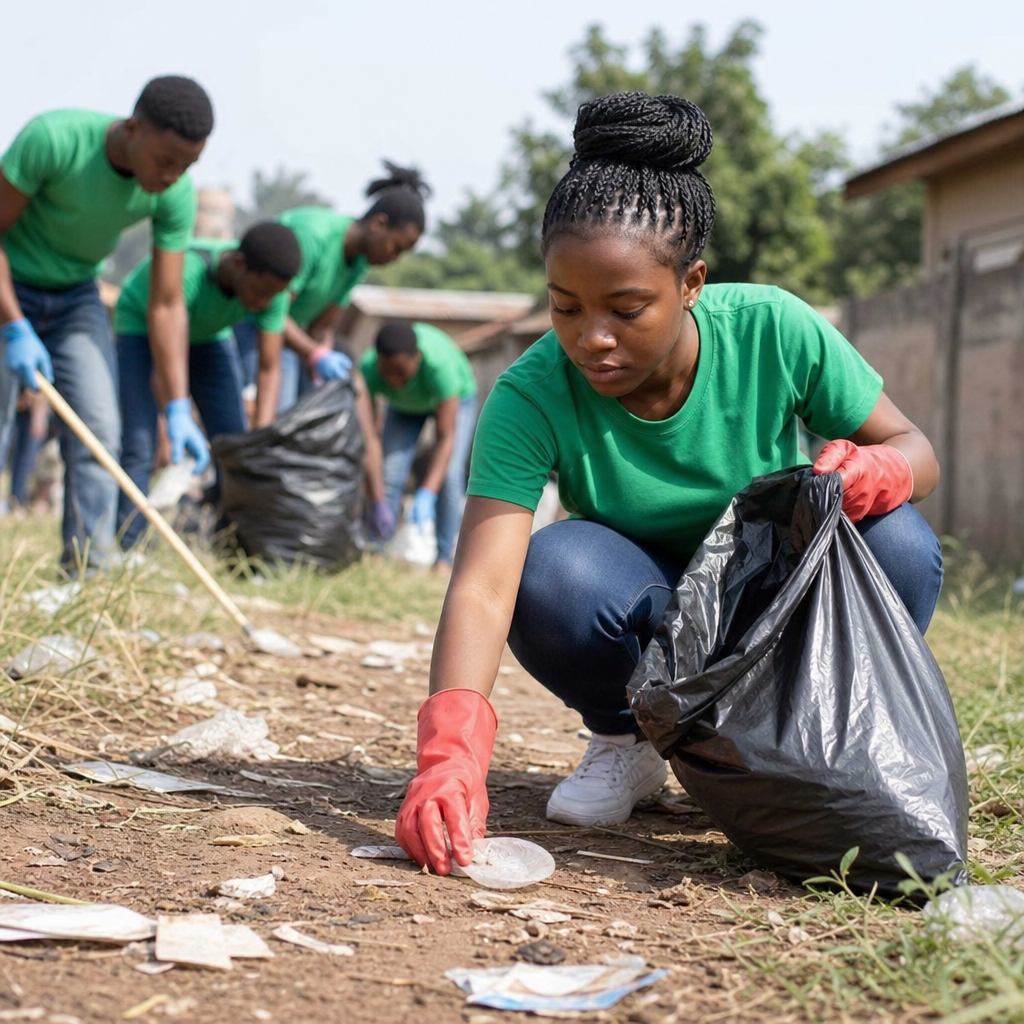
Environmental clubs are most useful when they turn lessons into repeatable programs. Cleanups are the most visible activity, but they should be designed as entry points, not endpoints. A cleanup reveals waste hotspots, illegal dumping patterns, and maintenance failures. From there, a club can organize bin placement reviews, label waste streams, report collection gaps, and create monitoring rosters. Toilet inspection campaigns are another practical tool. Members can check water availability, soap, locks, lighting, accessibility features, odor, and cleaning frequency, then present findings to administrators with realistic recommendations.
Waste audits are especially powerful because they replace assumptions with evidence. A club can sort one day of school waste into categories such as organics, paper, plastics, and sanitary waste, then quantify what could be reduced, composted, or better contained. That evidence supports targeted action. If half the waste stream is food residue, then composting and cafeteria changes become more important than buying more landfill bins. If sanitary waste is incorrectly mixed, the solution may involve covered bins, disposal guidance, and menstrual hygiene education.
| Club activity | Sanitation problem addressed | How it educates | Typical measurable outcome |
|---|---|---|---|
| Toilet audit | Dirty, unsafe, or inaccessible facilities | Shows standards for hygiene, privacy, and maintenance | Improved cleaning schedules, soap restocking, repair requests |
| Drain mapping | Blocked channels and localized flooding | Explains links between dumping and stagnant water | Fewer blockages, faster municipal response, cleaner walkways |
| Waste segregation campaign | Mixed waste and low recycling recovery | Teaches source separation and contamination risks | Higher recycling rates, cleaner bin streams |
| Handwashing demonstration | Poor hygiene after toilet use | Makes germ transfer visible and memorable | Higher soap use, better compliance observations |
| Community dialogue | Resistance, misinformation, weak ownership | Answers questions and builds shared norms | More volunteers, stronger reporting and follow-up |
Behavior change campaigns work best when they are simple and sustained. Clubs should focus on a few actions at a time: use bins correctly, do not dump in drains, wash hands with soap, report broken toilets, keep water points clean. Clear prompts, visible champions, and routine monitoring outperform long slogans. Named tools from behavior science, including social norms messaging, commitment pledges, and environmental cues, can improve results when used carefully. The practical lesson is straightforward: sanitation advocacy succeeds when clubs make the desired action obvious, easy, and publicly reinforced.
Partnerships With Schools, Municipalities, and Health Institutions
Environmental clubs rarely solve sanitation problems alone. Durable progress depends on partnerships with institutions that control infrastructure, budgets, and technical services. In schools, the most important relationships are usually with administrators, facility managers, health teachers, and parent associations. A club can identify broken handwashing taps, but only management can authorize repairs. In neighborhoods, municipal sanitation departments, public health offices, waste contractors, and water utilities are central partners. Clubs become more effective when they understand how these systems work, who is responsible for each service, and what evidence officials need before acting.
A practical example is school sanitation planning. Clubs can collect data on toilet-to-student ratios, soap availability, cleaning frequency, and accessibility barriers, then compare conditions with national school health guidelines or ministry standards where available. That creates a stronger advocacy case than emotional appeals alone. On the municipal side, clubs can document illegal dumping points with timestamps, geotagged photos, and resident reports. When presented in a concise brief, that information helps overstretched departments prioritize action. Digital tools such as KoboToolbox, Google Forms, ArcGIS Survey123, or simple shared spreadsheets can make community monitoring easier and more credible.
Health institutions also strengthen sanitation advocacy by providing technical accuracy. Nurses can explain infection pathways, environmental health officers can discuss waste handling standards, and local clinics can highlight seasonal disease spikes linked to poor hygiene or flooding. These partnerships reduce misinformation and keep club messaging aligned with public health practice. They also help clubs avoid common mistakes, such as promoting cleanup events without protective equipment, ignoring sharps disposal risks, or treating all waste streams the same. The strongest clubs know their limits. They mobilize communities, but they also bring in qualified partners when technical guidance is required.
Measuring Impact and Sustaining Momentum
Environmental clubs earn trust when they show results. Measuring sanitation advocacy does not require expensive research, but it does require consistency. Good indicators include toilet functionality rates, soap availability, waste segregation accuracy, cleanup participation, drain blockage frequency, complaint resolution time, and observed handwashing compliance. In schools, attendance patterns can also matter, especially where poor sanitation affects comfort, safety, and menstrual health management. A simple baseline and follow-up approach is enough to reveal progress. For example, if only three of ten toilets are usable at the start of term and eight are usable after advocacy and repairs, the improvement is concrete.
Sustaining momentum depends on leadership systems, not just enthusiasm. Clubs need defined roles, meeting schedules, project calendars, and handover processes so progress survives graduation cycles or volunteer turnover. I have seen promising sanitation campaigns collapse when all knowledge stayed with one energetic student leader. The fix is simple: document everything. Keep audit forms, contact lists, campaign materials, and action plans in shared storage. Train younger members early. Celebrate small wins publicly, because visible progress keeps volunteers engaged and signals that advocacy works.
Funding is another practical issue. Many effective activities are low cost, but some require supplies, transport, printing, gloves, bins, or minor repairs. Clubs can seek support through school budgets, local businesses, service organizations, alumni groups, or mini-grants tied to public health or civic engagement. Transparency matters here. If a club collects funds for sanitation work, it should publish what was received, what was purchased, and what outcomes followed. Trust is easier to keep than to rebuild.
For communities building an educating-for-change hub, the message is clear: environmental clubs are not side activities. They are a proven mechanism for sanitation advocacy because they combine peer education, evidence, practical action, and institutional pressure. They help people understand the problem, see their role, and push for better systems. Start with a focused issue, gather local data, partner with responsible agencies, and track outcomes over time. When environmental clubs are organized well, sanitation stops being an occasional campaign and becomes a shared civic standard. If you want cleaner, safer, healthier communities, build or strengthen an environmental club and give it a real role in sanitation change.
Frequently Asked Questions
What are environmental clubs, and why are they important in sanitation advocacy?
Environmental clubs are organized groups in schools, universities, neighborhoods, faith communities, and youth centers that bring people together to address environmental and public health challenges in practical ways. In the context of sanitation advocacy, they help turn general concern about litter, unsafe water, blocked drainage, open dumping, poor toilet conditions, and weak hygiene habits into coordinated action. Rather than leaving sanitation issues as isolated complaints, environmental clubs create a structure for education, planning, volunteering, monitoring, and engagement with decision-makers.
They are important because sanitation problems are not solved by awareness alone. Communities often know that waste should be managed properly or that handwashing matters, but without organization, consistent messaging, and local leadership, behavior rarely changes at scale. Environmental clubs fill that gap. They organize cleanups, promote waste segregation, inspect sanitation conditions, lead handwashing campaigns, collect community feedback, and encourage accountability from institutions responsible for toilets, drainage systems, and waste services.
Just as importantly, these clubs help shape culture. In schools, they can make cleanliness, proper disposal, and hygiene part of everyday routines. In neighborhoods, they can build a shared sense of responsibility around public spaces and household waste practices. In larger institutions, they can advocate for better infrastructure and maintenance rather than temporary fixes. Their role is both educational and civic: they influence how people think about sanitation while also pushing for the systems, facilities, and policies needed to support healthier environments.
How do environmental clubs promote better sanitation behavior in schools and communities?
Environmental clubs promote better sanitation behavior by combining education with visible, repeated action. They do not simply tell people what to do; they create opportunities for people to practice better habits and see the results. In schools, this may include handwashing demonstrations, classroom talks on hygiene, campaigns against littering, student-led inspections of toilet facilities, poster competitions, and weekly cleanup activities. In communities, clubs may organize neighborhood sanitation days, waste sorting demonstrations, drainage clearing efforts, and public awareness events focused on safe waste disposal and disease prevention.
One of their greatest strengths is peer influence. People are often more likely to adopt new habits when those habits are modeled by people they know and trust. Students can influence other students, youth leaders can influence their peers, and respected local members can reinforce sanitation messages in ways that feel relatable rather than imposed. This makes environmental clubs especially effective at changing daily behavior, such as using bins correctly, keeping toilets clean, washing hands with soap, and avoiding indiscriminate dumping.
These clubs also help make sanitation messages more consistent. Behavior change usually requires repetition, reminders, and follow-up. A one-time campaign may raise awareness, but regular club activities keep sanitation on the agenda. Members can monitor whether bins are being used, whether handwashing stations have water and soap, whether drains are blocked, and whether public spaces are being maintained. Over time, this regular presence helps sanitation become a normal expectation rather than an occasional concern.
In addition, environmental clubs often connect behavior to health, dignity, and community pride. This matters because people are more likely to act when they understand the personal and social consequences of poor sanitation. By explaining how open dumping contributes to pests, foul odors, water contamination, and disease, clubs make the issue concrete. By showing that cleaner surroundings improve safety, comfort, attendance, and well-being, they build stronger motivation for long-term change.
What activities do environmental clubs typically carry out to support sanitation advocacy?
Environmental clubs usually carry out a mix of educational, practical, and advocacy-focused activities. On the educational side, they may host workshops, awareness talks, debates, community forums, and campaigns about hygiene, waste management, safe water handling, and the health risks associated with poor sanitation. These activities help people understand not only what sanitation problems exist, but also why they matter and what actions can reduce them.
On the practical side, many clubs organize cleanup exercises, tree planting linked to environmental protection, waste segregation drives, recycling initiatives, and inspections of school or community sanitation facilities. In schools and campuses, club members may check the condition of toilets, monitor whether handwashing stations are stocked, report broken taps or blocked drains, and encourage proper use of waste bins. In neighborhoods, they may identify illegal dumping points, map sanitation problem areas, and support local efforts to keep streets, pathways, and shared spaces clean.
Advocacy is another major part of their work. Environmental clubs often gather evidence of sanitation problems and present it to school administrations, local councils, religious leaders, or community associations. For example, a club may document the lack of functioning toilets, the absence of separate bins for waste segregation, or persistent flooding caused by clogged drains. With that information, they can push for repairs, budget allocations, better waste collection systems, improved maintenance schedules, or stronger enforcement of sanitation rules.
Many successful clubs also use campaigns and partnerships to extend their impact. They may collaborate with health officers, sanitation departments, non-governmental organizations, parent groups, or local businesses to secure supplies, training, technical support, or media attention. This broadens their influence and helps move sanitation advocacy beyond volunteer work alone. In effect, their activities create a bridge between community concern and institutional response, which is exactly what effective sanitation advocacy requires.
Can environmental clubs influence sanitation policy and institutional decision-making?
Yes, environmental clubs can influence sanitation policy and institutional decision-making, especially when they are organized, consistent, and evidence-based. While they may not always hold formal authority, they can be highly effective in identifying problems, amplifying community voices, and putting pressure on institutions to respond. In schools, they can advocate for cleaner toilets, regular maintenance schedules, better drainage, more waste bins, soap at handwashing stations, and formal sanitation rules. In universities and communities, they can push for improvements in waste collection, toilet access, wastewater management, and environmental health enforcement.
Their influence becomes stronger when they move beyond general appeals and present specific findings and recommendations. For instance, if a club conducts sanitation assessments and documents overflowing bins, broken latrines, or unsafe water access, it gives administrators or local officials clear evidence that action is needed. When clubs combine that evidence with practical proposals, such as installing segregated bins, assigning facility monitors, increasing cleaning frequency, or repairing drainage channels, they become credible advocates rather than just concerned observers.
Environmental clubs also help create public accountability. If an institution has neglected sanitation issues, a well-organized club can keep the matter visible through meetings, petitions, reports, awareness campaigns, and stakeholder engagement. This sustained attention can encourage leaders to prioritize sanitation in budgets, policies, and operational plans. In some cases, clubs help institutions recognize that sanitation is not a minor housekeeping issue but a matter of public health, student welfare, attendance, dignity, and regulatory compliance.
Although policy change may take time, environmental clubs often play an important role in laying the groundwork. They build awareness, gather data, mobilize support, and normalize the expectation that institutions should provide safe, clean, and accessible sanitation services. Even when they do not directly write policy, they can shape the conversations, priorities, and decisions that lead to meaningful sanitation improvements.
What makes an environmental club effective in driving long-term sanitation change?
An effective environmental club does more than run occasional cleanup events. Long-term sanitation change usually comes from a combination of leadership, consistency, local relevance, partnerships, and measurable goals. Strong clubs have clear objectives, active membership, regular meetings, and practical plans that address real sanitation needs in their environment. They identify priority issues, such as littering, poor toilet maintenance, inadequate handwashing facilities, waste mixing, or blocked drains, and then organize activities that respond directly to those problems.
Consistency is especially important. Sanitation is an everyday issue, so advocacy must be ongoing. Clubs that make the biggest difference tend to follow up on their campaigns, monitor whether improvements are maintained, and keep engaging people after the initial excitement fades. They also distribute responsibility among members, which helps prevent burnout and ensures that activities continue even as leadership changes. In schools and youth settings, mentorship and succession planning are particularly important because members may graduate or move away.
Effective clubs also base their work on participation rather than instruction alone. They listen to the concerns of students, residents, teachers, parents, or local leaders and involve them in finding solutions. This creates stronger ownership and makes it more likely that sanitation improvements will last. When people feel that they helped define the problem and shape the response, they are more willing to maintain facilities, follow hygiene practices, and support enforcement of sanitation standards.
Finally, successful environmental clubs understand that sanitation advocacy includes both behavior change and system change. They encourage individuals to dispose of waste properly, wash hands, and keep shared facilities clean, but they also recognize that good sanitation depends on infrastructure, maintenance, funding, and policy support. By addressing both personal habits and institutional responsibilities, they can produce lasting results. That is what makes environmental clubs such valuable actors in sanitation advocacy: they connect awareness, action, accountability, and community leadership in a way that leads to real improvement over time.