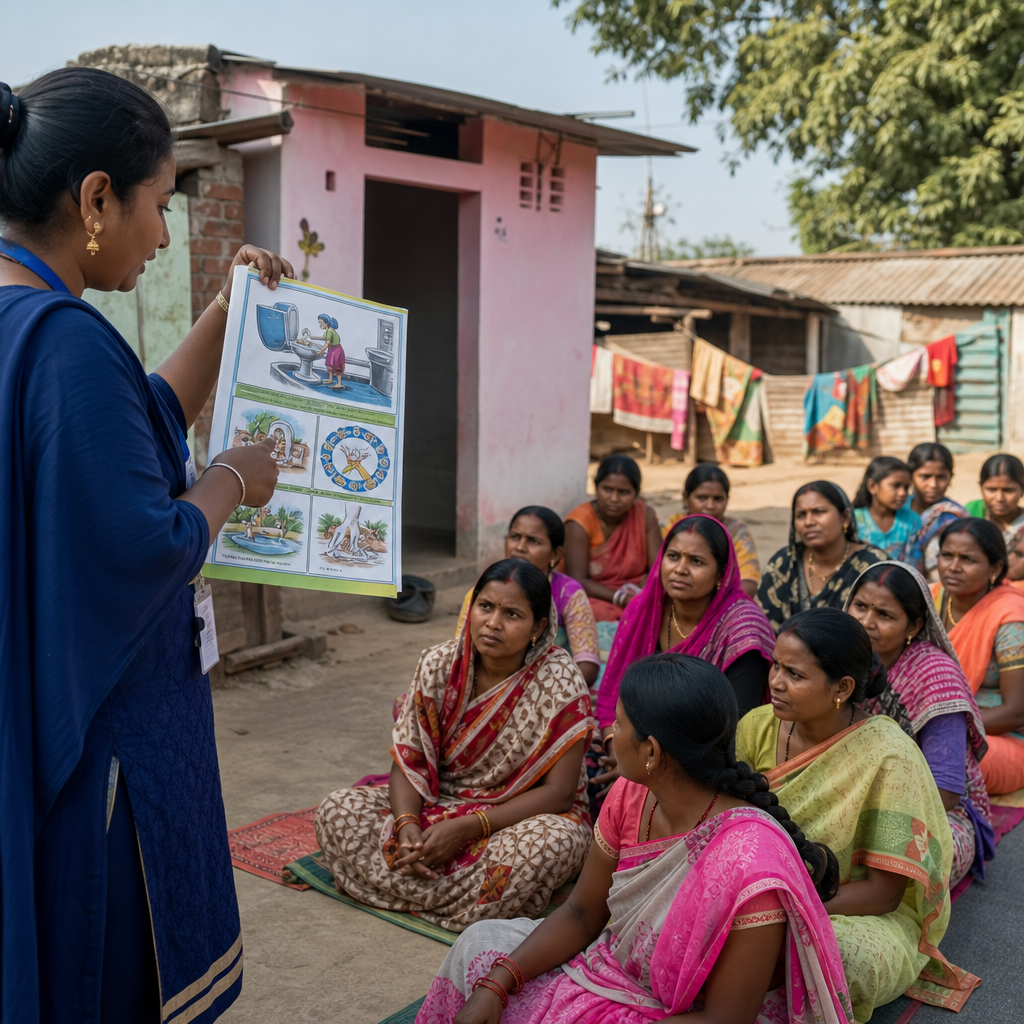
Engaging local businesses in sanitation solutions is one of the fastest ways to improve public health, strengthen neighborhood trust, and turn community education into visible action. In this context, sanitation solutions include solid waste management, toilet access, wastewater handling, cleaning protocols, drainage maintenance, handwashing infrastructure, and behavior change campaigns that reduce disease risk. Local businesses include formal enterprises such as restaurants, markets, factories, pharmacies, schools, and clinics, as well as informal vendors, repair shops, transport operators, and small-scale service providers. I have worked on sanitation outreach projects where the difference between a struggling program and a durable one came down to business participation. When shop owners understood the health case, the customer benefit, and the operational steps, they became daily advocates. That matters because businesses influence foot traffic, neighborhood norms, worker safety, and municipal compliance more consistently than most short-term campaigns.
As a hub within community engagement and education, this topic is fundamentally about fostering participation and learning. Participation means moving businesses from passive rule-followers to active problem-solvers that help design, fund, and maintain sanitation improvements. Learning means giving owners, managers, employees, and customers clear, practical information they can apply immediately, from waste segregation to toilet maintenance schedules. The hub approach matters because sanitation behavior rarely changes through one message or one inspection. It changes when education, incentives, technical support, and public accountability work together. A market association that learns how blocked drains hurt sales, a restaurant group that adopts standard cleaning logs, and a waste collector trained to explain source separation all become part of the same local system. That system is where durable sanitation gains are made, measured, and expanded.
Why local businesses are essential partners in sanitation
Local businesses sit at the intersection of commerce, public space, and daily habits, which makes them unusually effective sanitation partners. A single food market can generate organic waste, packaging waste, wastewater, and toilet demand in a compact area that affects thousands of people each week. If those flows are mismanaged, the results are immediate: odors, vermin, flooding, contaminated surfaces, lost customers, and increased exposure to diarrheal disease, cholera, typhoid, helminth infections, and vector-borne illness. If they are managed well, businesses become stable sanitation nodes. They can host handwashing points, sponsor collection services, model bin labeling, reinforce toilet etiquette, and normalize cleanliness standards that households often copy.
Businesses also respond to incentives that public agencies can use constructively. In practice, owners engage when sanitation is linked to revenue protection, worker productivity, reduced absenteeism, legal compliance, lower pest-control costs, and brand reputation. A restaurant owner may not initially join a community cleaning campaign for civic reasons, but will act quickly when shown that poor grease trap maintenance causes drain backups and customer complaints. A hardware store might support public toilet upkeep if nearby foul odors reduce foot traffic. This is why the most effective engagement plans speak plainly about both community benefits and business outcomes. Public health messaging opens the conversation; operational benefits keep people at the table.
What fostering participation and learning looks like in practice
Participation and learning are often treated as soft activities, but in sanitation they are operational disciplines. Participation requires structured roles, feedback loops, and shared responsibility. Learning requires content tailored to each audience, clear demonstrations, and reinforcement over time. In successful programs I have helped build, the first step was always audience mapping: who produces waste, who handles cleaning, who pays for services, who influences customer behavior, and who can enforce standards. A supermarket manager needs training on contractor oversight and bin placement. Street vendors need practical guidance on storage, shared facilities, and low-cost cleaning routines. Waste haulers need alignment on collection schedules and contamination rules. Municipal inspectors need education skills, not only compliance authority.
Effective learning is specific, visual, and local. Instead of broad messages like keep the area clean, businesses need instructions such as separate food waste from recyclables at the point of generation, store bins on washable surfaces, disinfect high-touch toilet surfaces at defined intervals, and record overflow incidents with time and cause. Adults learn sanitation fastest when they can connect advice to an immediate problem. For example, showing market vendors how standing wastewater attracts flies that land on produce is more persuasive than distributing generic posters. Short demonstrations, peer examples, and visible results outperform one-time lectures. The educational goal is not awareness alone. It is correct, repeatable practice under everyday business conditions.
Building a business engagement strategy that works
A strong engagement strategy begins with a baseline assessment. Before asking businesses to participate, map the sanitation system around them: waste generation volumes, existing collection routes, toilet availability, drainage condition, water access, cleaning frequency, and complaint patterns. Use simple tools such as walk-through audits, photo documentation, service maps, and short interviews. This creates a starting point for realistic targets. It also reveals where businesses are being asked to solve problems that actually require municipal action, such as missing collection points or broken sewer connections. Engagement fails when responsibility is assigned without matching authority, equipment, or service support.
After the baseline, segment businesses by risk and influence. Food handlers, childcare providers, health facilities, and dense retail clusters usually merit priority because sanitation failures there spread quickly. Then define participation options at different levels. Some businesses can adopt in-house improvements immediately, such as color-coded bins, toilet checklists, or employee hygiene training. Others can support shared infrastructure, including alley cleaning, communal handwashing stations, or association-funded waste collection. Larger employers may sponsor neighborhood education events or provide logistics for cleanup drives. Clear pathways increase uptake because owners can choose actions that fit their capacity instead of facing an all-or-nothing request.
| Business type | Common sanitation risks | Practical engagement action | Learning focus |
|---|---|---|---|
| Restaurants and cafes | Food waste, grease, toilet hygiene, pests | Install segregation stations and cleaning logs | Grease management, surface disinfection, hand hygiene |
| Markets and vendors | Mixed waste, wastewater, drain blockage | Coordinate shared collection and drain watch teams | Source separation, stall cleanup routines, overflow reporting |
| Factories and workshops | Industrial effluent, hazardous waste, worker facilities | Audit discharge points and upgrade sanitation plans | Waste classification, toilet maintenance, regulatory compliance |
| Pharmacies and clinics | Sharps, infectious waste, public toilet demand | Strengthen storage and disposal contracts | Segregation standards, cleaning frequency, risk communication |
Education methods that change daily behavior
The best sanitation education for businesses combines technical accuracy with habit design. Training should answer four questions directly: what must be done, why it matters, who is responsible, and how success will be checked. I recommend short modules tied to specific operations rather than long general workshops. A fifty-minute session on restroom management, for instance, can cover cleaning agents, contact times, restocking triggers, log sheets, and customer complaint response. That is more actionable than a broad seminar on environmental health. Where literacy levels vary, use pictures, color cues, and live demonstrations. Where staff turnover is high, create onboarding cards and supervisor spot checks.
Peer learning is especially powerful. Business owners often trust nearby operators who have solved the same problem more than they trust outside speakers. A market stall leader explaining how separated organic waste reduced smell and cut fly complaints can shift behavior across an entire row. Recognition programs also help when designed carefully. Publicly listing businesses that meet sanitation standards can motivate improvement, but the criteria must be transparent and tied to measurable practices, not vague claims. Training should also include customers where relevant. Signage on toilet use, handwashing, and litter disposal works better when businesses reinforce it verbally and staff model the expected behavior.
Partnership models, incentives, and compliance
Sanitation engagement works best when collaboration and enforcement support each other. Municipalities, business associations, chambers of commerce, public health departments, schools, and civil society organizations each contribute different strengths. Associations can convene members quickly and negotiate shared services. Municipal teams can align permits, inspections, and waste contracts. Nonprofits can provide facilitation, training design, and community outreach. Schools and clinics can reinforce public health messages through trusted channels. In one district program, a merchants association coordinated drain cleaning schedules while the city sanitation department guaranteed pickup within a fixed window. Participation increased because businesses saw that public agencies were meeting their side of the bargain.
Incentives should reward real performance. Reduced licensing friction, public recognition, access to group procurement for bins and cleaning supplies, and preferred participation in local events can all motivate businesses. Financial incentives are useful, but they are not always necessary. Many small firms value predictability more than subsidies. If waste is collected on schedule and standards are applied fairly, compliance rises. At the same time, sanitation engagement cannot rely on goodwill alone. Health codes, occupational safety requirements, and wastewater regulations exist for a reason. The World Health Organization and UNICEF sanitation guidance consistently emphasize safe management across the entire service chain, while Hazard Analysis and Critical Control Points principles remain essential for food businesses. Education should explain standards, and enforcement should address repeated neglect.
Measuring results and sustaining momentum
If sanitation participation is not measured, it usually fades into good intentions. The most useful indicators combine service outcomes, behavior outcomes, and business outcomes. Track waste segregation accuracy, collection reliability, toilet functionality, handwashing station uptime, drain blockage frequency, cleaning log completion, and complaint volume. Pair those with business-facing indicators such as customer satisfaction, staff sick days, pest incidents, and cleanup costs. This creates a stronger case for sustained engagement because owners can see whether better sanitation is improving operations, not just pleasing inspectors. Digital tools can help, but paper-based systems still work well if they are simple and reviewed consistently.
Sustaining momentum requires routines, not campaigns alone. Monthly walkthroughs, quarterly refresher trainings, annual sanitation scorecards, and shared review meetings keep sanitation visible without making it burdensome. It also helps to identify business champions who can mentor peers and flag emerging issues early. Common barriers include tenant-landlord disputes, weak contractor performance, rising service costs, and uneven enforcement. Address these directly. For example, if businesses are separating waste correctly but collectors remix it, trust collapses. If toilets are built without maintenance budgets, deterioration is predictable. Long-term success comes from aligning infrastructure, contracts, education, and accountability so that the clean choice is also the practical choice.
Engaging local businesses in sanitation solutions is not a side activity within community engagement and education; it is a core strategy for fostering participation and learning that produces measurable public health gains. Businesses shape daily behavior, influence public space, and can either amplify sanitation risks or help control them. The difference lies in how they are engaged. Strong programs define sanitation clearly, connect it to business realities, provide targeted education, create practical participation options, and back expectations with fair enforcement and reliable public services. When owners, workers, customers, collectors, and local officials learn together and act together, sanitation stops being an occasional campaign and becomes part of normal economic life.
As the hub for this subtopic, the central lesson is simple: participation grows when people see a role for themselves, and learning sticks when it solves a problem they face every day. Start with a baseline, prioritize high-risk sectors, teach specific practices, use peer examples, and measure what changes. Then link this work to related efforts such as school outreach, household behavior change, waste service design, toilet maintenance planning, and local policy enforcement. If you are building a community sanitation program, bring businesses in early, equip them properly, and keep the feedback loop active. That is how cleaner streets, safer facilities, and more resilient neighborhoods are built and maintained.
Frequently Asked Questions
Why should local businesses be involved in sanitation solutions in the first place?
Local businesses are often the most practical and immediate partners in sanitation improvement because they operate where people live, work, shop, eat, and gather every day. When businesses participate in sanitation solutions, the impact is visible and measurable: cleaner public spaces, safer food handling, better toilet access, improved waste collection, fewer clogged drains, and stronger handwashing habits. These changes directly support public health by reducing exposure to bacteria, viruses, parasites, and contaminated water or surfaces that contribute to preventable disease.
There is also a strong economic case. Poor sanitation affects customer confidence, worker attendance, supply chains, and brand reputation. A market with unmanaged waste, a restaurant with weak hygiene practices, or a factory without proper wastewater handling can quickly lose trust. On the other hand, businesses that support reliable cleaning protocols, safe disposal systems, and hygiene education are often seen as more responsible, more professional, and more invested in community well-being. That trust matters.
Just as important, businesses can move faster than many larger institutions when action is needed. A shop owner can install a handwashing station, a market association can organize shared waste bins, and a manufacturer can improve wastewater practices without waiting for a large public campaign to begin. When local enterprises work alongside community leaders, schools, health workers, and municipal services, sanitation stops being an abstract goal and becomes a coordinated effort with clear ownership. In short, business engagement helps turn sanitation from a public message into daily practice.
What types of local businesses can contribute to sanitation improvements?
A wide range of businesses can play meaningful roles, including formal enterprises such as restaurants, markets, factories, hotels, transport hubs, pharmacies, retail shops, food processors, and construction firms. Informal businesses matter just as much. Street vendors, neighborhood kiosks, repair workshops, small-scale producers, mobile food sellers, and waste pickers all interact closely with the public and influence environmental cleanliness, water use, waste generation, and hygiene behaviors.
Each sector contributes in different ways. Restaurants and food vendors can improve food safety, handwashing access, toilet maintenance, and waste segregation. Markets can organize collection points, keep drainage channels clear, and coordinate cleaning schedules among stall owners. Factories and workshops can manage wastewater responsibly, reduce hazardous dumping, and support worker hygiene infrastructure. Property owners and building managers can maintain toilets, septic systems, and cleaning standards in shared spaces. Transport operators can support cleaner stations and public sanitation messaging in high-traffic areas.
Even businesses that do not seem directly connected to sanitation can be influential. Printing shops can produce educational materials, media outlets can amplify campaigns, hardware stores can stock affordable sanitation supplies, and financial institutions can offer small loans for toilet upgrades, waste equipment, or drainage improvements. The key idea is that sanitation is not limited to one industry. It is a community-wide system, and businesses across that system can contribute resources, infrastructure, communication channels, and operational discipline.
How can communities and local leaders successfully engage businesses in sanitation initiatives?
The most effective approach is to start with shared interests rather than demands. Business owners are more likely to participate when they see how sanitation supports customer traffic, staff health, regulatory compliance, neighborhood safety, and long-term growth. Instead of framing sanitation only as a social obligation, it helps to present it as a business resilience strategy. Clean surroundings improve foot traffic, reduce complaints, protect inventory, lower disease-related absenteeism, and strengthen public image.
Practical engagement usually begins with listening. Community leaders, municipal officials, and local organizations should ask businesses what sanitation challenges they face: unreliable waste pickup, overflowing drains, lack of public toilets, weak access to water, poor customer hygiene, or confusion about disposal rules. Once those concerns are clear, partners can define realistic actions such as co-funding bins, maintaining shared handwashing stations, sponsoring cleaning days, improving wastewater handling, posting hygiene signage, or training workers on safe cleaning protocols.
Recognition and structure also matter. Businesses are more likely to remain involved when expectations are clear and progress is visible. Simple tools such as sanitation pledges, neighborhood business councils, public scorecards, recognition programs, and regular coordination meetings can create accountability without making participation overly complicated. Small wins should be celebrated early, whether that means a cleaner market lane, a repaired toilet block, or better waste separation practices. Successful engagement is less about one-time donations and more about building a working partnership where responsibilities, incentives, and benefits are understood by everyone involved.
What sanitation actions can businesses take that create the biggest real-world impact?
The highest-impact actions are usually the ones that improve everyday conditions consistently. Reliable solid waste management is one of the most important. Businesses can reduce litter and illegal dumping by providing clearly marked bins, separating waste where possible, storing waste safely, and coordinating timely collection. In busy commercial areas, even basic waste discipline can dramatically improve cleanliness, pest control, and public perception.
Access to safe, usable toilets is another major priority. Businesses that serve customers or employ large numbers of people can maintain toilets that are clean, stocked, accessible, and regularly inspected. Where direct provision is not possible, businesses can partner with nearby facilities, support shared sanitation blocks, or invest in maintenance for existing infrastructure. Equally important is handwashing infrastructure. Stations with soap and water in visible, convenient locations encourage behavior that reduces disease transmission, especially in food service, retail, schools-adjacent businesses, and crowded marketplaces.
Wastewater handling and drainage maintenance also have major community benefits. Businesses can prevent standing water, flooding, foul odors, and contamination by keeping drains clear, avoiding discharge into open spaces, maintaining grease traps where relevant, and following safe wastewater disposal practices. For factories and workshops, proper handling of wastewater and chemicals is essential to protect both public health and the local environment.
Finally, behavior change communication should not be overlooked. Posters, staff reminders, customer messaging, demonstration events, and community campaigns can normalize better hygiene habits. When businesses reinforce messages about handwashing, toilet use, waste disposal, and cleanliness every day, they help shift social norms. Infrastructure matters, but sanitation improves fastest when physical improvements are paired with repeated, practical education.
How do you measure whether business engagement in sanitation is actually working?
Measurement should combine visible changes, operational improvements, and health-related indicators. Start with practical baseline data. Communities and business groups can document existing conditions such as waste accumulation, frequency of drain blockages, toilet functionality, handwashing access, cleaning schedules, wastewater disposal practices, and customer or worker complaints. Without a baseline, it is difficult to prove progress or identify what still needs attention.
From there, track indicators that reflect both activity and outcomes. Activity indicators might include the number of businesses participating, hygiene trainings delivered, bins installed, toilets upgraded, drains cleaned, or handwashing stations maintained. Outcome indicators are even more important: cleaner commercial corridors, fewer overflowing waste points, better toilet usability, reduced foul odors, improved compliance with cleaning protocols, and stronger customer satisfaction. In workplaces, lower absenteeism related to illness can be a meaningful signal. In food-related settings, fewer hygiene complaints or inspection issues may show that practices are improving.
Community feedback is critical because sanitation is experienced daily by residents, workers, and customers. Short surveys, observation checklists, health committee meetings, and neighborhood walk-throughs can reveal whether improvements are consistent or temporary. If possible, collaboration with local health authorities can help connect sanitation action to broader public health trends such as reductions in diarrheal disease risk, fewer outbreaks linked to poor hygiene, or improved environmental health conditions.
The most reliable measurement systems are simple enough to be used regularly. Businesses are more likely to stay engaged when monitoring is practical, transparent, and tied to clear decisions. If data shows that bins are installed but not emptied, the problem is collection. If toilets exist but are not used, the issue may be cleanliness, safety, or location. Good measurement does more than report success; it helps communities and businesses adjust quickly so sanitation improvements last.