Engaging marginalized communities in sanitation dialogue is essential to building services people actually use, trust, and sustain. In practice, sanitation dialogue means the structured exchange of information, concerns, priorities, and decisions among residents, service providers, local government, schools, health workers, and civil society about toilets, fecal sludge management, hygiene behavior, affordability, safety, and accountability. Marginalized communities include informal settlement residents, low-income households, people with disabilities, women and girls, migrants, Indigenous groups, sexual minorities, older adults, and people living in remote areas. When these groups are excluded, sanitation systems fail in predictable ways: toilets are built in unsafe locations, fees ignore irregular incomes, designs exclude wheelchair users, and maintenance collapses because no one asked who would empty pits, clean facilities, or report breakdowns.
I have seen sanitation projects stall not because engineers lacked drawings, but because planners lacked dialogue with the people most affected. A latrine block can meet technical standards and still sit empty if women fear harassment at night or if tenants have no authority to modify shared compounds. Education sits at the center of change because it turns sanitation from a one-way message into a shared learning process. Done well, it helps communities understand health risks, service options, rights, costs, and responsibilities while helping institutions understand lived realities. This hub article explains how to educate for change: how to identify barriers, design inclusive communication, build trust, use participatory methods, measure progress, and connect community engagement to long-term sanitation outcomes.
Why sanitation dialogue must begin with exclusion, power, and lived experience
Sanitation problems are often described as technical gaps, yet the hardest barriers are social and institutional. Marginalization shapes who gets invited to meetings, who speaks without interruption, whose complaint is recorded, and whose needs are labeled unrealistic. In dense settlements, landlords may control toilet construction while tenants bear the health burden. In peri-urban areas, desludging trucks may not reach narrow lanes, forcing unsafe manual emptying. In schools, adolescent girls may skip class when toilets lack privacy, locks, water, and menstrual hygiene support. A meaningful sanitation dialogue starts by mapping these power relationships, not by assuming the community is a single voice.
That is why effective education for change begins with listening formats that reduce intimidation and surface hidden constraints. Separate focus groups for women, people with disabilities, sanitation workers, and youth often produce better information than mixed public forums. Community walks, toilet usability audits, and photo documentation reveal realities that surveys miss, such as broken doors, inaccessible steps, poor lighting, and flooding around pits. Tools used across the sector, including stakeholder mapping, barrier analysis, and problem tree analysis, help teams distinguish symptoms from root causes. When facilitators ask who is absent, who decides, who pays, who cleans, and who is at risk, sanitation dialogue becomes more accurate and more useful for policy and service design.
How to build trust before asking communities to change behavior
Trust is the practical foundation of sanitation education. People do not adopt advice from institutions they believe ignore them, charge unfairly, or promise infrastructure that never arrives. In my experience, trust grows when engagement starts with small, verifiable actions: publishing desludging prices, responding to complaints within clear timelines, sharing water quality or overflow findings, and returning to report what was done with community feedback. This matters especially in marginalized areas where residents may have experienced eviction threats, selective enforcement, or political consultation that was purely symbolic.
Plain language communication is equally important. Technical terms such as containment, conveyance, treatment, and reuse are necessary for professionals, but communities need direct explanations of what those terms mean in everyday life. Instead of saying a facility is noncompliant, explain that waste is leaking into drains and could contaminate play areas or shallow wells. Instead of promoting behavior change as an abstract goal, connect actions to immediate concerns: safer nights for women, fewer flies around food, lower repair costs, less school absence, and fewer disputes among shared toilet users. Trust also grows when messengers are credible. Community health workers, teachers, faith leaders, resident association members, and trained peer educators often reach people more effectively than outside consultants because they are visible, accountable, and familiar.
Inclusive education methods that turn sanitation awareness into action
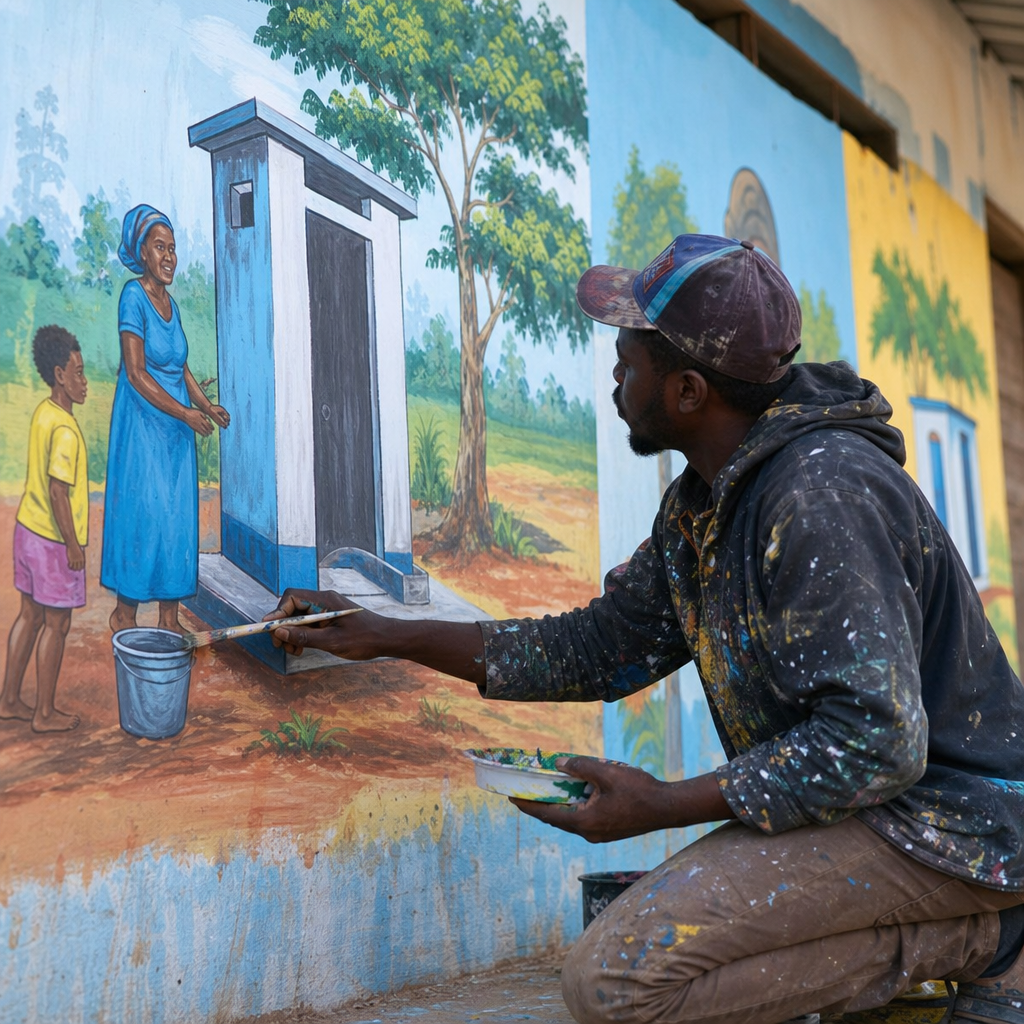
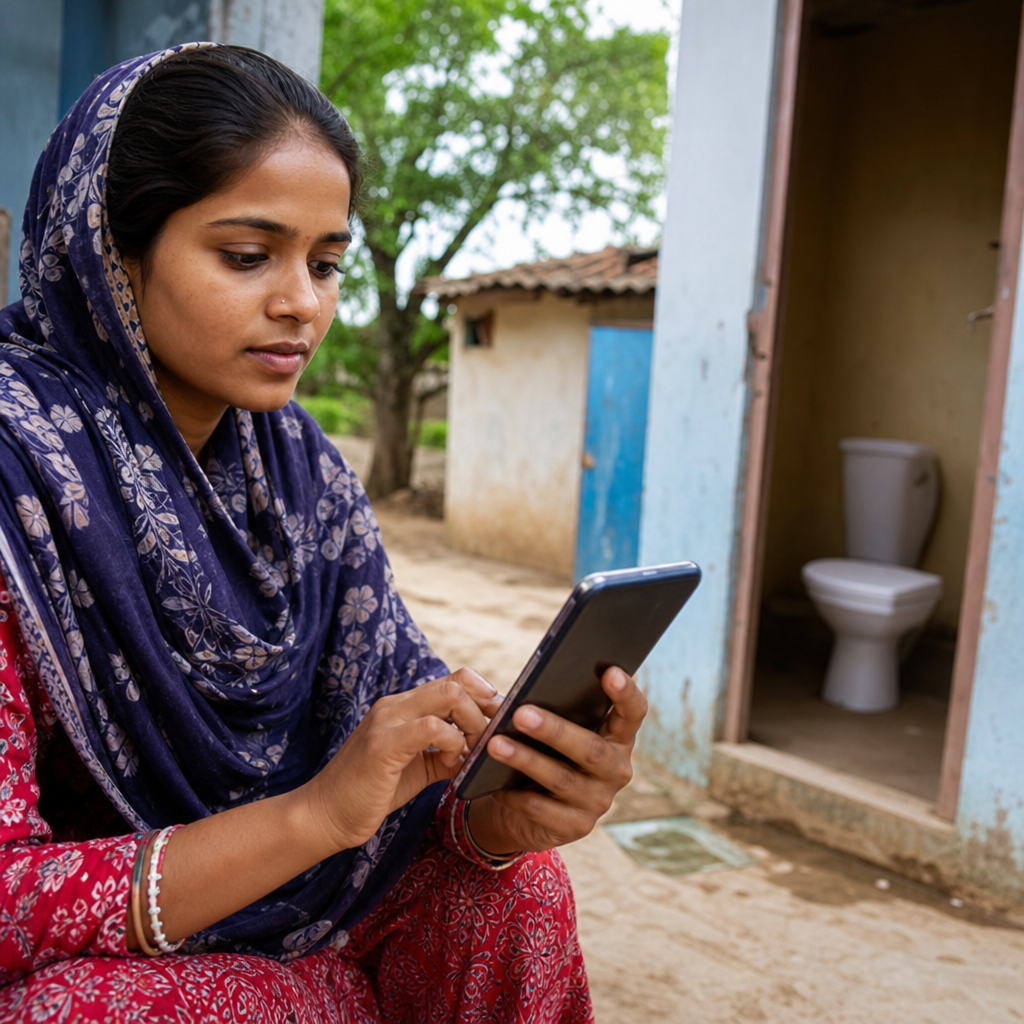
Educating for change requires methods that fit literacy levels, language diversity, disability access needs, and daily time constraints. Door-to-door outreach works well for tenants, older adults, and caregivers who cannot attend meetings. Small group dialogues allow facilitators to address sensitive topics such as open defecation, menstrual hygiene, child feces disposal, disability access, and payment difficulties without public shaming. School-based programs are powerful when they link classroom lessons with facility improvements, student sanitation clubs, and parent outreach. Radio segments, WhatsApp voice notes, street theatre, and pictorial posters extend reach where reading levels vary or internet access is uneven. The best education plans mix channels rather than relying on one campaign.
Participation must also move beyond information sharing into joint problem solving. Community scorecards, participatory budgeting forums, and sanitation committees can help residents set priorities and monitor providers, but only if representation is balanced and roles are clear. For example, a neighborhood committee discussing shared toilet upgrades should include women users, caretakers, people with disabilities, landlords, youth, and pit emptying workers, not just local elites. Accessibility needs are nonnegotiable: meeting spaces should be reachable, sign language or interpretation may be needed, materials should use visuals, and schedules should account for market hours and care work. When education methods are inclusive by design, communities are more likely to translate knowledge into organized demand and sustained behavior change.
What barriers marginalized communities face, and what education must address
Sanitation education fails when it treats nonuse or unsafe practice as ignorance alone. Most households already understand that contamination is harmful. The issue is usually a mix of affordability, insecurity, design flaws, tenure status, social norms, and weak services. A woman may know the value of a toilet but avoid a communal block because the path is dark and assaults have occurred. A person using crutches may reject a latrine with a raised slab and no handrail. A tenant family may want improvements but lack permission to invest. A low-income worker paid daily may not afford a lump-sum desludging fee even when the health risk is obvious.
| Barrier | How it appears in daily life | Education response | Service or policy response |
|---|---|---|---|
| Affordability | Households delay emptying pits or share unsafe facilities | Explain payment options, lifecycle costs, subsidy rules | Install flexible tariffs, targeted subsidies, microfinance |
| Safety | Women and girls avoid toilets at night | Discuss risk mapping and reporting channels | Improve lighting, locks, location, caretaker presence |
| Accessibility | People with disabilities cannot enter or use facilities | Use usability audits led by disabled users | Adopt universal design features and retrofits |
| Tenure insecurity | Landlords or residents avoid investment | Clarify rights, shared responsibilities, available programs | Enable area-wide solutions and landlord regulation |
| Weak services | Pits overflow; complaints go unanswered | Share service standards and complaint procedures | Strengthen operations, contracts, and monitoring |
Effective education addresses each barrier honestly. If no affordable emptying service exists, a campaign telling people to empty pits safely will ring hollow. If a settlement is excluded from city plans, residents need both risk information and advocacy pathways. This is where sanitation dialogue intersects with rights-based practice. People should know not only what healthier sanitation looks like, but who is responsible for enabling it, what standards apply, how to file a complaint, and how collective action can influence local decisions.
Designing messages for women, youth, persons with disabilities, and sanitation workers
Different groups need different entry points into the same sanitation conversation. Women and girls often prioritize privacy, lighting, menstrual hygiene management, water access, proximity, and protection from harassment. Youth may respond to messages tied to dignity, school attendance, neighborhood pride, and social media storytelling. Persons with disabilities need discussions centered on usability, independence, caregiver burden, and inclusive design details such as ramp gradients, transfer space, handrails, seat height, and door width. Sanitation workers need education that recognizes them as essential professionals and addresses occupational safety, stigma, contracts, protective equipment, vaccinations, and emergency procedures.
Messaging should never isolate one group from the wider system. For instance, educating girls about menstrual hygiene without ensuring disposal bins, water, privacy, and school maintenance creates frustration, not change. Training sanitation workers on safe emptying without addressing employers, procurement, and enforcement leaves risk in place. The strongest community education links personal behavior with service conditions and governance. It also uses respectful language. Terms that blame, shame, or stereotype communities reduce participation. People engage more openly when facilitators acknowledge constraints, ask practical questions, and focus on solutions that fit local reality.
From dialogue to decisions: turning community input into service improvements
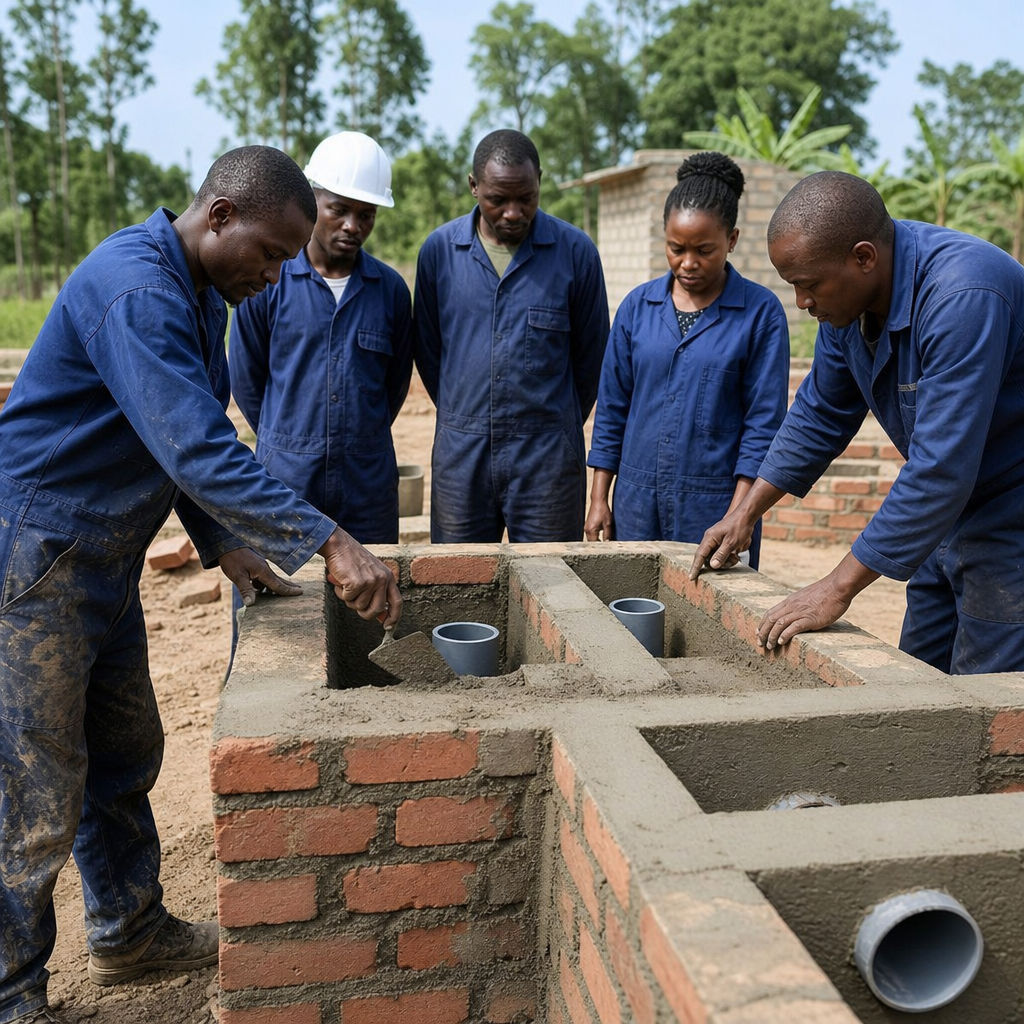
Many engagement efforts fail at the handoff between discussion and implementation. Residents share concerns, but nothing visible changes, so participation declines. To avoid this, every sanitation dialogue process should produce a short action plan with named responsibilities, timelines, and a public feedback loop. If a school identifies broken locks, missing soap, and overflowing pits, assign who will procure hardware, who will inspect tanks, and when students will be updated. If a settlement meeting reveals that formal trucks cannot access lanes, the next step may be piloting transfer stations, smaller vacuum equipment, or scheduled container-based collection where appropriate.
Documentation matters. Meeting notes should record not only what was said, but which groups were represented, what evidence was reviewed, and which requests were accepted, delayed, or declined with reasons. This improves accountability and helps local governments align community priorities with city sanitation plans, public health budgets, and climate resilience measures. Flood-prone neighborhoods, for example, may require elevated toilets, sealed containment, and emergency desludging plans before rainy seasons. When residents see their input reflected in designs, budgets, maintenance routines, or contractor oversight, dialogue stops feeling ceremonial and starts functioning as local governance.
How to measure whether sanitation education is working
Good sanitation education is measurable. Attendance counts alone are weak indicators because they show reach, not effect. Stronger measures track knowledge, confidence, behavior, service use, and institutional response. Before and after surveys can test whether residents know safe child feces disposal practices, desludging contacts, complaint channels, or accessibility standards. Observation can verify whether handwashing stations remain stocked, whether shared toilet cleaning rosters are followed, and whether menstrual waste is disposed of properly. Service data can reveal whether overflow incidents decline, pit emptying increases, school absenteeism drops, or complaint resolution times improve.
Disaggregated data is critical. If results are not broken down by gender, age, disability status, tenancy, or location, exclusion remains hidden. I recommend pairing quantitative indicators with qualitative feedback, such as user interviews, storytelling, or participatory review meetings, because people explain why a change did or did not hold. A toilet may be cleaner but still avoided due to fees. A handwashing message may be understood but impossible to practice during water shortages. Monitoring should therefore examine both behavior and enabling conditions. Education works best when teams treat learning as iterative: test messages, review evidence, adapt the approach, and communicate results back to the community.
Building a lasting community engagement and education hub
As a hub topic, educating for change should connect households, schools, clinics, utilities, municipalities, and community organizations around one shared sanitation learning agenda. The goal is not a single campaign but a durable local system for dialogue, education, and accountability. That system should include trained facilitators, a calendar of outreach activities, accessible materials in local languages, referral pathways for repairs and health concerns, and a method for feeding community evidence into planning and budgeting. Internal connections across related topics matter here: behavior change communication, menstrual hygiene education, school sanitation, inclusive design, fecal sludge management, and grievance systems should reinforce each other rather than operate as isolated projects.
The central lesson is simple: sanitation change lasts when marginalized communities are not treated as targets of instruction but as co-designers of solutions. Start with who is excluded. Build trust through visible follow-through. Use education methods that fit local realities. Address barriers honestly, including costs, safety, access, and weak services. Turn dialogue into decisions, and measure whether those decisions improve daily life. If you are shaping a community engagement and education strategy, use this page as your starting point, then develop deeper guidance for each linked subtopic. Better sanitation begins when people are heard, informed, and equipped to act together.
Frequently Asked Questions
Why is it important to engage marginalized communities in sanitation dialogue?
Engaging marginalized communities in sanitation dialogue is critical because sanitation services only work well when they reflect the realities of the people expected to use, maintain, and pay for them. Marginalized groups often face the greatest sanitation risks while having the least influence over decisions about toilet design, siting, maintenance schedules, fecal sludge management, user fees, safety measures, and complaint systems. When residents of informal settlements, low-income households, people with disabilities, women and girls, migrants, ethnic minorities, older adults, and other excluded groups are not included in discussions, sanitation programs can easily miss practical barriers such as insecure land tenure, lack of privacy, unsafe access routes, inability to pay lump-sum fees, inaccessible facilities, stigma, or fear of harassment.
Meaningful dialogue helps reveal what standard planning processes often overlook. For example, a facility may appear technically sound on paper but still go unused if it is too far from homes, unsafe at night, culturally inappropriate, unaffordable, or impossible for children, elderly residents, or people with mobility limitations to use. Dialogue also creates a channel for residents to identify service gaps in desludging, handwashing access, menstrual hygiene support, or maintenance accountability. This improves the fit between service design and everyday needs.
Just as importantly, engagement builds trust. Many marginalized communities have long histories of being consulted late, ignored entirely, or blamed for sanitation problems without being given realistic options. Structured, ongoing dialogue signals that local knowledge matters. It shifts residents from being treated as passive beneficiaries to active decision-makers and co-creators of solutions. That stronger sense of ownership can improve adoption, proper use, fee compliance where appropriate, and local monitoring. In short, engaging marginalized communities is not an added extra; it is a practical requirement for equitable, safe, and sustainable sanitation systems.
Who should be included in sanitation dialogue, and how can organizers avoid leaving people out?
Effective sanitation dialogue should include far more than a few community leaders or technical officials. A strong process brings together residents, landlords, tenants, local government departments, sanitation utilities or service providers, health workers, school representatives, community-based organizations, women’s groups, youth groups, disability advocates, religious leaders where relevant, and civil society organizations working on public health, housing, or social inclusion. The goal is to include everyone who is affected by sanitation decisions and everyone who has influence over how services are delivered, financed, maintained, and monitored.
However, inclusion is not achieved simply by inviting a wide range of people to one meeting. Organizers must recognize that some people are routinely excluded even within “community participation” processes. Women may be present but unable to speak freely. Tenants may be overshadowed by landlords. People with disabilities may be unable to access the venue or communication format. Migrants, undocumented residents, sanitation workers, and residents of the most insecure settlements may be deliberately ignored because they are seen as temporary, hard to serve, or politically inconvenient. Young people and adolescent girls may also be left out despite facing distinct hygiene and safety concerns.
To avoid exclusion, organizers should map stakeholders carefully and ask who is not in the room, who usually speaks, and who bears the highest sanitation burdens. Practical steps include holding meetings at accessible times and locations, providing interpretation or translation where needed, offering child care support, using accessible venues and materials, arranging separate focus groups for groups who may not feel safe speaking publicly, and partnering with trusted local organizations to reach residents who are often overlooked. It is also useful to combine public forums with household visits, small-group discussions, and anonymous feedback channels. Inclusion works best when it is designed intentionally rather than assumed.
What are the most effective ways to create meaningful sanitation dialogue instead of token consultation?
Meaningful sanitation dialogue goes beyond collecting opinions after major decisions have already been made. It involves residents and other stakeholders early enough to shape priorities, define problems, compare options, and influence implementation and oversight. The most effective approaches are structured, repeated, and transparent. They create clear opportunities for people to understand the issues, contribute knowledge, challenge assumptions, and see how their input affects outcomes. Without that feedback loop, consultation can quickly feel extractive and symbolic.
In practice, effective dialogue often combines several methods. Community meetings can be useful for broad information-sharing, but they should be complemented by smaller discussions that allow quieter voices to emerge. Participatory mapping can help identify where toilets are lacking, where flooding affects containment, where women or children feel unsafe, and where desludging trucks cannot reach. Focus groups can explore sensitive topics such as menstrual hygiene, open defecation, disability access, or stigma around pit emptying. Interviews with sanitation workers and service providers can clarify operational constraints. School discussions can surface the needs of children and adolescents. Social audits, grievance mechanisms, and community scorecards can help move dialogue from discussion to accountability.
For dialogue to be meaningful, facilitators should explain what decisions are open for discussion, what constraints exist, and what timeline the process will follow. They should document what participants say in plain language and report back on what was accepted, modified, or not possible, along with the reasons why. This kind of transparency builds credibility. It also helps prevent frustration caused by unrealistic expectations. Ultimately, meaningful sanitation dialogue is measured not by the number of meetings held, but by whether excluded groups gain real influence over service quality, safety, affordability, and long-term management.
What barriers commonly prevent marginalized communities from participating in sanitation discussions?
Marginalized communities face a wide range of barriers that can limit participation in sanitation dialogue, even when engagement opportunities technically exist. One major barrier is time and income pressure. People working informal jobs, doing unpaid care work, or managing multiple livelihoods may not be able to attend meetings scheduled during working hours. Transport costs, lost wages, and the burden of traveling to distant venues can be enough to exclude the people most affected by poor sanitation conditions.
Social and political barriers are also significant. Residents may fear speaking openly if they worry about eviction, harassment, discrimination, or retaliation from local power holders, landlords, or officials. Women and girls may face restrictions on public participation or may be interrupted and dismissed in mixed settings. People with disabilities may encounter inaccessible spaces, communications, or assumptions that they do not need to be consulted. Migrants, ethnic minorities, and undocumented residents may avoid official processes altogether if they fear exposure or exclusion. In some cases, communities have experienced repeated broken promises, which creates understandable skepticism about whether participation will lead to any real change.
There are also communication barriers. Sanitation planning language can be highly technical, making it difficult for residents to engage meaningfully if information is not translated into clear, locally relevant terms. Written notices may not reach people with low literacy or those living in informal, unregistered areas. Digital engagement methods can exclude those without reliable phones, internet access, or digital skills. Cultural taboos around discussing toilets, waste, menstruation, or personal hygiene may further silence participation.
Addressing these barriers requires more than good intentions. Organizers need to reduce participation costs, create safe and trusted spaces, adapt communication methods, and demonstrate that community input leads to visible action. That may mean paying attention to meeting formats, providing transportation support, using local languages, working through trusted intermediaries, protecting confidentiality where needed, and showing early wins that prove the dialogue is not merely procedural. Participation becomes possible when systems are designed around people’s realities rather than expecting people to adapt to institutional convenience.
How can sanitation dialogue lead to better services, accountability, and long-term sustainability?
When sanitation dialogue is done well, it improves services at every stage, from planning to operations to oversight. First, it produces better evidence for decision-making. Residents can identify where toilets are missing, which facilities are unsafe or unusable, where fecal sludge accumulates, when service failures happen, and which groups are being left behind. This local insight helps governments and providers allocate resources more effectively and design solutions that are technically feasible as well as socially acceptable. It also reduces the likelihood of investing in infrastructure that looks successful in reports but fails in practice.
Second, dialogue strengthens accountability by clarifying roles and expectations. Communities need to know who is responsible for construction, maintenance, pit emptying, tariff setting, cleaning, monitoring, and complaint response. Service providers and authorities, in turn, need mechanisms to hear complaints, explain constraints, and report on performance. Tools such as public service standards, complaint hotlines, community committees, scorecards, monitoring dashboards, and periodic review meetings can make these responsibilities visible and trackable. When marginalized residents have accessible channels to report breakdowns, exclusion, overcharging, or safety concerns, problems are more likely to be addressed before they become chronic.
Third, sustained dialogue supports long-term behavior change and service continuity. Sanitation is not a one-time construction issue; it depends on ongoing use, cleaning, financing, repairs, desludging, hygiene practices, and institutional follow-through. People are more likely to support and sustain services when they understand how systems work, believe the service is fair, and have confidence that concerns will be heard. Dialogue can also help communities and authorities adapt over time as settlements grow, risks change, climate impacts intensify, or household needs evolve.
Perhaps most importantly, continuous engagement helps ensure that sanitation systems are equitable, not just available. A city or district may report improved coverage