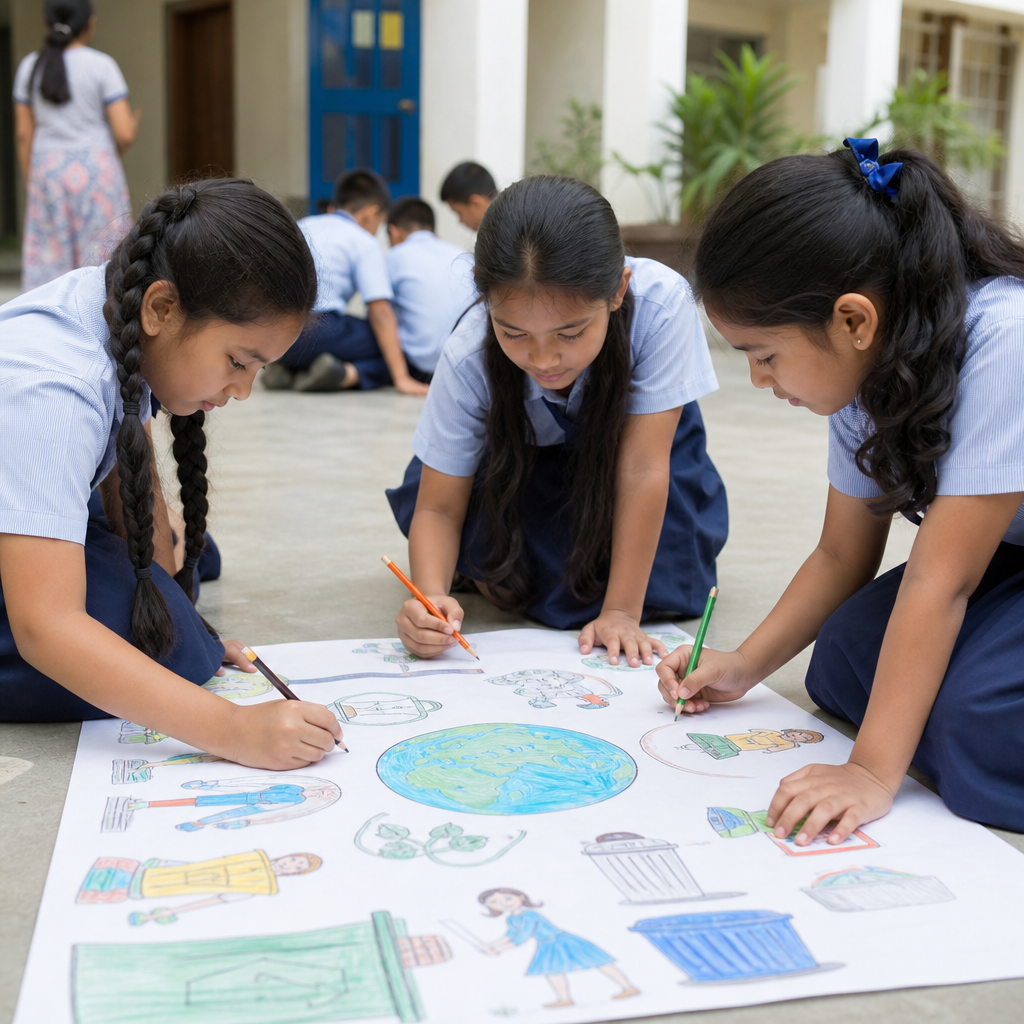
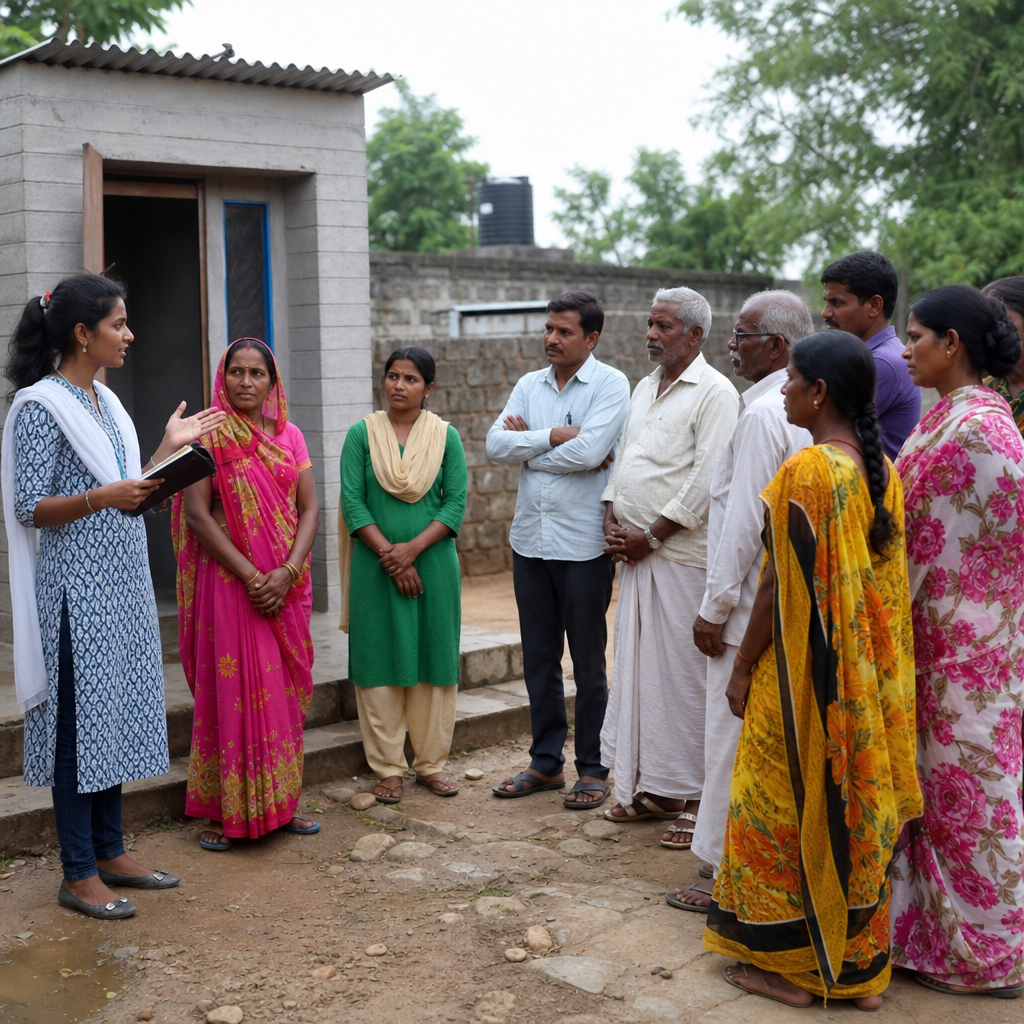
Inter-generational learning in sanitation and hygiene connects children, parents, grandparents, teachers, health workers, and community leaders so that practical health knowledge moves in every direction, not just from experts to households. In community engagement and education, this approach matters because sanitation and hygiene behaviors are shaped by routine, belief, infrastructure, caregiving roles, and local history. A handwashing lesson only sticks when the household has water, soap, reminders, and social support. A latrine campaign only succeeds when elders trust the design, women feel safe using it, children understand why it matters, and local leaders reinforce maintenance. Educating for change therefore means creating shared understanding across age groups, then turning that understanding into daily practice.
In my work with schools, village health committees, and municipal outreach teams, the most durable improvements came from programs that treated families as learning systems rather than isolated individuals. Children often introduced new habits like washing hands at key times, while grandparents explained seasonal water patterns, waste disposal traditions, and the practical constraints of older housing. Parents translated health messages into budgets and household rules. This exchange is the core of inter-generational learning: structured knowledge-sharing between age groups that combines scientific guidance with lived experience. In sanitation and hygiene, key terms include safely managed sanitation, menstrual hygiene management, fecal-oral transmission, behavior change communication, and WASH, the widely used shorthand for water, sanitation, and hygiene.
The topic matters because sanitation and hygiene remain foundational public health issues. According to UNICEF and WHO monitoring, billions of people still lack safely managed sanitation services, and hundreds of millions have no basic handwashing facility with soap and water at home. Poor hygiene contributes to diarrheal disease, helminth infection, undernutrition, school absence, and avoidable healthcare costs. The burden is not evenly shared. Children under five face higher risk from diarrheal illness, adolescent girls may miss school without supportive menstrual hygiene arrangements, and older adults or people with disabilities can be excluded by poorly designed toilets and bathing spaces. Education that reaches only one group misses these links. Education that bridges generations can address them together.
As a hub within community engagement and education, this article maps the full Educating for Change landscape. It explains how families and communities learn sanitation and hygiene behaviors, what methods work in schools and neighborhoods, how culture and accessibility affect adoption, which tools can measure progress, and where follow-up content should go deeper. If you are building related pages on school WASH, behavior change campaigns, menstrual health education, disability-inclusive sanitation, or community-led total sanitation, this hub provides the shared concepts and practical framework that ties them together for practitioners, teachers, NGOs, and local governments.
Why inter-generational learning changes sanitation behavior
Sanitation and hygiene behaviors are social behaviors. People do not adopt them simply because they hear a health message once. They adopt them when the message fits household routines, available facilities, social expectations, and perceived benefits. Inter-generational learning works because each age group influences a different part of that system. Children absorb habits quickly and can act as reminders. Parents control purchasing and daily rules. Grandparents often hold authority over tradition, childcare, and home design. Community volunteers and teachers connect private behavior to public norms. When these groups learn together, the probability of sustained practice rises.
A common example is handwashing with soap after toilet use and before preparing food. In a child-only intervention, students may perform the practice at school but not at home if soap is reserved for laundry or kept out of reach. In an adult-only intervention, caregivers may understand the recommendation but fail to create prompts that help children remember. In a mixed-age session, children can demonstrate the five key times for handwashing, adults can identify barriers such as water storage or soap cost, and facilitators can help the family agree on one fixed handwashing station near the latrine or cooking area. That is how education becomes environmental and behavioral change, not just awareness.
Inter-generational learning also reduces resistance. Older adults may distrust messages that appear to dismiss long-standing practices. Younger participants may tune out lectures that feel abstract or moralizing. When facilitators invite elders to discuss how waste disposal changed over decades, or ask adolescents to explain why privacy matters in school toilets, the session becomes a problem-solving exercise rather than a one-way instruction. This is especially important in rural sanitation campaigns, informal settlements, refugee contexts, and peri-urban neighborhoods where infrastructure limitations shape what is realistic. The best programs do not shame; they co-design doable steps.
Core topics every educating-for-change hub should cover
Any comprehensive sanitation and hygiene education hub should organize content around the behaviors, settings, and life stages that determine health outcomes. The first pillar is household hygiene: handwashing with soap, safe water handling, food hygiene, cleaning routines, child feces disposal, and surface sanitation. The second is sanitation use and maintenance: toilet adoption, pit emptying safety, sludge management awareness, cleaning responsibilities, odor control, lighting, privacy, and inclusive design. The third is personal and life-stage hygiene, including menstrual hygiene, infant care, incontinence support for older adults, and disability-related needs. The fourth is community systems: school WASH clubs, health committees, faith-based engagement, municipal outreach, landlord-tenant responsibilities, and behavior change campaigns.
These topics should be linked through the transmission pathway they interrupt. Fecal-oral disease transmission occurs through contaminated hands, water, food, surfaces, soil, and flies. Educators who explain this pathway in simple language give families a reason for each recommended action. For example, using a covered water container, separating animals from play areas, and disposing of child feces in a latrine are different behaviors, but they all break the same chain of contamination. People adopt practices more consistently when they understand the logic behind them.
The hub should also make room for context-specific articles. In flood-prone areas, sanitation education must address overflow, drainage, and emergency chlorination. In dense urban areas, the focus may shift toward shared toilets, cleaning rosters, and fecal sludge service chains. In schools, the critical issues are handwashing access, age-appropriate teaching, teacher reinforcement, and absenteeism linked to poor toilets. In healthcare settings, infection prevention requires stricter protocols. A strong hub does not flatten these differences; it helps readers navigate them.
Effective methods for teaching across generations
The most effective sanitation and hygiene education methods combine demonstration, discussion, repetition, and social reinforcement. Lecture alone rarely changes behavior. Adults and children need to see the practice, try it, and discuss how it fits their lives. Household visits, school demonstrations, mothers’ groups, fathers’ sessions, elder dialogues, and community mapping all have value when used deliberately. I have found that short, repeated sessions outperform one-off events because behavior change depends on cues and follow-up, not motivation alone.
Demonstration is powerful because it turns invisible risk into visible action. Glitter or colored powder can show how contamination spreads through touch. Tippy tap construction demonstrates that low-cost handwashing stations are possible even where piped water is absent. Toilet cleaning demonstrations clarify which tools, detergents, and frequencies keep facilities usable. Menstrual hygiene sessions work best when they address products, disposal, washing, privacy, pain management, and stigma in the same conversation rather than isolating menstruation as a niche topic.
Dialogue matters just as much as demonstration. Families need space to explain why a behavior is difficult. Maybe the latrine is unsafe at night, soap is unaffordable at the end of the month, or an elder cannot squat comfortably. These are not excuses; they are design inputs. Once surfaced, solutions become more targeted: solar lights near toilets, smaller recurring soap purchases, raised seats, handrails, or household cleaning schedules that share the burden. Good educators listen for operational barriers, not just knowledge gaps.
| Method | Best use | Age groups reached | Example |
|---|---|---|---|
| School WASH clubs | Habit formation and peer reinforcement | Children, teachers, families indirectly | Students track handwashing and bring home checklists |
| Household visits | Tailored problem-solving | Whole family | Volunteer helps place a handwashing station near the latrine |
| Community dialogues | Norm change and local buy-in | Adolescents, adults, elders | Village meeting agrees on toilet maintenance standards |
| Caregiver groups | Child health and daily routine planning | Parents, grandparents | Session on safe child feces disposal and food hygiene |
| Youth-led campaigns | Visibility and message spread | Adolescents, wider community | Students perform skits on handwashing and menstrual dignity |
Inclusion, culture, and trust in sanitation education
Sanitation and hygiene education fails when it ignores power, dignity, and local meaning. Cultural beliefs about purity, privacy, gender roles, child care, disability, and aging affect what people are willing to discuss and change. For example, some communities do not consider child feces dangerous, even though evidence shows it carries pathogens and requires safe disposal. In other settings, menstruation is treated with silence, which prevents girls from asking for supplies or reporting unsafe school toilets. Programs must address these issues directly, respectfully, and with language the community accepts.
Inclusion starts with design. A toilet that an older adult cannot reach or a child cannot use safely will not produce the intended health benefit. Educational materials should therefore include accessibility: handrails, stable steps, wider doors, lighting, locks, menstrual disposal bins, water inside or near the toilet, and handwashing facilities at usable height. Disability-inclusive approaches draw on universal design principles and on practical assessment tools used by organizations such as UNICEF, WaterAid, and the Washington Group question sets when identifying functional limitations. Education is more credible when people see that the recommended behaviors are matched by realistic facility improvements.
Trust is equally important. Communities respond better to sanitation educators who are consistent, specific, and honest about tradeoffs. If water supply is intermittent, educators should say so and teach prioritization strategies for hand hygiene and safe storage, not pretend ideal conditions exist. If a low-cost latrine option has maintenance drawbacks, explain them. If open defecation reduction requires financing, labor, or landlord cooperation, say that clearly. Families make better decisions when outreach is practical rather than promotional. Trust builds when advice is precise, limitations are acknowledged, and follow-up actually happens.
How to measure whether education is working
Measuring sanitation and hygiene education requires more than counting attendees. A packed workshop can still produce no behavior change. The strongest monitoring combines outputs, outcomes, and observable facility conditions. Outputs include the number of sessions, participants, schools reached, home visits completed, and materials distributed. Outcomes include self-reported behavior, spot-check observations, and service use. Facility indicators include whether soap and water are present, toilets are functional, menstrual disposal systems exist, and cleaning logs are used. Where possible, align indicators with JMP service ladders, school WASH standards, or local public health benchmarks so results can be compared over time.
Practical tools include structured observation checklists, barrier analysis, KAP surveys, focus groups, and simple household scorecards. For example, a household visit form might record the presence of a designated handwashing station, soap availability, safe child feces disposal, toilet cleanliness, and whether all members can access the facility. Schools can track toilet-to-student ratios, daily water availability, absenteeism patterns, and student feedback on privacy and safety. Health workers can compare baseline and follow-up data after a campaign rather than relying on anecdote.
Real improvement usually shows up as a pattern, not a single metric. Soap present at more households, cleaner toilets, fewer reports of children defecating in open areas, improved school attendance during menstruation, and stronger recall of key hygiene moments together indicate progress. Disease reduction may follow, but it can be harder to attribute directly because many factors affect illness. That is why program teams should measure behavior and environment first. If you are building sub-articles from this hub, create dedicated pages on monitoring sanitation behavior, school WASH indicators, and community feedback systems.
Building a durable community learning system
The long-term goal is not one campaign. It is a community learning system that keeps sanitation and hygiene knowledge current, visible, and actionable. That system usually includes teachers, community health workers, local government, women’s groups, youth leaders, landlords or water committees, and respected elders. Each actor carries part of the message and part of the accountability. Schools reinforce habits. Clinics connect hygiene to disease prevention. Community meetings address shared infrastructure and social norms. Municipal teams support desludging, waste services, and bylaw enforcement where relevant.
To build this system, start with a local assessment of behaviors, facilities, seasonal risks, and trusted messengers. Segment audiences by life stage and role, then tailor messages accordingly. Train facilitators to ask questions, not just deliver scripts. Create referral pathways for hardware needs such as toilet upgrades, menstrual supplies, or disability adaptations. Refresh messages across channels including assemblies, radio, posters, parent meetings, faith gatherings, and home visits. Most importantly, institutionalize review points so the community can see what improved and what still blocks progress.
Inter-generational learning in sanitation and hygiene works because it reflects how people actually live: in families, across life stages, within social norms, and inside physical environments that either support or frustrate healthy behavior. As the central hub for Educating for Change, this page shows that effective sanitation education is practical, inclusive, evidence-based, and rooted in shared responsibility. When children, caregivers, elders, and local institutions learn together, communities are more likely to maintain toilets, normalize handwashing, support menstrual dignity, protect vulnerable members, and reduce preventable disease. Use this hub to plan your related content, audit your current outreach, and strengthen the teaching methods that turn knowledge into healthier daily routines.
Frequently Asked Questions
What is inter-generational learning in sanitation and hygiene?
Inter-generational learning in sanitation and hygiene is a practical approach where knowledge, habits, and problem-solving move between age groups rather than flowing in only one direction. Children may learn proper handwashing at school and bring that habit home. Parents may explain how water is stored, how cleaning supplies are budgeted, and who is responsible for maintaining the latrine. Grandparents may share long-term experience about seasonal water scarcity, traditional practices, and how the community has handled disease outbreaks over time. Teachers, health workers, and community leaders then help connect these perspectives with accurate public health guidance.
This matters because sanitation and hygiene are not just technical issues. They are shaped by family routines, caregiving roles, available infrastructure, cultural beliefs, and local history. A message about handwashing is far more likely to become a daily habit when the whole household understands why it matters, agrees on when it should happen, and has the means to do it consistently. In that sense, inter-generational learning helps turn isolated lessons into shared practice. It creates a stronger foundation for behavior change because people of different ages influence one another every day in real-life settings such as kitchens, toilets, schools, water points, and caregiving spaces.
Why is this approach especially effective for improving sanitation and hygiene behaviors?
Inter-generational learning is effective because sanitation and hygiene behaviors are deeply social. People do not usually make these decisions alone. Whether someone washes hands with soap, treats drinking water safely, keeps a toilet clean, or manages child feces properly often depends on household cooperation, access to supplies, time, and accepted norms. When only one person in a family receives information, the gap between knowledge and practice can remain wide. When multiple generations discuss and reinforce the same behaviors, change becomes more realistic and sustainable.
It also improves relevance. Older adults may understand local constraints that outsiders miss, such as water shortages during certain months, privacy concerns for women and girls, or long-standing beliefs about waste disposal. Younger people may adopt new habits quickly and influence peers and family members through repetition and enthusiasm. Parents and caregivers are often the ones who translate health messages into routines, deciding where soap is kept, how water is prioritized, and who cleans sanitation facilities. By involving all these voices, communities can identify solutions that fit daily life rather than relying on advice that sounds correct in theory but is hard to maintain in practice.
Another reason this approach works is trust. In many communities, people are more likely to act on information when it is reinforced by someone they know and respect. A health worker may introduce a key message, but a grandmother who repeats it while caring for a child, or a teacher who reinforces it at school, can make that message stick. The result is not just awareness, but shared accountability and stronger long-term habits.
Who should be involved in inter-generational sanitation and hygiene education?
The most effective inter-generational sanitation and hygiene efforts involve everyone who shapes daily routines, care practices, and community norms. That usually includes children, parents, grandparents, teachers, school administrators, health workers, community leaders, and in many settings, religious leaders, youth groups, and local sanitation committees. Each group brings a different kind of influence. Children often act as enthusiastic messengers and can normalize healthy habits among peers and at home. Parents and guardians manage household routines, budgets, and caregiving decisions. Grandparents may hold strong social authority and practical experience that can either support or block behavior change, making their involvement especially important.
Teachers and schools play a major role because they can reinforce habits consistently and create opportunities for students to practice what they learn. Health workers contribute evidence-based guidance, clarify misconceptions, and connect sanitation and hygiene education to disease prevention, maternal health, nutrition, and child development. Community leaders help build public support, organize collective action, and encourage investment in shared facilities or maintenance systems. In areas where sanitation behaviors are strongly linked to custom or identity, local leaders can be crucial in helping communities discuss sensitive topics with respect and openness.
The key principle is not simply to gather many people in one place, but to engage those who influence everyday decisions. A family may know the importance of handwashing, but if no one is responsible for refilling the handwashing station, the behavior may not last. A school may teach safe toilet use, but if facilities are dirty or inaccessible, the lesson loses force. Inter-generational education works best when all relevant actors are included in both learning and practical problem-solving.
What kinds of sanitation and hygiene topics are best suited to inter-generational learning?
This approach is especially useful for topics that depend on shared routines, caregiving, and household or community cooperation. Handwashing with soap is a strong example because it involves knowledge, timing, reminders, and access to water and soap. Safe toilet use and latrine maintenance also fit well, since cleanliness, privacy, repairs, and consistent use often depend on more than one family member. Water collection, storage, and treatment are equally suitable because they involve decisions about containers, transport, cleanliness, and how scarce water is allocated throughout the day.
Inter-generational learning is also valuable for discussing menstrual hygiene, child feces disposal, food hygiene, waste management, and cleaning practices in homes, schools, and care settings. These topics often carry social stigma or are shaped by silence, especially between age groups. Structured discussion can help families replace discomfort or misinformation with practical guidance and mutual understanding. For example, adolescents may need accurate information and supportive adults, while older caregivers may benefit from updated health advice that respects their experience.
Beyond individual behaviors, this approach can cover broader issues such as maintaining school or community sanitation facilities, planning for people with disabilities, improving access for older adults, and preparing for seasonal health risks like flooding or diarrheal disease outbreaks. In all of these areas, the most important topics are those where success depends not only on knowing what to do, but on people of different ages agreeing on how to do it consistently and under real local conditions.
How can communities make inter-generational learning in sanitation and hygiene actually work in practice?
For inter-generational learning to work, communities need more than one-time awareness sessions. They need repeated, practical, and inclusive opportunities for people to learn together, practice together, and solve problems together. A good starting point is to identify the behaviors that matter most locally, such as handwashing after toilet use, safe disposal of child feces, regular cleaning of shared toilets, or safer water storage. From there, facilitators can bring together different age groups in formats that encourage participation rather than passive listening. This might include school-home assignments, community demonstrations, household visits, peer discussions, parent meetings, elder consultations, youth clubs, and public dialogue led by trusted local figures.
The most successful efforts connect education with infrastructure and routine. If people are encouraged to wash hands, there must be a convenient place to do so with water and soap available. If safe toilet use is promoted, toilets must be accessible, functional, and acceptable for all users, including children, older adults, and people with disabilities. If households are expected to improve water handling, they may need affordable containers, simple treatment options, and clear maintenance guidance. In other words, behavior change should not be treated as a matter of motivation alone. It must be supported by realistic conditions.
Communities should also create space for feedback across generations. Younger people can describe barriers they face at school or in public facilities. Older adults can explain long-standing practices and why certain messages may be resisted. Caregivers can point out time constraints, costs, or labor burdens that influence what is feasible. This kind of honest exchange helps prevent programs from making assumptions and allows solutions to be adapted locally. Measuring progress is equally important. Communities can track changes such as whether handwashing stations are being used, whether toilets are cleaner, whether open defecation has decreased, or whether families are discussing hygiene more openly at home.
Above all, the process should be respectful. Inter-generational learning is not about declaring one age group right and another wrong. It is about combining lived experience, practical authority, and health knowledge so that better sanitation and hygiene practices can take root and last. When communities treat every generation as both a learner and a contributor, they build stronger habits, stronger systems, and healthier environments for everyone.