Incorporating sanitation topics into adult education strengthens public health, improves household decision-making, and builds community capacity for lasting behavior change. In this context, sanitation means the systems, practices, and services that safely manage human waste, hygiene, drainage, solid waste, and the cleanliness of shared environments. Adult education includes formal literacy classes, workforce training, community workshops, health outreach, parenting programs, and continuing education delivered through schools, nonprofits, clinics, utilities, and local governments. I have worked with community education teams that learned quickly that sanitation is not a side topic. It shapes attendance, dignity, disease prevention, school readiness for children, and trust in public institutions. As a hub within community engagement and education, this guide focuses on fostering participation and learning: how to design sanitation instruction adults will join, understand, remember, and apply in daily life.
Sanitation belongs in adult education because adults are decision-makers, caregivers, tenants, workers, voters, and community leaders. They choose whether to repair a leaking latrine slab, pay for septic pumping, wash hands after cleaning a child, report illegal dumping, or advocate for safer public toilets. Those choices affect diarrheal disease, helminth infections, skin conditions, vector breeding, water contamination, and neighborhood safety. The World Health Organization and UNICEF Joint Monitoring Programme has repeatedly shown that safe sanitation is foundational to health and development, while the Centers for Disease Control and Prevention consistently links hand hygiene and safe waste handling to reduced disease transmission. Yet knowledge alone does not change behavior. Adults learn best when content is practical, respectful, linked to lived experience, and reinforced through social support. A strong hub article therefore needs to connect teaching methods, participation strategies, and measurable outcomes.
Fostering participation and learning means more than increasing attendance at a workshop. It requires reducing barriers, creating relevance, sequencing concepts from basic to advanced, and using plain language without losing technical accuracy. Learners may be balancing shift work, caregiving, transportation constraints, limited literacy, disability access issues, and justified skepticism toward outside experts. They may also carry valuable local knowledge about seasonal flooding, broken infrastructure, waste collection patterns, and landlord neglect. Effective adult sanitation education treats participants as partners. It combines discussion, demonstration, problem-solving, and follow-up. This article explains how to build that kind of program, what sanitation topics adults most need, which teaching formats work in real settings, and how a hub page can connect related resources across community engagement and education.
Why Sanitation Education Works Best When It Starts with Participation
Participation is the engine of adult learning because sanitation is behavioral, environmental, and social at the same time. In practice, I have seen low-impact sessions that delivered perfect technical content to silent rooms, and high-impact sessions where participants mapped broken drains, compared cleaning products, and left with a plan to organize their building. The difference was not intelligence or motivation. It was whether the learning process invited adults to connect information to their own routines and decisions. When participants discuss where wastewater pools after rain, why a toilet is avoided after dark, or what prevents septic maintenance, they generate the context needed for useful education.
Adult sanitation programs should begin with a needs assessment grounded in community realities. Short surveys, listening sessions, walk-throughs, and interviews with residents, maintenance staff, teachers, health workers, and local leaders reveal what matters most. In one neighborhood, the priority may be safe child feces disposal; in another, clogged drains and mosquito breeding; in a rural area, pit latrine siting and groundwater protection. Participation also improves trust. People are more likely to engage when they see their concerns reflected in the agenda, their language used in materials, and their constraints acknowledged honestly. This is especially important where sanitation failures have been tied to poverty, stigma, gender inequity, or weak municipal services.
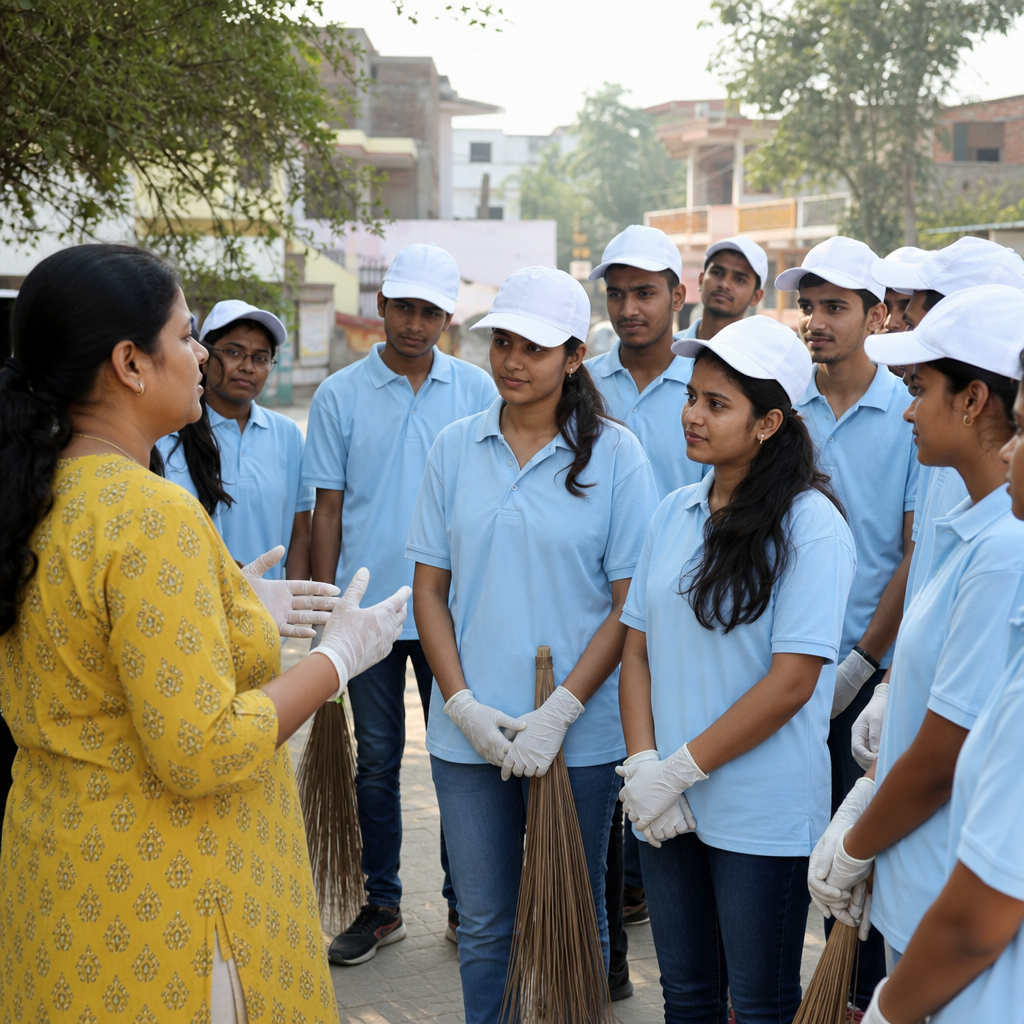
Direct answers matter here. What makes adults participate in sanitation education? Relevance, convenience, respect, and clear benefits. Offer sessions at workable times, provide childcare where possible, use familiar venues, and explain the payoff in concrete terms: fewer illnesses, lower repair costs, safer homes, cleaner shared spaces, and stronger advocacy. Participation rises when programs include peer educators, community champions, or resident associations because social proof reduces hesitation. It also rises when education is tied to action, such as a cleanup day, household inspection checklist, subsidized latrine upgrade program, or reporting pathway for sanitation complaints.
Core Sanitation Topics Adults Need and How to Sequence Them
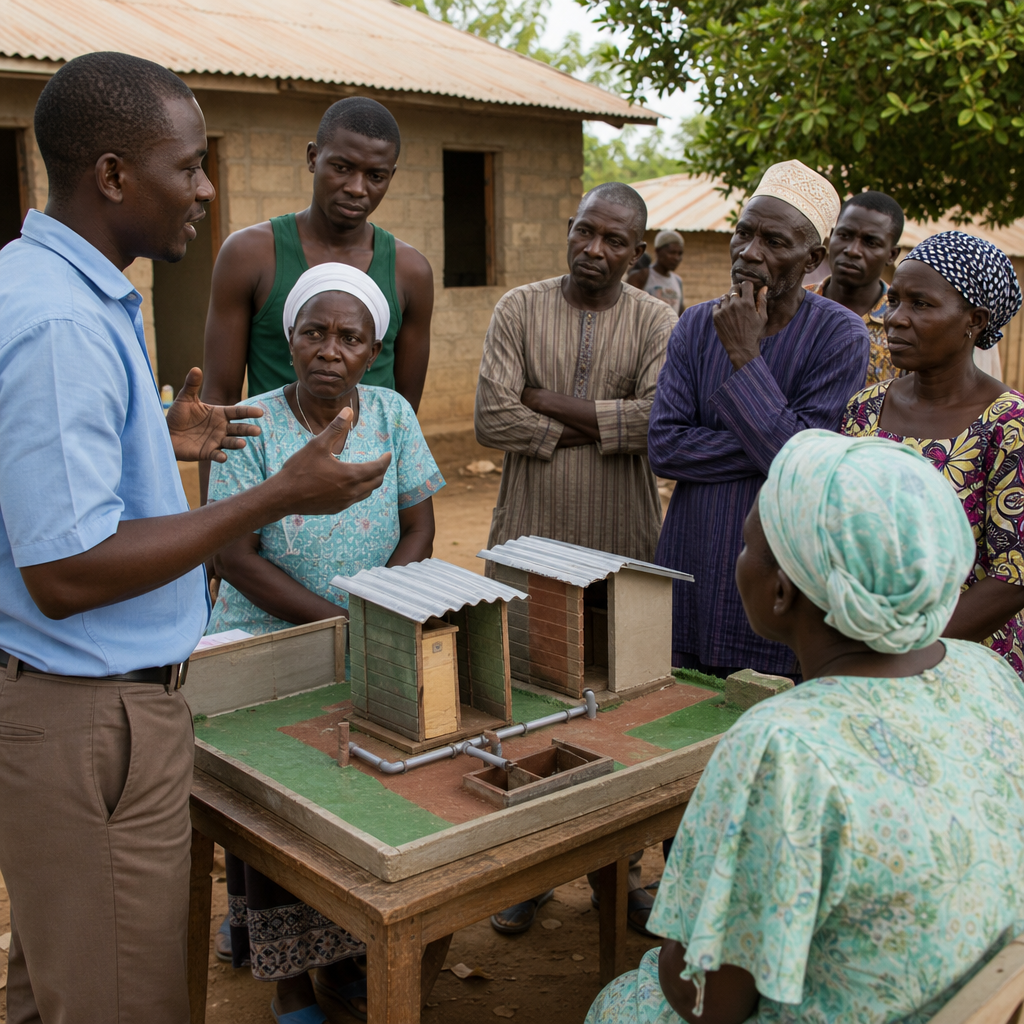
A hub article on fostering participation and learning should organize sanitation content into a clear progression. Start with fundamentals, then move to household systems, community systems, and civic action. The first layer covers hygiene and disease transmission: handwashing with soap at critical times, safe food handling, cleaning high-touch surfaces, menstrual hygiene support, and the fecal-oral pathway. Adults do not need abstract microbiology lectures, but they do need accurate explanations of how contamination moves from feces to fingers, flies, fluids, fields, and food. Demonstrations with glow powder, visual diagrams, or simple contamination scenarios make this memorable.
The second layer addresses household sanitation systems. This includes toilet use and maintenance, pit latrines, septic tanks, sewer connections, ventilation, odor control, cleaning protocols, and safe child feces disposal. Many adults have never been shown how a septic system actually works or why “flushable” wipes are not flushable. Teaching should explain retention time, sludge buildup, warning signs of failure, and why pumping intervals matter. In dense urban settings, instruction may focus more on shared toilet management, landlord responsibilities, and reducing blockages. In rural settings, siting and flood resilience may matter more. Good sequencing moves from what people do daily to what they manage periodically.
The third layer covers environmental sanitation and public systems: drainage, stormwater, solid waste handling, vector control, wastewater treatment basics, and safe behavior in public toilets. Adults often understand these as separate issues, but education should connect them. Illegal dumping can block drains; blocked drains create standing water; standing water increases mosquito breeding; poor waste collection degrades trust and discourages proper disposal. Linking systems helps learners see why household behavior and municipal service quality must improve together. The final layer is civic and workplace participation: how to report failures, join neighborhood committees, read utility notices, engage landlords, and support realistic sanitation improvements through local planning.
| Topic Area | What Adults Need to Learn | Example Activity | Practical Outcome |
|---|---|---|---|
| Hygiene basics | Critical handwashing times, contamination routes, cleaning priorities | Demonstrate handwashing and map touch points in the home | Reduced illness transmission in households |
| Household sanitation | Toilet cleaning, septic care, child feces disposal, blockage prevention | Use a maintenance checklist for toilets or septic systems | Lower repair costs and safer facilities |
| Environmental sanitation | Drainage, waste segregation, vector risks, standing water control | Neighborhood walk to identify risk points | Cleaner surroundings and fewer breeding sites |
| Civic action | Reporting channels, tenant rights, service schedules, committee roles | Practice filing a sanitation complaint or service request | Stronger accountability and community response |
Teaching Methods That Improve Learning Retention in Adult Education
Adults retain sanitation content when teaching is active, specific, and repeated over time. The most effective methods combine short explanations with demonstrations, guided discussion, peer exchange, and problem-solving tied to immediate decisions. For example, rather than lecturing about drain maintenance, show photos of blocked inlets, ask participants to identify causes, then discuss what residents can handle safely and what requires municipal attention. This approach respects adults as capable learners while avoiding information overload. It also produces the kind of concise answers participants remember and share with others.
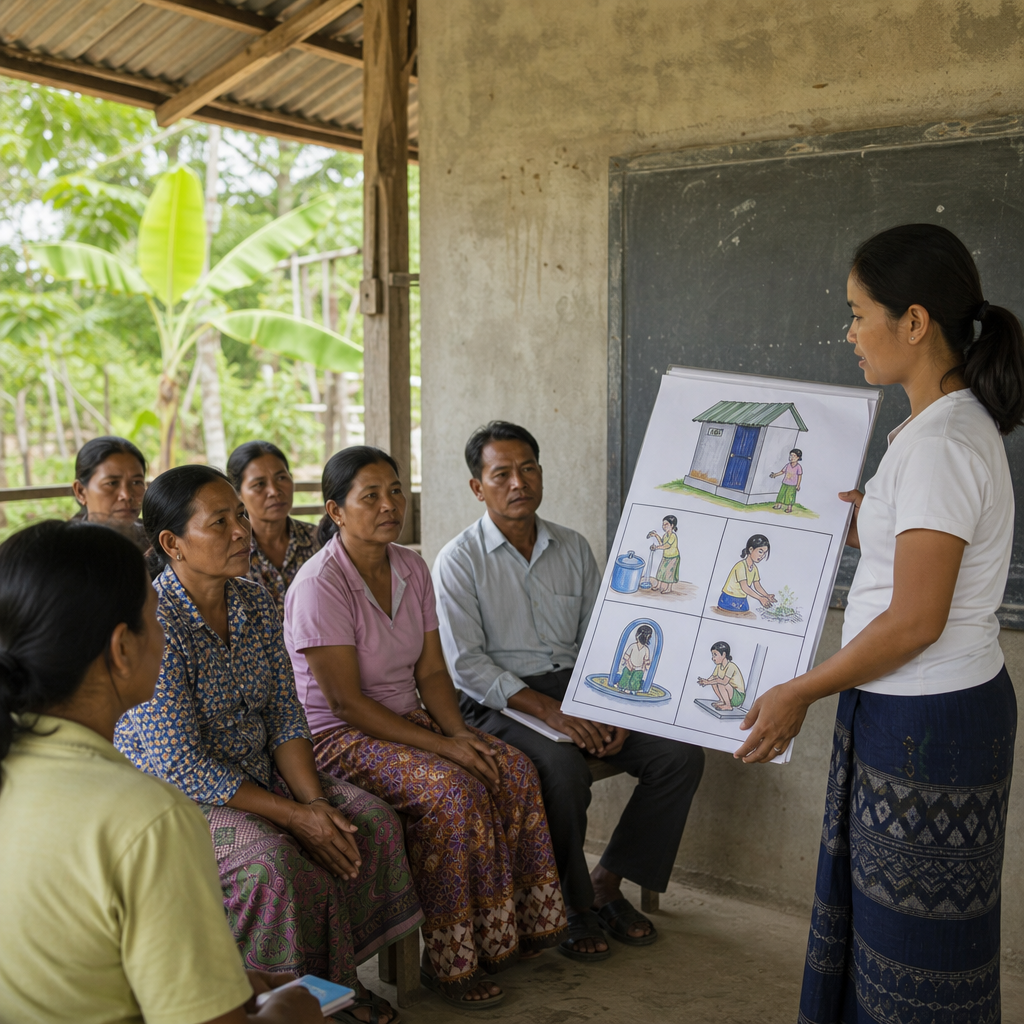
Plain language is essential, but plain language does not mean shallow content. Say “germs can move from contaminated hands to food” before introducing “fecal-oral transmission.” Explain why bleach needs correct dilution and contact time. Clarify that visible cleanliness and hygienic safety are related but not identical. In multilingual settings, materials should be translated professionally and reviewed by community members for clarity, not merely converted word for word. Visuals are especially useful for low-literacy audiences: maintenance diagrams, picture-based checklists, step-by-step cleaning sequences, and color coding for waste streams all outperform dense text alone.
Repetition and reinforcement are nonnegotiable. One workshop rarely changes routine practice. Effective programs use reminders, follow-up visits, text messages, peer groups, or recurring classes. Adult education also benefits from immediate application. Ask participants to conduct a home sanitation self-audit, inspect a communal wash area, or create a family cleaning schedule before the next session. Assessment should be practical, not punitive. Instead of a written test only, use demonstrations, scenario responses, and learner explanations in their own words. If someone can explain when to wash hands, how to store cleaning chemicals safely, and what signs indicate septic trouble, they have learned something that matters.
Removing Barriers to Participation Across Different Communities
Programs fail when they assume adults can participate without support. Common barriers include work schedules, transport costs, caregiving demands, distrust of authorities, stigma around toilets and waste, low literacy, disability access, and previous experiences of being lectured rather than heard. Fostering participation means designing around these obstacles from the beginning. Offer sessions at multiple times, partner with trusted local organizations, provide interpretation, and choose venues with accessible toilets and safe routes home. If the topic includes public toilet safety or menstrual hygiene, ensure privacy and respectful facilitation.
Cultural competence matters because sanitation is tied to norms, taboo, and status. Some participants will not openly discuss defecation, menstruation, incontinence, or child feces disposal in mixed groups. Sometimes the right solution is separate sessions by gender or age; other times it is a skilled facilitator who sets clear norms and uses nonjudgmental language. Trust also improves when educators acknowledge service failures honestly. People disengage when they are told to maintain standards that landlords or municipalities make impossible. A balanced program distinguishes between behaviors individuals can change now and structural problems requiring collective action.
Digital tools can widen participation, but they are not a full substitute for in-person learning. Messaging apps, short videos, voice notes, and QR-linked fact sheets help reinforce lessons, especially for adults who miss a session. However, digital delivery excludes some learners and can flatten complex discussion. The best approach is blended: community workshops supported by mobile reminders, hotline numbers, printable checklists, and local referral information. When programs treat access as a design requirement rather than an afterthought, participation improves substantially.
Building a Hub That Connects Learning, Action, and Community Engagement
As a sub-pillar hub under community engagement and education, this page should guide readers to the full ecosystem of sanitation participation content. That means linking conceptually to articles on peer educator training, behavior change communication, community health outreach, school-family engagement, tenant organizing, local government collaboration, menstrual health education, septic system basics, public toilet management, and monitoring program outcomes. A hub succeeds when it gives readers an overview and a roadmap. Someone arriving with a broad question such as “How do we teach sanitation in adult education?” should leave knowing the core topics, the best participation strategies, and which next resource addresses their situation in detail.
Program implementation should also connect learning to visible action. Small wins matter. A class that develops a shared cleaning rota for a market toilet, starts a resident reporting chain for broken drains, or helps households schedule septic pumping produces evidence that education leads to results. Those results, in turn, drive future participation. Adults return when they see change. For organizations, measurement should include attendance, completion, knowledge gain, reported behavior change, facility condition, service requests submitted, and where possible health or environmental indicators. Kirkpatrick’s training evaluation model can help structure learning assessment, while simple pre/post surveys and observational checklists are often enough for community programs.
The core lesson is straightforward: incorporating sanitation topics into adult education works when programs are participatory, practical, and connected to real systems. Teach the essentials clearly. Organize content from personal hygiene to household infrastructure to community action. Use demonstrations, peer learning, and follow-up instead of one-off lectures. Remove barriers that keep adults from joining. Build a hub that links learners to deeper resources and local pathways for action. When adults understand sanitation and see how to improve it at home and in shared spaces, communities become healthier, more confident, and better equipped to solve problems together. Use this page as the starting point, then map your local needs, involve trusted partners, and turn sanitation education into sustained community participation.
Frequently Asked Questions
Why is it important to include sanitation topics in adult education programs?
Including sanitation topics in adult education helps connect learning directly to everyday life. Adults are often making decisions about water use, toilet access, child care, food preparation, waste disposal, drainage, and the cleanliness of homes and shared spaces. When sanitation is part of literacy classes, workforce training, parenting programs, health outreach, or community workshops, learners gain practical knowledge they can use immediately to protect their households and neighborhoods. This makes education more relevant and often increases participation, because people can clearly see the value of what they are learning.
Sanitation education also supports public health in a very direct way. Poor management of human waste, hygiene, drainage, and solid waste contributes to diarrheal disease, parasitic infections, environmental contamination, and unsafe living conditions. Adults who understand how these risks spread are better prepared to adopt preventive habits, recognize local hazards, and advocate for safer services. In many communities, adults are the ones responsible for household routines, budgeting, maintenance, caregiving, and local leadership, so improving their understanding can lead to broader changes than school-based education alone.
Beyond health, sanitation education strengthens household decision-making and community resilience. It can help people compare options, assess costs, communicate with service providers, and work together on local solutions such as waste collection, drain maintenance, handwashing promotion, and clean shared facilities. In this way, sanitation becomes more than a technical subject. It becomes a foundation for dignity, safety, productivity, and long-term behavior change.
What sanitation topics should adult education programs cover?
A strong adult education program should present sanitation as a broad, practical topic rather than limiting it to toilets alone. Core content usually includes safe management of human waste, proper toilet use and maintenance, handwashing with soap at key times, menstrual hygiene support, food hygiene, household water handling, drainage, solid waste management, and keeping shared environments clean. Learners should understand not only what to do, but why these actions matter and how they reduce exposure to disease.
Programs should also address the social and environmental dimensions of sanitation. That can include how blocked drainage contributes to flooding and mosquitoes, how unmanaged waste affects air and water quality, how unsafe facilities can create risks for women, older adults, and people with disabilities, and how poor sanitation affects work, school attendance, and family well-being. When adult learners see sanitation as part of community development, they are more likely to understand its importance and participate in collective action.
It is also helpful to include problem-solving topics such as how to identify unsafe conditions, report service gaps, organize cleanup activities, budget for household improvements, and communicate with landlords, employers, schools, or local authorities. In workforce or vocational settings, sanitation content can be tailored to specific jobs, such as safe cleaning practices, waste handling, workplace hygiene, or environmental health standards. The best programs focus on practical application and local relevance, using examples that match the learners’ daily realities.
How can educators teach sanitation topics effectively to adult learners?
Adult learners respond best when sanitation education is practical, respectful, and immediately useful. Effective teaching starts with the recognition that adults bring existing knowledge, habits, and responsibilities into the learning environment. Instead of relying only on lectures, educators should use discussion, demonstration, role-play, problem-solving exercises, visual materials, and real-life scenarios. For example, a facilitator might guide a conversation about how illness spreads in the home, demonstrate proper handwashing, or ask learners to identify sanitation risks in a sample household or community setting.
Local context matters a great deal. Educators should adapt content to the realities learners face, including housing conditions, access to water, toilet availability, waste services, cultural norms, climate, and financial constraints. A sanitation lesson in an urban informal settlement may need to focus on shared toilets, drainage, and waste collection, while a rural program may place greater emphasis on safe latrine use, water storage, or animal waste near the home. Using local language, familiar examples, and culturally appropriate communication makes the content easier to understand and more likely to be used.
It is also important to avoid judgmental messaging. Adults may already know recommended practices but face barriers such as cost, time, overcrowding, disability, or poor infrastructure. Effective educators acknowledge these barriers and help learners explore realistic solutions. This can include low-cost improvements, community cooperation, safer routines, and referral to local services. Reinforcement is essential as well. Sanitation habits often change gradually, so follow-up sessions, peer support, printed reminders, and community-based activities can help turn knowledge into sustained action.
What are the main benefits of linking sanitation education to broader adult learning goals?
Linking sanitation education to broader adult learning goals makes programs more meaningful and more effective. In literacy and numeracy classes, sanitation content can be used to teach reading, writing, counting, comparison, and recordkeeping through practical examples such as reading cleaning labels, understanding public health notices, tracking household expenses, or creating maintenance schedules. This approach supports foundational skills while also improving health knowledge, which gives learners two benefits at once.
In workforce training and continuing education, sanitation topics can improve employability, workplace safety, and professional standards. Workers in food service, care work, hospitality, construction, agriculture, cleaning, and community services all benefit from understanding hygiene, waste handling, environmental cleanliness, and disease prevention. Employers often value these skills because they reduce risk, improve customer confidence, and support compliance with regulations or organizational policies.
For parenting programs, health outreach, and community development initiatives, sanitation education contributes to stronger caregiving, safer homes, and more informed family decisions. Adults who understand sanitation are often better able to protect children, support older relatives, and maintain healthier shared spaces. At the community level, this can increase participation in local problem-solving and strengthen collective responsibility for public cleanliness and infrastructure. Overall, integrating sanitation into adult education creates learning that is practical, empowering, and closely tied to quality of life.
How can programs measure whether sanitation education is making a real difference?
Measuring impact should go beyond asking whether participants attended a class or remembered key facts. Strong evaluation looks at changes in knowledge, attitudes, behaviors, and, where possible, environmental or health-related outcomes. Programs can begin with simple pre- and post-assessments to see whether learners better understand sanitation risks, hygiene practices, safe waste management, and the importance of clean shared spaces. These tools can be adapted for low-literacy settings through pictures, oral questioning, or group exercises.
Behavior change is especially important to measure. Programs can track whether learners report or demonstrate actions such as more consistent handwashing, improved toilet maintenance, safer household waste disposal, cleaner food preparation areas, better drainage practices, or participation in community cleanup efforts. In some settings, observation checklists, household visits, peer feedback, or facilitator records may provide useful information. The goal is not surveillance, but understanding whether education is translating into practical changes.
Longer-term indicators can also help show whether the program is contributing to broader community capacity. These may include stronger participation in sanitation committees, increased demand for better services, improved maintenance of shared facilities, or more confident communication with local authorities and providers. Where appropriate and feasible, programs may also look at trends such as reduced sanitation-related complaints, fewer missed workdays due to preventable illness, or better cleanliness in community spaces. The most useful evaluations combine numbers with stories, so educators can understand not only what changed, but why it changed and what barriers still remain.