EcoSan Clubs are structured peer-learning groups that help communities understand sanitation, hygiene, resource recovery, and environmental stewardship through regular, practical engagement. In community education work, I have seen that people rarely change habits because of posters alone; they change when trusted peers discuss local problems, test solutions together, and make new practices visible in daily life. That is why EcoSan Clubs matter. They turn sanitation from a private, often neglected issue into a shared learning process rooted in dignity, health, and local leadership.
EcoSan, short for ecological sanitation, refers to approaches that safely manage human waste while protecting water, reducing disease risk, and recovering value through nutrients, compost, biogas, or soil improvement where appropriate. Clubs built around these ideas can operate in schools, villages, settlements, workplaces, faith groups, or youth centers. Their purpose is broader than teaching toilet use. A strong club explains why handwashing breaks transmission chains, how menstrual hygiene affects attendance and confidence, why fecal sludge management matters downstream, and how behavior change depends on social norms as much as infrastructure. As a hub within Community Engagement and Education, this article covers the full “Educating for Change” agenda: what EcoSan Clubs are, how they function, what they teach, how they create participation, and how to measure whether learning leads to safer, lasting sanitation practices.
Educating for change requires more than awareness campaigns. It requires repetition, peer accountability, locally relevant examples, and opportunities to practice skills. Public health evidence has long shown that sanitation improvements reduce diarrheal disease, parasitic infection, and environmental contamination, but infrastructure alone does not guarantee outcomes. A latrine can be built and left unused. A handwashing station can be installed and sit empty. An EcoSan Club closes that gap by creating social reinforcement around maintenance, correct use, inclusion, and problem solving. When designed well, it becomes the local engine that links knowledge to action.
What EcoSan Clubs Do in Practice
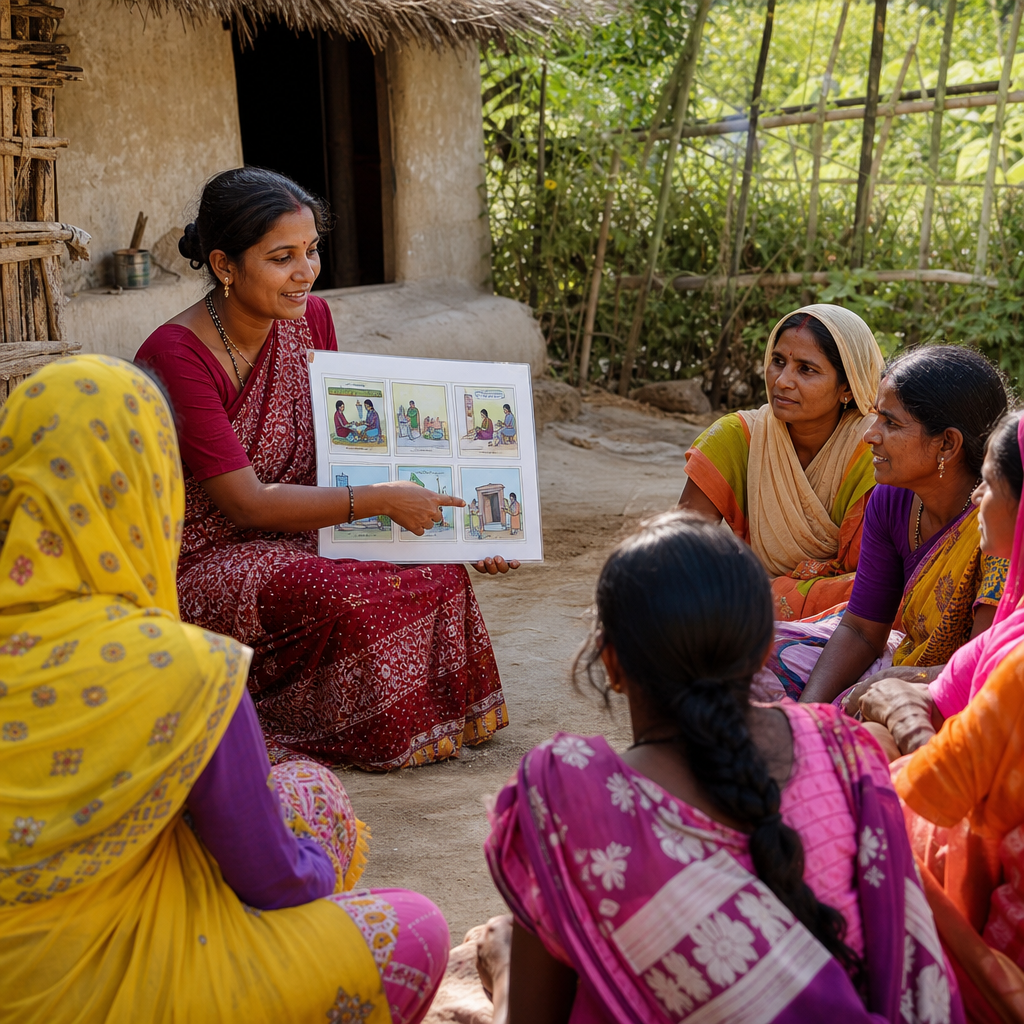
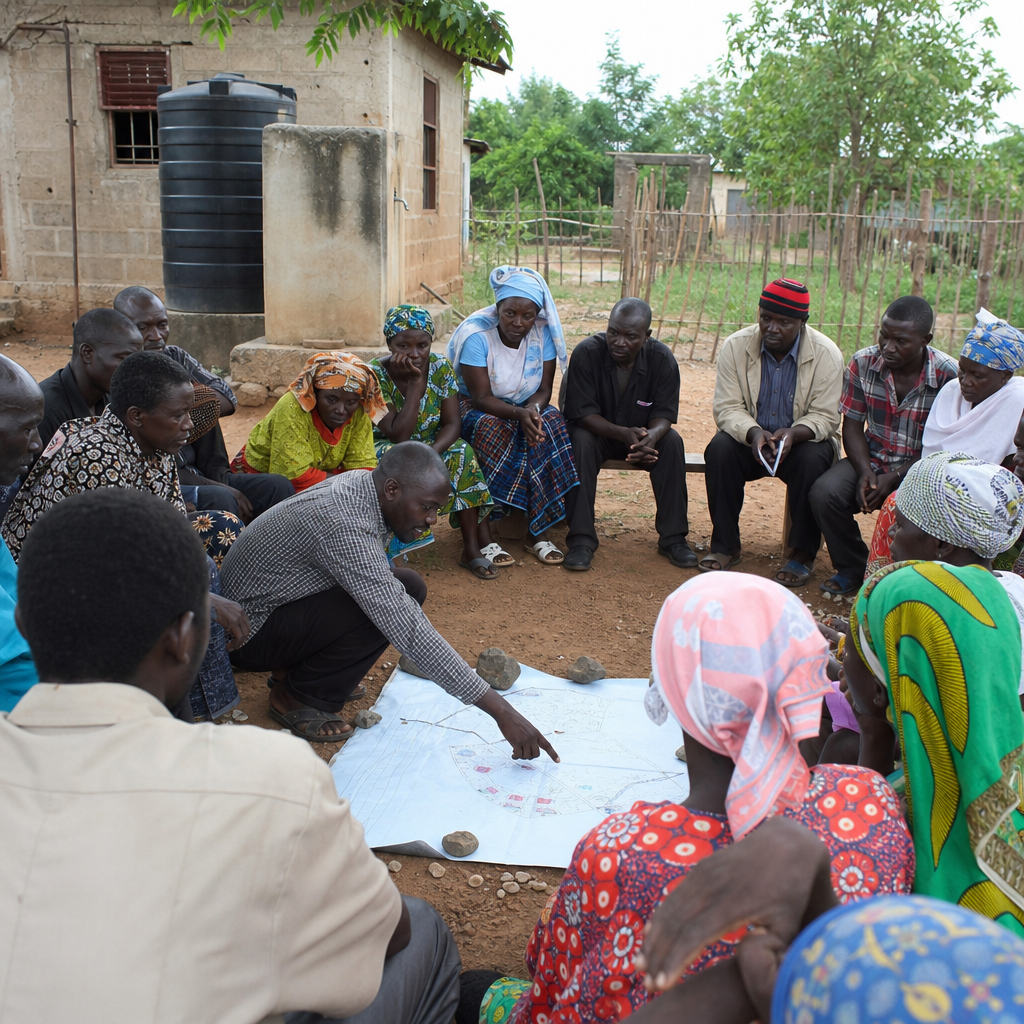
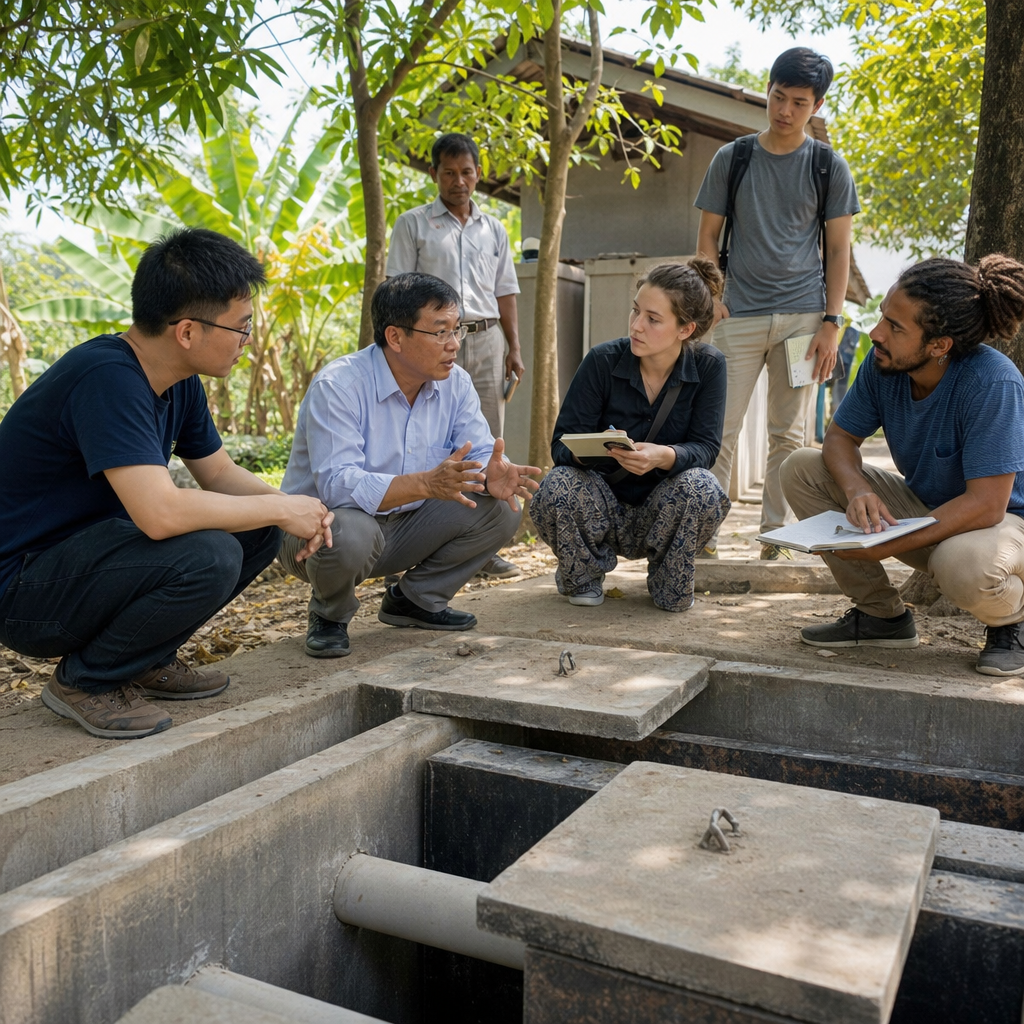
EcoSan Clubs combine education, demonstration, and community mobilization. In practical terms, a club usually meets on a recurring schedule, elects or rotates leaders, agrees on learning goals, and uses simple tools such as attendance logs, discussion guides, observation checklists, and action plans. The most effective clubs do not rely on one-way lectures. They use participatory methods: mapping where open defecation or wastewater pooling occurs, discussing seasonal disease patterns, visiting sanitation facilities, tracking handwashing supplies, and inviting local health workers or masons to answer questions. The result is not just information transfer but local ownership.
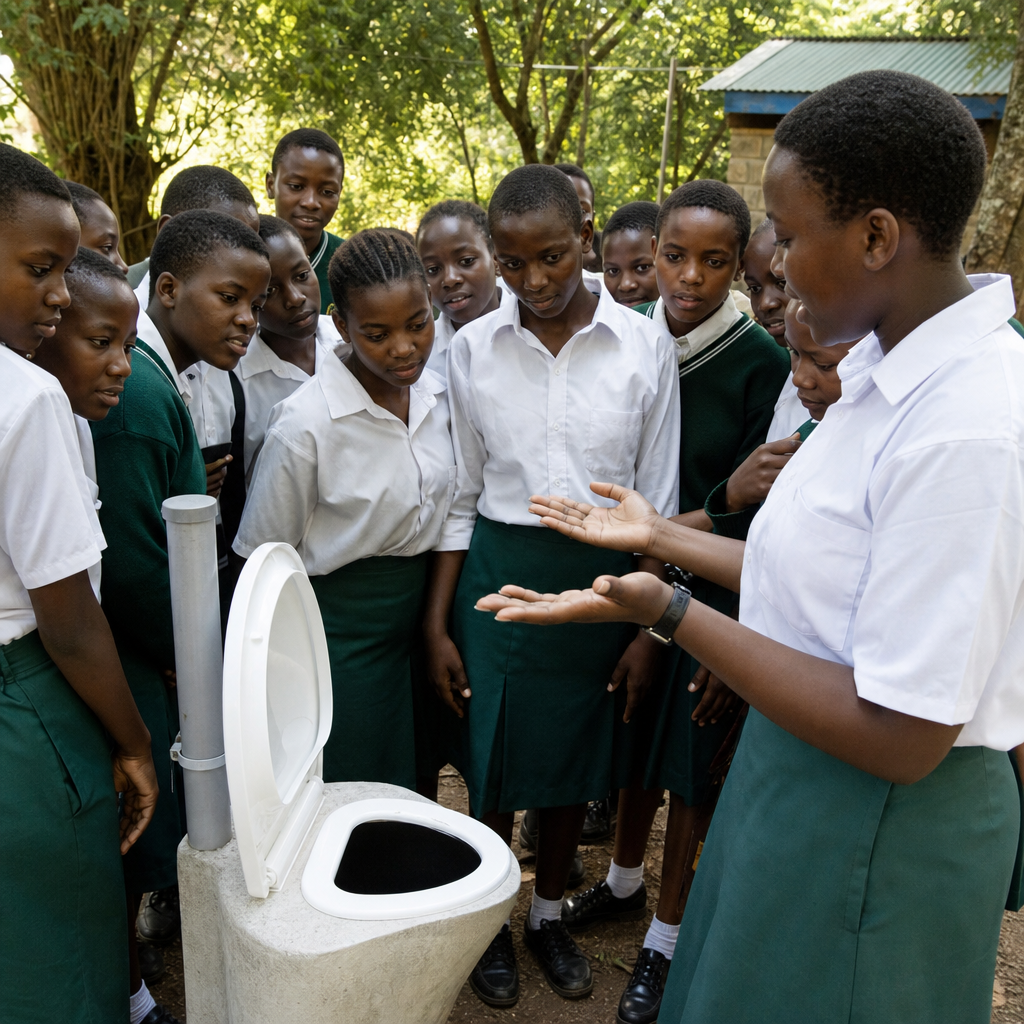
In school settings, EcoSan Clubs often blend sanitation education with environmental learning. Students may monitor toilet cleanliness, lead handwashing demonstrations, manage compost pits for organic waste, or organize campaigns on menstrual hygiene and water conservation. I have found that students are especially effective messengers because they carry routines home. A child who learns the difference between a clean slab and a contaminated floor often starts noticing household conditions adults have normalized. In community settings, clubs can help households compare sanitation options, understand operation and maintenance needs, and discuss cost-sharing, privacy, disability access, and safe emptying.
The peer-learning aspect is essential. People trust messages more when they come from neighbors facing the same constraints. A farmer who explains how composted organic matter improved soil structure may have more influence than an outside trainer. A mother who describes fewer child illness episodes after consistent handwashing can shift household norms. A youth leader who demonstrates how to clean a urine-diverting toilet without odor myths can reduce resistance faster than a brochure. This is why clubs are not side activities. They are delivery systems for behavior change, local evidence, and social proof.
Core Topics in the Educating for Change Hub
A hub article should make the scope clear. EcoSan Clubs sit at the center of several linked themes under Community Engagement and Education. First is sanitation literacy: understanding disease pathways, toilet technologies, safe containment, transport, treatment, and reuse. Second is hygiene behavior: handwashing with soap, menstrual hygiene management, child feces disposal, cleaning routines, and food hygiene. Third is environmental awareness: groundwater protection, nutrient cycling, waste segregation, drainage, and climate resilience. Fourth is inclusion: ensuring women, girls, older adults, renters, and people with disabilities can participate in decisions and use facilities safely. Fifth is civic action: organizing clean-up days, reporting service gaps, engaging local government, and building collective standards around cleanliness and maintenance.
These topics need to be taught in plain language without losing technical accuracy. For example, clubs should explain the fecal-oral transmission route clearly enough that members can identify how pathogens move from excreta to fingers, flies, fluids, fields, and food. They should also distinguish between sanitation technologies. A pit latrine, a ventilated improved pit, a pour-flush toilet, a septic tank, and a urine-diverting dry toilet each have different cost, maintenance, and site requirements. When communities understand these differences, they make better choices and avoid systems that fail because the local soil, water table, flood risk, or service chain was ignored.
Because this page is the hub for educating for change, it should connect related learning pathways. Clubs can support articles and training modules on school sanitation, behavior change communication, menstrual health education, community-led monitoring, composting basics, safe reuse standards, and leadership development for youth and women. The hub function matters because community education works best when each topic reinforces another. Handwashing messages stick better when toilets are usable. Menstrual hygiene education succeeds when disposal options and privacy exist. Resource recovery conversations gain traction when people understand safety barriers and treatment steps.
How to Build an Effective EcoSan Club
Successful clubs begin with a simple design: clear membership, regular meetings, local leadership, and visible activities. Start by identifying the group the club will serve and the barriers they face. In one settlement, the main issue may be shared toilets that are never cleaned; in another, it may be fear of using compost from treated waste; in a school, it may be absenteeism linked to poor menstrual hygiene facilities. A baseline discussion or quick survey helps define priorities. I usually recommend no more than three initial goals, such as improving handwashing compliance, reducing toilet downtime, and increasing understanding of safe waste reuse.
Facilitators should not dominate. Their job is to make local knowledge visible, correct unsafe misconceptions, and guide members toward practical commitments. Good clubs appoint roles such as chair, hygiene monitor, record keeper, and outreach lead. Rotating responsibilities helps members build confidence and prevents the club from becoming dependent on one enthusiastic person. Meeting formats should mix short teaching segments with action items. For example, one session may review pathogen transmission, while the next includes a facility walk-through to identify broken locks, missing soap, blocked vents, or unsafe child feces disposal areas.
Every club also needs a realistic activity calendar. Seasonal planning is often overlooked. Rainy periods may increase flooding, latrine collapse risk, and contamination of water points, so pre-rain inspections and drainage education should happen early. Harvest seasons may reduce attendance, so activities may need to shift toward shorter meetings or weekend events. Public demonstrations, school assemblies, debate competitions, mural projects, and household visits all have a role, but they should connect to measurable outcomes. Education is strongest when members can see what changed because they acted.
| Club Element | Purpose | Practical Example |
|---|---|---|
| Baseline assessment | Identify knowledge gaps and facility problems | Map broken toilets, missing soap points, and unsafe disposal practices |
| Regular meetings | Create repetition and accountability | Biweekly 60-minute sessions with one lesson and one action task |
| Peer leadership | Build trust and local ownership | Students or residents lead demonstrations and monitor progress |
| Demonstration activities | Turn theory into visible practice | Show correct handwashing, toilet cleaning, or compost handling steps |
| Monitoring | Measure whether behavior actually changes | Track soap availability, toilet cleanliness scores, and attendance |
Teaching Methods That Change Behavior
Information alone rarely produces durable sanitation behavior change. The most effective EcoSan Clubs use a mix of social learning, habit formation, and practical demonstration. Social learning works because members observe people like themselves adopting a behavior successfully. Habit formation matters because actions such as handwashing must become automatic in specific moments: after toilet use, after cleaning a child, before preparing food, and before eating. Demonstration is critical because many sanitation tasks are procedural. People need to see how to prepare a chlorine solution correctly, how to maintain a dry toilet, or how to segregate waste without contamination.
One method I repeatedly rely on is problem-centered discussion. Rather than starting with abstract theory, begin with a familiar issue: bad odor in a school latrine, frequent blockage, flies around waste areas, or high absenteeism among girls during menstruation. Then trace causes and solutions with the group. This method increases retention because learners attach knowledge to a real problem they want solved. Role-play is also useful, especially for sensitive topics. Members can practice how to ask for cleaning supplies, how to explain safe reuse to skeptical neighbors, or how to report an overflowing pit to a local authority.
Visual aids should be simple and local. Diagrams of contamination pathways, photos of well-maintained facilities, and checklists for cleaning routines work better than dense manuals. Short quizzes and peer teaching are powerful because teaching a concept forces the learner to organize and explain it. If a club member can teach why ash, sawdust, or dry cover material may be used in certain dry sanitation systems, that member has moved beyond awareness to comprehension. Reinforcement is equally important. Clubs should revisit core messages often, because people forget quickly when education is not linked to repeated action.
Inclusion, Safety, and Local Credibility
No education program succeeds if it excludes the people most affected by sanitation failures. EcoSan Clubs must intentionally include women, adolescent girls, people with disabilities, caregivers of young children, and residents with insecure tenure or low income. Inclusion is not a moral add-on; it changes the quality of decisions. When women and girls are absent, privacy, lighting, menstrual waste disposal, and safety during nighttime use are often under-prioritized. When people with disabilities are absent, step-free access, handrails, door width, and transfer space are missed. When renters are absent, maintenance agreements in shared compounds remain unrealistic.
Safety also includes technical credibility. Clubs should align messages with recognized guidance from institutions such as the World Health Organization, UNICEF, and national public health agencies, especially on hand hygiene, sanitation chain safety, and reuse precautions. If discussing composting of human waste, for example, members need clear explanations of treatment time, pathogen reduction, handling precautions, and where use may or may not be appropriate. Oversimplifying reuse is risky. Communities deserve honest discussion of benefits and limits. Nutrient recovery can improve soils and reduce fertilizer costs in some contexts, but only when treatment barriers and safe handling practices are respected.
Credibility grows when clubs are transparent about what they know and what they need outside support to solve. A club can teach proper cleaning protocol, but it cannot by itself empty a full septic tank safely or redesign a flood-prone drainage system. Strong clubs therefore maintain referral links to health extension workers, sanitation businesses, school administrators, local councils, and trained artisans. That network turns education into action. It also protects trust, because members see that the club is not pretending to solve problems beyond its mandate.
Measuring Impact and Sustaining Momentum
The value of EcoSan Clubs should be measured by changes in practice, facility condition, and participation, not by the number of meetings held. Useful indicators include toilet usability, soap availability, cleaning frequency, reduction in open defecation hotspots, school attendance trends, member retention, and the number of households adopting agreed hygiene actions. In my experience, the best monitoring systems are simple enough for clubs to use consistently. A monthly scorecard with red, yellow, and green ratings often outperforms a complicated survey that no one updates after two months.
Qualitative evidence matters too. Testimonies can reveal whether stigma has decreased, whether girls feel safer using facilities, whether caretakers understand child feces risks better, and whether households are more willing to contribute labor or fees for maintenance. Photos taken from the same location over time can document cleaner compounds, repaired handwashing stations, or restored drainage. Where possible, clubs should review results publicly. Public review creates accountability and recognition. It also helps identify whether the club is drifting into talk without action.
Sustaining momentum usually depends on three factors: leadership renewal, visible wins, and institutional support. Leadership renewal prevents burnout. Visible wins, such as cleaner toilets within one month or reliable soap supply after a committee decision, show members that effort pays off. Institutional support matters because clubs need materials, meeting space, permission, and sometimes small budgets. Schools can integrate club activities into assemblies or science lessons. Local governments can recognize club monitors, include them in sanitation campaigns, or connect them to service providers. If you are building a Community Engagement and Education strategy, make EcoSan Clubs the hub for educating for change: they translate technical sanitation knowledge into peer-led action, strengthen local responsibility, and create the steady reinforcement that lasting behavior change requires. Start with one group, one clear goal, and one measurable improvement, then grow from evidence.
Frequently Asked Questions
What are EcoSan Clubs, and why are they effective for community learning?
EcoSan Clubs are organized peer-learning groups that bring people together to explore sanitation, hygiene, resource recovery, and environmental stewardship in practical, locally relevant ways. Rather than relying only on one-way awareness campaigns, these clubs create regular spaces where members can discuss everyday sanitation challenges, observe how others solve them, and build confidence through shared experience. This matters because behavior change is rarely driven by information alone. People are far more likely to adopt new habits when they see trusted neighbors testing ideas, adapting them to local conditions, and making improvements visible in daily life.
The strength of EcoSan Clubs lies in their social structure. Members learn from one another through discussion, demonstration, problem-solving, and follow-up. A poster may explain handwashing or safe waste handling, but a peer can show how to set up a handwashing station at home, explain what worked in a similar household, and help troubleshoot barriers such as cost, water access, or cultural hesitation. That kind of interaction turns abstract messages into practical action. Over time, the club becomes a reliable platform for mutual encouragement, accountability, and community ownership, which is exactly what long-term sanitation improvement requires.
How do EcoSan Clubs encourage behavior change beyond basic awareness campaigns?
EcoSan Clubs move people from awareness to action by making sanitation and hygiene a shared, repeated, and visible part of community life. In many settings, people already know that cleanliness, safe sanitation, and waste management are important. The real challenge is turning that knowledge into consistent practice. Clubs address this gap by creating ongoing engagement rather than a one-time message. Members meet regularly, talk about real household conditions, compare experiences, and support one another in trying new habits such as improved toilet use, handwashing, safe disposal, composting, or nutrient recovery.
This peer-based approach is effective because it builds trust and relevance. When behavior change messages come from familiar people who face the same daily constraints, they feel more realistic and achievable. Members can ask honest questions without fear of embarrassment, discuss what is difficult, and adjust solutions to local realities. The club format also makes change visible. Once a few households begin practicing better sanitation or resource recovery methods, others can see the results firsthand. That visibility helps normalize new behaviors, reduce stigma around sanitation discussions, and strengthen the idea that improvement is both possible and worthwhile. In that way, EcoSan Clubs do much more than spread information; they create the social conditions that make new habits stick.
What topics are typically covered in an EcoSan Club?
EcoSan Clubs usually cover a broad but connected set of topics centered on health, sanitation, environment, and practical household management. Common areas include safe toilet use, handwashing with soap, menstrual hygiene, household cleanliness, child feces disposal, wastewater management, and prevention of disease transmission. Many clubs also explore ecological sanitation concepts such as resource recovery, composting, urine diversion, safe handling of organic waste, and how sanitation systems can support soil health or food production when managed correctly. The goal is not just to teach technical ideas but to help members understand how sanitation choices affect family health, dignity, water quality, and the wider environment.
What makes these topics meaningful is the way they are discussed. EcoSan Clubs do not treat sanitation as an isolated technical issue. They connect it to everyday concerns such as convenience, cost, safety, gender, children’s well-being, and community cleanliness. For example, a session on composting may also address odor concerns, labor demands, and whether households have enough space. A discussion on handwashing may include how to make a low-cost tippy tap and where to place it for regular use. Because the topics are explored through practical engagement, members are better able to understand not only what to do, but why it matters and how to make it work in their own homes and neighborhoods.
Who should participate in EcoSan Clubs, and how can communities keep them inclusive?
EcoSan Clubs work best when they include a diverse range of community members. Women, men, youth, elders, caregivers, local leaders, teachers, health volunteers, farmers, and people with lived experience of sanitation challenges all have valuable perspectives to contribute. Sanitation affects everyone, but not everyone experiences it in the same way. Women and girls may face privacy and menstrual hygiene concerns, older adults and people with disabilities may need accessible facilities, and households with limited income may need lower-cost solutions. When clubs reflect that diversity, discussions become more realistic and the solutions developed are more likely to serve the whole community.
Inclusivity does not happen automatically; it needs to be built into the club’s design. Meetings should be held at times and places that are accessible and safe. Facilitators should encourage respectful participation and ensure that quieter members are heard, not just the most confident speakers. Language should be clear and non-technical, and practical demonstrations should be adapted to local conditions and resources. It is also helpful to create a culture where sensitive sanitation issues can be discussed without shame. When community members feel respected and represented, they are more willing to engage honestly, test new practices, and help spread learning beyond the club itself. That is how EcoSan Clubs become not just educational groups, but community platforms for shared ownership and lasting improvement.
What long-term benefits can EcoSan Clubs bring to communities?
The long-term benefits of EcoSan Clubs extend far beyond improved knowledge. At the household level, they can lead to more consistent sanitation and hygiene practices, cleaner living environments, safer waste handling, and reduced exposure to disease. At the community level, they help create a culture in which sanitation is discussed openly, monitored collectively, and treated as a shared responsibility rather than a private issue to ignore. This shift is important because many sanitation problems persist not from lack of awareness, but from weak social reinforcement and limited opportunities for practical learning.
EcoSan Clubs can also strengthen local capacity and resilience. As members gain experience, they become informal educators, role models, and problem-solvers within their neighborhoods. Communities become better equipped to maintain facilities, adapt resource recovery methods, and respond to environmental challenges with locally grounded solutions. In some cases, clubs can stimulate broader improvements in public health, local leadership, environmental care, and even livelihoods when recovered resources such as compost are used productively. Perhaps most importantly, EcoSan Clubs help make positive practices visible and normal. Once that happens, sanitation improvement stops being a short-term campaign and becomes part of community identity, which is the foundation of durable change.