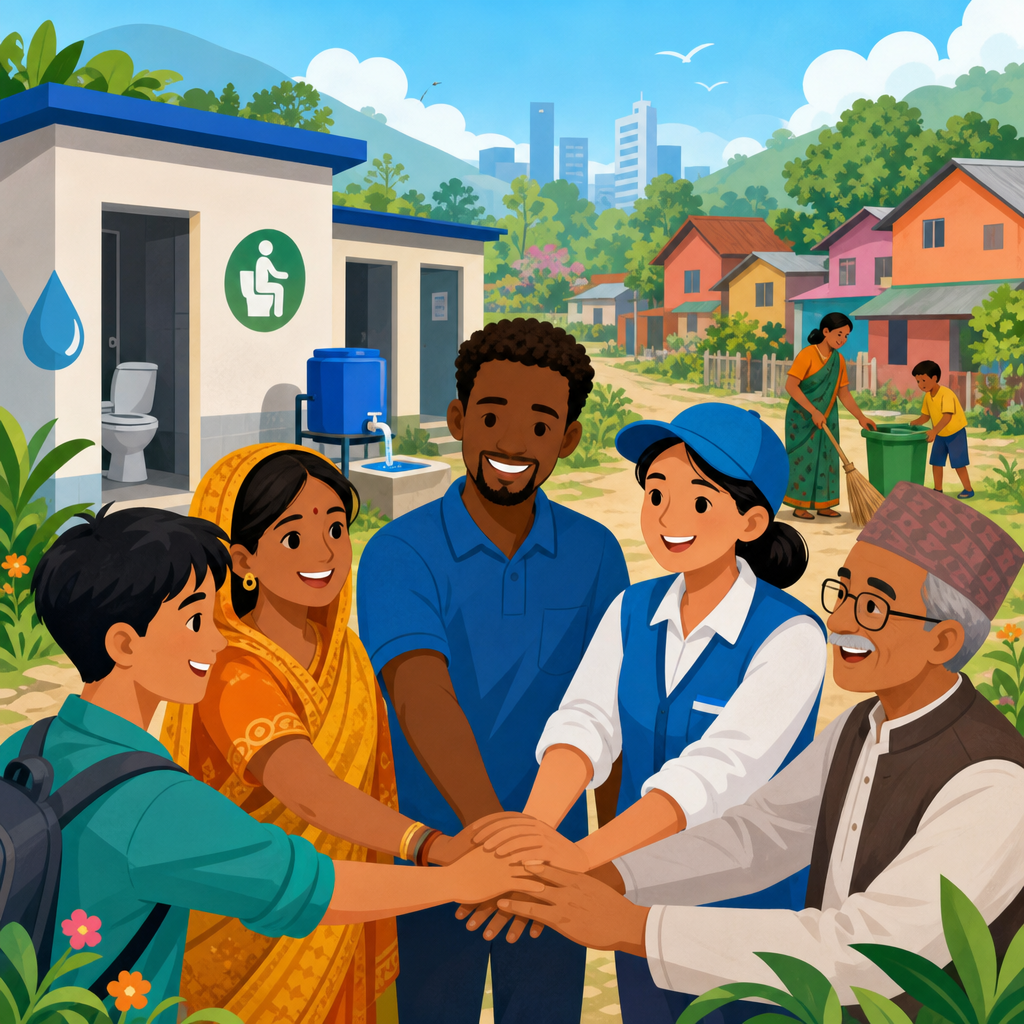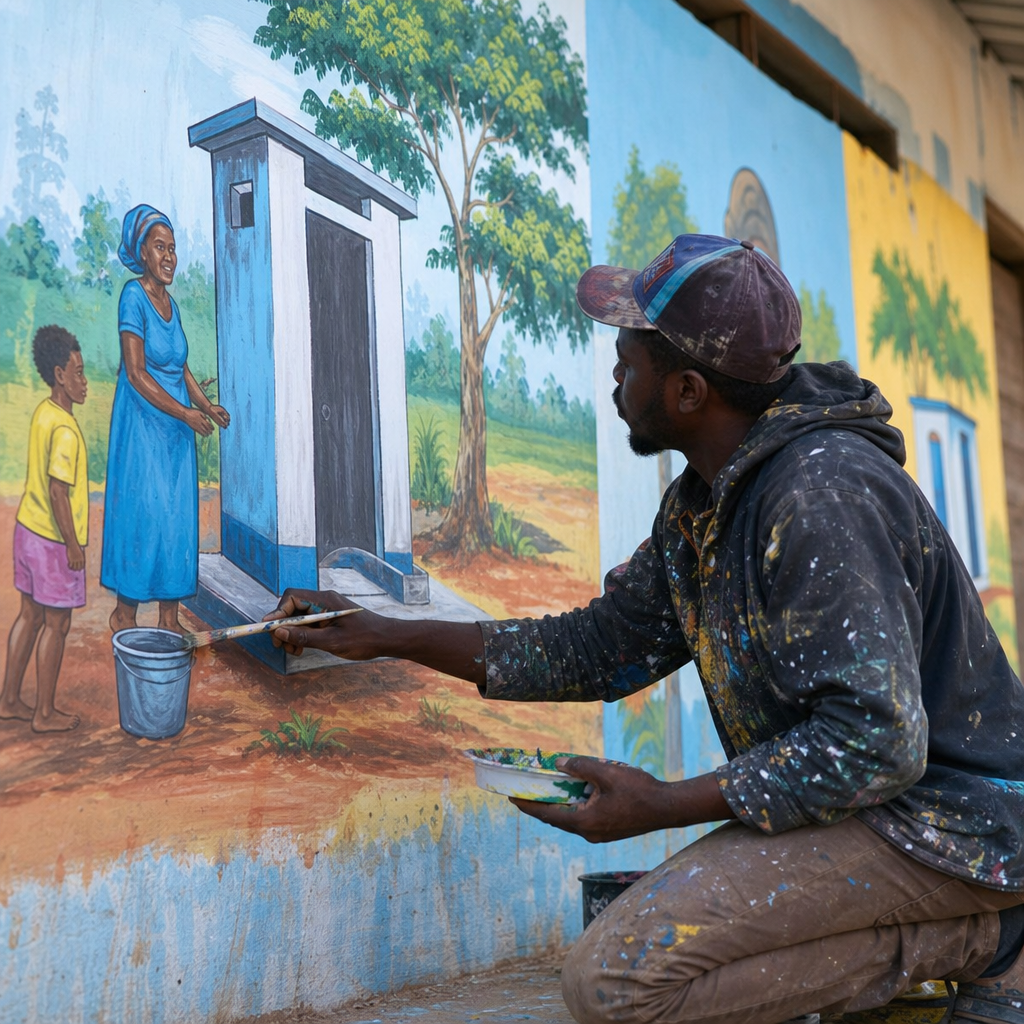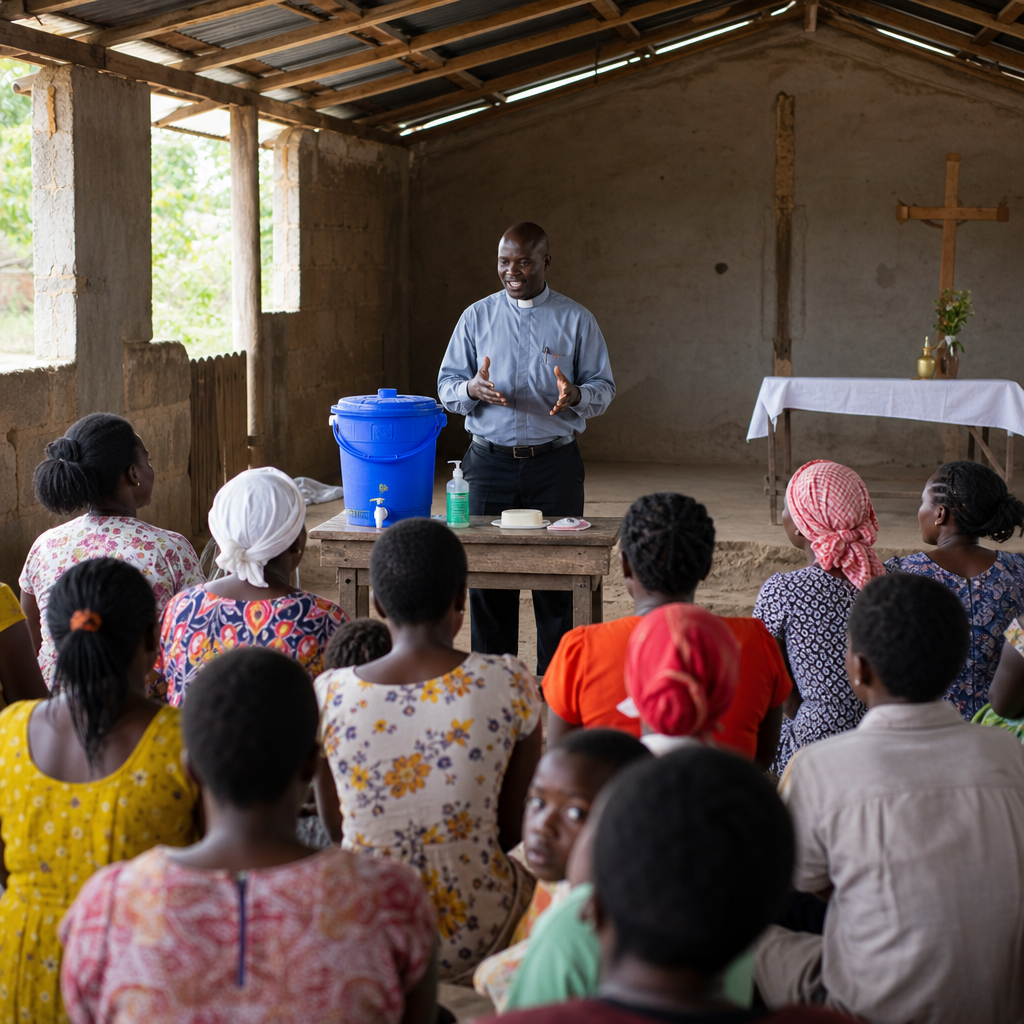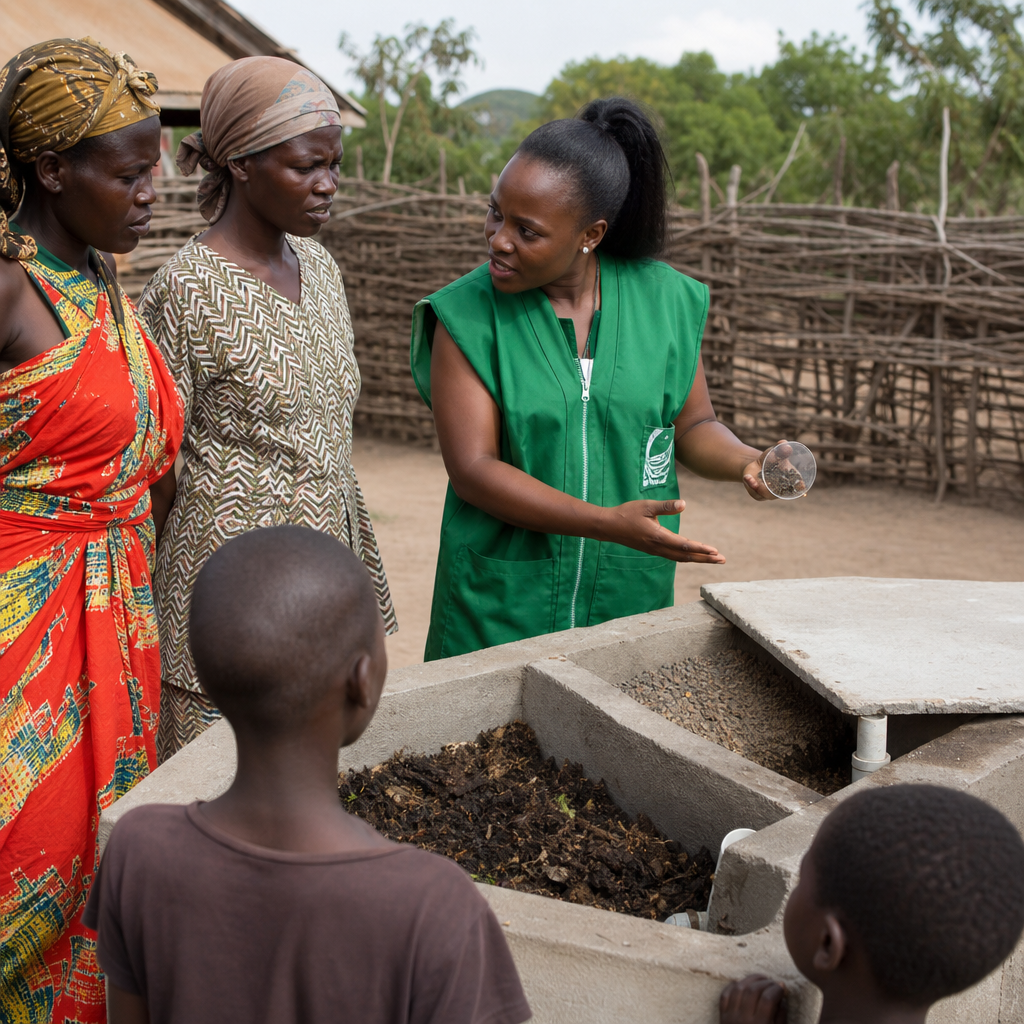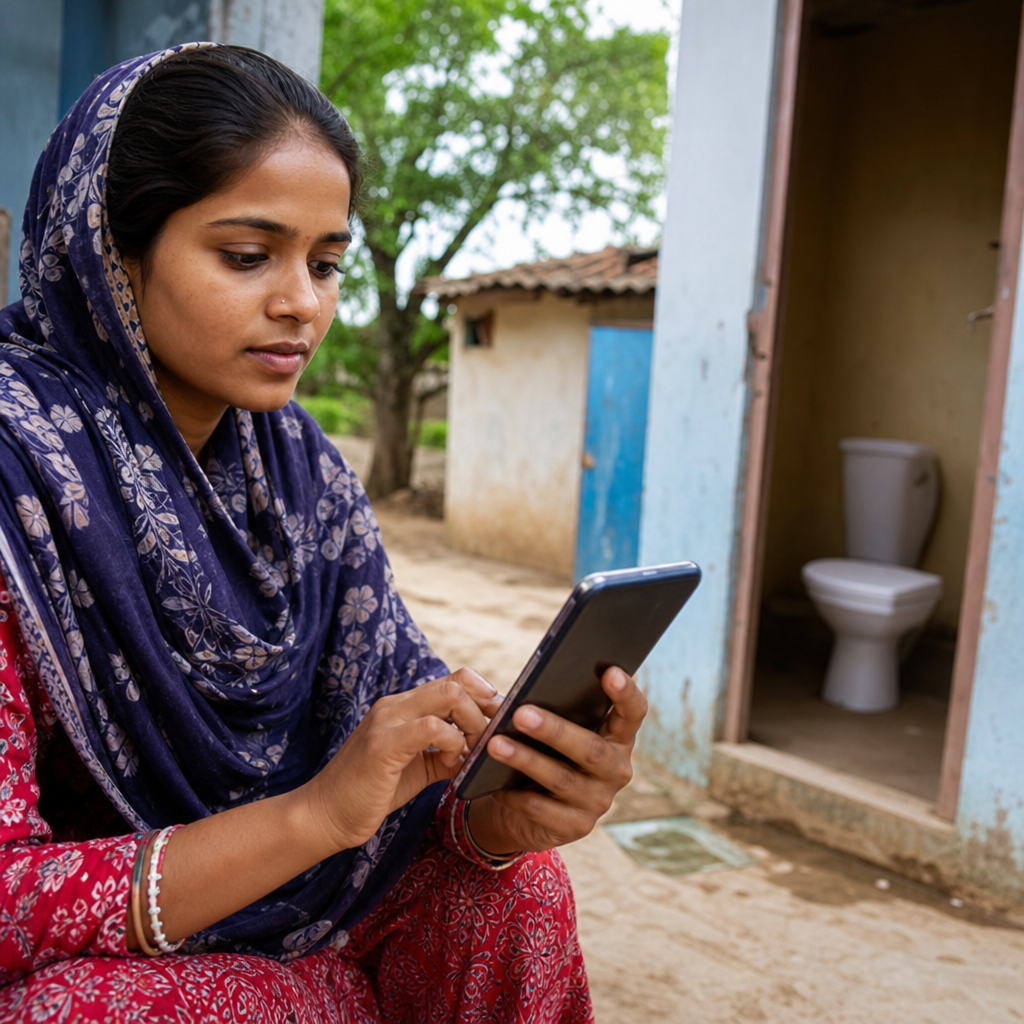
Mobile apps and digital platforms for sanitation learning are reshaping how communities understand hygiene, toilets, wastewater, handwashing, and behavior change, especially where traditional classroom outreach reaches people slowly or inconsistently. In this context, sanitation learning means the structured delivery of knowledge, skills, and motivation that helps individuals, schools, health workers, and local governments adopt safer sanitation practices and sustain them over time. Digital platforms include mobile apps, SMS courses, WhatsApp communities, learning management systems, interactive voice response tools, social media campaigns, and dashboards that support training, reminders, reporting, and community dialogue. I have worked on public education programs where printed posters alone failed to shift habits, but a simple mobile reminder sequence paired with local-language videos increased attendance at hygiene sessions and improved follow-through. That practical lesson matters because sanitation behavior is rarely changed by one message; it changes through repeated exposure, trusted sources, relevant examples, and easy actions. This hub page explains how digital sanitation education works, who it serves, what tools are most effective, how to design content for low-bandwidth settings, and how to measure whether learning leads to real improvements in health, dignity, and service use.
What sanitation learning platforms include
Sanitation learning platforms are digital systems that teach people why sanitation matters, what safe practices look like, and how to maintain those practices at home, in schools, in clinics, and across communities. The strongest platforms do more than publish facts. They sequence lessons, check understanding, send reminders, answer questions, and connect users with local services. In practice, this can mean a smartphone app for school sanitation clubs, an SMS series for rural households, a municipality portal with fecal sludge management training, or a WhatsApp channel where frontline workers share field photos and troubleshoot blocked toilets. The common goal is behavior change supported by usable information.
Different user groups need different formats. Households may need short lessons on toilet use, child feces disposal, handwashing stations, menstrual hygiene support, and pit emptying safety. Teachers often need classroom materials, quizzes, posters, and reporting templates. Community health workers need job aids, household visit scripts, and escalation pathways. Utility staff and local governments need training on service chains, treatment standards, complaints handling, inclusion, and monitoring. Platforms that try to serve everyone with one generic content stream usually underperform. Segmentation is not a luxury; it is basic instructional design.
Successful sanitation education platforms also reflect local constraints. In many field deployments I have supported, the best-performing tool was not the most sophisticated app. It was the one that worked offline, used audio for low-literacy users, loaded quickly on inexpensive Android devices, and respected local languages. A sanitation lesson that requires uninterrupted video streaming is less useful than a two-minute compressed clip downloaded once and replayed during community meetings. That is why channel choice is strategic: mobile-first delivery can expand reach, but only if the platform matches device realities, data costs, and user confidence.
Why digital education matters for behavior change
Sanitation learning is fundamentally about changing routine behavior, not simply transferring information. People often know that handwashing is important, yet still skip it when water is far away, soap is missing, or no one reinforces the habit. Digital tools help by creating continuity between awareness and action. They can deliver prompts at the right time, show peer examples, personalize lessons, and keep sanitation visible after an in-person campaign ends. This matters because many sanitation gains fail when infrastructure arrives without ongoing education.
Behavior change research consistently shows that repetition, social proof, convenience, and emotional relevance shape habits. Digital platforms can operationalize each factor. Repetition comes through scheduled messages and microlearning. Social proof comes from local testimonials, neighborhood leaderboards, or shared school achievements. Convenience comes from searchable FAQs, chatbot support, and bite-sized lessons. Emotional relevance comes from stories about dignity, child safety, flood resilience, and the cost of illness. In one municipal campaign model, weekly voice messages from a respected local nurse outperformed static graphics because users trusted the speaker and listened with family members.
Digital education also improves speed and consistency. Training 500 community workers in person can take weeks and produce uneven message quality. A structured digital course standardizes essential guidance while still allowing local facilitation. During outbreaks, flood events, or service interruptions, platforms can push urgent sanitation guidance immediately. That responsiveness is especially valuable in informal settlements and schools, where conditions change fast and misinformation spreads quickly. Used well, digital sanitation learning strengthens continuity, reinforces norms, and turns education into an ongoing service rather than a one-time event.
Core platform types and where each works best
No single tool fits every sanitation learning challenge. The best approach is usually a stack of channels, each selected for a clear job. Native mobile apps are strongest when users need structured modules, offline content, progress tracking, and multimedia. They work well for teachers, health workers, utility staff, and youth leaders who use the platform repeatedly. SMS works best where smartphones are limited or data is expensive. It is ideal for reminders, short lessons, and time-sensitive prompts. WhatsApp and similar messaging tools work well for peer learning, supervision, Q&A, and sharing short videos or voice notes. Interactive voice response is powerful for low-literacy audiences because users can listen and respond through keypad inputs.
Web-based learning portals are useful for formal training programs, especially when certificates, assessments, and downloadable materials matter. Platforms such as Moodle are widely used because they support modular courses, quizzes, discussion boards, and role-based access. For broad public engagement, social media channels can amplify sanitation messages, but they should usually point users toward more stable learning destinations, such as a course page, chatbot, or local service directory. In my experience, social posts create attention, but completion and retention improve when users enter a dedicated learning flow.
| Platform type | Best use in sanitation learning | Main limitation |
|---|---|---|
| Mobile app | Structured courses, offline job aids, multimedia lessons | Requires smartphone access and update management |
| SMS | Reminders, short behavior prompts, broad reach | Limited depth and interactivity |
| WhatsApp or messaging | Peer support, voice notes, local troubleshooting | Content can become fragmented and hard to track |
| Interactive voice response | Low-literacy education, hotlines, rural outreach | Less visual instruction for practical tasks |
| Web learning portal | Certification, formal training, downloadable resources | Needs stronger connectivity and login discipline |
The practical question is not which platform is best in general; it is which platform best fits the user, the behavior, and the environment. A pit emptying safety module for operators may need diagrams, checklists, and assessments, making an app or portal suitable. Household reminders to keep soap near a handwashing point may work better through SMS or voice. The hub for educating for change should therefore connect readers to the right tool pathways rather than promoting one universal solution.
Design principles for effective sanitation content
Good sanitation content is concrete, local, and actionable. It tells people exactly what to do, why it matters, and what to do if the ideal option is not available. Weak content says, “Maintain hygiene.” Strong content says, “Wash both hands with soap after toilet use, after cleaning a child, and before preparing food; if running water is limited, use a tippy tap or stored water container with a tap to avoid contamination.” The difference is usability. In the field, users respond best to steps they can picture and complete immediately.
Language choice matters as much as technical accuracy. Plain language increases completion and recall, but precision still matters. Terms such as safely managed sanitation, fecal sludge, greywater, menstrual hygiene management, and infection pathway should be explained, not avoided. The World Health Organization and UNICEF Joint Monitoring Programme has established widely recognized service ladders for drinking water, sanitation, and hygiene, and those definitions help keep training consistent. At the same time, educational content must be translated into examples that make sense locally: shared latrines in dense settlements, school toilet cleaning rotas, flood-prone pits, inaccessible cubicles, or soap theft in public facilities.
Accessibility should be built in from the start. Include captions on videos, audio alternatives for text-heavy lessons, high-contrast design, simple navigation, and gender-sensitive examples. Sanitation education also needs cultural competence. Menstrual health modules, toilet privacy lessons, and disability inclusion content must be framed respectfully and practically. I have seen uptake improve when communities recognize themselves in the examples: a local caretaker explaining desludging schedules, a student showing how to report broken locks, or a mother demonstrating safe child feces disposal with tools available in her settlement.
How to build a sanitation learning hub that drives action
A strong hub page under community engagement and education should organize sanitation learning around user intent. Some visitors ask, “What is sanitation education?” Others need “How do I teach handwashing in schools?” or “Which digital tools work in low-connectivity communities?” A useful hub answers those questions directly and then routes readers deeper into specific articles on school WASH education, community-led behavior change, menstrual health learning tools, sanitation training for frontline workers, monitoring digital campaigns, and inclusive communication strategies. Clear pathways improve comprehension and reduce drop-off.
Content architecture should mirror the sanitation journey. Start with foundational concepts, then move into audience-specific guidance, platform selection, content design, rollout planning, and measurement. Internal linking should connect closely related topics so readers can move naturally from this hub to detailed implementation pages. For example, a paragraph on low-literacy outreach should link to voice-based training methods; a section on school engagement should link to child-friendly sanitation lesson planning; a section on data should point to monitoring and evaluation frameworks. This structure helps both readers and discovery systems interpret the page as an authority node for the subtopic.
Calls to action should also match reader readiness. Practitioners may want downloadable checklists, pilot planning templates, or platform comparison guides. NGOs may need sample curricula and local-language adaptation tips. Municipal officials may want training plans for sanitation workers and customer service teams. Community groups may need free tools such as Google Forms for feedback, KoboToolbox for field data collection, WhatsApp broadcast lists for reminders, and YouTube playlists with compressed educational videos. A hub succeeds when it helps readers take the next practical step, not just understand the issue.
Measurement, trust, and long-term sustainability
The hardest question in sanitation learning is whether digital education changes real behavior. Completion rates and app downloads are not enough. Useful measurement tracks knowledge gain, intent, observed practice, and service outcomes. That means combining analytics with field verification. A school program might measure quiz scores, soap availability, toilet cleanliness audits, and student absenteeism. A household campaign might track message opens, self-reported handwashing station setup, spot checks, and desludging service requests. Where possible, use baseline and follow-up comparisons rather than isolated activity counts.
Trust is equally important. Users will ignore sanitation advice if they doubt the source, fear surveillance, or find the content inconsistent with local realities. Platforms should identify who produced the guidance, when it was updated, and where users can get help. Privacy matters, especially when collecting household data, photos of facilities, or school reports. Simple safeguards include consent language, minimal data collection, role-based access, and secure storage. If a sanitation learning platform includes reporting of broken toilets, overflow, or open defecation hotspots, there must be a transparent response process. Asking communities to report problems without acting on reports damages credibility fast.
Long-term sustainability depends on governance and maintenance, not launch excitement. Content must be updated, broken links fixed, staff trained, and feedback reviewed. Budget for moderation, translation, analytics, and refresher campaigns. Digital sanitation education works best when tied to on-the-ground systems: local facilitators, school clubs, municipal response teams, health outreach, and service providers. When the digital layer supports real-world accountability, learning becomes durable.
Mobile apps and digital platforms for sanitation learning offer a practical way to educate for change at scale, but success comes from fit, not novelty. The most effective programs define the target behavior clearly, choose channels that match users’ devices and literacy levels, create local and actionable content, and connect learning with real services and follow-up. This hub has shown that sanitation education can serve households, schools, workers, and governments through apps, SMS, messaging groups, voice tools, and learning portals, each with distinct strengths. It has also highlighted the essentials that separate useful platforms from ignored ones: accessibility, credible sourcing, cultural relevance, privacy safeguards, and measurement beyond vanity metrics. If you are building a community engagement and education strategy, use this page as your starting point, then map your audiences, pilot one digital learning pathway, and expand only after you can show that people are not just consuming content but changing sanitation practice in everyday life.
Frequently Asked Questions
What are mobile apps and digital platforms for sanitation learning?
Mobile apps and digital platforms for sanitation learning are digital tools designed to teach people about hygiene, toilets, wastewater management, handwashing, menstrual health, safe disposal practices, and long-term sanitation behavior change. They can include smartphone apps, SMS-based learning systems, WhatsApp or chatbot programs, online training portals, school learning dashboards, video libraries, and community reporting tools. Their main purpose is not just to share information, but to build understanding, reinforce habits, and support better decisions over time among households, students, health workers, sanitation staff, and local leaders.
What makes these platforms especially useful is their ability to deliver structured learning in a way that is repeatable, scalable, and easier to track than many traditional outreach methods. Instead of relying only on occasional in-person campaigns or classroom sessions, digital sanitation learning can provide short lessons, reminders, quizzes, visual demonstrations, and localized guidance whenever users need them. This matters in communities where sanitation education may otherwise be inconsistent, under-resourced, or difficult to sustain. A well-designed platform can help learners understand not only what to do, such as washing hands properly or using toilets safely, but also why these behaviors matter for health, dignity, environmental protection, and disease prevention.
These tools are also valuable because sanitation learning is rarely a one-time event. People often need repeated exposure, practical examples, and community reinforcement before behaviors change and stick. Digital platforms can support this process through regular notifications, behavior prompts, peer learning, certification modules, and content tailored to local language and culture. In that sense, mobile apps and digital platforms are becoming important complements to frontline health education, school sanitation programs, and government awareness efforts.
How do digital platforms improve sanitation education compared with traditional outreach alone?
Digital platforms improve sanitation education by making learning more accessible, consistent, interactive, and measurable. Traditional outreach remains extremely important, especially in areas where trust is built through face-to-face engagement, but it can be limited by staffing shortages, travel time, printing costs, and uneven message delivery. A digital platform helps close these gaps by offering standardized lessons that can be shared widely across schools, households, clinics, and community groups. This means more people can receive the same core guidance on handwashing, toilet use, fecal sludge management, wastewater risks, and hygiene practices without waiting for an in-person session.
Another major advantage is repetition. Sanitation behavior change often depends on reinforcement rather than a single lesson. Mobile tools can send reminders to wash hands at key times, prompt safe toilet cleaning routines, provide seasonal alerts during floods or outbreaks, and offer step-by-step demonstrations through audio, animation, or short videos. This ongoing contact can help transform abstract public health advice into daily routines. It is particularly effective when combined with quizzes, progress tracking, and simple rewards that encourage users to keep learning and applying what they have learned.
Digital platforms also improve data and accountability. Program managers, schools, NGOs, and local governments can monitor who has completed training, which topics are poorly understood, and where additional support is needed. For example, if many users struggle with content on wastewater contamination or handwashing technique, educators can adjust messaging quickly. In-person outreach alone often makes that kind of feedback slower and less precise. The strongest sanitation education strategies usually blend both approaches: digital learning for scale and continuity, and community-based engagement for trust, discussion, and practical problem-solving.
Who benefits most from mobile apps and sanitation learning platforms?
These platforms can benefit a very wide range of users because sanitation is a shared public health issue that touches households, schools, workplaces, health systems, and local governance. Families and individual community members benefit by gaining practical knowledge about toilet use, hand hygiene, child feces disposal, safe water handling, cleaning routines, and disease prevention. When lessons are presented in clear, local language and supported with visuals or audio, they can be especially helpful for first-time learners or users with limited formal education.
Schools are another major beneficiary. Teachers can use digital sanitation content to support hygiene education, reinforce handwashing behavior, and create age-appropriate lessons on toilets, cleanliness, and environmental health. Students often respond well to interactive formats such as games, badges, videos, and short quizzes. Over time, this can improve not only knowledge but also school sanitation culture, especially when lessons are tied to the condition and use of real school facilities. Digital platforms can also help school administrators track participation, identify gaps, and align sanitation learning with broader health education goals.
Health workers, community mobilizers, sanitation entrepreneurs, and local government staff may benefit even more deeply because they need both technical knowledge and communication skills. Training platforms can teach frontline workers how to explain hygiene risks, promote behavior change, support safe waste management, and respond to local sanitation challenges. For local governments, digital tools can support staff training, public awareness campaigns, and monitoring of sanitation learning outcomes across communities. In short, the most effective platforms are designed with multiple user groups in mind, recognizing that sustainable sanitation depends on informed individuals, skilled educators, and capable institutions working together.
What features should a good sanitation learning app or platform include?
A strong sanitation learning app or platform should be easy to use, locally relevant, and built around real behavior change rather than information overload. Good design starts with clear navigation, simple language, and content that works for the intended audience, whether that means schoolchildren, caregivers, health workers, or municipal staff. Because sanitation topics can involve practical demonstrations, the best platforms often combine text with audio, illustrations, short videos, infographics, and interactive exercises. This makes learning more engaging and improves understanding for users with different literacy levels and learning preferences.
Localization is equally important. A useful sanitation platform should reflect local sanitation realities, including available toilet types, water access, cultural norms, climate risks, and common health concerns. Content should ideally be available in local languages and adapted to the specific challenges of rural, peri-urban, or dense urban communities. Offline functionality is also a major advantage in areas with weak connectivity. If users can download lessons, receive SMS reminders, or continue training without constant internet access, the platform becomes much more practical and inclusive.
From a program perspective, the best features often include progress tracking, assessments, reminders, certificates, and dashboards for teachers or managers. Interactive components such as quizzes, scenario-based learning, discussion prompts, and reporting tools can help users apply what they learn instead of passively reading content. Privacy and accessibility also matter. Platforms should protect user data, be compatible with low-cost devices, and accommodate users with disabilities where possible. Ultimately, the most effective sanitation learning platforms are not the ones with the most features, but the ones that make it easy for people to learn, remember, and practice safer sanitation behaviors consistently.
What challenges do sanitation learning platforms face, and how can organizations make them more effective?
Despite their promise, sanitation learning platforms face several practical challenges. One of the biggest is the digital divide. Not everyone has a smartphone, reliable electricity, affordable data, or the digital skills needed to use online tools confidently. In some communities, women, rural households, older adults, or lower-income users may have less access to devices or less control over when they can use them. If these issues are not addressed, digital sanitation education can unintentionally exclude the very groups that most need support. That is why organizations should think carefully about device access, offline options, low-bandwidth content, and alternative channels such as SMS, IVR, radio-linked campaigns, or shared-device learning.
Another challenge is sustaining engagement. Many people download educational apps but stop using them if the content feels generic, too technical, or disconnected from everyday life. Sanitation learning is most effective when it is practical, specific, and reinforced over time. Organizations can improve retention by using short learning modules, real-life examples, culturally appropriate storytelling, local language content, and timely reminders tied to daily habits. Blended delivery also works well. For example, digital lessons can be combined with school activities, health worker visits, community meetings, or facility improvement programs so that learning is immediately connected to action.
There is also the issue of quality and trust. Sanitation information must be accurate, evidence-based, and aligned with public health standards. Poorly designed content can spread confusion, oversimplify complex wastewater or hygiene issues, or fail to account for local constraints. To make platforms more effective, organizations should involve public health experts, educators, local authorities, and community representatives in design and testing. They should also use data responsibly to evaluate whether users are actually gaining knowledge and changing behavior, not just clicking through content. The most successful sanitation learning platforms are those that are inclusive, credible, easy to use, and integrated into broader sanitation systems rather than treated as stand-alone technology projects.