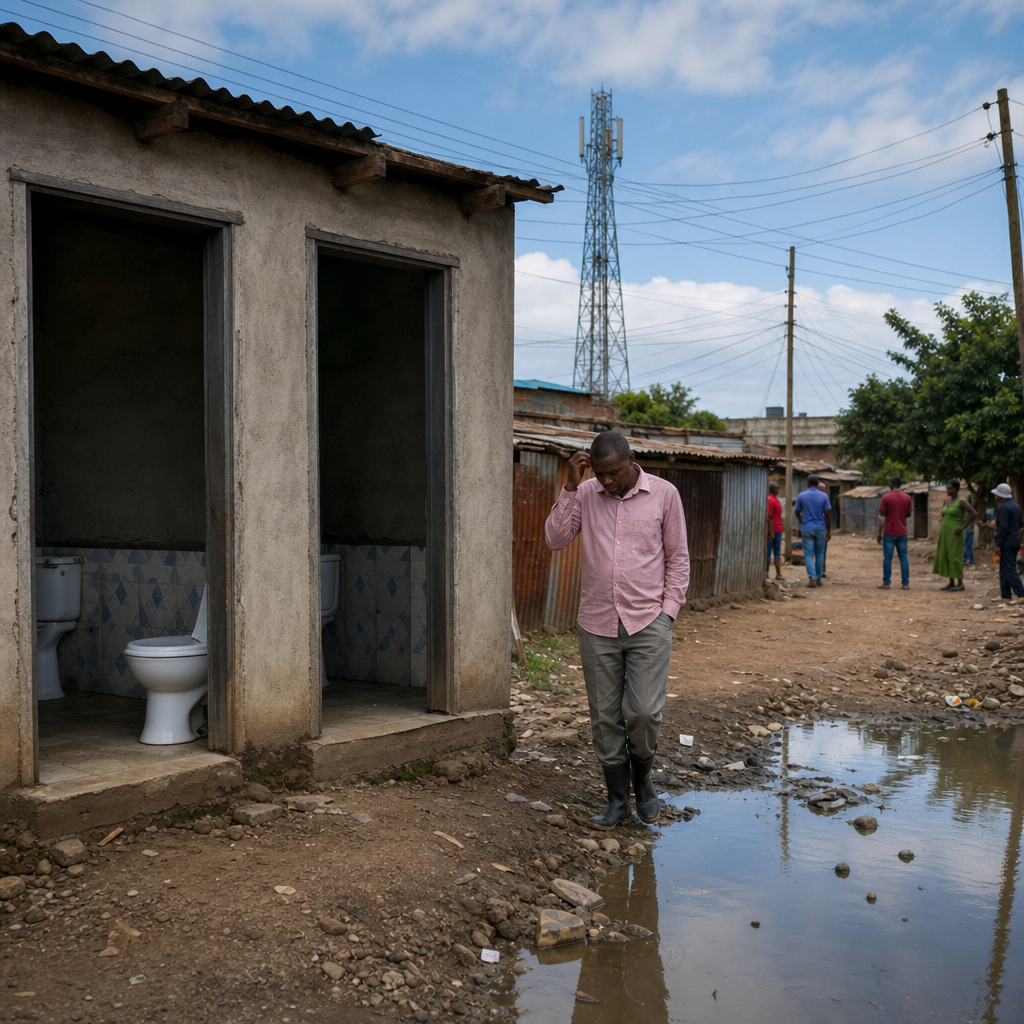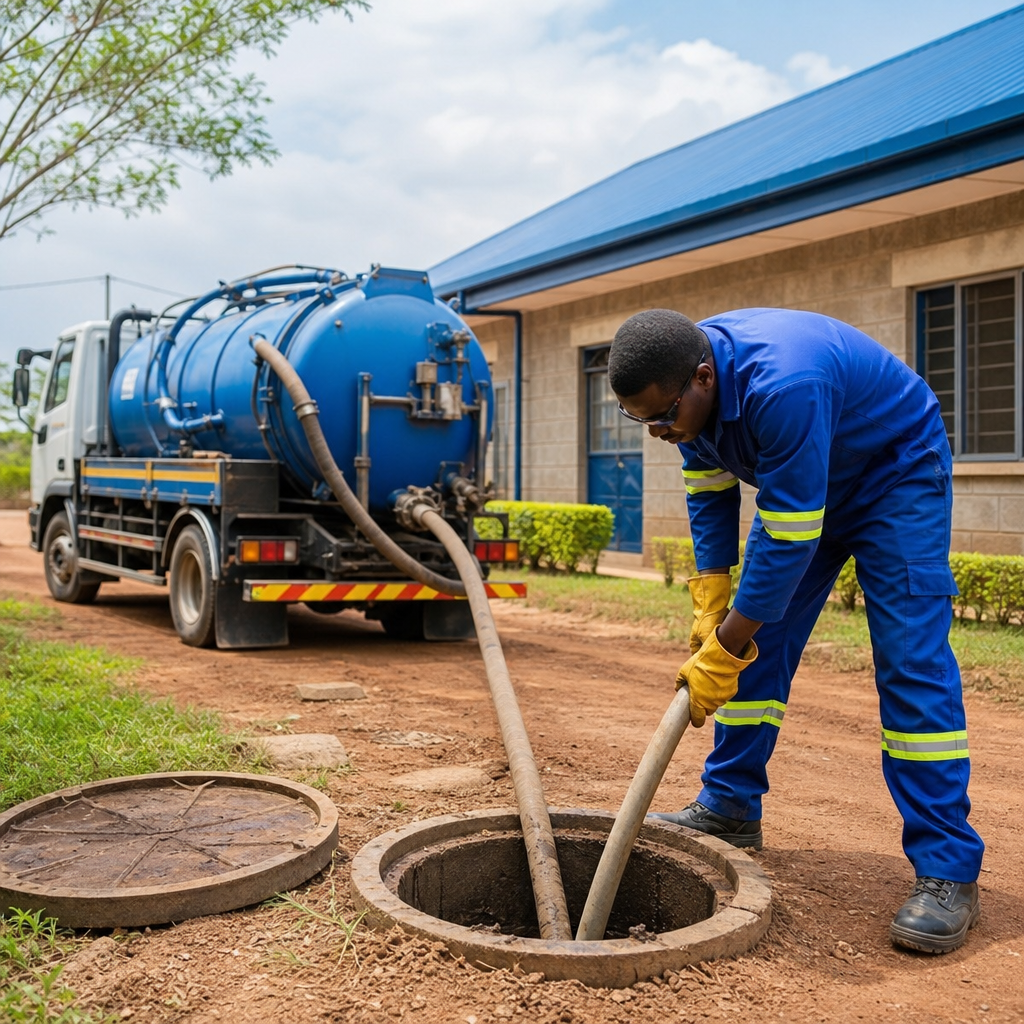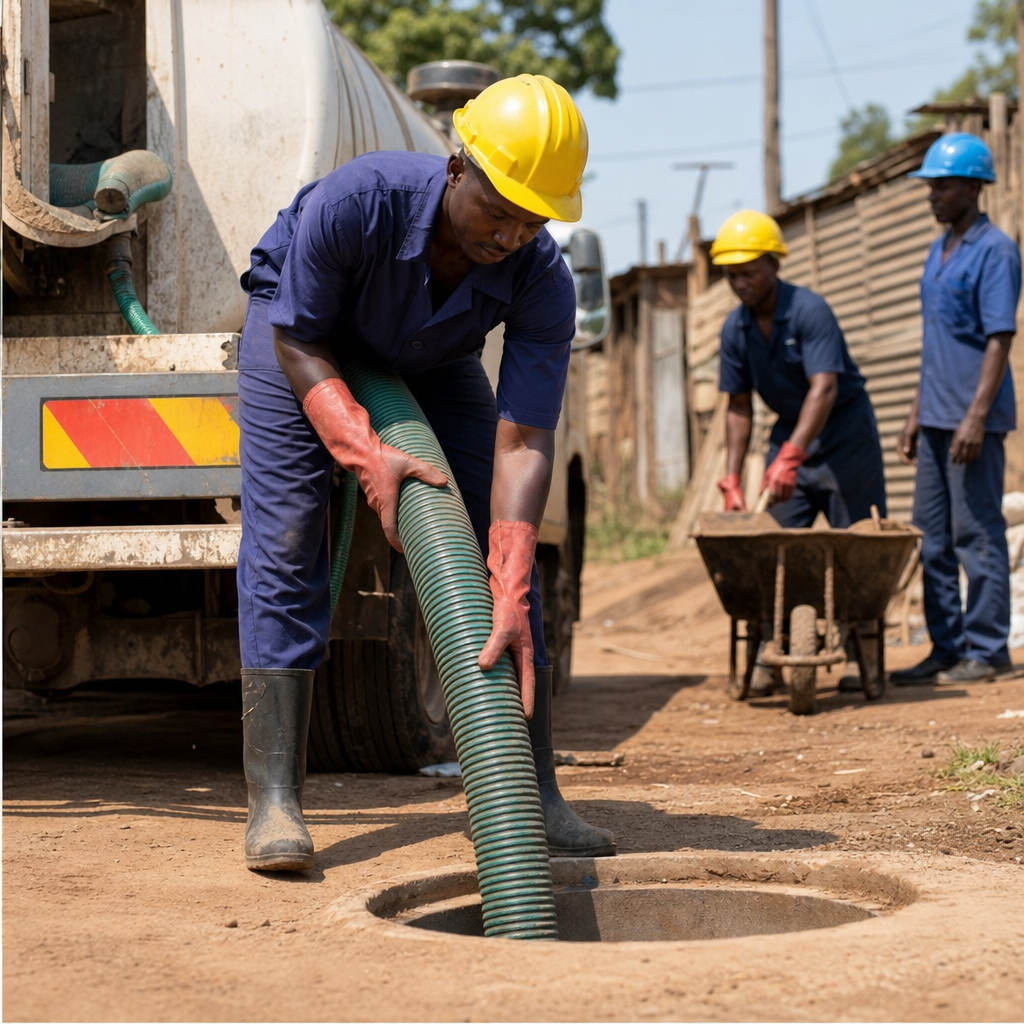
Sanitation and economic productivity are tightly linked because safe toilet access, wastewater management, and nutrient recovery shape health, labor output, education, agricultural returns, and public finance at the same time. In work on ecological sanitation projects, I have seen that sanitation is often treated as a cost center when it is better understood as productive infrastructure. Ecological sanitation, often shortened to EcoSan, is a sanitation approach that treats human waste as a resource stream rather than only a disposal problem. It usually includes source separation, composting, urine diversion, decentralized treatment, and reuse of nutrients, water, or energy under controlled conditions. Economic strategies in EcoSan are the practical methods used to fund, operate, price, regulate, and scale those systems so they improve livelihoods while remaining safe and financially viable.
This matters because poor sanitation reduces productivity through preventable disease, time losses, environmental contamination, and weaker human capital. The World Bank has repeatedly documented that inadequate sanitation can cost countries several percentage points of gross domestic product through health spending, lost work time, premature deaths, tourism losses, and water pollution. At household level, the effects are immediate: missed workdays, lower school attendance, higher medical expenses, and less secure incomes. At municipal level, untreated waste raises drainage costs, damages ecosystems, and increases pressure on hospitals and water utilities. EcoSan changes the equation by converting liabilities into assets. Nutrients in urine and feces can substitute for synthetic fertilizer, treated biosolids can support soil restoration, and decentralized systems can reduce expensive sewer extensions in low-density or peri-urban areas.
As a hub within the broader economic aspects topic, this article explains how sanitation drives productivity, what makes EcoSan economically distinct, which financing models work, how to evaluate return on investment, and where the limits are. It is designed to answer the questions decision-makers usually ask first: What is the business case for sanitation? How do EcoSan systems create value? Which costs are often overlooked? What incentives help households adopt improved systems? And how should cities, utilities, and development programs structure economic strategies that hold up beyond the pilot phase?
How sanitation affects economic productivity
The relationship between sanitation and productivity starts with disease transmission. Inadequate containment and treatment increase exposure to pathogens that cause diarrhea, helminth infections, cholera, typhoid, and other illnesses that directly reduce labor capacity. A worker who loses three days a month to sanitation-related illness produces less and earns less; an employer loses output, scheduling reliability, and often pays more for replacement labor. The same pattern applies to unpaid care work. When a child is sick because of contaminated surroundings, an adult, usually a woman, loses time that could have gone to paid work, farming, or small business activity.
There is also a time-economy effect. Where households rely on distant shared toilets or practice open defecation, people spend time walking, queueing, and seeking privacy, often at hours that reduce personal safety. Better sanitation shortens these routines and improves dignity, but it also frees time for work and school. In informal settlements where I have assessed service chains, this time saving is often underestimated because it does not appear in utility balance sheets. Yet when multiplied across thousands of households, the recovered hours are economically significant. Productivity gains are therefore not abstract; they come from fewer sick days, more reliable attendance, lower caregiver burdens, and time saved every single day.
Why EcoSan changes the economics of sanitation
Conventional sanitation economics usually focus on capital expenditure for sewers, treatment plants, and network maintenance. Those systems are essential in many dense urban contexts, but they are expensive to extend into peri-urban fringes, water-scarce regions, rocky terrain, flood-prone areas, and settlements with weak tenure. EcoSan changes the economics by decentralizing treatment, reducing water demand, and recovering value from waste streams. A urine-diverting dry toilet, for example, avoids the need for flush water, separates nutrients at source, and can lower downstream treatment complexity when operated correctly. Container-based sanitation creates an organized service chain with frequent collection and centralized processing, which can be more manageable than relying on poorly built pits in dense neighborhoods.
The core economic distinction is resource recovery. Human urine contains most of the nitrogen and a substantial share of phosphorus excreted by households. When sanitized and applied according to agronomic guidance, these nutrients can offset fertilizer purchases. Fecal sludge and composted excreta can add organic matter to depleted soils, improving water retention and reducing long-term input needs. In some settings, biodigestion can produce biogas for thermal energy. These outputs rarely cover the full cost of sanitation by themselves, but they can materially improve the business model. The strongest EcoSan strategies do not pretend that resource recovery alone will fund universal service; instead, they combine user fees, targeted subsidies, municipal payments, and revenue from recovered products to reduce total lifecycle cost.
Economic strategies in EcoSan: financing, pricing, and incentives
Economic strategies in EcoSan fall into four practical categories: capital financing, operating revenue, market development for recovered products, and policy incentives. Capital financing often blends household contributions, microfinance, local government grants, donor support, and output-based aid. For low-income households, up-front toilet construction costs are the main barrier, even when the long-run benefits are clear. This is why staged payment plans, rotating savings groups, and sanitation loans from microfinance institutions can matter as much as engineering design. In Uganda, Kenya, and parts of India, sanitation lending has shown that modest monthly payments can unlock adoption where lump-sum costs would stall it.
Operating revenue depends on reliable service design. Container-based systems usually work on a subscription model, similar to water or waste collection services. Scheduled collection reduces unsafe emptying, while predictable fees support operators. Public institutions such as schools, markets, and bus terminals often need a different tariff structure because they have variable demand and a stronger public-good function. Cross-subsidies can be justified where commercial users pay more, helping stabilize service for poor households. The mistake I have seen repeatedly is setting tariffs too low for political reasons without identifying who will fund maintenance, collection logistics, replacement parts, and treatment compliance. Underpriced sanitation quickly becomes failing sanitation.
| Strategy | How it works | Economic benefit | Main limitation |
|---|---|---|---|
| Household sanitation loans | Microfinance or cooperative lending covers toilet construction, repaid monthly | Overcomes up-front affordability barriers and increases adoption | Requires stable income and lender confidence |
| Subscription collection services | Users pay recurring fees for container pickup or scheduled sludge removal | Creates predictable cash flow and safer service chains | Fee collection can be difficult in low-income settlements |
| Municipal viability gap funding | Local government covers part of operating or capital cost | Protects universal access where user fees are insufficient | Depends on budget discipline and political continuity |
| Sale of recovered nutrients | Compost, urine-based fertilizer, or biosolids sold to farmers or landscapers | Offsets costs and creates circular-economy value | Needs quality control, market trust, and regulations |
Incentives are equally important. Smart subsidies should target outcomes the market underprovides, such as inclusion of the poorest users, public health protection, and treatment quality. Vouchers for toilet upgrades, performance payments for safe sludge processing, and procurement guarantees for certified compost can all strengthen EcoSan economics. Tax policy can help too. Removing duties on components such as urine-diverting pans, treatment containers, or small-scale processing equipment lowers entry costs for local enterprises. At the same time, regulators must prevent perverse incentives. If disposal in drains or fields remains cheaper than compliant treatment, unsafe behavior will continue. Economic strategy therefore depends on enforcement as much as on funding.
Measuring return on investment and productivity gains
Return on investment in sanitation should be calculated across the full service chain and over the full asset life. A narrow analysis that counts only construction cost misses the main benefits. A proper assessment includes avoided medical spending, fewer lost workdays, lower school absenteeism, time savings, avoided water contamination, reduced sewer expansion costs where decentralized systems are used, and value from recovered products. Development agencies often use cost-benefit analysis with health and time variables because these benefits are large and recurring. For example, if a community sanitation upgrade reduces diarrheal incidence, the gains appear not only in clinic data but in wages, farm labor reliability, and school completion rates.
Productivity gains should also be disaggregated. Women and girls often benefit disproportionately from safer, closer sanitation because they face higher time burdens, security risks, and school dropout pressures linked to poor facilities. Smallholder farmers may gain from lower fertilizer expenditure when urine or compost products are available locally and meet quality standards. Municipalities may gain from lower drainage blockages and reduced emergency spending during floods where fecal waste had previously entered stormwater channels. In my experience, the strongest business cases are built when these gains are quantified separately for households, enterprises, farms, and local government rather than merged into one generic figure. Decision-makers trust sanitation economics more when they can see who benefits, by how much, and over what timeframe.
Building markets for EcoSan products and services
No EcoSan system scales without a functioning market for service delivery and, where feasible, for recovered outputs. Building that market starts with standards. Farmers will not buy compost or urine-derived fertilizer if they do not trust pathogen reduction, nutrient content, or application guidance. This is why treatment protocols, laboratory testing, and product labeling are not optional extras; they are economic infrastructure. The World Health Organization guidelines on safe use of wastewater, excreta, and greywater provide a risk-based framework, while national fertilizer and biosolids regulations determine what can legally be sold or applied. When rules are absent or unclear, investors hesitate and informal operators dominate.
Service market development also matters. Pit emptying, container collection, transport, composting, pelletization, and agricultural distribution are distinct business functions. In successful programs, each function is assigned to an operator with clear incentives and performance metrics. Sanergy’s container-based sanitation model in Kenya is a well-known example of how franchise toilets, waste collection logistics, and centralized processing can be linked into one value chain. The details of any one model are context-specific, but the broader lesson is universal: sanitation enterprises need route density, predictable volumes, quality control, and end-market certainty. Without those fundamentals, even technically sound EcoSan projects remain pilots rather than permanent services.
Policy, governance, and risk management
Economic strategies in EcoSan succeed when governance is clear. Households need to know who is responsible for maintenance, emptying, and final treatment. Municipalities need licensing, monitoring, and data systems that track sludge and source-separated waste from collection to reuse or disposal. Utilities need a mandate that allows non-sewered sanitation to be treated as part of essential service delivery rather than as an informal side sector. This governance shift is already visible in citywide inclusive sanitation frameworks, which recognize that safe sanitation depends on managing every pathway, not only sewer networks. That matters economically because unregulated service chains create hidden liabilities that later return as health costs, cleanup costs, and infrastructure damage.
Risk management is central to credibility. EcoSan is not automatically safe or economical simply because it reuses resources. Poorly managed urine storage, composting, sludge drying, or agricultural application can create pathogen exposure and damage public confidence. The correct response is not to dismiss EcoSan but to design controlled barriers: adequate storage times, temperature monitoring, personal protective equipment, training, traceability, and restricted crop application where required. Insurance, contractual service standards, and third-party testing can further reduce risk. From an economic standpoint, these controls protect the market by preventing one failure from undermining user trust across an entire region. Sustainable productivity gains depend on sanitation systems people believe are safe, consistent, and professionally managed.
The relationship between sanitation and economic productivity is direct, measurable, and stronger than many infrastructure debates admit. Better sanitation improves labor supply, protects household income, reduces healthcare costs, supports education, and lowers environmental losses. EcoSan adds another layer of value by recovering nutrients, conserving water, and offering decentralized options where sewer expansion is costly or impractical. The most effective economic strategies in EcoSan combine realistic tariffs, targeted subsidies, disciplined operations, quality standards, and clear regulation. They treat sanitation as a service system with public-health obligations and commercial opportunities, not as a one-time construction project.
For anyone shaping the economic aspects of sanitation policy, the practical lesson is simple. Evaluate sanitation investments on lifecycle costs and full productivity benefits. Finance adoption with tools that fit household cash flow. Build formal markets for collection, treatment, and reuse products. Enforce standards so recovered resources are trusted. And design incentives that reward safe outcomes, especially for underserved communities. If you are developing an EcoSan program, start by mapping the full value chain, the beneficiaries, and the funding gaps, then align technical design with a durable economic model. That is how sanitation moves from expenditure to productive asset.
Frequently Asked Questions
1. How does sanitation directly affect economic productivity?
Sanitation affects economic productivity through several channels at once. At the most immediate level, safe toilets, hygiene access, and effective wastewater management reduce exposure to pathogens that cause diarrhea, intestinal infections, parasitic disease, and other illnesses that keep people away from work and school. When fewer workers are sick, absenteeism falls, physical energy improves, and overall labor output becomes more reliable. Businesses benefit because employees lose fewer days, healthcare-related disruptions decline, and workplace efficiency improves.
The economic effects extend beyond individual health. Poor sanitation creates time losses when people must travel long distances to find a safe toilet or water source, and it especially affects women and girls, who often bear a larger burden of caregiving and household water management. Inadequate sanitation also increases public and private spending on medical treatment, emergency cleanup, and environmental remediation. Those funds could otherwise be directed toward education, enterprise, infrastructure, or household savings.
At the community and national level, sanitation supports productivity by protecting human capital. Children who grow up with safer sanitation are more likely to attend school consistently, avoid repeated infections, and develop better long-term physical and cognitive capacity. Healthy populations are more productive populations. That is why sanitation should not be viewed only as a social service expense. It functions as foundational economic infrastructure, much like roads, electricity, and drainage, because it enables people, markets, institutions, and farms to perform more effectively.
2. Why is poor sanitation so costly for households, businesses, and governments?
Poor sanitation generates visible and hidden costs that accumulate across the economy. For households, the costs show up as clinic visits, medicine purchases, lost wages, caregiving time, school absences, and lower quality of life. Families may not always label these burdens as sanitation-related, but the connection is often direct. A preventable infection can mean transport costs to a health facility, missed days of work for an adult, missed class time for a child, and additional stress on already limited income.
For businesses, poor sanitation can reduce productivity through workforce illness, lower morale, reputational risks, and disruptions caused by unsafe or inadequate facilities. In sectors such as manufacturing, food processing, hospitality, agriculture, and construction, sanitation failures can also create compliance problems and reduce output quality. A business with inadequate sanitation may face greater staff turnover, lower employee retention, and increased costs linked to health incidents or unsafe working conditions.
Governments face an even broader cost burden. Public health systems must absorb treatment costs for sanitation-related disease. Municipalities must deal with polluted waterways, clogged drainage systems, flood risk worsened by unmanaged waste, and environmental damage that undermines tourism, fisheries, and urban livability. There are also macroeconomic costs when a country loses productive labor hours at scale. Over time, weak sanitation depresses educational achievement, labor force participation, and agricultural performance. In that sense, sanitation failure is not a narrow technical issue. It is a fiscal and development issue that can quietly erode national productivity year after year.
3. What role does ecological sanitation, or EcoSan, play in improving productivity?
Ecological sanitation, often called EcoSan, improves productivity by reframing sanitation from a disposal problem into a resource management system. Instead of treating human waste solely as something to remove and hide, EcoSan systems are designed to safely capture, treat, and potentially reuse nutrients, water, and organic matter. This matters economically because it can lower waste management costs, reduce environmental damage, and create productive value from materials that are traditionally lost.
In practical terms, EcoSan can support productivity in both rural and urban contexts. In rural areas, nutrient recovery from treated excreta can contribute to soil fertility and reduce dependence on expensive synthetic fertilizers, especially where farmers face high input costs. Healthier soils and improved nutrient cycling can strengthen agricultural yields and resilience. In peri-urban and urban settings, decentralized ecological sanitation systems may reduce pressure on overstretched sewer networks, lower water use in sanitation, and create opportunities for local service enterprises involved in collection, treatment, composting, and resource recovery.
Just as important, EcoSan can improve the economics of sanitation service delivery. Traditional sanitation models often require heavy infrastructure investment and can be difficult to extend to informal settlements, water-scarce regions, or dispersed rural communities. EcoSan approaches can offer more adaptable and context-specific options. When designed and managed correctly, they can protect health, conserve water, recover nutrients, and create local jobs. That is why many practitioners see EcoSan as productive infrastructure rather than simply a cost center. Its value lies not only in disease prevention, but also in strengthening agriculture, reducing resource waste, and supporting circular local economies.
4. How does sanitation influence education, workforce participation, and long-term human capital?
Sanitation has a powerful influence on human capital because it shapes whether people can learn, work, and participate fully in daily life. In schools, access to safe, private, and functional toilets is essential for attendance and concentration. Students are less likely to miss class when schools provide reliable sanitation, and this is especially important for girls, who may face major barriers to attendance when sanitation facilities are inadequate, unsafe, or lacking privacy. Better school sanitation supports retention, learning continuity, and educational outcomes that translate into stronger long-term earnings and workforce readiness.
For adults, sanitation affects both the ability to work and the quality of work performed. Repeated illness reduces stamina, concentration, and consistency. In labor-intensive sectors, even short episodes of waterborne or sanitation-related disease can sharply reduce productivity. Care responsibilities also matter. When sanitation systems are poor, family members often spend more time caring for sick children or elderly relatives, which reduces labor participation and income generation. Women are disproportionately affected in many settings, making sanitation an important factor in gender equity and economic inclusion.
Over the long term, chronic exposure to poor sanitation can undermine physical development, nutrition, and cognitive performance, particularly in children. This creates effects that can persist into adulthood, influencing educational attainment, employability, and earning potential. In other words, sanitation contributes to the formation of human capital from early childhood onward. Investments in sanitation are therefore investments in a healthier, more capable, and more productive population. The returns may not all appear immediately in financial statements, but they are substantial and lasting.
5. Why should sanitation be viewed as productive infrastructure rather than just a public expense?
Sanitation is often misclassified as a necessary but unproductive cost, when in reality it performs the same enabling function as other core infrastructure systems. Roads help people and goods move efficiently. Electricity powers homes and businesses. Sanitation protects health, preserves environmental quality, supports labor reliability, and sustains the conditions under which economic activity can grow. Without it, gains in education, agriculture, urban development, and public health are constantly undermined.
Viewing sanitation as productive infrastructure changes how projects are planned and evaluated. Instead of focusing only on construction costs, decision-makers can assess avoided healthcare spending, reduced disease burden, increased labor productivity, improved school attendance, stronger agricultural returns from nutrient recovery, lower water stress, and reduced environmental cleanup costs. This broader perspective often reveals that sanitation investments deliver value across multiple sectors at once. A well-designed sanitation system can produce economic gains in health, municipal finance, ecosystem protection, and local enterprise development simultaneously.
This perspective is especially relevant when considering ecological sanitation and other circular approaches. If sanitation systems recover nutrients, conserve water, generate compost or soil amendments, and support local service businesses, then they are clearly contributing to production as well as protection. Even where direct revenue recovery is limited, the indirect economic benefits remain significant. Treating sanitation as productive infrastructure helps governments, investors, and communities make smarter long-term decisions. It encourages designs that are resilient, resource-efficient, and aligned with broader development goals rather than narrowly focused on waste disposal alone.