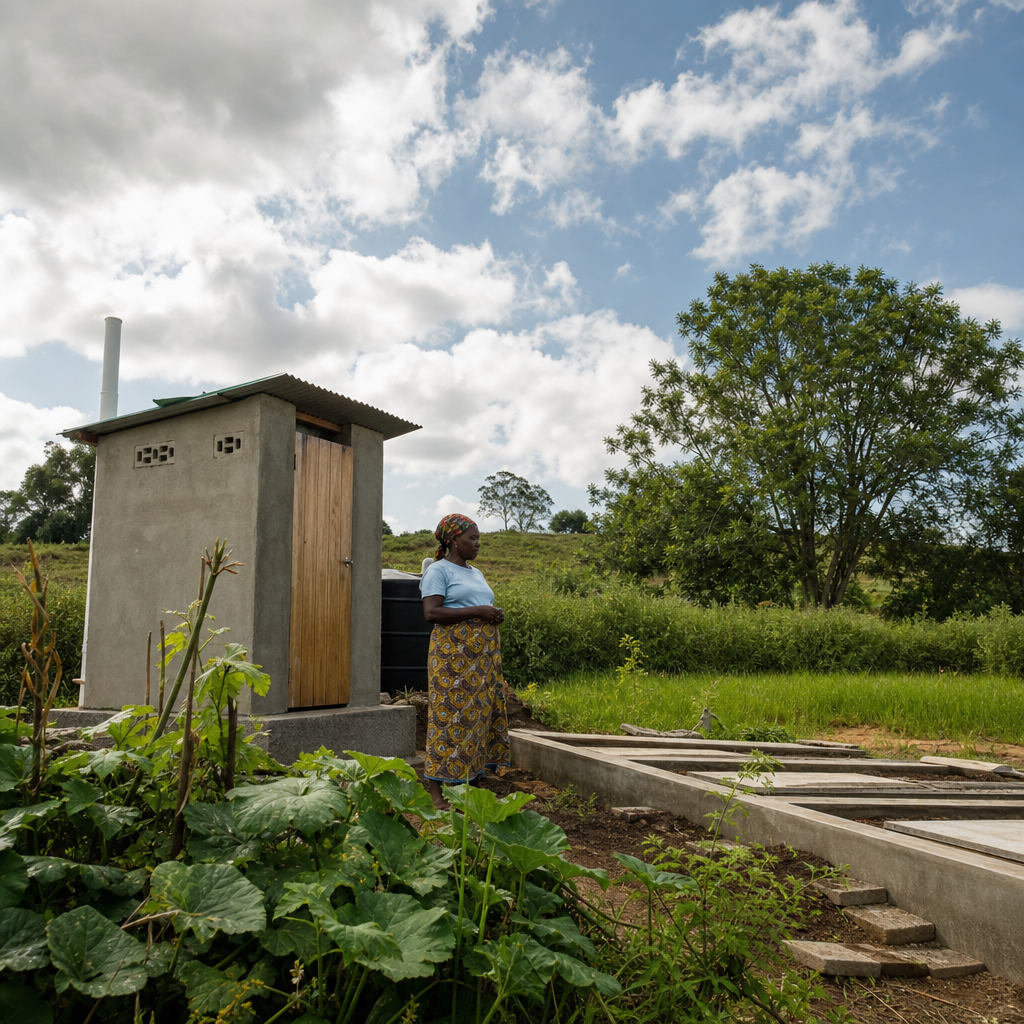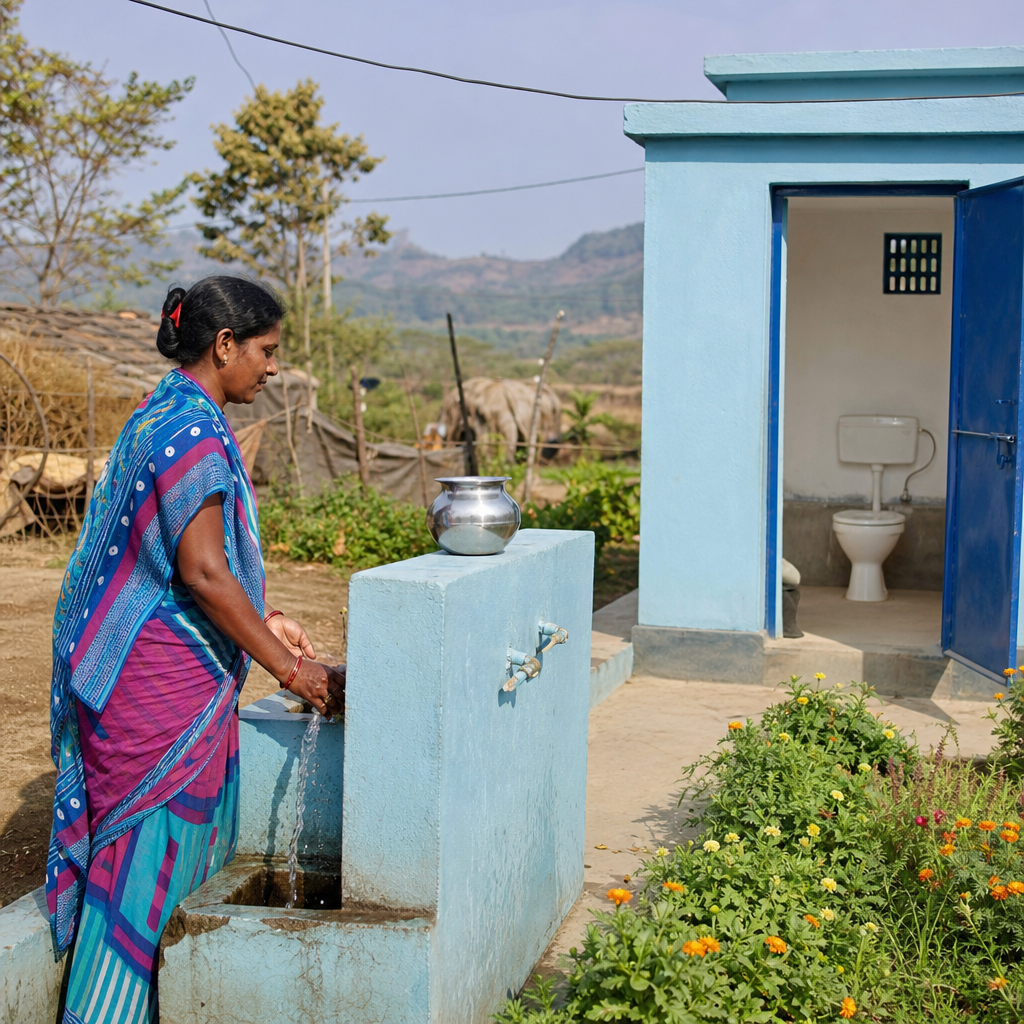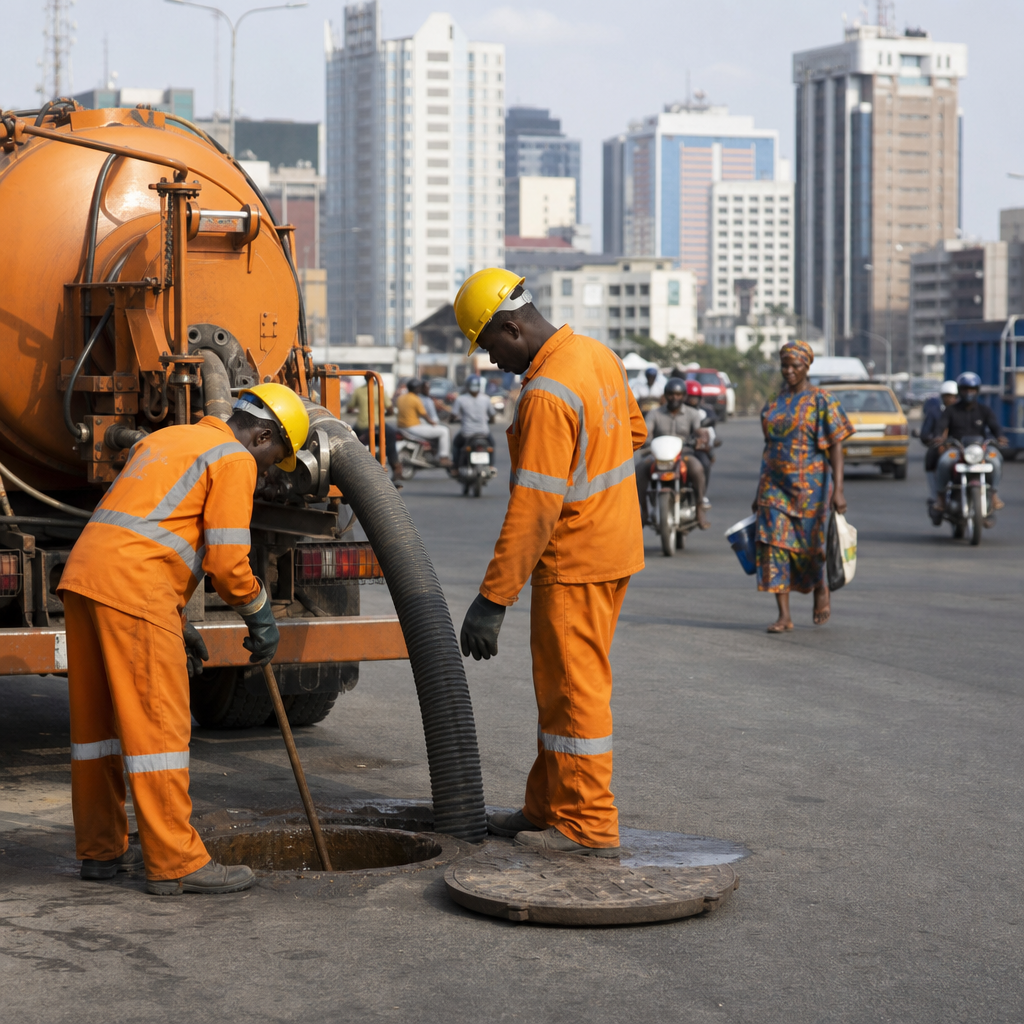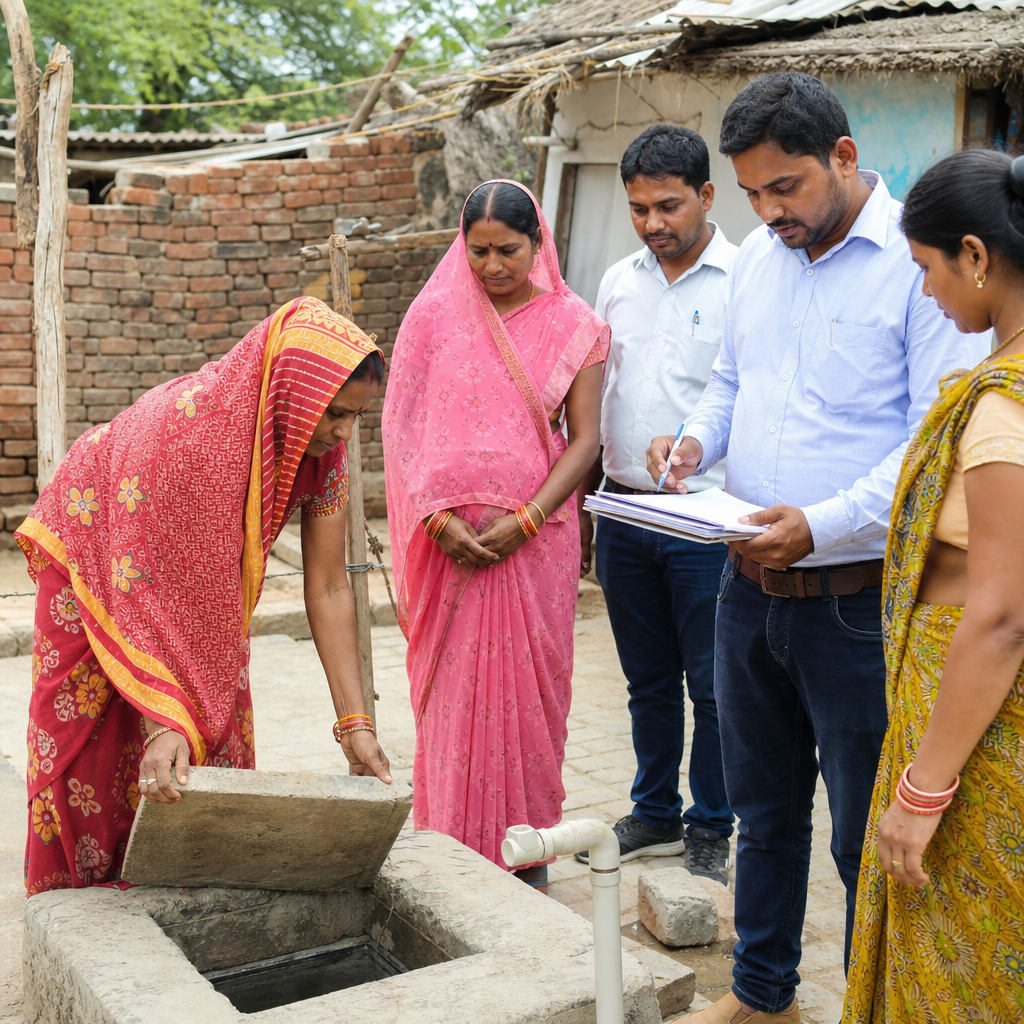
Funding mechanisms for community-driven sanitation determine whether ecological sanitation moves from pilot projects to durable public infrastructure. In Economic Strategies in EcoSan, funding mechanisms are the mix of grants, tariffs, household payments, revolving funds, microcredit, carbon finance, municipal budgets, and revenue from recovered resources that make sanitation systems affordable to build and maintain. Community-driven sanitation means residents, user groups, cooperatives, and local governments share decisions on technology choice, cost recovery, labor, and service standards. I have worked on sanitation budgeting and tariff reviews, and the same pattern appears repeatedly: hardware gets attention, but finance decides scale, reliability, and equity. This matters because sanitation is not a one-time purchase. Toilets, urine-diverting systems, fecal sludge treatment, composting sites, collection services, operator wages, spare parts, and compliance monitoring all require predictable cash flow. EcoSan adds economic opportunity through nutrient recovery, water savings, and local enterprise, but it also adds market and behavior risks that must be funded realistically.
Community-driven sanitation succeeds when financial design matches technical design. A dry toilet can fail because ash is unavailable, collection routes are underfunded, or farmers do not trust compost quality. A sewer alternative can outperform conventional systems when life-cycle costs are lower, water demand is reduced, and local operators are paid on time. The hub topic Economic Strategies in EcoSan therefore asks practical questions: who pays upfront, who pays over time, what public benefits justify subsidies, which users can cross-subsidize lower-income households, and how can recovered products create revenue without distorting public-health priorities? The strongest funding models answer all of those questions before construction starts. They separate capital expenditure from operating expenditure, price services transparently, include reserve funds for repairs, and assign accountability to institutions that can actually collect money and enforce service rules. Good financing is not just about finding money; it is about structuring incentives so communities keep systems working for years.
Why sanitation finance must be structured around the full service chain
Community-driven sanitation is often framed around toilets, but the economic unit is the full sanitation service chain: capture, storage, collection, transport, treatment, reuse, and safe disposal. Funding only the toilet interface creates stranded assets. I have seen projects with high toilet coverage but no money for pit emptying, no licensed transport, and no trained compost-site manager. Households then revert to unsafe practices because the invisible downstream costs were ignored. For EcoSan, full-chain finance is even more important because reuse products must meet quality standards, storage periods, pathogen reduction targets, and market expectations. The World Health Organization sanitation safety planning approach is useful here because it forces planners to cost risk control measures, not just infrastructure. A complete budget should include behavior-change outreach, operator training, personal protective equipment, testing, and contingency funds. When communities understand sanitation as a service rather than a structure, they make better decisions about what must be funded collectively and what can be paid by individual users.
Cost categories should be explicit. Capital costs include site preparation, slabs, superstructures, urine-diversion pedestals, dehydrating vaults, tanks, transfer stations, treatment pads, and vehicles. Operating costs include labor, bulking material, fuel, collection, administration, inspections, and replacement parts. Major maintenance costs, often neglected, include rebuilding chambers, replacing covers, leachate control measures, and equipment overhaul. Financing plans also need transaction costs: billing, mobile money fees, cooperative administration, auditing, and customer support. If a program does not identify each cost center, someone eventually bears hidden costs through unpaid labor, informal dumping, or declining service quality. The economics of EcoSan improve when hidden costs are surfaced early and assigned fairly.
Public finance, targeted subsidies, and results-based support
Public finance is essential because sanitation generates broad public benefits that households alone cannot capture. Reduced diarrheal disease, lower groundwater contamination, improved school attendance, safer neighborhoods for women and girls, and reduced eutrophication justify municipal and national spending. The strongest public finance models use subsidies selectively rather than universally. A city may fund treatment infrastructure and hygiene promotion, while households contribute to toilet construction according to income. Targeted subsidies work best when eligibility rules are simple and transparent, such as geographic targeting for low-income settlements, disability-inclusive design grants, or output-based rebates after verified installation and use. Results-based financing has been effective in sanitation because it pays for verified outcomes, not just procurement. A municipality, donor, or development bank can disburse funds once toilets are functional, sludge is safely treated, or service indicators reach defined thresholds. That reduces the risk of paying for infrastructure that is never used.
Well-designed subsidies should avoid undermining local ownership. Full hardware giveaways often reduce maintenance discipline because users do not perceive replacement and service costs. Smarter subsidies lower barriers without erasing responsibility. Examples include vouchers for pans and slabs, interest-rate buydowns on household loans, matching grants to cooperatives that mobilize member savings, and performance grants to utilities that extend service to informal areas. In India, citywide sanitation programs have increasingly linked public transfers to verified service coverage. In Rwanda and parts of Kenya, sanitation marketing and smart subsidies have been combined to encourage household investment while keeping support focused on those least able to pay. The principle is straightforward: subsidize public-health externalities and affordability gaps, not inefficiency.
Household contributions, tariffs, and cross-subsidy models
Household finance remains the backbone of most community-driven sanitation systems. Even where grants cover initial infrastructure, ongoing service usually depends on user payments. The main options are upfront household investment, monthly service fees, pay-per-collection charges, or combinations of these. For EcoSan, tariff design should reflect the actual service package. A urine-diversion dehydration toilet with scheduled collection and compost-site management is not just a toilet; it is a managed service and should be priced as such. Tariffs must be affordable, but they must also cover core operating expenses. I generally advise planners to test willingness to pay against verified household expenditure patterns rather than survey responses alone, because respondents often overstate support for sanitation when asked in abstract terms.
Cross-subsidy models can improve inclusion without destabilizing budgets. Commercial users, higher-income households, institutions, or neighborhoods with lower service costs can subsidize poorer or harder-to-serve areas. Water utilities often do this through increasing block tariffs, but sanitation can apply similar logic through property tax surcharges, business sanitation levies, or differentiated service tiers. The risk is political resistance if users feel charges are arbitrary. Transparency matters: communities accept cross-subsidy more readily when service standards, accounting, and grievance channels are visible. The table below summarizes common funding mechanisms and where each works best.
| Funding mechanism | Best use case | Strength | Main limitation |
|---|---|---|---|
| Municipal budget allocation | Shared infrastructure, treatment, outreach | Matches public-health benefits | Competes with other local priorities |
| Targeted household subsidy | Low-income or vulnerable households | Improves equity quickly | Needs reliable eligibility verification |
| Monthly sanitation tariff | Routine collection and operations | Creates predictable cash flow | Collection discipline can be weak |
| Microfinance loan | Household toilet construction or upgrades | Spreads upfront cost over time | Unsuitable where incomes are volatile |
| Revolving community fund | Small settlements and cooperatives | Builds local ownership | Requires strong governance |
| Resource recovery revenue | Compost, urine products, biogas sales | Offsets operating costs | Rarely covers full system cost alone |
| Results-based grant | Scale-up with verified outcomes | Rewards performance | Verification adds administrative cost |
Microfinance, savings groups, and revolving funds for EcoSan adoption
Microfinance can unlock sanitation adoption when households value improved toilets but cannot pay upfront. Sanitation loans differ from enterprise loans because they do not always create immediate cash income, so lenders need underwriting methods based on repayment capacity, tenure security, and household stability. In practice, repayment performs better when loan products are small, disbursed quickly, and tied to vetted masons or suppliers. Water.org and several microfinance institutions have shown that sanitation loans can achieve strong repayment when products match local income cycles. For EcoSan systems, lenders should understand technology-specific costs, including containers, urine piping, diversion fixtures, or vault components, so loan ceilings are realistic. Bundling technical assistance with finance reduces construction defects that later depress willingness to repay.
Savings groups and revolving funds are especially effective in community-driven sanitation because they combine finance with peer accountability. Village savings and loan associations, women’s groups, resident welfare associations, and cooperatives can pool deposits and rotate loans for toilet upgrades, collection carts, or treatment-site improvements. I have seen revolving funds work best where recordkeeping is simple, repayment schedules align with harvest or wage cycles, and default rules are socially enforceable. The downside is limited scale. Community funds can seed early adoption, but larger network infrastructure, transfer stations, or treatment plants usually require municipal or blended finance. Still, revolving funds are valuable because they build payment culture and local control, both of which are critical for long-term sanitation management.
Resource recovery revenue: compost, urine, energy, and service enterprises
One reason EcoSan sits at the center of Economic Strategies in EcoSan is that it can generate revenue from recovered resources. Compost, treated urine, black soldier fly larvae systems linked to organic waste, and biogas from co-treatment can all offset costs. However, revenue potential should be evaluated conservatively. Most sanitation reuse businesses do not fully fund the whole service chain, especially in the early years. Transport, quality control, storage, and market development are expensive. Farmers may discount compost prices if nutrient content is inconsistent or if transport to fields costs more than synthetic fertilizer alternatives. Urine-derived fertilizers can be agronomically valuable, but scaling sales requires regulatory clarity, product standardization, and trust. The economics improve when reuse products solve a real local problem, such as high fertilizer prices, degraded soils, or restricted water supply.
Enterprise design matters. Selling compost by volume alone is weak if moisture content varies and buyers cannot compare nutrient value. Better models test nutrient content, package products consistently, and position them against local fertilizer prices on a nutrient-equivalent basis. Service enterprises can also monetize sanitation without relying only on product sales. Scheduled container collection, subscription-based toilet maintenance, franchise networks for public toilets, and contracts for school sanitation can create more stable revenue than agricultural reuse alone. Sanergy’s container-based sanitation model in Kenya highlighted this principle by combining user fees, waste collection logistics, and value-added processing. The lesson is not that one model fits all, but that recovered-resource revenue works best as part of a diversified financing stack rather than as the sole financial pillar.
Blended finance, climate links, and the economics of scaling
Scaling community-driven sanitation usually requires blended finance, combining public grants, concessional debt, private capital, household investment, and enterprise revenue. Each source should fund the part of the system it is best suited to carry. Grants are appropriate for public goods, innovation risk, and service in low-income areas. Debt works where cash flows are predictable, such as municipal sanitation surcharges or contracted service fees. Private capital can support equipment, treatment expansion, or franchise growth when governance and demand are proven. Climate and environmental finance are emerging opportunities because EcoSan can reduce water use, recover nutrients, lower uncontrolled methane from unmanaged waste, and improve resilience in water-scarce regions. Accessing such funds requires credible baselines, monitoring, and alignment with national climate plans. It is possible, but transaction costs are high, so aggregation across many communities often makes more sense than project-by-project applications.
The economics of scaling depend on standardization without rigidity. Cities that scale faster usually standardize service levels, contract formats, quality assurance, and reporting systems while allowing local technology variation. Unit costs fall when procurement is consolidated, operators are trained to common protocols, and digital tools support billing and route planning. Mobile money reduces collection losses. GIS-based customer registries improve service targeting. Scheduled desludging and scheduled collection often outperform on-demand models because they stabilize revenue and optimize logistics. Yet scaling should not flatten community participation. The strongest programs preserve local governance through user committees, social audits, and participatory tariff reviews. That balance between standard systems and local accountability is what turns sanitation pilots into resilient public services.
Governance, risk management, and metrics that lenders trust
No funding mechanism succeeds without governance. Lenders, donors, municipalities, and communities all need confidence that money will be used as intended and services will continue. The minimum governance package includes ring-fenced sanitation accounts, published tariffs, basic asset registers, operator contracts, complaint mechanisms, and routine financial reporting. For community-managed systems, separation of duties is essential: the person collecting payments should not be the only person reconciling the ledger. External audits do not have to be expensive to be useful. Even annual third-party checks on cash balances, user lists, and service logs can raise credibility significantly. Risk management should also cover technical failure, market failure for reuse products, regulatory change, and household nonpayment. Reserve funds, indexed tariffs, and contingency plans for droughts or floods make financing more robust.
Metrics matter because finance follows evidence. The indicators that actually persuade funders are not vague claims about awareness; they are collection efficiency, operating ratio, downtime, treatment compliance, customer retention, toilet functionality, and safe reuse volumes. Disaggregated metrics are especially important in community-driven sanitation because averages can hide exclusion of renters, low-income households, or people with disabilities. A good hub strategy for Economic Strategies in EcoSan therefore connects financing decisions to measurable performance across the service chain. If you are designing or reviewing a sanitation program, start with a simple rule: match each cost to a payer, match each payer to a benefit, and verify performance with clear data. That is how community-driven sanitation becomes bankable, equitable, and durable. Use this framework to assess your current model and identify the next financing gap to close.
Frequently Asked Questions
What are the main funding mechanisms used in community-driven sanitation projects?
Community-driven sanitation projects typically rely on a blended financing approach rather than a single source of money. The most common funding mechanisms include grants from governments, NGOs, or development partners; household contributions through upfront payments, connection fees, or labor; user tariffs that support ongoing operation and maintenance; municipal budget allocations for infrastructure and service delivery; revolving funds that recycle repayments into new sanitation improvements; microcredit for toilets, septic upgrades, or ecological sanitation systems; and revenue generated from recovered resources such as compost, biogas, treated water, or nutrients. In some cases, carbon finance or climate-related funding can also support projects that reduce methane emissions, improve waste treatment, or create renewable energy.
The reason this mix matters is simple: sanitation systems have different cost layers. Capital costs cover design and construction, while recurring costs include maintenance, repairs, collection, treatment, operator wages, and replacement of equipment. Grants may help launch a project, but they rarely sustain it over time. Tariffs and household payments build local ownership and create a revenue stream for maintenance. Municipal support helps ensure sanitation is treated as public infrastructure rather than a temporary pilot. Resource recovery and enterprise revenue can strengthen long-term viability, especially in ecological sanitation models. The strongest community-driven systems usually match each funding source to the right expense, creating a practical and resilient financial structure.
Why is blended finance important for making ecological sanitation affordable and sustainable?
Blended finance is important because no single funding mechanism can usually meet the full financial demands of ecological sanitation. Community-driven sanitation systems often need money at several stages: early planning and mobilization, construction of facilities, training of users and operators, routine service delivery, and eventual expansion or replacement. If a project depends entirely on grants, it may stall when donor support ends. If it depends only on households, costs may become exclusionary for lower-income residents. If it relies solely on tariffs, the system may struggle in its early years before enough users are connected. Blending multiple sources allows the financial burden to be shared more fairly and strategically.
For example, grant funding can reduce the initial cost of infrastructure, while household payments and local labor contributions increase commitment and accountability. User tariffs can finance routine services such as collection, cleaning, and minor repairs. Microcredit can help households spread the cost of toilets or containment systems over time, making sanitation more accessible without requiring large upfront cash payments. Municipal co-financing can support treatment facilities or shared infrastructure that benefits the wider public. If the system also sells compost, energy, or other recovered products, that income can help offset operating expenses. In practice, blended finance makes ecological sanitation more affordable, more inclusive, and more durable because it aligns financing tools with the actual economics of service delivery.
How can communities ensure sanitation tariffs and household payments remain affordable for all residents?
Affordability depends on thoughtful design, transparency, and a realistic understanding of household income patterns. Communities should begin by assessing what residents can reasonably pay, not just in theory but in actual monthly cash flow. In many settings, families cannot manage large lump-sum payments even if they could afford smaller weekly or monthly amounts. That is why flexible payment structures matter. Connection fees can be divided into installments, toilet construction costs can be paired with savings groups or microloans, and tariffs can be calibrated to cover routine service costs without becoming a barrier to use. Communities may also contribute labor, local materials, or land as part of cost sharing, reducing the need for cash.
Equity measures are equally important. A strong community-driven sanitation program usually includes targeted support for low-income households, elderly residents, tenants, people with disabilities, or geographically isolated users. Cross-subsidies can help, where higher-volume users or commercial customers pay slightly more to support broader access. Public subsidies may be reserved for the poorest households or for infrastructure with clear public health benefits. Transparent financial governance builds trust: residents are more willing to pay when they understand what the tariff covers, who manages the funds, and how service quality is monitored. Affordability is not about making sanitation free in every case; it is about setting up a fair payment system that keeps services functional while ensuring no one is excluded from safe sanitation.
What role do revolving funds, microcredit, and local savings groups play in community-driven sanitation?
Revolving funds, microcredit, and local savings groups are especially valuable because they solve one of the biggest barriers in sanitation finance: the mismatch between immediate infrastructure costs and limited household cash on hand. A revolving fund provides loans for sanitation improvements, and as borrowers repay, the money becomes available to finance additional households or facilities. This creates a reusable pool of capital that can continue supporting sanitation access long after the initial seed funding is spent. In community-driven settings, revolving funds are often managed by cooperatives, local committees, or partner organizations with clear rules on eligibility, repayment terms, and oversight.
Microcredit works in a similar way but may be delivered through microfinance institutions, cooperatives, or specialized sanitation lenders. It helps households pay for toilets, ecological sanitation units, containment systems, or upgrades without waiting years to save the full amount. Local savings groups add another layer of resilience by allowing residents to pool resources, build discipline around regular contributions, and access small loans from within the community. These mechanisms are not just financial tools; they are institutional tools that strengthen local participation and decision-making. When managed well, they can expand access, speed adoption, and create a stronger sense of ownership. Their success depends on practical loan sizes, repayment schedules aligned with income cycles, borrower support, and systems to protect the most vulnerable households from debt stress.
Can recovered resources and carbon finance meaningfully support sanitation system revenues?
Yes, but with an important qualification: recovered resources and carbon finance are usually best treated as complementary revenue streams, not as the sole financial foundation of a sanitation system. In ecological sanitation, treated waste can generate marketable outputs such as compost, soil conditioners, biogas, briquettes, nutrient products, or reclaimed water. These outputs can help recover part of the operational cost and strengthen the business case for sanitation as a circular economy service rather than a pure expense. In some cases, community enterprises or cooperatives can manage processing and sales, creating local jobs as well as environmental benefits. However, these revenue streams depend on product quality, regulatory approval, customer demand, transport logistics, and consistent system performance.
Carbon finance can also contribute where sanitation interventions reduce greenhouse gas emissions, improve waste treatment, capture methane, or produce renewable energy. Accessing carbon-related funding, however, usually requires robust measurement, verification, project aggregation, and administrative capacity. That means it is often more realistic for larger programs, municipal partnerships, or intermediary organizations than for a single small community acting alone. The practical takeaway is that recovered-resource revenue and carbon finance can significantly improve financial sustainability, but they work best when layered on top of core funding sources such as tariffs, municipal support, and targeted subsidies. When incorporated realistically, these mechanisms can make community-driven sanitation more financially resilient while also reinforcing environmental and public health goals.