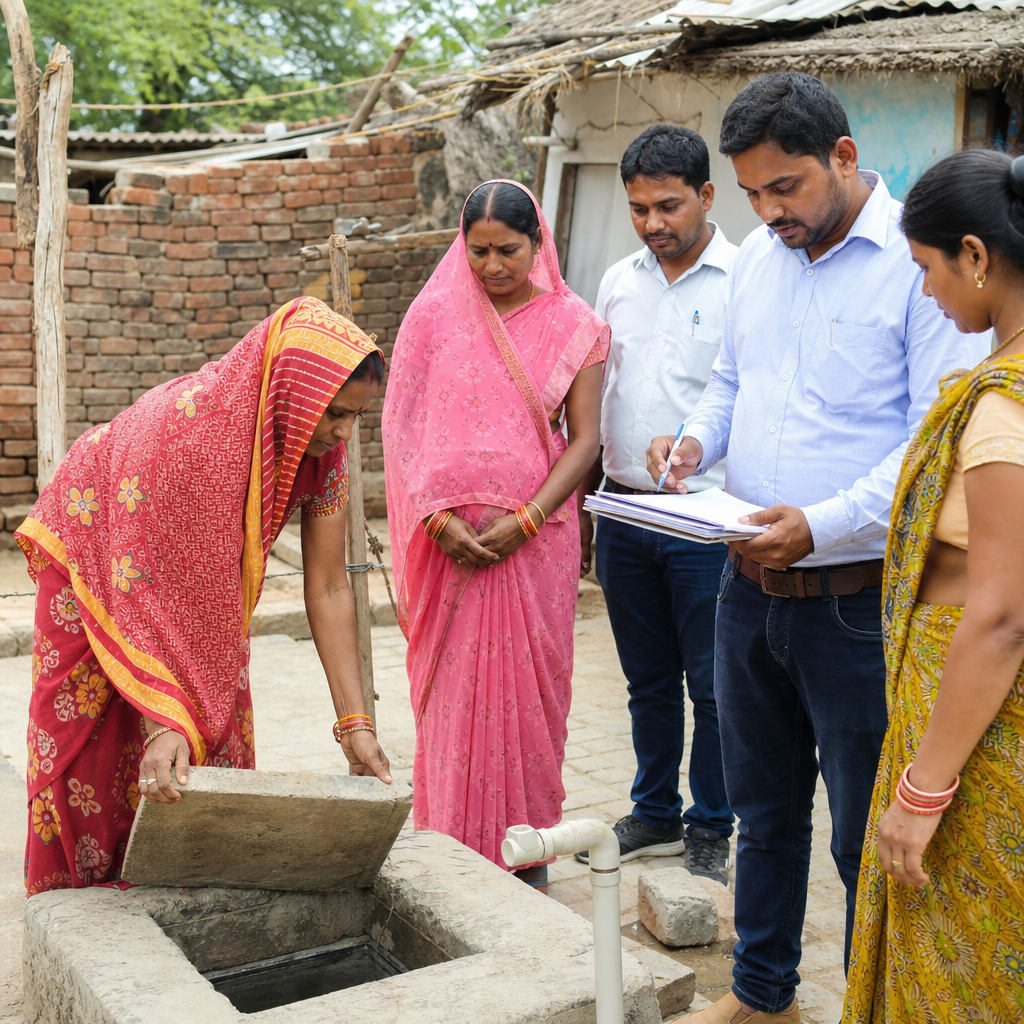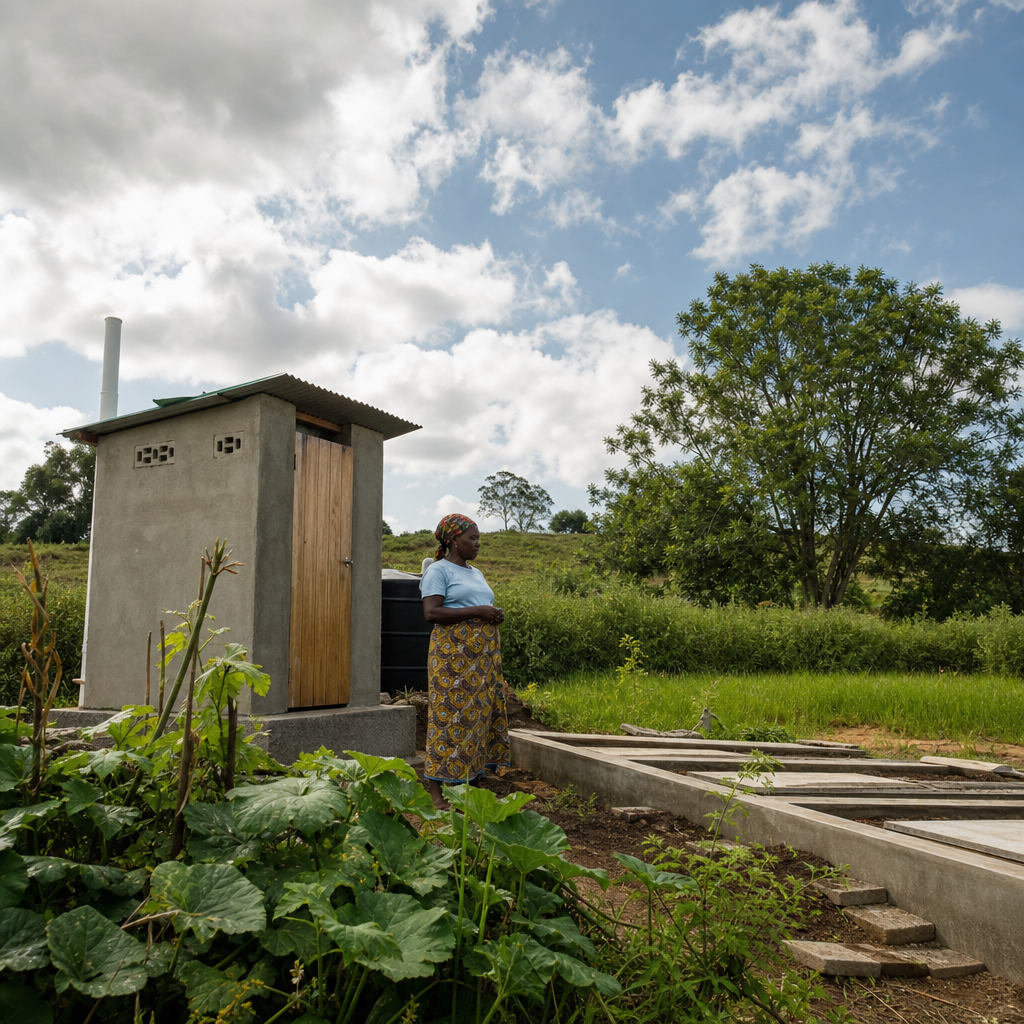
EcoSan, short for ecological sanitation, is a sanitation approach designed to safely recover water, nutrients, and energy from human waste instead of treating excreta as a disposal problem. In economic terms, EcoSan shifts sanitation from a pure cost center to a system that can prevent pollution, reduce infrastructure burdens, and create usable outputs such as compost, soil amendments, and biogas. That matters because environmental remediation is expensive. Once groundwater is contaminated by leaking pit latrines, once rivers receive untreated sewage, or once soil around informal settlements becomes pathogen-laden, the public sector faces years of cleanup costs, health expenditure, and lost land value. I have worked on sanitation cost comparisons where the most expensive line item was not toilet construction, but correcting the consequences of poor waste management after systems failed. EcoSan changes that equation by emphasizing source separation, containment, treatment close to the point of generation, and productive reuse. Within the broader economic aspects of sanitation, economic strategies in EcoSan include lifecycle costing, risk reduction, resource recovery, decentralized investment, and maintenance models that preserve asset value over time. This hub article explains how EcoSan reduces environmental remediation costs, which strategies produce the strongest financial outcomes, what tradeoffs decision-makers must account for, and how households, municipalities, utilities, developers, and donors can evaluate EcoSan as a long-term economic strategy rather than a niche technical alternative.
How EcoSan Prevents Remediation Costs at the Source
The cheapest remediation cost is the one avoided entirely. EcoSan reduces environmental remediation costs by interrupting the pathways that turn unmanaged sanitation into contaminated water, degraded soil, and expensive public health emergencies. Conventional low-cost sanitation often appears affordable at installation, but if pits are unlined, septic tanks are undersized, or sewer extensions are delayed, leakage and overflow become externalized costs. Municipal budgets then absorb drain cleaning, sludge removal, groundwater monitoring, disease response, and eventual site rehabilitation. EcoSan systems are designed to contain waste streams before they disperse into the environment.
Urine-diverting dry toilets are a clear example. By separating urine and feces at the source, they lower moisture content in the fecal chamber, improve dehydration, reduce odor, and simplify treatment. This design reduces seepage and substantially lowers the probability that nutrients and pathogens migrate into shallow aquifers. In peri-urban areas with dense settlement and high water tables, that distinction has direct economic value. Cleaning a polluted aquifer is technically difficult and often slower than the rate of ongoing contamination. In practice, communities usually resort to new boreholes, tanker supply, or household filtration, all of which cost more than preventive sanitation planning.
Container-based sanitation offers another preventive model. Instead of relying on infiltration or poorly managed pits, sealed containers are collected and transported to treatment. This is particularly valuable in flood-prone settlements where pit systems fail during heavy rain. I have seen cost reviews where one flood event triggered emergency desludging, street cleaning, and temporary disinfection campaigns that exceeded several years of routine service costs. EcoSan approaches reduce that volatility by keeping waste contained even when environmental conditions are unfavorable.
The same logic applies to nutrient loading in surface water. Untreated wastewater releases nitrogen and phosphorus that contribute to eutrophication, algal blooms, and fish kills. The remediation response may involve dredging, wetland reconstruction, stricter intake treatment for drinking water plants, and tourism recovery efforts. EcoSan captures nutrients before they reach rivers or lakes. That does not eliminate treatment costs, but it converts diffuse pollution risk into a manageable operational process with measurable controls and lower downstream liabilities.
Economic Strategies in EcoSan: Lifecycle Costing, Risk, and Value Recovery
Economic strategies in EcoSan work best when decisions are based on total cost over the service life, not just upfront capital expenditure. A pit latrine may cost less to build than a urine-diverting dry toilet or container-based system, yet that comparison is incomplete if it ignores groundwater protection, fecal sludge transport, site abandonment, vector control, and land restoration. Lifecycle costing accounts for capital, operation, maintenance, replacement, transport, treatment, monitoring, compliance, and end-of-life management. It also captures avoided costs, which are often decisive in sanitation economics.
Risk-adjusted analysis is equally important. Sanitation systems do not fail at random; they fail predictably under conditions such as high density, weak drainage, water scarcity, flood risk, rocky terrain, and poor desludging access. EcoSan often performs well exactly where remediation costs would otherwise be highest. In dense settlements, every leaking pit affects neighboring plots. In water-scarce areas, dry sanitation avoids the cost of moving freshwater into a system only to pay again for wastewater treatment. In agricultural regions, recovered nutrients can partially offset fertilizer purchases, improving household and municipal economics simultaneously.
Value recovery is the third pillar. Properly treated urine can provide nitrogen, phosphorus, and potassium for agriculture. Treated fecal matter can be processed into soil conditioners, compost-like products, or fuel briquettes, depending on local regulations and treatment performance. Organic waste co-treatment can support biogas systems. The direct revenue from these outputs varies by market, but the economic significance is broader than sales alone. Resource recovery lowers disposal volume, reduces haulage requirements, and creates an incentive to maintain treatment quality because the output has practical use.
| EcoSan strategy | Primary cost impact | Typical remediation cost avoided | Practical example |
|---|---|---|---|
| Source separation | Reduces treatment complexity and leakage risk | Groundwater cleanup and emergency water supply | Urine-diverting toilets in high water-table settlements |
| Decentralized containment | Lowers infrastructure expansion pressure | Soil rehabilitation after pit overflow or seepage | Container-based sanitation in informal urban areas |
| Nutrient recovery | Creates usable agricultural inputs | Surface water restoration from nutrient pollution | Urine treatment and reuse near farming zones |
| Planned service chains | Improves collection and treatment reliability | Emergency desludging and vector control campaigns | Scheduled collection with transfer to composting sites |
| Waterless or low-water design | Reduces demand on water and sewer systems | Wastewater overflow response and drainage contamination | Dry toilets in water-scarce or off-grid communities |
A robust business case therefore asks a direct question: compared with the full environmental liability of unmanaged sanitation, what does EcoSan cost, and what future spending does it prevent? In many settings, that question makes EcoSan economically rational even before counting health gains.
Infrastructure, Land, and Service Delivery Economics
EcoSan can lower remediation costs because it changes infrastructure geometry. Centralized sewerage requires large trunk lines, pumping stations, treatment plants, and continuous water input. Those systems are effective in many cities, but they are capital intensive and slow to extend into informal, peri-urban, or topographically difficult areas. During that delay, households rely on unsafe interim solutions. The environmental damage accumulates long before the network arrives. EcoSan offers a decentralized pathway that reduces the period of unmanaged exposure.
Land economics are often underestimated. When sanitation contaminates a site, the damage shows up in depressed property values, lower rental yields, delayed development approvals, and litigation risk. Developers and municipal land agencies increasingly account for these externalities. A settlement with persistent wastewater ponding or widespread pit leakage becomes harder and more expensive to regularize. Conversely, EcoSan systems that maintain cleaner plots and streets can preserve land usability. That preservation matters in dense urban areas where every square meter has opportunity cost.
Service delivery economics also improve when sanitation is designed as a chain, not a structure. Toilets alone do not protect the environment; collection, transport, treatment, and safe reuse or disposal do. EcoSan programs that define each service step reduce the hidden costs associated with system abandonment. This is why organizations working in fecal sludge management stress scheduled emptying, transfer stations, route planning, and treatment standards. When these functions are priced transparently, municipalities can compare them against the recurring emergency costs of unmanaged waste.
There are, however, tradeoffs. Decentralized systems require strong operations management and user compliance. If collection fails or treatment standards slip, environmental risk returns quickly. EcoSan does not remove the need for governance; it makes governance more local and more observable. In practice, that can be an advantage because failures are visible earlier and easier to correct than failures buried in overloaded sewer networks or leaking pits.
Public Health, Compliance, and the Hidden Cost of Delay
Environmental remediation costs are tightly linked to public health costs. Pathogens from human waste contaminate water, soil, food crops, and household surfaces. The immediate burden appears in diarrhea, helminth infections, skin disease, and lost workdays, but the economic consequences extend further. Repeated outbreaks trigger emergency chlorination, clinic surges, school absenteeism, and household spending on medicines and bottled water. Those costs rarely appear in sanitation project budgets, yet they are real liabilities created by inadequate systems.
EcoSan lowers these costs by reducing contact between waste and people. The World Health Organization sanitation safety planning framework and the broader hazard analysis approach both emphasize barriers: containment, handling controls, treatment performance, and safe end use. EcoSan aligns well with this logic because it is built around managing exposure pathways rather than simply transporting waste away. That distinction matters. Waste that leaves the household but contaminates a nearby drain has not been safely managed; it has only been relocated.
Compliance economics matter too. Regulators are increasingly enforcing discharge standards, sludge management rules, and land-use restrictions tied to sanitation risk. Municipalities that postpone sanitation upgrades often face a rising cost curve: first emergency response, then regulatory penalties, then capital catch-up under political pressure. Delayed action is rarely cheaper. I have seen local authorities spend heavily on riverbank cleanup campaigns that could have been largely avoided with earlier investment in decentralized containment and treatment. EcoSan is not always the only answer, but it is often the fastest practical answer where conventional expansion is years away.
Another hidden cost of delay is social trust. Residents lose confidence when public sanitation investments fail repeatedly or produce visible pollution. Rebuilding trust requires more engagement, more subsidies, and often more enforcement. EcoSan projects that demonstrate clean operation, reliable collection, and useful reuse products can strengthen willingness to pay because the service is tangible and the benefit is visible.
Financing Models and Investment Decisions That Make EcoSan Work
For EcoSan to reduce environmental remediation costs in practice, financing must match the service model. The most common mistake is to fund only toilet construction while underfunding collection, treatment, operator training, and monitoring. That creates stranded assets and erodes the economic case. Better financing models treat EcoSan as essential public service infrastructure with recurring operating needs. Blended finance is common: households may contribute to the interface, municipalities may support transfer and treatment facilities, and donors or development banks may de-risk early expansion.
Targeted subsidies can be economically efficient when they are tied to outcomes. Subsidizing households in flood-prone or high-density areas can prevent far larger public remediation bills later. Output-based aid, service vouchers, and performance contracts are useful because they reward functioning services rather than installation counts. In private or social enterprise models, revenue can come from subscriptions, municipal service payments, tipping fees, compost sales, or carbon-related funding where methane avoidance or resource recovery is verifiable.
Procurement and monitoring decisions also influence cost. Contracts should specify collection frequency, contamination thresholds, treatment process controls, occupational safety, and reuse criteria. Named tools such as lifecycle cost analysis, cost-benefit analysis, and multi-criteria decision analysis help compare EcoSan with septic, sewered, and hybrid options. The right choice depends on density, hydrogeology, water availability, agricultural demand, and institutional capacity. There is no universal winner, but there is a clear rule: decision-makers should compare systems on full-service economics, environmental risk, and long-term liability, not just on the cheapest initial build.
As the hub for economic strategies in EcoSan, this article points to a practical conclusion. EcoSan reduces environmental remediation costs when it is planned as a complete service chain, targeted to high-risk contexts, and evaluated on avoided liabilities as well as direct expenses. The strongest strategies combine source separation, decentralized treatment, disciplined operations, and realistic financing. For households, that can mean safer sanitation with fewer surprise costs. For municipalities, it can mean lower cleanup budgets, healthier neighborhoods, and better asset planning. For investors and development agencies, it means funding systems that prevent damage rather than paying later to repair it. If you are building an economic case for sanitation, start with the remediation costs your current system creates, then measure how EcoSan can prevent them.
Frequently Asked Questions
What is EcoSan, and how does it help reduce environmental remediation costs?
EcoSan, or ecological sanitation, is an approach to sanitation that treats human waste as a resource stream rather than as material that must simply be flushed away and disposed of. Instead of relying only on conventional systems that can overload sewers, septic systems, or treatment plants, EcoSan is designed to safely recover valuable outputs such as water, nutrients, organic matter, and in some cases energy. This shift is important from a cost perspective because it addresses pollution at the source. When sanitation systems fail or leak, the result can be groundwater contamination, nutrient runoff, soil degradation, and public health risks. Cleaning up those impacts later through environmental remediation is usually far more expensive than preventing them in the first place.
By separating, containing, treating, and reusing waste in controlled ways, EcoSan reduces the likelihood that pathogens, nitrogen, phosphorus, and other contaminants will reach surrounding ecosystems. That can mean fewer expensive interventions such as contaminated soil removal, groundwater treatment, emergency wastewater upgrades, and long-term monitoring programs. In practical terms, EcoSan helps communities avoid the financial burden of restoring damaged land and water resources after pollution has already occurred. It also creates economic value through products like compost, soil conditioners, and biogas, which can offset operational costs. For municipalities, institutions, and developers, that prevention-based model is often much more affordable than paying for cleanup, regulatory penalties, and infrastructure retrofits later.
Why is preventing contamination through EcoSan usually cheaper than paying for cleanup later?
Environmental remediation is expensive because contamination rarely stays confined to one place. Once untreated or poorly managed waste reaches groundwater, surface water, or soils, the damage can spread and become technically difficult to reverse. Cleanup may involve pumping and treating groundwater, excavating contaminated soil, rebuilding damaged infrastructure, restoring ecosystems, and conducting ongoing testing for years. There are also indirect costs, including legal liability, project delays, declining land values, reputational damage, and public health impacts. In many cases, the total cost of remediation far exceeds what would have been spent on better sanitation design upfront.
EcoSan reduces these risks by interrupting the contamination pathway before it becomes a major environmental problem. For example, systems that safely separate urine and feces, compost organic material, or process waste into biogas reduce the volume of untreated waste entering the environment. This lowers the burden on centralized treatment facilities and can be especially valuable in areas where sewer expansion is costly, septic systems are unreliable, or water tables are vulnerable. From an economic standpoint, prevention is typically more predictable and manageable than remediation. Capital costs can be planned, treatment processes can be monitored, and recovered resources can generate value. By contrast, cleanup costs often escalate quickly once contamination is discovered, particularly if regulatory agencies require rapid corrective action or if pollution has affected drinking water sources.
What kinds of usable resources can EcoSan recover, and how do those outputs improve overall cost efficiency?
One of EcoSan’s most important advantages is that it can recover useful outputs from what traditional sanitation systems treat as waste. Depending on the design, EcoSan systems may produce compost, stabilized biosolids, nutrient-rich soil amendments, reclaimed water for non-potable use, and biogas for cooking, heating, or electricity generation. Urine diversion systems, for instance, can help capture nitrogen and phosphorus, which are valuable agricultural nutrients. Composting and dehydration systems can help transform organic waste into safer, reusable materials that support soil health and reduce dependence on synthetic fertilizers.
These recovered resources improve cost efficiency in several ways. First, they can reduce disposal and treatment expenses by lowering the amount of waste that must be transported, processed, or discharged. Second, they can create direct economic benefits for farms, institutions, housing developments, and communities that can use or sell the outputs. Third, they help build circular systems in which sanitation contributes to agriculture, energy production, or water conservation rather than operating solely as a cost center. This matters for remediation costs because the more value a sanitation system generates, the easier it becomes to justify investments in pollution prevention. In effect, EcoSan can turn sanitation spending into a protective and productive asset, reducing future cleanup liabilities while strengthening local resource resilience.
Is EcoSan only useful in rural or low-infrastructure settings, or can it also benefit cities and large developments?
EcoSan is often associated with rural areas, off-grid communities, or regions with limited sewer access, but its principles are highly relevant in urban environments as well. Cities and large developments face significant sanitation challenges, including aging infrastructure, stormwater infiltration, treatment plant overload, nutrient discharge regulations, and rising costs for wastewater expansion. In these settings, EcoSan can complement or partially replace conventional systems by reducing waste volumes, enabling source separation, recovering nutrients, and decreasing pressure on centralized treatment networks. This can be especially valuable in dense areas where infrastructure upgrades are expensive and environmental compliance standards are becoming stricter.
For developers, campuses, industrial sites, and municipalities, EcoSan can be integrated into decentralized sanitation strategies that improve resilience and reduce long-term liabilities. Examples include urine-diverting toilets, anaerobic digestion for organic waste streams, blackwater treatment with energy recovery, and neighborhood-scale systems that reuse treated water or produce agricultural inputs. These models can cut water demand, reduce sewer loads, and limit the risk of contamination from overburdened or failing systems. That directly supports lower remediation costs by helping prevent leaks, overflows, and discharge violations that can lead to environmental damage. In other words, EcoSan is not just a solution for places without conventional infrastructure; it is also a practical strategy for modern developments seeking to control costs, improve sustainability, and reduce exposure to expensive environmental cleanup.
What should communities or organizations consider before adopting EcoSan to maximize cost savings and environmental protection?
Successful EcoSan implementation depends on good planning, appropriate technology selection, and strong operational management. Communities and organizations should begin by assessing local conditions such as water availability, soil characteristics, population density, land use, climate, existing sanitation infrastructure, and environmental vulnerabilities. Areas with shallow groundwater, fragile ecosystems, expensive sewer expansion needs, or a history of septic failure may see especially strong benefits from EcoSan. It is also important to evaluate regulatory requirements, public health standards, maintenance capacity, user acceptance, and potential end uses for recovered resources. EcoSan works best when the system design matches the local context and when there is a clear plan for safe treatment, monitoring, and reuse.
To maximize cost savings, decision-makers should look beyond initial installation costs and focus on lifecycle economics. That includes avoided remediation expenses, lower water use, reduced treatment loads, fewer infrastructure upgrades, and the value of recovered products such as compost or biogas. Training, public education, and routine maintenance are also critical because poorly managed systems can undermine both environmental and financial performance. When implemented well, EcoSan can deliver durable savings by preventing contamination before it happens and by generating useful outputs that support local agriculture, energy needs, or landscape management. The key is to view sanitation not just as a disposal issue, but as part of a broader environmental and resource management strategy that protects ecosystems while reducing long-term cleanup and compliance costs.