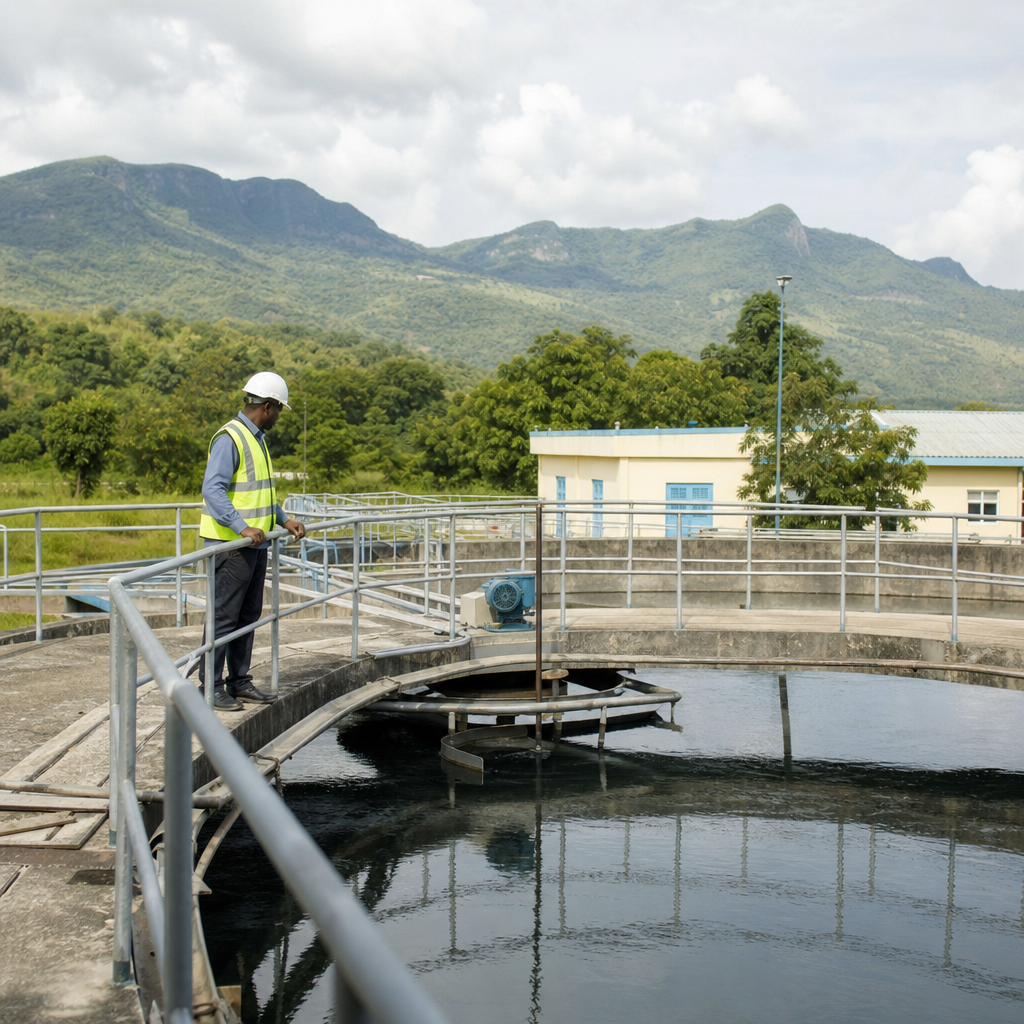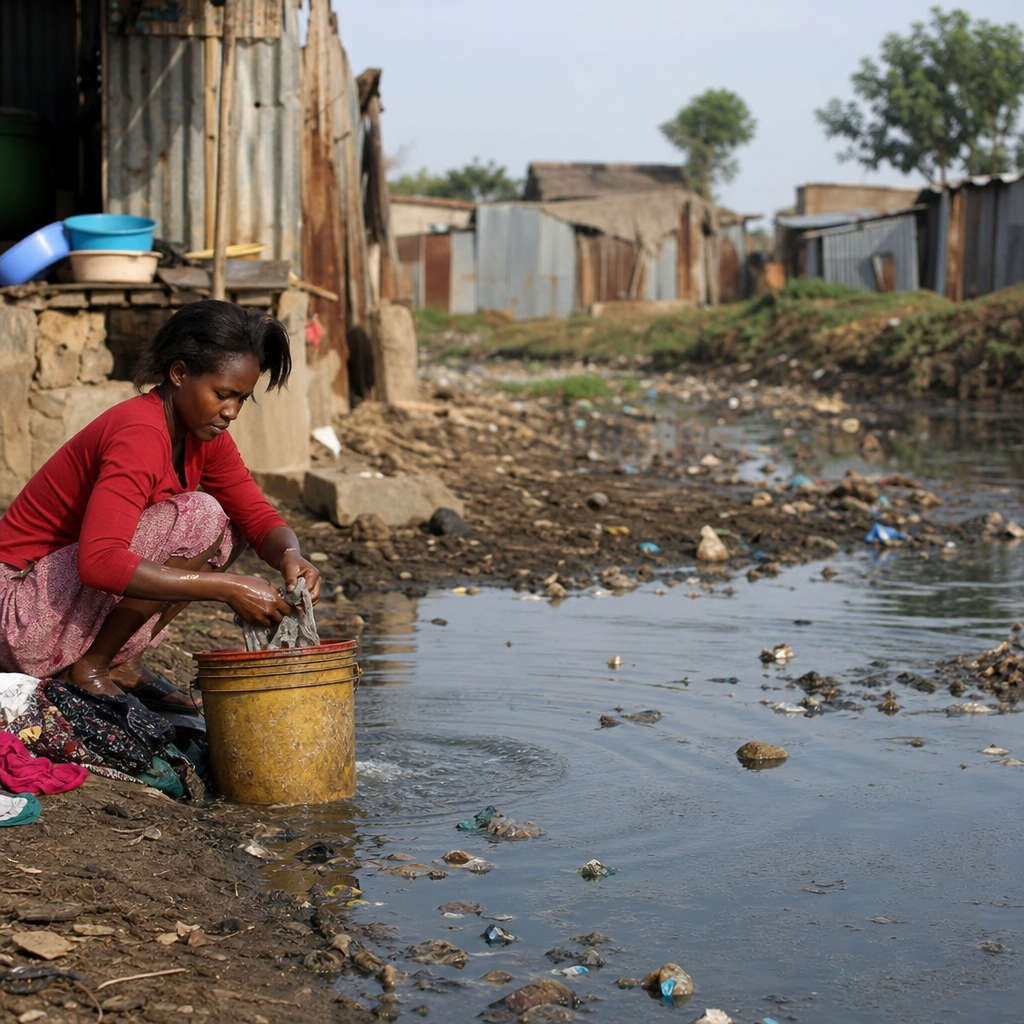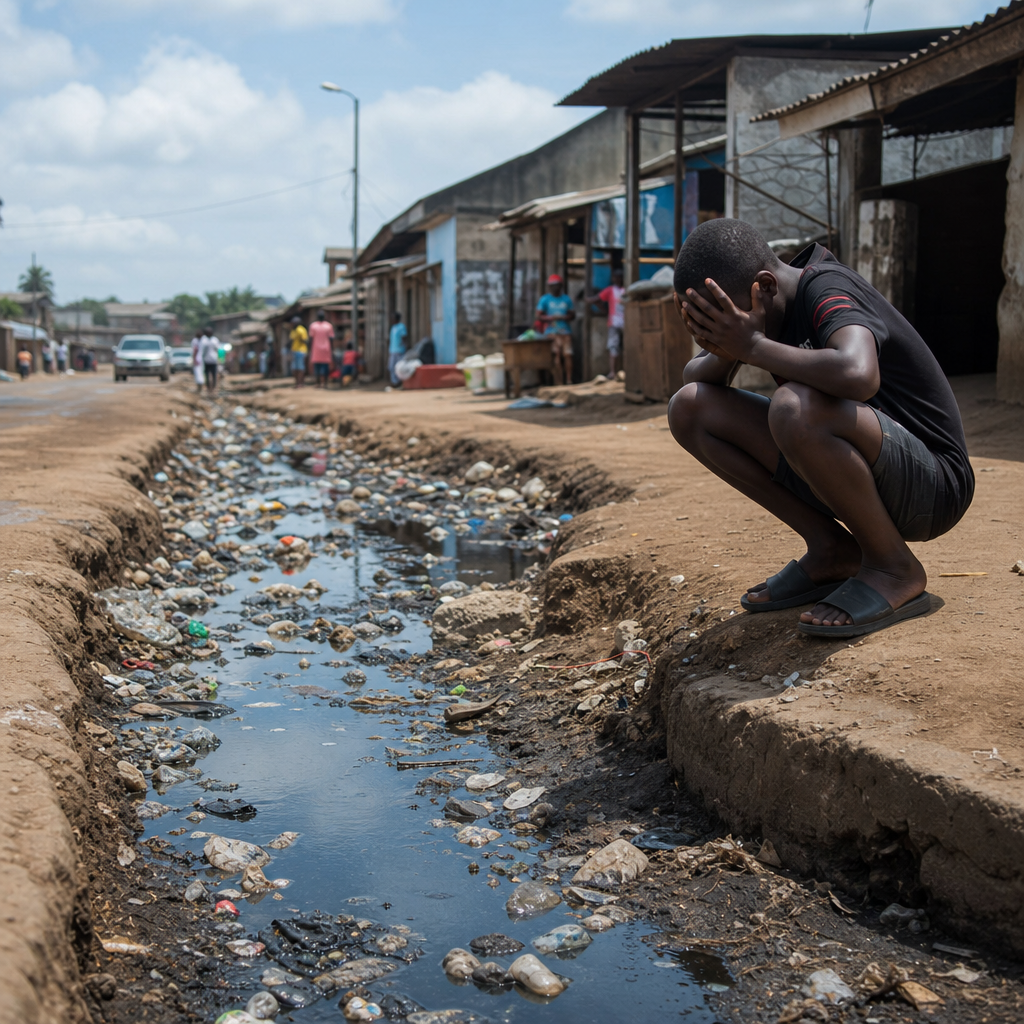
Poor sanitation is often described as a public health failure, but in practice it is also a persistent economic shock that drains households, weakens labor markets, increases public expenditure, and slows national development. The cost of inaction is the total financial and social burden created when communities, businesses, and governments delay investment in safe toilets, fecal sludge management, wastewater treatment, hygiene systems, and circular sanitation models. Within the broader economic aspects of sanitation, economic strategies in EcoSan matter because they shift the discussion from short-term construction costs to long-term value creation through resource recovery, reduced disease, stronger productivity, and lower environmental damage. I have worked with sanitation budgeting and project assessment long enough to see the same pattern repeatedly: when decision makers postpone action because sanitation appears expensive, they usually accept much larger hidden costs in healthcare, school absence, tourism losses, water contamination, and degraded land. EcoSan, short for ecological sanitation, is especially important in this context because it treats human waste not only as a disposal problem but as a recoverable source of nutrients, water, organic matter, and in some cases energy. That changes the economics. Instead of measuring only capital expenditure for toilets or treatment plants, planners can evaluate avoided medical spending, fertilizer substitution, reuse revenues, resilience gains, and reduced pressure on freshwater systems. This hub article explains how poor sanitation creates economic losses, how EcoSan strategies alter the cost equation, which financing and policy tools make investment viable, and where the strongest returns usually appear. It also serves as a foundation for deeper articles on sanitation financing, cost-benefit analysis, circular business models, and public-private implementation.
Why poor sanitation creates large economic losses
The economic impacts of poor sanitation begin at the household level and scale upward. Unsafe sanitation increases exposure to pathogens that cause diarrheal disease, intestinal worms, cholera, typhoid, hepatitis A, and other infections. The World Health Organization has consistently linked sanitation deficits to preventable illness and premature death, but the financial effects are just as concrete. Families pay for clinic visits, medicines, transport, and lost workdays. Children miss school, caregivers lose wages, and repeated infection contributes to undernutrition and stunting, which can reduce lifetime earnings. In urban informal settlements, where toilets are shared, overflowing, or absent, these costs recur constantly rather than as isolated crises.
Public systems absorb another layer of cost. Hospitals treat sanitation-related disease that could have been prevented more cheaply through infrastructure and behavior support. Municipalities spend more on emergency desludging, drain clearing, and contamination response when sanitation services are fragmented. Water utilities face higher treatment costs when fecal pollution enters surface water or groundwater sources. Agriculture suffers when polluted irrigation water damages soils, spreads pathogens onto produce, or limits market access. Tourism also declines where beaches, rivers, or public spaces are visibly contaminated. Economists often call these externalities because the full cost of poor sanitation is not reflected in the price paid by the user who lacks safe service; the burden is spread across the economy.
At the macroeconomic level, weak sanitation depresses productivity. Workers who are sick, caring for sick relatives, or traveling long distances to find a toilet are less productive. Women and girls face disproportionate time losses and safety risks when sanitation is inaccessible, which affects labor participation and educational attainment. Businesses incur costs through absenteeism, low morale, reduced customer confidence, and reputational risk. Countries with sanitation gaps therefore lose output not because sanitation is a niche issue, but because sanitation shapes labor efficiency, human capital, water security, and investor confidence.
How EcoSan changes the economic equation
Economic strategies in EcoSan start from a practical premise: waste streams contain value, and systems should be designed to capture that value safely. Conventional sanitation often follows a linear model of flush, transport, treat, and dispose. EcoSan uses a circular model that prioritizes source separation, nutrient recovery, decentralized treatment, composting, urine diversion, biogas generation, water reuse, and soil restoration where technically appropriate. The economic benefit comes from reducing disposal costs while creating usable outputs.
In field planning, the first question is not whether EcoSan is universally cheaper than sewerage, because it is not. The better question is which service model delivers the lowest life-cycle cost and highest net benefit for a specific settlement pattern, water context, land market, and institutional capacity. Dense city centers may justify sewer networks and advanced treatment. Peri-urban areas, water-scarce districts, schools, camps, farms, and smaller towns often benefit more from decentralized EcoSan systems because network expansion is expensive, electricity may be unreliable, and reuse markets may be local and active.
Urine-diverting dry toilets offer a clear example. By separating urine and feces at the source, they reduce water demand, lower blackwater volumes, simplify treatment, and create opportunities to recover nutrients. Urine contains most of the nitrogen and a large share of the phosphorus and potassium excreted by humans. When handled under clear safety guidelines, it can partially substitute for synthetic fertilizer. Composting toilets and container-based sanitation systems can also lower infrastructure costs in difficult terrain while enabling controlled collection and processing. Anaerobic digestion of sludge or co-composted organics can produce biogas for heat or cooking in institutional settings. None of these models succeed on engineering alone; they succeed when economics, operations, user behavior, and end-market demand are designed together.
The main cost categories decision makers should measure
One reason sanitation is underfunded is that many appraisals focus narrowly on construction cost. A sound economic analysis measures capital expenditure, operating expenditure, maintenance, replacement cycles, monitoring, user training, land, transport, treatment, compliance, and eventual decommissioning. It also estimates avoided costs and generated value. In my experience, projects become easier to justify once these categories are laid out visibly, because the expense of doing nothing stops looking abstract.
| Cost or value category | What it includes | Typical economic effect |
|---|---|---|
| Health costs | Clinic visits, drugs, hospitalization, caregiver time, mortality risk | High recurring burden on households and public budgets |
| Productivity losses | Missed work, lower concentration, school absence, time spent accessing toilets | Reduced income and weaker labor output |
| Water impacts | Extra treatment, groundwater contamination, scarcity from flushing demand | Higher utility costs and environmental stress |
| Environmental damage | Eutrophication, soil degradation, unsafe discharge, cleanup costs | Long-term losses in ecosystem services and land value |
| Resource recovery value | Compost, biosolids, reclaimed water, nutrients, biogas | Offsets operating costs and supports circular revenue |
Life-cycle costing is the minimum standard here. A low-cost toilet that fails in three years or cannot be emptied safely is usually more expensive than a durable system with planned service. Cost-benefit analysis then adds monetized benefits such as reduced disease, time saved, fertilizer replacement, and environmental protection. For municipal programs, financial analysis and economic analysis should be separated. A service may not recover all costs through tariffs, yet still produce strong economic returns because it reduces wider public losses.
Financing models that make EcoSan workable
No single financing model fits all sanitation systems. Household-led investment works where incomes are stable and supply chains exist, but it often excludes low-income communities without credit. Public finance is essential for public goods such as treatment plants, drainage interfaces, regulation, and service oversight. Blended models usually perform best. These combine taxes, tariffs, transfers, concessional lending, donor grants, climate finance, and private capital tied to performance.
Microfinance can help households buy toilets or upgrade containment, especially when repayments match seasonal income patterns. Output-based aid can reimburse providers after verified service delivery, which reduces the risk of paying for nonfunctional installations. Municipal sanitation funds can pool revenues from property taxes, utility surcharges, or environmental fees to cover fecal sludge management. Public-private partnerships can work when responsibilities are explicit: for example, a city may retain regulation and treatment assets while private operators handle collection, transport, or compost marketing. The key lesson from successful programs is that capital subsidies should be targeted to public health outcomes and vulnerable users, while operations need predictable revenue streams.
EcoSan creates additional financing pathways because recovered products can support cost recovery. Compost sales rarely finance an entire system, but they can offset processing expenses. Reclaimed water can reduce irrigation costs for landscaping, industry, or agriculture where standards permit. Carbon-related revenues are possible in specific waste-to-energy or methane reduction projects, although developers should be cautious because verification costs and market volatility can erode margins. The best financing strategy is therefore layered: public funding for essential service access, user fees for ongoing operations where affordable, and resource-recovery income as a supplementary rather than primary revenue source.
Business models, market demand, and operational realities
Sanitation economics fail when planners assume that a technically sound design will automatically create a viable market. Demand must exist for both the service and any recovered products. Container-based sanitation enterprises show this clearly. They can provide hygienic toilets in dense low-income settlements where sewers are impractical, but the business only stabilizes if collection routes are efficient, fees are affordable, treatment is compliant, and downstream outputs such as compost or fuel briquettes have buyers. Similar logic applies to urine diversion and decentralized wastewater reuse. Product quality, logistics, storage, and user trust matter as much as engineering.
Standards and regulation shape market confidence. Farmers will not buy composted biosolids if contamination risk is unclear. Food companies will not source from irrigation schemes using reclaimed water unless quality monitoring is credible. Occupational safety for emptiers and plant operators also affects costs and legitimacy. In several cities, formalizing pit-emptying services with scheduled desludging, licensing, protective equipment, and treatment agreements has produced better financial performance than unregulated on-demand emptying, because predictable routes reduce downtime and dumping risks.
From direct experience, one of the most common mistakes is overestimating revenue from recovered resources and underestimating the cost of collection and quality assurance. EcoSan works best when it solves a service problem first and monetizes by-products second. Where fertilizer prices are high, soils are depleted, and transport distances are manageable, nutrient recovery can be meaningful. Where these conditions are absent, the strongest economic case may still come from avoided health and environmental losses rather than sales revenue.
Policy, governance, and measurement for better returns
Good economics require good governance. Fragmented mandates between health departments, utilities, public works agencies, and environmental regulators often create delays and duplicated spending. Effective sanitation strategies define who is accountable for containment, emptying, transport, treatment, reuse, discharge, and customer protection. They also align incentives. If municipalities are judged only on visible construction, they may build toilets without financing long-term service. If utilities cannot recover operating costs or access performance grants, treatment plants may be underused or neglected.
Measurement should move beyond counting toilets. The metrics that matter economically include safely managed service coverage, frequency and cost of emptying, treatment compliance, school and workplace absenteeism, water quality, sludge collection efficiency, reuse volumes, and household expenditure on sanitation-related illness. Tools such as life-cycle costing, social cost-benefit analysis, willingness-to-pay studies, and service chain mapping help decision makers compare options honestly. International frameworks from the World Health Organization, UNICEF JMP, World Bank sanitation economics work, and ISO-aligned resource recovery practices provide useful reference points, but local data remains essential.
For this economic subtopic, the practical takeaway is simple. Poor sanitation is not a passive gap; it is an active economic liability. EcoSan offers a set of economic strategies that can convert part of that liability into value through lower health costs, higher productivity, better water stewardship, and resource recovery. The right model depends on density, climate, water availability, land, institutions, and market demand, but in nearly every setting, delaying sanitation investment costs more over time than acting early with a service-oriented plan. Use this hub as the starting point for deeper work on financing structures, circular sanitation business models, cost-benefit methods, and policy design. When sanitation decisions are framed in full economic terms, the case for action becomes clear: invest in systems that protect health, recover value, and keep costs from compounding.
Frequently Asked Questions
1. Why is poor sanitation considered an economic issue and not just a public health problem?
Poor sanitation is an economic issue because its effects reach far beyond disease prevention and directly influence productivity, household finances, business performance, and public budgets. When sanitation systems are inadequate, families often face recurring medical expenses, lost income from missed work, higher spending on water treatment or temporary coping measures, and reduced educational continuity for children. These costs may appear small in isolation, but across millions of households they accumulate into a significant drag on local and national economies.
At the labor market level, poor sanitation reduces the number of healthy days people can work, lowers physical performance, and increases absenteeism. Illness linked to unsafe sanitation can weaken adults during prime working years and contribute to long-term developmental setbacks in children, which later affects workforce quality and earnings potential. For employers, this means lower output, more disruption, and additional costs tied to worker illness and turnover. For governments, it means greater pressure on health systems, reduced tax productivity, and slower economic growth.
There are also hidden macroeconomic effects. Areas with poor sanitation often struggle to attract tourism, investment, and industrial expansion because weak sanitation infrastructure raises environmental and operational risks. Polluted waterways can damage agriculture, fisheries, and manufacturing, especially where businesses depend on clean water for production. In that sense, poor sanitation acts like a persistent economic shock: it quietly drains value from households, communities, and entire economies year after year. That is why the cost of inaction is so high—it reflects not only preventable illness, but also lost growth, lost opportunity, and avoidable public spending.
2. What are the main economic costs households face when sanitation is inadequate?
Households bear some of the most immediate and painful costs of poor sanitation. The first is direct health spending. When family members become sick from sanitation-related illnesses such as diarrhea, parasitic infections, or other waterborne diseases, households often pay out of pocket for medicines, clinic visits, transport to health facilities, and sometimes hospitalization. In low-income settings, even modest recurring treatment costs can push families into debt or force them to cut spending on food, schooling, or other essentials.
The second major cost is lost time and income. Adults may miss work to recover from illness or to care for sick children and elderly relatives. Informal workers are especially vulnerable because a day without work often means a day without wages. Children who miss school due to sickness or lack of safe, dignified sanitation can fall behind academically, reducing their future earning potential. Women and girls often carry an even heavier burden where sanitation access is limited, as they may spend substantial time finding safe places to relieve themselves, managing hygiene without adequate facilities, or caring for ill family members.
There are also broader quality-of-life and security costs that have real economic consequences. Families without safe toilets may rely on temporary or unsafe arrangements that compromise privacy, safety, and dignity. In some communities, people spend time collecting water, traveling to distant facilities, or paying for shared toilets, all of which represent ongoing economic losses. When multiplied across months and years, these burdens can trap households in a cycle where poor sanitation contributes to poor health, reduced income, and lower resilience to future shocks. That is why sanitation investment is often one of the most practical tools for household economic protection.
3. How does poor sanitation affect businesses, labor productivity, and national development?
Poor sanitation affects businesses first through worker health and reliability. Employees who are repeatedly exposed to unsanitary environments are more likely to suffer from illness, fatigue, dehydration, and infection, which reduces attendance and lowers performance on the job. Even when workers are present, poor health can diminish concentration, endurance, and efficiency. Businesses then face lower productivity, missed deadlines, and greater staffing instability. In sectors that rely on physical labor, such as agriculture, construction, logistics, and manufacturing, the productivity loss can be especially severe.
Companies are also affected through operating conditions and reputational risk. Inadequate sanitation and wastewater management can contaminate water sources used in production, increase cleaning and compliance costs, and create unsafe workplace environments. Food processing, hospitality, healthcare, tourism, and export-oriented industries are particularly sensitive because sanitation failures can damage customer trust, violate standards, and disrupt market access. Investors and supply-chain partners increasingly look at environmental and social infrastructure, including sanitation, when assessing whether a location is viable for long-term business activity.
At the national level, these effects combine into slower development. Poor sanitation increases healthcare expenditure, weakens labor force participation, reduces educational attainment, and limits the productive use of land and water resources. It also discourages urban growth when infrastructure cannot keep pace with population density. Countries then lose economic momentum not only because they must spend more to manage preventable crises, but also because they miss opportunities to expand tourism, attract capital, improve industrial competitiveness, and build healthier human capital. In practical terms, poor sanitation lowers the efficiency of the entire economy by raising avoidable costs and reducing the return on investments in health, education, and infrastructure.
4. Why is delaying investment in sanitation more expensive than acting early?
Delaying sanitation investment is more expensive because the costs of neglect compound over time. When communities postpone building or upgrading toilets, fecal sludge services, wastewater treatment, drainage systems, and hygiene infrastructure, small sanitation gaps often become larger and more complex failures. Contamination spreads, infrastructure degrades, public health burdens increase, and environmental damage becomes harder to reverse. By the time action is finally taken, governments and utilities are often forced to respond under crisis conditions, which is typically far more costly than planned preventive investment.
Early action creates savings in multiple directions. It reduces disease burden before treatment costs escalate, protects worker productivity before income losses accumulate, and preserves water and land resources before they are polluted. It also allows cities and communities to design systems strategically rather than patching together emergency responses. Emergency measures, temporary facilities, reactive cleanup, outbreak control, and delayed repairs usually cost more per unit of impact than well-planned sanitation systems built with long-term maintenance in mind. In other words, inaction does not save money—it shifts costs into the future, where they are often higher, broader, and harder to manage.
There is also a development timing issue. The longer a region delays sanitation investment, the longer it postpones the economic gains that sanitation can unlock, such as better school attendance, healthier workers, stronger local business activity, and improved land values. This means the true cost of inaction includes both visible losses and missed returns. From a policy perspective, that is crucial: sanitation should not be seen only as a budget line to be deferred, but as foundational infrastructure that prevents economic leakage and supports growth. Acting early is usually the lower-cost, higher-return path.
5. Can better sanitation create economic value, and what role do circular sanitation models play?
Yes, better sanitation can create substantial economic value, and that value extends well beyond basic disease prevention. Safe sanitation improves health, which helps people work more consistently, learn more effectively, and participate more fully in economic life. It reduces medical spending, strengthens productivity, supports safer public spaces, and makes communities more attractive for investment and tourism. Property values can rise where sanitation services are reliable, and public agencies may save money over time through lower disease burdens and more efficient environmental management. In this way, sanitation is not just a cost center—it is a platform for economic resilience and inclusive development.
Circular sanitation models expand that value even further by treating waste as a resource rather than only a disposal problem. Depending on the context, treated fecal sludge and wastewater can support nutrient recovery, compost production, irrigation, water reuse, and in some cases energy generation such as biogas. These approaches can reduce disposal costs, lower pressure on freshwater supplies, create jobs in collection and treatment services, and support local agricultural or industrial systems. When designed well, circular sanitation can help municipalities move from a purely reactive sanitation model toward one that recovers value, improves service sustainability, and strengthens climate and resource resilience.
That said, circular sanitation is not a shortcut around core infrastructure. It works best when built on safe collection, transport, treatment, regulation, and quality control. The economic opportunity comes from integrating sanitation into broader planning for public health, urban services, water security, and local enterprise development. For policymakers, businesses, and communities, the key takeaway is clear: investing in sanitation is not merely about avoiding losses, although those avoided losses are significant. It is also about creating healthier labor markets, reducing long-term public costs, and building systems that generate environmental and economic returns over time.