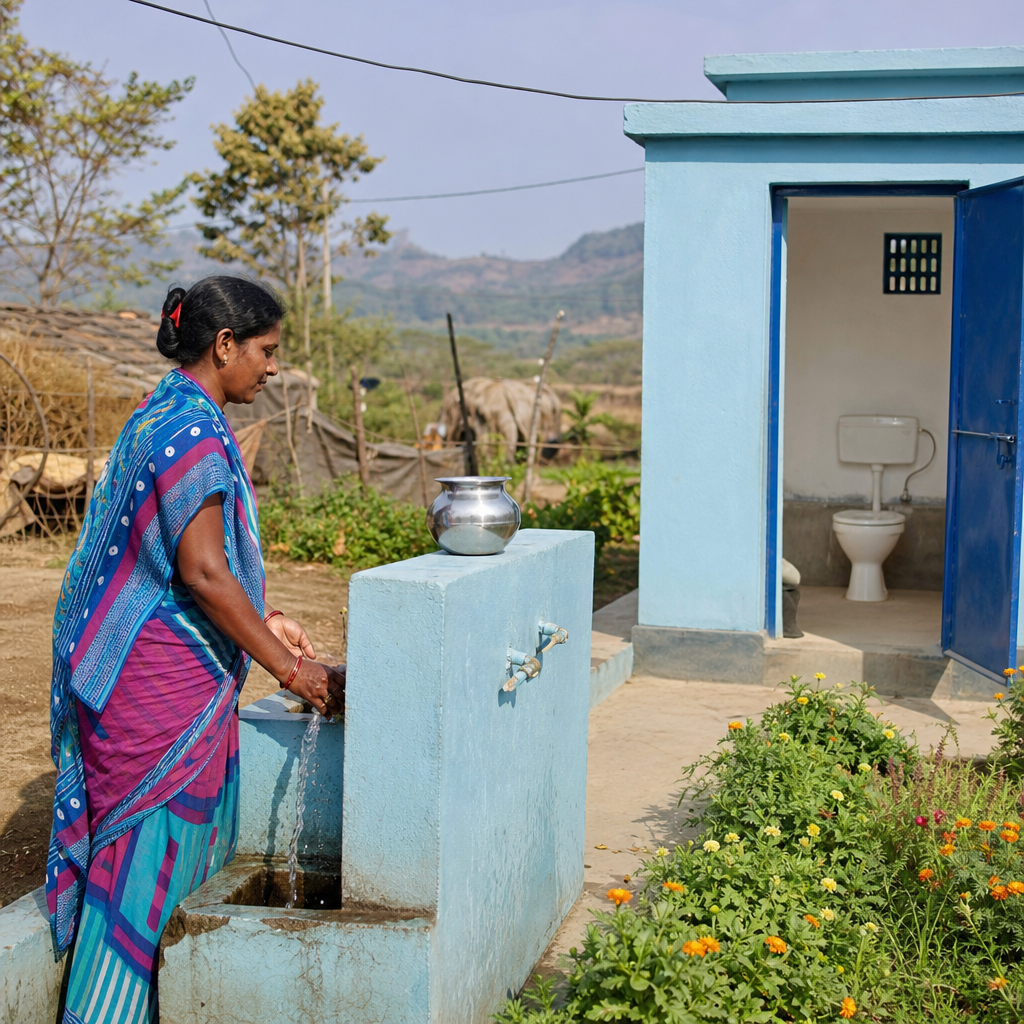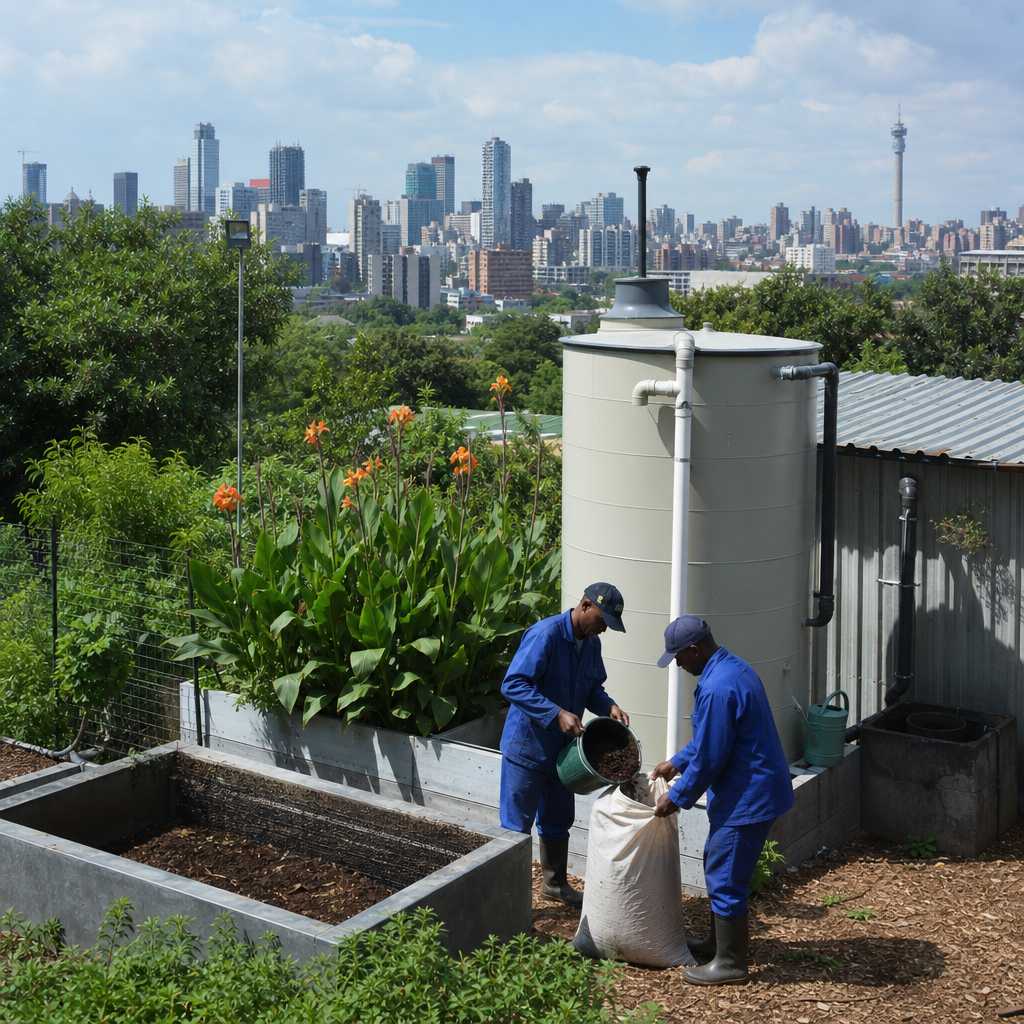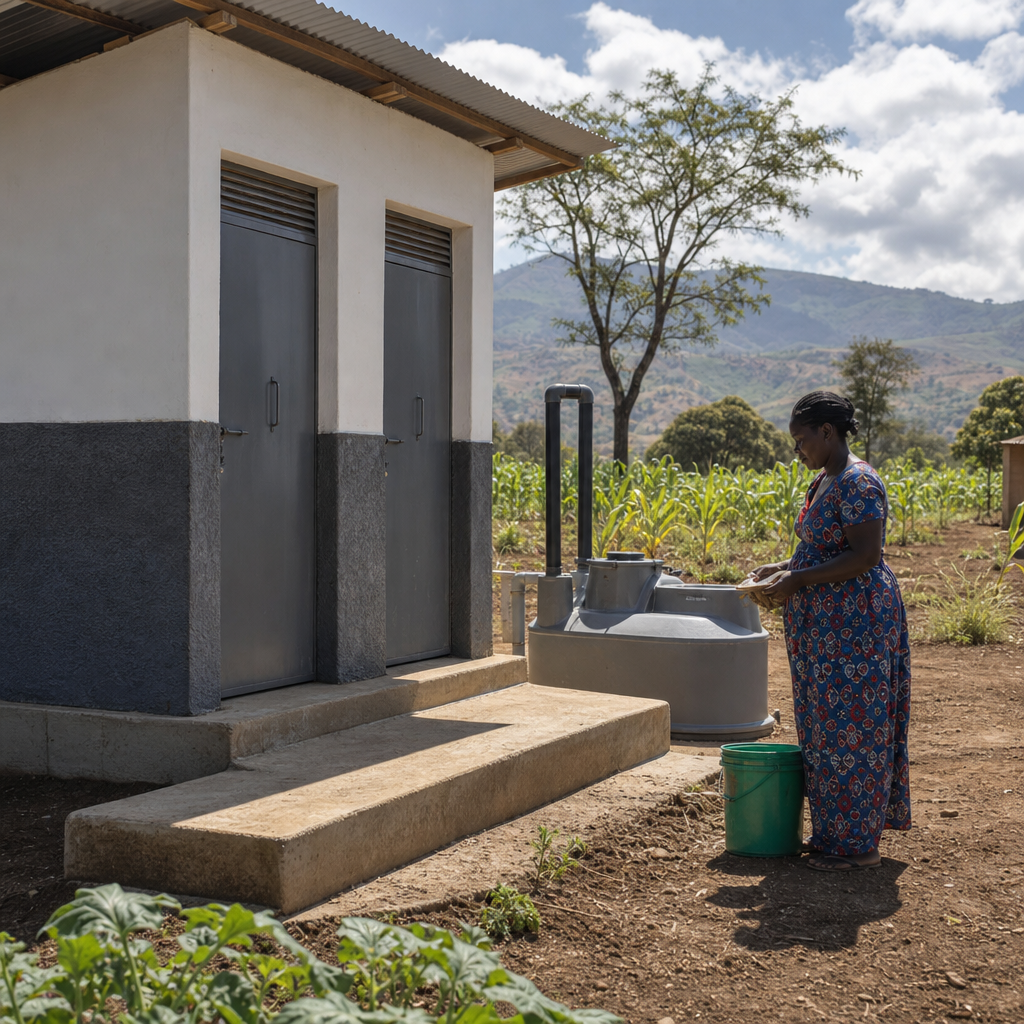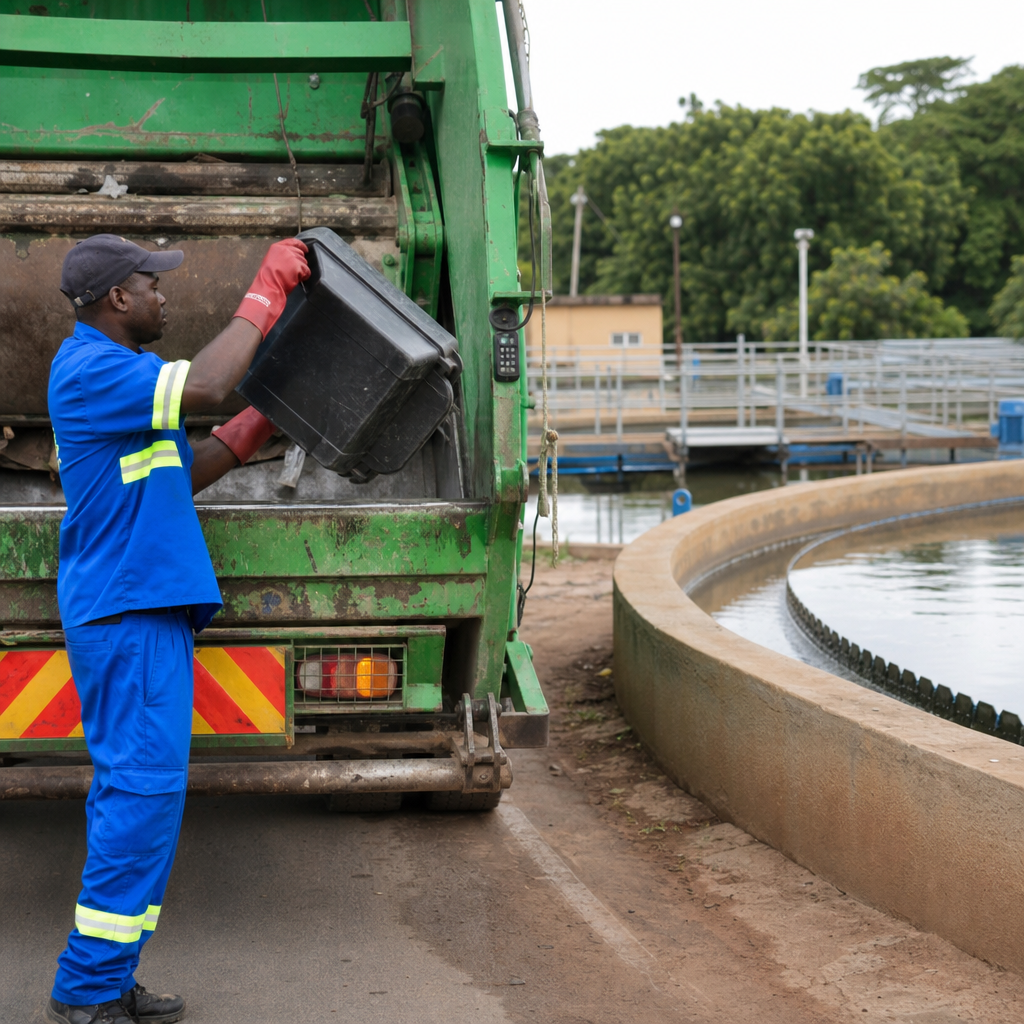
Cost recovery strategies in sanitation determine whether toilets, fecal sludge services, wastewater systems, and resource recovery facilities survive beyond donor funding and deliver reliable public health outcomes. In the EcoSan context, cost recovery means designing revenue streams that pay for at least operation and maintenance, and sometimes debt service, depreciation, and future expansion, by capturing value from user fees, public transfers, and recovered products such as compost, biogas, treated water, and nutrients. I have worked on sanitation business cases where the technical design looked sound on paper but failed because tariffs ignored collection costs, emptying cycles, and customer willingness to pay. That experience makes one lesson clear: financing and investing in EcoSan is not only about raising capital for construction; it is about aligning technology choice, service model, regulation, and cash flow over the asset life. This matters because sanitation systems create large social benefits that markets alone rarely fund, yet they also contain monetizable outputs that are often undervalued. A strong cost recovery strategy helps utilities, municipalities, social enterprises, and investors judge what must be subsidized, what can be financed, and what can realistically be earned back from service users and by-product markets.
EcoSan, short for ecological sanitation, treats human waste as a resource flow rather than a disposal problem. Common EcoSan models include urine-diverting dry toilets, container-based sanitation, decentralized wastewater treatment, black soldier fly processing of organics, and co-composting or anaerobic digestion linked to fecal sludge management. Financing these systems requires a hub view because each link in the chain has different economics. Households may invest in toilets; operators may finance collection vehicles; municipalities may fund transfer stations; farmers may purchase soil amendments only if quality standards and logistics work in practice. The result is a blended finance landscape where grants, public budgets, microfinance, concessional loans, commercial debt, carbon finance, and internal cash generation all play distinct roles. For anyone planning EcoSan programs, the central question is simple: which costs can be recovered from which beneficiaries, over what period, and with what level of risk?
The Cost Structure Behind EcoSan Investments
A credible sanitation finance plan starts with full cost mapping. In practice, I break costs into capital expenditure, routine operating expenditure, major maintenance, compliance, customer acquisition, and replacement reserves. Capital expenditure includes toilets, decentralized treatment units, drying beds, digesters, transfer stations, and vehicles. Operating expenditure covers labor, fuel, bulking agents, personal protective equipment, testing, billing, and sludge hauling. Major maintenance includes pump replacement, liner repairs, and container refurbishment. Compliance costs can be substantial where environmental monitoring, licensing, and occupational safety rules are enforced. If these categories are not visible, operators underprice services and municipalities misjudge subsidy needs.
Life-cycle costing is especially important in EcoSan because lower water use or smaller sewers can reduce one cost center while increasing another. A urine-diverting toilet may reduce wastewater load, but it can add collection frequency, user training, and outlet market development for recovered nutrients. Container-based sanitation can improve service quality in dense informal settlements, yet its economics depend heavily on route density and transfer logistics. Decentralized wastewater treatment can avoid large trunk infrastructure, but small plants often require disciplined operations to maintain effluent quality. Full cost accounting prevents false economies and supports investment decisions that hold up after pilot conditions end.
Who Pays: Users, Taxpayers, and Beneficiaries
Sanitation rarely achieves total cost recovery from tariffs alone, and pretending otherwise usually leads to service decline. The established approach is to separate who benefits from sanitation and charge accordingly. Users benefit directly from convenience, dignity, and safer containment, so household tariffs, toilet rental fees, container subscriptions, or scheduled desludging charges are appropriate. Taxpayers benefit from public health protection, environmental quality, and cleaner neighborhoods, so municipal or national transfers should fund part of network expansion, services for low-income households, and externality-heavy parts of the chain. Third-party beneficiaries, including farmers, energy users, and industries, may pay for treated water, compost, struvite, larvae meal, or biogas when products meet quality and delivery expectations.
The practical implication is that sanitation finance works best when revenue responsibilities are allocated intentionally. A city may recover toilet construction costs partly through household contribution, cover emptying subsidies from public funds, and support treatment plant debt through utility revenues. Cross-subsidies can also help. Water utilities in several countries use water bill surcharges to support sanitation, though this approach must be designed carefully where many poor households are unconnected. In dense low-income settlements, landlords may be the effective payer because tenants lack incentive or authority to invest in shared facilities. Matching the payer to the decision maker is one of the most important, and most overlooked, cost recovery principles.
Choosing the Right Financing Mix for EcoSan
Different financing instruments serve different purposes. Grants are best for public goods, early-stage innovation, technical assistance, and capital costs that cannot be recovered from users without excluding the poor. Concessional debt fits stable, predictable cash flows such as utility-backed treatment investments or citywide desludging services with ring-fenced revenues. Commercial debt works only when operators have proven collections, enforceable contracts, and enough margin to absorb interest rate risk. Microfinance and pay-as-you-go models can help households buy toilets, storage tanks, or connection upgrades. Equity is useful for growth-stage private operators, but investors will expect clear unit economics, expansion potential, and governance discipline.
Blended finance often provides the bridge between sanitation impact and investor requirements. For example, a fecal sludge treatment and composting facility may receive a capital grant for site development, concessional debt for equipment, and working capital from a local bank backed by a partial credit guarantee. The operator then earns revenue from tipping fees, municipal service payments, and compost sales. This structure recognizes a hard truth from real projects: socially valuable sanitation assets are investable only when risk is distributed to the parties best able to bear it. Public entities absorb policy and affordability risk better than private lenders; private operators manage performance and cost control better than most municipal departments.
| Financing source | Best use in EcoSan | Main advantage | Main limitation |
|---|---|---|---|
| Grant funding | Pilots, pro-poor access, public health externalities, early market building | Lowers affordability barriers | Can weaken operational discipline if overused |
| Concessional loans | Treatment plants, fleet, transfer infrastructure, utility programs | Long tenors match asset life | Still needs dependable cash flow |
| Commercial debt | Mature operators with contracts and strong collections | Scales faster where markets are functioning | Higher interest and stricter covenants |
| Microfinance | Household toilets, upgrades, small enterprise equipment | Expands customer purchasing power | Ticket sizes are small and administration costs are high |
| Equity capital | Private sanitation startups and regional expansion | Absorbs early volatility | Investors demand growth and governance quality |
Tariff Design and Service-Based Revenue Models
Tariff design is where sanitation plans become financially real. In EcoSan, the tariff question is not just “how much should users pay?” but “for which service, billed in which way, at what frequency, with what enforcement?” Flat monthly subscriptions can work well for container-based sanitation because they align with regular collection. Scheduled desludging charges spread over monthly bills reduce the shock of one-time emptying fees and improve uptake. For public toilets, per-use pricing is simple but often underfunds cleaning unless footfall is high; management contracts or advertising income may need to complement user charges. In decentralized wastewater systems, a fixed charge plus a volumetric component can reflect both availability and usage where metering exists.
Affordability must be tested empirically. Benchmarking against household expenditure is useful, but willingness to pay depends strongly on service quality, reliability, and perceived status. I have seen households reject a low-priced desludging offer because they did not trust the operator to arrive, yet accept a higher subscription from a provider with visible customer support and predictable service windows. Good tariff policy therefore combines financial modeling with customer research, arrears management, and clear service standards. Indexation also matters. Fuel, labor, and consumables rise over time; sanitation tariffs that remain politically frozen for years create hidden deficits that eventually surface as breakdowns, informal dumping, or emergency bailouts.
Monetizing Resource Recovery Without Overestimating It
Resource recovery is central to EcoSan, but it should be treated as a supplementary revenue stream unless market evidence proves otherwise. Compost, co-compost, dried biosolids, urine-based fertilizers, biogas, electricity, treated effluent, and insect protein can all generate value. However, the product business has its own cost structure: testing, packaging, drying, certification, storage, transport, agronomic extension, and seasonal demand smoothing. In many business plans, these costs are understated while expected sales prices are optimistic. The result is an attractive slide deck and a weak operating company.
The strongest resource recovery models start with a real buyer problem. Farmers may purchase compost when soil organic matter is low and synthetic fertilizer prices are volatile. Utilities or institutions may buy treated water where freshwater scarcity is acute. Biogas may work near a dependable off-taker such as a food processor, school kitchen, or small power application. Nutrient products become more bankable when aligned with standards and trial data. For example, struvite recovery can be compelling in concentrated wastewater streams, but the economics depend on magnesium input cost, reactor performance, and a local market that understands the product. Resource recovery improves cost recovery when linked to logistics, quality assurance, and agronomic or energy demand, not when treated as a generic sustainability bonus.
Risk Allocation, Contracts, and Investor Confidence
Investors back sanitation when risks are identified, allocated, and monitored. The main risks in EcoSan include demand risk, payment risk, feedstock variability, technology underperformance, regulatory delay, land tenure uncertainty, and product market volatility. Well-structured contracts reduce these risks. Output-based aid can reimburse verified service delivery. Public service contracts can guarantee a minimum payment for safe collection and treatment, while leaving operators accountable for efficiency. Take-or-pay agreements with municipalities or institutional customers can support debt financing for treatment assets. Where by-product sales matter, framework agreements with farmer cooperatives or industrial users create confidence that inventory will move.
Measurement is equally important. Lenders and public funders need operational indicators such as collection volumes, on-time service rates, treatment compliance, customer retention, and cash collection efficiency. Development finance institutions increasingly expect environmental and social management systems, occupational health protocols, and climate resilience planning. That is not bureaucracy for its own sake. In sanitation, one compliance failure can close a facility, trigger community opposition, or destroy product credibility. Good governance, audited accounts, and transparent procurement lower financing cost because they reduce uncertainty. In other words, cost recovery is not only an arithmetic problem; it is a credibility problem.
Building Bankable EcoSan Programs at City Scale
Citywide sanitation requires aggregation. A single toilet project rarely attracts serious finance, but a municipal EcoSan program that bundles household access, scheduled emptying, transfer infrastructure, treatment, and reuse can. The hub approach under financing and investing in EcoSan is to connect project preparation, tariff policy, public finance, operator development, and end-market creation into one pipeline. Cities should begin with service mapping, demand segmentation, and fecal waste flow analysis, then identify where capital grants are justified and where cash-generating services can support borrowing. Tools from the World Bank, the Citywide Inclusive Sanitation framework, and utility financial models help turn fragmented pilots into investment-grade programs.
The most durable strategy is mixed cost recovery: recover routine operating costs as far as possible through dependable service revenues, fund externality-heavy and pro-poor components through public transfers, and treat recovered products as margin enhancers rather than the entire business case. For organizations building this subtopic, every detailed article should connect back to that principle, whether the focus is household toilet finance, results-based funding, carbon revenues, PPP structuring, or compost market development. Cost recovery strategies in sanitation succeed when they are realistic, transparent, and matched to local institutions. Start with full life-cycle costs, assign each cost to the right payer, test willingness to pay, and structure finance around proven demand. That is how EcoSan moves from promising concept to investable, scalable service.
Frequently Asked Questions
What does cost recovery mean in sanitation, and why is it so important?
In sanitation, cost recovery refers to the ability of a service provider, municipality, utility, enterprise, or community-based operator to generate enough predictable income to cover the real costs of delivering safe and reliable sanitation services. Those costs often include day-to-day operation and maintenance, staff time, fuel, transport, treatment, repairs, compliance, administration, and customer support. In stronger models, cost recovery may also extend to debt service, asset replacement, depreciation, and future system expansion. This matters because toilets, fecal sludge emptying, wastewater treatment plants, sewer networks, and resource recovery facilities do not remain functional simply because they were built. They need continuous financing to keep working safely and consistently.
The reason cost recovery is so important is that sanitation failures create direct public health, environmental, and economic consequences. When operators cannot recover enough revenue, desludging becomes irregular, pumps and vehicles break down, treatment standards slip, and waste may be dumped unsafely. That undermines disease prevention, contaminates water sources, and erodes public trust. In the EcoSan context, cost recovery is especially relevant because systems are often designed not only to contain and treat waste, but also to recover value from it through compost, biogas, nutrients, reclaimed water, or other by-products. A sound cost recovery strategy connects these value streams to the long-term viability of the service, reducing dependence on short-term grants or donor projects.
Importantly, cost recovery does not always mean that households must pay the full cost through tariffs alone. Sanitation is a public good with broad health and environmental benefits, so many successful systems blend user fees with public transfers, cross-subsidies, taxes, performance-based subsidies, and revenue from recovered products. The goal is not simply to maximize charges to users, but to create a financing structure that is fair, realistic, and sufficient to keep services running over time.
What are the main revenue sources used in sanitation cost recovery strategies?
Most effective sanitation cost recovery models rely on a mix of revenue sources rather than a single stream. The first and most familiar source is user fees. These can include monthly sanitation tariffs, pay-per-use public toilet fees, scheduled desludging charges, sewerage bills, wastewater treatment fees, or service contracts with institutions such as schools, markets, apartment blocks, and commercial properties. User fees are valuable because they create a direct link between service delivery and income, but on their own they are often not enough to fully fund safe sanitation, especially in low-income or low-density settings.
A second major source is public funding, including local government transfers, national budget allocations, sanitation levies, environmental funds, or targeted subsidies. Public financing is often essential because sanitation generates benefits beyond the individual user. Reduced disease transmission, cleaner neighborhoods, safer groundwater, and improved dignity all produce social returns that justify public support. In many cities, public funding is used to cover capital expenditure, support service delivery in low-income areas, or close the gap between affordable tariffs and the true cost of operation.
A third source is revenue from recovered products and by-products. In EcoSan and circular sanitation approaches, operators may sell compost, soil conditioner, treated biosolids, biogas, electricity, black soldier fly larvae products, recovered nutrients, or reclaimed water for agriculture or industry. These revenue streams can strengthen cost recovery, especially when product quality is reliable and markets are well understood. However, they should usually be treated as complementary rather than guaranteed, because markets for recovered products can fluctuate and often require investment in processing, certification, packaging, transport, and sales relationships.
Additional sources may include connection fees, emptying service subscriptions, tipping fees at treatment facilities, carbon finance, donor-funded transition support, and cross-subsidies from water services or higher-income users. The strongest cost recovery strategies map all potential sources, estimate their stability, and then build a diversified revenue model that reduces risk while keeping services affordable and compliant with health standards.
How can sanitation services recover costs while still remaining affordable for low-income households?
Affordability is one of the central challenges in sanitation finance, and it is where many cost recovery strategies succeed or fail. A well-designed system recognizes that full cost recovery from the poorest households is often unrealistic and, in many cases, undesirable from a public health perspective. If prices are set too high, households may delay pit emptying, avoid using safe toilets, connect illegally, or dispose of waste unsafely. That creates larger social costs later. The practical objective is therefore to recover costs in a way that protects access, encourages safe behavior, and preserves financial sustainability.
One common approach is targeted subsidy design. Instead of underpricing services for everyone, public authorities can direct subsidies to specific groups, neighborhoods, service types, or parts of the value chain. For example, the government may cover part of the treatment cost, support emptying for informal settlements, or finance capital investments while operators recover operation and maintenance through tariffs. Lifeline tariffs, social tariffs, voucher systems, and results-based payments can also help make services affordable without undermining the provider’s cash flow.
Another useful strategy is to improve payment structure rather than simply lowering prices. Small, regular payments are often more manageable for households than infrequent lump-sum fees. A sanitation surcharge added to a monthly utility bill, a prepaid desludging savings plan, a landlord service agreement, or a subscription model for scheduled fecal sludge emptying can significantly improve both affordability and collection rates. These mechanisms spread costs over time and reduce the shock of emergency service charges.
Affordability also improves when operators reduce inefficiencies. Better route planning, scheduled emptying, co-treatment arrangements, preventive maintenance, digital billing, and higher facility utilization can lower unit costs. Resource recovery may create supplementary income that allows lower net fees to users. In short, affordability and cost recovery are not opposites. With smart tariff design, targeted public support, and efficient operations, sanitation systems can protect vulnerable households while still generating the income needed to keep services safe and reliable.
Can resource recovery from sanitation actually make systems financially sustainable?
Resource recovery can make a meaningful contribution to financial sustainability, but it rarely works as a simple standalone solution. In principle, sanitation systems contain recoverable value in the form of nutrients, organic matter, energy, and water. EcoSan approaches are built around the idea that human waste should not be viewed only as a disposal problem, but also as a potential resource stream. Compost, treated biosolids, urine-derived fertilizers, biogas, briquettes, insect protein inputs, and reclaimed water can all generate economic value if they are processed safely and sold into appropriate markets.
That said, the financial success of resource recovery depends on several conditions. First, there must be consistent product quality and safety. Buyers will not purchase compost, fertilizer products, or reclaimed water at scale unless they trust the standards. Second, there must be a real market with identifiable customers, workable pricing, and acceptable transport distances. Third, the operator must understand the full cost of production, including drying, curing, testing, storage, packaging, marketing, and distribution. In many cases, the technical ability to recover a product exists, but the commercial systems needed to sell it profitably are underdeveloped.
For this reason, recovered products should usually be integrated into a broader business model rather than expected to cover all sanitation costs on their own. They may help offset operation and maintenance expenses, improve cash flow, or support treatment facility viability. In some settings, they can be especially powerful when linked to agriculture, commercial landscaping, energy use in institutions, or industrial water reuse. But resource recovery should be evaluated with the same discipline as any business line: market testing, product positioning, regulatory compliance, customer education, and careful financial analysis are essential.
The most realistic conclusion is that resource recovery can strengthen cost recovery, improve resilience, and make sanitation systems more circular and environmentally beneficial. However, it works best when paired with dependable core revenues such as user charges and public transfers. It is a strategic enhancer of sustainability, not a guaranteed replacement for sound sanitation financing.
What are the most effective steps for building a strong sanitation cost recovery strategy?
Building a strong sanitation cost recovery strategy starts with understanding the full service chain and its actual costs. That means going beyond construction budgets to calculate expenditure across containment, collection, transport, treatment, disposal, reuse, administration, regulation, customer engagement, and asset replacement. Many sanitation systems appear affordable at first because capital costs were donor funded, but then struggle because recurring expenses were underestimated or not assigned to any reliable funding source. A realistic cost baseline is the foundation of every good recovery plan.
The next step is to segment the service and identify who benefits, who can pay, and who should subsidize. Households, landlords, businesses, institutions, farmers, local governments, and society at large all derive value from sanitation in different ways. That makes it possible to design blended financing models. For example, households may pay for regular service access, municipalities may support treatment because of environmental and public health benefits, and agricultural buyers may pay for compost or treated effluent. Effective strategies align each part of the service chain with the most appropriate revenue source instead of trying to force one tariff to carry the entire burden.
From there, operators and policymakers should focus on tariff design, collection systems, and operational efficiency. Tariffs need to