Sustainable sanitation is not only a public health intervention; it is a productive economic system that can raise incomes, reduce municipal costs, strengthen agriculture, and support resilient local development. In practice, sustainable sanitation means sanitation services that safely manage human waste while protecting water, recovering resources, and remaining affordable over time. EcoSan, short for ecological sanitation, applies that idea by treating urine, feces, and organic wastewater as resources that can be reused as nutrients, water, energy, or soil amendments. Economic sustainability in EcoSan is the ability of those systems to deliver lasting value without depending on endless subsidies, failing after installation, or shifting hidden costs to households, farms, or local governments.
This matters because sanitation failures are expensive in ways budgets often miss. Communities pay through disease, lost workdays, school absence, polluted water, degraded land, and rising treatment costs downstream. I have seen projects that looked cheap at construction become financially harmful within three years because pit emptying, replacement parts, and sludge transport were never priced realistically. I have also seen well-designed EcoSan systems create steady local jobs in toilet construction, collection logistics, composting, and input supply for nearby farmers. When decision makers evaluate sanitation as economic infrastructure rather than a narrow social expense, the case changes quickly.
For a hub page under economic aspects, the central question is straightforward: how does EcoSan create, preserve, and circulate value locally and regionally? The answer rests on lifecycle costing, resource recovery, market design, financing, governance, and adoption. A system is economically sustainable when households can use it consistently, service providers can maintain it profitably, municipalities can regulate it without fiscal strain, and recovered outputs have dependable demand. That requires realistic pricing, standards-based treatment, and business models that fit local purchasing power. Done well, sustainable sanitation becomes a driver of inclusive growth because it converts sanitation spending into local enterprise, healthier labor, stronger farms, and lower environmental liabilities.
Why sanitation economics must be measured across the full value chain
Economic analysis of sanitation often fails because it stops at capital expenditure. A toilet slab or urine-diverting unit is visible and easy to price, but the durable economics sit in the entire chain: user behavior, collection, conveyance, treatment, quality control, product certification where applicable, distribution, and end use. The accepted lens is lifecycle costing, which includes capital expenditure, operating expenditure, maintenance, major repairs, replacement, financing costs, and regulation. In my work reviewing decentralized sanitation plans, the biggest source of error has been underestimating operating costs and overestimating how much unpaid household labor can substitute for professional service.
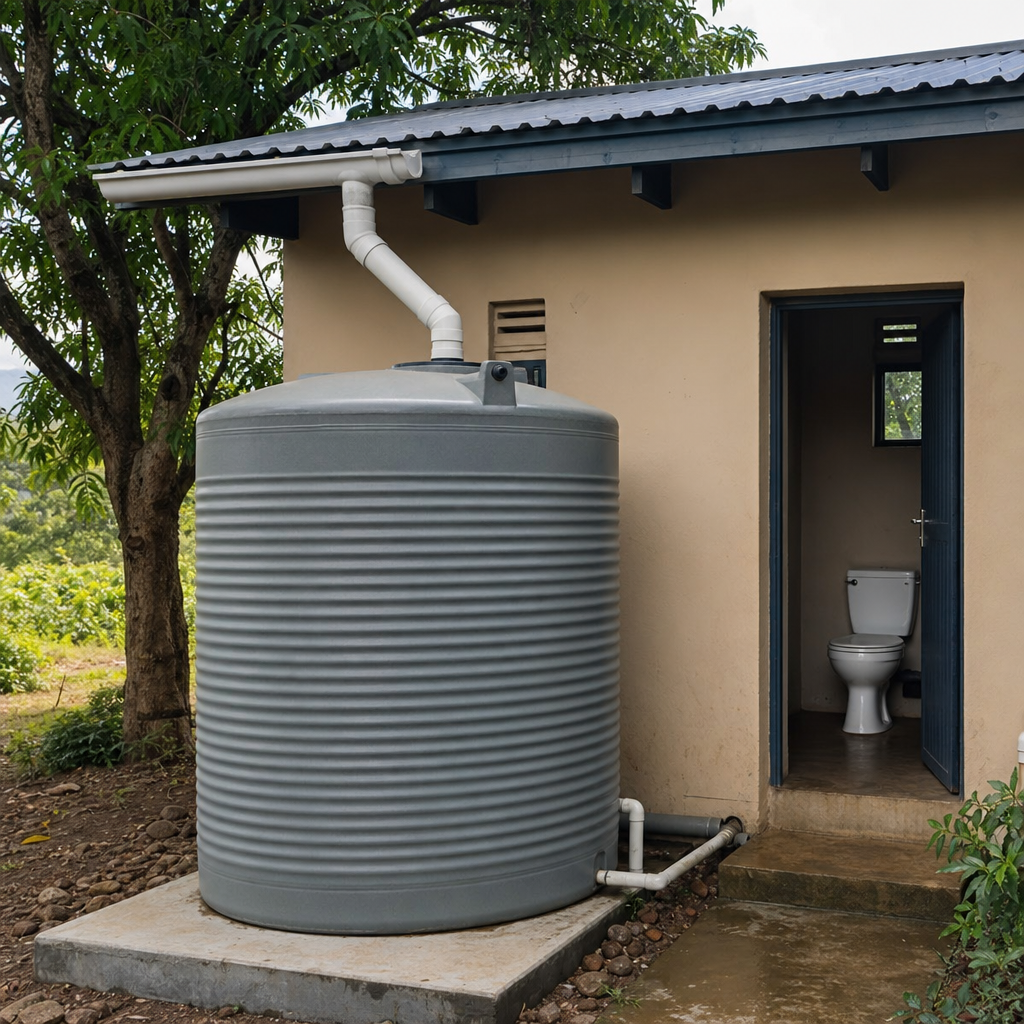
For EcoSan, the value chain is broader because resource recovery adds both costs and revenue opportunities. A urine-diverting dry toilet may reduce water demand and avoid sewer extension costs, but it also requires reliable separation, storage, and user training. Composting or dehydration systems may create saleable soil amendments, yet they need time, safe handling, moisture control, and market trust. Regional growth emerges when these linked activities become organized microenterprises rather than one-off pilot tasks. Masons, container suppliers, transporters, treatment operators, retailers, and agricultural users all participate. Each step needs margins, standards, and demand forecasts, or the chain stalls.
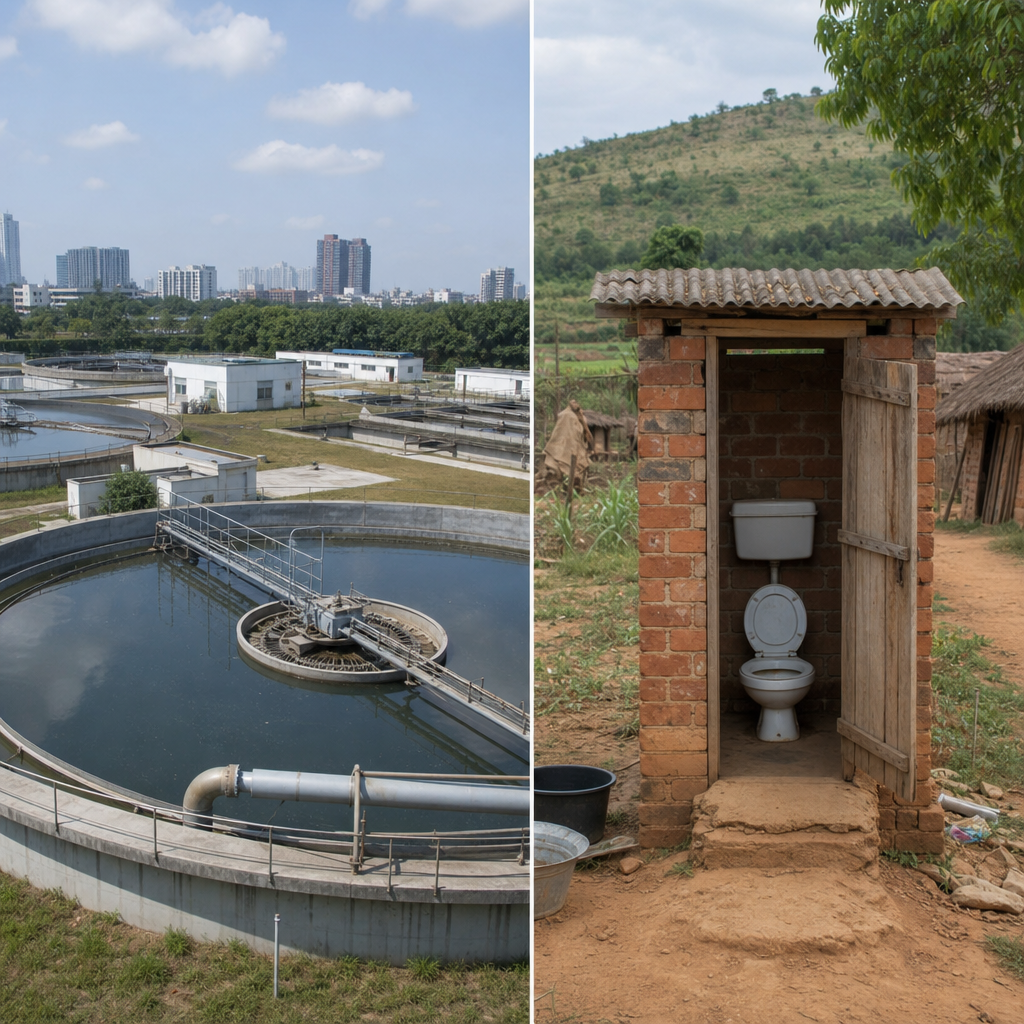
The clearest economic comparison is not EcoSan versus no spending; it is EcoSan versus the real alternative in a place. In dense informal settlements, the alternative may be unsafe pits, expensive emptying, and drainage pollution. In peri-urban areas, it may be septic tanks that leak and require irregular desludging. In water-stressed towns, it may be flush systems that impose unaffordable network and energy costs. Comparing these options requires service-level benchmarks, not ideology. The lowest-cost sustainable option is the one that safely delivers the required sanitation outcome at the lowest lifecycle cost while protecting environmental assets and producing usable outputs.
How EcoSan creates local jobs, enterprises, and market linkages
Sustainable sanitation supports economic growth because it generates employment across construction, operations, maintenance, transport, treatment, and reuse. Toilet installation alone creates demand for masons, plumbers, carpenters, and local material suppliers. More important for long-term growth, ongoing service models create recurring income. Container-based sanitation, scheduled urine collection, compost site operations, and fecal sludge treatment all require staff, route planning, equipment maintenance, and customer service. These are not hypothetical positions; they are the practical roles that keep systems functioning after donor visibility fades.
Local enterprise development becomes stronger when municipalities and development partners stop treating sanitation entrepreneurs as peripheral. In several projects I have assessed, enterprises failed not because there was no demand, but because contracts were too short, tariffs were politically frozen, or treatment permits were delayed. Small operators can thrive when service zones are clear, performance metrics are transparent, and payment systems are predictable. Digital billing tools, mobile money, and route optimization apps have reduced collection losses and improved fleet productivity in many African and Asian sanitation markets. Even a two-person enterprise can become viable when churn is low and treatment access is guaranteed.
Resource recovery links sanitation to agriculture, landscaping, forestry, and energy markets. Properly processed compost can improve soil structure and water retention. Stored urine can provide nitrogen and potassium, especially where synthetic fertilizer prices are volatile. Black soldier fly systems, where appropriate and well-managed, can convert certain organic waste streams into protein and frass, though they require tighter process control than basic composting. The economic point is not that every recovered product commands a premium price. It is that sanitation systems can offset disposal costs, reduce imported input dependence, and support regional circularity when outputs meet user needs consistently.
| EcoSan value chain activity | Primary local economic effect | Typical condition for viability |
|---|---|---|
| Toilet construction and retrofitting | Jobs for masons and suppliers | Standardized designs and accessible finance |
| Collection and transport | Recurring service income | Dense routes, predictable tariffs, transfer points |
| Treatment and storage | Skilled operations employment | Land access, permits, process monitoring |
| Compost or nutrient product sales | Agricultural input substitution | Quality assurance and buyer trust |
| Maintenance and spare parts | Small business resilience | Local inventories and trained technicians |
Cost recovery, pricing, and financing models that actually work
The most common question from planners is whether EcoSan can pay for itself. The honest answer is that full cost recovery from user fees alone is possible in some segments but not universal. Sanitation has public-good characteristics, so expecting every household tariff to cover capital, operations, and regulatory oversight is unrealistic in low-income settings. Economically sustainable systems usually combine household payments, municipal support, cross-subsidies, targeted capital grants, and revenue from recovered products. The objective is not ideological self-financing; it is durable service without chronic breakdowns or fiscal shocks.
Tariff design matters. Flat monthly fees are simple but can be regressive if they ignore income volatility. Pay-per-empty models often encourage delayed service and unsafe disposal. Subscription models with scheduled service tend to support better maintenance and cash flow, especially in dense settlements. Where mobile payments are common, even small weekly collections can outperform larger quarterly bills. I have repeatedly found that customers accept sanitation payments more readily when the service promise is concrete: fixed collection days, hotline support, visible cleanliness standards, and no surprise charges for transport or handling.
Financing the initial asset is a separate challenge. Microfinance can help households purchase urine-diverting toilets or upgrade containment, but repayment only works when the system reduces other costs or provides convenience valued by users. Results-based financing can improve provider performance if indicators focus on sustained use and safe treatment, not just installations. Municipalities can support viability through output-based subsidies, concessional land leases for treatment sites, or partial guarantees for enterprise equipment. Development banks and climate funds are increasingly relevant when sanitation projects also reduce methane emissions, protect aquifers, or improve drought resilience by saving water.
Recovered products rarely carry the entire business case, and planning should not depend on optimistic fertilizer sales. Product revenues are strongest when they complement service fees rather than replace them. Compost pricing, for example, is constrained by transport costs and nutrient concentration. Buyers compare it with manure, synthetic fertilizers, and free residues. Strong models therefore keep processing close to demand, target crops that benefit from organic matter, and build sales through demonstrations rather than claims. Economic sustainability improves when revenue streams are layered sensibly and each one is conservative on paper.
Public health, environmental protection, and productivity gains
The economic value of sustainable sanitation is much larger than enterprise revenue because healthier environments raise productivity across the whole economy. Reduced exposure to pathogens lowers diarrheal disease, helminth infection, and healthcare expenses. Cleaner neighborhoods improve attendance at work and school. Women and girls gain time and safety when facilities are private, accessible, and near home. These benefits are sometimes described as externalities, but for local economies they are direct drivers of labor quality and household stability. Lost time from illness or caregiving is a real economic drain, especially in communities where income depends on daily work.
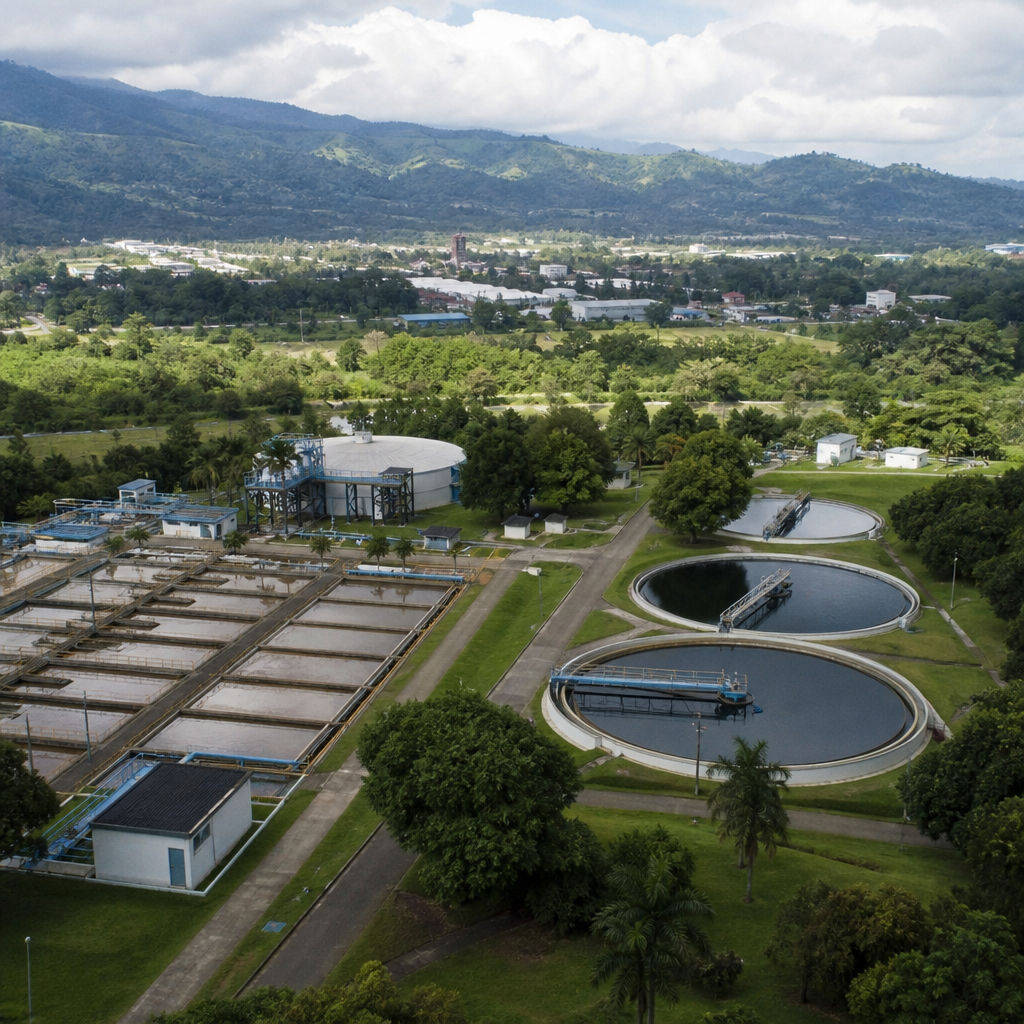
Environmental protection also has measurable economic effects. Where groundwater is shallow, poorly managed pits and septic systems can contaminate drinking sources, forcing households or utilities to spend more on treatment and alternative supply. Where wastewater enters drains and rivers untreated, downstream irrigation, fisheries, and tourism can suffer. EcoSan reduces these liabilities when systems are correctly designed and monitored. Urine diversion lowers pathogen load in some streams, dry systems reduce water use, and controlled treatment limits uncontrolled emissions and leakage. The financial benefit appears as avoided costs: fewer outbreaks, less remediation, lower water demand, and reduced infrastructure stress.
Agriculture is often where regional gains become visible. Soils depleted by erosion or repeated chemical inputs can benefit from stable organic matter additions, and nutrient recovery can buffer farmers from fertilizer price spikes. The gains are not automatic. Farmers need products with known quality, safe handling guidance, and evidence from local plots. But where extension services, cooperatives, or lead farmers are engaged, adoption can be practical and persistent. I have seen compost linked to municipal greening programs and peri-urban vegetable producers, creating a nearby demand base that reduced transport costs and improved acceptance.
Barriers, tradeoffs, and the policies that unlock growth
Economic sustainability in EcoSan depends as much on governance as on engineering. The biggest barriers are inconsistent regulation, weak enforcement, land constraints for treatment, social stigma, and fragmented responsibilities across health, water, agriculture, and urban planning departments. If product standards are unclear, buyers hesitate. If transport permits are cumbersome, collection costs rise. If municipalities approve toilets but ignore service chains, systems fail after filling or misuse. Good policy aligns incentives from household to end market.
Standards and monitoring are especially important. The World Health Organization guidelines on sanitation and safe use of wastewater and excreta provide a risk-based foundation, but local adaptation is essential. Treatment targets, storage times, pathogen reduction methods, and product labeling should be explicit. Quality assurance is what turns a recovered material from a stigma-laden waste into a trusted input. Without it, one contamination incident can damage the entire market. This is why serious EcoSan programs invest in operator training, recordkeeping, sampling protocols, and communication with agricultural users.
There are also tradeoffs that planners should acknowledge. Dry systems can save water and lower network costs, but they demand stronger user engagement than a flush-and-forget model. Decentralized treatment can reduce conveyance expense, but economies of scale may be weaker if facilities are too small or poorly sited. Composting can produce useful soil amendments, yet nutrient losses occur if processes are badly managed. In some dense urban settings, container-based services may outperform onsite reuse because land and user time are constrained. The right answer is context specific, but the decision process should always be disciplined: compare lifecycle costs, health outcomes, environmental risk, and market readiness.
Policies that unlock growth are practical rather than abstract. Municipal sanitation plans should include non-sewered systems explicitly, with service standards, licensing pathways, and budget lines. Public procurement can create stable demand for recovered compost in parks, roadside planting, and land restoration. Agricultural extension can test products on local crops and publish results. Training institutes can certify masons and operators. Data systems can track service coverage, emptying frequency, treatment performance, and product sales. When these pieces work together, sanitation stops being a neglected expense and becomes part of local economic strategy.
Building a durable economic hub around sustainable sanitation
As a hub topic within economic aspects, Economic Sustainability in EcoSan connects several deeper themes: lifecycle costing, sanitation finance, circular economy models, fecal sludge management, resource recovery markets, agricultural reuse, decentralized infrastructure, climate resilience, and municipal governance. The practical lesson is simple. Sustainable sanitation drives local and regional economic growth when it is planned as a complete service economy, not just as toilet hardware. The strongest systems combine reliable user experience, disciplined operations, realistic pricing, quality-controlled recovery, and policies that let enterprises invest with confidence.
Decision makers should start with a clear baseline: current sanitation costs, health impacts, water stress, agricultural input needs, and municipal service gaps. From there, compare options using full lifecycle costing and realistic adoption assumptions. Identify who pays, who benefits, who operates, and who regulates at each point in the chain. Build small pilots only if they are designed to test tariffs, service intervals, treatment quality, and market demand, not merely technology acceptance. Then scale the models that prove financially and operationally stable. That approach protects public funds and improves investor confidence.
The main benefit of EcoSan is not a single product or technology. It is the ability to transform sanitation from a recurring liability into a managed system that protects health, recovers value, and keeps more money circulating locally. Communities gain cleaner environments, households gain safer services, farmers gain alternative inputs, and municipalities gain options that fit fiscal reality. If you are building an economic strategy for sanitation, treat EcoSan as infrastructure for productivity and enterprise development, and use this hub as the starting point for deeper analysis across the full sanitation value chain.
Frequently Asked Questions
How does sustainable sanitation contribute to local and regional economic growth?
Sustainable sanitation supports economic growth by turning what is often treated as a costly waste problem into a productive local system. When sanitation services safely collect, treat, and reuse human waste and organic wastewater, communities can reduce disease burdens, lower healthcare costs, improve worker productivity, and protect natural resources that local economies depend on. Fewer sanitation-related illnesses mean fewer missed workdays, stronger school attendance, and better long-term human capital development. At the municipal level, effective sanitation can reduce the costs associated with emergency health responses, water contamination, environmental cleanup, and overstretched drainage or sewage infrastructure.
Beyond cost savings, sustainable sanitation can create direct economic value. Resource recovery systems can generate compost, soil conditioners, irrigation water, biogas, and in some cases marketable nutrients such as nitrogen and phosphorus. These outputs can support farming, landscaping, energy production, and small local enterprises. EcoSan approaches are especially relevant because they treat urine, feces, and organic wastewater as recoverable resources rather than useless waste. That shift can stimulate circular economic activity, create jobs in collection, treatment, maintenance, transport, processing, and sales, and keep more value circulating within the region instead of being lost through pollution or expensive imported inputs.
What makes sanitation “sustainable” rather than just functional?
A sanitation system becomes sustainable when it does more than simply move waste out of sight. It must protect public health, prevent environmental contamination, remain affordable for households and institutions, and continue performing reliably over time. In practical terms, this means the full sanitation chain matters: containment, collection, transport, treatment, reuse, and safe disposal. A toilet alone is not enough if fecal sludge is later dumped into waterways, if systems are too costly to maintain, or if communities cannot manage them with available technical and financial resources.
Sustainable sanitation also accounts for water use, energy demand, land conditions, climate pressures, and opportunities for resource recovery. In many places, low-water or dry sanitation systems are more resilient than conventional sewer models, especially where water is scarce, electricity is unreliable, or centralized infrastructure is financially out of reach. EcoSan is one example of a sustainable sanitation approach because it is designed to safely recover nutrients and organic matter while reducing pollution and supporting long-term affordability. The defining idea is durability and value: the system should work consistently, fit local realities, and produce health, environmental, and economic benefits year after year.
How can EcoSan help farmers and strengthen regional agriculture?
EcoSan can strengthen agriculture by recovering nutrients and organic matter from human waste streams and returning them to the soil in safely treated forms. Farmers depend on soil fertility, moisture retention, and access to affordable inputs, yet many face rising fertilizer prices and declining soil health. Properly managed ecological sanitation systems can help address both challenges. Treated urine can provide nutrients such as nitrogen and potassium, while sanitized composted fecal matter can contribute organic material that improves soil structure, microbial activity, and water-holding capacity. This can be particularly valuable in areas where soils are degraded or where imported fertilizers are expensive or difficult to access.
The agricultural benefits are not only technical but economic. If local sanitation systems produce usable agricultural inputs, farmers may reduce spending on external fertilizers and improve crop yields over time. Better soil health can also make farms more resilient to drought and erosion, supporting more stable local food systems. At a regional level, linking sanitation and agriculture can create a circular economy in which nutrients are reused locally instead of becoming pollutants. Of course, these benefits depend on proper treatment, regulation, and user education. Safe handling standards, quality control, and community trust are essential. When implemented well, EcoSan can help sanitation services become part of an agricultural development strategy rather than a separate public works expense.
Can sustainable sanitation reduce costs for municipalities and public services?
Yes, sustainable sanitation can significantly reduce both direct and indirect costs for municipalities. Conventional sanitation failures often create expensive downstream consequences: disease outbreaks, polluted rivers and groundwater, clogged drainage systems, flooding worsened by unmanaged waste, and emergency repairs to damaged infrastructure. Municipalities also face long-term costs when untreated or poorly managed waste undermines tourism, fisheries, agriculture, or urban livability. By investing in sanitation systems that safely manage waste and reduce contamination at the source, local governments can avoid many of these recurring burdens.
Cost reduction also comes from choosing systems that fit local conditions rather than defaulting to high-cost infrastructure that is difficult to maintain. Decentralized treatment, fecal sludge management services, and EcoSan models can sometimes deliver better outcomes at lower life-cycle cost, especially in rapidly growing towns, informal settlements, peri-urban areas, and water-scarce regions. In addition, resource recovery can offset part of operational expenses through compost sales, energy generation, or reduced public spending on fertilizers for parks, landscaping, or local agricultural support programs. The strongest savings usually appear over time, as healthier communities place less pressure on health systems and cleaner environments reduce remediation costs. In that sense, sustainable sanitation is not just a service expense; it is a form of preventive economic management.
What conditions are needed for sustainable sanitation to deliver lasting economic benefits?
For sustainable sanitation to produce lasting economic gains, the system must be technically sound, socially accepted, institutionally supported, and financially viable. Technology alone is not enough. Communities need services that are easy to use, culturally appropriate, and reliable. Local governments need clear responsibilities for oversight, maintenance, and safety enforcement. Operators need training in collection, treatment, and reuse practices. Households and businesses need affordable options, and farmers or other end users need confidence that recovered products meet health and quality standards. Without these enabling conditions, even well-designed systems can underperform.
Long-term success also depends on policy alignment and market development. Regulations should support safe reuse, protect water resources, and encourage service models that are practical for local realities. Public education is critical because acceptance of reuse-based sanitation often improves when people understand the health protections and economic value involved. Financing mechanisms matter as well, including blended public investment, user fees, microfinance, private sector participation, and performance-based support for service providers. Most importantly, sanitation should be treated as part of economic planning rather than as an isolated health sector issue. When linked with agriculture, urban development, water management, climate resilience, and job creation strategies, sustainable sanitation becomes a driver of stronger local economies and more resilient regional development.