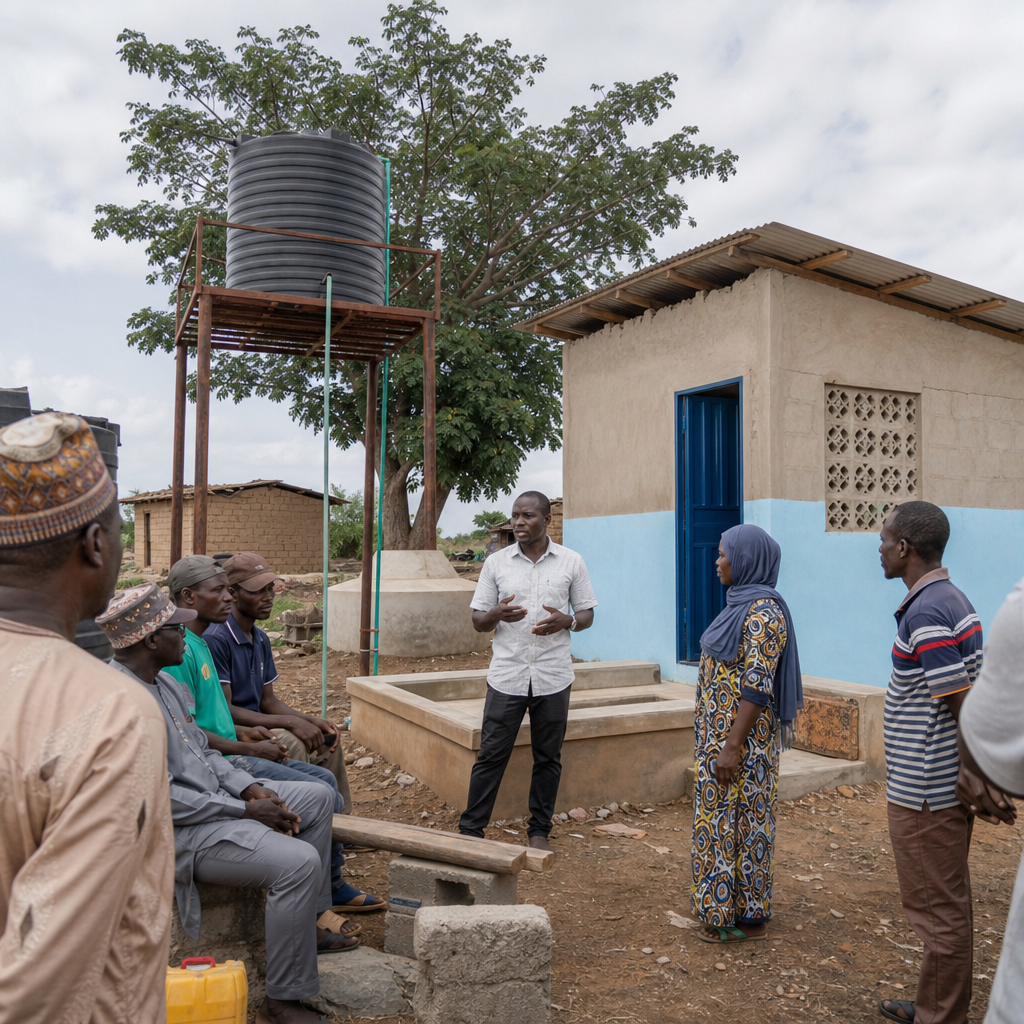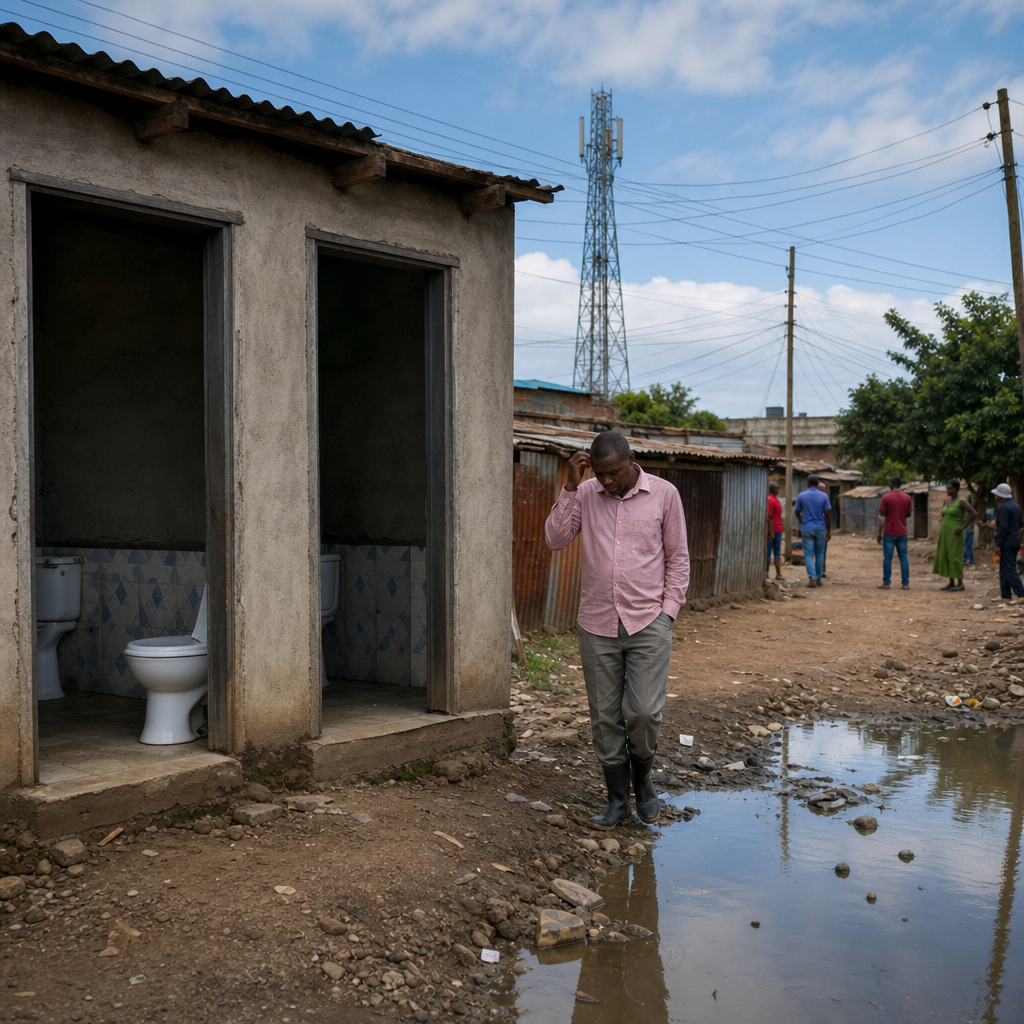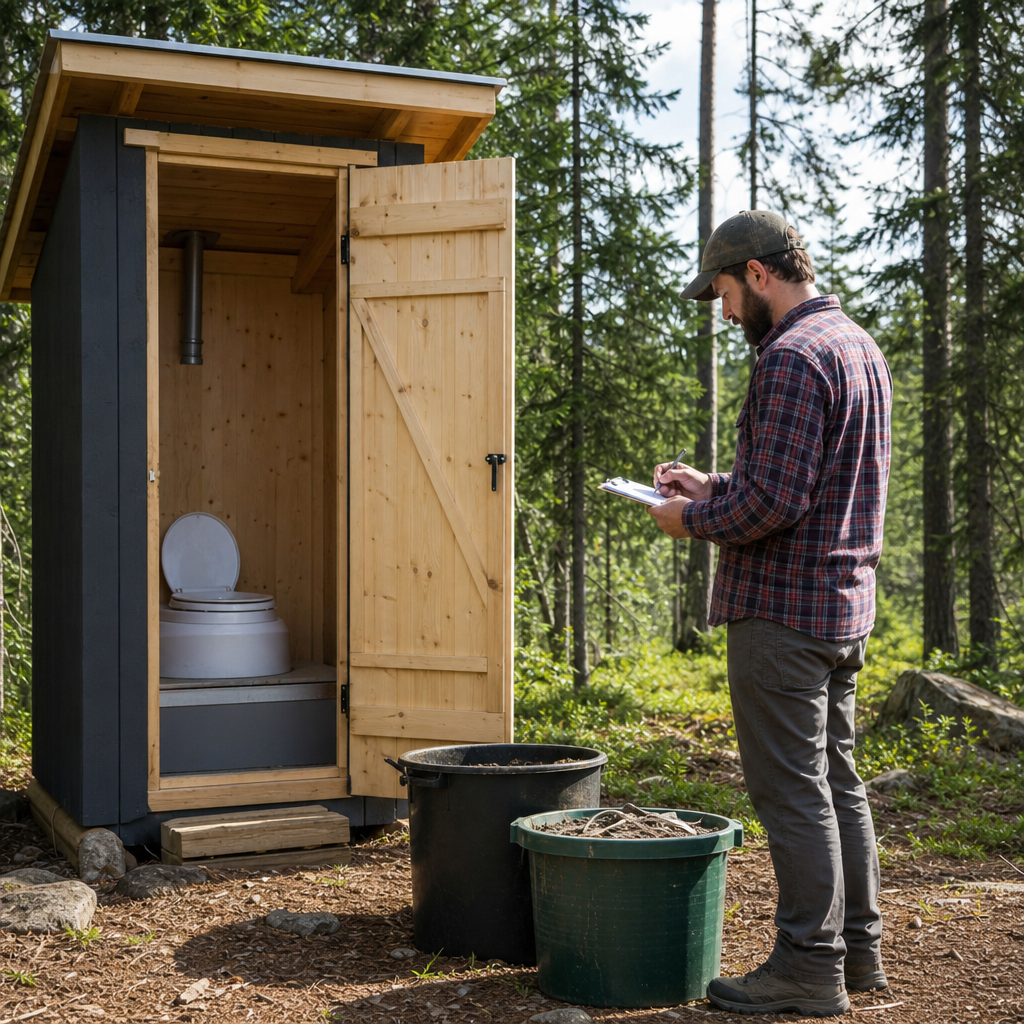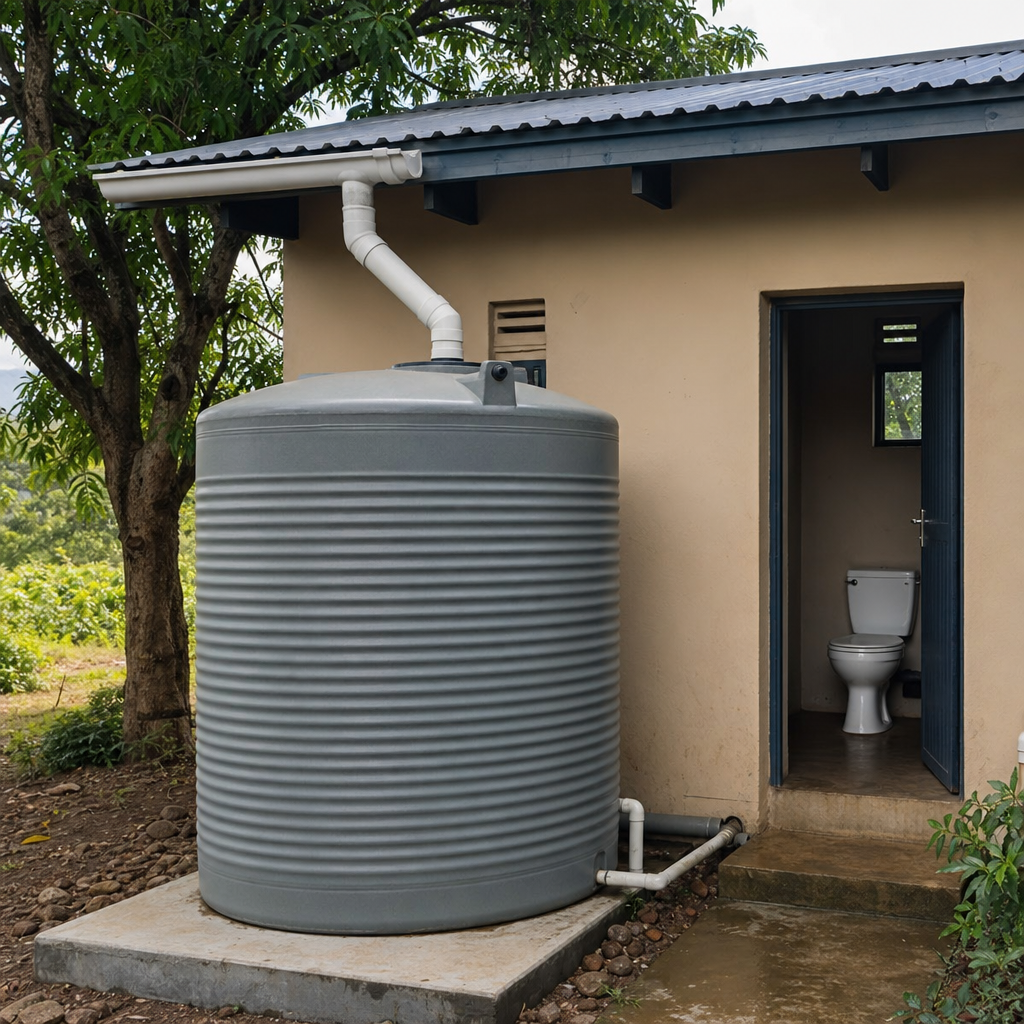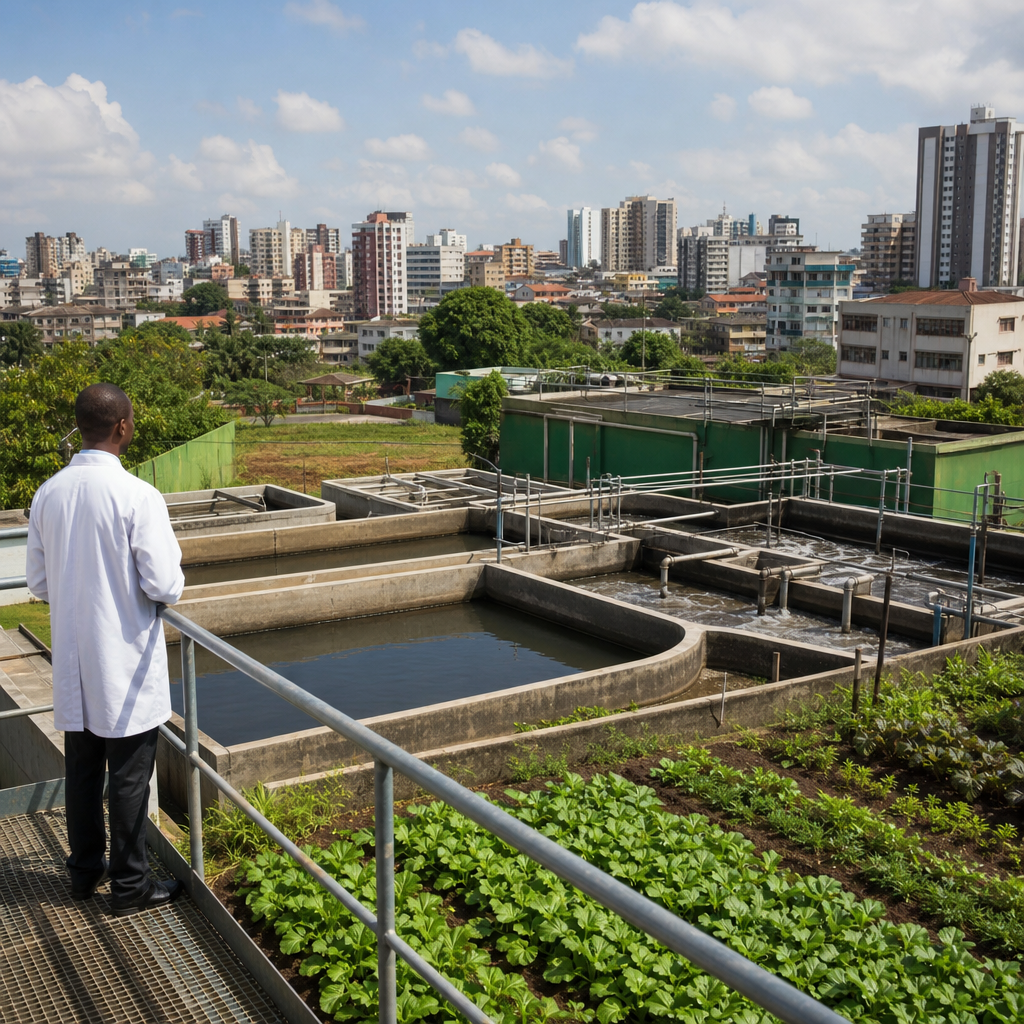
Economic justification for EcoSan in urban planning starts with a simple proposition: sanitation is not only a public health service, but also a long-term economic system that determines municipal costs, land productivity, water security, and the resilience of growing cities. EcoSan, short for ecological sanitation, refers to sanitation approaches that recover nutrients, conserve water, and treat human waste as a resource stream rather than a disposal problem. In practice, that includes urine diversion, composting toilets, decentralized treatment, source separation, nutrient recovery, and the safe reuse of treated outputs in agriculture, landscaping, or energy systems. For urban planners and city finance teams, the economic case matters because sanitation assets are expensive, slow to replace, and tightly linked to housing, drainage, transport corridors, and environmental compliance.
When I have worked through sanitation cost models with municipalities and developers, the same issue appears repeatedly: conventional sewer expansion is often treated as the default, even where water scarcity, informal settlement patterns, weak pipe maintenance, and rising energy prices make it financially fragile. EcoSan changes the investment logic. Instead of spending almost entirely on linear conveyance and end-of-pipe treatment, cities can distribute treatment closer to users, reduce freshwater demand, recover fertilizer value, and lower pollution control costs. The result is not that EcoSan is always cheaper in every context; it is that its full economic value is frequently underestimated because budgets are separated by department and benefits accrue across health, utilities, agriculture, and climate adaptation. A sound urban planning assessment must therefore compare life-cycle cost, avoided externalities, resource recovery revenues, and risk reduction, not just upfront capital expenditure.
This article is the hub for economic sustainability in EcoSan. It explains how planners, utility managers, public finance officers, and developers should evaluate costs and returns, where EcoSan performs best, what financial metrics matter, and which tradeoffs require careful design. It also connects the subtopic’s core questions: capital versus operating cost, affordability for households, municipal budget impacts, nutrient markets, financing mechanisms, land value effects, and regulatory constraints. If a city wants sanitation systems that remain serviceable under population growth, climate stress, and tighter environmental rules, the economic justification for EcoSan in urban planning deserves rigorous attention.
Why Economic Sustainability in EcoSan Matters to Cities
Economic sustainability in EcoSan means a system can be financed, operated, maintained, and renewed over time without creating hidden liabilities or shifting costs onto future residents. In urban planning, that definition is broader than project affordability. A sanitation system may look inexpensive during construction but become unsustainable if it requires imported water, energy-intensive pumping, costly sludge disposal, or major rehabilitation within fifteen years. Conversely, a well-designed EcoSan program may require behavior change and stronger service management at the start, yet produce lower life-cycle cost and more predictable operating economics over decades.
Urban governments face this problem acutely because sanitation decisions lock in infrastructure patterns. Sewer networks are path dependent: once roads, plots, and treatment corridors are built around them, changing course is difficult. In dense peri-urban areas, informal settlements, flood-prone districts, or topographically uneven neighborhoods, extending centralized sewerage can require expensive pumping stations, deep excavation, and ongoing infiltration control. EcoSan options can avoid part of that burden. Decentralized and source-separating systems often reduce conveyance requirements, use less water, and fit incremental development better. That matters in cities where population growth outpaces utility expansion.
The fiscal stakes are large. The World Bank and other multilateral institutions have repeatedly shown that inadequate sanitation imposes costs through disease burden, lost productivity, environmental degradation, and degraded water resources. At city scale, these losses appear as higher health expenditure, lower labor output, reduced tourism quality, and increased treatment costs for downstream water utilities. EcoSan contributes economically when it reduces those losses while creating recoverable value from nutrients, organic matter, and in some cases biogas. The justification is strongest when planners treat sanitation as part of the urban metabolism rather than a narrow waste service.
Core Cost Components and Life-Cycle Economics
The most useful way to compare EcoSan with conventional sanitation is life-cycle costing. That means adding capital expenditure, operation and maintenance, periodic replacement, collection logistics, treatment, compliance, and end-of-life rehabilitation. In my experience, project teams often stop at unit construction cost per household. That shortcut is misleading. A urine-diverting dry toilet may cost more than a simple pit interface, but far less than a sewer connection plus network share. A decentralized treatment cluster may raise local management needs while sharply reducing trunk infrastructure. The economic answer depends on context, density, water price, soil conditions, haul distance, and institutional capacity.
Operating cost is especially important. Centralized sewerage relies on pumps, skilled maintenance crews, pipe inspection, energy, and sludge handling. Where non-revenue water is high and electricity supply is unstable, these operating demands create recurrent budget stress. EcoSan systems can reduce water and energy use, but they are not maintenance-free. Source separation requires disciplined collection and safe processing. Composting systems require moisture and carbon balance control. Container-based services require dependable logistics. The planning question is therefore not whether EcoSan eliminates operating cost, but whether it shifts expenditure toward simpler, more local, and more controllable service components.
| Economic factor | Conventional sewer-focused model | EcoSan-oriented model | Planning implication |
|---|---|---|---|
| Capital intensity | High for pipes, excavation, pumping, central treatment | Often lower network cost, higher on-site or cluster equipment cost | Useful where budgets cannot support large trunk expansion |
| Water demand | Flush dependent, raises utility supply burden | Lower with dry or low-flush systems | Valuable in water-scarce cities |
| Nutrient recovery | Usually diluted and costly to recover downstream | Higher recovery potential through source separation | Creates fertilizer substitution opportunities |
| Operations | Centralized technical maintenance | Distributed collection and treatment management | Requires stronger service design and monitoring |
| Externalities | High when leaks, overflow, or untreated discharge occur | Lower if reuse chain is managed safely | Avoided health and pollution costs improve economics |
For urban planners, net present value and equivalent annual cost are practical metrics because they compare options over the asset life. Sensitivity analysis is essential. A system that looks marginal at low fertilizer prices may become attractive when water tariffs rise, disposal regulations tighten, or carbon pricing expands. Economic sustainability in EcoSan improves when planners test multiple scenarios instead of relying on one static forecast.
Resource Recovery, Revenue Streams, and Avoided Costs
The defining economic advantage of EcoSan is resource recovery. Human urine contains most of the nitrogen and a significant share of phosphorus excreted by households. Fecal solids contain organic matter and additional nutrients. When these streams are separated and treated correctly, cities can produce soil amendments, compost, struvite, treated effluent for non-potable use, and sometimes energy. None of these outputs should be treated as speculative bonuses; they must be valued conservatively and only where a real off-take market exists. Still, ignoring them understates the economic case.
Fertilizer substitution is a clear example. Global phosphorus is finite, and synthetic fertilizer prices can be volatile because they depend on mining, processing, and energy markets. In urban regions with peri-urban agriculture, landscaping demand, or land restoration programs, treated EcoSan products can replace part of purchased inputs. I have seen projects become financially viable not because product sales fully cover sanitation cost, but because municipal parks departments, nearby farmers, and land reclamation contractors provide stable demand that reduces disposal expense. The avoided cost of transporting sludge to landfill or paying for advanced nutrient removal at centralized plants can be as important as direct revenue.
Water savings also have economic weight. In cities facing scarcity, each cubic meter not used for flushing eases pressure on abstraction, treatment, and distribution systems. The value is highest where water is energy intensive, imported, or supplied through overstretched networks. Reuse of treated greywater or sanitized effluent for irrigation, construction, or toilet flushing in commercial districts can delay expensive supply-side investments. Urban planning decisions should count these avoided capital and operating costs, especially in arid regions.
There are also macroeconomic benefits. Cleaner waterways reduce downstream treatment burden and support recreation, fisheries, and property values. Health gains translate into fewer lost workdays and lower household medical spending. These are not soft benefits. They are part of the economic sustainability in EcoSan because a sanitation model that reduces social costs while preserving resources performs better for the city as a whole than one that simply hides waste in a distant treatment works.
Land Use, Density, and Infrastructure Planning Tradeoffs
EcoSan economics change with urban form. In compact, high-rise central districts, full source separation may be harder to retrofit because plumbing stacks, storage space, and collection logistics are constrained. In low-rise expansion zones, peri-urban settlements, institutions, public housing, schools, and markets, the economics can be much stronger. Planners should match technology to block structure, density, road access, groundwater conditions, and tenure patterns rather than applying one sanitation template citywide.
Land is a critical variable. Centralized wastewater treatment requires large sites, buffer zones, and trunk routing. Decentralized EcoSan clusters use smaller sites distributed through neighborhoods, which can reduce conveyance distance but increase the need for local management. In flood-prone areas, raised or sealed source-separating systems may outperform pits and reduce contamination risk. In steep terrain, avoiding deep sewers and lift stations can significantly improve project economics. These practical planning conditions often determine whether EcoSan is merely feasible or clearly preferable.
Housing delivery is another major factor. Developers and municipal housing agencies often seek the least-cost sanitation option at handover, not the most durable option over twenty years. That can produce underdesigned septic systems, overloaded drains, and future retrofitting costs. When EcoSan is integrated at master-planning stage, plot layout, service access, and reuse routes can be optimized. The economic payoff comes from avoiding expensive corrective works later. Urban planning should therefore evaluate EcoSan early, alongside road hierarchy, stormwater design, and utility corridors.
Financing Models, Institutional Design, and Risk Management
Even a strong economic case fails without workable finance and governance. EcoSan systems need clear responsibility for collection, treatment, quality control, and user support. In many cities, that means moving from a one-time construction mindset to a service-based model. Tariffs, municipal subsidies, developer contributions, climate funds, and blended finance can all play a role. The right mix depends on who receives the benefits and who controls the assets.
Household affordability is a frequent concern. Upfront costs can be reduced through microfinance, output-based aid, or inclusion in housing finance packages. For municipalities, decentralized systems may fit capital budgets better because they are modular and can expand with demand. For private operators, revenue certainty may require service contracts rather than dependence on compost sales alone. I advise clients to structure financial models around guaranteed sanitation service revenue first, with resource recovery treated as supplementary value unless off-take agreements are already secured.
Risk management is equally important. Poorly maintained EcoSan can create odor, contamination, and loss of public trust. Regulatory ambiguity around reuse products can also suppress investment. The solution is not to avoid EcoSan but to design stronger institutions: licensed service providers, scheduled collection, laboratory testing, hazard analysis, and product standards aligned with World Health Organization sanitation safety planning principles and national fertilizer rules. Economic sustainability in EcoSan depends on credible operations, because markets and households will not pay for a system they do not trust.
How Cities Can Build a Strong Economic Case for EcoSan
City teams should start with a comparative appraisal, not a technology preference. Map current sanitation gaps, water stress, topography, growth areas, agricultural demand, and existing treatment assets. Then compare realistic scenarios: centralized sewer expansion, hybrid decentralized systems, source-separating districts, and phased upgrades for underserved settlements. Use life-cycle costing, estimate avoided health and environmental costs, and test revenue assumptions conservatively. Include institutional costs such as monitoring, customer service, and operator training.
Pilot projects are valuable when they are designed as evidence programs rather than demonstrations for publicity. Track collection reliability, nutrient recovery rates, user acceptance, maintenance cost, and product demand over at least one annual cycle. Standardize indicators so results can inform citywide investment decisions. The strongest cases I have seen combine sanitation performance data with urban planning outcomes: reduced water demand in new housing areas, avoided sewer extension in difficult terrain, and reliable reuse links with municipal landscaping or peri-urban farms.
In summary, the economic justification for EcoSan in urban planning rests on a wider and more realistic accounting of value. EcoSan can lower life-cycle infrastructure burdens, conserve water, recover nutrients, reduce pollution, and improve resilience when matched to the right urban context and managed as a professional service. It is not automatically the cheapest option, and it is not a substitute for governance, standards, or maintenance. But where cities face rapid growth, resource constraints, and expensive sewer expansion, it is often the most economically sustainable path. Use this hub as the starting point for deeper work on tariffs, capital planning, reuse markets, and cost-benefit analysis, then build sanitation strategies that pay cities back over decades.
Frequently Asked Questions
Why is EcoSan considered economically valuable in urban planning, not just environmentally beneficial?
EcoSan is economically valuable because it changes sanitation from a recurring cost center into a system that can generate savings, reduce long-term infrastructure burdens, and recover useful resources. In conventional urban sanitation models, cities often spend heavily on sewer expansion, wastewater transport, centralized treatment, and ongoing maintenance, all while losing nutrients and water that could otherwise be reused. EcoSan approaches reduce those losses by separating waste streams, lowering water demand, and enabling nutrient recovery for agricultural or landscaping use. That means planners are not simply paying to remove waste; they are investing in systems that can offset fertilizer demand, reduce freshwater consumption, and lower pressure on treatment plants and drainage networks.
From an urban planning perspective, the strongest economic argument is lifecycle efficiency. Traditional systems may appear familiar, but they can be extremely expensive to expand into dense informal settlements, peri-urban growth zones, or water-stressed districts. EcoSan options can often be deployed in a more modular way, avoiding some of the major capital costs associated with deep sewer networks and large treatment facilities. They also help cities avoid indirect economic losses tied to poor sanitation, including public health expenses, labor productivity declines, groundwater contamination, and flood-related failures caused by overloaded wastewater systems. In other words, EcoSan produces value both by reducing direct municipal expenditure and by limiting the much larger economic damage that poorly managed sanitation creates over time.
How does EcoSan help cities reduce long-term infrastructure and operating costs?
EcoSan helps reduce long-term infrastructure and operating costs by rethinking how sanitation services are delivered. Instead of relying exclusively on water-intensive sewer systems that require large pipes, pumping stations, treatment plants, and constant energy inputs, EcoSan systems can decentralize treatment and resource recovery closer to where waste is produced. This reduces the need for expensive network expansion, especially in rapidly growing urban areas where extending conventional sewer infrastructure can be technically difficult and financially unrealistic. For municipalities facing budget constraints, this matters because every kilometer of sewer line, every pumping upgrade, and every treatment expansion carries capital costs as well as decades of maintenance obligations.
Operationally, EcoSan can lower water use, sludge transport burdens, and treatment complexity. Urine-diverting and source-separating systems, for example, can reduce dilution of nutrient-rich streams and make them easier to process for reuse. That can decrease energy needs and create more manageable treatment pathways. In dense neighborhoods or informal settlements, where conventional systems often fail or remain unserved, EcoSan can offer service improvements without requiring full-scale reconstruction of underground networks. Over time, that means fewer emergency repairs, less strain on aging utilities, and improved financial predictability for city agencies. The economic advantage becomes even clearer when urban planners account for avoided costs such as aquifer remediation, disease outbreaks, stormwater contamination, and the retrofitting of overstressed wastewater plants.
Can nutrient recovery and resource reuse from EcoSan systems create real economic returns?
Yes, nutrient recovery and resource reuse can create real economic returns, although the scale and timing depend on local markets, regulation, and system design. One of the core principles of EcoSan is that human waste contains recoverable nutrients such as nitrogen, phosphorus, and potassium, all of which are essential for plant growth. In conventional sanitation systems, these nutrients are typically diluted, treated as waste, and discharged, which means cities pay to remove materials that agriculture and landscaping sectors often pay to replace with synthetic fertilizers. EcoSan seeks to close that loop. If nutrient-rich outputs are safely processed and matched to local demand, they can reduce fertilizer imports, support peri-urban agriculture, improve soil productivity, and generate value from what was previously considered a disposal problem.
Beyond nutrients, EcoSan can also produce economic gains through water conservation and, in some models, energy recovery or lower treatment requirements. Reusing treated outputs for non-potable purposes can reduce pressure on municipal water supplies, particularly in water-scarce cities where the cost of sourcing, pumping, and treating fresh water is rising. The financial case is especially strong where fertilizer prices are volatile, water is expensive, or disposal costs are high. That said, the returns are strongest when cities build the full enabling environment: quality standards, safe collection systems, processing facilities, distribution channels, and public confidence in reuse products. Economic returns do not come from the toilet technology alone; they come from an urban resource management system designed to capture value reliably and safely.
Is EcoSan financially practical for fast-growing urban areas and informal settlements?
In many cases, yes. EcoSan is often financially practical for fast-growing urban areas and informal settlements because it can provide scalable sanitation service without requiring immediate full sewer coverage. This is a major advantage in cities where population growth outpaces infrastructure investment. Informal settlements are frequently located in areas with complex land tenure, narrow access routes, flood risks, or unstable ground conditions, making conventional sewer installation slow, expensive, and politically difficult. EcoSan systems can often be introduced incrementally, adapted to local spatial constraints, and paired with neighborhood-level collection and treatment models. That flexibility allows cities to expand sanitation access faster and at lower upfront cost than waiting for large centralized systems to reach every household.
The financial practicality also comes from avoiding the hidden costs of non-service. When informal settlements lack safe sanitation, cities eventually absorb the consequences through disease treatment, environmental cleanup, water contamination, school absenteeism, and lost worker productivity. These costs are real, even if they do not always appear in the sanitation department’s immediate budget. EcoSan can help reduce those losses while creating a pathway toward more resilient urban development. For planners, the key is not to treat EcoSan as a temporary compromise, but as a legitimate infrastructure strategy with financing, regulation, maintenance, and service delivery built in from the start. When supported by sound governance and local supply chains, EcoSan can be one of the most cost-effective ways to improve sanitation coverage in underserved urban areas.
What should urban planners evaluate when building an economic case for EcoSan?
Urban planners should evaluate EcoSan using a full-cost, long-term framework rather than comparing only upfront construction costs. A strong economic case should include capital expenditure, operation and maintenance, water savings, nutrient recovery potential, land requirements, energy use, public health impacts, environmental risk reduction, and resilience under climate stress. It is also important to assess avoided costs, such as the expense of expanding centralized treatment capacity, repairing overloaded sewer systems, remediating polluted groundwater, and responding to sanitation-related disease burdens. EcoSan often performs well when these broader factors are included, because its benefits extend across multiple municipal systems rather than staying within a single utility budget line.
Planners should also study local feasibility in detail. That includes housing density, soil conditions, flood exposure, water scarcity, agricultural demand for recovered nutrients, public acceptance, regulatory readiness, and the capacity of service providers to collect, process, and market reuse products safely. Economic justification becomes much stronger when EcoSan is integrated into land-use planning, climate adaptation strategy, and circular economy goals. In practical terms, the best evaluations compare scenarios over time: what it costs to keep extending conventional systems, what it costs to do nothing in underserved areas, and what value EcoSan creates through modular deployment and resource recovery. When decision-makers use that wider lens, EcoSan is often revealed not as an alternative niche technology, but as a financially rational component of modern urban infrastructure.