The economics of water conservation in sanitation sits at the intersection of utility finance, public health, resource efficiency, and long term infrastructure planning. In practice, understanding EcoSan economics means evaluating how sanitation systems use water, what that water costs across its full life cycle, and how alternative designs can reduce both operating expenses and environmental burdens. EcoSan, short for ecological sanitation, refers to approaches that treat human waste as a resource stream rather than a disposal problem. That includes urine diversion, composting toilets, dehydrating toilets, low flush systems, greywater reuse linkages, and service models that recover nutrients, water, or energy. The central economic question is straightforward: when sanitation uses less freshwater and creates reusable outputs, who saves money, who pays upfront, and over what time frame do the benefits appear?
This matters because conventional sanitation is more expensive than many households, utilities, and municipalities realize. The visible cost is the water bill, but the larger economic footprint includes pumping, treatment chemicals, sewer expansion, sludge handling, wastewater energy use, leak losses, and drought resilience spending. In cities facing scarcity, every cubic meter flushed through a toilet competes with household consumption, industrial demand, agriculture, and ecosystem needs. In off grid or peri urban settings, the challenge is different but equally financial: extending sewers and water mains can be prohibitively costly, while poorly managed onsite systems create contamination that later shows up as healthcare costs, productivity losses, and groundwater remediation expenses. After working on sanitation business cases, I have seen projects fail not because the technology was unsound, but because decision makers counted only purchase price and ignored avoided water and wastewater costs. A credible economic assessment must include capital expenditure, operating expenditure, maintenance, replacement cycles, financing terms, tariffs, labor, and the market value of recovered resources.
Water conservation changes sanitation economics by shrinking recurring costs and delaying major infrastructure investments. A conventional toilet can use six to thirteen liters per flush in older stock, while modern dual flush models commonly use three to six liters and some vacuum or foam flush systems use far less. Dry sanitation can nearly eliminate flush water demand. When multiplied across apartment blocks, schools, transport hubs, mines, festivals, or informal settlements, the numbers become material quickly. Lower water use also reduces wastewater volumes, which can mean smaller pipes, smaller treatment units, lower pumping energy, and less overflow risk during storms. The hub topic of understanding EcoSan economics therefore covers direct savings, indirect public benefits, financing strategies, pricing signals, and the conditions under which water saving sanitation becomes the lower cost option over its service life.
What drives the economics of water conservation in sanitation
The first driver is tariff structure. Where water and sewer charges are volumetric and rising in blocks, conservation produces immediate savings. Where tariffs are flat or heavily subsidized, household incentives are weaker, but utilities and governments still gain from deferred supply and treatment investments. The second driver is infrastructure context. In dense urban cores with existing sewers, retrofitting low flush fixtures may produce the best payback. In remote schools, camps, and peri urban settlements, decentralized EcoSan options often outperform sewer extension because they avoid trenching, pumping stations, and network maintenance. The third driver is climate and water stress. In drought exposed regions, the opportunity cost of potable water used for flushing is high, and conservation has strategic value beyond the meter.
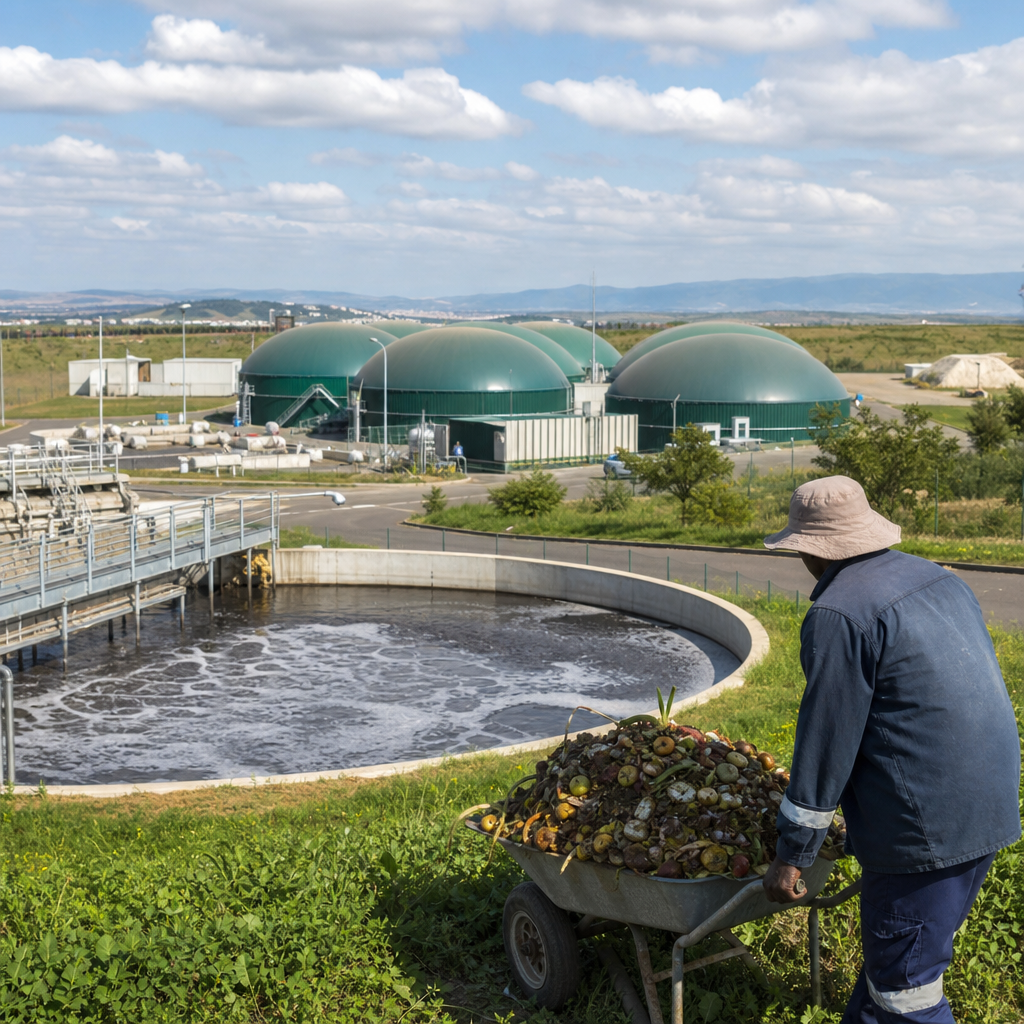
A rigorous sanitation cost model separates direct, avoided, and recovered value. Direct costs include toilets, collection equipment, storage, treatment units, labor, and repairs. Avoided costs include reduced freshwater purchases, lower sewage charges, smaller septic desludging volumes, deferred treatment plant upgrades, and fewer pollution incidents. Recovered value may come from compost, dried biosolids, struvite, urine based fertilizer, reclaimed water, or biogas, although these revenues should be modeled conservatively because quality control, regulation, and market acceptance affect realized prices. The strongest business cases usually rest on avoided costs first and resource sales second. That order matters. I have reviewed projects where nutrient recovery revenue was presented as the core return, yet the actual economic winner was water and hauling reduction.
| Sanitation option | Typical water use | Main economic benefit | Best fit context |
|---|---|---|---|
| Conventional older flush toilet | 6 to 13 liters per flush | Low retrofit disruption, familiar use | Existing buildings with sunk sewer assets |
| Dual flush toilet | 3 to 6 liters per flush | Fast utility bill savings | Homes, offices, hotels, schools |
| Vacuum or micro flush system | Below 1.5 liters per flush | Major water and wastewater reduction | Transport hubs, commercial sites, water scarce campuses |
| Urine diverting dry toilet | Near zero flush water | Avoided water purchase and sewer need | Off grid, peri urban, drought prone areas |
| Composting toilet | Near zero flush water | Lower lifecycle cost where sewers are costly | Parks, cabins, eco lodges, remote facilities |
How to calculate lifecycle cost and payback
Lifecycle cost is the right lens because sanitation assets last years or decades, and the cheapest unit to buy is often not the cheapest system to own. Start with capital costs: fixture purchase, site preparation, plumbing changes, ventilation, tanks, treatment units, and commissioning. Then calculate operating costs: water, sewer fees, electricity, consumables, cleaning, routine inspection, and operator labor. Add maintenance and replacement intervals for valves, fans, seals, pumps, urine pipes, or vault components. Finally, include residual value and decommissioning costs where relevant. For commercial and public projects, discount future cash flows using a rate aligned with organizational finance policy. A simple payback is useful for quick screening, but net present value gives a more honest comparison when savings arrive over time.
Consider a school of 600 students replacing older 9 liter flush toilets with dual flush fixtures averaging 4.5 liters. If each student generates two school day flushes and the school operates 200 days a year, annual flush volume falls from about 2.16 million liters to 1.08 million liters, saving roughly 1,080 cubic meters. If combined water and wastewater charges equal $4 per cubic meter, that is $4,320 saved annually before considering reduced sewer wear or lower peak demand. If the retrofit costs $18,000 installed, simple payback is a little over four years. In a water scarce city with higher tariffs, payback can be much shorter. In a subsidized tariff setting, the same project may still be justified because it reduces pressure on municipal treatment capacity and drought emergency spending.
For dry or urine diverting systems, the economics hinge on service design. A household unit may save nearly all toilet flushing water, but collection, safe storage, user training, and periodic emptying must be budgeted. If a city lacks a professional service chain, hidden maintenance failures can erase expected savings. By contrast, where container based sanitation operators standardize collection routes and processing, cost performance can improve markedly. The lesson is clear: compare complete service systems, not just toilet hardware. Water conserving sanitation succeeds economically when operation is designed as carefully as installation.
Where EcoSan produces the strongest financial returns
The highest returns usually appear in places where water is expensive, wastewater capacity is constrained, or sewer connection costs are extreme. Hotels and resorts are a strong example because toilets represent a large share of indoor water use, occupancy is measurable, and utility bills are closely watched. A resort that combines low flush fixtures with greywater reuse can lower water purchases, shrink wastewater discharge fees, and market its sustainability credentials to guests without changing the core user experience. Large office campuses see similar gains, especially when cooling towers and landscape irrigation already make water a board level concern.
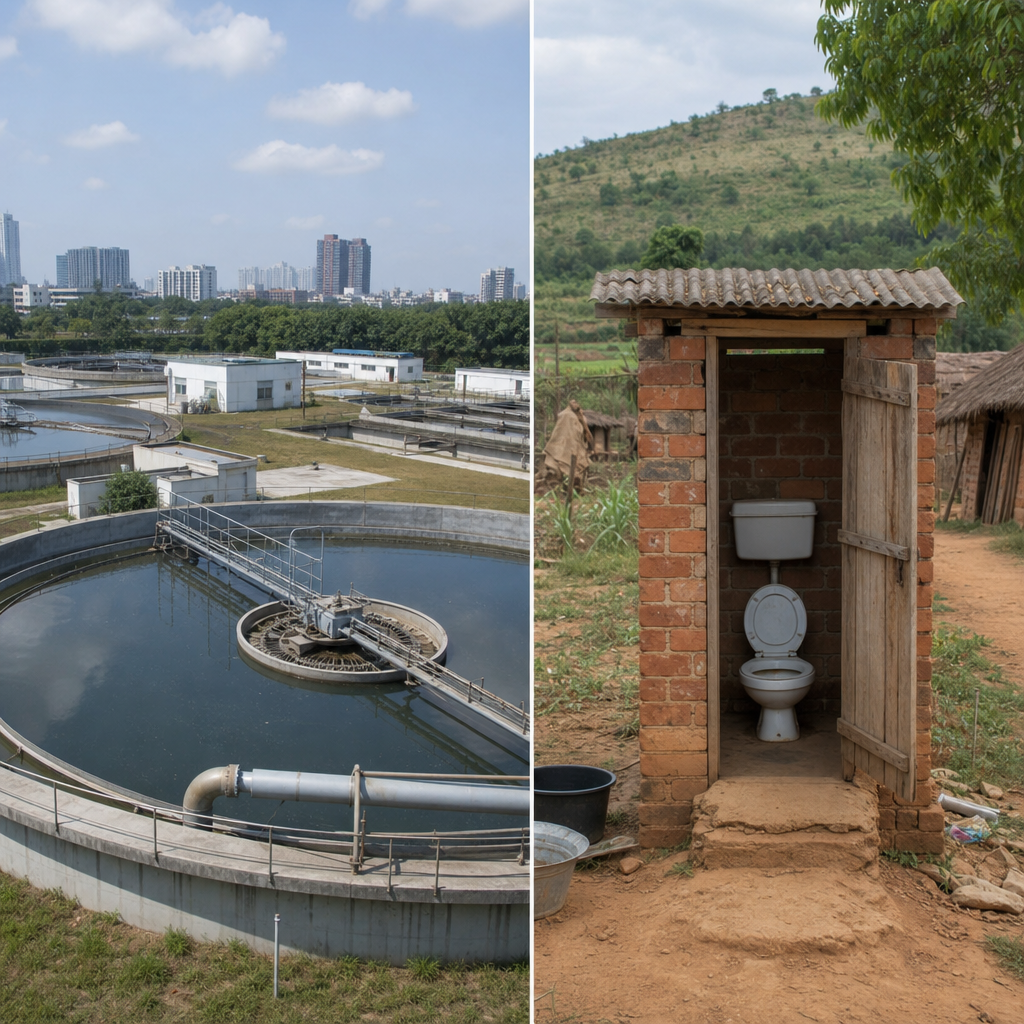
Public institutions can also benefit substantially. Schools, prisons, bus terminals, stadiums, and hospitals have high restroom traffic and often face maintenance budgets that reward durable, low water systems. Airports have adopted vacuum toilets in specific zones because reduced water use and smaller waste volumes can offset higher equipment complexity. In informal settlements and peri urban fringes, the comparison is often between decentralized EcoSan and the enormous capital cost of extending sewer networks into difficult terrain. There, avoided trenching and pumping can dominate the business case. Municipalities that quantify these avoided network costs make better investment decisions than those that compare only fixture prices.
Agricultural regions offer another pathway. Where urine or treated biosolids can substitute for part of commercial fertilizer demand, local nutrient recovery may create measurable value. The economics are strongest when transport distances are short, product quality is consistent, and farmers trust the agronomic performance. Programs in parts of Sweden, South Africa, and East Africa have shown that nutrient recovery can work, but only when health safeguards, storage protocols, and extension support are in place. Resource recovery is not automatic revenue; it is a managed market activity with compliance costs.
Common barriers, tradeoffs, and policy levers
The main barrier is mispriced water. When tariffs do not reflect scarcity, treatment cost, or sewer burden, users underinvest in conservation. A second barrier is split incentives: landlords buy fixtures while tenants pay utility bills, or municipal departments budget capital separately from operations, making efficient systems harder to approve. Third, some EcoSan solutions face perception and maintenance challenges. If users are not trained, urine diversion can clog, composting systems can be mismanaged, and odor complaints can damage acceptance even when the underlying design is sound. These are economic issues because poor user experience increases service calls, turnover, and reputational risk.
Policy can change the equation quickly. Building codes that allow high performance non sewered sanitation, procurement rules based on lifecycle cost, drought pricing, fixture rebates, and output based subsidies for safe service all improve adoption. International standards also matter. ISO 30500 for non sewered sanitation systems has helped create clearer performance expectations around safety and treatment, which reduces investor uncertainty. Utilities can support transition by publishing avoided cost data, not merely volumetric tariffs. When decision makers can see the cost of new supply reservoirs, desalination, or wastewater plant expansion, water conserving sanitation stops looking niche and starts looking fiscally prudent.
None of this means one technology fits every site. Conventional sewered sanitation remains appropriate in many dense urban contexts, and poorly managed EcoSan can cost more than expected. The economic advantage emerges when technology, service model, regulation, and local resource values align. Sound appraisal is comparative, evidence based, and context specific.
Building a practical hub for understanding EcoSan economics
As a hub topic, understanding EcoSan economics should organize decisions into linked questions: How much water does the current sanitation system consume. What are the full water and wastewater costs. What capital alternatives exist. What operation model will keep the system performing. What public health safeguards are required. Is there recoverable value in nutrients, water, or energy. And what financing structure matches the asset life. Those questions connect naturally to deeper articles on lifecycle costing, sanitation tariffs, nutrient recovery markets, decentralized service models, policy incentives, and case studies by building type.
The core takeaway is simple. Water conservation in sanitation is not only an environmental goal; it is a financial strategy that can lower utility bills, avoid infrastructure expansion, improve drought resilience, and unlock resource value when systems are well managed. The best EcoSan business cases are built on full lifecycle analysis, realistic maintenance assumptions, and conservative revenue estimates from recovered products. If you are evaluating this subtopic, start by measuring current water use, mapping all sanitation related costs, and comparing options on total cost of ownership rather than upfront price alone. That approach consistently leads to better sanitation investments.
Frequently Asked Questions
1. Why is water conservation so important in the economics of sanitation?
Water conservation matters in sanitation because water is not a free input, even when it appears inexpensive on a monthly utility bill. Every gallon used to transport waste through conventional systems carries costs related to extraction, treatment, pumping, storage, wastewater conveyance, and final processing. When sanitation systems rely heavily on water, communities are effectively paying for that water multiple times across its full life cycle. That makes water efficiency a direct economic issue, not just an environmental one.
In practical terms, reducing water use in sanitation can lower household utility expenses, reduce the operational burden on wastewater treatment plants, and delay the need for costly infrastructure expansions. Utilities serving fast-growing cities often face major capital costs when water demand and sewage volumes increase together. If sanitation approaches use less water, the pressure on pipes, pumping stations, and treatment facilities can decline, improving the cost profile of the entire system.
There are also indirect financial benefits. Water-scarce regions may face drought restrictions, volatile supply costs, and rising energy use for long-distance transfer or deeper groundwater pumping. Efficient sanitation helps reduce those exposure risks. From a policy perspective, that makes water conservation in sanitation a strategy for both affordability and resilience. In other words, conserving water is not only about saving a resource; it is about lowering system-wide costs, improving long-term infrastructure performance, and creating a more durable sanitation economy.
2. How do EcoSan systems change the cost structure compared with conventional sanitation?
EcoSan systems shift the economics of sanitation by rethinking waste not as something to flush away, but as a resource stream that can be managed, treated, and in some cases reused. Conventional sanitation typically depends on large volumes of water, centralized sewer networks, and energy-intensive treatment infrastructure. Those systems often have high capital costs, ongoing maintenance needs, and significant long-term replacement liabilities. EcoSan approaches can reduce or avoid some of those expenses by minimizing water use and decentralizing treatment.
For example, urine-diverting dry toilets, composting toilets, and other source-separating systems can dramatically reduce the amount of water required for waste handling. That lowers immediate operating costs where water is metered and can also reduce the scale of downstream wastewater treatment requirements. In areas without extensive sewer infrastructure, EcoSan may eliminate the need for expensive pipe networks altogether, which can be one of the largest cost components in sanitation investment.
That said, EcoSan does not simply make costs disappear; it redistributes them. There may be upfront spending for specialized equipment, user training, collection logistics, monitoring, and safe reuse systems. Successful implementation often depends on education, maintenance planning, and institutional support. Economically, the strongest case for EcoSan usually comes from a life-cycle perspective. When analysts compare not just installation costs but also water savings, lower treatment demand, nutrient recovery potential, reduced environmental damage, and deferred infrastructure expansion, EcoSan can compare very favorably with conventional models, especially in water-stressed or under-served regions.
3. What kinds of savings can households, utilities, and municipalities expect from water-efficient sanitation?
The savings from water-efficient sanitation can appear at several levels, and they are often more substantial over time than they look at first glance. For households, the most immediate benefit is lower water consumption, which can reduce monthly bills where pricing is volumetric. In places with rising water tariffs or seasonal scarcity pricing, the value of those savings increases further. Water-efficient sanitation technologies can also reduce dependence on unreliable water supplies, which matters economically for households that otherwise purchase supplemental water or invest in storage.
Utilities benefit when lower water use leads to lower sewage volumes. Treating less wastewater can mean reduced energy consumption, lower chemical use, less wear on equipment, and improved plant efficiency. Over time, utilities may be able to postpone expensive upgrades to treatment capacity or pumping infrastructure. This is especially important in rapidly urbanizing regions, where capital budgeting is constrained and demand is growing. Saving water in sanitation can effectively function as a demand-management tool for both water and wastewater systems at once.
Municipalities can gain through lower public infrastructure costs, reduced environmental compliance burdens, and improved resilience planning. If less wastewater enters the system, overflow risks may decline during storms, and the pressure on aging sewers may be reduced. In some EcoSan models, municipalities may also benefit from nutrient recovery, sludge reduction, or lower costs associated with pollution mitigation. The exact savings depend on local prices, regulations, climate, and system design, but the central point is consistent: water-efficient sanitation can generate direct bill savings, operational efficiencies, and long-term capital avoidance across the full sanitation value chain.
4. Is EcoSan economically viable in both high-income and low-income settings?
Yes, but the reasons it can be economically viable differ by context. In low-income settings, EcoSan is often attractive because it can provide sanitation access without requiring massive investment in centralized sewer infrastructure. Extending sewer networks to dispersed or informal communities can be prohibitively expensive, especially where water supply is limited or inconsistent. In these cases, dry or low-water systems may offer a more affordable path to safe sanitation, particularly when paired with local treatment and reuse strategies.
In high-income settings, the economic argument is often less about first-time access and more about efficiency, sustainability, and infrastructure optimization. Many wealthier regions face aging water and wastewater systems that are expensive to maintain and replace. Water-efficient sanitation can reduce long-term strain on those networks, support climate adaptation goals, and help utilities manage costs related to water scarcity, energy use, and regulatory compliance. Even where water remains relatively affordable, the embedded infrastructure and environmental costs can be substantial.
However, viability depends on more than the technology itself. It depends on user acceptance, maintenance capacity, legal frameworks, land availability, public health safeguards, and whether recovered resources such as compost or nutrients have a practical end use. In some places, the strongest economic returns come from community-scale or institutional installations rather than individual household systems. In others, hybrid models work best. The key takeaway is that EcoSan can be economically sound across income levels, but the business case must be tailored to local conditions, service models, and long-term management realities.
5. How should decision-makers evaluate the long-term economics of water conservation in sanitation?
Decision-makers should look beyond upfront installation costs and use a life-cycle economic framework. That means accounting for capital expenses, operating costs, maintenance, water use, energy demand, treatment requirements, asset lifespan, replacement timing, and end-of-life impacts. A sanitation option that appears cheaper at the beginning may become far more expensive once water consumption, sewer fees, treatment loads, and infrastructure upgrades are included. Conversely, a system with a higher initial price may deliver better value over decades if it reduces recurring resource use and extends infrastructure life.
It is also important to include externalities that traditional accounting often overlooks. These can include public health benefits, avoided groundwater contamination, lower emissions from treatment and pumping, improved drought resilience, and reduced nutrient pollution in waterways. In EcoSan models, recovered nutrients and organic matter may also create economic value, whether through agriculture, landscaping, or reduced fertilizer dependence. While those benefits are sometimes harder to quantify, they are real and can significantly change the economic picture.
Strong evaluation also requires scenario analysis. Water prices may rise, climate pressures may intensify, population patterns may shift, and regulatory standards may become stricter. Systems that conserve water often perform better under those future conditions because they are less exposed to supply shocks and infrastructure stress. For that reason, the best economic assessment is not just a snapshot of present costs; it is a forward-looking analysis of risk, resilience, and total value. When sanitation planning incorporates those broader factors, water conservation is often revealed not as an optional sustainability feature, but as a financially prudent long-term investment.