Sustainable sanitation is no longer a niche infrastructure topic; it is a measurable economic factor shaping land use, housing demand, operating costs, and long-term real estate values. In property markets, sanitation refers to the systems that safely collect, transport, treat, reuse, or dispose of human waste and wastewater. Sustainable sanitation, often grouped under the EcoSan economics umbrella, goes further: it designs those systems to protect health, conserve water, recover nutrients, reduce pollution, and remain financially viable over time. For developers, asset managers, planners, lenders, and homeowners, that shift matters because sanitation quality directly affects livability, compliance risk, maintenance burdens, neighborhood reputation, and future resale performance.
I have worked on projects where sanitation was treated as a hidden utility line item until a failed septic field, rising water tariff, or permit delay suddenly changed the investment case. The lesson is consistent. Buyers may not tour a property asking about urine diversion, anaerobic digestion, or blackwater separation, but they respond quickly to cleaner surroundings, lower service disruptions, lower utility bills, and confidence that a building will remain compliant as regulations tighten. In dense urban areas, poor sanitation can suppress values through odor, flooding, contamination, and public health concerns. In water-stressed regions, efficient systems can support occupancy and preserve margins. In master-planned communities, visible resource recovery can even become part of the brand.
Understanding EcoSan economics means tracing how sanitation choices move through a property’s full value chain. Costs are not limited to pipes, tanks, toilets, and treatment units. Benefits are not limited to environmental goodwill. Sustainable sanitation affects capital expenditure, operating expenditure, financing terms, insurance perception, tenant retention, municipal approvals, infrastructure resilience, and local marketability. It also creates revenue-adjacent value through water savings, fertilizer substitution, energy recovery, and avoided remediation. This hub article explains the main mechanisms, compares major system types, and shows how sustainable sanitation influences valuation in practical terms. For anyone making decisions in the economic aspects of real estate, sanitation should be evaluated as an asset performance variable, not an afterthought.
What EcoSan Economics Means in Real Estate
EcoSan economics is the study of how ecological sanitation systems create, preserve, or destroy value across the built environment. In practice, that means looking at sanitation through life-cycle costing rather than first cost alone. A conventional sewer connection can appear cheaper during design, yet become expensive when utility rates rise, treatment surcharges increase, or municipal infrastructure reaches capacity. An onsite ecological system can appear unconventional, yet outperform over twenty years if it lowers water demand, reduces sludge hauling, and avoids expansion fees. The core question is simple: which sanitation approach delivers the best total economic outcome for a given site, user base, and regulatory context?
In real estate, this analysis sits at the intersection of public health, engineering, and finance. Appraisers and investors increasingly pay attention to environmental risks because they translate into cash flow impacts. A contaminated groundwater plume near a housing development can lower buyer confidence and trigger legal exposure. Repeated sewer backups in a retail center can interrupt tenancy and damage fit-outs. Conversely, a building with robust greywater reuse, low-flush fixtures, and reliable treatment can cut operating expenses and strengthen sustainability credentials used in leasing. The economics are strongest when benefits are quantified in familiar property terms such as net operating income, capitalization rate sensitivity, reserve planning, and depreciation avoidance.
Standards and frameworks help make these evaluations credible. The World Health Organization sanitation safety planning approach, ISO 30500 for non-sewered sanitation systems, LEED and BREEAM water efficiency credits, and local health department codes all influence project feasibility and value perception. Lenders and institutional buyers are more comfortable when systems align with recognized standards, have documented maintenance protocols, and show verified performance data. Sustainable sanitation adds value when it is engineered, monitored, and governed well. Poorly designed “green” systems can do the opposite. That tradeoff is central to any serious EcoSan economics review.
How Sustainable Sanitation Changes Property Value
Sustainable sanitation affects property value through five direct channels: cost savings, risk reduction, market differentiation, development enablement, and neighborhood externalities. Cost savings are the most straightforward. Low-water toilets, vacuum systems, decentralized treatment, and reuse infrastructure can reduce potable water demand, sewer discharge fees, and pumping frequency. In multifamily buildings, lower common-area utility costs improve operating margins. In hospitality assets, reduced water consumption can materially change profitability where tariffs are high or supply is intermittent.
Risk reduction often has an even bigger valuation effect than savings. Properties lose value when sanitation systems create failure risk, environmental liability, or noncompliance exposure. A parcel dependent on an aging septic system in marginal soils may face financing friction, lower buyer pools, and costly replacement obligations. A development with resilient decentralized treatment may gain because it is less exposed to overloaded municipal systems, service interruptions, or future connection moratoria. In valuation terms, lower risk supports stronger occupancy assumptions and can justify a lower discount rate.
Market differentiation matters when buyers and tenants compare otherwise similar assets. In several residential projects I have reviewed, developers found that visible water stewardship and healthier landscape outcomes helped support premium positioning, especially in drought-prone markets. Sustainable sanitation also enables development on sites where centralized infrastructure is limited or delayed. That can unlock land value that would otherwise remain stranded. Finally, sanitation has neighborhood effects. Clean drains, reduced effluent discharge, and safer water bodies improve public space quality and local desirability, which can lift values beyond a single plot.
| Value driver | Economic mechanism | Real estate effect | Typical example |
|---|---|---|---|
| Water savings | Lower utility purchases and discharge fees | Higher net operating income | Greywater reuse in apartments reducing irrigation demand |
| Compliance resilience | Avoided fines, retrofit costs, and permit delays | Lower project risk, stronger financing case | Decentralized treatment meeting new discharge limits |
| Health and amenity gains | Cleaner surroundings, less odor, less flooding | Improved occupancy and buyer appeal | Upgraded neighborhood sanitation near housing estates |
| Resource recovery | Reduced fertilizer or energy purchases | Lower operating costs for large sites | Biodigester biogas serving staff kitchens |
| Infrastructure independence | Reduced dependence on stressed sewer networks | Development unlocked on constrained sites | Resort using modular onsite treatment |
Comparing Sewered, Septic, and Ecological Systems
There is no universal best sanitation system for every property. Economics depend on density, soil conditions, climate, water prices, regulatory acceptance, user behavior, and maintenance capacity. Conventional sewered systems offer familiarity and scale. Where municipal networks are modern and treatment is reliable, connection can support strong values because buyers understand the system and lenders see lower uncertainty. The weakness is dependence on external infrastructure. Connection fees can be high, tariffs can rise, and old combined sewers can create overflow risks that affect neighborhoods and insurance claims.
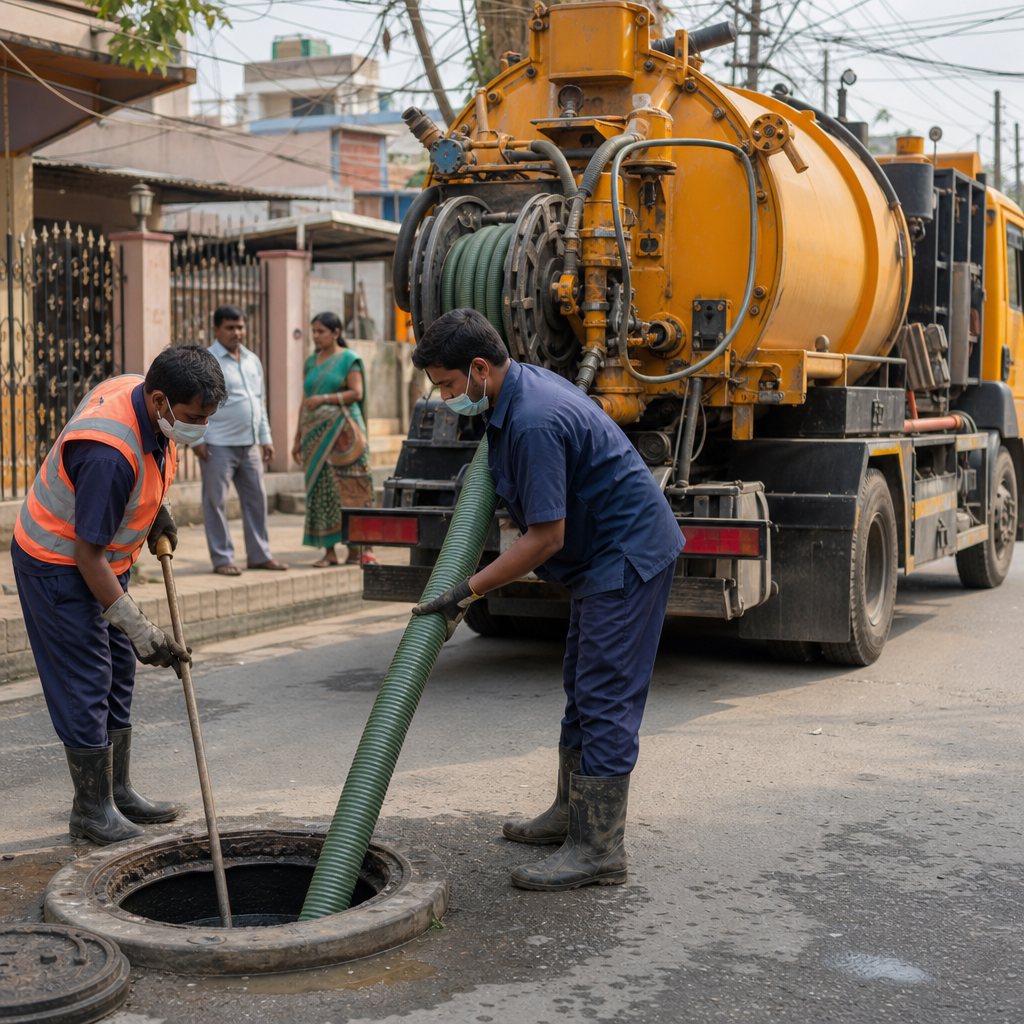
Traditional septic systems remain common in peri-urban and rural real estate. Their economics work best on suitable soils, larger lots, and stable occupancy patterns. They can become liabilities on small plots, flood-prone land, or areas with high groundwater. When septic systems fail, replacement costs, contamination concerns, and title complications can directly reduce saleability. Many buyers now ask for inspection records because deferred maintenance is common. From a valuation perspective, a functioning septic system preserves value; a questionable one erodes it quickly.
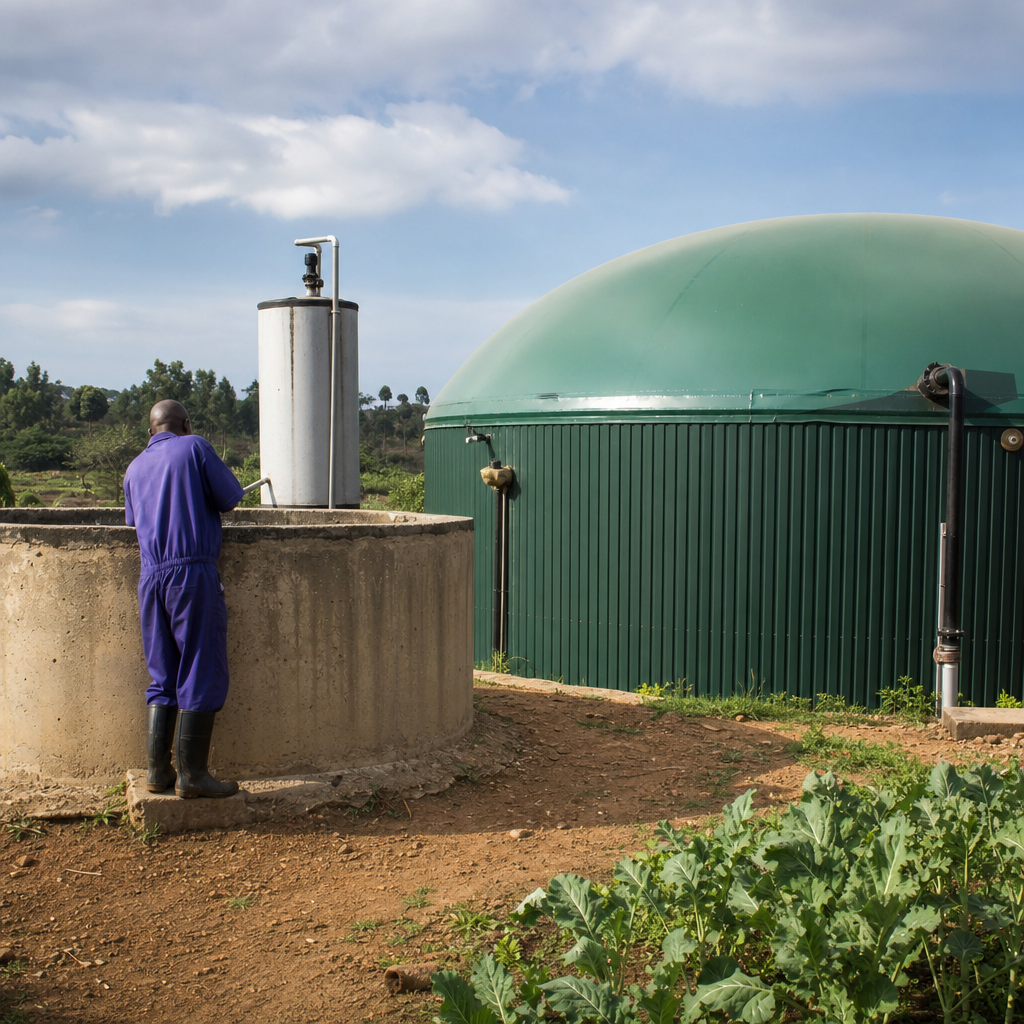
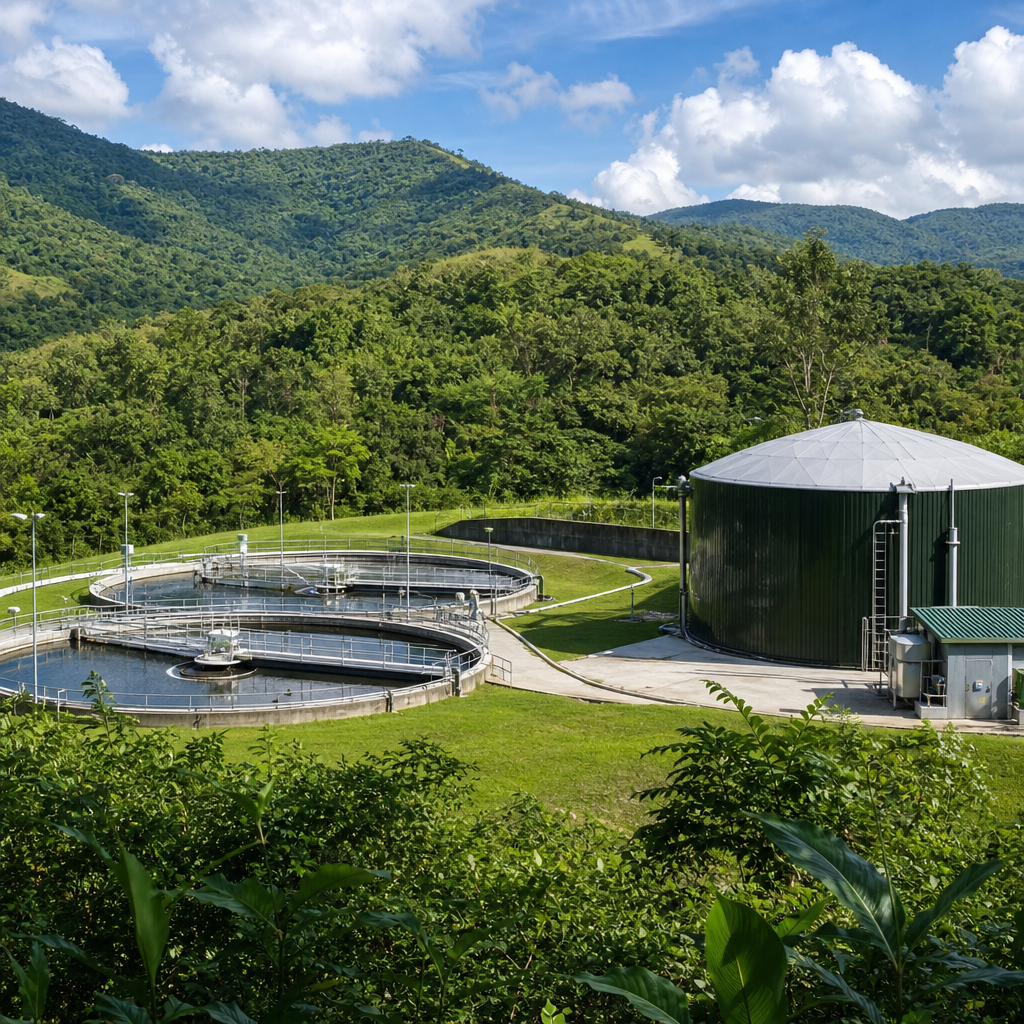
Ecological sanitation covers several models: urine-diverting dry toilets, composting toilets, biodigesters, container-based services, blackwater treatment with reuse, and decentralized wastewater treatment systems such as DEWATS. These systems often perform best where water is scarce, sewer access is weak, nutrient recovery is valuable, or phased development requires modular infrastructure. Their main advantage is life-cycle flexibility. Their main limitation is management discipline. A well-run DEWATS installation at a mixed-use site can deliver predictable treatment at lower long-term cost than network extension. A poorly maintained composting system can create odor and user resistance. Economics therefore depend as much on operations as on equipment selection.
Costs, Returns, and the Metrics Investors Should Use
Serious EcoSan economics requires a full life-cycle model. Start with capital costs: design, permits, equipment, civil works, storage, pumps, controls, and commissioning. Add operating costs: electricity, labor, consumables, desludging, monitoring, spare parts, and service contracts. Then calculate avoided costs, including potable water purchases, sewer charges, connection fees, fertilizer inputs, stormwater penalties, and future retrofit exposure. Finally, test noncash value effects such as faster approvals, higher occupancy, stronger absorption, and lower environmental reserve requirements. The result should be evaluated over a realistic analysis period, usually fifteen to thirty years depending on asset class.
The most useful metrics are net present value, internal rate of return, payback period, and sensitivity analysis. Payback alone is too blunt because sanitation systems often deliver risk reduction more than immediate cash generation. In one hospitality case, a water reuse system had a moderate direct payback but a very strong strategic value because it protected operations during seasonal restrictions that routinely disrupted competitors. In a residential subdivision, decentralized treatment reduced upfront network extension costs and accelerated phase delivery, creating a timing benefit larger than the utility savings. Those are real returns, and they belong in the model.
Investors should also separate private returns from broader social returns. A municipality may justify sewer rehabilitation based on public health gains and downstream river quality, while a private developer focuses on sale prices, carrying costs, and approvals. Good hub-level analysis maps both perspectives because many projects depend on public-private alignment. When the wider benefits are visible, incentives, density bonuses, or concessional financing become more likely.
Where Value Gains Are Strongest by Property Type
Not every asset class captures sanitation value in the same way. Residential real estate benefits most through buyer confidence, lower household bills, healthier surroundings, and resilience during service failures. Multifamily projects can centralize reuse systems and spread maintenance costs efficiently. Hotels and resorts often see strong returns because water and wastewater are major operating variables, guest experience is sensitive to odors and outages, and landscape irrigation can absorb treated effluent if regulations allow. Industrial parks may benefit from modular treatment where municipal capacity is constrained, especially when expansion timelines matter.
Agricultural estates and peri-urban developments can capture additional value through nutrient recovery. Treated biosolids or urine-derived fertilizers are not universally appropriate, but where standards, crop compatibility, and handling systems are in place, they can offset input purchases. Schools, hospitals, and institutional campuses often have favorable economics for decentralized treatment because they control large sites over long time horizons. Retail and office properties gain less from direct recovery, yet still benefit from reliability, compliance, and lower common-area costs. The key is matching technology to occupancy pattern, water demand profile, and management capacity rather than chasing a generic sustainability label.
Barriers, Mispricing, and What the Market Still Gets Wrong
The real estate market still misprices sanitation in three ways. First, it overweights visible finishes and underweights hidden infrastructure until a problem becomes public. Second, it often uses short hold periods that ignore long-term water and compliance trends. Third, it assumes conventional systems are low risk simply because they are familiar. In practice, aging sewers, water scarcity, flood exposure, and stricter discharge rules are changing the economics quickly.
Barriers remain real. Appraisers may lack comparable data for unconventional systems. Building managers may not have the training needed for decentralized treatment. Regulators may approve technologies slowly even when standards exist. Users may resist systems that change habits, especially if maintenance is inconsistent. These constraints do not invalidate sustainable sanitation; they define the implementation work required to protect value. The strongest projects address them upfront with operator training, maintenance reserves, monitoring plans, and clear disclosure for buyers and tenants.
Another common mistake is counting every environmental feature as a premium driver. Markets reward performance, not slogans. If a system reduces outages, bills, and nuisance risk, value can be defended. If it is experimental, poorly serviced, or difficult to explain during due diligence, the market may apply a discount. The economic case improves when developers document water balance, treatment quality, service responsibilities, and replacement cycles in the same disciplined way they document roofs, chillers, and elevators.
Sustainable sanitation has a direct and lasting impact on real estate values because it changes how properties perform, how neighborhoods are perceived, and how future risks are priced. The central idea of EcoSan economics is straightforward: sanitation is not only a utility obligation, it is a value driver that influences operating costs, compliance, resilience, development potential, and buyer confidence. When projects evaluate life-cycle costs instead of first costs alone, ecological systems often compare far better than expected, especially in water-stressed, infrastructure-constrained, or rapidly growing markets.
The strongest value outcomes come from matching the sanitation approach to the site and managing it professionally. Sewer connections can be effective where networks are robust. Septic systems can preserve value on the right land with disciplined inspection and maintenance. Ecological and decentralized systems can outperform when they reduce dependence on stressed infrastructure, recover resources, or unlock development that centralized networks cannot support in time. The difference between a premium asset and a future liability is rarely the technology alone; it is the quality of design, operations, monitoring, and disclosure.
As the hub for understanding EcoSan economics, this topic should guide every related decision on water efficiency, decentralized treatment, nutrient recovery, valuation, and infrastructure planning. If you assess property through the lens of sustainable sanitation, you will make better decisions about risk, returns, and long-term competitiveness. Review your current assets, ask how sanitation affects cash flow and marketability, and build those findings into your next acquisition, development, or retrofit plan.
Frequently Asked Questions
1. What is sustainable sanitation, and why does it matter for real estate values?
Sustainable sanitation refers to waste and wastewater systems designed not only to manage human waste safely, but also to protect public health, conserve water, reduce pollution, recover useful resources, and operate efficiently over the long term. In real estate, that matters because sanitation is directly tied to the livability, resilience, and cost structure of a property or neighborhood. A home, multifamily building, commercial site, or master-planned development with dependable sanitation infrastructure is generally more attractive to buyers, tenants, lenders, and insurers than one facing wastewater failures, water scarcity, contamination risks, or expensive utility inefficiencies.
From a valuation perspective, sustainable sanitation can influence both income and risk. Properties in areas with modern, reliable wastewater treatment and water reuse systems may benefit from lower operating costs, fewer service disruptions, stronger environmental compliance, and improved market perception. In income-producing real estate, those factors can support occupancy, retention, and net operating income. In for-sale housing markets, buyers increasingly recognize that environmental infrastructure affects quality of life, maintenance burdens, and future resale value. When sanitation systems reduce odor, improve drainage, lower groundwater contamination, and support healthier communities, they strengthen neighborhood desirability.
It also matters because poor sanitation can create material downside risk. Inadequate septic systems, overburdened sewers, flood-prone wastewater infrastructure, and untreated discharge can lead to remediation costs, legal liability, permit delays, and depressed demand. Sustainable sanitation helps reduce those risks by emphasizing long-term performance instead of short-term disposal. In practical terms, it turns sanitation from an invisible utility expense into a strategic asset that can shape development feasibility, community health outcomes, and ultimately property value.
2. How can sustainable sanitation increase property values or marketability?
Sustainable sanitation can increase property values and marketability in several connected ways. First, it can lower recurring operating expenses through water-efficient fixtures, greywater reuse, onsite treatment innovations, nutrient recovery systems, and reduced strain on centralized infrastructure. Lower utility costs and more predictable maintenance needs make a property financially more attractive, particularly for multifamily, hospitality, industrial, and mixed-use assets where water and wastewater expenses materially affect cash flow.
Second, it improves resilience and reliability, which are increasingly important in real estate markets exposed to drought, flooding, aging sewer systems, or tightening environmental regulations. A development that uses decentralized treatment, water recycling, or upgraded wastewater systems may be better positioned to maintain service during infrastructure stress. Buyers and investors often place a premium on buildings and communities that are less vulnerable to shutdowns, contamination incidents, emergency repairs, or future retrofitting requirements.
Third, sustainable sanitation can improve the user experience and the broader perception of a property. Clean water management, effective wastewater treatment, reduced odors, healthier landscapes, and visible sustainability features contribute to a stronger brand and more desirable living or working environment. In competitive housing and commercial markets, these qualities help properties stand out. For developers, sanitation planning can also support higher-density or more flexible land use where conventional infrastructure would otherwise limit project viability.
Finally, there is a growing ESG and policy dimension. Municipalities, institutional investors, and corporate occupiers increasingly evaluate environmental performance as part of acquisition, financing, and leasing decisions. Properties with sustainable sanitation systems may be better aligned with green building standards, local permitting priorities, infrastructure incentives, and tenant sustainability commitments. That alignment can translate into faster absorption, broader buyer pools, and in some cases stronger pricing relative to comparable properties with outdated or riskier sanitation systems.
3. Does sustainable sanitation only benefit large developments, or can individual homes and small properties benefit too?
Sustainable sanitation is valuable at every scale. Large developments may capture the most visible gains because they can spread infrastructure costs across many units and integrate district-scale reuse or treatment systems, but single-family homes, small multifamily buildings, rural properties, and infill projects can also benefit significantly. In fact, for properties outside robust municipal sewer networks, sanitation quality can be one of the biggest determinants of usability, financing, and resale confidence.
For individual homes, sustainable sanitation can include high-efficiency plumbing fixtures, rainwater integration where permitted, advanced septic or onsite wastewater treatment systems, composting or urine-diverting technologies in appropriate settings, and landscape strategies that reduce water demand and runoff. These improvements can lower water bills, reduce the chance of septic failure, protect wells and groundwater, and improve regulatory compliance. A well-documented, properly maintained system can reassure future buyers that the property is not carrying hidden infrastructure problems.
Small properties also benefit because sanitation failures are often disproportionately expensive at that scale. A failed septic system, drainage issue, or wastewater compliance problem can delay a sale, force price concessions, or require major out-of-pocket repairs. By contrast, a sustainable and well-maintained system can become a selling point, especially in regions where water scarcity, environmental sensitivity, or aging utility networks influence purchasing decisions. Appraisers may not always isolate sanitation upgrades as a line-item premium, but they do consider overall condition, functionality, and market appeal, all of which can be strengthened by better sanitation performance.
So while the economics differ by property type, the principle is the same: sustainable sanitation reduces risk, improves efficiency, and supports long-term habitability. Those are core value drivers whether the asset is a single rural home, a suburban subdivision, or a mixed-use urban district.
4. What sanitation-related risks can hurt real estate values if sustainability is ignored?
Ignoring sustainable sanitation can expose a property to both immediate and long-term value erosion. One of the biggest risks is system failure, whether that means septic breakdowns, sewer backups, untreated discharge, drainage overload, or wastewater infrastructure that cannot keep pace with occupancy or development. These problems can create direct repair costs, health hazards, unpleasant living conditions, and reputational damage for a property or neighborhood. Once buyers or tenants associate an area with water contamination, odor, flooding, or utility unreliability, recovery in market perception can take time.
Regulatory risk is another major concern. Environmental compliance standards for wastewater discharge, stormwater management, groundwater protection, and water efficiency are becoming more stringent in many jurisdictions. Properties with outdated sanitation systems may face fines, mandatory upgrades, delayed permits, occupancy restrictions, or redevelopment barriers. For investors and developers, that introduces uncertainty into underwriting and can reduce land value if sites require expensive infrastructure remediation before they can be built out or repositioned.
There is also growing climate and insurance risk. Heavier rainfall, flooding, sea level rise, drought, and utility stress can all expose weaknesses in conventional sanitation systems. If wastewater systems are not designed for resilience, a property may experience repeated disruptions, contamination events, or expensive capital needs. Insurers, lenders, and due diligence teams increasingly pay attention to infrastructure vulnerabilities because they affect claims exposure and long-term asset stability.
Beyond the technical issues, poor sanitation can undermine the fundamentals that support value: health, comfort, confidence, and future use potential. A property with unreliable sanitation may struggle to attract premium tenants, command top-of-market rents, or sell without discounts. Even when the market does not explicitly label sanitation as the problem, it often shows up indirectly through weaker demand, slower transactions, and higher capital expenditure expectations.
5. What should buyers, investors, and developers evaluate when assessing sustainable sanitation in a property?
They should begin by understanding what type of sanitation system serves the property and how it performs over time. That means determining whether the asset is connected to municipal sewer infrastructure, uses septic or other onsite treatment, relies on decentralized systems, or incorporates water reuse features. The next step is to review condition, capacity, maintenance history, compliance status, and exposure to known risks such as flooding, drought, groundwater sensitivity, or overloaded utility networks. In many transactions, sanitation receives less scrutiny than roofs or HVAC systems, but it can be just as important to long-term value.
Buyers and investors should also look at operating economics. Ask how much water the property consumes, what wastewater costs are, whether efficiency upgrades have been installed, and whether future savings are realistic and measurable. For income-producing assets, sanitation performance can affect net operating income through utility expenses, maintenance frequency, tenant satisfaction, and resilience during service disruptions. For land and development projects, sanitation capacity can determine how much can be built, how quickly approvals move, and whether infrastructure costs will materially change project returns.
Developers should evaluate whether sustainable sanitation solutions could unlock better outcomes than conventional systems alone. In some cases, decentralized treatment, reclaimed water systems, nutrient recovery, or integrated stormwater and wastewater planning can reduce infrastructure burdens and support more flexible site design. They should also consider local regulations, incentives, utility partnership opportunities, and community expectations, especially where municipalities are prioritizing water conservation and environmental performance.
Finally, documentation matters. Well-designed sanitation systems create more value when their benefits are visible and verified. Inspection reports, engineering assessments, maintenance records, utility data, compliance documentation, and sustainability certifications can all strengthen confidence among appraisers, lenders, buyers, and tenants. In short, the smartest approach is to treat sanitation as core infrastructure that affects cost, risk, resilience, and desirability—not as a hidden back-end issue. That mindset leads to better due diligence and, often, better real estate decisions.