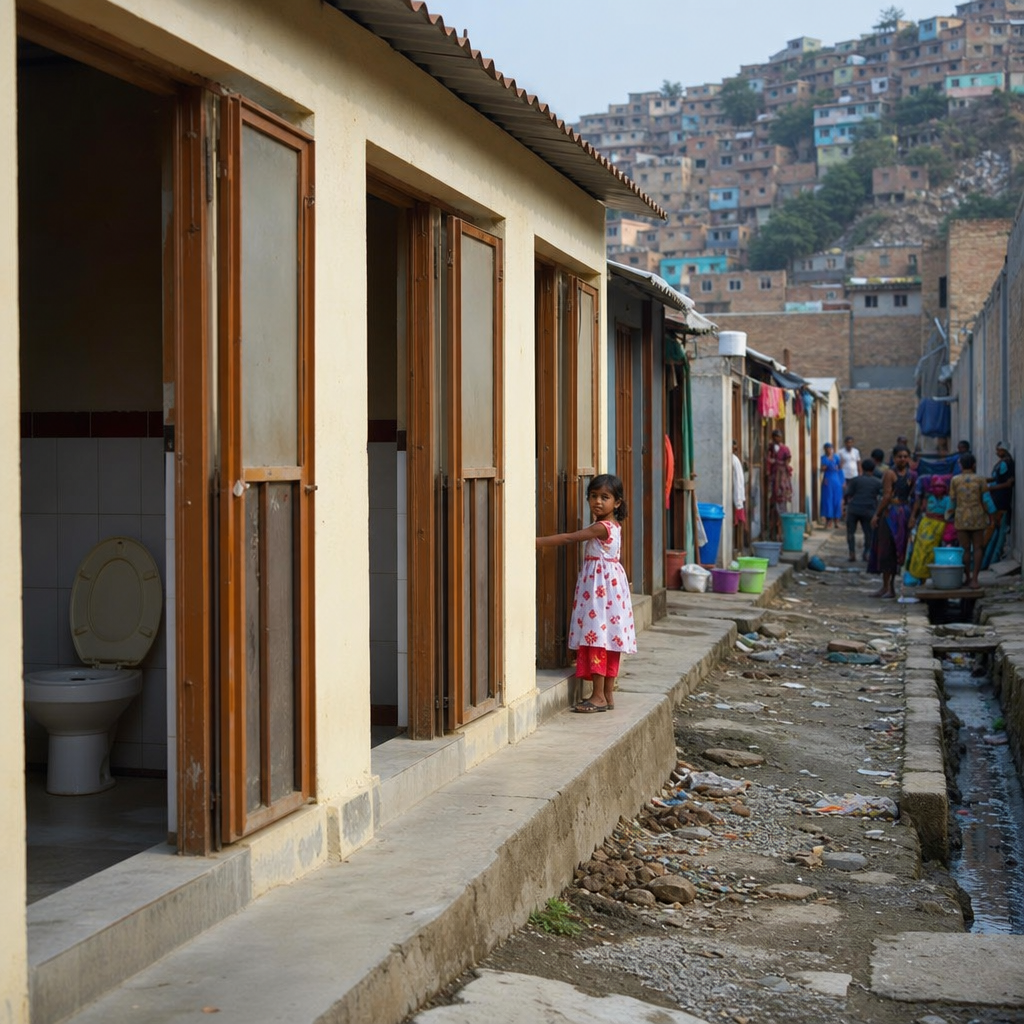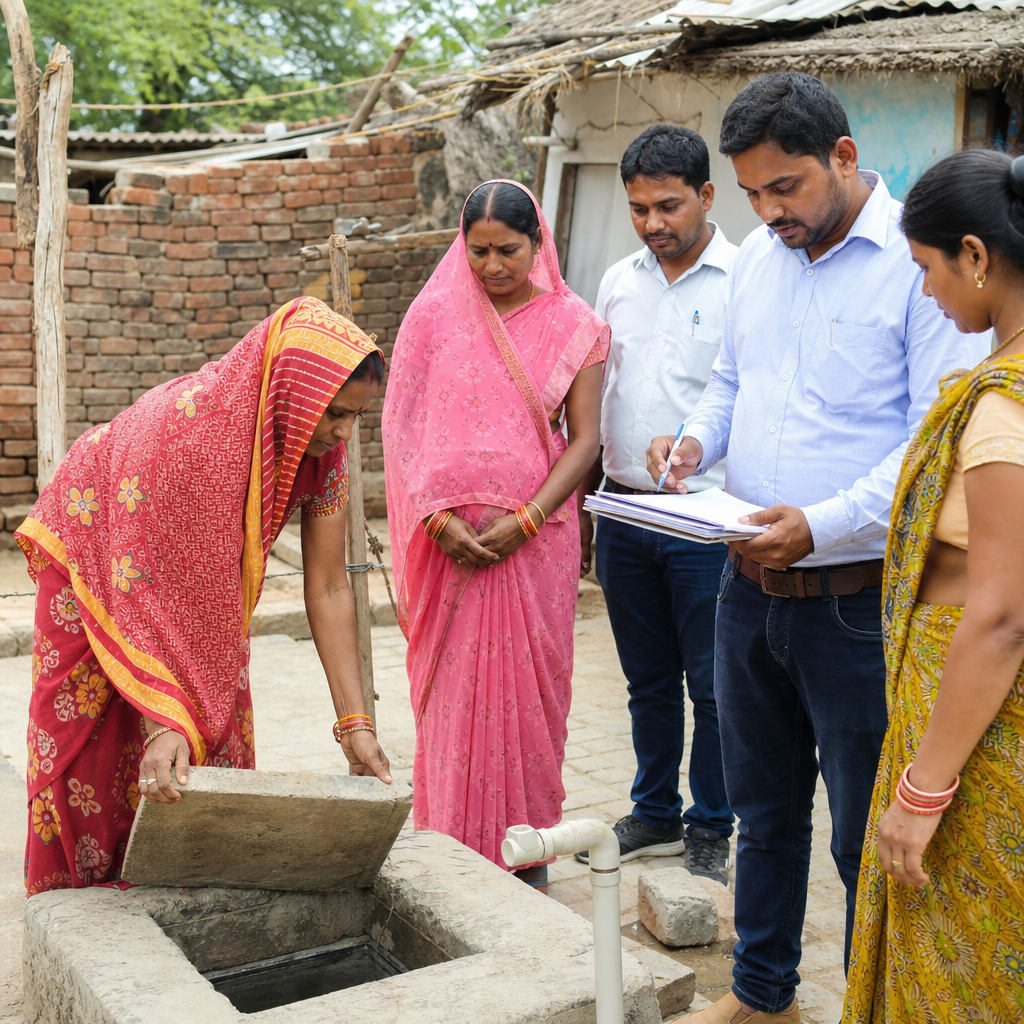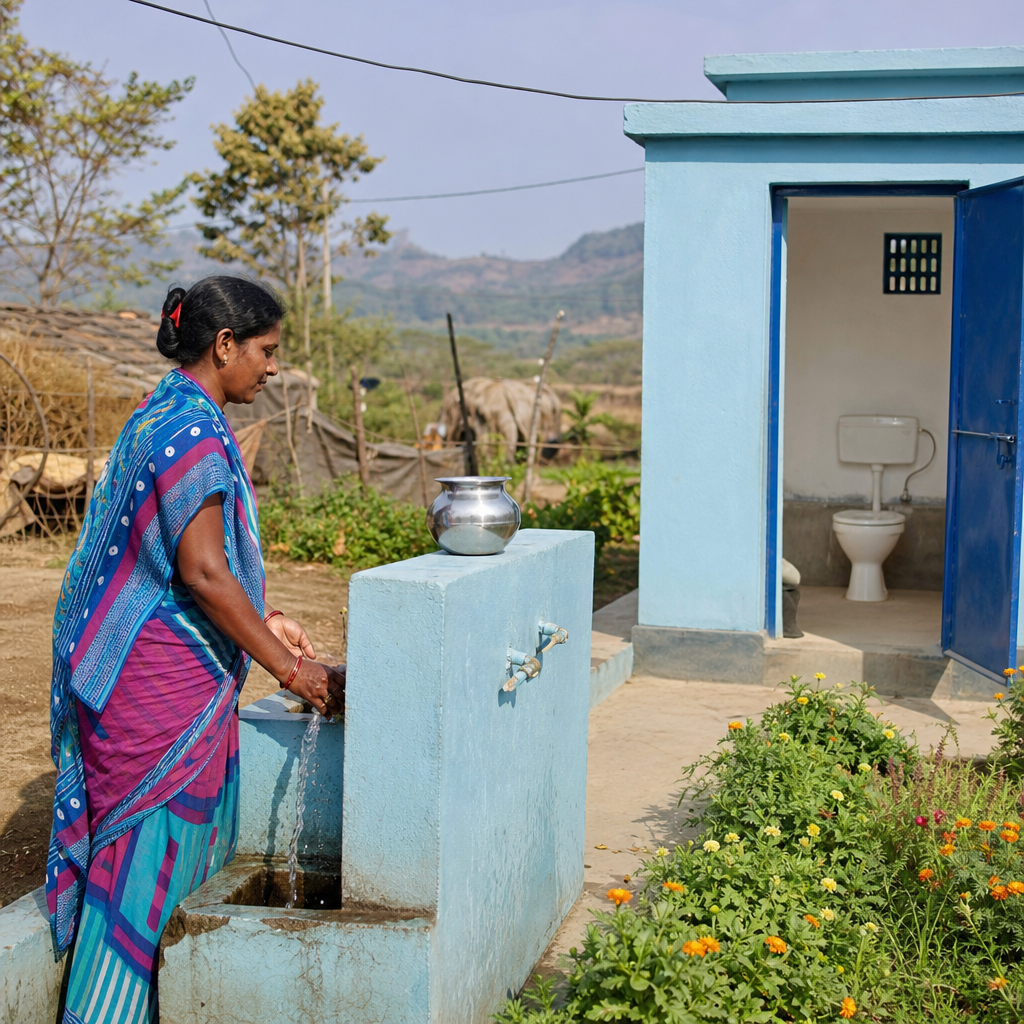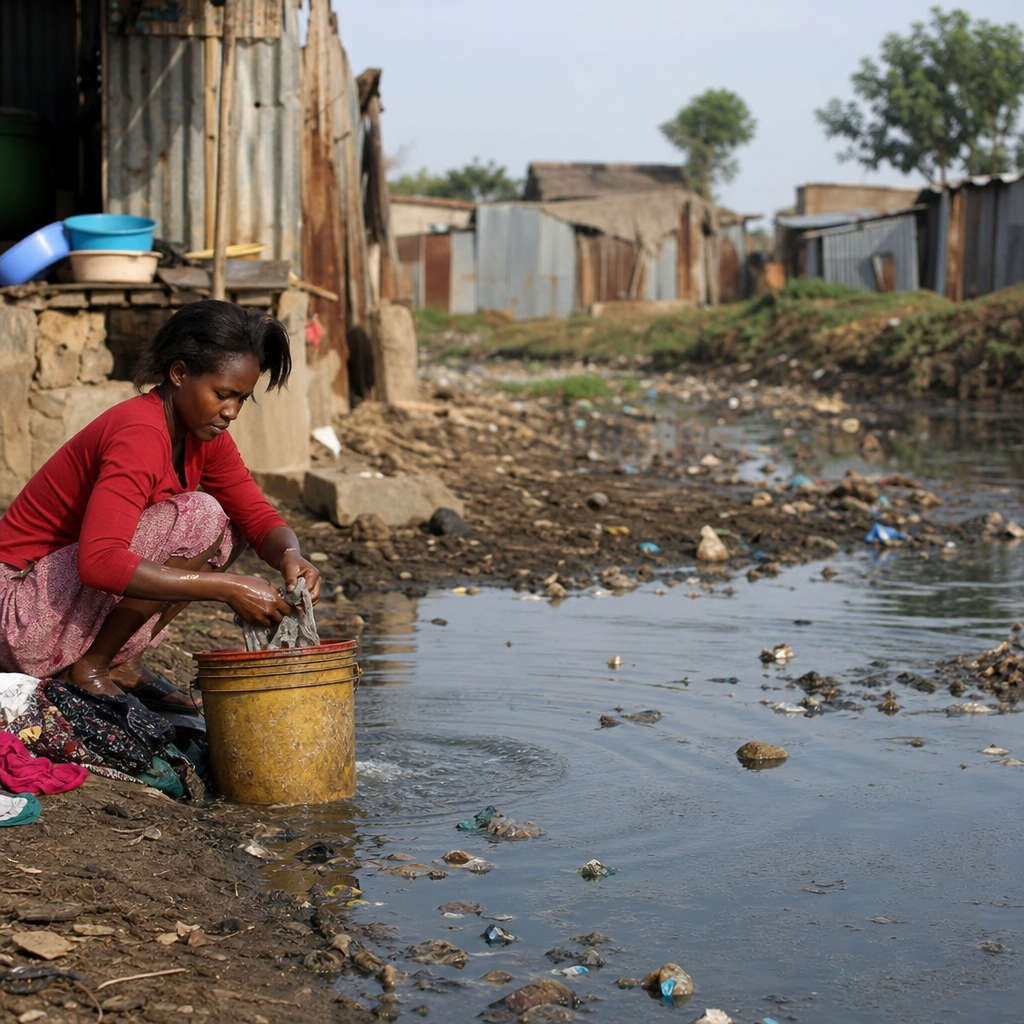
The cost of poor sanitation is measured not only in disease and discomfort, but also in lost wages, stalled education, damaged ecosystems, and preventable public spending. In practical terms, poor sanitation means inadequate containment, transport, treatment, or safe reuse of human waste, greywater, and related sludge. When these services fail, households pay through medical bills and time loss, while cities absorb higher cleanup costs and businesses face productivity declines. I have worked with sanitation investment cases where a missing toilet, an overflowing pit, or an unfunded fecal sludge service created expenses far beyond the price of prevention. That is why financing and investing in EcoSan deserves close attention within the wider economic aspects of sanitation.
EcoSan, short for ecological sanitation, is a systems approach that treats human waste as a resource stream rather than a disposal problem. Depending on local conditions, EcoSan can include urine-diverting dry toilets, composting toilets, decentralized wastewater treatment, biogas digesters, black soldier fly processing of organics, and nutrient recovery for agriculture. The goal is not simply to build toilets. It is to close loops safely by recovering water, energy, and nutrients while protecting health. This matters because conventional sewer expansion is often too capital intensive for low-density settlements, water-scarce regions, flood-prone communities, and rapidly growing peri-urban areas. EcoSan offers alternative service models, but those models still require robust financing, clear governance, and evidence that the full economic value exceeds the lifecycle cost.
The central question for decision makers is straightforward: what does poor sanitation cost, and how do smart EcoSan investments reduce that burden? The answer spans direct health impacts such as diarrheal disease, helminth infection, and stunting; indirect economic effects such as missed workdays, lower school attendance, and depressed land values; and broader system losses including water contamination, tourism decline, and climate emissions from unmanaged waste. The World Bank and World Health Organization have repeatedly shown that inadequate sanitation imposes national losses amounting to significant shares of gross domestic product in some low- and middle-income countries. At the project level, I have seen municipalities underestimate these losses because they budget for infrastructure but ignore externalities. A credible hub article must connect those hidden costs to financing mechanisms that can scale safer, circular sanitation services.
Financing and investing in EcoSan is comprehensive by necessity because sanitation value chains are fragmented. Funding may be needed for household interfaces, collection logistics, transfer stations, treatment plants, reuse businesses, farmer uptake, monitoring systems, and behavior change. Capital can come from households, public budgets, development finance institutions, climate funds, commercial lenders, philanthropy, carbon revenue, and blended structures. Revenue can come from user tariffs, service subscriptions, tipping fees, compost sales, struvite recovery, biogas, briquettes, and performance-based subsidies. Yet none of these streams works automatically. Each depends on regulation, demand, affordability, and operating competence. Understanding the cost of poor sanitation therefore helps investors and governments prioritize interventions with the highest social return and the strongest chance of long-term service delivery.
Why poor sanitation creates outsized economic losses
Poor sanitation creates outsized economic losses because contamination spreads across sectors. A household without safe containment may contaminate groundwater used for drinking, irrigation, or small business activity. A city that neglects fecal sludge management may face blocked drains, more flooding, and higher road maintenance after storm events wash waste through neighborhoods. Employers bear costs when workers miss shifts due to illness or caregiving. Schools lose instructional time when children, especially girls, avoid unsafe or undignified facilities. Health systems spend scarce funds treating diseases that are largely preventable through basic sanitation and hygiene services.
These losses are often divided into direct, indirect, and external costs. Direct costs include treatment for diarrhea, cholera, typhoid, intestinal parasites, skin infections, and urinary infections linked to poor facilities and exposure. Indirect costs include transport to clinics, time spent seeking care, and income lost from sickness. External costs fall on people who did not choose the sanitation failure, such as downstream communities exposed to pollution from an upstream discharge. In economic appraisal, these externalities are decisive. A sanitation project that looks marginal when judged only by tariff revenue can become highly attractive once avoided healthcare spending, time savings, and environmental restoration are included.
For EcoSan planning, the implication is clear: investors should not evaluate projects as narrow utility assets. They should assess them as public health, climate, agriculture, and resilience investments. That framing changes the financing conversation. It opens access to municipal health budgets, adaptation funds, agricultural partnerships, and social impact capital rather than relying only on sanitation tariffs, which are rarely sufficient on their own in low-income settings.
The health burden behind the sanitation financing gap
The health burden of poor sanitation is the most immediate reason to invest. Unsafe sanitation contributes to diarrheal disease, which remains a major cause of illness and death among young children in many countries. Repeated enteric infections are also associated with undernutrition, environmental enteric dysfunction, impaired cognitive development, and lower lifetime earnings. In dense settlements, badly managed pits and drains can increase mosquito breeding and exposure to other pathogens, compounding disease risk. Women and girls face additional burdens when facilities lack privacy, water, menstrual hygiene support, or safe nighttime access.
When I review sanitation business cases, I treat health outcomes as measurable economic variables, not vague social benefits. Incidence rates can be translated into treatment costs, lost workdays, school absenteeism, and disability-adjusted life years. Ministries of finance respond when sanitation proposals quantify these impacts with defensible assumptions. The same is true for lenders and donors evaluating results-based finance. If a fecal sludge treatment plant reduces unsafe dumping and pathogen exposure, the investment should be judged against avoided health expenditures and productivity gains over its full operating life.
Financing gaps persist because benefits are distributed while costs are concentrated. A household may pay for a toilet, but neighbors gain cleaner surroundings. A municipality may fund treatment, but hospitals save money. Farmers may benefit from recovered nutrients, yet the sanitation operator carries the upfront risk. This mismatch is why subsidies, grants, and public co-financing remain legitimate in EcoSan. The public returns are too large to leave the entire burden to individual users or small operators.
How EcoSan changes the investment case
EcoSan changes the investment case by turning waste management from a pure cost center into a resource recovery platform. Urine contains most of the nitrogen and a significant share of phosphorus excreted by humans. Fecal sludge can be composted, co-composted with organic waste, converted into briquettes, or digested for biogas under suitable conditions. Treated wastewater can support landscaping, industry, or agriculture where freshwater is scarce. These outputs do not eliminate the need for subsidy, but they can improve cost recovery and strengthen resilience against volatile fertilizer and energy prices.
In practice, successful EcoSan investments start with local market realism. Not every town can sell compost at scale, and not every farming region accepts products derived from human waste without sustained outreach and quality assurance. Technologies must match settlement density, water availability, soil conditions, user behavior, and transport distances. I have seen urine-diverting systems perform well where water is scarce and user training is consistent, while the same design failed elsewhere because maintenance was neglected and spare parts were unavailable. Investment quality depends less on novelty than on fit-for-purpose design and disciplined operations.
EcoSan also broadens who can invest. Agribusinesses may co-invest when nutrient recovery lowers fertilizer costs. Energy developers may support biodigesters where feedstock supply is reliable. Climate-oriented funds may back methane avoidance, reduced synthetic fertilizer use, or black carbon reductions from cleaner fuel substitutes. This is why a hub on financing and investing in EcoSan must cover the whole value chain, from household access to reuse market development.
Financing models for EcoSan across the value chain
No single financing model fits every EcoSan system. Household toilets may rely on savings, microfinance, rotating savings groups, targeted subsidies, or output-based aid. Collection fleets, transfer stations, and treatment facilities often need municipal capital budgets, concessional loans, development grants, or public-private partnership structures. Reuse enterprises may attract working capital, equipment finance, or equity if they can show stable offtake. The challenge is aligning each financing instrument with asset life, revenue profile, and risk allocation.
A useful starting point is to separate capital expenditure from operating expenditure. Many sanitation failures occur because projects are funded for construction but not for maintenance, desludging, training, spare parts, laboratory testing, and monitoring. EcoSan requires disciplined lifecycle financing. The container, toilet slab, diversion pan, storage vault, treatment reactor, drying bed, and compost pad all have different replacement cycles and service needs. If these are not budgeted upfront, performance deteriorates and public trust erodes quickly.
| Value chain component | Common financing sources | Main risks | What improves bankability |
|---|---|---|---|
| Household toilet or interface | Household savings, microloans, targeted subsidies | Affordability, low adoption, poor maintenance | Standardized designs, installer training, behavior support |
| Collection and transport | SME loans, lease finance, municipal contracts | Irregular demand, fuel costs, route inefficiency | Digital scheduling, subscription models, guaranteed service zones |
| Treatment facility | Public budget, concessional debt, blended finance | Underutilization, weak O&M, permit delays | Feedstock agreements, operator capacity, regulatory clarity |
| Reuse products | Working capital, grants, impact equity | Uncertain market demand, quality concerns | Offtake contracts, certification, demonstration plots |
Blended finance is especially relevant where social benefits are high but commercial returns are moderate. A grant can absorb early development risk, public funds can support viability-gap payments, and private capital can finance operationally mature segments such as transport or product distribution. Development banks increasingly favor this structure because it preserves public value while crowding in private execution capacity.
Measuring returns: health, productivity, agriculture, and climate
Measuring returns on EcoSan investments requires more than a narrow financial internal rate of return. Decision makers should calculate economic returns that capture avoided disease costs, time savings, school attendance, nutrient substitution, water reuse value, reduced flood cleanup, and climate benefits. Standard appraisal methods include cost-benefit analysis, cost-effectiveness analysis, and lifecycle costing. For municipal projects, sensitivity analysis is essential because user uptake, product pricing, and transport costs can vary sharply.
Concrete examples help. A fecal sludge composting plant may generate modest direct revenue from tipping fees and compost sales, yet its strongest value can come from reduced illegal dumping and lower clinic burdens in nearby settlements. A biogas system serving a market or institution may offset liquefied petroleum gas purchases while also improving waste handling and reducing odors. A urine-diversion program in a fertilizer-constrained farming area may become attractive when phosphorus prices rise or imports are disrupted. In each case, the investment logic strengthens when benefits are quantified across sectors rather than siloed.
Climate accounting is becoming more important. Unmanaged excreta can emit methane and nitrous oxide, while contaminated waterways increase broader ecological stress. Proper treatment, co-composting, biogas capture, and nutrient recycling can cut emissions compared with uncontrolled decomposition and synthetic fertilizer production. Where methodologies are credible and monitoring is strong, carbon finance may support project economics, though it should be treated as supplemental revenue rather than the sole basis for viability.
What makes EcoSan projects investable in the real world
Investable EcoSan projects share a predictable set of characteristics. First, they solve a clearly defined service gap with data on population, waste volumes, current practices, and health exposure. Second, they have an operator model that specifies who collects revenue, who maintains assets, who monitors quality, and who is accountable when performance drops. Third, they match technology to context. A simple, maintainable system with local supply chains is usually superior to a sophisticated design that depends on imported parts and rare technical skills.
Fourth, they address regulation early. Reuse of treated excreta products requires standards for pathogen reduction, storage, transport, labeling, and application. Investors gain confidence when municipalities enforce dumping controls and when ministries provide guidance aligned with recognized approaches such as sanitation safety planning and risk-based management. Fifth, they create demand. Farmers need product trials, institutions need procurement pathways, and households need clear service promises. Without market development, reuse components remain underutilized.
Finally, investable projects report performance transparently. Track fill rates, collection frequency, treatment throughput, pathogen indicators, compost maturity, customer retention, complaints, downtime, and cash collection. Digital tools now make this easier, from route management apps to remote sensors and mobile payments. Good data reduces perceived risk, and lower perceived risk lowers financing cost.
Building a practical EcoSan investment roadmap
A practical EcoSan investment roadmap starts by identifying the most expensive failures of the current sanitation system. Is the main problem open defecation, overflowing pits, illegal discharge, flood contamination, or lack of reuse? Next, map the value chain and assign realistic service standards. Then choose financing instruments for each component, combining public funds for public goods with private capital where cash flows are dependable. Pilot before scaling, but design the pilot with full-cost accounting so results are transferable.
For readers exploring related pages under this subtopic, the most useful next steps are deeper reviews of microfinance for toilets, municipal fecal sludge PPPs, carbon-linked sanitation finance, nutrient recovery business models, and affordability targeting. The cost of poor sanitation is too high to postpone action. Strong EcoSan financing turns sanitation from a recurring loss into a health, agriculture, and resilience asset. Audit your current sanitation costs, quantify the hidden losses, and build an investment plan that funds the entire service chain, not just the first toilet.
Frequently Asked Questions
1. What does the “cost of poor sanitation” really include?
The cost of poor sanitation goes far beyond dirty surroundings or unpleasant odors. It includes direct health costs such as treatment for diarrheal disease, intestinal infections, skin conditions, and other illnesses linked to unsafe waste disposal and contaminated water. Families often pay out of pocket for clinic visits, medicine, transport to health facilities, and in severe cases hospitalization. For low-income households, even a single sanitation-related illness can disrupt an entire monthly budget.
It also includes indirect economic losses that are easy to overlook. When adults are sick, they lose workdays and wages. When children are ill, they miss school, fall behind academically, and may require a parent or caregiver to stay home. Over time, repeated exposure to poor sanitation can reduce physical development, weaken immunity, and affect long-term productivity. At the community level, municipalities spend more on drainage clearing, emergency response, disease control, environmental cleanup, and repairs to damaged infrastructure. In short, the cost of poor sanitation shows up in healthcare spending, lost income, weaker education outcomes, lower business productivity, and higher public-sector expenses.
2. How does poor sanitation affect public health?
Poor sanitation creates ideal conditions for disease transmission because human waste is not safely contained, transported, treated, or reused. When fecal matter enters water sources, soil, food systems, or public spaces, pathogens can spread quickly through drinking water, unwashed hands, floodwater, flies, and contaminated surfaces. This raises the risk of diarrheal diseases, cholera, typhoid, intestinal worm infections, hepatitis, and other preventable illnesses. Children, older adults, pregnant women, and people with weakened immune systems often face the highest risk.
The health effects are not limited to short-term infections. Repeated exposure to contaminated environments can contribute to chronic undernutrition, impaired child growth, poor cognitive development, and greater vulnerability to future illness. Unsafe sanitation can also affect mental well-being by creating stress, shame, and fear, especially where people lack privacy or safety when using sanitation facilities. In many communities, women and girls bear a disproportionate burden, particularly when facilities are insecure, distant, or unusable during menstruation. From a public health standpoint, sanitation is one of the most fundamental disease prevention systems a society can invest in.
3. Why does poor sanitation hurt the economy so much?
Poor sanitation weakens the economy because it reduces productivity at nearly every level. At the household level, illness means missed work, lower earnings, and unexpected medical spending. Informal workers and daily wage earners are especially vulnerable because they often lose income immediately when they cannot work. At the business level, companies face absenteeism, lower output, reduced worker concentration, and in some cases reputational or compliance risks if workplace sanitation is inadequate. In sectors such as food service, hospitality, manufacturing, healthcare, and education, poor sanitation can disrupt operations and increase liability.
At the city and national level, the costs become even larger. Governments may be forced to spend more on emergency healthcare, disease surveillance, drainage maintenance, solid waste removal, wastewater control, and environmental remediation. Tourism can suffer when sanitation systems are visibly failing or when outbreaks affect public confidence. Property values may decline in poorly serviced areas, and investment can be discouraged where basic infrastructure is unreliable. Over time, inadequate sanitation acts like a drag on economic development: it raises operating costs, reduces human capital, and forces public money toward crisis management instead of long-term growth.
4. What are the environmental impacts of poor sanitation?
When sanitation systems fail, the environment often becomes the hidden recipient of untreated waste. Human waste, greywater, and sludge may enter rivers, lakes, wetlands, groundwater, or coastal waters without proper treatment. This contamination can deplete oxygen in water bodies, fuel algal blooms, damage aquatic ecosystems, and make water unsafe for drinking, irrigation, fishing, or recreation. In dense urban areas, blocked drains and unmanaged wastewater can worsen flooding, spread contamination across neighborhoods, and increase mosquito breeding sites.
Soil quality can also be affected when waste is disposed of improperly or when sludge is handled without treatment. That contamination can move into crops, livestock systems, or shallow wells, extending health and economic risks far beyond the original source. Environmental damage from poor sanitation often leads to additional public costs, including cleanup, water treatment, ecosystem restoration, and infrastructure repair. By contrast, safe sanitation protects both human health and natural systems by ensuring waste is managed as a service chain—from containment to transport, treatment, and where appropriate, safe reuse.
5. What solutions reduce the health and economic costs of poor sanitation?
The most effective solutions treat sanitation as a complete service system rather than just a toilet or a single facility. That means investing in safe containment, reliable collection or emptying, transport, treatment, disposal, and where feasible, safe reuse of treated outputs. In urban areas, this may include sewer expansion, fecal sludge management services, decentralized treatment systems, drainage improvements, and stronger regulation of service providers. In rural or peri-urban settings, solutions may focus on durable on-site sanitation, safe pit emptying, treatment access, hygiene behavior, and water protection measures tailored to local conditions.
Equally important are financing, maintenance, and governance. Infrastructure alone will not solve the problem if systems are poorly managed, unaffordable, or inaccessible to vulnerable populations. Effective sanitation policy usually combines public investment, utility or municipal oversight, targeted subsidies for low-income households, enforcement of health and environmental standards, and community engagement. Schools, clinics, markets, and workplaces also need reliable sanitation because they are high-impact settings for health and productivity. When sanitation is planned and funded properly, the return is substantial: lower disease burden, reduced healthcare costs, higher school attendance, stronger labor productivity, cleaner environments, and more resilient communities.