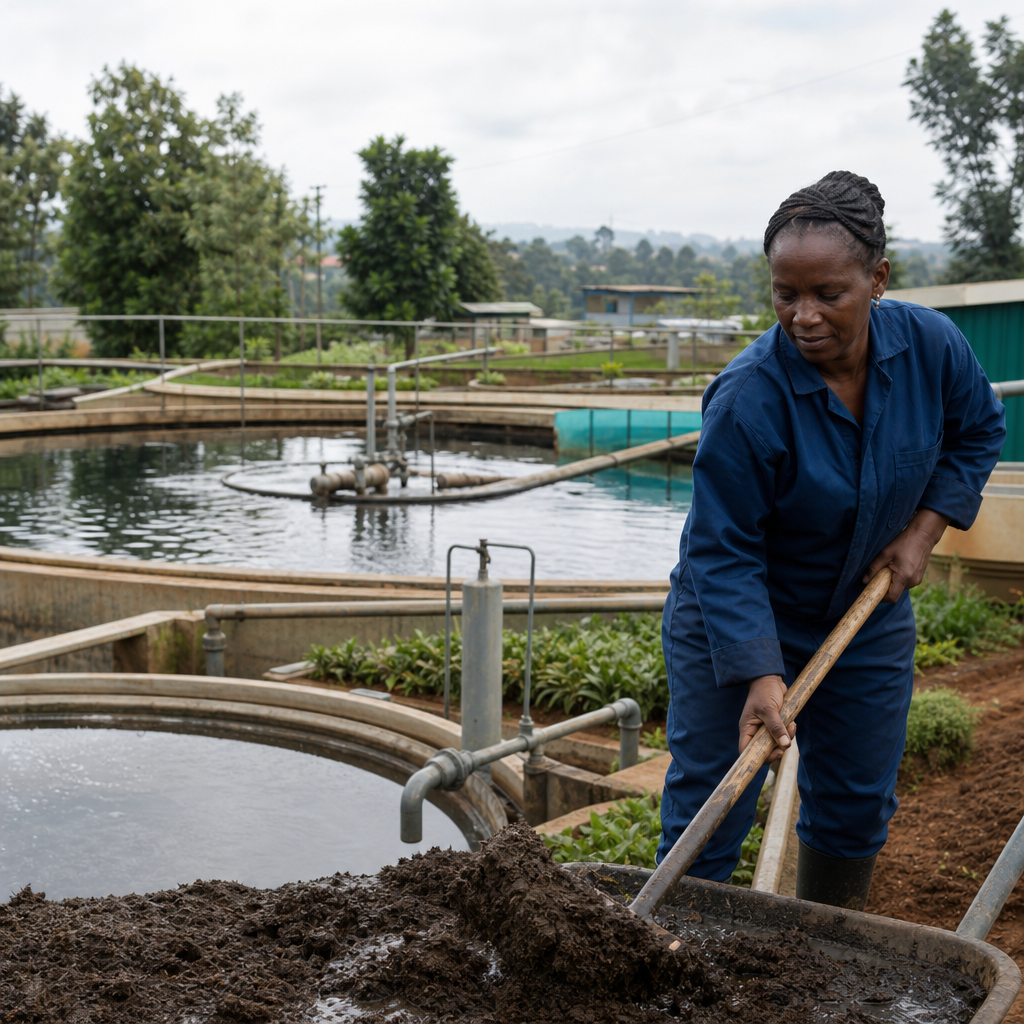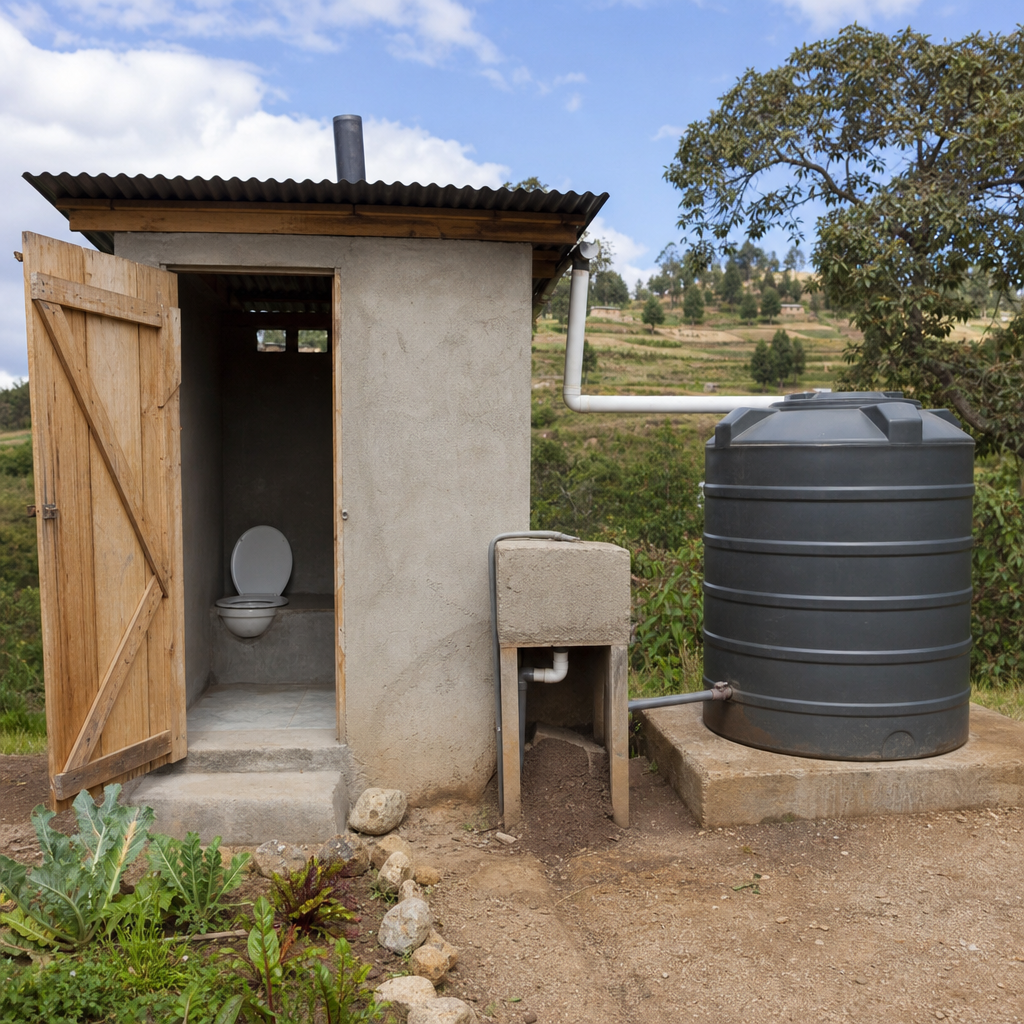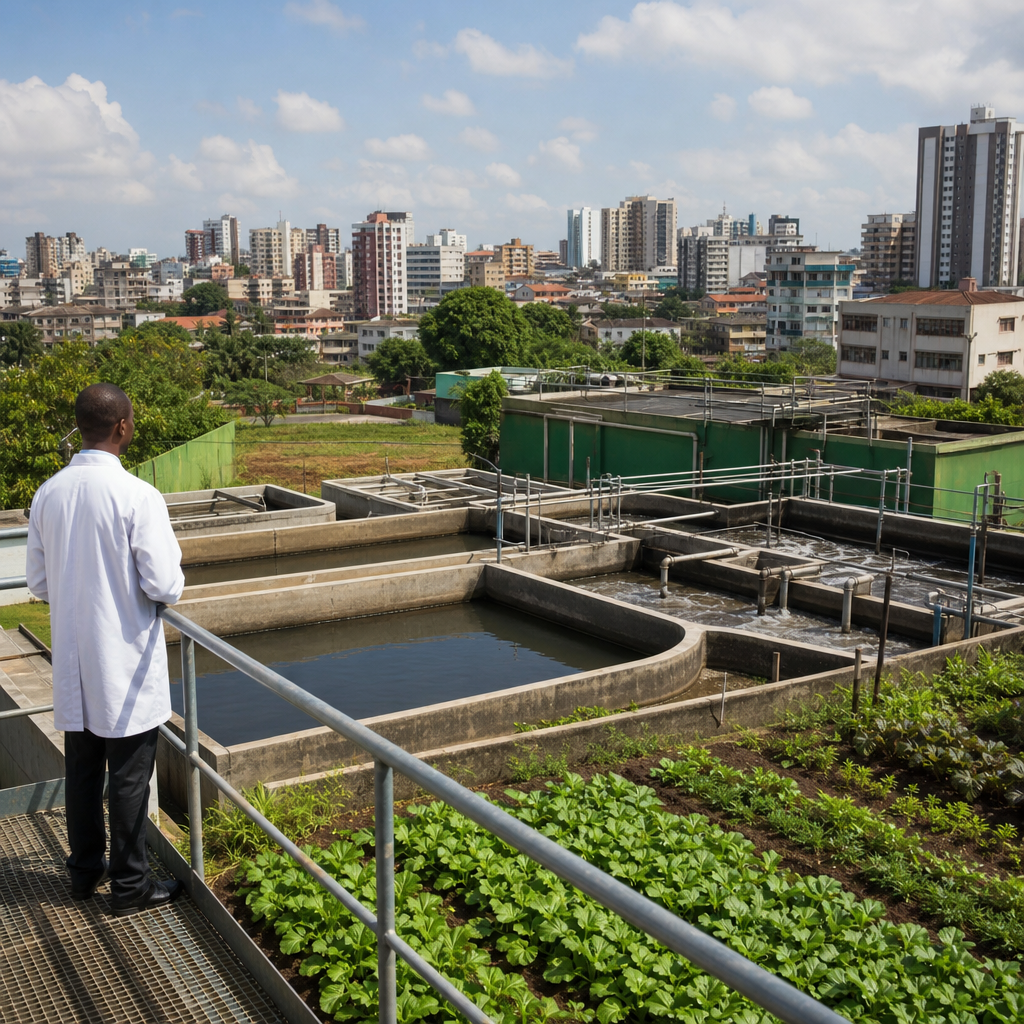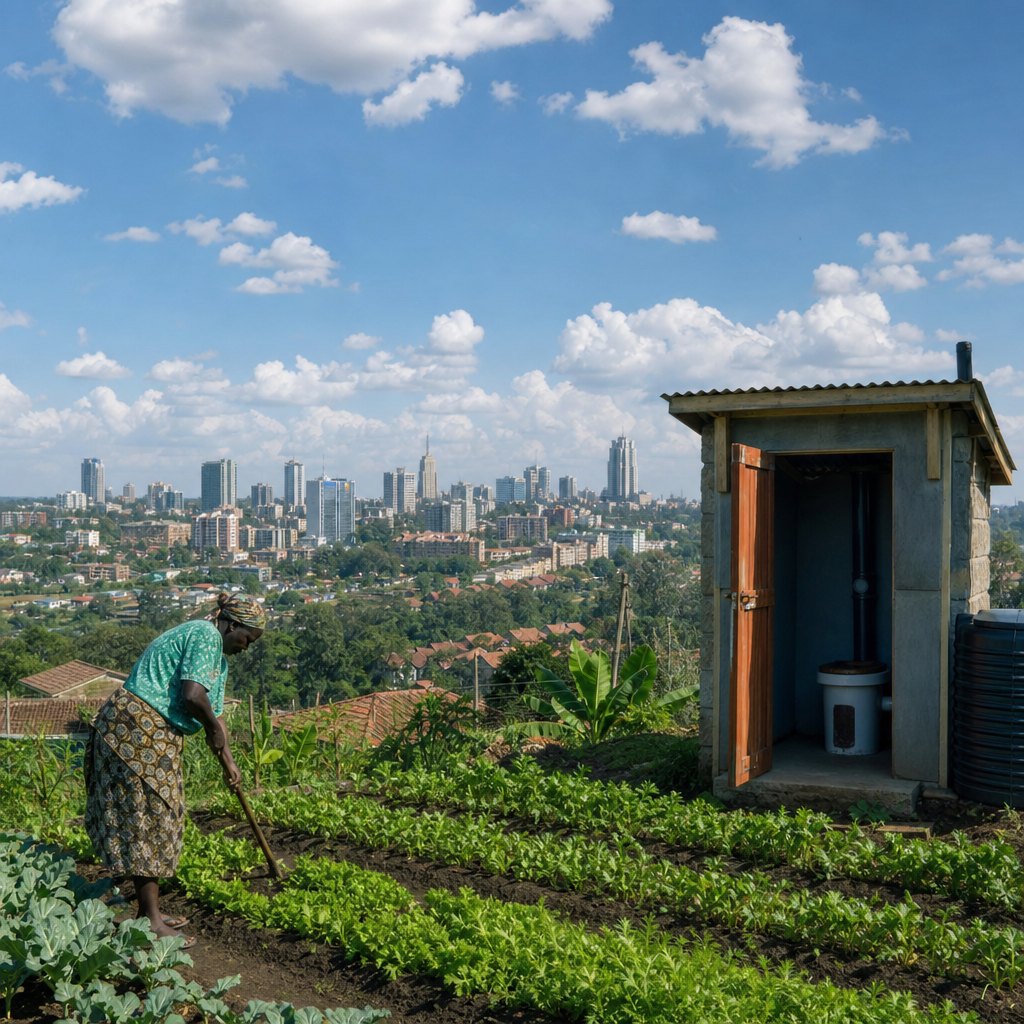
EcoSan, short for ecological sanitation, is no longer a niche concept discussed only by sanitation engineers and environmental planners. It has become an economic topic with direct relevance to public budgets, agricultural productivity, resource security, climate resilience, and business development across low, middle, and high income markets. At its core, EcoSan is a sanitation approach that treats human waste not simply as material to dispose of, but as a resource stream that can be safely recovered, processed, and reused. When designed and managed well, EcoSan systems can recover nutrients, conserve water, reduce pollution, and create value from outputs that conventional sanitation often treats as liabilities.
Economic sustainability in EcoSan means more than lowering toilet construction costs. It includes lifecycle affordability, operation and maintenance, nutrient recovery value, local job creation, resilience to water scarcity, reduced health expenditures, and the financial durability of service models over time. In practice, I have seen projects succeed when planners stopped asking only, “What does the toilet cost?” and started asking, “Who pays for emptying, treatment, transport, reuse, and system upgrades over ten years?” That broader economic lens is what makes this topic important for governments, utilities, NGOs, farmers, and investors.
As a sub-pillar within the wider economic aspects of sanitation, this hub article explains how EcoSan contributes to the global economy, where the business case is strongest, what costs and tradeoffs matter, and which financing and policy mechanisms improve long-term viability. It also clarifies a basic point that is often misunderstood: EcoSan is not one technology. It is a family of approaches, including urine-diverting dry toilets, container-based sanitation linked to resource recovery, composting systems, decentralized treatment units, and fecal sludge treatment models designed to return nutrients, energy, organic matter, or water to productive use. Their economics differ, but the common principle is circular value creation.
Why EcoSan matters economically at the global level
EcoSan matters to the global economy because sanitation failures impose large direct and indirect costs. Poor sanitation increases healthcare spending, reduces worker productivity, contributes to child stunting, contaminates water bodies, and raises treatment costs for downstream users. The World Bank and WHO have repeatedly shown that inadequate sanitation can cost countries several percentage points of GDP through health impacts, time losses, and environmental damage. EcoSan addresses part of that burden by reducing unsafe waste disposal while also converting sanitation systems into productive infrastructure.
That shift from disposal to recovery changes the economics in meaningful ways. Nitrogen, phosphorus, potassium, carbon rich soil amendments, biogas feedstocks, and reclaimed water all have market or avoided-cost value. Phosphorus is especially important because it is essential for agriculture and mined phosphate rock is geographically concentrated. Countries that import fertilizer are exposed to price volatility and supply risk. When properly treated urine and fecal matter are converted into safe agricultural inputs, EcoSan can reduce dependence on imported nutrients, particularly for peri-urban and smallholder farming systems.
The macroeconomic relevance is stronger in places facing water stress, fertilizer inflation, weak sewer networks, or rapid urban growth. Conventional sewer expansion is capital intensive and often unaffordable in fast-growing settlements. Decentralized EcoSan models can lower network costs, reduce water demand, and make service expansion possible where sewers are unrealistic. That does not mean EcoSan always replaces sewerage. In many regions, the best economic outcome is a mixed sanitation portfolio, with sewer systems in dense cores and resource-recovering onsite or decentralized solutions in peri-urban, rural, flood-prone, or water-scarce areas.
Understanding the core economics of EcoSan systems
The economics of EcoSan depend on capital expenditure, operating expenditure, service logistics, treatment performance, user adoption, and the value of recovered outputs. Capital costs may include toilet superstructures, urine diversion components, storage tanks, containers, transfer equipment, treatment units, and training. Operating costs include collection, labor, replacement parts, treatment inputs, quality testing, marketing of outputs, and regulatory compliance. A low construction cost can be misleading if emptying is difficult, if treatment fails to meet standards, or if recovered products have no reliable buyers.
Lifecycle costing is therefore essential. In field assessments, I have found that projects with the best long-run economics usually share three traits: simple hardware, clear service chains, and a realistic end-use market. For example, a urine-diverting dry toilet in a water-scarce settlement may save substantial water and sewer fees, but the system only remains economical if households can manage diversion correctly, if storage and transport are practical, and if farmers or blending facilities can absorb the nutrient stream. Likewise, container-based sanitation can produce excellent service quality in dense informal areas, but the business model depends on route density, collection frequency, transfer efficiency, and treatment throughput.
Externalities also matter. Conventional cost comparisons often ignore environmental and health costs, which makes resource-recovering systems look less competitive than they actually are. When avoided groundwater contamination, reduced eutrophication, lower freshwater demand, and lower disease transmission are included, the economic picture improves. Public finance should account for these benefits because many sanitation gains accrue to society, not only to the household paying the monthly service fee.
Revenue streams and cost savings in economic sustainability
Economic sustainability in EcoSan comes from a combination of revenue generation and avoided expenditure. The first category includes sales of compost-like soil conditioners, pelletized fertilizers, struvite, treated urine products, energy products, black soldier fly larvae grown on suitable feed streams, and in some contexts reclaimed water. The second category includes avoided fertilizer purchases, lower water consumption, deferred sewer expansion, reduced sludge dumping costs, lower healthcare burdens, and improved crop performance from restored soil organic matter.
Not every project should rely heavily on product sales. In many cases, sanitation is primarily a public service, and recovered products provide supplementary income rather than full cost recovery. This distinction is critical. Too many early EcoSan initiatives overestimated the market value of outputs and underestimated the costs of safe processing, certification, and distribution. A more realistic model treats nutrient recovery as one component of a blended value proposition. Municipalities save on waste management and environmental remediation. Farmers gain access to local inputs. Households gain service. Operators earn from service fees plus resource sales.
| Economic factor | How EcoSan creates value | Main limitation |
|---|---|---|
| Fertilizer recovery | Substitutes part of nitrogen, phosphorus, and potassium demand | Requires treatment quality, storage, and farmer acceptance |
| Water savings | Reduces flush water use and pressure on supply systems | Greatest benefit appears in water-scarce regions |
| Public health gains | Lowers exposure to pathogens when service chains are managed well | Benefits fall sharply if operation standards are weak |
| Infrastructure savings | Avoids or defers sewer network expansion in difficult areas | Not ideal for every dense urban context |
| Employment creation | Supports collection, treatment, manufacturing, agronomy, and sales jobs | Needs stable regulation and demand to scale |
A practical example is the production of struvite, a magnesium ammonium phosphate mineral recovered from urine or nutrient-rich waste streams. Struvite can function as a slow-release fertilizer and is easier to handle than raw liquid inputs. Yet struvite recovery only makes economic sense where nutrient concentrations, treatment scale, and product markets justify the equipment and chemical inputs. In small rural systems, direct urine use after proper storage may be cheaper than advanced recovery. In larger institutional or municipal settings, more processed products can be viable.
EcoSan and agriculture, trade, and resource security
The strongest long-term economic argument for EcoSan is its connection to agriculture. Modern food systems depend on nutrient flows, especially phosphorus and nitrogen. Conventional sanitation breaks those flows by mixing excreta with large volumes of water and discharging nutrients into waterways or energy-intensive treatment systems. EcoSan restores part of the cycle. For countries with weak fertilizer manufacturing capacity or heavy import dependence, local nutrient recovery improves resource security and reduces exposure to global commodity swings.
This matters because fertilizer prices can move sharply due to natural gas costs, geopolitics, export restrictions, and shipping disruptions. Smallholder farmers are hit hardest by volatility. Recovered nutrients will not replace global fertilizer markets, but they can reduce vulnerability at the margin and improve local resilience. In regions with depleted soils, organic amendments derived from safely treated biosolids or composted fractions can also improve soil structure, water retention, and microbial activity, benefits that purely synthetic inputs do not fully provide.
Trade implications extend beyond fertilizers. EcoSan stimulates local manufacturing of toilet components, storage systems, treatment equipment, protective gear, and monitoring tools. It also creates service markets in transport, emptying, agronomic extension, laboratory testing, and product distribution. These are not abstract gains. In East Africa, Southern Africa, South Asia, and parts of Latin America, sanitation enterprises have built business lines around container collection, compost production, carbonized fuel briquettes, and nutrient products for commercial farms. The most durable firms usually combine sanitation fees with a diversified output strategy rather than relying on a single commodity.
Business models, financing, and policy support
EcoSan succeeds economically when business models match local conditions. Household self-supply models can work in rural areas where users value fertilizer recovery and can manage operation directly. Service-based models are better in dense settlements where regular collection and centralized treatment are needed. Institutional models fit schools, markets, construction sites, refugee settings, and public facilities. Hybrid models combine public subsidy for core service provision with private operation and commercial sale of recovered outputs.
Financing usually requires more than one source. Upfront capital may come from public investment, climate or development finance, philanthropic grants, microfinance, or blended finance structures. Operations may be covered through tariffs, service contracts, municipal transfers, cross-subsidies, agricultural sales, and producer responsibility schemes where relevant. Results-based financing can help if indicators are clear, such as verified containment, safe transport, pathogen reduction, or nutrient recovery volumes. Carbon finance is emerging in some markets, especially where EcoSan systems reduce methane emissions from unmanaged waste or displace synthetic fertilizer production, but methodologies remain complex.
Policy support is decisive. Without standards for safe reuse, product certification, land application, and operator licensing, markets remain small and risky. The World Health Organization sanitation safety planning framework and ISO 30500 performance standards for non-sewered sanitation systems provide useful reference points. Governments also need procurement rules that allow decentralized and non-sewered solutions to compete fairly with conventional infrastructure. If subsidies only favor sewers, economically sound EcoSan options will struggle even where they are the best fit.
Constraints, risks, and what separates durable programs from failed pilots
EcoSan is not automatically economical, and many pilots have failed because planners underestimated behavior, logistics, or regulation. User acceptance is one barrier. Urine diversion, source separation, and dry system maintenance require clear design and communication. If toilets are hard to clean, inconvenient for children, or unfamiliar to users, misuse rises and economics deteriorate quickly. Collection logistics are another challenge. Transporting low-value bulk material over long distances can erase any recovery margin, which is why local or regional end-use markets are so important.
Treatment quality is non-negotiable. Pathogen reduction, pharmaceutical residue management where relevant, moisture control, and contaminant monitoring all affect market trust. Reuse products that are unsafe or perceived as unsafe will not sell consistently. There are also seasonal issues. Fertilizer demand follows planting cycles, while sanitation outputs are generated continuously, so storage and inventory management become real economic concerns. Finally, institutions matter. Durable programs have trained operators, realistic tariffs, service contracts, monitoring data, and enforcement of disposal rules. Failed pilots usually have hardware but no service chain, no budget for maintenance, and no buyer development strategy.
The future role of EcoSan in the global economy
EcoSan will play a larger role in the global economy as cities search for lower-cost sanitation expansion, agriculture seeks circular nutrient sources, and climate pressure intensifies the need for water-efficient infrastructure. The most promising growth areas are not one-size-fits-all toilet campaigns. They are integrated service systems linked to measurable outcomes: safe containment, reliable collection, quality-assured treatment, and productive reuse where it is economically sensible. Digital routing, remote fill-level monitoring, nutrient processing technologies, and stronger reuse standards will improve operational efficiency and investor confidence.
The central lesson is straightforward. Economic sustainability in EcoSan depends on treating sanitation as a managed value chain, not a one-time construction project. When planners account for lifecycle costs, public health gains, water savings, agricultural value, and resilience benefits, EcoSan becomes a serious economic strategy rather than an environmental side note. For readers building out the broader Economic Aspects topic, this hub should anchor deeper exploration of lifecycle costing, financing mechanisms, nutrient markets, service models, policy design, and agricultural reuse economics. The next step is simple: evaluate EcoSan options using full-system economics, then match the model to local demand, regulation, and resource recovery opportunities.
Frequently Asked Questions
1. What is EcoSan, and why does it matter to the global economy?
EcoSan, or ecological sanitation, is an approach to sanitation that views human waste as a recoverable resource rather than something to be flushed away and discarded. Instead of relying only on conventional sewerage and waste disposal systems, EcoSan systems are designed to safely capture, treat, and reuse nutrients, water, and organic matter. That matters economically because sanitation is not just a public health service; it is also deeply connected to labor productivity, food systems, infrastructure spending, energy use, and long-term resource management.
From a global economic perspective, EcoSan helps shift sanitation from being seen purely as a cost center to being understood as a value-generating system. Poor sanitation creates measurable economic losses through disease, missed workdays, school absenteeism, medical costs, environmental degradation, and lower tourism and investment confidence. EcoSan can reduce many of these losses while creating additional gains through nutrient recovery, lower fertilizer dependence, improved soil health, and more resilient local sanitation infrastructure.
Its relevance spans low-, middle-, and high-income markets. In lower-income regions, EcoSan can expand access where centralized sewer systems are too expensive or impractical. In middle-income economies, it can support agricultural productivity and reduce pressure on public budgets. In higher-income markets, it aligns with circular economy goals, climate targets, water conservation strategies, and innovation in waste-to-resource industries. In short, EcoSan matters because it connects sanitation policy with broader economic performance, resource security, and sustainable development.
2. How does EcoSan create economic value in agriculture and resource management?
One of EcoSan’s most important economic contributions is its ability to recover nutrients that would otherwise be wasted. Human excreta contains valuable elements such as nitrogen, phosphorus, and potassium, which are essential for crop production. In conventional sanitation systems, these nutrients are often diluted, lost, or discharged in ways that create pollution rather than value. EcoSan systems are designed to safely process and return those nutrients to productive use, often as soil amendments or fertilizers.
This has direct implications for agriculture. Farmers around the world face rising input costs, especially for synthetic fertilizers, which are vulnerable to energy prices, geopolitical disruptions, and global supply chain instability. Phosphorus, in particular, is a finite resource with strategic importance for food security. By recovering nutrients locally, EcoSan can reduce dependence on imported agricultural inputs, strengthen domestic food systems, and improve resilience in times of price volatility.
There are also indirect economic benefits. Reused organic matter can improve soil structure, water retention, and long-term fertility, which may help increase yields and reduce irrigation needs in some settings. Better soil health can be especially valuable in drought-prone or degraded agricultural areas, where productivity gains have broad economic consequences. At a national level, that means EcoSan can support both farm incomes and macroeconomic stability by lowering import exposure, improving land productivity, and making resource use more efficient. For governments and businesses focused on circular resource management, EcoSan offers a practical example of how sanitation can contribute to productive economic cycles instead of linear waste disposal.
3. Can EcoSan reduce public spending and improve infrastructure efficiency?
Yes, in many contexts EcoSan can reduce public spending pressures and improve the efficiency of sanitation investments. Traditional centralized sewer systems require major capital outlays for pipes, pumping stations, treatment plants, and long-term maintenance. Those systems can be highly effective in dense urban environments, but they are also expensive to expand and difficult to deliver quickly in informal settlements, peri-urban zones, remote communities, and water-scarce regions. EcoSan provides more flexible options that can often be implemented at lower cost and with more localized management.
The savings are not limited to construction budgets. Inadequate sanitation creates ongoing fiscal burdens through preventable disease outbreaks, environmental cleanup, groundwater contamination, and strained healthcare systems. When EcoSan systems are safely designed, maintained, and integrated into local service models, they can reduce these downstream public costs. Healthier populations generally mean lower treatment expenses, higher school attendance, and stronger workforce participation, all of which support national and local economies.
EcoSan can also improve infrastructure efficiency by reducing water demand. Many conventional sanitation systems depend heavily on flush water, which increases stress on already limited water supplies and requires additional treatment capacity. Water-saving or dry sanitation models can be economically valuable in cities and regions dealing with drought, aging water networks, or high utility costs. For policymakers, this creates an important planning advantage: instead of treating sanitation, water, waste management, and agriculture as separate sectors, EcoSan makes it possible to design more integrated and cost-effective systems. The result is often better value from public investment, especially when life-cycle costs and long-term resilience are taken into account.
4. What role does EcoSan play in climate resilience and sustainable economic development?
EcoSan plays a growing role in climate resilience because it supports decentralized, adaptive, and resource-efficient sanitation systems. Climate change is increasing stress on water supplies, damaging infrastructure through floods and extreme weather, and raising the economic risks associated with poorly managed waste systems. Conventional sanitation networks can be vulnerable to these disruptions, particularly where treatment plants are overloaded, drainage systems fail, or water availability becomes unreliable. EcoSan approaches can offer alternatives that are better suited to changing environmental conditions.
Economically, resilience matters because climate-related service failures are expensive. Flooded sanitation systems can contaminate water sources, increase disease transmission, disrupt businesses, and require costly emergency responses. Water-intensive sanitation can become harder to sustain in drought-affected regions. EcoSan systems that conserve water, recover nutrients, and function in more decentralized ways can help communities and institutions maintain service continuity while lowering environmental risk.
EcoSan also supports sustainable economic development by reinforcing circular economy principles. It reduces waste, recovers value from overlooked resource streams, and encourages local service ecosystems around treatment, collection, processing, maintenance, and reuse. That can create jobs, support small and medium-sized enterprises, and stimulate innovation in sanitation technology, agricultural inputs, and environmental services. Importantly, sustainable development is not only about environmental protection; it is about building systems that remain financially and operationally viable over time. EcoSan contributes to that goal by linking sanitation outcomes with food production, water stewardship, public health, and climate adaptation. In that sense, it is increasingly relevant not just as an environmental solution, but as an economic strategy for more resilient growth.
5. What are the biggest barriers to scaling EcoSan globally, and how can they be overcome?
Despite its potential, EcoSan still faces several barriers to large-scale adoption. One of the biggest is perception. In many places, sanitation policy and public opinion are still shaped by a linear model that equates progress with disposal, not recovery. Reuse of treated human waste can trigger understandable concerns about safety, hygiene, and social acceptance. These concerns must be addressed directly through strong standards, clear regulation, effective treatment processes, and public education. EcoSan succeeds best when it is presented not as an improvised substitute, but as a modern, professionally managed sanitation and resource recovery system.
Another major barrier is institutional fragmentation. Responsibility for sanitation, agriculture, water, health, and waste management is often split across different ministries, utilities, and funding channels. That makes it difficult to finance and govern systems whose benefits cross sector boundaries. For example, a municipality may bear the cost of a sanitation upgrade while farmers or environmental agencies capture part of the economic benefit. Overcoming this requires integrated policy design, cross-sector planning, and financing models that reflect the full value EcoSan creates.
There are also practical challenges involving technology choice, maintenance capacity, market development for recovered products, and long-term service delivery. Not every EcoSan model fits every context, and poorly implemented systems can undermine public confidence. The solution is careful localization: selecting designs that match climate conditions, settlement patterns, user preferences, regulatory requirements, and local business capacity. Governments, development agencies, researchers, and private firms all have a role to play in building quality standards, training operators, supporting pilot projects, and developing reliable markets for recovered nutrients and related products.
When these barriers are addressed, EcoSan becomes much easier to scale. The key is to treat it as part of mainstream economic and infrastructure planning rather than a niche sustainability experiment. With the right governance, investment, and public communication, EcoSan can move from isolated projects to a significant contributor to public health, resource efficiency, agricultural stability, and long-term economic resilience worldwide.