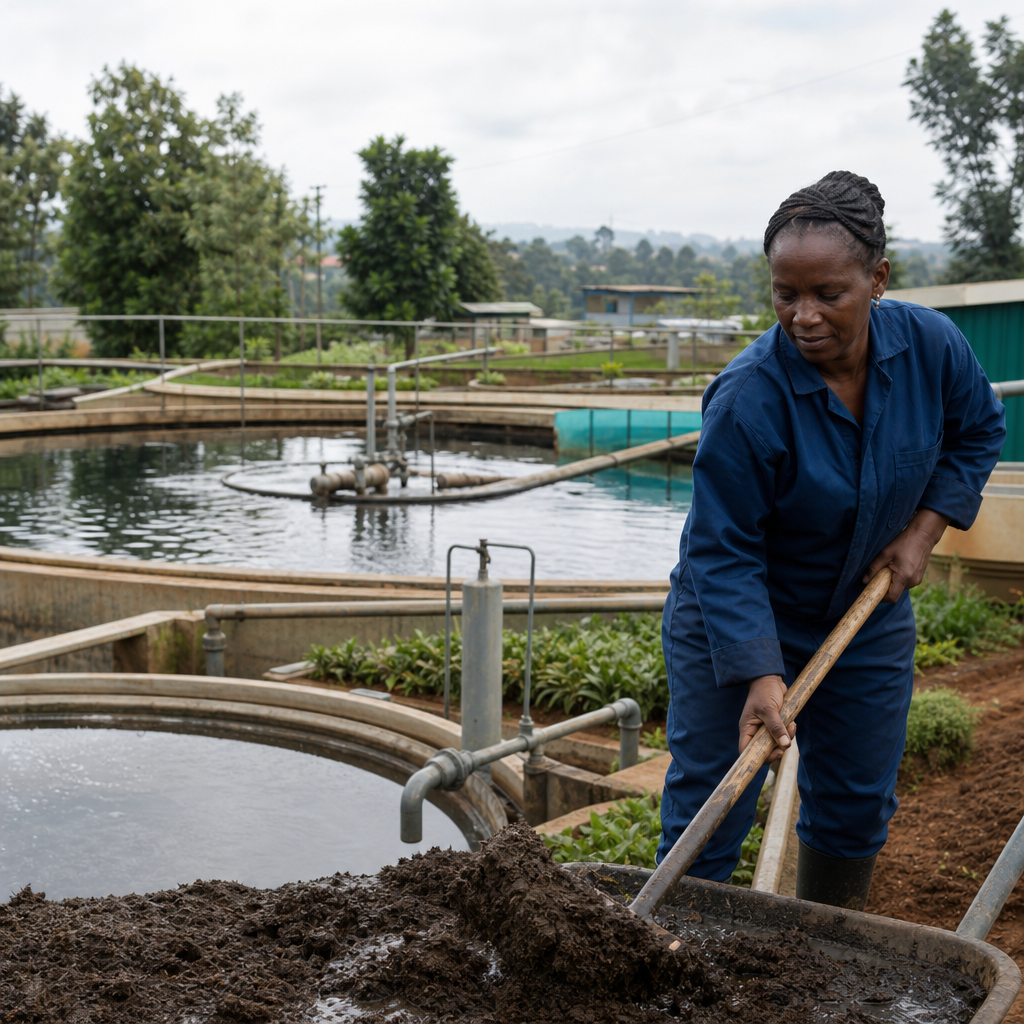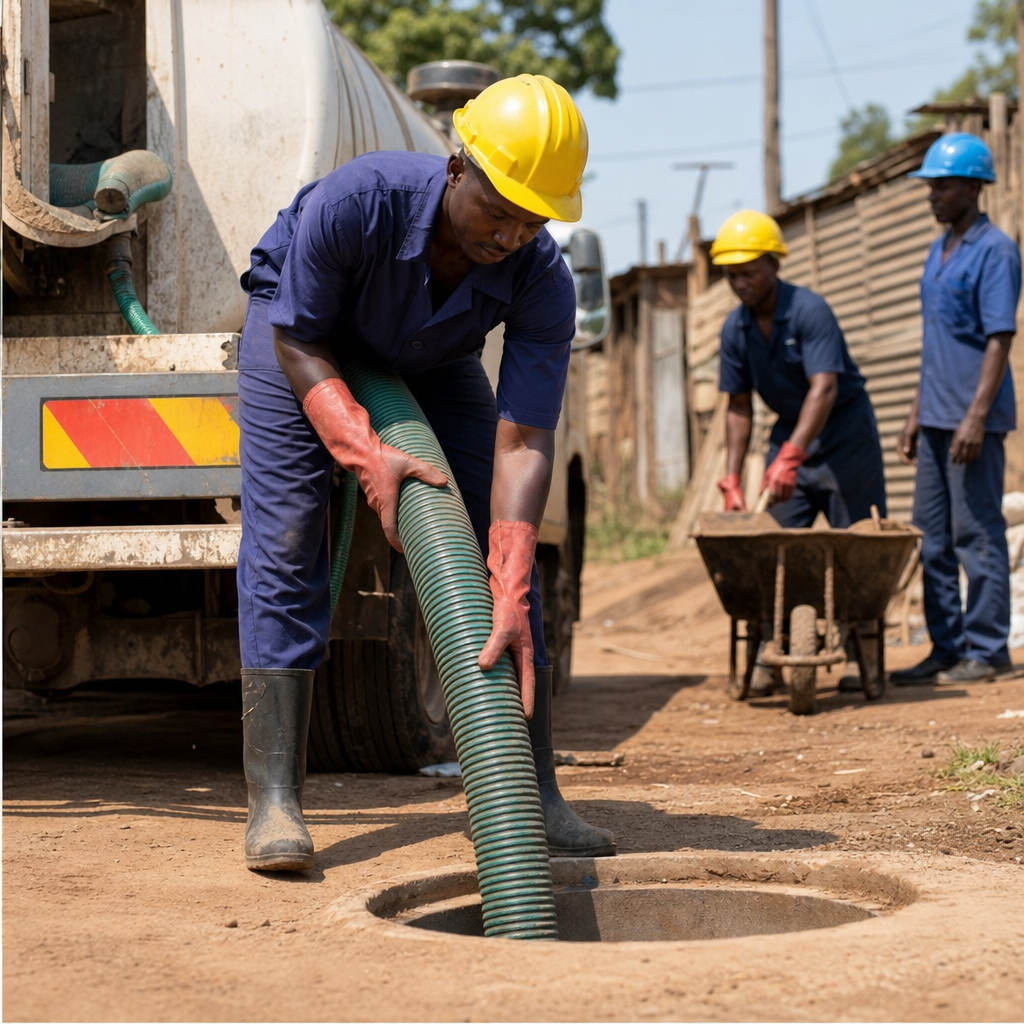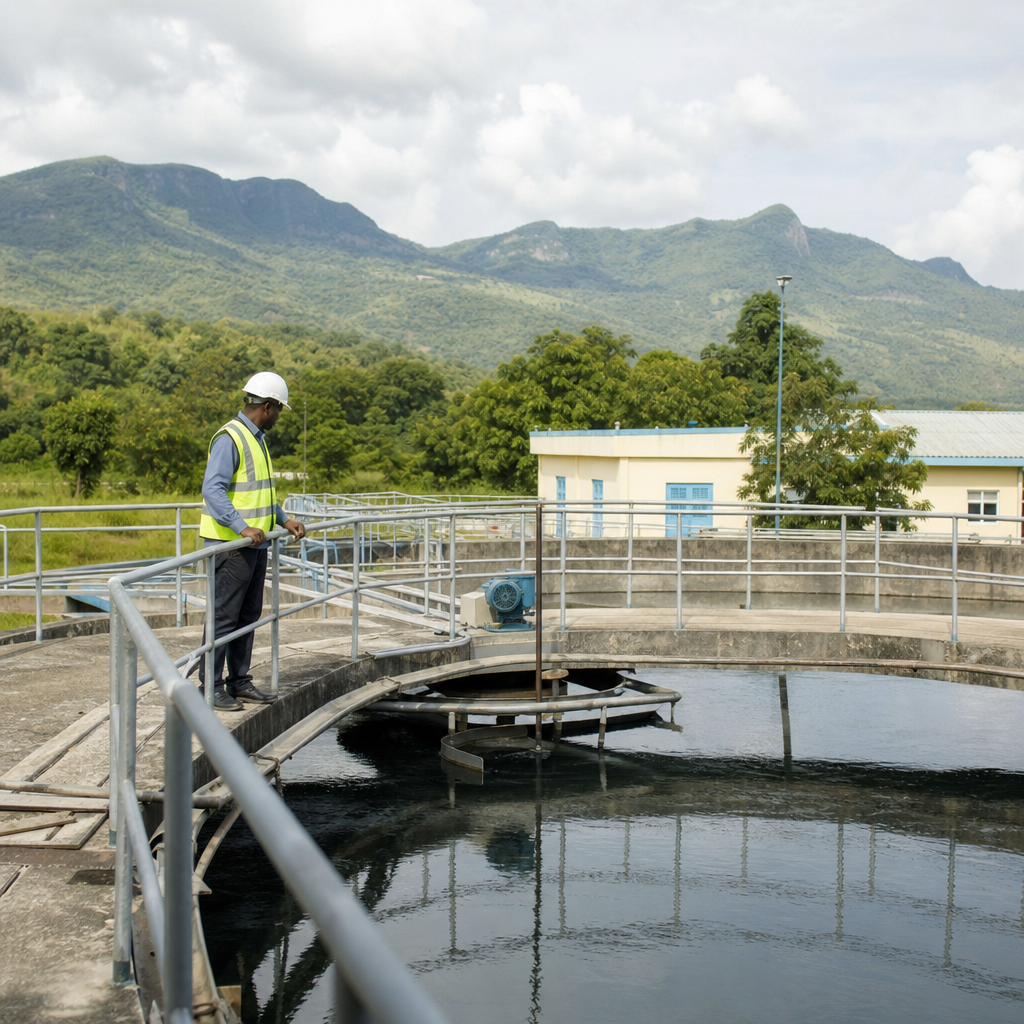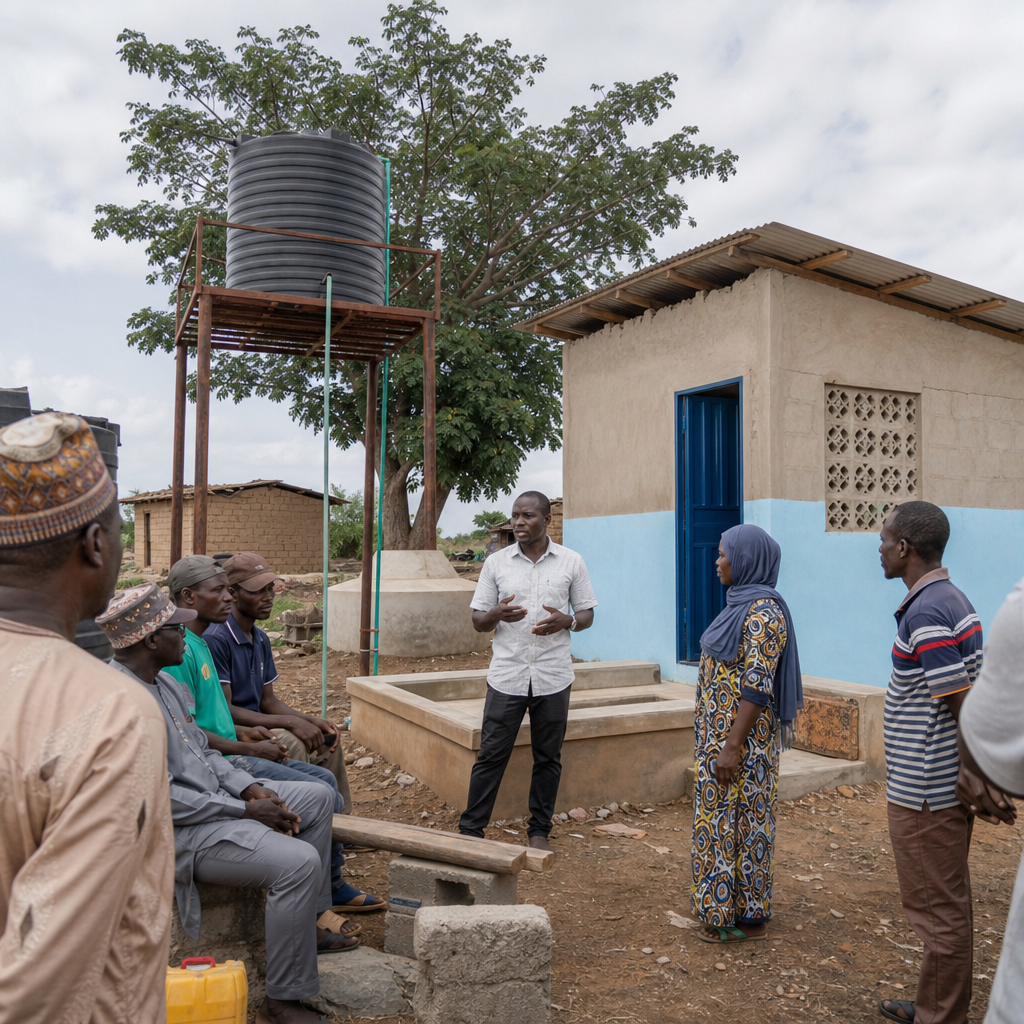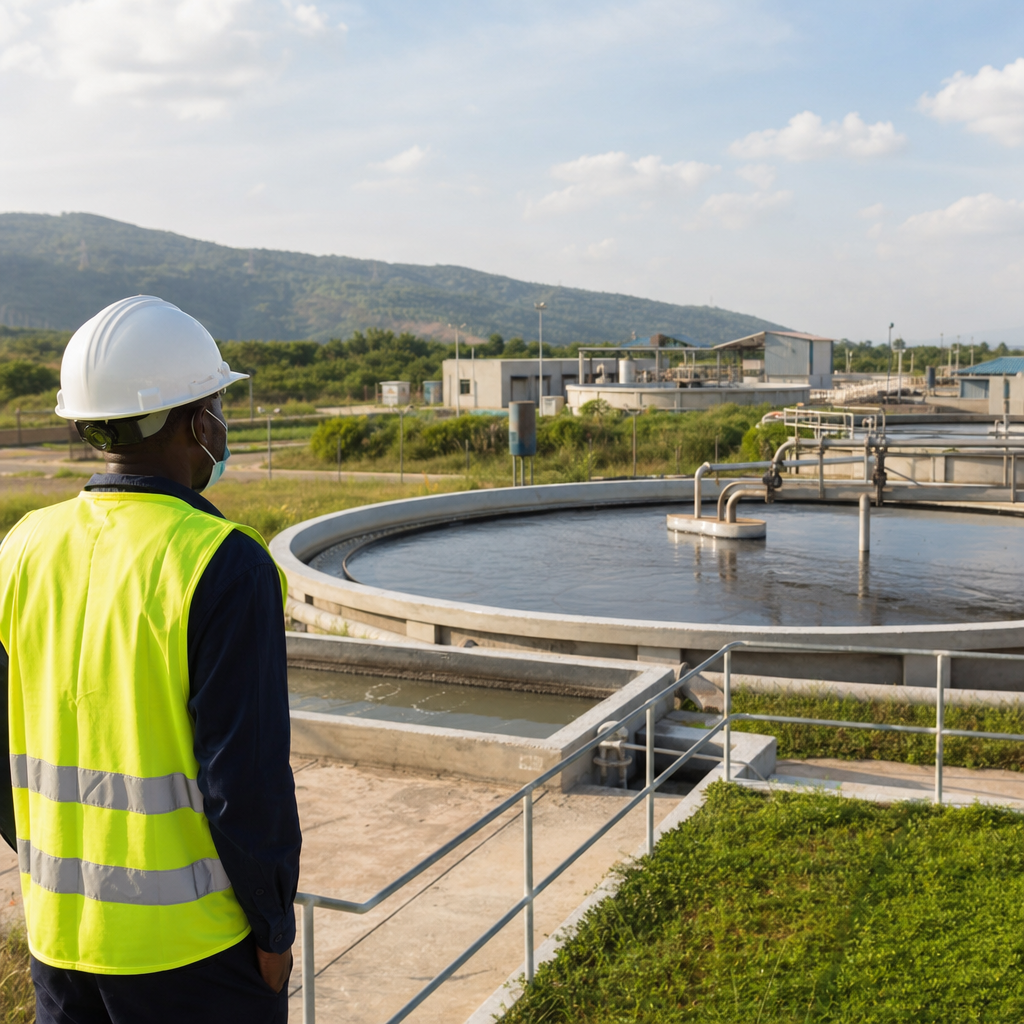
Maximizing economic benefits through integrated sanitation solutions starts with recognizing that toilets, waste treatment, water reuse, and nutrient recovery are not isolated services but parts of one economic system. In the EcoSan context, economic sustainability means a sanitation model can cover its operating costs, protect public health, conserve resources, and create measurable value over time for households, utilities, farmers, municipalities, and small enterprises. I have worked on sanitation business cases where the turning point was not a new technology but a better understanding of the full value chain: collection, treatment, reuse, avoided medical costs, groundwater protection, and local job creation. That broad view matters because conventional sanitation accounting often captures only capital expenditure and visible maintenance, while ignoring nutrient losses, water scarcity, sludge disposal burdens, and the cost of disease outbreaks linked to poor containment. Integrated sanitation solutions aim to correct that blind spot. They connect urine diversion, composting, anaerobic digestion, decentralized wastewater treatment, fecal sludge management, and safe reuse into systems that reduce waste and generate assets. For decision-makers, the economic question is straightforward: which sanitation model delivers the lowest lifetime cost and the highest public and private return under local conditions? For communities, the question is equally practical: which approach keeps service reliable, affordable, and resilient as populations grow and climate risks intensify?
Economic sustainability in EcoSan also depends on scale, governance, and behavior. A urine-diverting dry toilet may be financially attractive in a water-scarce settlement, while a condominial sewer linked to decentralized treatment may perform better in a dense urban district. Neither option is automatically superior. Costs change with land values, transport distances, tariff policy, reuse markets, labor availability, regulation, and willingness to pay. The strongest hub approach therefore looks at the whole sanitation economy, from household spending and municipal finance to resource recovery markets and long-term environmental liabilities. When these pieces are integrated well, sanitation shifts from a recurring cost center to a platform for circular local development.
Why integrated sanitation produces stronger economic returns
Integrated sanitation solutions create economic benefits because they monetize what conventional systems treat as disposal problems. Human waste contains nitrogen, phosphorus, potassium, organic matter, energy potential, and water. If safely captured and processed, those outputs can offset fertilizer purchases, reduce freshwater demand, improve soil structure, and support biogas generation. In my experience, the best-performing projects begin with a material flow assessment. That process quantifies how much excreta, greywater, organics, and sludge move through a settlement and identifies where value is lost. Once those flows are visible, planners can compare alternatives using life-cycle costing instead of narrow upfront price comparisons.
A useful example is fecal sludge management in rapidly growing secondary cities. If pit emptying is informal and sludge is dumped untreated, cities bear hidden costs through drainage blockages, contaminated water sources, healthcare burdens, and emergency cleanups. If the same city licenses emptiers, establishes transfer stations, and processes sludge into compost or fuel briquettes, revenue rarely covers all costs immediately, but the wider economic return improves sharply. The World Health Organization has repeatedly shown that sanitation investments produce strong benefit-cost ratios because avoided disease and productivity gains are substantial. The exact ratio varies by setting, yet the principle is consistent: safe sanitation creates value beyond the utility ledger.
Integration also reduces system fragility. A city dependent on large centralized sewers can face expensive failures when water supply drops or electricity prices spike. By contrast, a diversified sanitation portfolio spreads risk. Source separation can lower treatment loads, decentralized systems can reduce network expansion costs, and reuse products can create local income streams. Economic resilience is not just about profit; it is about maintaining service under stress without unaffordable public subsidy.
Core cost drivers across the EcoSan value chain
To evaluate economic sustainability in EcoSan, decision-makers need to understand the main cost drivers. Capital costs include containment units, collection equipment, transfer infrastructure, treatment plants, storage, and reuse facilities. Operating costs include labor, fuel, electricity, water, replacement parts, chemicals, monitoring, customer service, and compliance. In practice, transport is often underestimated. Distance from household containment to treatment site can determine whether a fecal sludge model remains viable. I have seen projects with technically sound treatment fail economically because truck turnaround time doubled during rainy seasons.
Another major driver is moisture content. High-water systems are expensive to pump, transport, and treat. This is one reason urine diversion, dewatering, and greywater separation can improve economics where water is scarce or sludge hauling is costly. Land costs also matter. Waste stabilization ponds may be inexpensive to operate but require significant area. In peri-urban zones with rising land values, compact reactors or modular decentralized units may be more economical over the project life despite higher equipment costs.
Maintenance discipline is equally important. Deferred maintenance creates false savings in year one and major expenses in year five. For household systems, affordability depends on payment structure as much as total price. Small monthly service fees often outperform large one-time payments because they align better with irregular incomes. For municipalities, debt service, grant dependence, and exchange-rate exposure can determine whether a sanitation program remains financially stable. Economic sustainability therefore requires a realistic model of who pays, when they pay, and what risks can disrupt revenue or raise costs.
| Economic factor | Why it matters | Typical EcoSan response |
|---|---|---|
| Transport distance | Long hauls raise fuel, labor, and turnaround costs | Use decentralized treatment or transfer stations |
| Water use | Higher volumes increase pumping and treatment expense | Adopt source separation and low-water systems |
| Nutrient recovery | Recovered outputs can offset fertilizer spending | Produce compost, urine fertilizer, or biosolids products |
| Land value | Large footprints become costly in dense areas | Select compact modular treatment technologies |
| O&M discipline | Poor maintenance causes breakdowns and costly rehabilitation | Fund preventive maintenance and operator training |
| User payment capacity | Revenue stability depends on affordable billing | Match tariffs to local cash-flow patterns |
Revenue streams and resource recovery opportunities
Economic sustainability becomes stronger when sanitation systems generate diversified revenue. The most common streams are user fees, municipal transfers, connection charges, emptying fees, sale of compost, sale of treated wastewater, carbon-linked revenues in specific projects, and energy income from biogas or solid fuel products. No single stream should be assumed to carry the full system. In most successful EcoSan models, revenue stacking is essential.
Compost is one of the clearest examples, but quality determines marketability. Farmers will not pay premium prices for inconsistent material with contamination risks. Product standards, pathogen reduction, maturity testing, nutrient labeling, and dependable supply are what turn treated waste into a marketable soil amendment. Urine reuse can also be economically attractive, especially where mineral fertilizer prices are volatile. Because urine contains much of the nitrogen and a significant share of the phosphorus excreted by households, source-separated collection can create a concentrated nutrient product. The challenge is logistics, storage, and social acceptance, not nutrient value.
Biogas adds another layer. At institutional scale, digesters treating toilet waste combined with food waste can reduce cooking fuel expenditure and lower waste disposal costs at markets, schools, prisons, or housing compounds. Treated wastewater reuse, meanwhile, can support landscaping, industrial processes, or irrigation where freshwater is expensive. In several water-stressed regions, the avoided cost of freshwater has become more important than direct sales revenue. The lesson is simple: sanitation products must be evaluated against the local alternatives they replace. A compost product competes with chemical fertilizer and manure. Reclaimed water competes with tanker water, groundwater pumping, or municipal supply. Biogas competes with LPG, charcoal, diesel, or firewood. The economics improve when planners understand those competing prices and design products that meet real buyer needs.
Financing models that support long-term viability
Financing integrated sanitation requires blending household contributions, public funding, concessional finance, private capital, and results-based mechanisms. Pure market financing is rare because sanitation has strong public-good characteristics. Households may pay for convenience and status, but they do not capture all the public health and environmental benefits their sanitation choices create. That is why well-designed subsidies remain justified, especially for low-income users, network externalities, and treatment infrastructure.
However, subsidies must be smart. Capital subsidies tied to verified construction can accelerate uptake, yet they often fail when operating costs are ignored. Output-based aid, viability gap funding, and performance-linked service contracts tend to produce better accountability because money follows actual service delivery. Microfinance can help households purchase toilets or upgrade containment systems, especially when paired with sanitation marketing and mason training. For citywide systems, blended finance structures work best when risk is allocated clearly: public agencies cover public health obligations and enabling infrastructure, while private operators manage collection, treatment, or reuse services under enforceable contracts.
I have found that sanitation business plans are strongest when they include scenario testing. What happens if fertilizer prices fall? What if tipping-fee collection drops below target? What if a drought increases demand for reclaimed water? Stress-testing assumptions prevents overly optimistic investment cases. Lenders and public funders increasingly expect this level of rigor, along with asset management plans, depreciation schedules, and key performance indicators such as cost recovery ratio, collection efficiency, downtime, and safe treatment rate.
Policy, regulation, and market design
Policy can either unlock EcoSan economics or suppress them. Clear reuse regulations, product standards, discharge rules, and licensing systems reduce investor uncertainty and protect public health. Without them, treated outputs remain hard to sell, operators cut corners, and municipalities struggle to enforce service quality. A common mistake is regulating centralized sewerage in detail while leaving on-site sanitation and fecal sludge services in a legal gray zone. Since many cities rely primarily on on-site systems, that gap distorts the market.
Market design matters as much as regulation. If emptiers face long queues at disposal sites or unofficial fees, illegal dumping becomes the cheapest option. If compost products are taxed like ordinary commercial goods while chemical fertilizer is subsidized, recovery businesses face structural disadvantage. If building codes ignore source-separating systems, developers default to conventional designs even where those designs are economically inefficient. Good policy aligns incentives with safe outcomes. It recognizes sanitation as an essential service and a circular economy sector at the same time.
Public procurement can also shape the market. Municipalities that tender for performance instead of only lowest initial cost often secure better long-term value. Requirements for operator training, monitoring, occupational safety, and reuse quality should be built into contracts from the start. That reduces the false economy of cheap but unsustainable systems.
Measuring economic sustainability and making the business case
Economic sustainability in EcoSan should be measured with more than a simple payback period. Useful metrics include life-cycle cost, net present value, internal rate of return for revenue-generating components, affordability ratio for households, cost per person safely served, avoided healthcare costs, water savings, nutrient substitution value, greenhouse gas reductions, and resilience benefits under stress scenarios. For public decisions, cost-benefit analysis remains important because many sanitation gains are societal rather than directly monetized.
A practical business case starts with a baseline. How much do households already spend on water, pit emptying, illness, fertilizer, fuel, and time lost? How much does the municipality spend on drain cleaning, emergency response, sludge disposal, or water treatment caused by contamination? These figures are often scattered across departments, but bringing them together changes the conversation. Sanitation stops looking expensive when the current unmanaged system is priced honestly.
The strongest projects also track performance after implementation. Monitoring proves whether assumed savings and revenues are real. Start with your sanitation value chain, quantify costs and recoverable resources, then choose an integrated model that fits local demand, regulation, and financing capacity.
Frequently Asked Questions
1. What does “integrated sanitation solutions” mean in economic terms?
In economic terms, integrated sanitation solutions treat toilets, collection systems, waste treatment, water reuse, and nutrient recovery as interconnected parts of one value chain rather than separate public services. This matters because the costs and benefits of sanitation do not sit in one place. A household may pay for a toilet, a utility may manage transport and treatment, a farmer may benefit from recovered nutrients or reclaimed water, and a municipality may save money through lower disease burden, cleaner waterways, and reduced pressure on centralized infrastructure. When these elements are planned together, it becomes easier to reduce duplication, improve efficiency, and identify where value is created across the system.
In practice, an integrated model helps decision-makers move beyond the narrow question of “How much does sanitation cost?” and toward the more useful question of “What economic returns does a well-designed sanitation system generate over time?” Those returns can include lower healthcare expenses, improved worker productivity, increased school attendance, reduced environmental remediation costs, revenue from treated by-products, and stronger resilience to water scarcity or fertilizer price volatility. This is especially relevant in EcoSan approaches, where sanitation is designed not only to safely manage waste but also to recover useful resources from it.
The biggest economic advantage comes from system thinking. For example, a sanitation intervention that safely captures nutrients may reduce fertilizer demand for nearby agriculture. A treatment process that enables water reuse may lower freshwater extraction costs. A decentralized setup may reduce expensive sewer expansion in fast-growing areas. Viewed this way, sanitation becomes an enabling economic asset, not just a budget line. That shift in perspective is central to maximizing benefits from integrated sanitation solutions.
2. How can integrated sanitation systems create measurable economic value for households, utilities, farmers, and municipalities?
Integrated sanitation systems create value differently for each stakeholder, which is why they are so powerful when designed well. For households, the most immediate gains often come from reduced medical expenses, fewer lost workdays, improved dignity, and more reliable access to sanitation services. If systems are affordable, safe, and convenient, families avoid the hidden costs of poor sanitation, including illness, time spent accessing distant facilities, and disruptions to daily routines. In some contexts, households may also benefit indirectly through lower water bills where reuse reduces demand on freshwater supplies.
For utilities and service providers, economic value comes from improved operational efficiency, diversified revenue opportunities, and better asset planning. Utilities that integrate treatment with resource recovery may reduce disposal costs and generate income from biosolids, compost, biogas, treated effluent, or nutrient products, depending on local regulations and market conditions. Even where direct revenues are modest, utilities can benefit from lower long-term system strain, improved compliance with environmental standards, and reduced costs tied to unmanaged sludge or pollution incidents.
Farmers may see value through more reliable access to soil amendments, recovered nutrients, organic matter, or non-potable irrigation water. These inputs can help reduce dependence on commercial fertilizer, improve soil structure, support water efficiency, and stabilize production costs, particularly in regions facing high input prices or seasonal water stress. However, the value to farmers depends on consistent product quality, safety assurance, and trust in the treatment process. Without those, the potential market remains limited, no matter how technically sound the system is.
Municipalities often realize the broadest economic gains because they carry the social and environmental costs of sanitation failure. Effective integrated systems can reduce disease transmission, protect groundwater and surface water, support urban growth, lower flood and drainage risks where infrastructure is coordinated, and reduce the need for expensive emergency interventions. Municipal governments also benefit from stronger local economic activity when sanitation service chains support jobs in construction, collection, treatment, maintenance, processing, and reuse enterprises. The key point is that measurable value is not only about direct cash flow; it also includes avoided costs, productivity gains, and resource savings that strengthen the local economy over time.
3. What makes an EcoSan model economically sustainable over the long term?
An EcoSan model is economically sustainable when it can reliably cover or justify its operating costs while continuing to protect public health, conserve natural resources, and deliver practical value to users and downstream stakeholders. Long-term sustainability depends on more than low capital cost. In fact, many sanitation systems struggle not because they are poorly built, but because they were not designed with realistic maintenance requirements, service logistics, user behavior, financing mechanisms, or end-market demand for recovered resources. A sustainable model needs technical performance, institutional clarity, and a workable business case all at once.
One of the most important factors is predictable operations and maintenance. Toilets, containment units, transport systems, treatment facilities, and reuse pathways all need financing and accountability. If no one is clearly responsible for inspection, desludging, repairs, quality control, or customer service, economic performance quickly deteriorates. A model that appears affordable at installation can become expensive if it requires frequent rehabilitation, suffers from low user acceptance, or produces outputs that cannot be sold or safely reused. That is why lifecycle costing is essential. Looking only at upfront construction costs gives a misleading picture of economic viability.
Market realism is another major factor. Resource recovery can support sustainability, but it should not be treated as a guaranteed profit center in every context. Compost, nutrient products, energy, and reclaimed water may all have value, but that value depends on transport distance, local demand, regulatory approval, product quality, cultural acceptance, and competition from conventional alternatives. Strong EcoSan systems are usually built on a balanced economic structure: user fees where affordable, public support where justified by public health benefits, efficient operations, and carefully assessed revenue from recovered resources. In other words, long-term success usually comes from blending service economics with circular economy opportunities rather than relying entirely on one source of income.
Finally, economic sustainability improves when systems are adapted to local conditions. Population density, water availability, land constraints, agricultural demand, institutional capacity, and social norms all influence what will work. The most successful integrated sanitation models are not copied mechanically; they are designed around the realities of the place they serve. That local fit is often the difference between a pilot project that looks promising on paper and a sanitation system that delivers lasting economic returns in the real world.
4. How do water reuse and nutrient recovery improve the economic performance of sanitation systems?
Water reuse and nutrient recovery improve economic performance by turning what would otherwise be a disposal problem into a productive asset stream. Conventional sanitation often treats wastewater and fecal sludge as liabilities that must be transported, processed, and discharged at a cost. Integrated systems aim to recover usable water, nitrogen, phosphorus, potassium, organic matter, or energy in ways that offset those costs or create additional value. This does not eliminate the need for safe treatment; rather, it makes treatment more economically productive by linking it to beneficial use.
Water reuse can generate savings in areas where freshwater is scarce, expensive, or under increasing stress. Treated water can be used for irrigation, landscaping, industrial processes, toilet flushing, groundwater recharge in some regulated contexts, or other non-potable purposes. By substituting reclaimed water for higher-value freshwater supplies, cities, businesses, and farmers may reduce procurement costs and improve resilience against drought and water price fluctuations. The economics are often strongest where water demand is high and the reuse customer is located close to the treatment point, because transport and distribution costs strongly influence viability.
Nutrient recovery adds economic value by recapturing elements that agriculture needs and that are often costly to replace through synthetic fertilizers. Properly treated sanitation-derived products can contribute nutrients and organic matter to soils, potentially improving fertility, water retention, and crop performance. In some cases, recovered products may not fully replace commercial fertilizer, but they can still lower input costs or improve soil health enough to provide meaningful economic benefit. This is especially important where fertilizer prices are volatile or where soils are degraded and need organic amendments as much as nutrient inputs.
That said, the economic case depends on quality, safety, and logistics. Recovered water or nutrient products only create value if users trust them, regulations allow their use, and the full supply chain is reliable. If treatment quality is inconsistent, if transport costs are too high, or if products are poorly matched to end-user needs, the theoretical value will not translate into real economic returns. The strongest integrated sanitation strategies therefore connect engineering decisions with market development, quality assurance, and end-user engagement from the beginning.
5. What are the most important steps for maximizing economic benefits when planning integrated sanitation projects?
Maximizing economic benefits starts with planning sanitation as a service and resource system, not just as a construction project. The first essential step is to map the full sanitation chain: user interface, containment, collection, transport, treatment, reuse, and final disposal if needed. Each stage has costs, risks, and value opportunities. When planners understand how these parts connect, they can identify where inefficiencies occur, where public health risks are concentrated, and where resource recovery or cost savings are most realistic. This system-wide view is the foundation for sound economic decision-making.
The second step is to conduct a proper lifecycle and stakeholder-based economic assessment. That means looking beyond capital expenditure to include operations, maintenance, replacement costs, monitoring, labor, transport, regulatory compliance, and user affordability. It also means recognizing that benefits are distributed across different actors. A municipality may gain from cleaner waterways, while farmers gain from recovered inputs and households gain from lower disease exposure. Good