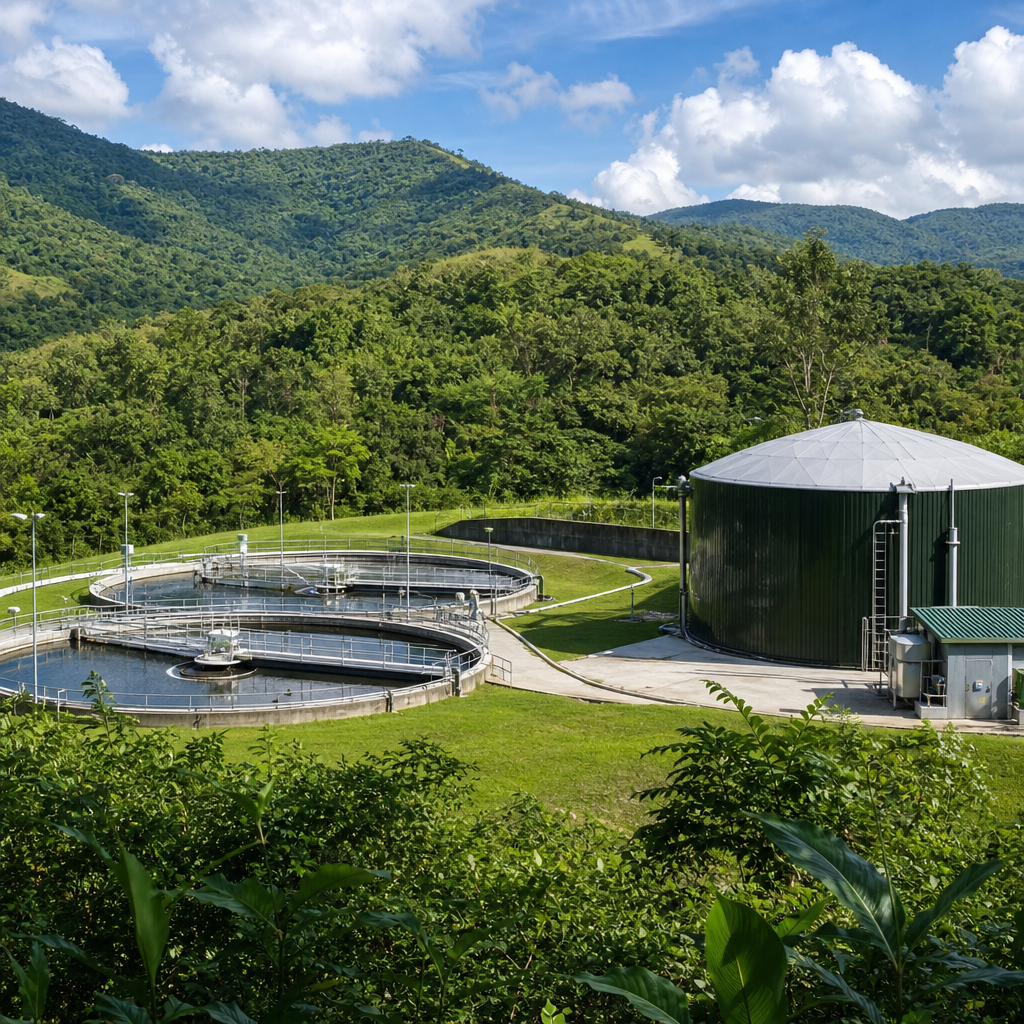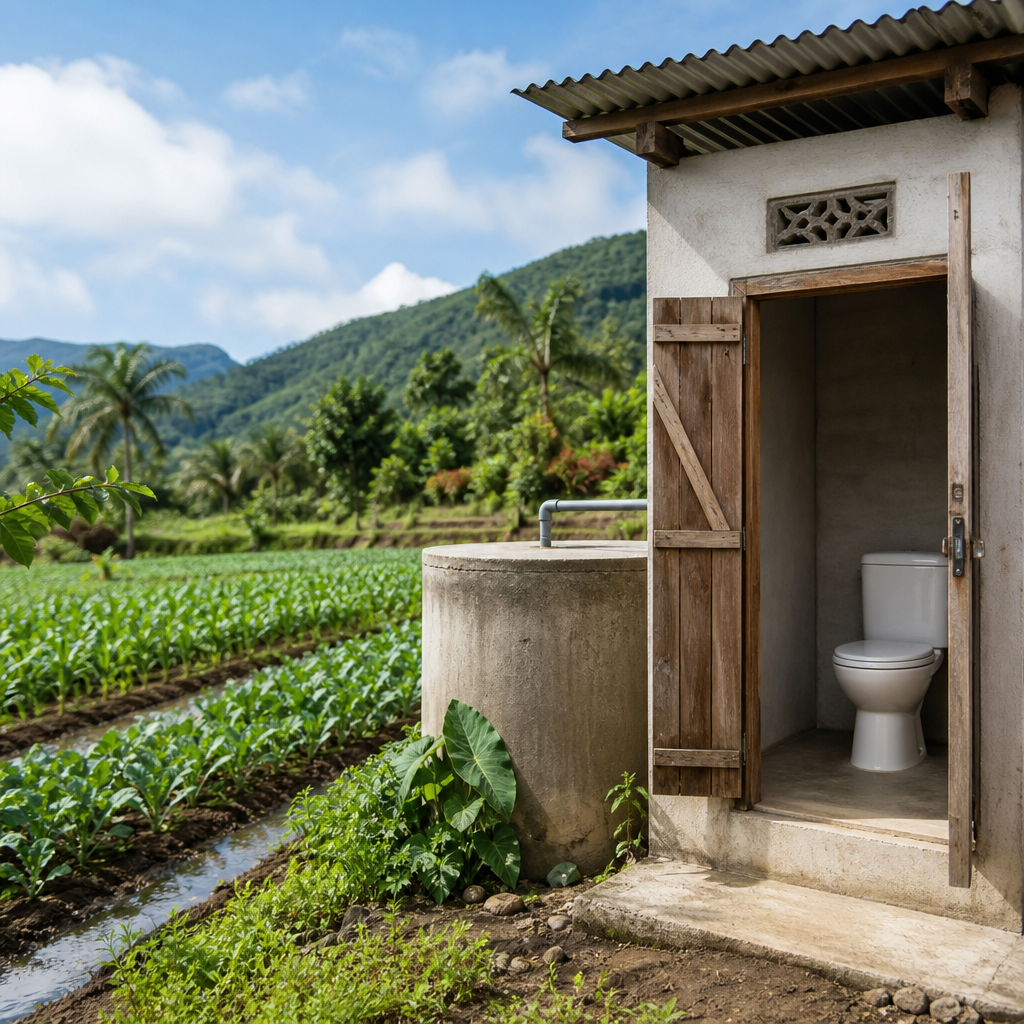
Revenue generation through EcoSan practices turns sanitation from a public cost center into a productive economic system. EcoSan, short for ecological sanitation, is an approach that treats human excreta and wastewater as resources to be safely recovered, processed, and reused rather than discarded. In practical terms, that means separating waste streams, reducing water use, recovering nutrients, producing soil amendments, and in some systems generating energy or reusable water. When I have worked with municipalities, farmers, and sanitation enterprises on reuse projects, the same question always emerges: how can EcoSan pay for itself? The answer is not a single business model. It is a portfolio of revenue streams built around fertilizers, compost, treatment services, energy products, equipment supply, maintenance contracts, carbon value, and avoided disposal costs.
Understanding economic strategies in EcoSan matters because sanitation systems fail when operating costs outrun funding. Conventional sewerage often depends on heavy public subsidy, imported energy, high water demand, and expensive centralized treatment. EcoSan can shift that equation by recovering value at multiple points in the chain. Urine contains most of the nitrogen and a substantial share of the phosphorus and potassium excreted by households, while properly treated fecal matter can contribute organic carbon and soil-conditioning value. Greywater can support irrigation or landscaping when managed under local health rules. These outputs create marketable products or measurable savings. Yet revenue generation only works when safety, regulation, logistics, and customer trust are designed into the system from the start.
This article serves as a hub for the economic aspects of EcoSan. It explains where the money comes from, how viable models are structured, what costs determine profitability, and which market conditions support scale. It also addresses a hard truth from field experience: not every EcoSan system should chase product sales first. In some settings, the strongest financial case comes from service fees, public procurement, sludge transport savings, or replacing imported fertilizer in local farming systems. A sound economic strategy starts with end users, nutrient flows, treatment standards, and distribution channels, then matches technology to market demand. That is how EcoSan moves from pilot projects to durable revenue-generating sanitation businesses.
Core revenue streams in EcoSan systems
EcoSan generates income through direct sales, contracted services, and cost avoidance. The most visible stream is fertilizer recovery. Source-separated urine can be sanitized, stored, concentrated, or processed into products such as struvite or liquid fertilizers. Fecal sludge and composted solids, after meeting treatment requirements, can be sold as soil conditioners or blended fertilizers. In agriculture, these products compete on nutrient value, organic matter benefits, and price per kilogram of available nitrogen or phosphorus. When synthetic fertilizer prices spike, demand for recovered nutrients usually improves. I have seen horticulture producers adopt urine-derived fertilizers fastest when they receive clear application guidance and side-by-side yield comparisons.
A second revenue stream comes from sanitation service delivery. Households, institutions, construction sites, and dense informal settlements often pay for toilet access, container collection, pit emptying, transport, and routine maintenance. In many successful enterprises, this service income is more stable than product sales because customers are paying for convenience and compliance, not only for recovered outputs. Franchise toilet networks, container-based sanitation operators, and decentralized treatment providers often build monthly subscriptions or municipal contracts into their model. That predictable base revenue supports processing infrastructure while reuse markets mature.
Energy and water recovery can also contribute income. Anaerobic digestion of organic fractions and sludge can produce biogas for cooking, heat, or electricity generation, although economics depend heavily on feedstock consistency and scale. Treated effluent or greywater reuse may create revenue in water-scarce areas through irrigation supply, industrial nonpotable reuse, or landscaping contracts. Carbon-linked value is increasingly relevant as well. Methane avoidance, reduced synthetic fertilizer displacement, and biochar integration can strengthen climate financing claims, though verification costs must be considered. The strongest EcoSan businesses combine several streams rather than depending on a single product.
Economic strategies in EcoSan: choosing the right business model
The right business model depends on settlement density, agricultural demand, transport distance, regulation, and the ability to control contamination. Broadly, EcoSan models fall into four categories: product-led, service-led, utility-supported, and hybrid. Product-led models focus on selling compost, pellets, struvite, or liquid nutrient concentrates. These work best where there is dependable demand from commercial farms, landscaping firms, nurseries, or public green space managers. Quality assurance is essential because buyers compare recovered products against urea, diammonium phosphate, composted manure, and commercial organics.
Service-led models prioritize fees for collection, treatment, and compliance. This approach is often stronger in urban areas where households value reliable toilet service and where agricultural reuse is farther away. Container-based sanitation enterprises are a clear example: customers pay subscriptions, waste is collected frequently, and centralized processing creates downstream products. Utility-supported models integrate EcoSan into public sanitation planning. Municipalities may pay tipping fees, output-based subsidies, or treatment contracts because decentralized reuse lowers sewer extension costs, reduces sludge hauling, and improves environmental performance. Hybrid models combine all of these, spreading risk across service and product revenues.
| Model | Main Revenue Source | Best Fit | Key Risk | Practical Example |
|---|---|---|---|---|
| Product-led | Fertilizer or compost sales | Strong nearby farm markets | Unstable buyer demand | Pelletized biosolids sold to peri-urban growers |
| Service-led | User fees and collection subscriptions | Dense urban settlements | Affordability pressure | Container toilet collection with monthly billing |
| Utility-supported | Municipal contracts or tipping fees | Cities reducing sewer expansion costs | Policy dependence | Decentralized fecal sludge treatment under city contract |
| Hybrid | Mixed service and product income | Most scalable markets | Operational complexity | Toilet fees plus compost and briquette sales |
In practice, I advise starting with the revenue stream customers already understand. Households understand toilet access and collection services. Farmers understand nutrient performance and price. Municipalities understand treatment obligations and avoided infrastructure costs. If a project begins by assuming premium fertilizer sales without proving product quality, logistics, and buyer confidence, revenue forecasts usually fail. A robust economic strategy validates willingness to pay first, then expands into secondary streams.
Cost structure, pricing, and margin control
Profitability in EcoSan is determined as much by cost discipline as by top-line sales. The major cost centers are collection, transport, treatment, labor, land, packaging, quality testing, regulatory compliance, and customer acquisition. Transport is often the decisive variable. Raw wet sludge is expensive to move because water adds weight and volume with little market value. That is why source separation, dewatering, drying, or local preprocessing can transform economics. Every kilometer avoided or every percentage point of solids increased improves margin potential.
Pricing should reflect both nutrient content and service value. Recovered fertilizers need nutrient analysis, pathogen assurance, and guidance on application rates. Farmers do not buy a sustainability story alone; they buy crop response, reliability, and delivered cost. For instance, a compost product with modest nitrogen but strong organic matter benefits should be priced against manure, compost, and soil amendment alternatives rather than against straight nitrogen fertilizers. Service pricing should account for route density, frequency, container replacement, maintenance, and payment collection losses. Digital billing tools, mobile money, and route optimization software can materially reduce leakage and overhead.
Margin control also depends on standardization. Enterprises that use consistent containers, predictable pickup schedules, standard operating procedures, and routine lab testing tend to perform better financially. Recognized frameworks such as Hazard Analysis and Critical Control Points, World Health Organization guidance on safe reuse, and ISO-aligned quality systems help reduce business risk. They also improve buyer confidence. Economically, the target is not only lower unit cost but fewer disruptions: fewer rejected batches, fewer missed collections, fewer regulatory problems, and fewer customer complaints. Those hidden costs can erase apparent gains from low-cost treatment shortcuts.
Markets for recovered nutrients, water, and by-products
Recovered-resource markets vary sharply by region. In intensive farming zones, nutrient products can substitute part of the demand for imported synthetic fertilizers, especially phosphorus and potassium. Urine-derived fertilizers are attractive where nitrogen prices are volatile and where local regulations allow safe agricultural use after treatment or storage. Compost and co-composted biosolids usually perform best in horticulture, tree crops, landscaping, land restoration, and soils with low organic matter. Their value is strongest when buyers care about water retention, tilth, and soil carbon, not only immediate nutrient release.
Public-sector buyers are often overlooked. Municipal parks departments, road agencies, mine rehabilitation projects, and reforestation programs can purchase large volumes of soil amendments under contract. This kind of demand is valuable because it is planned, bulk-oriented, and less sensitive to consumer perception than food-crop markets. In one pattern I have seen repeatedly, an EcoSan facility first secures municipal landscaping demand, then uses those references to enter commercial agriculture. Water reuse follows a similar path. Landscaping, nurseries, and industrial users commonly adopt reclaimed water before higher-value agriculture does, because quality requirements are easier to define and monitor.
Additional by-products may include fuel briquettes from dried organics blended with biomass residues, insect protein systems linked to organic waste streams, or biochar-enriched composts. These can improve revenue, but only if they fit local feedstocks and customer demand. A common mistake is adding too many products too early. Every new product requires quality control, marketing, storage, and distribution. Strong hubs prioritize one or two bankable outputs, prove repeat sales, and then extend the portfolio.
Financing, partnerships, and scale-up pathways
Most EcoSan ventures need blended finance rather than a single source of capital. Early-stage infrastructure often requires grants, concessional debt, public guarantees, or development finance because treatment assets have long payback periods and public-health benefits that private markets alone do not fully reward. Working capital, however, should be planned conservatively. Collection vehicles, spare parts, fuel, lab testing, and payroll create cash needs long before fertilizer customers pay invoices. Enterprises that underestimate working capital usually experience service interruptions that damage trust and revenue.
Partnerships reduce market-entry risk. Farmer cooperatives provide offtake channels and field trial sites. Municipalities provide land access, permits, and contracted treatment volumes. Research institutions support nutrient analysis, pathogen testing, and agronomic performance studies. NGOs can help with behavior change, but long-term commercial viability depends on operators who can manage billing, procurement, maintenance, and sales discipline. Named tools such as business model canvases, life-cycle costing, and sensitivity analysis are useful here, but they must be grounded in real route data, local crop economics, and seasonal demand patterns.
Scale-up usually follows one of three paths. The first is geographic replication of a standardized service model across neighborhoods or towns. The second is vertical integration, where an operator adds processing, packaging, and branded product sales after securing feedstock. The third is platform coordination, where multiple local collectors supply a shared treatment and product hub. From experience, platform coordination can unlock economies of scale without forcing every collector to own expensive processing assets. It also supports stronger quality management and marketing under one brand.
Risks, regulation, and what separates viable projects from failed pilots
The biggest threat to EcoSan revenue is not lack of technical potential; it is failure to align safety, operations, and market demand. Regulation governs pathogen limits, heavy metals, crop restrictions, worker protection, storage, transport, and labeling. If these requirements are treated as an afterthought, products become unsellable and service contracts become vulnerable. Compliance must be designed into collection systems, treatment retention times, moisture control, and quality assurance plans. Trust is earned through consistent testing, transparent records, and clear user instructions.
Social acceptance matters just as much. Farmers and households may support reuse in principle but reject products they consider unsafe or inconvenient. Demonstration plots, extension advice, and credible third-party testing are often more persuasive than advertising. Failed pilots typically share several traits: imported technology unsuited to local maintenance capacity, unrealistic assumptions about premium pricing, weak route density, poor contamination control, and no committed buyer for outputs. Viable projects look different. They start with a clear problem such as high sludge hauling costs, fertilizer shortages, or water scarcity, then build a model where recovered value solves that problem measurably.
Revenue generation through EcoSan practices succeeds when economics are built around real customers, verified product quality, and disciplined operations. The strongest strategies combine service income with resource recovery, reduce transport and treatment costs through smart separation, and develop dependable markets for nutrients, water, or energy outputs. This sub-pillar topic, economic strategies in EcoSan, is ultimately about turning sanitation into a circular value chain that improves public health while creating cash flow. The practical lesson is straightforward: start with demand, price for performance, manage risk tightly, and scale only after unit economics are proven. If you are building an EcoSan program or business, map your revenue streams, test one market at a time, and design the system around bankable demand.
Frequently Asked Questions
1. How do EcoSan practices generate revenue instead of simply reducing sanitation costs?
EcoSan practices generate revenue by turning sanitation outputs into marketable resources. Instead of treating human waste and wastewater as materials that must be transported, diluted, and disposed of at a continuous public expense, ecological sanitation systems are designed to recover value. That value can come from several streams, including nutrient-rich compost, sanitized urine-based fertilizers, soil conditioners, irrigation water, biogas, biomass, carbon-related environmental benefits, and service fees linked to collection and treatment.
In many settings, the most immediate revenue opportunity comes from nutrient recovery. Human excreta contains nitrogen, phosphorus, potassium, and organic matter that can be processed into agricultural inputs. Farmers, landscapers, nurseries, and reforestation programs may purchase these products when they are safe, effective, and competitively priced. EcoSan can also support fee-based sanitation services, where households or institutions pay for regular collection, toilet maintenance, treatment, and safe reuse logistics. This creates recurring income rather than one-time infrastructure spending.
Some systems generate additional income through energy recovery. Anaerobic digestion can convert organic waste into biogas for cooking, heating, or electricity generation, while the remaining digestate may still have agricultural value after proper treatment. In water-scarce regions, treated greywater or reclaimed wastewater may also be reused for irrigation or non-potable applications, lowering freshwater demand and creating a sellable or internally valuable resource. The financial impact is not limited to direct sales either. EcoSan can reduce fertilizer imports, lower sludge transport costs, cut water consumption, and improve agricultural productivity, all of which strengthen the overall business case.
The key point is that EcoSan changes the sanitation model from linear to circular. In a linear system, money is constantly spent to move waste away. In a circular EcoSan system, waste is processed into useful outputs that can be sold, reused, or integrated into local value chains. That shift is what enables revenue generation while also improving environmental and public health outcomes.
2. What are the main products or services that can be sold through an EcoSan business model?
An EcoSan business model can offer a surprisingly broad range of products and services, depending on the technology used, the local regulatory framework, and the needs of nearby markets. The most common products include compost, dried fecal matter that has been safely treated for use as a soil amendment, urine-derived fertilizers, treated wastewater for irrigation, and biogas. In some systems, processed solids can also be pelletized, bagged, branded, and sold in standardized form, which often makes them more acceptable and easier to transport.
On the service side, businesses and municipalities can earn revenue through toilet installation, leasing, maintenance contracts, waste collection subscriptions, treatment services, laboratory testing, agricultural extension support, and end-use distribution. For example, a container-based sanitation enterprise may charge households a monthly fee for the provision and regular servicing of urine-diverting toilets, then separately generate income from processing the collected material into agricultural products. This layered model is attractive because it combines dependable service revenue with downstream product sales.
There are also opportunities to serve institutional clients. Schools, markets, construction sites, farms, refugee settlements, eco-lodges, and industrial facilities may need decentralized sanitation systems that are more affordable or practical than sewer expansion. In these cases, EcoSan providers can package solutions that include system design, installation, training, operation, and resource recovery. Some organizations also monetize environmental outcomes by participating in carbon programs, watershed restoration efforts, or circular economy funding initiatives where eligible.
What matters most is matching outputs to real demand. A technically impressive EcoSan system will not succeed financially if there is no buyer for its fertilizer, no customer for its service model, or no logistics plan for distribution. Strong EcoSan enterprises start by identifying who will pay, why they will pay, what quality standards they expect, and how trust will be built around safety and performance.
3. Is it safe and legal to make money from products derived from human waste?
Yes, it can be safe and legal, but only when the system is properly designed, managed, monitored, and aligned with local health and environmental regulations. Safety is the foundation of any credible EcoSan revenue model. The goal is not to sell raw waste. The goal is to recover resources from waste through controlled treatment processes that reduce pathogens, stabilize organic material, and produce end products suitable for their intended use. Depending on the system, this may involve dehydration, composting, anaerobic digestion, alkaline treatment, storage, filtration, pasteurization, or other approved methods.
Legal compliance varies by country and even by municipality, so EcoSan operators must understand the applicable rules for sanitation, waste handling, fertilizer production, biosolids management, water reuse, worker protection, transport, and product labeling. In some places, regulations are well developed and explicitly cover reuse pathways. In others, the law may be fragmented or silent, which means operators may need to work directly with public health authorities, agriculture departments, environmental agencies, and local governments to secure approvals and define acceptable standards.
Market acceptance is closely tied to safety and transparency. Buyers want assurance that products are treated, tested, and consistently effective. That is why successful EcoSan ventures often invest in documented treatment protocols, quality control systems, laboratory verification, traceability, and user education. Clear communication matters. When farmers understand nutrient content, application rates, and safety practices, they are much more likely to adopt recovered products. When communities see that systems are well managed and odor-free, trust grows significantly.
In practical terms, the safest path is to treat EcoSan as both a sanitation operation and a resource-processing business. That means rigorous hygiene procedures, trained staff, protective equipment, safe storage and transport, regular inspection, and end-use guidelines that minimize public exposure. With those safeguards in place, EcoSan products and services can be both legitimate and commercially viable, while delivering important health and environmental benefits.
4. What factors determine whether an EcoSan project will be financially successful?
Financial success depends on far more than the technology itself. The strongest EcoSan projects are built around a clear business model that connects sanitation needs with reliable demand for recovered resources. One of the first determinants is market fit. There must be customers willing to pay for either the sanitation service, the recovered products, or both. If local farmers already have access to cheap fertilizers, compost sales may be difficult unless the EcoSan product offers clear performance or price advantages. If households are dissatisfied with existing sanitation options, a better service model may become the main source of income.
Scale and logistics are equally important. Collection routes, storage systems, transport costs, treatment capacity, packaging, and distribution can determine profitability. A system may work well technically but still lose money if materials are expensive to move or if treatment volumes are too low to justify operating costs. Location also matters. EcoSan tends to be especially promising where water scarcity is severe, sewer networks are absent or overloaded, fertilizer prices are high, and agriculture is active enough to absorb recovered nutrients.
Another major factor is product quality and consistency. Buyers need predictable nutrient value, safe handling, and reliable supply. That requires standardized operations, trained staff, good maintenance, and monitoring. Partnerships often make a decisive difference. Municipalities, farmer cooperatives, NGOs, real estate developers, utilities, and local enterprises can help secure feedstock, land, permits, financing, customer access, and technical support. Without these relationships, even well-designed projects may struggle to move beyond the pilot phase.
Public perception and behavior also affect financial outcomes. EcoSan systems often require user participation, especially where source separation is involved. If users do not understand how to use the toilet correctly, contamination can rise and treatment costs can increase. That is why education, customer support, and simple design are not optional extras; they are core business requirements. Finally, financing structure matters. Projects that rely only on product sales may be vulnerable in early stages, while blended models that combine user fees, municipal contracts, grants, carbon finance, or agricultural partnerships are often more resilient. In short, successful EcoSan projects align technology, economics, operations, regulation, and community acceptance from the beginning.
5. How can communities, entrepreneurs, or municipalities start building revenue-generating EcoSan systems?
The best place to start is with a practical feasibility assessment rather than with equipment purchases. Communities, entrepreneurs, and municipalities should first identify the sanitation problem they are trying to solve, the waste streams available for recovery, and the local markets that might pay for recovered outputs. That means asking direct questions: Who needs improved sanitation? Who will pay for collection or maintenance? Are there nearby farmers, landscapers, or institutions that would buy compost, fertilizer, reclaimed water, or biogas? What regulations apply? What land, labor, and technical skills are available?
Once that baseline is clear, the next step is choosing a system that fits local conditions. In some areas, urine-diverting dry toilets may make sense because they reduce water use and simplify nutrient recovery. In others, container-based sanitation combined with centralized composting may be easier to manage commercially. Where there is enough organic feedstock and energy demand, biodigesters may provide an additional income stream. Technology selection should always be driven by user behavior, affordability, maintenance capacity, and end-market demand, not by novelty alone.
<p