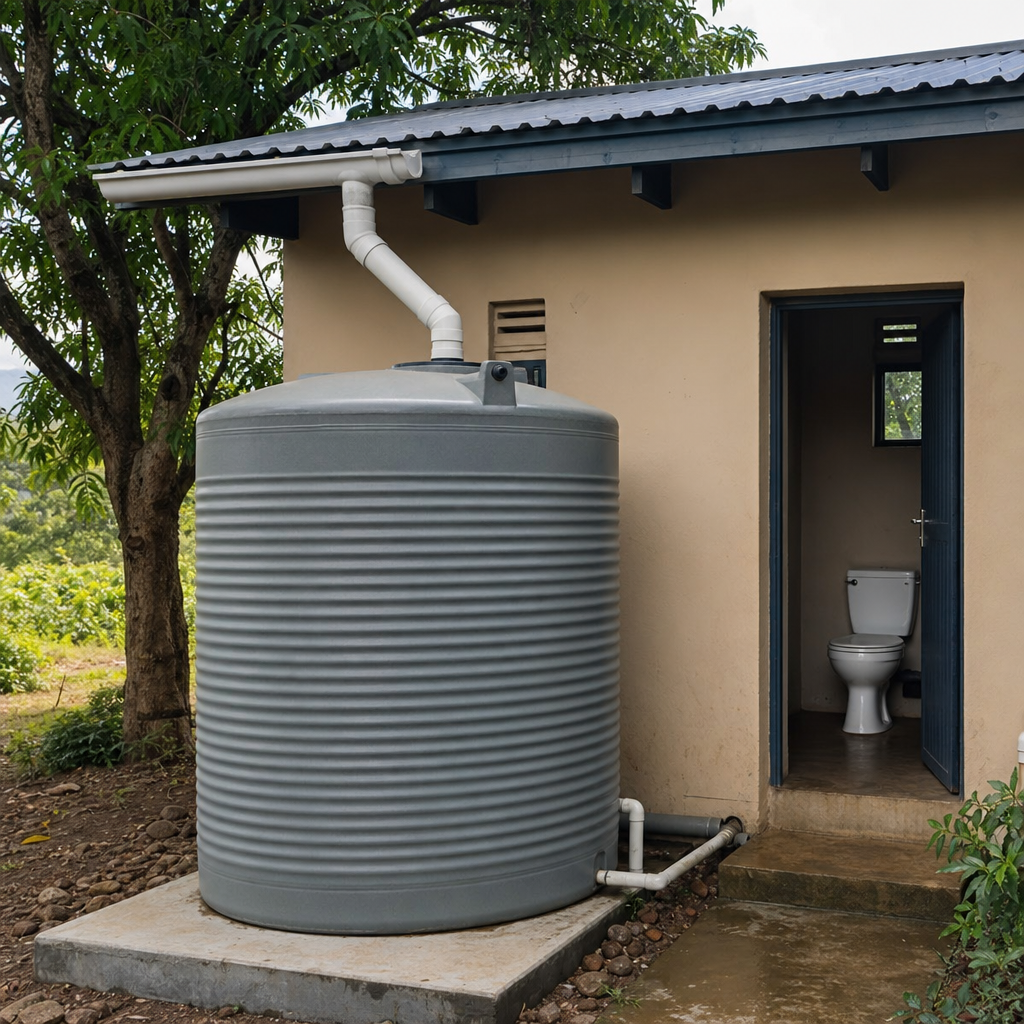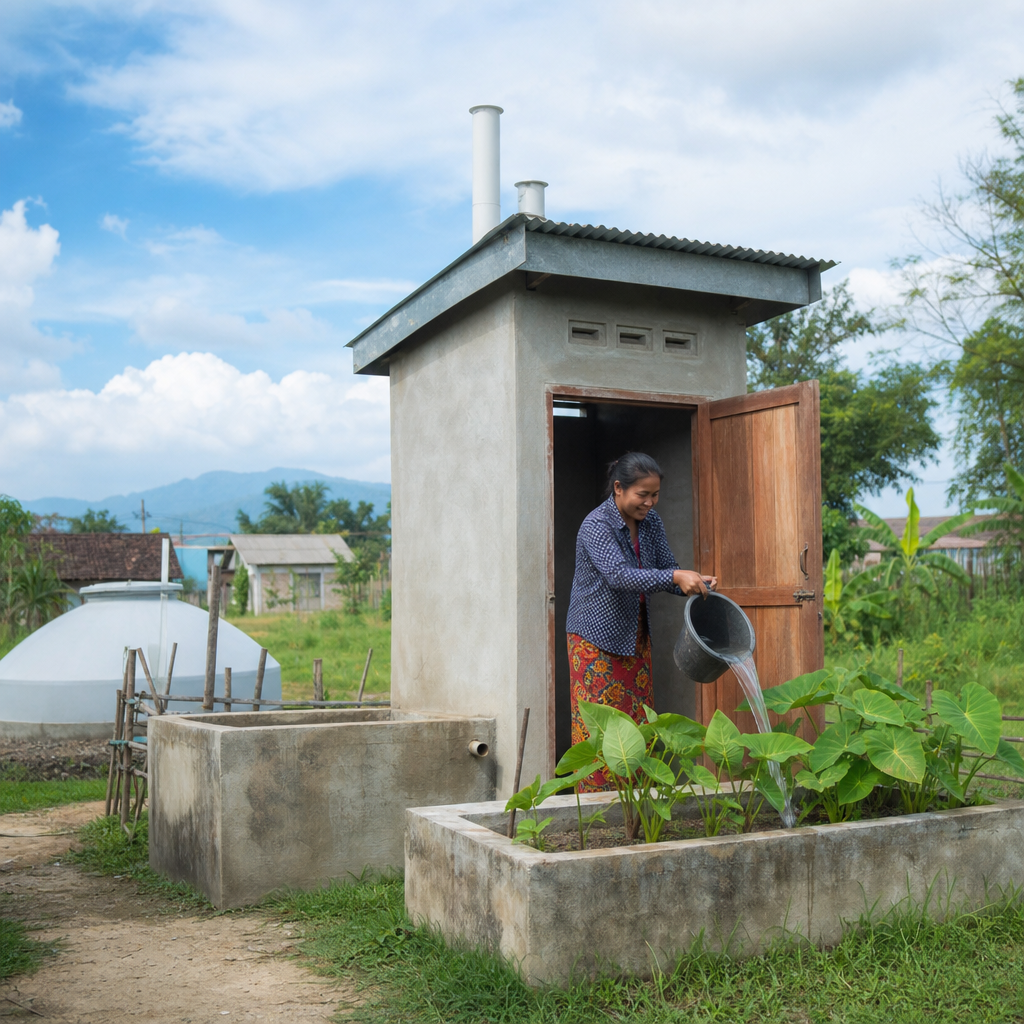
Economic incentives for adopting sustainable sanitation are no longer niche policy ideas; they are practical tools for reducing public costs, protecting water resources, and creating new value from waste streams. Sustainable sanitation refers to systems that safely manage human waste while conserving water, recovering nutrients, reducing pollution, and supporting long-term financial viability. In the EcoSan context, that usually includes urine diversion, composting toilets, decentralized wastewater treatment, fecal sludge management, and resource recovery models that turn sanitation outputs into fertilizer, energy, or reusable water.
The economic case matters because sanitation failures are expensive in ways that budgets often hide. Municipalities pay for emergency desludging, sewer overflows, contaminated groundwater, lost tourism revenue, and rising treatment costs when systems are poorly designed. Households bear costs through medical bills, water purchases, time lost finding toilets, and declining property values. Employers absorb productivity losses when workers or children are sick. From my work reviewing sanitation business cases and utility funding plans, the most persuasive projects are rarely sold on environmental language alone. They succeed when planners can show who saves money, who earns revenue, and how risks are reduced over time.
Economic strategies in EcoSan therefore combine finance, pricing, procurement, regulation, and market development. Incentives can be direct, such as subsidies, rebates, output-based aid, tax relief, and concessional loans. They can also be indirect, including nutrient credit markets, pay-for-performance service contracts, lower discharge fees, land value gains, and avoided infrastructure expansion. A strong hub article on this topic needs to connect those levers into one clear framework: sustainable sanitation adoption increases when households, farmers, service providers, utilities, and governments each see an economic reason to participate.
This article explains the core incentive mechanisms, where they work best, what tradeoffs to expect, and how decision-makers can structure programs that move beyond pilot projects into durable sanitation markets.
Why the economics of EcoSan adoption are different
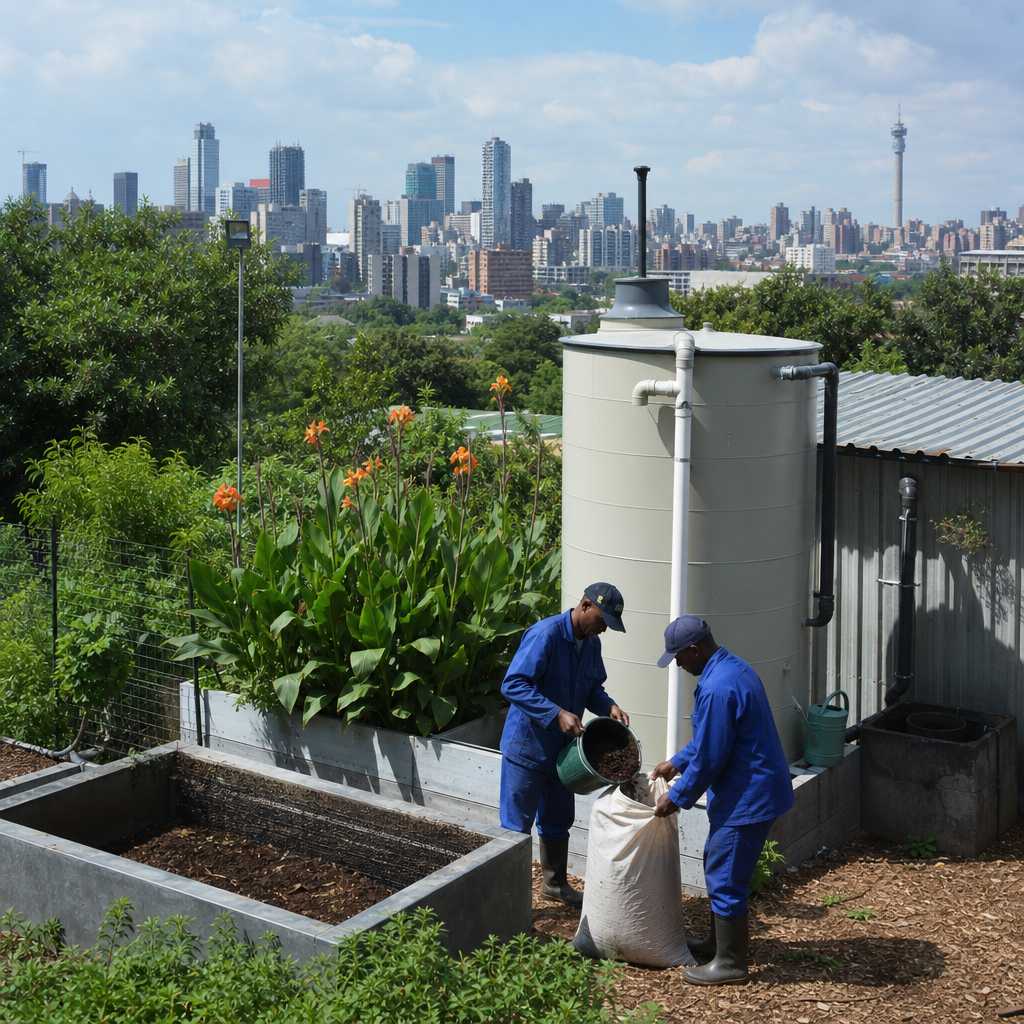
Traditional sanitation economics often focus on one asset category: pipes, treatment plants, and capital expenditure. EcoSan changes the equation because value is distributed across several actors and several time horizons. A urine-diverting dry toilet, for example, may reduce household water bills immediately, lower septic emptying frequency over several years, and create fertilizer value seasonally for nearby farmers. A decentralized treatment unit can defer a utility’s need to build costly trunk sewer extensions while also reducing nutrient discharge into rivers. The financial model is therefore more fragmented, but also more flexible.
That fragmentation is why many promising systems stall. The investor paying for the toilet may not capture the fertilizer revenue. The municipality saving money on wastewater expansion may not control household purchasing decisions. Farmers may want sanitized biosolids, but only if quality standards, transport logistics, and nutrient consistency are reliable. Economic strategies in EcoSan must solve these misalignments. In practice, that means designing incentives that transfer part of the wider public benefit back to the adopter.
Health economics strengthens the case. The World Health Organization has long documented that poor sanitation drives diarrheal disease, parasitic infection, undernutrition, and school absenteeism. Those outcomes carry direct treatment costs and indirect productivity losses. Where open defecation or failing containment remains common, every safely managed sanitation upgrade produces public benefits larger than the private benefit to one household. That is a textbook reason for public co-financing. Incentives are not market distortions in this context; they are corrections for unpriced social value.
Direct financial incentives that move adoption fastest
The fastest way to increase uptake is usually to reduce upfront cost. Households rarely reject sustainable sanitation because they oppose the concept; they reject it because installation cost arrives all at once while savings accrue slowly. Well-designed capital subsidies can close that gap. The strongest programs are targeted, transparent, and conditional on verified construction quality. For instance, a municipality can offer a rebate for approved urine-diverting toilets only after inspection confirms correct diversion, safe storage, and user training. That approach avoids the common problem of subsidizing hardware that is never used correctly.
Microfinance also plays a central role. Sanitation loans from institutions such as Water.org partners, local cooperatives, and village savings groups have shown that repayment is often feasible when products are matched to cash flow. For low-income households, a twelve- to twenty-four-month loan can make a dry toilet, septic upgrade, or container-based sanitation service affordable without a large public grant. In my experience, repayment performance improves when lenders bundle the loan with installation support, maintenance plans, and clear service accountability. Sanitation is not like a consumer appliance; technical reliability affects willingness to pay.
Tax policy is another underused lever. Reduced value-added tax on composting toilets, sludge treatment equipment, biogas digesters, and source-separation components can lower market prices without requiring permanent grant programs. Accelerated depreciation for businesses investing in fecal sludge treatment or nutrient recovery facilities can improve project returns. Import duty relief may also matter in markets where pumps, membranes, geotextile bags, or specialized toilet components are not manufactured locally.
Output-based aid deserves special attention. Rather than paying for equipment, governments or donors pay for results, such as functioning toilets in low-income compounds, verified emptying services, or tons of sanitized compost sold. This aligns incentives with performance. It also encourages private providers to innovate on delivery. However, verification costs must be realistic. If the monitoring system is too heavy, small providers cannot participate.
Pricing, tariffs, and market signals for long-term viability
Subsidies can trigger adoption, but pricing determines whether systems last. EcoSan fails financially when tariffs ignore operation and maintenance. Every sanitation chain has recurring costs: collection, transport, treatment, equipment replacement, monitoring, and customer support. If users pay nothing, service quality collapses or local government budgets absorb growing liabilities. The better approach is smart tariff design that reflects ability to pay while preserving revenue for reliable service.
Cross-subsidies are often effective. Higher-income urban users connected to conventional sewerage can help finance decentralized or non-sewered sanitation service in lower-income areas through sanitation surcharges. This model is already familiar in utilities that spread fixed costs across customer classes. The key is ring-fencing funds so sanitation revenue is not diverted elsewhere. Ring-fenced sanitation accounts increase trust among regulators, investors, and the public.
Polluter-pays pricing also matters. Industries and large commercial facilities that discharge high-strength waste increase treatment costs and should face surcharges unless they pre-treat. Likewise, developments built far from trunk infrastructure should not assume the public will absorb all network extension costs. When planners price externalities properly, decentralized sustainable sanitation becomes more competitive. I have seen projects shift from “too expensive” to “least-cost option” once avoided sewer extension and pumping energy were included in the comparison.
| Incentive mechanism | How it works | Best use case | Main caution |
|---|---|---|---|
| Capital rebate | Partial refund after verified installation | Household toilet upgrades | Poor inspection can waste funds |
| Sanitation microloan | Spreads upfront cost into affordable payments | Low- and middle-income households | Needs reliable product and service support |
| Output-based aid | Pays provider after measured results | Private service expansion | Verification can be administratively heavy |
| Tax relief | Reduces VAT, duties, or taxable income | Equipment and treatment investment | Benefits may favor formal firms first |
| Resource recovery revenue | Sells compost, nutrients, energy, or water | Treatment and reuse enterprises | Quality control is essential for demand |
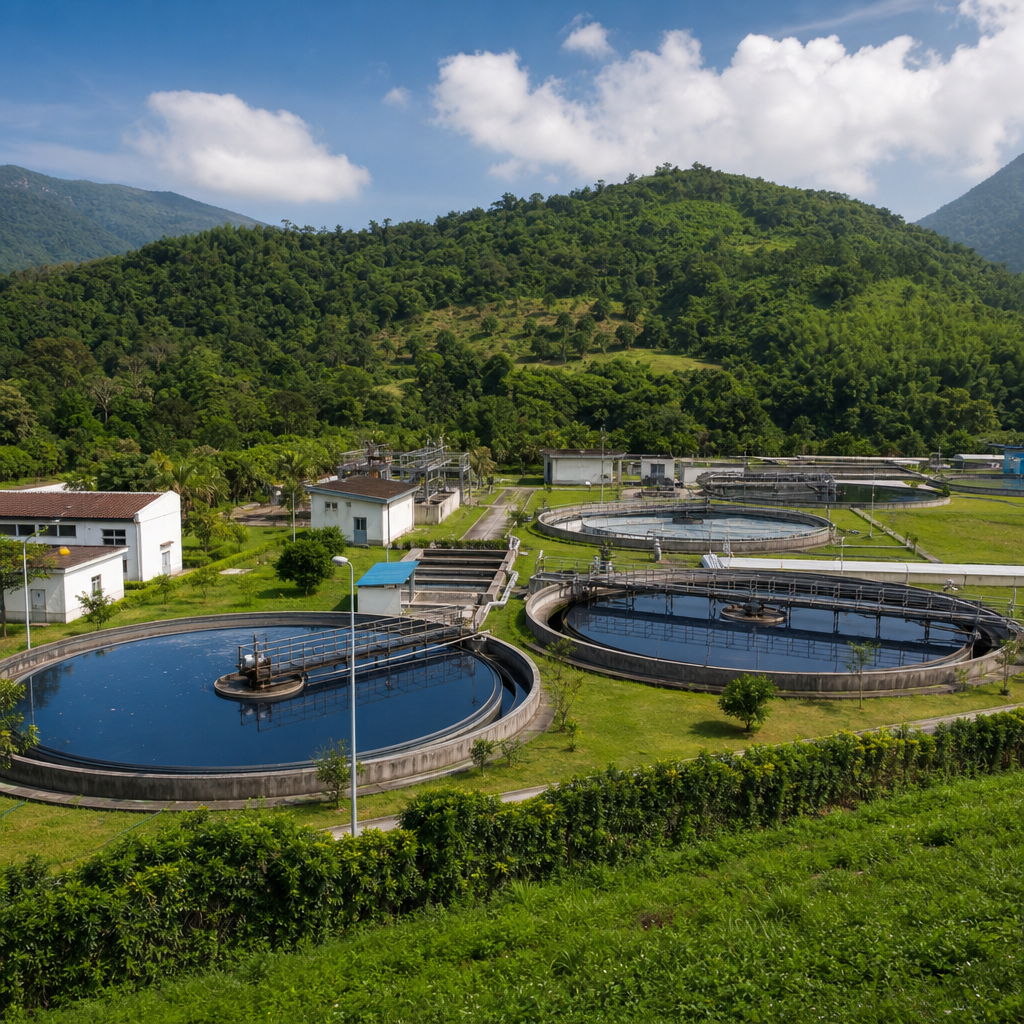
Where utilities are regulated, tariff reviews should account for avoided capital expenditure. A decentralized wastewater module or container-based sanitation network may look costlier on a per-user basis if compared only with an already depreciated sewer in a dense neighborhood. The real comparison is the next feasible investment. If the utility would otherwise spend millions on pumping stations, land acquisition, and new treatment capacity, decentralized service can be economically superior even with higher unit operating costs.
Turning waste streams into revenue
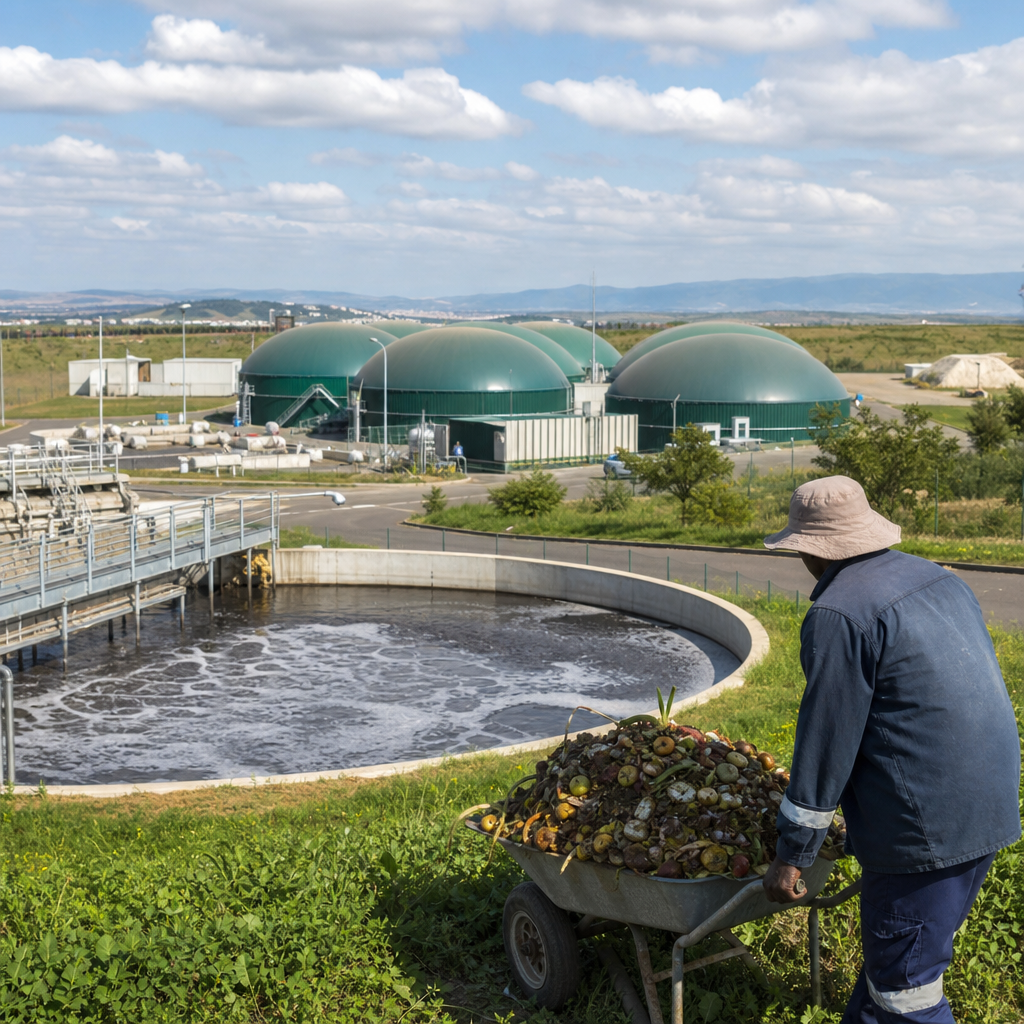
Resource recovery is one of the strongest economic strategies in EcoSan, but it works only when products meet market needs. Human waste contains nitrogen, phosphorus, potassium, organic matter, and biogas potential. Urine can be processed into concentrated fertilizer products; fecal sludge can be composted with organic waste; anaerobic digestion can generate biogas for heat or electricity; treated effluent can support irrigation or industrial reuse. These pathways create revenue that offsets sanitation costs, although they rarely eliminate the need for user fees or public support entirely.
The practical lesson is that sanitation businesses should start from demand, not from technology. Farmers buy fertilizer based on nutrient content, consistency, transport cost, and trust. Landscapers want compost that is easy to handle and free from contaminants. Industrial water users care about reliability, not the story behind the source. Programs that assume “recovered resources will sell themselves” usually underperform. Programs that test products, publish specifications, and build distribution partnerships perform better.
There are solid examples. In East Africa, fecal sludge composting businesses have sold co-compost to commercial agriculture when municipalities supported land access and feedstock logistics. In Southern Africa and parts of Europe, urine-diverting systems have been piloted to recover phosphorus, a nutrient with strategic importance because phosphate rock is finite and geopolitically concentrated. In India, treated wastewater reuse has become attractive in water-stressed industrial zones where freshwater withdrawals are increasingly restricted. Each example succeeds not because waste has magical value, but because sanitation outputs are processed into products with a defined buyer.
Standards are decisive here. WHO guidelines for wastewater and excreta reuse, ISO guidance for non-sewered sanitation systems, and national biosolids regulations shape what can be sold and where. Investors want certainty that a fertilizer or water reuse product will remain legal and accepted. Without standards, markets stay thin and discount prices remain low.
Public policy, procurement, and blended finance
Government policy determines whether EcoSan remains a donor-funded experiment or becomes normal infrastructure. Building codes can permit source-separating toilets, decentralized systems, and non-sewered sanitation in places where conventional sewer connections are impractical. Performance-based regulation can focus on pathogen reduction, containment, and safe reuse outcomes rather than mandating one technology. That flexibility is critical for innovation.
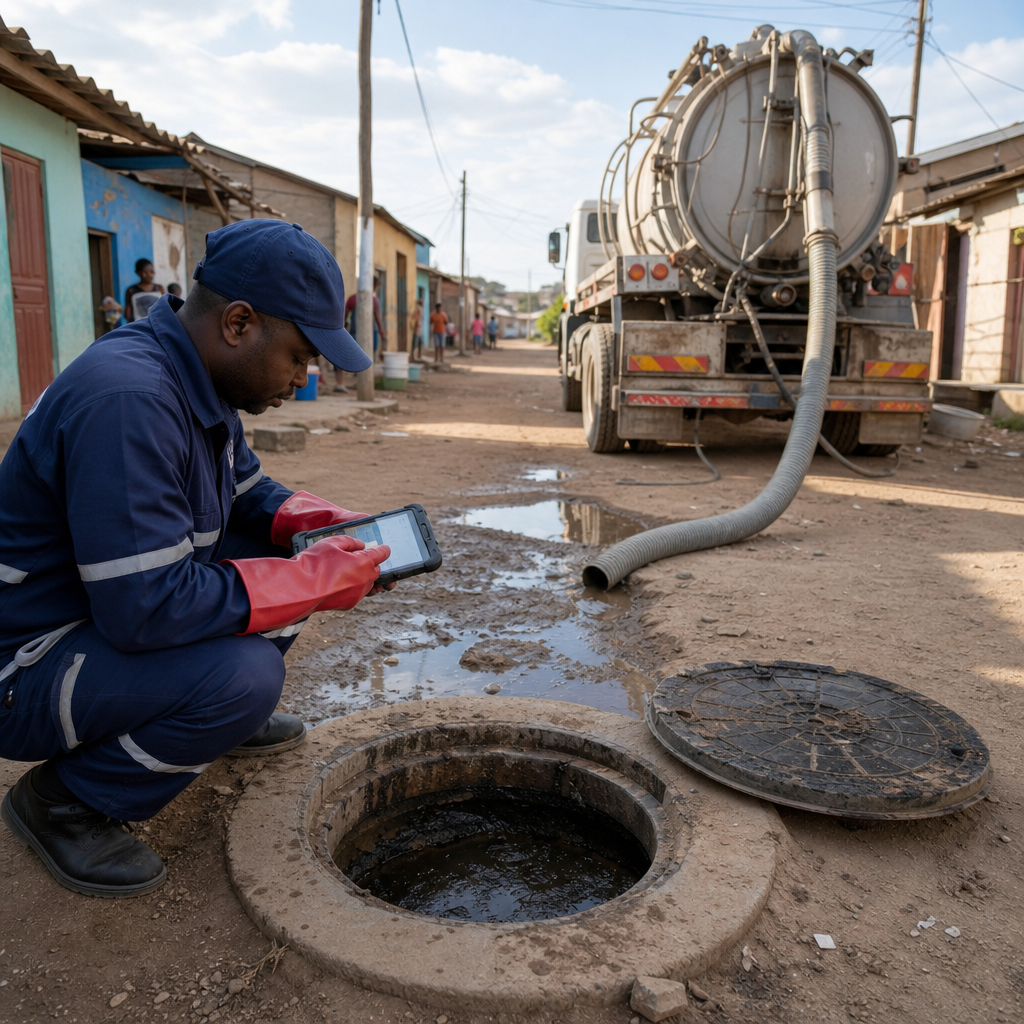
Procurement is equally important. Municipal contracts often favor lowest upfront bid, which disadvantages durable sustainable sanitation systems with lower lifecycle cost. Better procurement uses total cost of ownership, service quality metrics, and verified treatment outcomes. For fecal sludge management, cities should contract across the full chain, from containment assessment to emptying, transport, treatment, and reuse. Fragmented contracting leaves value on the table and creates accountability gaps.
Blended finance helps bridge the remaining gaps. Grants can fund public-good elements such as behavior change campaigns, standards development, or service to the poorest households. Concessional debt can finance treatment facilities and transfer stations. Commercial capital can support equipment fleets, franchise models, and scaling service providers once demand is established. Development finance institutions and climate funds are increasingly relevant because sustainable sanitation can reduce methane emissions, lower energy demand for water supply, and improve resilience in drought-prone areas.
Carbon finance may contribute in specific cases, especially where improved sludge treatment reduces methane or where biogas displaces fossil fuel use. Still, I would not build a core business model around carbon revenue unless measurement is robust and transaction costs are manageable. It is usually a bonus, not the foundation.
How to design incentives that actually work
Effective incentive design follows five rules. First, identify the full sanitation value chain and who captures each benefit. Second, target the market failure precisely: affordability, information, public health externalities, or early-stage investor risk. Third, make payments conditional on verified performance, not assumptions. Fourth, keep operation and maintenance visible from day one. Fifth, measure outcomes that matter, including usage, safe treatment, customer satisfaction, and financial recovery.
A common mistake is over-subsidizing hardware while underfunding service. Another is pushing reuse products before building safe collection and treatment. The sequence matters. Households and cities adopt sustainable sanitation at scale when the system is convenient, dignified, dependable, and economically legible. If any of those pieces are missing, uptake slows.
For this Economic Aspects hub, the central takeaway is clear: economic strategies in EcoSan are strongest when they combine targeted subsidies, affordable finance, cost-reflective tariffs, strong standards, and credible markets for recovered resources. Decision-makers should audit current sanitation spending, compare lifecycle costs against conventional expansion, and design incentives that reward safe outcomes. Done well, sustainable sanitation is not just an environmental upgrade. It is a fiscally smarter way to deliver public health, resource security, and resilient local infrastructure at the same time.
Frequently Asked Questions
What are the main economic incentives for adopting sustainable sanitation systems?
The main economic incentives for adopting sustainable sanitation systems come from a combination of cost savings, avoided public expenses, and new revenue opportunities. At the household or facility level, water-saving technologies such as urine-diverting and composting toilets can significantly reduce water bills, especially in areas where water and wastewater tariffs are high or rising. These systems can also lower the need for expensive sewer connections, septic upgrades, or frequent pumping services. In rural, peri-urban, and decentralized settings, that makes sustainable sanitation an especially practical financial option because it often avoids the capital cost of extending centralized infrastructure.
At the municipal and public policy level, the incentives are even broader. Sustainable sanitation can reduce the burden on wastewater treatment plants, decrease nutrient pollution in rivers and lakes, and lower long-term healthcare costs associated with poor sanitation and contaminated water sources. Governments and utilities may also see value in delaying or downsizing major infrastructure expansions by using decentralized sanitation solutions where they are more cost-effective. In EcoSan models, recovered nutrients from urine and composted biosolids may be reused in agriculture, landscaping, or soil restoration, creating value from materials that would otherwise be treated as waste. When decision-makers look beyond upfront installation costs and consider lifecycle economics, sustainable sanitation often becomes attractive because it combines resource efficiency, environmental protection, and financial resilience.
How can sustainable sanitation reduce costs for households, businesses, and local governments?
Sustainable sanitation reduces costs in different ways depending on who is adopting it, but the underlying principle is the same: it minimizes wasteful resource use and prevents expensive downstream problems. For households, savings typically come from reduced water consumption, fewer flush-related plumbing demands, and lower dependence on centralized sewer systems or septic pumping. In water-stressed regions, these savings can be substantial over time. Households may also gain indirect financial benefits through improved resilience during droughts, service interruptions, or rising utility prices.
For businesses, schools, public facilities, and commercial properties, the cost advantages can be even more pronounced because sanitation demand is larger and utility costs scale with usage. Installing low-water or dry sanitation systems can reduce operating expenses, while decentralized treatment may lower connection charges, wastewater fees, and compliance costs in areas where discharge standards are becoming stricter. Some organizations also benefit from sustainability branding, green building certifications, or eligibility for environmental grants and tax incentives tied to resource efficiency.
Local governments benefit through avoided infrastructure and public health costs. Expanding sewer networks and centralized treatment plants is extremely capital-intensive, and these systems also require ongoing maintenance, energy, and staff resources. Decentralized and resource-recovering sanitation systems can reduce pressure on these networks and allow phased, targeted investment instead of costly blanket expansion. In addition, cleaner local water bodies and safer waste management help reduce disease transmission, environmental remediation expenses, and agricultural losses linked to pollution. Over the long term, the economic case strengthens because the savings are not limited to one budget line; they appear across water management, healthcare, infrastructure planning, and environmental protection.
Can waste from sustainable sanitation actually create economic value?
Yes, one of the most compelling features of sustainable sanitation is that it treats human waste not only as a disposal challenge, but also as a recoverable resource. In many EcoSan systems, urine, fecal matter, and organic wastewater streams can be separated, treated, and transformed into useful products. Urine contains valuable nutrients such as nitrogen, phosphorus, and potassium, which are key inputs for agriculture. When safely processed and applied under appropriate standards, these nutrients can partially substitute for synthetic fertilizers. That creates economic value by reducing fertilizer costs for farmers and helping communities retain nutrients within local resource cycles.
Composted fecal matter and treated biosolids can also support soil improvement, land restoration, and non-food crop production when regulations and treatment standards are met. In some systems, organic waste streams may contribute to biogas production, generating energy for cooking, heating, or electricity. Decentralized wastewater treatment can also produce reclaimed water for irrigation or industrial reuse, reducing demand for freshwater supplies. These outputs do not always generate direct profit in every setting, but they can deliver measurable economic value by offsetting purchases that households, farms, institutions, or municipalities would otherwise need to make.
That said, value creation depends on proper treatment, regulation, logistics, and market acceptance. The strongest economic outcomes usually happen when sanitation planning is integrated with agriculture, water reuse, or circular economy strategies. In other words, the value is real, but it is maximized when collection systems, safety protocols, product standards, and user education are designed from the beginning. When done well, sustainable sanitation turns a recurring waste management cost into a system that can recover nutrients, conserve water, and support local economic activity.
What policy tools and financial mechanisms encourage investment in sustainable sanitation?
A wide range of policy tools and financial mechanisms can encourage adoption, and the most effective programs usually combine several approaches. Direct subsidies, rebates, and grants are among the most common incentives, especially for households, low-income communities, schools, and pilot projects. These can help offset the upfront cost of installing composting toilets, urine-diverting systems, decentralized treatment units, or water reuse infrastructure. Tax credits, accelerated depreciation, and reduced permitting fees can also make sustainable sanitation investments more attractive for private developers, businesses, and institutions.
Beyond direct financial support, governments can create strong market signals through regulation and pricing. For example, higher water tariffs, wastewater discharge fees, nutrient pollution penalties, or stricter environmental compliance standards can make conventional systems more expensive relative to sustainable alternatives. On the positive side, public procurement policies, green building standards, and infrastructure planning guidelines can explicitly favor sanitation solutions that reduce water use, recover resources, and lower lifecycle costs. In some regions, utilities and municipalities also experiment with performance-based contracts, blended finance, microcredit, or pay-for-results models to support decentralized sanitation where traditional funding pathways are weak.
Another important mechanism is recognizing the broader social and environmental returns of sustainable sanitation. Because many benefits, such as cleaner waterways, reduced disease risk, and lower greenhouse gas emissions, are shared across society, public funding is often justified even when the private financial return alone appears modest. That is why successful sanitation policy increasingly focuses on total economic value rather than narrow installation cost. When financing frameworks account for avoided infrastructure spending, public health gains, water security, and resource recovery, sustainable sanitation becomes much easier to justify and scale.
Is sustainable sanitation financially viable in both low-income and high-income settings?
Yes, but the financial logic can look different depending on the context. In low-income settings, the strongest case often comes from affordability, access, and the ability to avoid expensive centralized infrastructure. Decentralized, low-water, or dry sanitation systems can provide safer services where sewer expansion is unrealistic or unaffordable. They may reduce household spending on water, lower community exposure to sanitation-related illness, and create local livelihoods in installation, maintenance, composting, nutrient recovery, or waste collection services. When paired with targeted subsidies, community financing, or public-private partnerships, these systems can deliver meaningful economic and social returns without requiring massive infrastructure budgets.
In high-income settings, financial viability is often driven by different pressures, including water scarcity, aging sewer infrastructure, environmental compliance costs, and the search for circular economy solutions. Sustainable sanitation can help property owners and municipalities reduce lifecycle costs, improve resilience, and meet sustainability targets. For example, buildings that use advanced water-saving sanitation systems may lower utility expenses and strengthen environmental performance, while cities may use decentralized treatment and reuse systems to reduce strain on legacy wastewater networks. Resource recovery can also become more attractive as fertilizer prices, energy costs, and water reuse demand increase.
The key point is that financial viability should not be judged only by upfront equipment cost. A system may appear more expensive at installation but still deliver better value over its lifespan through lower operating costs, reduced resource consumption, avoided environmental damage, and improved public outcomes. In both low-income and high-income settings, the most successful projects are those that match technology choice to local conditions, user behavior, maintenance capacity, and policy support. When those elements are aligned, sustainable sanitation is not just environmentally sound; it is economically credible and increasingly competitive.