Reducing healthcare costs through improved sanitation begins with a simple economic truth: preventing disease is usually far cheaper than treating it. In public health, sanitation refers to the systems and behaviors that safely manage human waste, wastewater, stormwater, solid waste, and hygiene practices that interrupt disease transmission. EcoSan, short for ecological sanitation, expands that definition by treating sanitation not only as a protective service but also as a resource cycle. Instead of viewing excreta and wastewater as waste to be disposed of, EcoSan systems recover nutrients, conserve water, reduce pollution, and create usable outputs such as compost, soil conditioners, or biogas. When designed well, that shift changes the cost structure of both health systems and households.
I have worked on sanitation business cases where decision makers initially focused only on toilet construction costs, then reconsidered after seeing how much clinics, employers, schools, and families spend on preventable illness. Diarrheal disease, helminth infections, enteric fevers, undernutrition linked to repeated infection, and waterborne outbreaks all create direct medical expenses and indirect losses from missed work, lower school attendance, and long-term productivity decline. The World Health Organization has repeatedly shown that safe water, sanitation, and hygiene investments produce economic returns through reduced healthcare spending and improved productivity. That matters in low-income settlements, drought-prone rural districts, fast-growing secondary cities, and even high-income communities facing aging sewer infrastructure and rising utility costs.
This hub article explains Understanding EcoSan Economics as the financial and public health logic behind ecological sanitation choices. It covers the main cost drivers, the pathways through which better sanitation lowers healthcare spending, the tradeoffs between technologies, and the practical metrics used to evaluate performance. It also serves as a foundation for deeper articles on financing models, resource recovery markets, lifecycle costing, school sanitation, urban fecal sludge management, and policy design. If you need a clear framework for evaluating sanitation as an economic intervention rather than a narrow construction project, this is the starting point.
What Understanding EcoSan Economics Means
Understanding EcoSan Economics means analyzing sanitation over its full lifecycle and across multiple sectors, not just through the upfront price of a toilet or treatment unit. In conventional budgeting, sanitation projects are often judged by capital expenditure alone: excavation, slabs, piping, tanks, or sewer connections. In practice, the more important numbers usually sit elsewhere. Operating costs, emptying frequency, energy demand, water consumption, replacement parts, user acceptance, odor control, pathogen reduction, land needs, and institutional maintenance all shape whether a system saves money over time. EcoSan economics adds another layer by assigning value to recovered outputs, especially nutrients such as nitrogen, phosphorus, and potassium, plus savings from reduced freshwater use and lower environmental damage.
A useful way to think about EcoSan is as a portfolio of technologies and service models rather than one product. Urine-diverting dry toilets, container-based sanitation, composting toilets, simplified sewers connected to decentralized treatment, anaerobic digesters, constructed wetlands, and fecal sludge treatment with co-composting can all fit under an ecological sanitation approach if they safely protect health and recover value. The economics depend on context. A water-scarce peri-urban area may benefit most from urine diversion and minimal flushing. A dense informal settlement may need container-based collection to avoid pit overflow and groundwater contamination. A farming district may place high value on sanitized compost because fertilizer prices are volatile or imported.
The healthcare connection is direct. Poor sanitation increases exposure to pathogens through contaminated water, food, soil, surfaces, and vectors such as flies. Health systems then absorb the costs of outpatient visits, oral rehydration therapy, antibiotics where appropriate, hospitalization, maternal complications, and outbreak response. Households absorb transport costs, lost wages, caregiver time, and often debt. EcoSan economics asks a broader question than “What does a toilet cost?” It asks, “What combination of sanitation service, maintenance, and resource recovery delivers the lowest total social cost while protecting health reliably?”
How Improved Sanitation Reduces Healthcare Costs
Improved sanitation reduces healthcare costs by cutting disease incidence, severity, and recurrence. The first mechanism is interruption of fecal-oral transmission. When feces are safely contained, transported, treated, and kept away from hands, water, and food, fewer people become infected. The second mechanism is environmental protection. Better sanitation reduces contamination of wells, drains, and nearby surface waters, lowering both endemic disease and outbreak risk. The third mechanism is nutrition. Children exposed to repeated enteric infections often suffer growth faltering and poorer nutrient absorption, which raises healthcare needs over time. The fourth mechanism is resilience. During floods, droughts, and service failures, well-managed sanitation systems reduce emergency spending because they are less likely to collapse into open contamination.
In cost analysis, I separate savings into direct, indirect, and avoided future costs. Direct savings include fewer consultations, tests, medications, and inpatient stays. Indirect savings include reduced absenteeism, fewer caregiving hours, and lower productivity losses. Avoided future costs include less stunting-associated health burden, reduced antimicrobial misuse linked to repeated diarrheal treatment, and lower infrastructure rehabilitation costs where unmanaged waste has polluted drains or water sources. These categories matter because sanitation investments often look marginal when only clinic expenditures are counted, but become highly favorable when household and economic losses are included.
Healthcare savings are not uniform across all interventions. A poorly maintained public toilet can have limited health impact, while a well-run fecal sludge management chain can sharply reduce community exposure. That is why economists focus on service levels rather than infrastructure counts. A latrine that fills and overflows without safe emptying is not delivering the same health benefit as a contained system with regular collection and treatment. Likewise, sewer connections without effective wastewater treatment can shift pollution downstream instead of eliminating it. The strongest savings appear when sanitation is continuous, safe at every step, and paired with hand hygiene and reliable water access.
Core Cost Components in EcoSan Projects
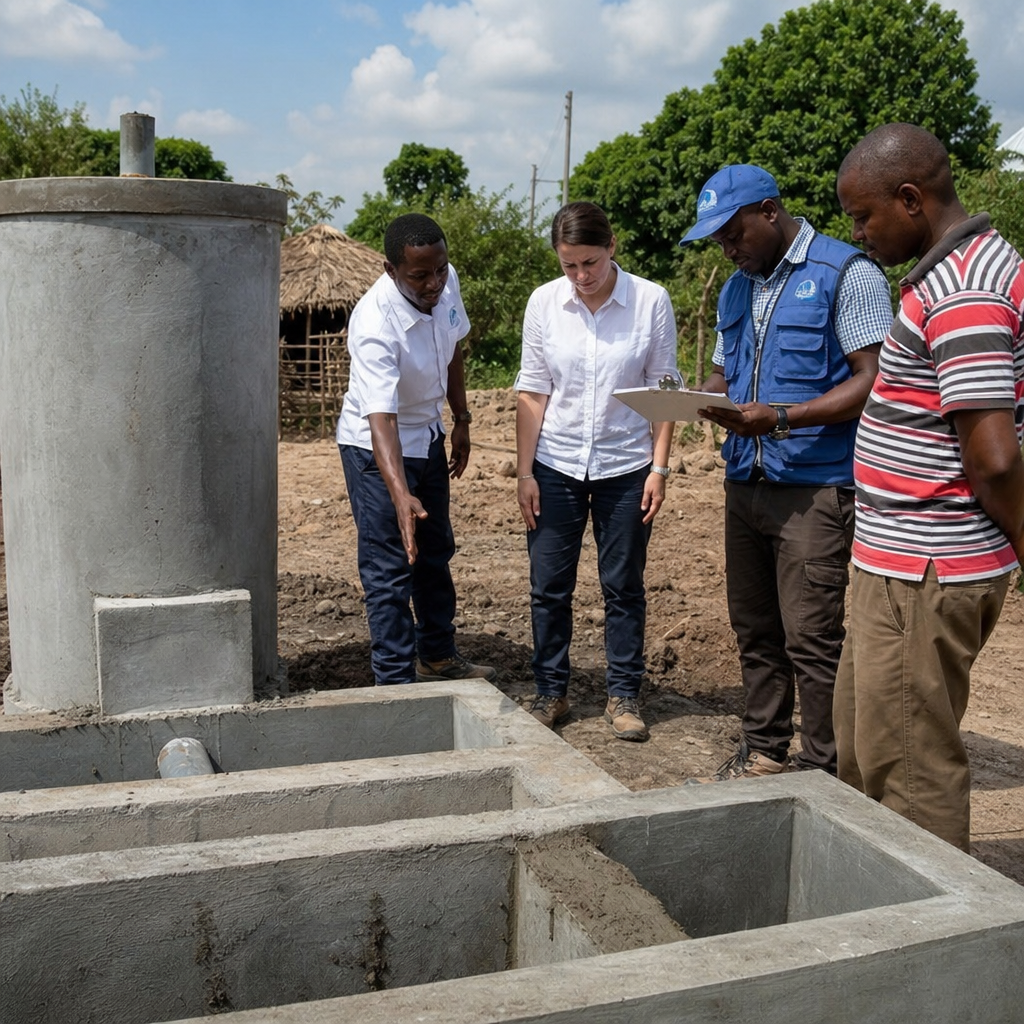
Every EcoSan business case should begin with a lifecycle cost structure. Capital expenditure includes land preparation, superstructure, conveyance hardware, storage units, treatment modules, and user interface components. Operating expenditure includes labor, water, energy, consumables, personal protective equipment, transport, testing, licensing, and customer support. Maintenance expenditure includes desludging, repairs, replacement of valves or seals, drainage management, and periodic rehabilitation. End-of-life or upgrade costs include decommissioning unsafe pits, replacing damaged units, and adapting systems as neighborhoods densify. Ignoring any of these categories produces misleading numbers.
Cost allocation also matters. Households may pay user fees, landlords may pay for infrastructure, municipalities may fund transfer stations and treatment, and health ministries may indirectly benefit through lower patient loads without funding the sanitation system directly. This split incentive is common. I have seen local governments hesitate over sanitation budgets even when public hospitals were spending far more on preventable disease. Good EcoSan economics therefore requires cross-sector accounting. It should show who pays, who saves, and over what timeframe.
Another frequent mistake is failing to value externalities. Open dumping of sludge, leaking pits near shallow aquifers, and untreated wastewater discharge all impose real costs that often sit off the balance sheet until a crisis hits. Cleanup, emergency chlorination, outbreak control, environmental fines, and reputational damage are economic costs even if they are not listed in the sanitation department budget. EcoSan approaches that minimize these risks may appear more expensive at procurement stage but cheaper in total cost of service.
| Cost or Value Category | Typical EcoSan Example | Economic Effect on Healthcare |
|---|---|---|
| Capital cost | Urine-diverting toilet installation | Creates disease prevention capacity if maintained |
| Operating cost | Collection, transport, treatment labor | Sustains pathogen containment and reduces outbreaks |
| Resource recovery value | Sale of compost or biogas | Offsets service costs and supports continuity |
| Water savings | Dry or low-flush systems | Reduces utility pressure and preserves safe supply |
| Avoided medical cost | Fewer diarrheal cases in children | Lowers clinic visits, medicine use, and admissions |
| Productivity gain | Less time lost to illness or caregiving | Improves household capacity to pay for care and prevention |
Resource Recovery and the Financial Logic of EcoSan
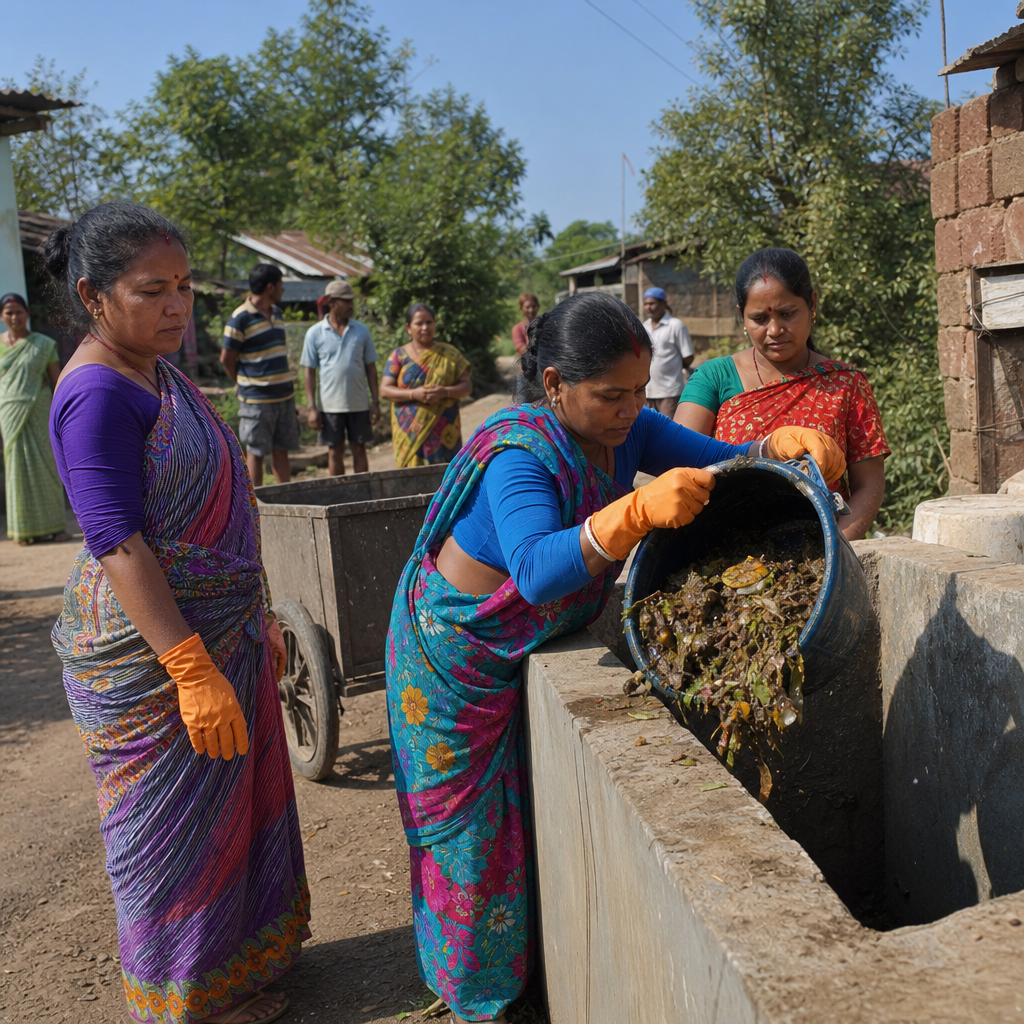
The defining economic feature of EcoSan is resource recovery. Human urine contains most of the excreted nitrogen and a substantial share of phosphorus and potassium, while fecal matter contains organic carbon and nutrients that can improve soils after safe treatment. In agriculture-dependent areas, these outputs can partly substitute for synthetic fertilizers, whose prices are sensitive to global energy markets and supply disruptions. Anaerobic digestion can also generate biogas for cooking or heating, reducing household fuel expenditure and indoor air pollution exposure when biomass or charcoal would otherwise be used.
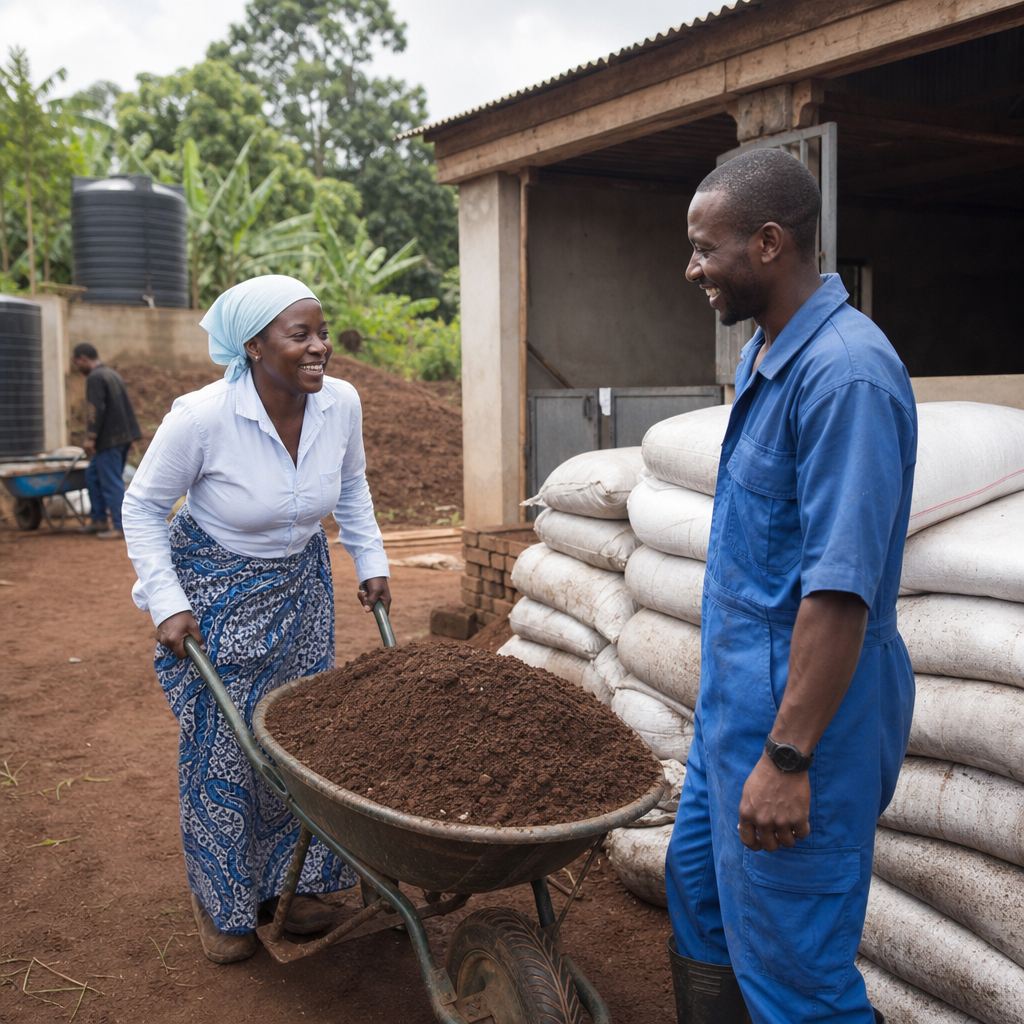
However, recovery value should never be exaggerated. The market price of composted biosolids depends on transport distance, moisture content, farmer trust, crop type, regulatory approval, and proof of pathogen reduction. Urine-derived fertilizers can be effective, but logistics, storage, and social acceptance are decisive. In my experience, the best projects treat recovered products as one revenue stream among several, not the sole basis of financial viability. The health savings and service reliability are often the primary economic justification; product sales improve affordability and resilience.
Standards and treatment performance are essential. Composting that does not reach adequate temperatures, storage that allows recontamination, or digesters operated without proper retention times can undermine both health and market confidence. Programs that follow recognized safety guidance and test outputs consistently retain customers and regulator support. Put plainly, recovery only creates economic value when treatment is credible. Otherwise, the system can create liability rather than savings.
Comparing EcoSan with Conventional Sanitation Models
EcoSan is not automatically cheaper than centralized sewerage, nor is it inherently more appropriate everywhere. In dense urban cores with existing networks, high connection rates, and functional wastewater treatment, conventional sewer systems can deliver strong health protection at scale. Yet they are expensive to extend into informal settlements, require substantial water, and often suffer from infiltration, illegal connections, and treatment underperformance. EcoSan options can be more cost-effective where water is scarce, terrain is difficult, plots are small, groundwater is vulnerable, or municipal budgets cannot sustain large trunk infrastructure.
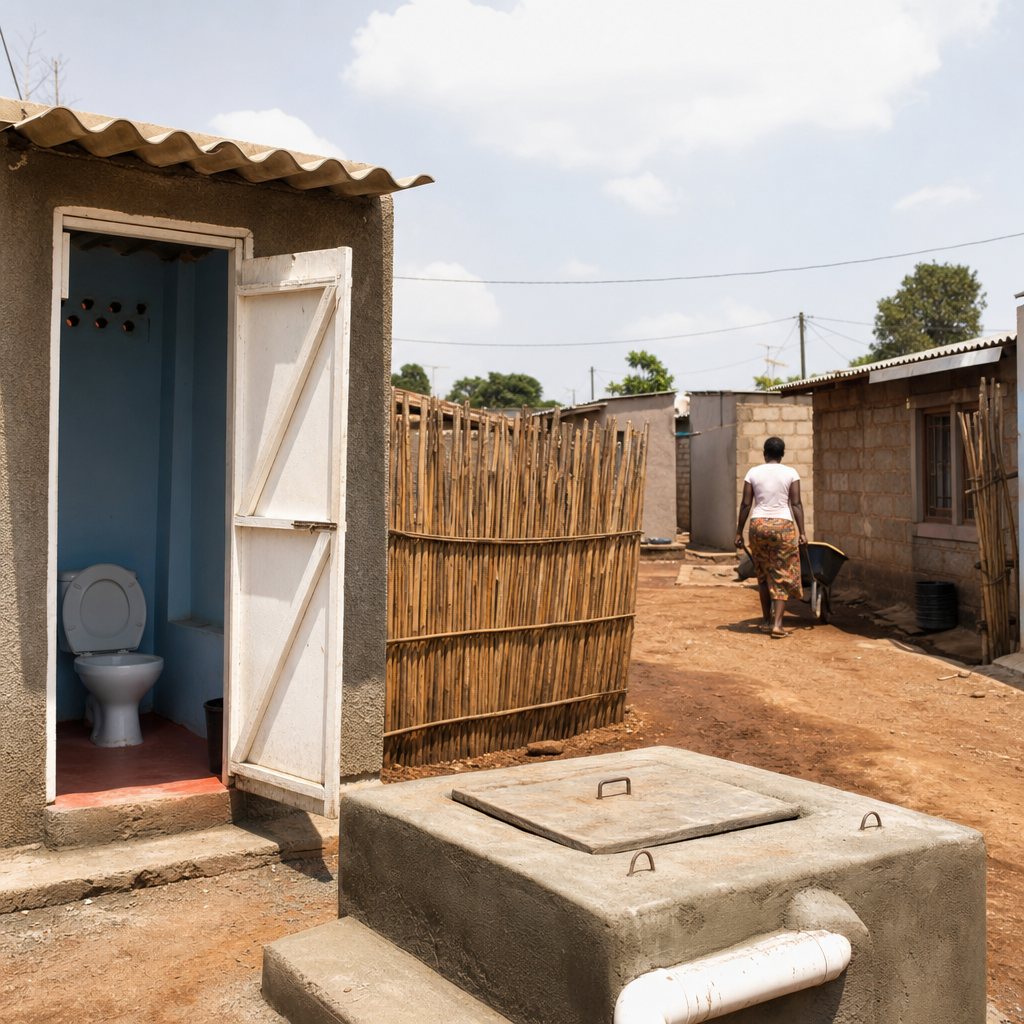
For example, urine-diverting dry toilets can perform well in arid areas because they reduce flushing demand and preserve nutrients. Container-based sanitation can work in dense low-income settlements where pit emptying trucks cannot access homes and where flooding makes pits hazardous. Decentralized wastewater treatment paired with reuse can serve institutions such as schools, hospitals, markets, or housing clusters that need predictable local control. None of these systems succeeds by hardware alone; they depend on service contracts, behavior support, operator training, and monitoring.
The best comparison method is levelized cost per safely managed user combined with cost per health outcome avoided. That approach avoids ideological debates and focuses on results. If an EcoSan model delivers safe containment, regular collection, verified treatment, and lower total cost over ten to fifteen years, it deserves serious consideration. If a sewer extension can do the same more efficiently in a given district, that may be the better option. Sound economics is comparative, not doctrinal.
Metrics, Financing, and Policy Levers That Matter
To evaluate sanitation as an economic intervention, use metrics that reflect both service quality and health impact. The core indicators are cost per household served, cost per cubic meter treated, cost per ton of sludge safely processed, percentage of waste safely managed, downtime, customer retention, and pathogen reduction performance. For healthcare impact, track diarrheal incidence, clinic visits, hospitalization rates, school absence, workdays lost, and outbreak frequency. In stronger studies, combine these with disability-adjusted life years averted and willingness-to-pay estimates. The point is to connect engineering outputs with real economic outcomes.
Financing usually requires blended models. Household payments alone rarely cover full service costs for low-income communities, especially where safe transport and treatment must be built from scratch. Public subsidies are justified because many benefits, especially reduced disease transmission and cleaner water sources, are public goods. Results-based financing, sanitation tariffs, microfinance for household interfaces, carbon-linked support for biogas systems, and agricultural off-take agreements for treated products can all improve viability. Municipalities also benefit from franchise models in which private operators handle collection under performance standards while public agencies regulate quality and fund treatment infrastructure.
Policy design often determines whether EcoSan economics works in practice. Clear standards for reuse, licensing for pit emptying and transport, land allocation for treatment sites, and procurement rules that reward lifecycle value instead of lowest upfront bid are decisive. So is institutional coordination. Health departments, water utilities, agricultural extension agencies, and local governments must share data and incentives. When they do, the case for reducing healthcare costs through improved sanitation becomes visible in budget terms, not just public health rhetoric.
Why This Hub Matters for Economic Decision Making
Understanding EcoSan Economics is ultimately about choosing sanitation systems that cost less for society because they prevent expensive harm. The strongest insight is that sanitation should be evaluated as an ongoing public health service with recoverable value, not as a one-time construction expense. When excreta are safely managed, households spend less on treatment, clinics face fewer preventable cases, children miss fewer school days, and communities gain cleaner water and more stable livelihoods. Where recovery markets are credible, compost, nutrients, reclaimed water, and biogas can further offset operating costs.
This hub is the foundation for all related articles in the Economic Aspects cluster because every subtopic flows from the same logic: lifecycle costing, safe service delivery, and the monetization of avoided disease and recovered resources. From here, decision makers can explore financing structures, compare technologies, assess market demand for recovered products, and model long-term savings. The central lesson is practical. Do not ask only what sanitation infrastructure costs to build. Ask what unsafe sanitation is already costing your health system, your local economy, and your households every year.
If you are planning a sanitation program, hospital-community initiative, municipal strategy, or donor investment, use this framework to build the business case. Quantify medical savings, measure service reliability, value recovery carefully, and compare options over the full lifecycle. That is how improved sanitation reduces healthcare costs in ways that are financially defensible, operationally realistic, and durable at scale.
Frequently Asked Questions
How does improved sanitation directly reduce healthcare costs?
Improved sanitation lowers healthcare costs by preventing illness before it starts. When communities have safe toilets, effective wastewater management, reliable drainage, solid waste control, and strong hygiene practices, the spread of pathogens is dramatically reduced. That means fewer cases of diarrhea, cholera, typhoid, intestinal parasites, hepatitis, and other sanitation-related diseases that commonly lead to clinic visits, hospital admissions, medication use, laboratory testing, and long-term follow-up care. Prevention is almost always less expensive than treatment, especially when healthcare systems are already strained.
The savings occur at multiple levels. For households, better sanitation reduces out-of-pocket spending on doctor visits, transportation to health facilities, prescriptions, and missed work due to sickness or caregiving. For employers and local economies, fewer sick days improve productivity and reduce income loss. For governments and insurers, the burden on health facilities decreases, allowing limited budgets to be used more efficiently. In other words, sanitation is not just a public health measure; it is a cost-containment strategy that protects both people and healthcare systems from avoidable expense.
What health problems are most affected by poor sanitation, and why do they become so costly?
Poor sanitation is closely linked to a wide range of preventable health conditions, especially infectious diseases that spread through contaminated water, unsafe waste disposal, poor drainage, and inadequate hygiene. The most common examples include diarrheal disease, cholera, dysentery, typhoid fever, helminth infections, skin and eye infections, and some forms of hepatitis. In areas where wastewater is poorly managed and standing water accumulates, sanitation failures can also interact with vector-borne disease risks by creating environments that support pests and insects.
These conditions become costly because the expense goes far beyond the initial treatment. A single sanitation-related infection may require physician evaluation, oral rehydration therapy, antibiotics, hospitalization in severe cases, and repeat visits if recovery is slow. Children are particularly vulnerable, and repeated illness can contribute to malnutrition, impaired growth, and missed school, which creates longer-term social and economic costs. Adults may lose wages while sick or while caring for family members. At the system level, recurrent outbreaks force health agencies to spend on emergency response, surveillance, supplies, and staffing. This is why poor sanitation creates a cycle of cost that affects families, clinics, public budgets, and economic development all at once.
What role does EcoSan play in reducing healthcare expenses compared with conventional sanitation approaches?
EcoSan, or ecological sanitation, helps reduce healthcare expenses by combining disease prevention with resource recovery. Like conventional sanitation, it aims to safely contain and manage human waste so harmful organisms do not spread into homes, water sources, food systems, or public spaces. Where EcoSan differs is in treating waste not simply as something to dispose of, but as a resource that can be safely transformed and reused under controlled conditions. This broader systems approach can strengthen the long-term sustainability and affordability of sanitation services.
From a healthcare cost perspective, EcoSan supports the same core objective as any effective sanitation system: reducing exposure to pathogens. But it may also create additional financial value by lowering pressure on water supplies, reducing fertilizer dependence when properly processed nutrients are reused, and encouraging decentralized solutions in places where sewer infrastructure is too expensive or impractical. When sanitation systems are more affordable to operate and maintain, communities are more likely to keep them functioning well over time, which is essential for sustained disease prevention. The result is a practical public health benefit: fewer illnesses, fewer treatment costs, and more resilient sanitation services that continue delivering savings year after year.
Is investing in sanitation really more cost-effective than spending more on medical treatment?
Yes, in most cases investing in sanitation is significantly more cost-effective than relying on medical treatment alone. Medical care is essential once people become sick, but treatment addresses the consequences of transmission rather than the source. Sanitation interrupts the chain of infection before disease spreads widely. That preventive effect can reduce large volumes of recurring healthcare costs that would otherwise accumulate across entire populations. It is especially important in settings where preventable infectious disease consumes a substantial portion of clinical time and public health resources.
Cost-effectiveness comes from the broad and repeated return on sanitation investments. A well-designed sanitation improvement can protect thousands of people over many years, while every untreated sanitation failure can generate repeated disease episodes and repeated treatment expenses. Better sanitation also works together with safe water, handwashing, drainage, and waste management, producing benefits that go beyond direct medical savings. Communities often see fewer school absences, stronger workforce participation, better maternal and child health outcomes, and less emergency spending during outbreaks. In economic terms, sanitation investments often create value across multiple sectors at once, making them one of the most efficient ways to reduce long-term healthcare spending.
What sanitation improvements offer the biggest healthcare savings for communities?
The biggest healthcare savings usually come from sanitation improvements that most effectively reduce everyday exposure to human waste and contaminated environments. High-impact measures include access to safely managed toilets, systems for containment and treatment of fecal sludge, sewerage or decentralized wastewater treatment where appropriate, proper stormwater drainage, reliable solid waste collection, and strong hygiene infrastructure such as handwashing stations. These interventions are most effective when they are planned as a complete system rather than isolated projects, because disease transmission often persists when one link in the chain is neglected.
Behavior and maintenance matter just as much as construction. A toilet that is not safely emptied, a drainage channel clogged by solid waste, or a wastewater system that leaks into local water sources can quickly undermine public health gains. Communities typically achieve the best healthcare savings when sanitation programs include user education, routine maintenance, financing for long-term operation, and local governance that keeps systems functioning. In low-resource or water-scarce settings, decentralized and ecological approaches can be especially valuable if they are designed and managed properly. The common principle is simple: the more reliably a sanitation system prevents contamination and interrupts disease transmission, the greater the reduction in healthcare costs over time.