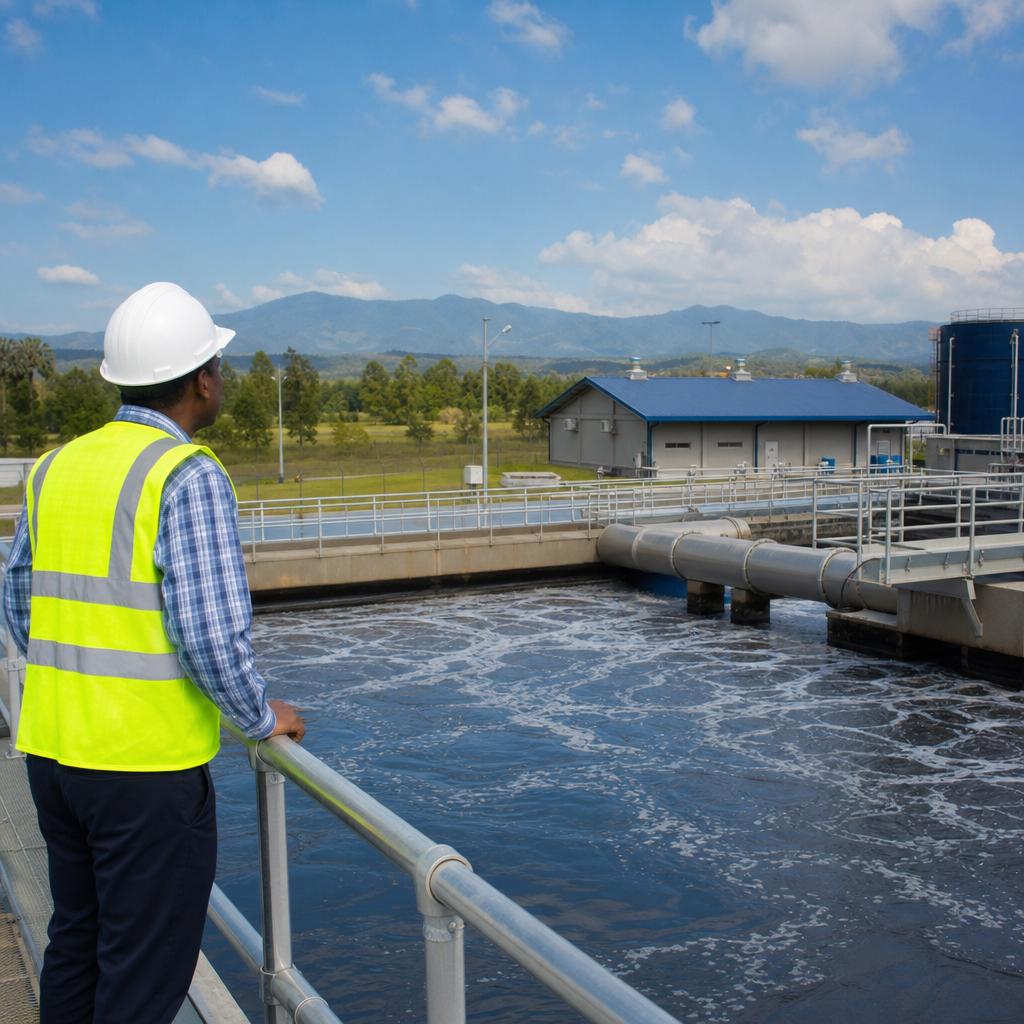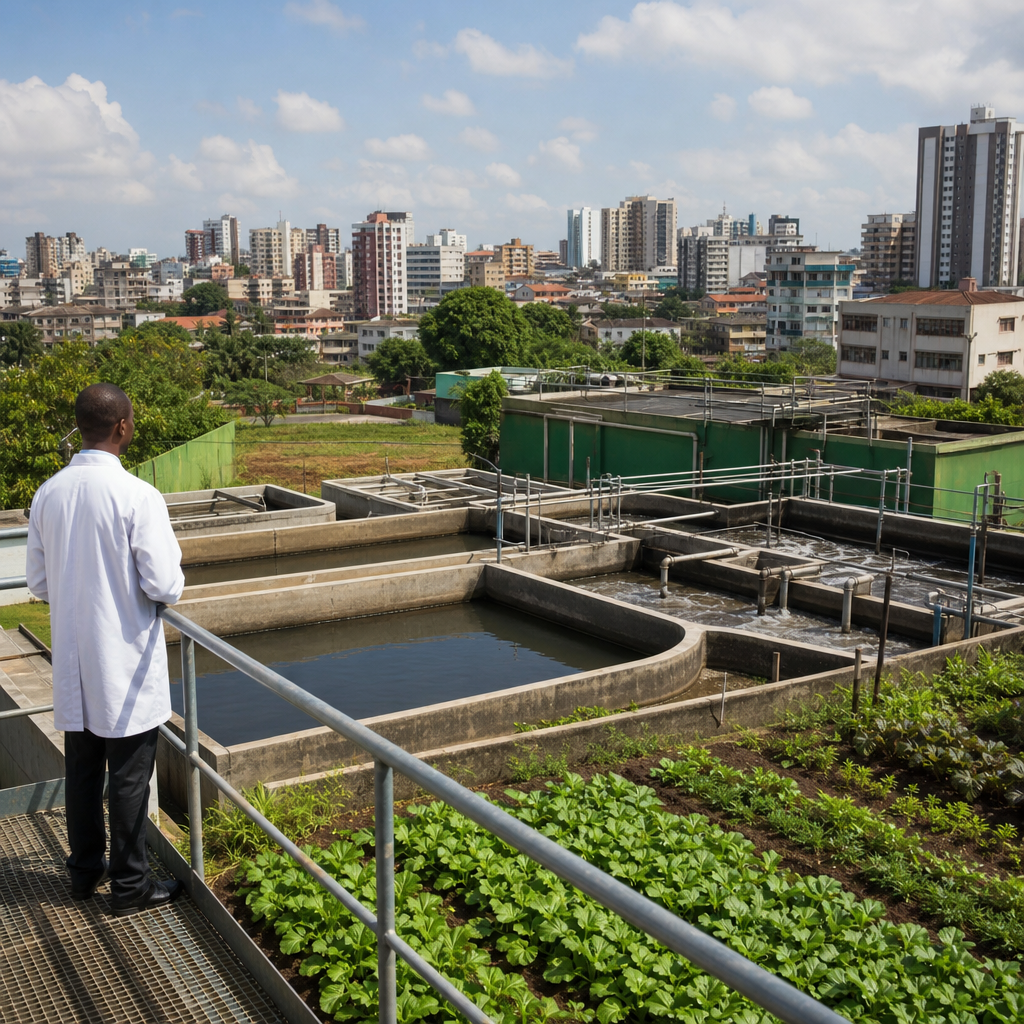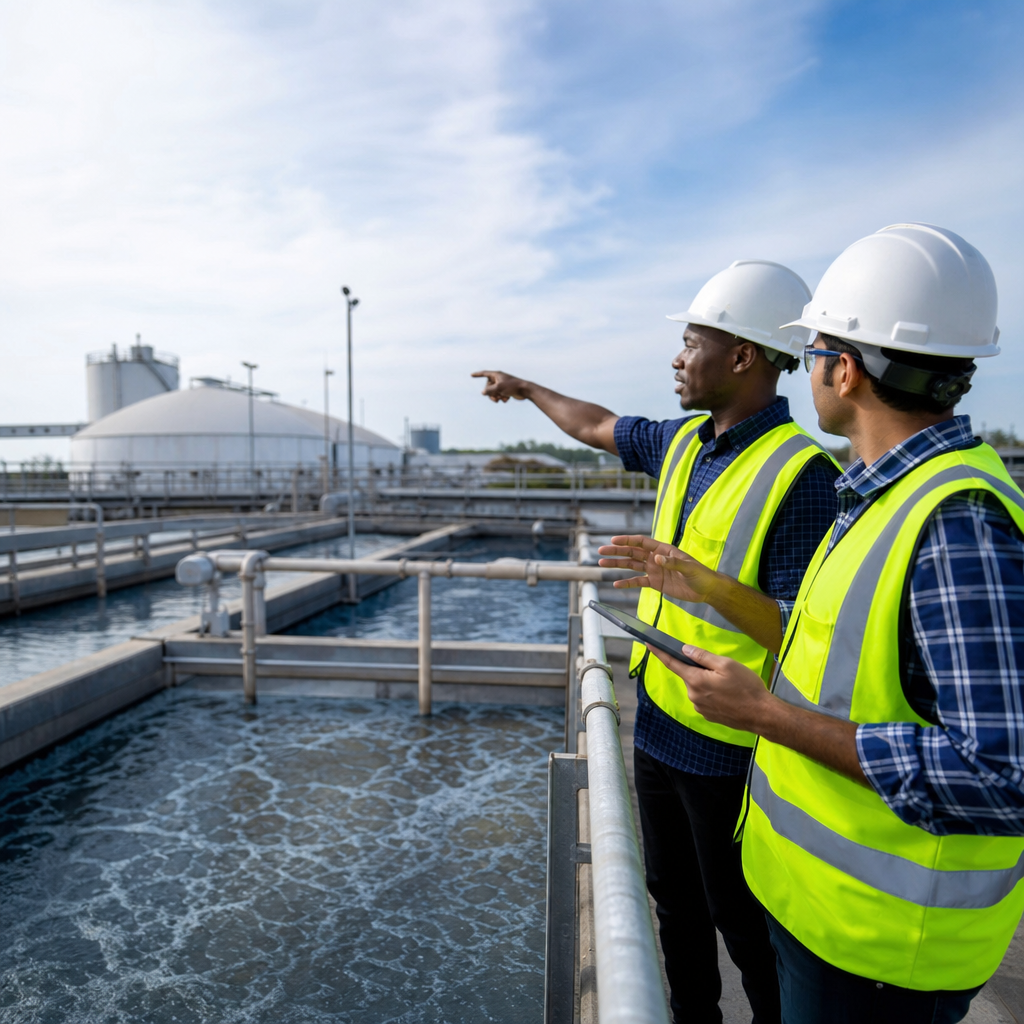
Public-private partnerships in sanitation shape whether ecological sanitation systems move from promising pilots to financially durable services. In this context, sanitation includes toilets, collection, transport, treatment, reuse, and the institutions that govern them, while ecological sanitation, or EcoSan, focuses on closing nutrient, water, and energy loops through approaches such as urine diversion, composting, container-based sanitation, biogas recovery, and treated sludge reuse. I have worked on sanitation business cases where the technology was sound but the economics were weak, and the lesson was consistent: infrastructure alone does not create viable sanitation markets. The real challenge is designing incentives, contracts, tariffs, and risk-sharing arrangements that align public health goals with private operational discipline.
Economic perspectives matter because sanitation markets are unusual. Households often underinvest because benefits such as disease reduction, groundwater protection, and cleaner neighborhoods spill over to everyone, not just the paying user. Municipalities face budget constraints and political pressure to keep tariffs low. Private firms can improve efficiency, but only when demand, payment systems, and performance standards are clear. EcoSan adds another layer: revenues may come not only from user fees, but also from compost, recovered nutrients, carbon benefits, water savings, and avoided treatment costs. That makes this subtopic especially important for cities, utilities, NGOs, and investors trying to understand which sanitation models can scale.
This hub article explains Understanding EcoSan Economics through the lens of public-private partnerships, or PPPs. A PPP is a structured arrangement in which a public authority and one or more private actors share responsibilities, risks, and rewards for delivering a service. In sanitation, PPPs range from short service contracts for pit emptying to long concessions covering fecal sludge treatment and resource recovery. The central economic question is not whether public or private delivery is better in the abstract. It is how to combine public financing, regulation, land access, and social objectives with private management, capital, innovation, and accountability so sanitation becomes reliable, affordable, and circular.
As a hub for the broader Economic Aspects cluster, this page maps the key concepts readers need before diving into deeper topics such as sanitation tariffs, cost recovery, market demand, reuse markets, municipal finance, and investment risk. The goal is practical clarity. If you want to evaluate an EcoSan project, compare partnership models, or understand why some sanitation ventures stall despite donor support, the economic principles below provide the framework.
Why sanitation economics differ from ordinary infrastructure markets
Sanitation is not a normal consumer market because demand, benefits, and payment capacity are misaligned. A household may value a toilet, but it may not value scheduled desludging, treatment quality, or safe reuse enough to cover full service costs. Yet those downstream services create major social value by reducing diarrheal disease, helminth infections, flooding from clogged drains, and contamination of rivers and aquifers. Economists describe this as a positive externality problem: private willingness to pay is often lower than social benefit. That is why sanitation almost always requires some blend of taxes, transfers, tariffs, and regulation.
EcoSan economics also differ from sewer-centric models. Conventional sewer systems concentrate capital in networks and treatment plants, with long asset lives and large fixed costs. EcoSan systems often distribute costs across containment, collection logistics, decentralized treatment, and product marketing. A urine-diverting dry toilet may cut water use and sewer dependence, but it creates recurring management needs for collection, drying, storage, or processing. Container-based sanitation can lower upfront household costs and expand service quickly in dense informal settlements, but it depends on disciplined route operations and transfer stations. The economic profile shifts from heavy civil works toward service-chain management.
In practice, this means financial sustainability depends on throughput and operational consistency. I have seen treatment units fail financially not because they were technically flawed, but because too little sludge or source-separated material reached them. Underutilized assets raise unit costs dramatically. A composting site designed for 20 tons per day but fed only 6 tons per day can struggle to cover labor, equipment maintenance, supervision, and quality control. For EcoSan, economics begin with realistic volume forecasts and service behavior, not with treatment technology alone.
Core cost drivers and revenue streams in EcoSan systems
Understanding EcoSan economics starts with disaggregating the value chain. Capital expenditure may include toilet hardware, containers, transfer facilities, treatment pads, digesters, drying beds, storage sheds, quality testing equipment, and vehicles. Operating expenditure typically includes labor, fuel, route planning, replacement parts, bulking agents such as sawdust, personal protective equipment, licensing, land lease, laboratory testing, and customer support. Many project appraisals underestimate costs for supervision, behavior change, and quality assurance, even though these can determine whether products are safe and marketable.
Revenue streams are more diverse than many first-time planners expect. User fees can come from toilet subscriptions, emptying fees, institutional service contracts, or municipal availability payments. Resource recovery may generate revenue from compost, dried biosolids, black soldier fly larvae raised on organics, biogas, electricity, struvite, or separated urine used as fertilizer where regulations permit. Additional economic value appears as avoided costs: less water purchased for flushing, reduced sewer expansion, lower sludge hauling distances, reduced landfill disposal, and fewer disease-related productivity losses. In some contexts, climate finance or results-based aid can support methane avoidance or improved sanitation outcomes, although these revenues are usually supplemental rather than foundational.
The important discipline is to classify revenues by certainty. Subscription fees from a signed customer base are generally more predictable than compost sales into a fragmented agricultural market. Municipal payments backed by budget appropriations may be dependable, but only if invoicing, verification, and political support are robust. Carbon revenues often look attractive in proposals yet remain small after certification expenses and discounting. A sound EcoSan business model treats by-product income as upside unless there is demonstrated offtake.
| Economic element | Typical examples | Main risk | How PPPs can respond |
|---|---|---|---|
| Capital costs | Toilets, vehicles, treatment units, transfer stations | High upfront burden | Public co-financing, concessional debt, phased rollout |
| Operating costs | Collection labor, fuel, consumables, testing | Cost overruns, low route density | Performance contracts, indexed payments, route optimization |
| User revenue | Subscriptions, emptying fees, institutional contracts | Nonpayment, low demand | Targeted subsidies, digital billing, customer segmentation |
| Reuse revenue | Compost, biogas, nutrients, larvae | Weak markets, quality concerns | Public standards, offtake agreements, product certification |
| Social returns | Health gains, cleaner waterways, water savings | Not monetized by operator | Viability gap funding, outcome-based payments |
How public-private partnerships are structured in sanitation
PPPs in sanitation are best understood as a spectrum rather than a single model. At the light end are service contracts, where a city hires private operators for specific tasks such as pit emptying, transport, or plant operations. These are useful when the municipality retains strategic control but wants efficiency and specialized skills. Management contracts go further by assigning performance responsibilities without transferring major investment obligations. Lease and affermage models give operators more commercial responsibility, though they are less common in sanitation than in water supply because fecal sludge and reuse markets can be thin.
Concessions and build-operate-transfer arrangements place larger obligations on private partners, often including facility investment and long-term operations. These can work for treatment plants or integrated service chains where waste volumes, payment streams, and land access are relatively secure. However, they can fail if demand risk is pushed too far onto the operator in a low-income setting. In sanitation, I generally find that blended structures perform better: the public side secures land, regulation, and part of the capital; the private side runs collections, treatment, and customer service under measurable standards.
What matters most is contract design. A sanitation PPP should specify service areas, minimum performance levels, contamination thresholds for recovered products, occupational health requirements, data reporting, tariff rules, payment triggers, dispute resolution, and handback conditions. It should also define force majeure and political risk. Without these details, operators either price risk too high or cut corners. The strongest contracts pay for verified outcomes, such as tons safely treated, households served, plant uptime, or compost meeting national quality standards, rather than vaguely defined effort.
Risk allocation, affordability, and financing logic
The guiding principle in PPP economics is simple: assign each risk to the party best able to manage it. Construction risk usually sits better with private contractors if designs are clear. Regulatory risk belongs largely with government. Demand risk is shared, because operators can improve marketing and collections, but they cannot fully control poverty, politics, or settlement density. Feedstock quality risk may be split through inspection protocols and contamination penalties. Reuse market risk can be reduced with public procurement, agricultural extension partnerships, or minimum offtake agreements.
Affordability is where many sanitation plans become unrealistic. Full cost recovery from poor households is rarely feasible for safely managed sanitation. The World Bank, UNICEF, and sanitation utilities have repeatedly shown that services with strong public health externalities require public support. The right question is not whether subsidies are acceptable, but whether they are smart. Well-designed subsidies target connection barriers, support vulnerable users, or pay for public-good outcomes while preserving incentives for efficient operations. Bad subsidies hide inefficiency, distort competition, or reward infrastructure that no one uses.
Financing tools should match asset and cash-flow profiles. Toilet installations and treatment works can use grants, municipal capital budgets, development finance, or concessional loans because benefits accrue over many years. Working capital for route operations may need revolving facilities or receivables finance. Output-based aid can reimburse providers after verified service delivery. Guarantees can crowd in local lenders hesitant about sanitation. In my experience, local currency financing is especially important; exchange-rate risk can erase thin margins in sanitation businesses faster than any technical problem.
Making resource recovery economically credible
Resource recovery is central to EcoSan, but it should be approached as an industrial market, not a slogan. Compost and co-compost products must meet nutrient specifications, pathogen reduction standards, moisture thresholds, and packaging expectations if they are to compete with conventional fertilizers or soil conditioners. Farmers buy based on yield impact, consistency, logistics, and trust. If one batch contains plastics or variable nutrient content, the market can disappear. The economics therefore depend on rigorous feedstock management, process control, curing time, and product testing.
Urine reuse can be attractive where fertilizer prices are high and regulations are supportive, yet transport and storage costs often limit scale. Struvite recovery is technically proven but usually viable only at sufficient nutrient concentration and operational sophistication. Biogas systems can work well for institutions, markets, or clustered settlements where feedstock is steady and nearby energy demand exists. Black soldier fly systems can create value from organic waste streams, but they require reliable process management and a lawful feed market. Each pathway has a niche; none is automatically bankable.
A realistic PPP improves credibility by coordinating three market-building functions. First, the public side sets enforceable safety standards and streamlined approvals. Second, private operators invest in product quality and customer relationships. Third, anchor demand is developed through landscaping contracts, public parks, peri-urban agriculture, or industrial energy users. The strongest reuse businesses I have seen did not rely on spot sales alone. They built recurring channels, tested products openly, and treated sanitation-derived outputs as professional commodities.
Metrics, governance, and the economics of scale
Good sanitation economics depend on measurement. Core indicators include cost per household served, cost per ton collected, treatment cost per cubic meter or ton, route density, customer retention, nonpayment rate, plant utilization, revenue by source, and compliance with pathogen and environmental standards. For PPP oversight, cities should track both financial and service outcomes. A plant that breaks even while discharging unsafe effluent is a failure. A subsidized operator that reaches low-income settlements with verified safe treatment may be delivering strong value for money.
Scale matters, but bigger is not always cheaper. Economies of scale can reduce unit costs in treatment, procurement, laboratory testing, and fleet maintenance. At the same time, long hauling distances, weak roads, and dispersed settlements can create diseconomies in transport. Decentralized EcoSan systems often outperform centralized alternatives when they reduce conveyance costs and fit local settlement patterns. The correct planning unit is the full service chain across a specific geography, not a generic assumption that centralization is efficient.
Governance is the final determinant. Clear licensing, realistic tariffs, transparent procurement, and reliable enforcement lower transaction costs and attract capable operators. Fragmented mandates between health departments, utilities, environmental regulators, and municipalities do the opposite. Where governance is weak, PPPs can still help, but only if contracts are simple, monitored, and politically supported. For readers exploring Understanding EcoSan Economics across this hub, the main lesson is that viable sanitation is built on integrated economics: honest costing, targeted subsidies, disciplined partnerships, and credible reuse markets. Use this framework to assess every EcoSan proposal, ask where value is created, and insist that public health outcomes and financial logic reinforce each other before moving to implementation.
Frequently Asked Questions
What are public-private partnerships in sanitation, and why do they matter for ecological sanitation systems?
Public-private partnerships, or PPPs, in sanitation are structured arrangements in which governments and private actors share responsibilities, risks, financing, and performance obligations across parts of the sanitation value chain. In practice, that can include toilet construction, operation and maintenance, fecal sludge collection, transport logistics, treatment plant management, reuse market development, customer service, billing, monitoring, and regulatory compliance. These partnerships matter because sanitation is rarely a single infrastructure investment; it is an ongoing service system that depends on reliable institutions, predictable cash flow, and accountability over time.
For ecological sanitation, PPPs are especially important because EcoSan models often create value beyond conventional waste disposal. Approaches such as urine diversion, composting, container-based sanitation, biogas recovery, and treated sludge reuse can reduce water use, recover nutrients, create soil amendments, generate energy, and lower environmental damage. However, these benefits do not automatically translate into bankable business models. Many EcoSan systems succeed in pilot settings but struggle when scaling because revenues from users or reuse products may be irregular, policy support may be weak, and operational performance requires careful management. A well-designed PPP can bridge that gap by aligning public goals such as health, inclusion, and environmental protection with private strengths such as operational efficiency, innovation, logistics, and customer-focused service delivery.
Economically, PPPs help answer a central sanitation question: who pays, who benefits, and who bears the risk if the system underperforms? In sanitation, public benefits are often much larger than private returns. Cleaner neighborhoods, reduced disease burden, groundwater protection, and lower emissions benefit society broadly, which means tariffs alone may not cover full costs. PPPs can therefore combine user fees, targeted subsidies, public capital investment, viability gap funding, output-based aid, and payments for resource recovery. When structured well, they can turn fragmented services into durable service businesses while still protecting affordability and public oversight.
How do PPPs improve the financial sustainability of EcoSan beyond short-term pilots?
One of the biggest challenges in sanitation is that pilot projects often prove technical feasibility without establishing lasting economics. PPPs can improve financial sustainability by shifting the focus from one-time hardware deployment to long-term service delivery. Instead of simply funding toilets or treatment units, a PPP can define measurable service outcomes such as safe collection rates, treatment compliance, reuse volumes, customer retention, and maintenance response times. That changes the economic model from “build and leave” to “operate and perform,” which is essential for EcoSan systems that depend on regular collection, proper separation, treatment quality, and market confidence in recovered products.
From a financing perspective, PPPs make it easier to bundle different revenue sources. EcoSan rarely depends on one income stream alone. User fees may cover part of collection and servicing, while public funds support public health externalities, and sales of compost, biogas, treated biosolids, or nutrient products provide supplementary revenue. In some cases, carbon finance, climate funding, or agricultural partnerships can strengthen the business case. A PPP structure can formalize how these streams are allocated, how payment triggers work, and what happens if one source underperforms. That predictability is valuable for investors, operators, and municipalities alike.
Risk allocation is another major advantage. Private partners may be better positioned to manage operational efficiency, route optimization, customer service, digital payments, and plant operations. Public partners are usually better placed to manage regulatory approvals, land access, tariff frameworks, social targeting, and long-term planning. If those risks are assigned to the parties best able to control them, the overall cost of service can fall and the likelihood of failure can decrease. That is particularly relevant for ecological sanitation, where poor segregation, inconsistent collection, or weak enforcement can quickly undermine technical and commercial performance.
Most importantly, PPPs can support scale. Pilots often rely on grant funding, unusually high technical assistance, or intensive local champions. A scalable PPP model creates standard contracts, performance indicators, and financing mechanisms that allow replication across neighborhoods or cities. That does not guarantee success, but it greatly improves the odds that EcoSan moves from isolated demonstration to a financially durable urban or peri-urban service.
What economic risks and incentives should be considered when designing a sanitation PPP?
Sanitation PPPs work best when the economics are transparent and incentives are carefully aligned. A common mistake is assuming that sanitation behaves like a conventional utility with straightforward cost recovery through tariffs. In reality, sanitation produces large public benefits and often involves hidden costs, weak willingness to pay, and fragmented responsibilities. Designers need to examine capital costs, operating costs, collection frequency, transport distances, treatment efficiency, market demand for reuse products, customer affordability, and the institutional costs of regulation and monitoring. Without that full cost picture, contracts can become unrealistic and financially unstable.
Several categories of risk deserve close attention. Demand risk is central: will households subscribe, pay regularly, and use the service properly? Operational risk matters as well: can the operator maintain toilets, ensure safe collection, meet treatment standards, and avoid service interruptions? Market risk is significant in EcoSan because recovered products such as compost, pellets, biogas, or liquid fertilizers may face uncertain pricing, seasonality, quality concerns, or regulatory barriers. Political and regulatory risks are also substantial, including tariff freezes, delayed government payments, unclear standards for reuse, or changes in procurement rules. Finally, foreign exchange and inflation risks can affect imported equipment, debt servicing, and chemical or fuel costs.
Incentive design should reflect these realities. Performance-based payments are often more effective than purely asset-based contracts because they reward actual service outcomes rather than infrastructure delivery alone. For example, a city may pay for verified safe containment, timely collection, treatment compliance, or documented reuse rather than simply paying for trucks or toilets. At the same time, incentives should not encourage cream-skimming, where private operators focus only on easy-to-serve or higher-income users. Contracts should include service obligations for low-income, informal, or difficult-to-reach areas, backed by appropriate subsidies or cross-subsidization if needed.
Good sanitation PPPs also include clear monitoring systems, transparent dispute resolution, and realistic adjustment mechanisms. Costs change over time, and reuse markets can take years to mature. A rigid contract can fail just as easily as a vague one. The goal is to create a framework where private actors are rewarded for efficiency and innovation, while the public sector preserves affordability, equity, safety, and environmental performance. In economic terms, the best PPP is not the one that shifts every risk to the private sector, but the one that allocates each risk where it can be managed most efficiently.
Can ecological sanitation create viable revenue streams through resource recovery, or is public subsidy still necessary?
Ecological sanitation can create real revenue streams through resource recovery, but in most settings those revenues are best viewed as part of the solution rather than the entire solution. Products derived from sanitation systems can include compost, co-compost, dried fecal matter for fuel applications, urine-based fertilizers, biogas, electricity, heat, black soldier fly inputs, treated wastewater for irrigation, and other circular economy outputs. These can improve the economics of sanitation by offsetting disposal costs, diversifying income, and capturing value that conventional linear systems often waste.
That said, the viability of resource recovery depends on many factors. Product quality and safety standards must be consistent, transport costs must be manageable, local buyers must trust and understand the product, and there must be enough demand at a price point that supports operations. In agriculture, for example, nutrient-rich products may be valuable, but competition from synthetic fertilizers, seasonal demand patterns, and farmer perceptions can limit uptake. Energy recovery may look attractive on paper, yet small-scale biogas systems sometimes struggle with feedstock consistency, maintenance, and monetization. In urban contexts, logistics and land costs can also reduce margins significantly.
For these reasons, public subsidy is still often necessary, and that should not be seen as a weakness. Sanitation generates strong positive externalities: fewer disease outbreaks, reduced contamination, improved dignity and safety, lower environmental cleanup costs, and better resilience. Those public benefits justify public financial support, just as roads, drainage, and drinking water often receive support. The economic question is not whether sanitation should be subsidized at all, but how to subsidize it intelligently. Well-designed PPPs can target subsidies to socially valuable outcomes while still preserving incentives for efficiency and market development.
The strongest models usually combine moderate user contributions, public funding for health and environmental outcomes, and selective monetization of recovered resources. This blended approach is more resilient than relying on any single source. Resource recovery can materially strengthen the business case, especially when linked to agriculture, energy, climate, or waste management policies, but it rarely eliminates the need for public involvement. In most cities, financially durable EcoSan emerges from a balanced economic architecture, not from the expectation that waste-derived products alone will pay for the full system.
What makes a sanitation PPP successful in low-income or rapidly growing urban areas?
Success in low-income or fast-growing urban areas usually depends less on sophisticated contract theory and more on practical design grounded in local realities. First, the partnership must be built around the full sanitation service chain, not just visible infrastructure. Toilets without dependable collection, collection without treatment, or treatment without safe reuse or disposal will eventually fail. In dense settlements,