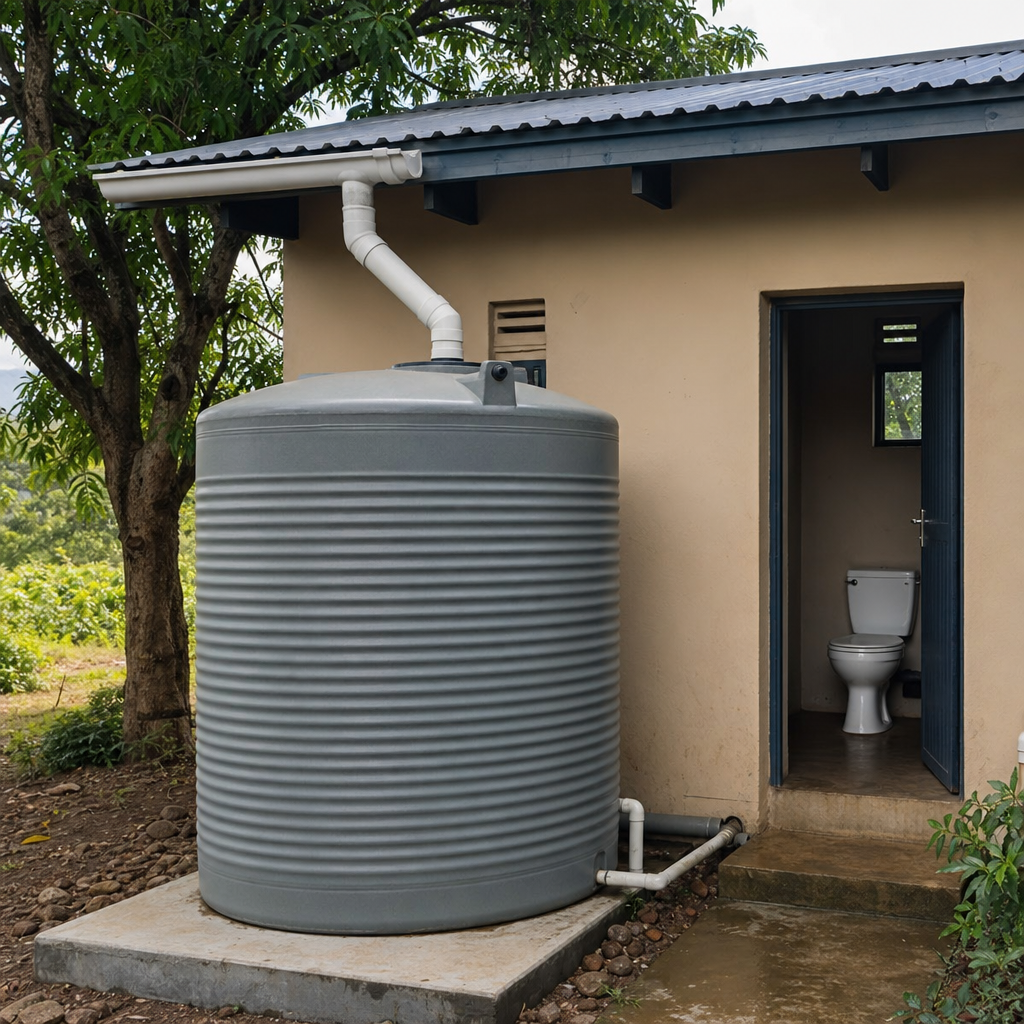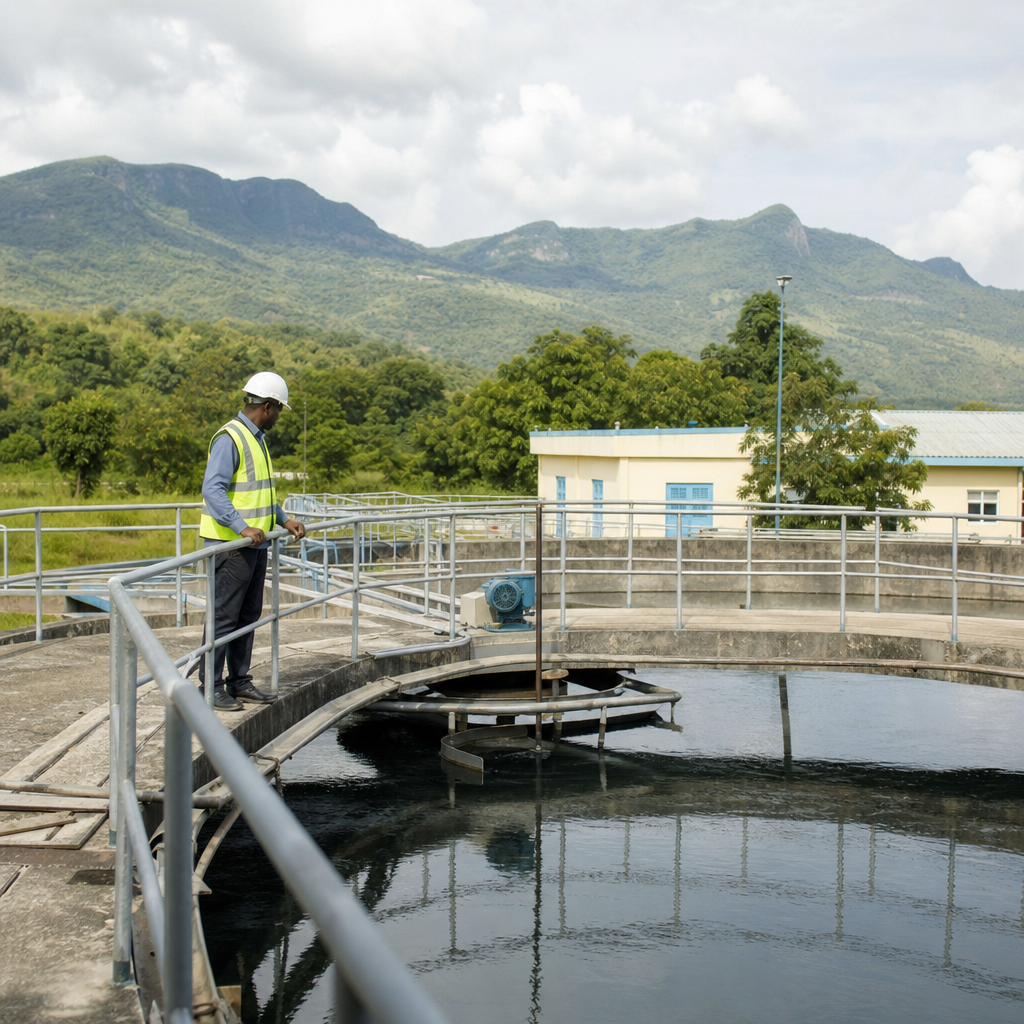
Building sustainable economies through improved sanitation starts with a simple truth: waste systems are not only public health infrastructure, but also economic infrastructure. When sanitation fails, communities lose labor hours, businesses face higher operating costs, health systems absorb preventable disease burdens, and valuable nutrients, water, and energy are discarded instead of reused. When sanitation improves, the economic effects are broad and measurable. Households spend less on illness, children miss fewer school days, employers gain a healthier workforce, and local enterprises can turn sanitation byproducts into marketable resources.
Within this landscape, ecological sanitation, often shortened to EcoSan, refers to sanitation systems designed to safely recover and reuse resources from human waste and wastewater. Rather than treating excreta as something to transport away at any cost, EcoSan frameworks view it as a source of nutrients, organic matter, water, and in some cases energy. Common approaches include urine diversion, composting toilets, container-based sanitation, biogas-linked toilets, fecal sludge treatment with resource recovery, and decentralized wastewater reuse. Economic strategies in EcoSan are the financial, policy, operational, and market mechanisms that make these systems viable at household, community, municipal, and national levels.
I have worked on sanitation business cases and municipal service models long enough to see the same pattern repeatedly: projects fail when planners focus only on hardware, and they succeed when they build a full sanitation economy around service delivery, cost recovery, regulation, and end markets. A toilet alone does not create economic value. A functioning chain does. That chain includes user adoption, collection, transport, treatment, quality assurance, safe reuse, customer financing, operator training, and institutions that can enforce standards without crushing innovation. This article serves as a hub for the economic aspects of EcoSan by connecting those moving parts into one practical framework.
The subject matters because sanitation is one of the highest-return development investments available. The World Health Organization has repeatedly found that basic sanitation and water interventions generate large economic returns through avoided healthcare costs and productivity gains. At the same time, the global sanitation financing gap remains severe, especially in rapidly urbanizing regions where sewer expansion is too costly, too slow, or physically impractical. EcoSan offers an alternative path, but only when its economics are designed with realism. That means understanding capital expenditure, operating expenditure, user willingness to pay, public subsidies, private revenue, agricultural demand, environmental compliance, and social equity at the same time.
The Economic Case for EcoSan
The economic case for EcoSan rests on three linked benefits: reduced losses, new value creation, and stronger resilience. Reduced losses come first. Poor sanitation drives diarrheal disease, helminth infections, stunting, reduced worker productivity, and environmental contamination that undermines fisheries, tourism, and land value. These are not abstract externalities. They show up in family budgets, absenteeism records, crop losses, and municipal cleanup bills. In city neighborhoods where safe emptying is unavailable, I have seen landlords pay repeatedly for informal pit services that dump untreated sludge nearby, creating a cycle of disease and contamination that costs far more over time than a regulated service chain.
New value creation is the second pillar. Human waste contains nitrogen, phosphorus, potassium, carbon, and water that can be recovered if treatment is reliable and users trust the outputs. Farmers facing volatile fertilizer prices often become early buyers of treated compost, co-compost, dried biosolids, urine-based fertilizers, or digestate when products are consistent and transport distances are manageable. Service providers can also earn revenue from toilet subscriptions, emptying fees, treatment tipping fees, carbon-related finance in some contexts, and sales of fuel briquettes or biogas. None of these revenue lines should be assumed automatically, but together they can improve financial sustainability.
Resilience is the third benefit. Conventional sewerage remains essential in many dense urban cores, yet it is capital intensive and vulnerable to water scarcity, flooding, and weak utility finances. EcoSan systems can diversify sanitation infrastructure through decentralized models that use less water, reduce nutrient discharge, and maintain service in areas beyond the reach of sewers. That flexibility has economic value, especially in informal settlements, secondary towns, climate-stressed agricultural zones, refugee settings, and peri-urban growth corridors where centralized systems lag behind demand.
How the Sanitation Value Chain Creates Jobs and Revenue
Economic strategies in EcoSan work best when planners map the sanitation value chain from containment to reuse. Each link can support jobs, enterprise formation, and local procurement. Households and institutions purchase or lease toilets. Fabricators produce slabs, urine-diverting pans, containers, prefabricated superstructures, and handwashing units. Operators provide cleaning, subscription management, pit emptying, container exchange, transport, transfer station handling, treatment, laboratory testing, packaging, and agricultural distribution. Extension agents train farmers in safe application. Municipal regulators inspect facilities and issue permits. The result is a service economy, not just a construction program.
Container-based sanitation illustrates this clearly. Instead of building expensive sewers in dense unplanned settlements, providers supply sealable toilets and collect waste on a regular schedule for treatment and reuse. Customers pay monthly fees, operators earn recurring revenue, and municipalities avoid some of the upfront network costs that often stall conventional expansion. Biogas-linked systems create a different profile, supporting masons, digester technicians, gas appliance suppliers, maintenance crews, and farmers using slurry as fertilizer. Urine diversion systems can support localized fertilizer markets where agronomic guidance and storage standards are in place.
Job quality matters as much as job count. Informal sanitation labor is often dangerous, stigmatized, and poorly paid. A sound EcoSan strategy formalizes work through protective equipment, mechanized emptying where feasible, vaccination, contracts, occupational standards, and business training. This shift protects workers and improves service reliability, which in turn makes customers more willing to pay. Municipal leaders sometimes underestimate how much willingness to pay depends on trust that waste is handled safely and discreetly. In practice, professionalism is a revenue strategy as well as a labor protection measure.
Financing Models That Make EcoSan Viable
No single financing model fits every sanitation market. Most successful EcoSan programs use blended finance because sanitation delivers both private and public benefits. Households gain convenience and safety, but society also gains disease prevention, cleaner waterways, and lower environmental damage. That is why full cost recovery from user fees alone is rare, particularly for low-income customers. The practical question is not whether subsidies are needed, but where they are best targeted.
Targeting capital subsidies to infrastructure while recovering part of operating costs through service fees is a common approach. Municipalities or donors may finance treatment plants, transfer stations, or toilet installation vouchers, while households pay affordable monthly service charges. Results-based financing can reward verified service delivery rather than construction alone. Microfinance helps households spread the upfront cost of toilets, especially for durable systems such as urine-diverting dry toilets or small biogas units. For service providers, working capital is often more important than startup grants because collection routes, customer acquisition, fuel, and payroll create cash flow pressure long before reuse revenues mature.
| Financing approach | Best use case | Main strength | Main limitation |
|---|---|---|---|
| Capital subsidies | Household toilets, treatment infrastructure | Improves access quickly | Can distort markets if poorly targeted |
| User service fees | Collection, maintenance, container exchange | Supports recurring operations | Affordability constraints in low-income areas |
| Microfinance | Household toilet upgrades | Reduces upfront payment barrier | Requires lender confidence and repayment capacity |
| Results-based financing | Verified service delivery programs | Rewards performance, not just construction | Needs strong monitoring systems |
| Resource recovery revenue | Compost, biogas, fertilizer products | Diversifies income streams | Usually insufficient on its own |
I advise municipalities to model three scenarios before committing: conservative, base case, and upside case. Conservative assumes low product sales and slower customer growth. Base case reflects realistic adoption and average operating efficiency. Upside includes stronger agricultural demand or policy support. This simple discipline prevents business plans from relying on optimistic compost sales or exaggerated willingness to pay. In sanitation economics, underestimating recurring costs is one of the fastest ways to fail.
Market Development for Reuse Products
Resource recovery is often discussed loosely, but markets do not appear just because a treatment plant produces a material. Reuse products must meet clear quality standards, solve a real customer problem, and be priced competitively against substitutes. Compost derived from fecal sludge and organic waste can improve soil structure and water retention, which matters in degraded soils and drought-prone farming systems. Urine-based fertilizers can deliver immediately available nitrogen when properly stored and applied. Biogas can displace charcoal, firewood, LPG, or diesel in some settings. Dried sludge-based fuel products can serve industrial users if calorific value, ash content, and emissions are acceptable.
Demand development requires evidence. Farmers need demonstration plots, agronomic recommendations, and assurance that pathogens and heavy metals are controlled. Landscapers, nurseries, and municipal parks departments can be useful early buyers because they often accept organic soil amendments before staple crop markets do. Packaging, labeling, and distribution matter more than many engineers expect. A clean, standardized product sold through existing agro-dealer networks usually outperforms bulk material moved through ad hoc arrangements. Certification and laboratory testing can be decisive in winning trust.
There are also hard limits. Transport costs can erase margins for low-value bulky products like compost. Seasonal demand can strain storage capacity. Social stigma may reduce market acceptance even when treatment is safe. These constraints do not invalidate reuse; they define where it works. In several programs, the most robust financial strategy has been to treat reuse revenue as a supplemental income stream while designing the core service model around public funding plus user fees. That is a more credible path than promising that fertilizer sales alone will sustain urban sanitation systems.
Policy, Regulation, and Institutional Design
EcoSan economics depend heavily on policy design. Without clear rules, investors hesitate, utilities resist integration, and customers question safety. Effective regulation covers containment standards, emptying frequency, transport permits, treatment performance, occupational safety, and criteria for reuse products. The Sanitation Safety Planning approach promoted by the World Health Organization is particularly useful because it links hazard identification, control measures, monitoring, and accountability across the service chain. For municipalities, this reduces the risk of focusing narrowly on toilet construction while neglecting downstream exposure pathways.
Institutional design matters just as much as technical regulation. Someone must own assets, someone must operate services, and someone must enforce compliance. In weakly coordinated systems, responsibility is fragmented across health, water, environment, agriculture, and local government agencies. That fragmentation raises transaction costs and creates gaps that private operators cannot navigate easily. The strongest city models usually define a lead sanitation authority, set service standards, license operators, and use performance-based contracts. Utilities can manage treatment while small enterprises handle collection. Cooperatives can aggregate farmers for reuse purchasing. Public-private partnerships can work, but only if risk allocation is realistic.
Land tenure and planning policy are also economic variables. In informal settlements, households may hesitate to invest in durable toilets if eviction risk is high. In peri-urban areas, zoning rules can prevent treatment facilities from locating near waste sources or reuse markets. Aligning sanitation plans with urban development and agricultural policy improves both costs and adoption. When governments classify recovered products clearly and regulate them consistently, they reduce uncertainty and unlock investment.
Measuring Return on Investment and Long-Term Impact
Decision-makers need more than a moral argument for sanitation; they need measurable returns. Return on investment in EcoSan should be assessed across financial, economic, social, and environmental dimensions. Financial analysis asks whether operators can cover enough costs to sustain service. Economic analysis values broader gains such as reduced disease, time savings, avoided water pollution, nutrient recovery, and increased productivity. Cost-benefit analysis, life-cycle costing, and social return on investment are all useful when applied carefully. I prefer life-cycle costing early in project design because it exposes the recurring expenses that are most often ignored.
Key performance indicators should include customer retention, service reliability, safe treatment compliance, cost per household served, recovery rate of nutrients or energy, operator margin, and affordability for the lowest-income users. Health metrics such as diarrhea prevalence or reduced exposure can be tracked where feasible, though attribution is often complex. Environmental indicators should cover groundwater protection, nutrient discharge reduction, and greenhouse gas implications, especially when comparing pit latrines, septic systems, anaerobic digestion, and sewer-based alternatives.
The long-term benefit is not just cleaner neighborhoods. It is a more productive local economy built on better health, lower environmental degradation, stronger agricultural inputs, and service businesses that create dignified work. For policymakers and investors, the next step is straightforward: treat EcoSan as an economic system, not a standalone toilet project, and design every intervention around the full sanitation value chain.
Building sustainable economies through improved sanitation requires disciplined strategy. The core lessons are clear. First, sanitation failures impose real economic losses on households, firms, farms, and governments. Second, EcoSan can reduce those losses while creating new value through service enterprises, nutrient recovery, water reuse, and energy generation. Third, success depends on the whole chain: finance, regulation, logistics, quality control, market demand, and public trust. Where any one of those links is weak, even well-designed hardware will underperform.
As the hub for economic strategies in EcoSan, this topic should guide deeper work on sanitation business models, fecal sludge management finance, reuse product marketing, municipal contracting, affordability policy, and investment appraisal. The practical benefit is substantial: communities can move from paying repeatedly for disease, pollution, and inefficient infrastructure toward investing in systems that protect health and circulate resources. Review your current sanitation plans, map the missing economic links, and build the next phase around services that can last.
Frequently Asked Questions
How does improved sanitation contribute to a more sustainable economy?
Improved sanitation supports a sustainable economy by reducing costs, protecting productivity, and turning waste streams into usable resources. When sanitation systems function well, communities experience fewer cases of preventable illness such as diarrhea, parasitic infections, and other sanitation-related diseases. That means fewer missed workdays, fewer school absences, and lower medical expenses for households and governments. In practical terms, healthier workers are more productive, children are better able to learn, and families have more income available for food, education, housing, and small business activity instead of emergency healthcare.
Sanitation also affects business performance. Reliable toilets, wastewater management, and hygiene facilities reduce interruptions, improve employee well-being, and make commercial areas more attractive for investment and tourism. Cities and rural economies alike benefit when sanitation infrastructure lowers environmental contamination, preserves water quality, and reduces the burden on public health systems. Over time, these savings and productivity gains compound. Sustainable economies depend on systems that protect human capital and natural resources, and sanitation does both. It is not just a social service; it is a foundational economic asset that helps communities grow in a healthier, more resilient, and more resource-efficient way.
Why is sanitation considered economic infrastructure and not just a public health service?
Sanitation is considered economic infrastructure because it directly influences labor markets, household finances, business operations, environmental quality, and long-term development outcomes. Public health is a major part of the story, but the economic effects reach much further. If sanitation is inadequate, workers lose time to illness, caregivers lose income while supporting sick family members, and employers face lower productivity and more absenteeism. Hospitals and clinics also absorb costs that could have been avoided through better sanitation, redirecting limited public funds away from other critical priorities.
There are also broader system-level effects. Contaminated water sources can undermine agriculture, fisheries, food processing, hospitality, and manufacturing. Poor sanitation in urban settlements can reduce land values, discourage investment, and increase the cost of maintaining infrastructure damaged by pollution and unmanaged wastewater. By contrast, effective sanitation systems help create cleaner markets, safer workplaces, and more stable conditions for commerce. They also enable resource recovery, including treated water reuse, nutrient recovery for agriculture, and energy generation from waste. These are all functions associated with productive infrastructure. Just as roads move goods and electricity powers industry, sanitation protects the workforce, preserves environmental assets, and supports the efficient circulation of resources throughout the economy.
What are the main economic costs of poor sanitation for households and communities?
The economic costs of poor sanitation are both immediate and long-term. At the household level, families often spend more on doctor visits, medicines, transport to health facilities, and lost wages when illness occurs. These expenses can be especially damaging for low-income households, where even a short period of sickness may disrupt earnings and force difficult trade-offs between healthcare, school fees, food, and other essentials. In many settings, women and girls bear additional hidden costs, including time lost to finding safe sanitation facilities, reduced participation in work or education, and safety risks associated with inadequate infrastructure.
At the community level, poor sanitation can weaken entire local economies. Disease outbreaks reduce workforce participation and strain clinics and hospitals. Children who miss school due to repeated illness may experience lower educational attainment, which can affect future income and labor force quality. Businesses may face higher cleaning, water treatment, and compliance costs, while tourism and retail activity can suffer in areas perceived as unclean or unsafe. Environmental contamination adds another layer of loss by degrading rivers, groundwater, farmland, and fisheries. These damages often require expensive remediation and can limit future development opportunities. Altogether, poor sanitation creates a cycle of avoidable expenditure, lost productivity, and reduced economic potential that affects both current well-being and long-term growth.
Can sanitation systems create value through resource recovery and circular economy models?
Yes, modern sanitation systems can create substantial economic value when they are designed around resource recovery and circular economy principles. Human waste and wastewater contain nutrients, organic matter, water, and energy that can be treated and reused instead of discarded. For example, treated biosolids can support soil improvement, recovered nutrients such as phosphorus and nitrogen can contribute to fertilizer production, and wastewater can be safely treated for industrial processes, irrigation, or groundwater recharge in appropriate contexts. Anaerobic digestion can also convert organic waste into biogas, which may be used for cooking, heating, or electricity generation.
This shift from waste disposal to resource management can lower costs and create new revenue streams. Municipalities may reduce landfill pressure and energy expenses, farmers may gain access to lower-cost soil inputs or reclaimed water, and sanitation enterprises can build viable business models around collection, treatment, processing, and resale. Circular sanitation approaches can also improve climate resilience by conserving freshwater and reducing emissions linked to unmanaged waste. While successful implementation requires strong regulation, technical standards, financing, and public trust, the economic logic is increasingly clear. Sanitation does not have to be a one-way cost center. With the right systems in place, it can become part of a regenerative economy that protects public health while recovering value from materials that were once simply lost.
What policies and investments are most effective for building sustainable economies through improved sanitation?
The most effective policies and investments are those that treat sanitation as an essential, long-term component of economic development rather than a narrow construction project. That begins with public investment in inclusive infrastructure, including toilets, sewer and non-sewered systems, fecal sludge management, wastewater treatment, drainage integration, and hygiene facilities in homes, schools, healthcare settings, and workplaces. However, infrastructure alone is not enough. Governments also need strong regulatory frameworks, clear service standards, reliable monitoring, maintenance funding, and institutional coordination across health, water, urban planning, education, and environmental agencies.
Financing strategies matter as well. Blended finance, targeted subsidies for low-income communities, performance-based service contracts, and incentives for private-sector participation can all help expand access and improve service quality. Workforce development is another critical investment area, as sanitation systems depend on trained operators, engineers, health professionals, community workers, and safe conditions for sanitation workers. Policies should also encourage innovation in decentralized systems, climate-resilient design, and resource recovery technologies where appropriate. Importantly, successful sanitation policy is people-centered: it addresses affordability, accessibility, gender equity, safety, and cultural acceptance. When these elements come together, sanitation investments generate high returns through healthier populations, lower healthcare spending, greater labor productivity, cleaner ecosystems, and stronger conditions for business growth. That is why improved sanitation is increasingly recognized as a practical strategy for building economies that are not only more productive, but also more equitable and more sustainable.