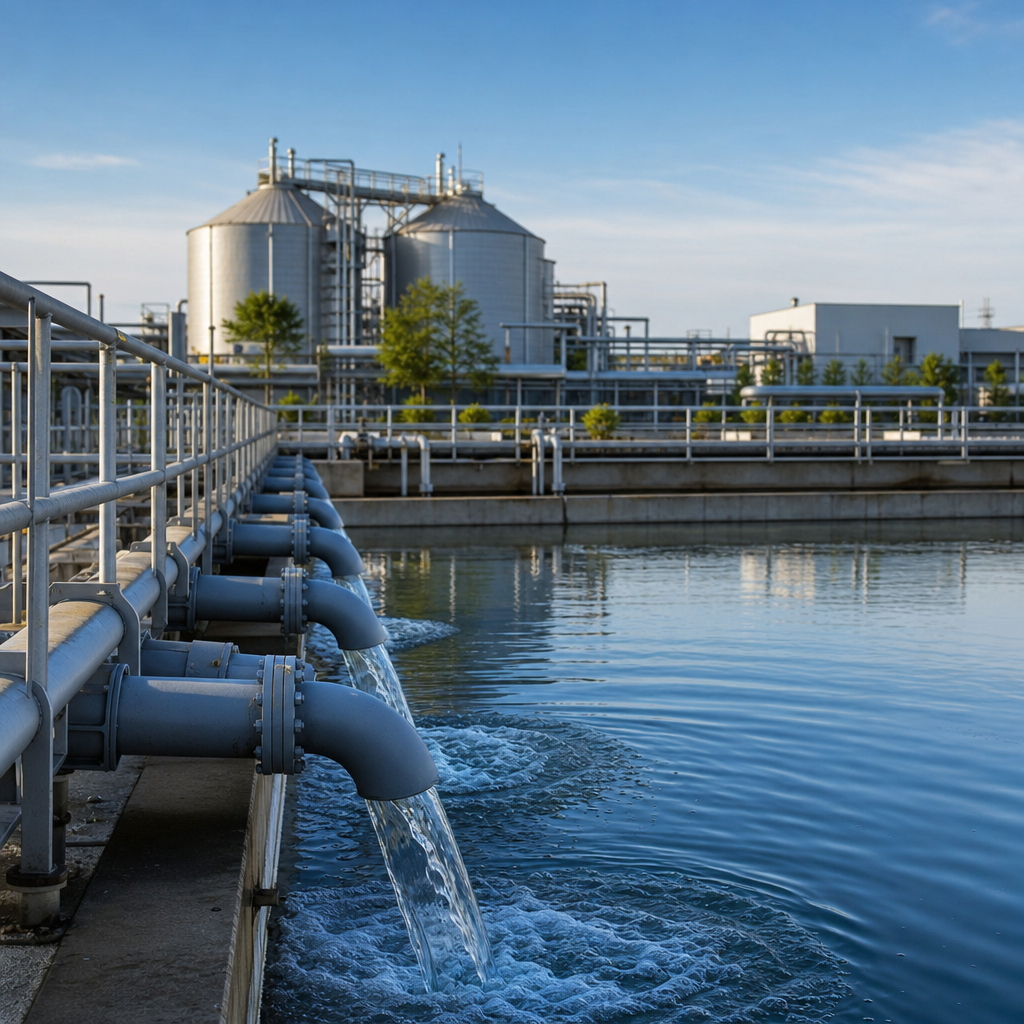
The economic impact of water reuse in sanitation is no longer a niche environmental topic; it is a core infrastructure question that affects utility budgets, agricultural productivity, industrial resilience, public health spending, and the long-term affordability of urban growth. In the context of EcoSan, or ecological sanitation, water reuse means recovering water, nutrients, and often energy from wastewater and excreta streams so they can be safely used again instead of being discarded as waste. Economic sustainability in EcoSan refers to whether these systems can deliver reliable service over time at a cost that households, municipalities, farms, and businesses can support while still generating measurable social and environmental value. I have worked with sanitation business cases where the headline promise focused on saving water, but the strongest financial argument usually came from avoided costs: lower freshwater purchases, reduced sewer expansion, smaller treatment loads, less fertilizer demand, and fewer disruptions during drought. That is why this subject matters. Water reuse changes sanitation from a one-way disposal expense into a circular service model with multiple revenue streams and cost offsets. For decision-makers building sub-pillar strategies under Economic Aspects, this hub topic matters because it connects capital planning, operating expenditure, resource recovery, tariff design, and climate adaptation into one practical framework.
Traditional sanitation economics often treats wastewater as a liability that must be collected, conveyed, treated, and discharged at minimum regulatory cost. EcoSan economics asks a different question: what value is contained in that flow, and how much of it can be recovered safely and consistently? The answer depends on local water scarcity, energy prices, fertilizer markets, treatment technology, regulation, and user acceptance. A city with expensive imported water sees direct value in non-potable reuse for landscaping, toilet flushing, and industry. A farming district sees value in nutrient-rich reclaimed water that can reduce synthetic fertilizer applications. A dense informal settlement may benefit most from decentralized systems that reduce network costs and deliver sanitation where sewers are financially unrealistic. Understanding the economic impact of water reuse in sanitation therefore requires more than a simple payback calculation. It requires lifecycle costing, risk analysis, health safeguards, and attention to who pays, who saves, and who captures the recovered value across the whole sanitation chain.
How Water Reuse Changes the Cost Structure of Sanitation
Water reuse changes sanitation economics by shifting spending from linear disposal toward circular recovery. In a conventional model, utilities incur capital costs for pipes, pumping, treatment plants, and outfalls, then recover those costs through tariffs or taxes while gaining little direct financial return from the treated effluent. In a reuse model, treated water becomes a product. That product may substitute for potable water in irrigation, cooling, construction, street cleaning, toilet flushing, or aquifer recharge, depending on treatment level and regulation. The financial result is not always immediate profit, but a broader portfolio of avoided costs and substitute value.
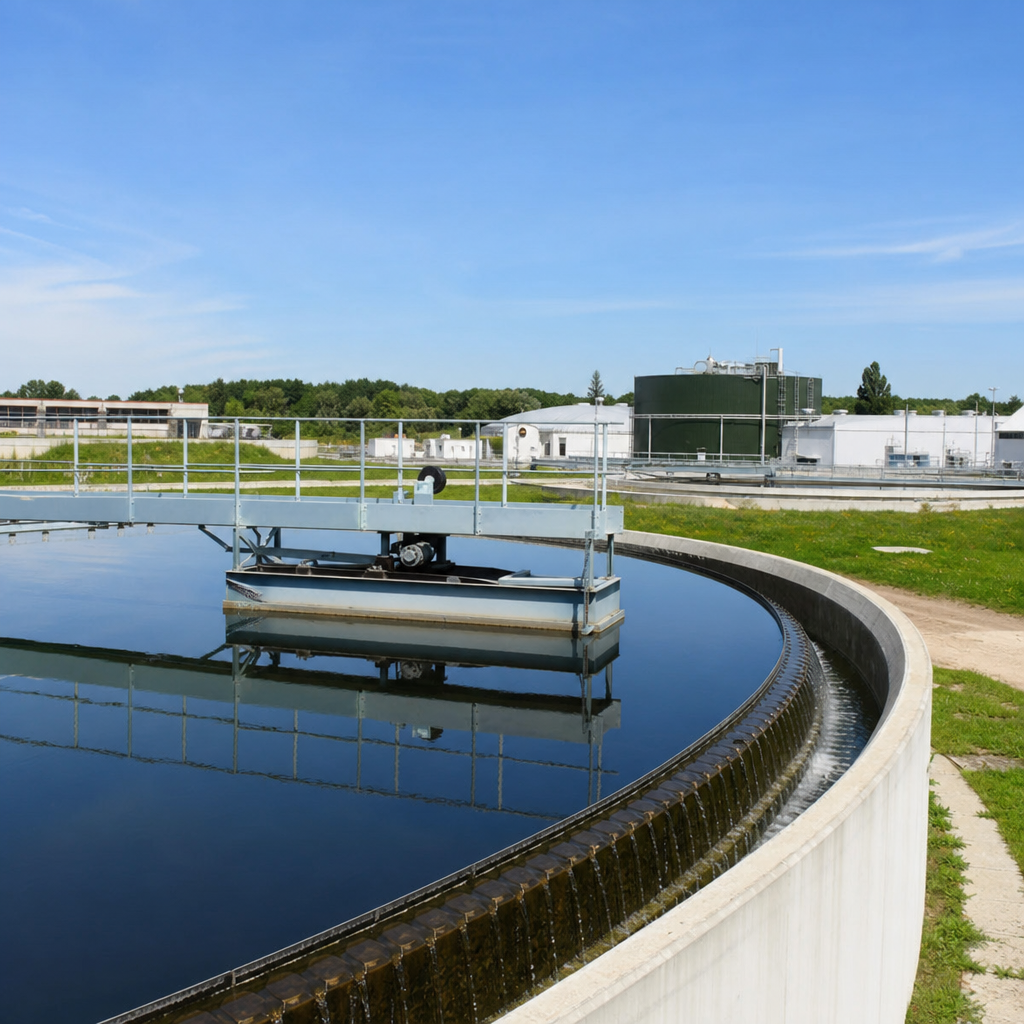
In practice, the most important economic metric is often not the sale price of reclaimed water alone. It is the net system value created when reuse reduces demand for scarce freshwater, postpones expensive source development, and lowers discharge compliance pressure. Utilities in water-stressed regions routinely compare the unit cost of reclaimed water with alternatives such as desalination, long-distance transfers, or new reservoirs. Reuse frequently performs well because the wastewater source already exists near demand centers, reducing conveyance risk. Even when advanced treatment is required, the cost per cubic meter can remain competitive relative to new supply options, especially where energy-efficient membrane systems, tertiary filtration, or fit-for-purpose treatment trains are deployed.
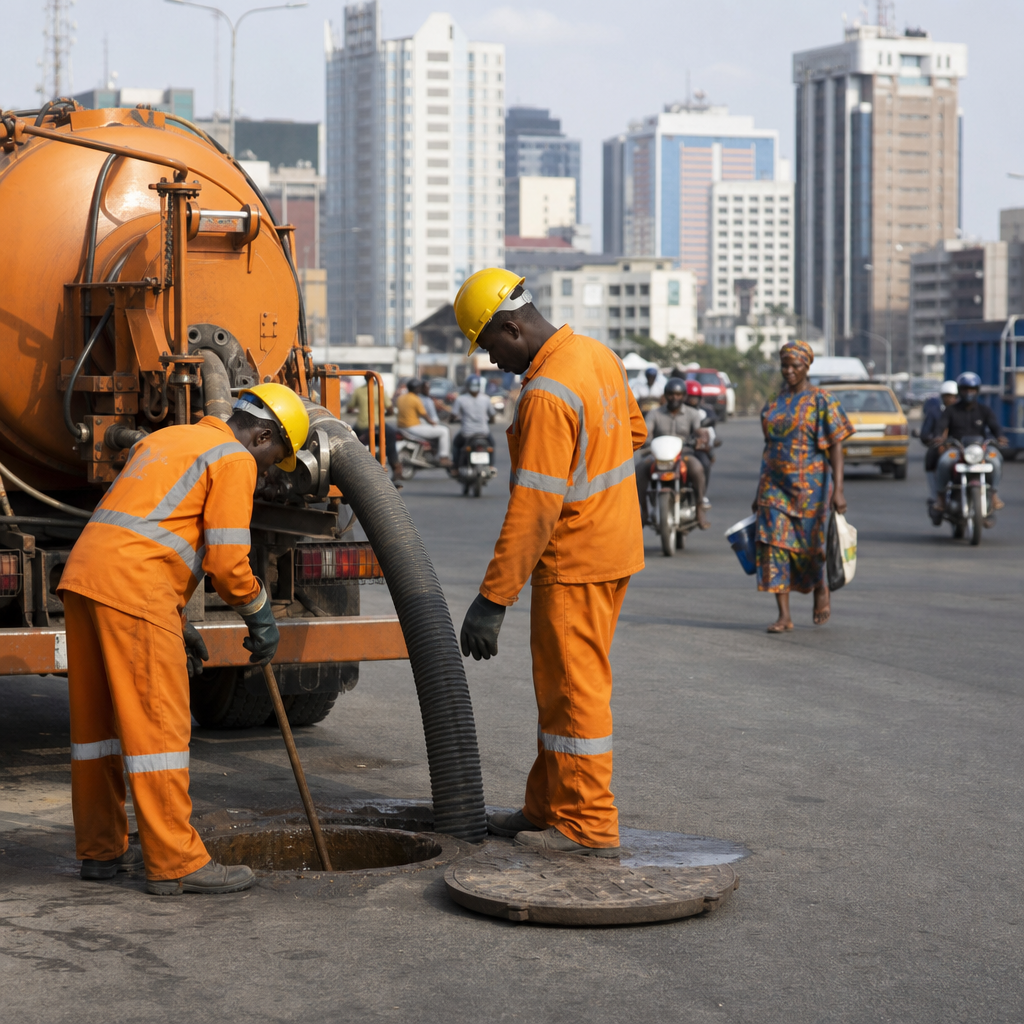
For households and institutions, the economics depend on scale and application. Greywater reuse systems in buildings can reduce potable water bills, but maintenance quality determines whether savings persist. In schools, hospitals, apartment blocks, and commercial campuses, larger and more predictable water demand usually improves economics because the treatment equipment is better utilized. In decentralized EcoSan systems, source separation can further improve cost efficiency by reducing dilution and enabling more targeted treatment. Urine diversion, for example, preserves nutrient value and cuts the load on downstream treatment processes. Fecal sludge management linked to water reuse can also produce lower-cost sanitation service in areas where sewers would require capital that municipalities simply do not have.
Capital Costs, Operating Costs, and Lifecycle Value
Any serious discussion of economic sustainability in EcoSan must separate capital expenditure from operating expenditure and then reconnect both through lifecycle analysis. Water reuse projects often fail in appraisal because buyers focus on upfront cost without valuing long-term savings. I have seen this repeatedly with decentralized sanitation systems: a packaged treatment unit appears expensive beside a septic tank on day one, yet over ten to fifteen years the packaged system can outperform because it reduces desludging frequency, lowers water purchases, and avoids environmental penalties or costly retrofits.
Capital costs include treatment equipment, storage tanks, dual plumbing, pumps, monitoring systems, and civil works. Networked reuse systems may also require purple pipe distribution, balancing reservoirs, and customer connection modifications. Operating costs include energy, chemicals, membrane replacement, sludge handling, labor, lab testing, and preventive maintenance. The best economic evaluations add financing costs, asset renewal, operator training, insurance, and compliance monitoring. They also estimate residual value and expected service life.
A common mistake is to evaluate reuse systems using the same assumptions as disposal-only plants. Reuse often needs additional reliability measures because customers depend on continuous supply. That can increase capital cost. However, the same reliability can create stronger long-term value by reducing drought vulnerability and stabilizing non-potable water supply for high-volume users such as golf courses, food processors, textile plants, and municipal parks departments. Lifecycle value therefore comes from both direct savings and reduced exposure to price shocks or water restrictions.
| Economic factor | Conventional sanitation | Water reuse in EcoSan | Main financial effect |
|---|---|---|---|
| Freshwater demand | High dependence on potable or raw water sources | Part of demand replaced with reclaimed water | Lowers water purchase and supply expansion costs |
| Wastewater discharge | Treated and released with limited recovery value | Effluent reused for irrigation, industry, or flushing | Creates substitute value and reduces disposal pressure |
| Nutrient management | Nutrients removed as treatment burden | Nutrients recovered for agriculture where safe | Cuts fertilizer spending and recovery losses |
| Infrastructure growth | Expansion driven by rising water demand and sewer loads | Demand management and decentralized treatment reduce pressure | Defers major capital investments |
| Climate resilience | More vulnerable to drought and source disruption | Local, drought-resistant secondary water source | Reduces economic losses from scarcity |
Revenue Streams and Cost Offsets in Resource Recovery
Water reuse rarely stands alone in EcoSan. Its economics improve when it is bundled with nutrient recovery, biosolids management, energy recovery, or service-based sanitation models. The strongest hub perspective is therefore integrated rather than technology-specific. Recovered water can generate tariff revenue or contractual payments, but additional value often comes from phosphorus and nitrogen recovery, composted biosolids, biogas, or avoided fertilizer imports. This is especially relevant in agriculture, where both water and nutrients have direct market value.
Consider treated wastewater used for peri-urban irrigation. Farmers may gain a lower-cost, more reliable water source than seasonal surface water. If the reclaimed water retains usable nutrient content within safe agronomic limits, fertilizer purchases may fall. The operator benefits because a paying reuse customer can be less expensive than building higher-capacity discharge infrastructure. In industrial parks, reclaimed water agreements can stabilize operating costs for manufacturers that need large volumes for cooling or washing but do not need drinking-water quality. These are not theoretical gains. They show up in procurement budgets, utility avoided-cost plans, and long-term service contracts.
That said, not every by-product is economically attractive. Nutrient recovery technologies vary in complexity, and market uptake depends on standards, transport distance, and user confidence. Struvite recovery can reduce scaling in treatment works and produce a saleable phosphorus fertilizer, but the business case depends on influent characteristics and local fertilizer pricing. Composting fecal sludge can create an agricultural input, yet quality control and distribution logistics are critical. Economic sustainability comes from matching the recovery pathway to real local demand, not from assuming every recovered product will command a premium.
Public Health, Risk Management, and Hidden Economic Benefits
The economic impact of water reuse in sanitation cannot be measured correctly without accounting for health risk reduction and environmental externalities. Unsafe sanitation imposes costs through disease burden, lost workdays, school absenteeism, contamination of water sources, and downstream treatment expenses. Safe reuse under controlled conditions can reduce these costs if pathogen barriers, monitoring, and user training are well designed. The World Health Organization framework for wastewater, excreta, and greywater use emphasizes multiple barriers precisely because public health protection is inseparable from economic viability. A reuse scheme that causes outbreaks, crop rejection, or regulatory violations will destroy value quickly.
Hidden benefits are often decisive in public-sector appraisals. Reduced nutrient discharge can lower eutrophication risks in rivers and lakes, avoiding fisheries losses and tourism damage. Groundwater recharge with highly treated reclaimed water can slow aquifer depletion and reduce land subsidence, both of which have large economic consequences. Urban reuse can maintain green spaces during drought, preserving property values and limiting heat-island effects. These benefits are harder to monetize than water sales, but they are real and should be incorporated through cost-benefit analysis, shadow pricing, or resilience valuation methods.
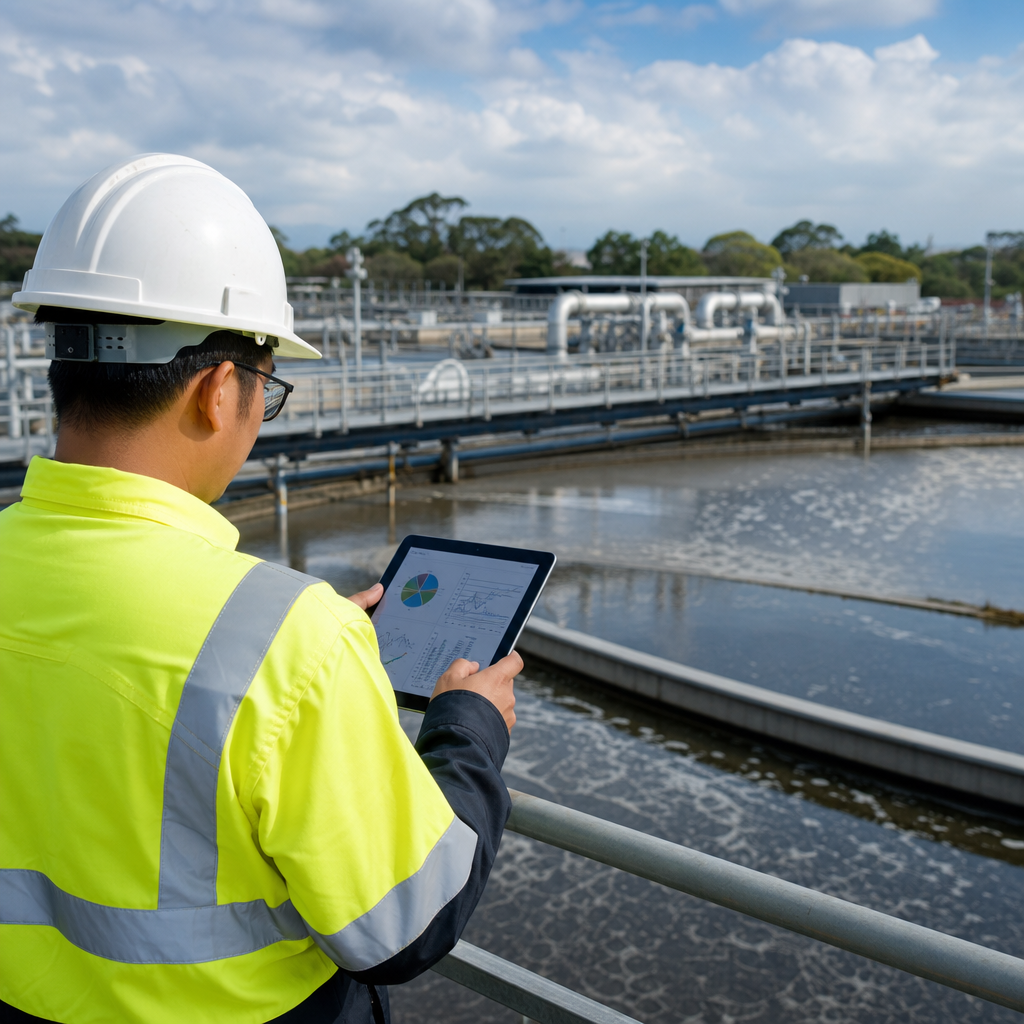
Risk management itself has a cost, and it should be budgeted honestly. Sampling, online sensors, operator certification, contingency storage, and cross-connection control are not optional extras. They are core components of a financially sound reuse program. Where regulators provide clear reuse classes and performance targets, projects move faster because investors and utilities can quantify compliance requirements. Where standards are ambiguous, financing becomes harder and project costs rise due to uncertainty.
Decentralized EcoSan, Inclusion, and Local Economic Development
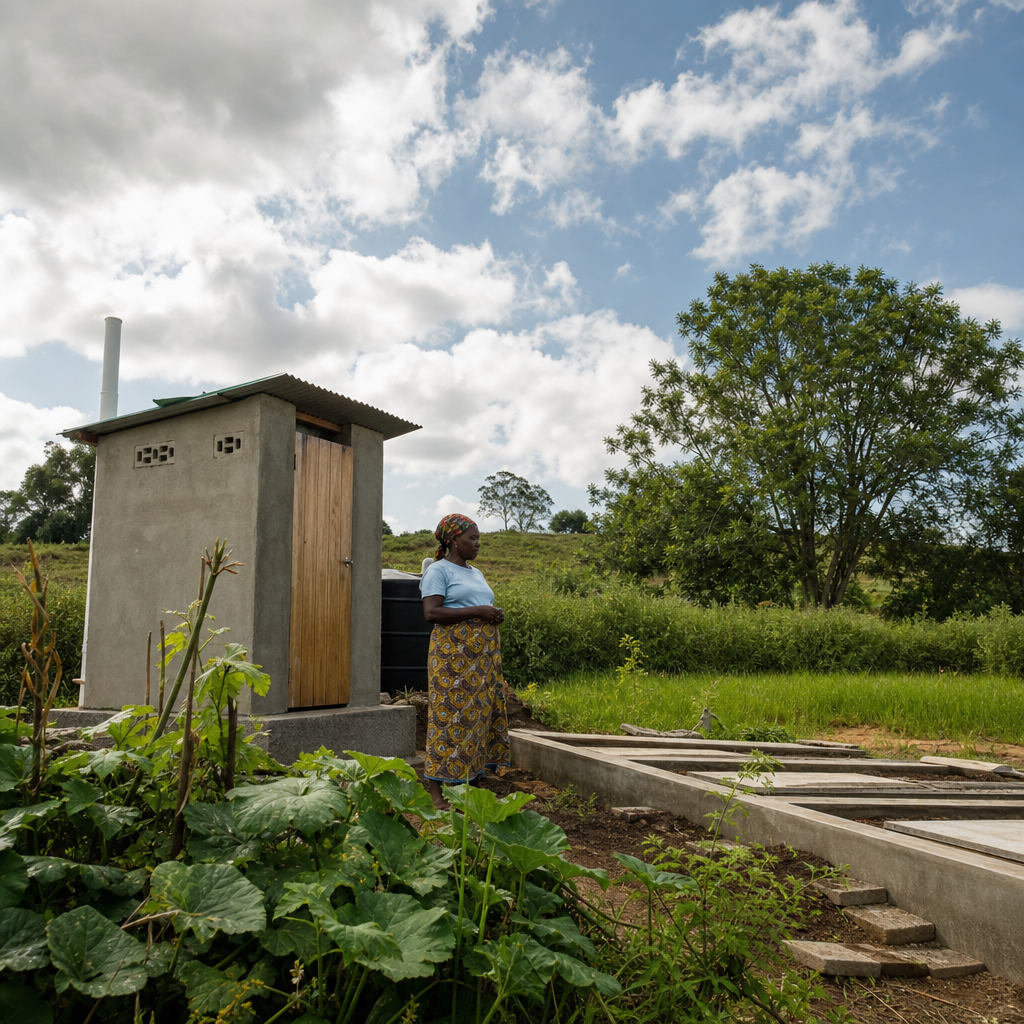
Decentralized EcoSan systems deserve special attention because they often deliver the strongest economic case in peri-urban settlements, small towns, institutions, and unsewered areas. Extending centralized sewerage to low-density or informal communities can be prohibitively expensive once trenching, pumping, land acquisition, and household connections are fully counted. Decentralized reuse systems reduce conveyance needs and can be phased incrementally. In my experience, that phasing advantage matters as much as the technology itself because local governments can align investment with actual growth instead of building oversized assets years in advance.
Economic sustainability in these settings is closely tied to service design. Container-based sanitation, urine-diverting dry toilets, simplified sewers linked to local treatment, and cluster-scale greywater systems all have different cost and labor profiles. Some create local jobs in collection, operation, composting, landscaping, and maintenance. Others reduce household spending on purchased water or medical treatment. Women and girls often benefit economically when sanitation is reliable and nearby, because time lost to water collection, unsafe toilet access, or sanitation-related illness declines. Those productivity gains are substantial even when they do not appear directly in utility cash flow.
However, decentralized systems are not automatically cheaper. Poorly structured management can lead to high per-user maintenance costs, irregular sludge removal, or asset failure. The lesson from successful programs is consistent: standardize components, define service responsibilities, train operators, and build reliable fee collection. When those basics are in place, decentralized water reuse can become an engine of local economic development rather than a subsidized pilot that fades after donor funding ends.
Financing Models, Tariffs, and Policy Conditions for Scale
Scaling water reuse in sanitation depends on financing models that reflect who benefits. The utility may bear treatment costs, farmers may receive irrigation value, industries may gain supply security, and the city may avoid environmental damage. Because value is distributed, blended finance is often the most realistic approach. Capital grants may support public health and environmental outcomes, while user tariffs and offtake contracts cover operations. Development banks, climate funds, green bonds, and public-private partnerships can all play a role if revenue certainty is strong enough.
Tariff design is central. Reclaimed water is usually priced below potable water to reflect fit-for-purpose quality, but it must still cover at least part of operating cost if the system is to remain stable. Connection incentives, drought pricing, and wastewater discharge fees can all improve uptake. Some jurisdictions use potable water substitution targets in new developments, requiring dual plumbing for large buildings or mandating reuse in landscaping and industry where feasible. These policies reduce demand uncertainty, which improves project financeability.
Standards and enforcement matter just as much as funding. Investors back projects when reuse categories, monitoring rules, and liability allocation are clear. Utilities scale programs when procurement specifications are standardized and performance data is available. For readers exploring related subtopics under Economic Aspects, the practical next step is to examine lifecycle costing methods, sanitation business models, nutrient recovery markets, and tariff reform together rather than in isolation. Water reuse delivers its strongest economic impact when it is planned as part of a whole sanitation economy. Organizations that adopt that broader view can reduce costs, create recoverable value, improve resilience, and make EcoSan financially durable. Audit your current sanitation system, identify where water can be reused safely, and build the business case from measured local demand.
Frequently Asked Questions
1. How does water reuse in sanitation create economic value?
Water reuse in sanitation creates economic value by turning what was traditionally treated as waste into a productive resource. In conventional systems, wastewater disposal is largely a cost center: utilities spend money collecting, transporting, treating, and discharging water, often with limited recovery of value. In EcoSan-oriented systems, that equation changes. Reclaimed water can reduce demand for expensive freshwater supplies, especially in water-stressed regions where sourcing, pumping, and treating potable water is increasingly costly. That alone can lower long-term utility operating expenses and delay major capital investments in reservoirs, pipelines, or desalination infrastructure.
The economic gains extend beyond water itself. When sanitation systems are designed to recover nutrients such as nitrogen and phosphorus, those materials can be reused in agriculture, reducing dependence on commercial fertilizers. In some cases, organic matter and biogas can also be recovered, creating opportunities for energy generation or lower sludge management costs. This makes sanitation infrastructure more circular and more financially productive. Instead of paying only to remove pollutants, municipalities and industries can offset costs through resource recovery and reduced input purchases.
There is also a broader macroeconomic benefit. Reliable non-potable water supplies support agriculture, landscaping, industrial cooling, construction, and other sectors that do not require drinking-quality water for every use. That improves resilience during drought and helps stabilize production, employment, and local tax revenues. Over time, the economic value of water reuse comes from avoided costs, new resource streams, improved system efficiency, and reduced exposure to water scarcity shocks.
2. What are the biggest cost savings for utilities and cities when they invest in water reuse through EcoSan systems?
For utilities and cities, the biggest savings often come from avoided freshwater procurement, deferred infrastructure expansion, and lower environmental compliance costs. As urban populations grow, municipalities face rising demand for water and sanitation services. Meeting that demand through traditional linear systems usually requires expensive investments in new supply sources, larger sewer networks, treatment plant expansions, and discharge management. Water reuse can reduce pressure on each of those systems by keeping water in circulation longer and putting treated flows to productive use closer to where they are generated.
EcoSan approaches can also reduce costs associated with sludge handling and nutrient removal. In many conventional treatment plants, nutrients are viewed primarily as contaminants that must be removed to meet discharge standards, often through energy-intensive and chemically intensive processes. When systems are designed for nutrient recovery, part of that burden becomes an opportunity. Recovered nutrients can support agriculture or landscaping, and in some cases create marketable by-products. Even where direct revenue is modest, reducing waste volumes and treatment intensity can improve overall plant economics.
Cities may also save indirectly through reduced strain on stormwater systems, lower groundwater depletion, and improved drought preparedness. These benefits matter because emergency water sourcing, drought restrictions, and infrastructure failures can be extremely expensive. Water reuse gives cities a more diversified and resilient water portfolio. That can improve financial planning, reduce volatility in utility costs, and strengthen the long-term affordability of urban growth. While upfront investment can be significant, the lifecycle savings are often where the strongest economic case emerges.
3. How does water reuse in sanitation affect agriculture and food production economics?
Water reuse can have a major positive effect on agricultural economics because it addresses two of farming’s most important inputs at the same time: water and nutrients. Treated wastewater and recovered sanitation products can provide a more reliable irrigation source in regions where rainfall is uncertain or freshwater allocations are limited. That reliability helps farmers maintain yields, reduce crop losses, and plan production with greater confidence. From an economic standpoint, predictable access to irrigation water can be just as valuable as lower water costs because it reduces risk.
In EcoSan systems, the reuse of nutrient-rich outputs can also lower fertilizer expenses. Nitrogen, phosphorus, potassium, and organic matter recovered from sanitation streams can improve soil fertility and reduce dependence on imported or industrially manufactured fertilizers, whose prices can fluctuate significantly. For smallholder farmers especially, this can improve margins and make production more resilient to input price shocks. At a larger scale, nutrient recovery supports national food systems by reducing vulnerability to global fertilizer market disruptions.
There are also important system-wide benefits. When agriculture uses reclaimed water for suitable applications, it reduces competition with households and industry for high-quality freshwater. That can stabilize regional water allocation and support more balanced economic development. The key, however, is safe treatment, appropriate standards, and strong monitoring. Poorly managed reuse can create health risks or damage soils, which would undermine the economic benefits. But when implemented correctly, water reuse in sanitation can improve farm productivity, lower costs, and strengthen food security at both local and regional levels.
4. Can water reuse in sanitation reduce public health costs and improve economic resilience?
Yes, and this is one of the most important but sometimes overlooked parts of the economic argument. Poor sanitation and unmanaged wastewater contribute to disease transmission, environmental contamination, and degraded living conditions, all of which carry major economic costs. These costs show up in healthcare spending, lost worker productivity, missed school days, lower tourism potential, and reduced land values. When water reuse is part of a well-designed sanitation system, it usually requires higher attention to treatment performance, pathogen control, and resource management. That can improve public health outcomes while also creating more productive use of sanitation outputs.
Economic resilience improves because communities become less vulnerable to both water shortages and sanitation failures. During droughts, floods, or supply disruptions, reclaimed water can provide a dependable alternative for non-potable uses, helping critical sectors continue operating. Hospitals, industrial facilities, commercial districts, and food production systems all benefit from having a secondary water source. That diversification reduces the economic damage associated with water scarcity and service interruptions.
There is also a long-term equity dimension. In rapidly growing cities, the failure to invest in sanitation and reuse can leave lower-income communities exposed to both environmental hazards and higher service costs over time. Efficient, decentralized, or circular sanitation models can sometimes extend service more affordably than traditional centralized systems alone. When public health improves and water systems become more reliable, the economic payoff is broader than utility balance sheets. It includes household savings, stronger labor productivity, and more stable local development.
5. What are the main financial challenges to expanding water reuse in sanitation, and are they worth overcoming?
The main financial challenges usually include upfront capital costs, regulatory compliance expenses, public acceptance barriers, and the difficulty of valuing long-term benefits within short-term budgeting cycles. Water reuse systems may require investments in treatment upgrades, dual distribution networks, storage, monitoring systems, and operator training. In EcoSan models, additional design attention may be needed for source separation, nutrient recovery, and safe end-use pathways. These are real costs, and they can make projects appear expensive when compared only against existing wastewater disposal practices.
However, that comparison is often incomplete. The better question is not whether reuse is cheaper than doing nothing today, but whether it is more cost-effective than expanding conventional water and sanitation systems under future conditions of urban growth, climate pressure, and resource scarcity. In many cases, water reuse becomes economically attractive when planners account for avoided freshwater infrastructure, reduced fertilizer purchases, lower discharge impacts, improved drought resilience, and public health benefits. These savings may accrue across different departments or sectors, which can make them harder to capture in one project budget, but they are still economically real.
That is why financing models matter. Blended finance, public-private partnerships, utility tariff reform, green bonds, and performance-based incentives can all help spread costs and align benefits over time. Strong regulation and public communication are also essential because investor confidence depends on clear standards and reliable demand for reclaimed water or recovered products. For many cities and regions, the financial challenges are substantial, but they are worth overcoming because the alternative is often a more expensive future defined by water insecurity, rising treatment costs, and missed opportunities for circular resource recovery.