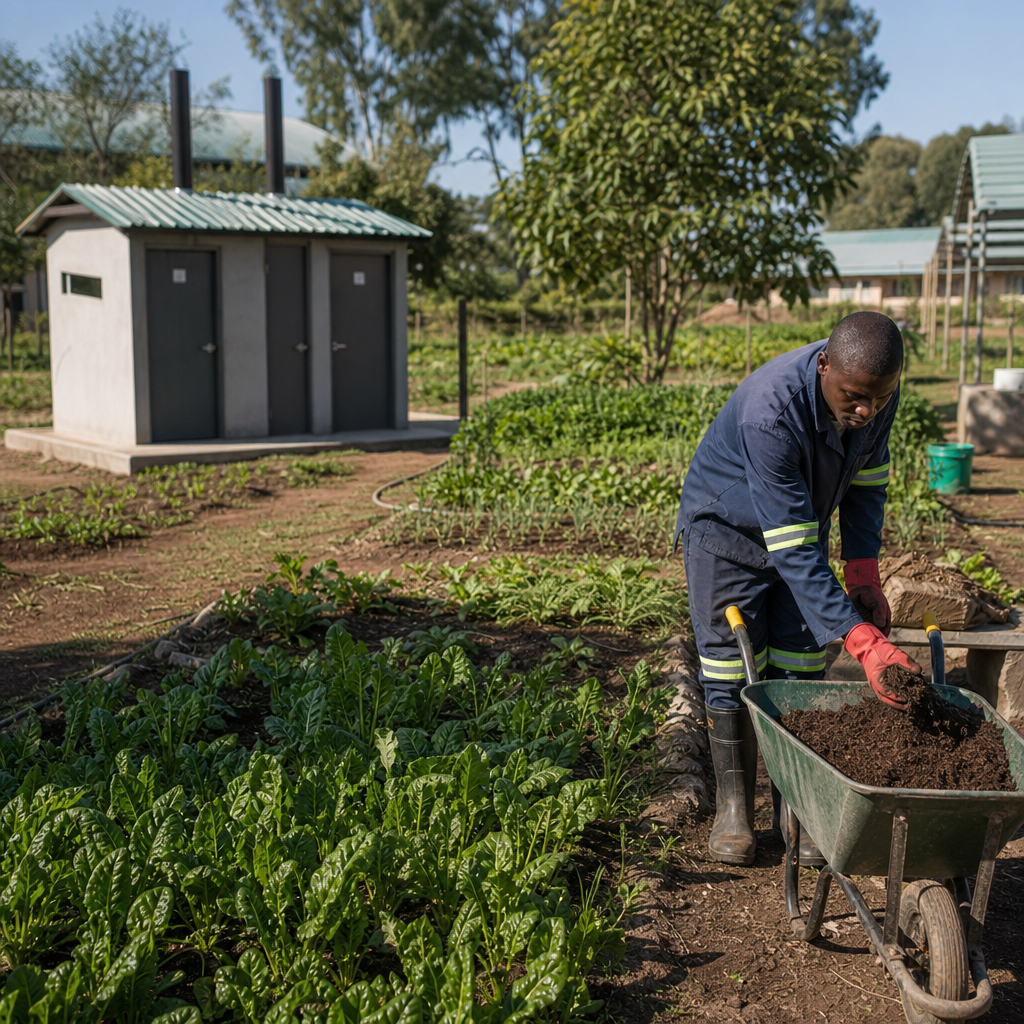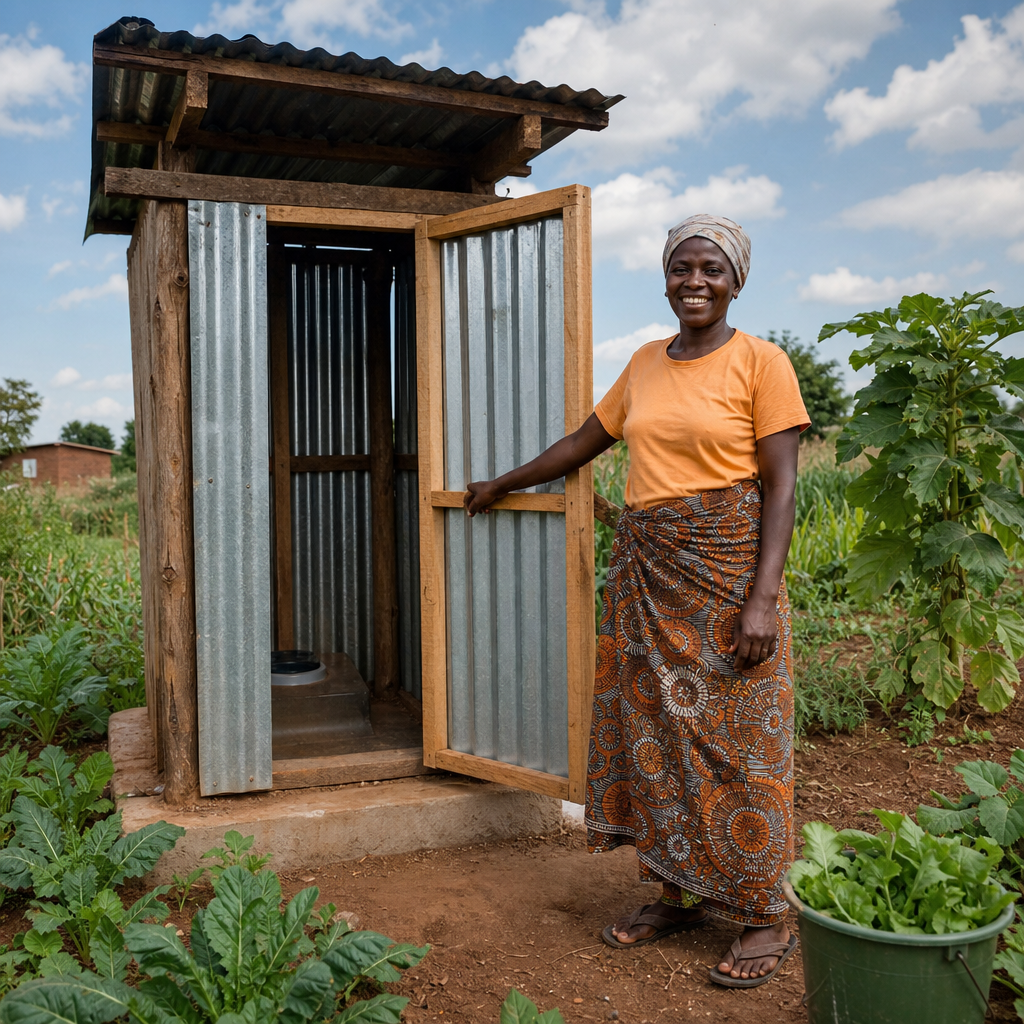
Ecological sanitation, usually shortened to EcoSan, turns human waste from a disposal problem into a resource stream, and that shift has direct relevance for poverty alleviation. In practical terms, EcoSan systems separate, treat, and reuse urine, feces, and household wastewater in ways that protect health, conserve water, and recover nutrients or energy. I have worked on sanitation planning discussions where the biggest barrier was not technology but economics: communities needed solutions they could afford to build, maintain, and benefit from. That is why understanding EcoSan economics matters. For low-income households, municipalities, farmers, and small enterprises, sanitation is not only a public health service. It is also a cost center, a productivity driver, and, when designed well, a source of value.
Poverty and poor sanitation reinforce each other. Families without safe toilets lose income through medical costs, missed workdays, reduced school attendance, and lower land and housing values. Cities with inadequate sanitation spend more on emergency desludging, drainage clearing, and disease response. Farmers facing high fertilizer prices struggle to maintain soil fertility and crop yields. EcoSan addresses these linked pressures by closing nutrient loops. Instead of paying indefinitely to transport waste away, households and communities can recover compost, dried fecal matter, urine-based fertilizer, biogas feedstock, or irrigation water, depending on the system design. The point is not that every toilet becomes a profitable business. The point is that sanitation investments can create measurable economic returns while reducing long-term costs.
Understanding EcoSan economics requires a few key terms. Capital expenditure is the upfront cost of construction, equipment, land preparation, and installation. Operating expenditure covers cleaning materials, labor, transport, minor repairs, emptying, and treatment over time. Lifecycle cost analysis combines these figures across years to show the true cost of ownership. Resource recovery value refers to the market or replacement value of nutrients, soil amendments, water, or energy products generated by the system. Externalities are broader effects, such as reduced groundwater contamination or lower disease burden, that may not appear in a household budget but matter greatly to society. Good economic assessment looks at all of these together. A cheap toilet that fails in two years, contaminates a well, and needs expensive emergency repair is not truly low cost.
For an economic hub article, the central question is simple: under what conditions does EcoSan help people become less poor? The answer depends on design, local markets, land availability, behavior, governance, and service quality. Urine-diverting dry toilets may reduce water bills and fertilizer purchases in water-scarce areas. Container-based sanitation with structured collection can create jobs in dense settlements where pits are unsafe. Biogas-linked systems can offset cooking fuel costs where animal and human waste streams are available at sufficient scale. Yet systems fail when reuse products have no buyers, when maintenance is ignored, or when regulations block safe sale and transport. The economics are therefore contextual, not automatic. Still, when assessed carefully, EcoSan can reduce household expenditure, strengthen local enterprise, support agriculture, and improve resilience for communities that can least afford sanitation failure.
Why sanitation economics belongs at the center of poverty policy
Sanitation is often treated as a social sector expense, but in low-income settings it behaves more like core economic infrastructure. The World Health Organization has repeatedly shown that poor sanitation drives losses through diarrheal disease, helminth infection, undernutrition, and time spent seeking safe places to defecate or obtaining water for flushing. These costs fall hardest on the poor because they have the least savings, the most informal incomes, and the weakest access to healthcare. In neighborhood-level assessments I have seen, a single severe illness episode after flood-related contamination erased months of household progress. When sanitation lowers disease exposure, the economic benefit is immediate even before any reuse product is sold.
EcoSan adds a second layer of value because it changes the sanitation balance sheet. Conventional sewerage often requires high capital cost, reliable water supply, pumping energy, and centralized treatment that many cities cannot sustain. Pit latrines may be cheaper initially but become costly where plots are small, groundwater is shallow, or emptying access is poor. EcoSan can lower dependence on imported fertilizer, reduce trucked sludge volumes, and enable decentralized service models. That matters for poverty policy because recurring savings are often more important than one-time subsidies. A household that spends less on fertilizer, water, and medical treatment every season becomes more financially stable than one that receives a free toilet with unaffordable upkeep.
There is also a macroeconomic case. Lost productivity from inadequate sanitation affects labor markets, school performance, tourism, and urban investment. Municipal budgets get trapped in reactive spending instead of planned service delivery. EcoSan can support more circular local economies by linking sanitation to agriculture, landscaping, composting, and waste management enterprises. This hub article treats EcoSan economics as the foundation for understanding related topics such as financing models, business opportunities, cost-benefit analysis, and market development for reuse products.
Core EcoSan cost components and how to evaluate them
The first rule in understanding EcoSan economics is to compare complete systems, not isolated toilets. Costs begin with hardware: superstructure, slab, vaults or containers, urine diversion pedestals or pans, ventilation, handwashing facilities, and any storage or treatment units. Site conditions matter. Rocky ground, flood-prone land, and dense settlements can raise civil works costs sharply. In dry systems, high-quality urine-diverting components are worth the money because poor separation increases odor, moisture, and treatment difficulty. In service-based models, container durability and collection logistics often determine long-term viability more than the toilet shell itself.
Operational costs are where many projects succeed or fail. These include ash or cover material, cleaning supplies, operator wages, collection transport, protective equipment, treatment labor, monitoring, and repair. If users are expected to self-manage, their time has economic value too. I have seen projects underestimated because planners assumed household labor was free. It is not. Time spent managing sanitation can reduce paid work or schooling. A credible economic analysis therefore values both cash expenses and time costs, then compares them against avoided costs such as water purchase, pit emptying fees, and fertilizer expenditure.
Lifecycle analysis should also include replacement cycles. Doors, roofing sheets, urine pipes, seals, and containers wear out. Compost bays may need rebuilding. Desiccation vaults may require periodic refurbishment to maintain dryness and vector control. A system with modest annual maintenance and a fifteen-year life can outperform one with a lower sticker price but major replacement after five years. Discounted cash flow methods help compare these options. For public decisions, cost-effectiveness metrics such as cost per user served, cost per safely managed household, or cost per kilogram of nutrient recovered can be more informative than total project cost alone.
| Economic factor | What to measure | Why it matters for poverty alleviation |
|---|---|---|
| Capital cost | Construction, installation, land preparation | Determines affordability and need for subsidy or credit |
| Operating cost | Cleaning, collection, labor, transport, repairs | Shapes whether households can sustain use over time |
| Resource recovery value | Fertilizer replacement, compost sales, energy offsets | Creates savings or income that can improve cash flow |
| Health savings | Reduced medical spending and fewer lost workdays | Protects fragile household budgets and earnings |
| Service reliability | Uptime, emptying frequency, product quality control | Prevents expensive failure and loss of user trust |
Resource recovery: where EcoSan creates direct economic value
The economic promise of EcoSan comes from converting waste into useful outputs, but value depends on quality, safety, and market fit. Urine contains most of the nitrogen and much of the potassium excreted by humans, while feces contain organic matter and phosphorus. When separated and handled correctly, these streams can support agriculture. In field practice, the most immediate financial benefit is often fertilizer substitution rather than product sales. A small farmer who replaces part of purchased urea or compound fertilizer with sanitized urine or compost experiences value even if no money changes hands. That distinction matters because many project appraisals undervalue self-use.
Compost and dehydrated excreta products can improve soil structure, water retention, and microbial activity, especially in degraded soils. These effects are economically important because they support yield stability, not just one-season nutrient supply. In areas where fertilizer prices swing with import costs, exchange rates, or fuel prices, locally produced nutrients offer risk reduction. During recent global fertilizer price spikes, circular nutrient systems became more attractive because farmers needed alternatives. EcoSan does not replace all mineral fertilizer needs in every cropping system, but it can reduce dependence and stretch limited cash.
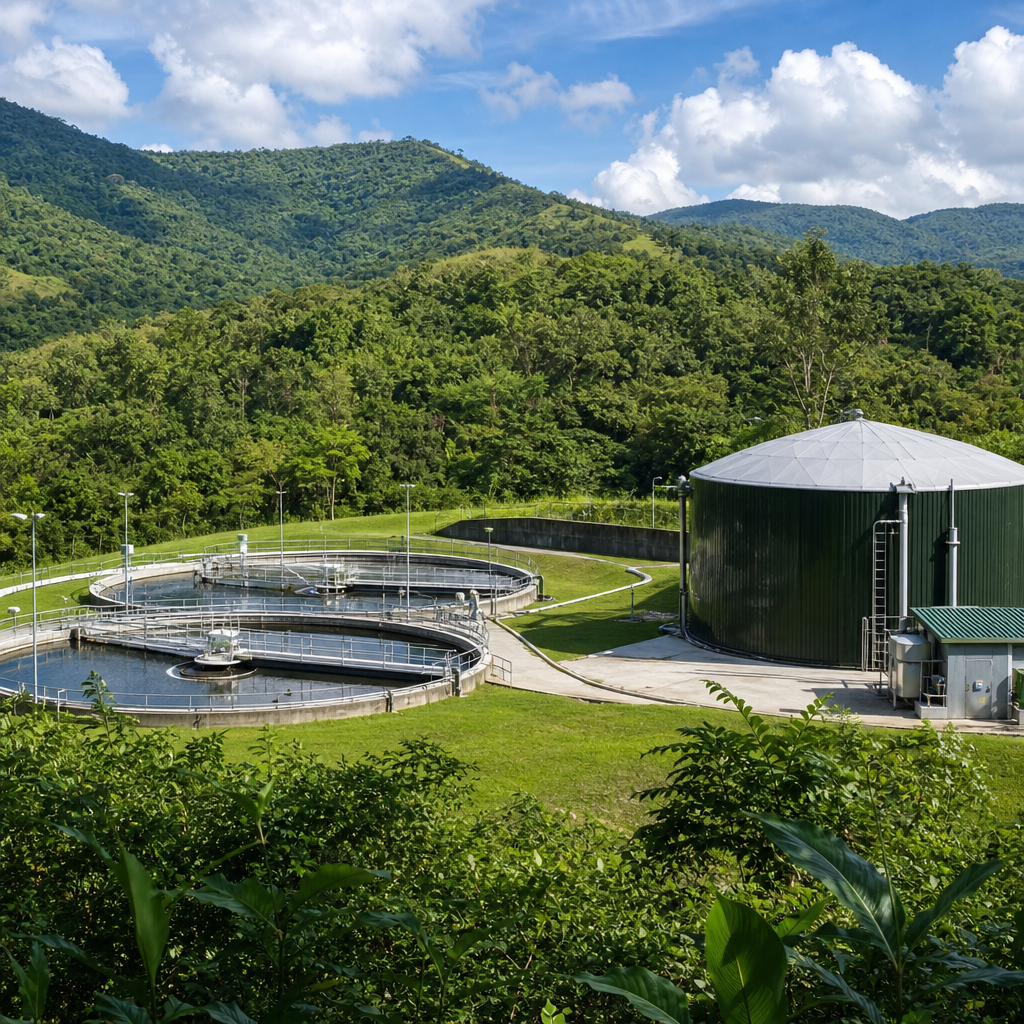
Energy recovery can also matter. Where fecal sludge and organic waste are co-treated through anaerobic digestion, biogas can offset firewood, charcoal, or liquefied petroleum gas purchases. The economics improve at institutional or community scale because gas handling, feed consistency, and maintenance become more manageable. Water recovery is valuable in water-stressed zones, especially for non-potable uses such as tree irrigation or landscaping. However, every recovered product must meet safety expectations and user preferences. If compost is contaminated, urine is diluted beyond practical transport economics, or biogas systems are poorly maintained, expected value disappears quickly.
Jobs, enterprises, and local market development
EcoSan contributes to poverty alleviation not only through household savings but also through employment. Decentralized sanitation creates work across the chain: toilet construction, component manufacturing, collection, transport, treatment, quality testing, compost packaging, agricultural extension, and retail distribution. In several urban sanitation markets, the viable businesses were not the toilets themselves but the recurring services around them. Container collection routes, for example, can generate stable operator jobs where formal employment is scarce. Small workshops can fabricate urine-diversion parts, lids, storage containers, and drying racks if there is dependable demand.
Enterprise development requires realistic market design. A composting business must secure feedstock volumes, land, curing time, product testing, and buyers who trust the product. A fertilizer distributor needs packaging, application guidance, and seasonal cash management. Collection services need route density and payment systems that reduce default. Digital billing and mobile money have improved fee collection in some cities, but they do not solve weak service quality. The business model must align with user behavior. Low-income households often prefer predictable weekly or monthly fees over large occasional emptying charges because irregular lump sums are harder to manage.
Women and youth can benefit if programs deliberately lower entry barriers. Sanitation marketing, community collection services, nursery production using compost, and local maintenance networks are all feasible microenterprise points. But job creation claims should be tested carefully. If a system depends on unpaid labor, unrealistic volunteerism, or underprotected workers, it is not a poverty solution. Decent work standards matter. Gloves, masks, boots, vaccinations, wash stations, and clear operating procedures are basic requirements, not optional extras.
Financing models, affordability, and subsidy design
Few low-income households can pay the full upfront cost of improved sanitation without support, so financing design is central to EcoSan economics. The main options are household savings, microcredit, supplier credit, rotating savings groups, targeted public subsidies, results-based financing, and full service fees spread over time. In my experience, the strongest programs combine user contribution with smart subsidy rather than relying entirely on grants. When households invest something, even a modest amount, maintenance and consistent use usually improve. But the contribution must be realistic. Demanding too much excludes the poorest and can push them toward unsafe informal solutions.
Targeted subsidies work best when they address a specific market failure. Examples include supporting initial toilet construction for vulnerable households, underwriting first-time connection to a collection service, or co-financing treatment infrastructure that creates public health benefits beyond the paying user. Output-based aid can reward providers after verified service delivery, which helps protect public funds. For farmers, temporary incentives for trial use of sanitized products may be justified because product acceptance often increases after visible field results. Credit products should match cash flow patterns. Farmers may repay after harvest; urban tenants may need weekly or monthly plans.
Affordability analysis should look beyond the toilet. Tenure insecurity, landlord-tenant arrangements, water pricing, agricultural seasonality, and transport access all affect willingness and ability to pay. A technically sound EcoSan design will stall if the payment mechanism ignores these realities. Municipal policy also matters. If regulations support safe reuse, permit decentralized treatment, and integrate sanitation into broader urban services, private and community investment becomes more likely.
Limits, risks, and how to make EcoSan economically durable
EcoSan is not automatically cheaper or better in every setting. Dense informal settlements may lack space for onsite treatment. Areas with weak governance may struggle to enforce safe handling standards. Cultural resistance to reuse can limit market demand even when products are technically safe. Transporting low-value, bulky compost over long distances rarely works financially. Urine is nutrient-rich but heavy, so logistics can erase value unless use sites are nearby or concentrated. These limitations do not invalidate EcoSan; they define where careful design is required.
Economic durability comes from matching technology to context and managing risk openly. Start with demand: who benefits, who pays, and who uses the recovered product? Then validate operations through pilots that track fill rates, contamination levels, user satisfaction, and actual product uptake. Use standards from recognized sanitation planning and risk management approaches, including hazard analysis and safe reuse guidelines from organizations such as WHO and SuSanA resources. Price recovered products conservatively. Count health and environmental benefits, but do not pretend every stream will generate cash revenue. Build monitoring into budgets from day one.
For policymakers and practitioners, the main lesson is straightforward. EcoSan supports poverty alleviation when it lowers total sanitation cost, protects health, creates dependable savings, and opens realistic livelihood opportunities. It fails when treated as a one-time hardware donation or when reuse markets are assumed rather than built. As the hub for understanding EcoSan economics, this article points to the central logic behind every related topic: analyze full lifecycle costs, measure real benefits, and design services around local behavior and markets. If you are evaluating sanitation options, start with the economics of the whole system, then choose the EcoSan model that can last, pay back, and serve people safely.
Frequently Asked Questions
1. How does EcoSan help reduce poverty in practical, everyday terms?
EcoSan helps reduce poverty by lowering household expenses, improving health, and creating useful resources from waste that would otherwise be lost. In many low-income communities, conventional sanitation systems are expensive to build, difficult to maintain, and heavily dependent on water, sewer networks, or frequent waste removal services. EcoSan offers a different model. By separating and safely treating urine, feces, and sometimes household wastewater, these systems can reduce the need for costly infrastructure while producing compost, soil amendments, irrigation water, or even biogas in some settings.
That matters for poverty alleviation because poor sanitation and poverty reinforce one another. When families lack safe toilets, they face higher risks of diarrheal disease, parasitic infections, malnutrition, and lost workdays. Children miss school, adults lose income, and households spend scarce money on treatment and transport to clinics. EcoSan interrupts that cycle by improving sanitation access in a way that can also generate economic value. For farming households, recovered nutrients can reduce spending on chemical fertilizers and improve crop yields. For communities with small businesses or cooperative models, sanitation services, compost production, and system maintenance can support local livelihoods. In short, EcoSan does not just manage waste more safely; it can turn sanitation into a health, agriculture, and income-support strategy.
2. Why is EcoSan often considered more suitable for low-income or water-stressed communities than conventional sanitation?
EcoSan is often well suited to low-income and water-stressed communities because it is designed around local realities rather than assuming the presence of abundant water, large sewer systems, and high municipal budgets. Conventional flush toilets and centralized sewage treatment can work well in cities with strong infrastructure, but in many poor or rural areas they are financially and logistically out of reach. Installing pipes, pumping stations, treatment plants, and reliable water supply systems requires long-term capital, technical capacity, and governance structures that may not yet exist.
EcoSan systems can be adapted to these constraints. Many designs use little or no water, which is a major advantage where water is scarce, expensive, or difficult to collect. They can also be built in decentralized ways, serving individual households, schools, or clusters of homes without waiting for citywide sewer expansion. That flexibility can make sanitation access possible sooner and at a lower overall cost.
Just as important, EcoSan can reduce recurring economic burdens. Instead of depending entirely on external inputs and disposal services, communities may recover value from the sanitation chain itself. Nutrients in urine and treated fecal matter can support agriculture, while greywater reuse can help with irrigation or landscaping where appropriate and safely managed. This makes EcoSan especially attractive in places where households need solutions they can afford to operate over time, not just systems that can be installed once and then neglected. Affordability, water efficiency, and resource recovery together explain why EcoSan is often closely linked to poverty-sensitive sanitation planning.
3. What economic benefits can households and communities gain from EcoSan systems?
The economic benefits of EcoSan can appear at several levels: household savings, agricultural productivity, local employment, and reduced public health costs. At the household level, families may spend less on water if the sanitation system uses little or none for flushing. They may also avoid some of the expenses associated with unsafe sanitation, including medical bills, lost wages, and the time burden of seeking distant or unsafe toilet options. In places where people pay for pit emptying or water delivery, EcoSan can also lower long-term service costs depending on the system design.
For households engaged in farming, the biggest economic advantage is often nutrient recovery. Urine contains valuable nutrients such as nitrogen, phosphorus, and potassium, and treated fecal matter can improve soil organic content. When handled correctly and according to health guidance, these materials can partially replace purchased fertilizers, which are often expensive and subject to supply disruptions. Better soil health can also improve yields, especially in areas where soils are depleted and cash for agricultural inputs is limited.
At the community level, EcoSan can support small-scale enterprises and jobs. People may be employed in construction, maintenance, collection, treatment, compost processing, training, and agricultural extension. Local entrepreneurs may develop businesses around toilet servicing or soil amendment production. Municipalities and community organizations may also save money over time if decentralized systems reduce pressure on overburdened waste infrastructure. While EcoSan is not a guaranteed source of profit in every location, its strongest economic contribution is that it transforms sanitation from a pure cost center into a system with measurable returns in health, agriculture, resilience, and local livelihoods.
4. Is EcoSan safe, and what conditions are necessary for it to protect public health?
Yes, EcoSan can be safe and highly protective of public health, but only when it is properly designed, used, maintained, and monitored. The core principle is not simply reusing waste, but doing so in a controlled way that breaks disease transmission pathways. That means separating waste streams where appropriate, applying correct treatment methods, allowing adequate storage or composting time, preventing direct contact with untreated material, and educating users on hygiene and safe handling practices.
Safety depends on matching the technology to the local context. A well-designed urine-diverting dry toilet, for example, can reduce odors, limit insect breeding, conserve water, and support safer nutrient recovery. But even a good design will fail if users are not trained, if maintenance responsibilities are unclear, or if treated materials are reused without following health standards. Public acceptance also matters. People need confidence that the system is clean, dignified, and manageable in daily life.
From a poverty alleviation perspective, this is especially important because low-income households often bear the greatest burden when sanitation systems fail. The promise of EcoSan is not just low cost; it is safe, sustainable sanitation that communities can actually manage. Successful programs usually combine infrastructure with user education, ongoing support, monitoring, and clear rules for treatment and reuse. When those pieces are in place, EcoSan can significantly reduce exposure to pathogens while also delivering economic and environmental benefits.
5. What are the biggest challenges to using EcoSan for poverty alleviation, and how can they be addressed?
The biggest challenges are usually social, financial, and institutional rather than purely technical. One common barrier is perception. Many people are understandably hesitant about systems that involve handling or reusing products derived from human waste, even when treatment makes them safe. Cultural norms, stigma, and concerns about smell, cleanliness, or status can slow adoption. Another challenge is that even lower-cost systems still require upfront investment, and the poorest households may not be able to pay without subsidies, credit, or community financing. In addition, EcoSan works best when there is reliable training, follow-up maintenance, and a clear plan for reuse or disposal of treated outputs. Without those supporting systems, installations can fall into disuse.
Institutional coordination is also essential. Health authorities, local governments, agricultural agencies, and community groups need to align around standards, responsibilities, and messaging. If regulations are unclear or if sanitation and agriculture are planned in isolation, the resource recovery benefits of EcoSan may never be realized. Market demand matters too. If farmers do not trust or want reused products, the economic case becomes weaker.
These challenges can be addressed through thoughtful program design. Communities should be involved early so solutions reflect local preferences, labor realities, and affordability. Demonstration projects can help build trust by showing that systems are clean, practical, and beneficial. Financing tools such as microloans, targeted subsidies, or phased payment models can make adoption possible for poorer households. Training should cover not only toilet use, but also maintenance, hygiene, treatment timelines, and safe agricultural application where relevant. Most importantly, EcoSan should be treated as part of a broader development strategy. When linked with health promotion, water security, local agriculture, and livelihood support, it has a much better chance of delivering meaningful and lasting poverty reduction.