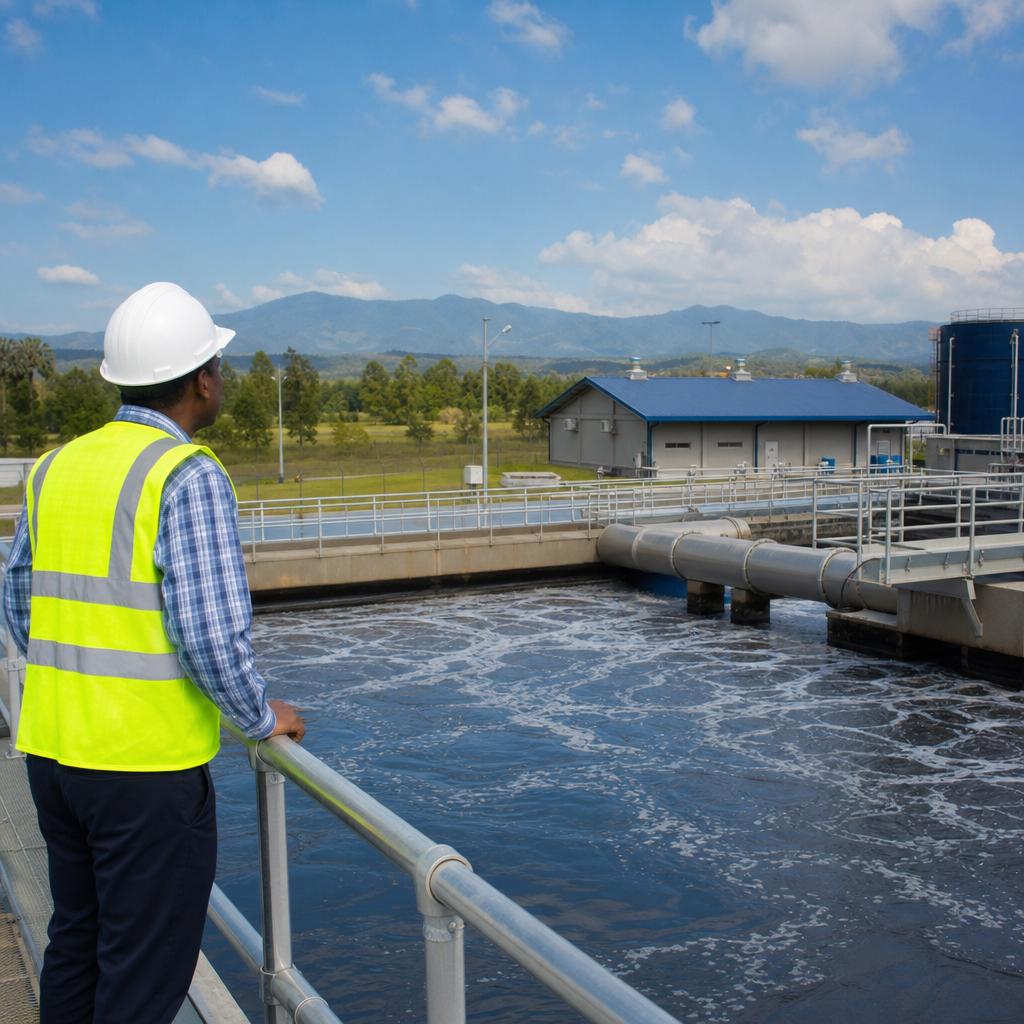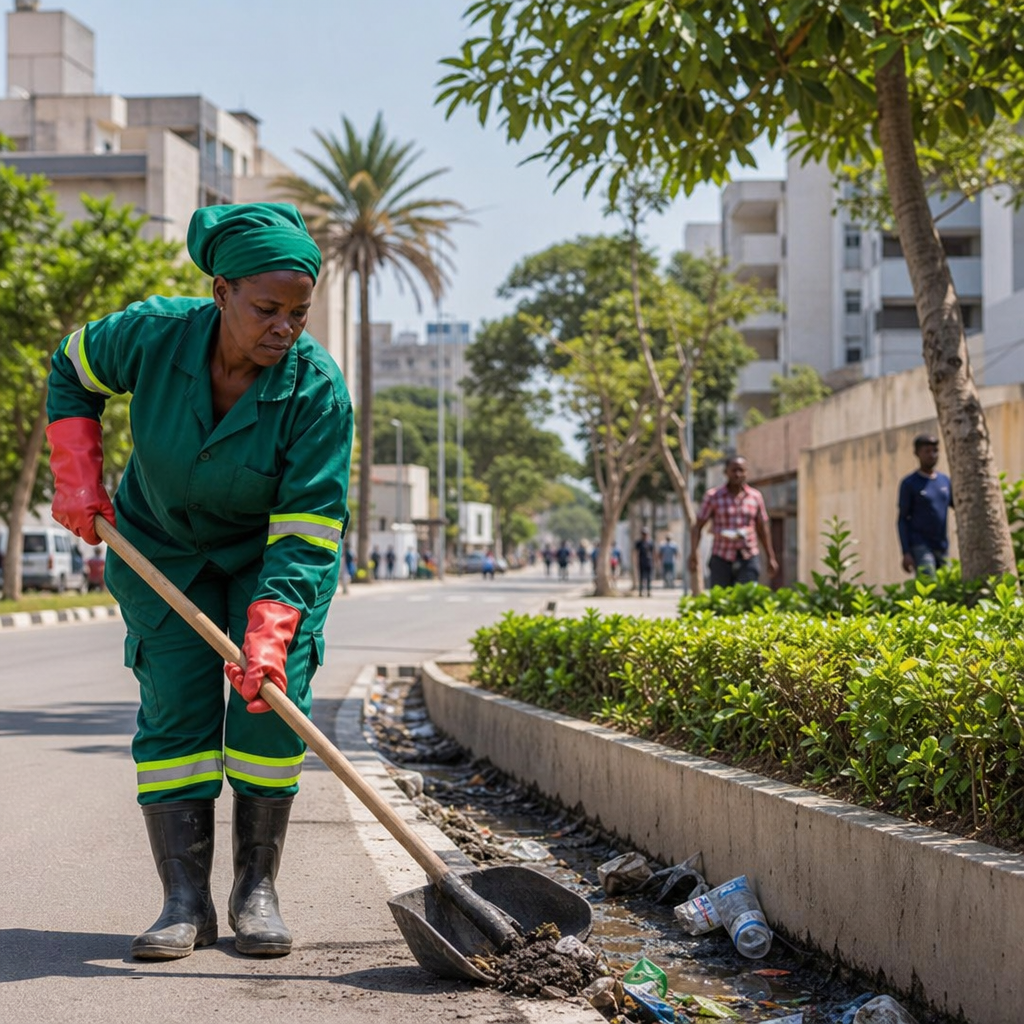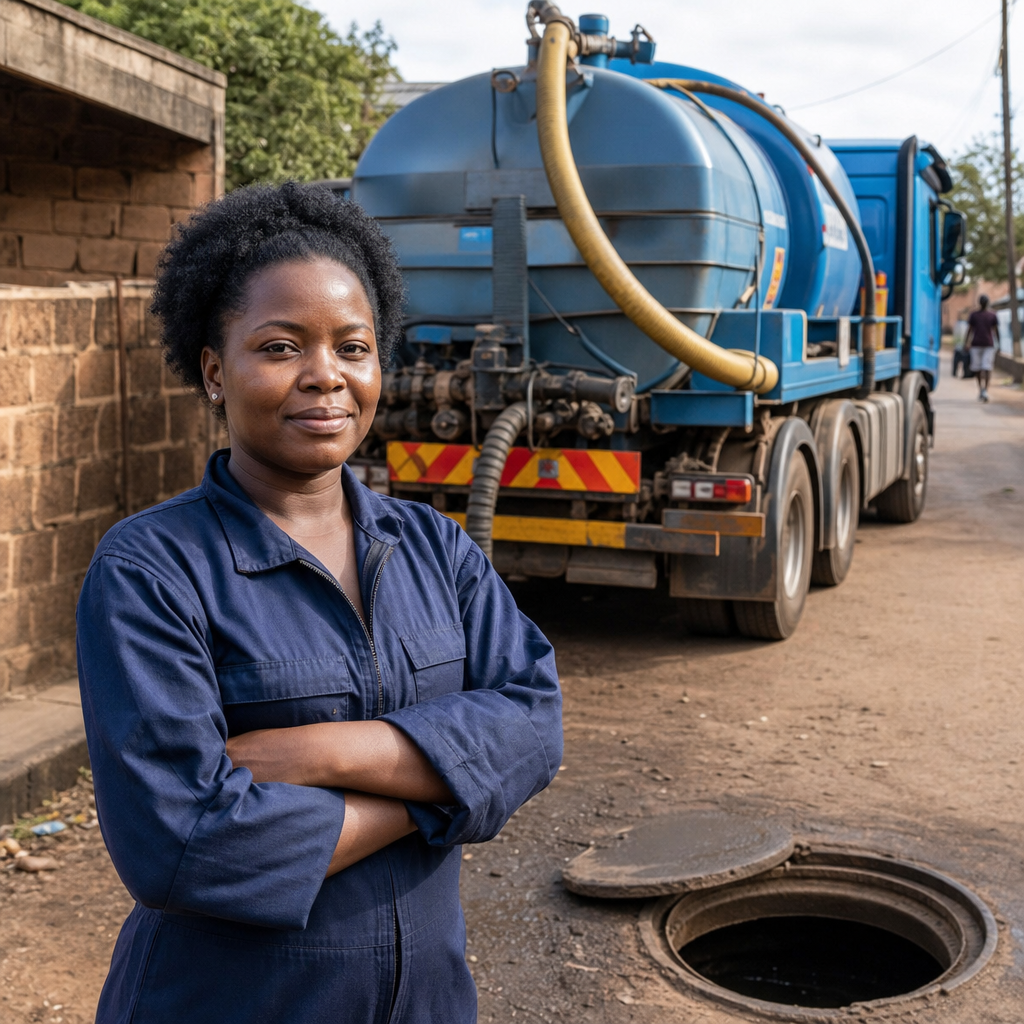
Sanitation entrepreneurship sits at the point where public health, environmental management, and local enterprise meet. In practical terms, it means building businesses that deliver toilets, fecal sludge collection, treatment, resource recovery, hygiene services, and related products in places where conventional sewered systems are absent, unaffordable, or incomplete. Within that field, Economic Strategies in EcoSan focus on ecological sanitation models that treat human waste as a recoverable resource rather than a disposal problem. I have worked with sanitation ventures, municipalities, and development programs that learned the same hard lesson: a technically sound toilet or treatment unit does not become sustainable unless the economics work for households, operators, and the wider sanitation value chain.
EcoSan, short for ecological sanitation, usually refers to systems that safely separate, treat, and reuse nutrients, water, energy, or organic matter from excreta and wastewater. Common examples include urine-diverting dry toilets, container-based sanitation, decentralized composting, black soldier fly processing, biogas digesters, and fecal sludge treatment plants linked to fertilizer production. The economic side of EcoSan asks basic but decisive questions. Who pays for toilet construction? How are collection routes financed? Can compost or fuel briquettes cover treatment costs? What pricing model keeps services accessible while preserving cash flow? Those questions determine whether sanitation entrepreneurship becomes a short pilot or a durable market.
This topic matters because the sanitation gap remains enormous. According to the WHO and UNICEF Joint Monitoring Programme, billions of people still lack safely managed sanitation, and hundreds of millions rely on unimproved facilities or practice open defecation. At the same time, cities across Africa, Asia, and Latin America are urbanizing faster than sewer networks can expand. That creates a large addressable market for decentralized sanitation businesses, but also a difficult one because demand is fragmented, willingness to pay is constrained, and regulation is often unclear. A hub article on Economic Strategies in EcoSan must therefore do more than praise innovation. It needs to explain the business models, financing structures, unit economics, partnerships, and risk controls that actually make sanitation ventures viable.
At its best, sanitation entrepreneurship generates multiple forms of value at once. It reduces disease transmission, lowers environmental contamination, creates jobs in collection and processing, and converts waste streams into marketable outputs such as compost, insect protein inputs, soil conditioners, irrigation water, and biogas. The opportunity is real, but so are the barriers. Profit margins are often thin, logistics are expensive, and the highest-impact customers are frequently the least able to pay the full cost of safe service. The rest of this article maps the core challenges and opportunities in Economic Strategies in EcoSan, with practical examples that show how successful ventures align public benefit with disciplined business design.
The EcoSan market: where value is created and lost
EcoSan businesses operate across a sanitation value chain: user interface, containment, emptying, transport, treatment, reuse, and end-market sales. Economic performance depends on how efficiently value moves through each link. In my experience, the weakest ventures focus on a single asset, such as a toilet product, without planning for downstream service. The stronger ones think like system designers. They calculate customer acquisition cost, route density, contamination risk, processing yield, and resale value of recovered outputs before scaling operations.
Value is created when a sanitation problem is translated into a repeatable service with measurable outcomes. Container-based sanitation companies offer a good example. They install compact in-home toilets, charge recurring service fees, collect sealed containers on predictable schedules, and process waste at centralized sites. This model can work in dense informal settlements where pit emptying trucks cannot reach and household space is limited. The commercial advantage is recurring revenue and better control over feedstock quality. The main risk is logistics: if collection frequency slips, customer trust collapses quickly.
Value is lost when sanitation entrepreneurs underestimate hidden costs. Transport usually becomes one of the largest operating expenses, especially where roads are poor or treatment plants sit far from customers. Moisture content matters too. Hauling watery sludge is costly because operators pay to move volume rather than nutrients. That is why dewatering, source separation, and transfer stations can materially improve margins. Another common leak is low utilization. A treatment unit designed for ten tons per day but fed only three tons carries the same fixed costs with weaker revenue recovery. Matching infrastructure scale to realistic demand is one of the most important economic strategies in EcoSan.
Revenue models that fit sanitation realities
There is no single best revenue model for sanitation entrepreneurship. The right structure depends on customer income, settlement density, reuse markets, and municipal policy. Still, successful EcoSan ventures usually blend revenue streams instead of relying on one payer. Household subscriptions, landlord contracts, pay-per-use fees, business-to-government service agreements, carbon finance, tipping fees, and resource sales can all play a role. The key is to separate dependable cash flow from opportunistic upside. In most cases, service revenue should cover core operations, while compost, energy, or nutrient products improve resilience rather than carrying the entire business.
Pay-per-use public toilets can generate daily cash, but they face volatility and require strong site management. In transport hubs or markets, this model can work well because foot traffic is high and willingness to pay is linked to convenience and cleanliness. However, public toilet income alone rarely funds safe downstream treatment unless the operator also controls collection and receives a treatment subsidy or reuse income. Subscription models are generally more stable for household service, especially in dense urban areas where route planning reduces collection cost per customer.
Municipal contracting is another major route. Cities often struggle to provide fecal sludge management directly and may outsource collection, transfer, treatment, or plant operation to private firms. Well-structured performance-based contracts can reduce entrepreneur risk because they provide predictable revenue tied to service standards. The tradeoff is payment delay. I have seen promising operators run into liquidity problems not because demand was weak, but because government invoices were paid months late. Working capital planning, escrow mechanisms, and milestone-based billing can prevent that trap.
| Revenue model | Best use case | Main advantage | Main limitation |
|---|---|---|---|
| Household subscription | Dense settlements with regular collection routes | Predictable recurring cash flow | Requires consistent service reliability |
| Pay-per-use toilet fees | Markets, bus stations, schools, events | Daily cash collection | Revenue fluctuates with foot traffic |
| Municipal service contract | Citywide emptying, transport, or treatment | Larger volumes and formal mandate | Slow public payments can strain cash flow |
| Resource recovery sales | Compost, briquettes, biogas, soil products | Creates secondary income and circular value | End-market development takes time |
| Tipping fees | Licensed treatment facilities receiving sludge | Direct revenue per load received | Needs enforcement against illegal dumping |
Financing sanitation enterprises and infrastructure
Financing is the central bottleneck in Economic Strategies in EcoSan because sanitation combines public-good benefits with private operating risk. Early-stage ventures often need grant capital for product validation, demand research, and first infrastructure assets. But grants alone do not create disciplined businesses. The stronger approach is blended finance: grants or concessional capital absorb early risk, while commercial debt or equity supports proven operating models. This matters because treatment plants, trucks, transfer stations, and drying beds have long payback periods, whereas customer revenues may be small and gradual.
Asset financing works best when cash flows are visible. For example, a company with several thousand paying subscription customers and route-level retention data can justify leasing vehicles or modular treatment equipment. By contrast, a startup selling fertilizer made from sanitized sludge may struggle to secure debt until it demonstrates consistent feedstock supply and signed offtake agreements. Development finance institutions, impact investors, and specialized sanitation funds often understand these dynamics better than mainstream banks, but they still want evidence of repayment capacity.
Results-based financing has become an important tool for the sector. Under these arrangements, enterprises receive payments after verified outputs such as toilets installed, households served, sludge safely treated, or tons of compost sold. This can sharpen accountability and reward performance, but it also shifts cash-flow pressure onto the entrepreneur, who must pre-finance operations. When using results-based structures, ventures need bridge capital and tight monitoring systems. Digital service logs, GPS-enabled collections, weighbridge data, and customer payment records improve credibility with funders and reduce disputes over verification.
Microfinance also plays a role, especially for household toilet upgrades and small sanitation businesses. Loans for toilet construction, urine diversion retrofits, handwashing stations, or pit-lining can unlock demand where households want better sanitation but cannot pay upfront. The caution is that debt works only when repayment aligns with income patterns. Seasonal farmers, informal workers, and tenants need different financing products. A one-size-fits-all loan schedule often produces delinquency, which hurts both customer trust and enterprise economics.
Cost structure, pricing, and unit economics
Sanitation entrepreneurs need clear unit economics long before they pursue scale. In EcoSan, the core calculation is simple: revenue per customer or per ton must exceed the full cost of delivering safe service over time. In reality, that means tracking fixed and variable costs separately. Fixed costs include plant rent, management salaries, software, permits, laboratory testing, and depreciation. Variable costs include collection labor, fuel, container replacement, treatment consumables, bulking agents, and sales commissions. If founders cannot explain contribution margin by route, site, or product line, they are not ready to expand.
Pricing is especially sensitive because sanitation is essential, but customers compare it against unsafe low-cost alternatives. Households may postpone emptying pits, dump waste illegally, or continue using failing latrines if safe service is priced too high. That does not mean entrepreneurs should underprice. Chronic underpricing destroys service quality and leads to business failure. A better strategy is segmented pricing. Cross-subsidies from commercial customers, landlords, institutions, or higher-income neighborhoods can help support lower-income households. Time savings, odor reduction, convenience, and status should also be part of the value proposition, not just health messaging.
Operational efficiency improves margins more reliably than optimistic sales projections. Route optimization software, standardized containers, preventive maintenance schedules, and transfer hubs can lower cost per pickup. On treatment sites, quality control reduces rework and product rejection. I have seen compost ventures lose months of revenue because moisture levels and pathogen standards were inconsistent. Following recognized guidance from the World Health Organization, ISO-aligned quality practices, and national biosolids or fertilizer standards improves both safety and market acceptance.
Resource recovery and circular economy opportunities
The promise of EcoSan is that waste can become an input. Urine contains significant amounts of nitrogen, phosphorus, and potassium; fecal sludge contains organic matter; and wastewater streams can support energy and water recovery. Yet entrepreneurs should be realistic: resource recovery is valuable, but it rarely turns poor sanitation economics into strong economics on its own. The most bankable reuse businesses start with a defined buyer, a clear product specification, and logistics that make delivery practical.
Compost and co-compost are among the most common outputs. When properly treated and blended with market waste or agricultural residues, sanitized organic products can improve soil structure, water retention, and nutrient content. This is especially relevant in areas where soils are degraded and chemical fertilizer prices are volatile. The challenge is farmer adoption. Farmers do not buy “waste-derived products”; they buy yield, reliability, and affordability. Demonstration plots, agronomic trials, and partnerships with cooperatives are usually needed before sales scale.
Biogas offers another opportunity where feedstock consistency and plant management are strong. Institutions such as schools, prisons, farms, and food processors can use digesters to treat waste and offset cooking fuel costs. In decentralized urban settings, however, biogas economics are often weaker if feedstock is diluted or collection is irregular. Solid fuel products, such as dried sludge briquettes blended with biomass, can work in some markets, but emissions standards, odor control, and user acceptance matter greatly. Black soldier fly systems can convert organic waste into protein and frass, and some ventures combine them with sanitation-adjacent streams, though regulatory frameworks for feed applications vary.
Carbon-linked revenue is emerging, particularly where sanitation interventions reduce methane emissions or replace woodfuel. These projects can be meaningful, but they require robust methodologies, monitoring, reporting, and verification. Entrepreneurs should treat carbon income as supplementary until contracts and issuance histories are secure.
Regulation, partnerships, and scaling without breaking the model
Sanitation entrepreneurship succeeds faster when regulation is clear and public institutions act as market shapers rather than obstacles. Licensing for emptying operators, designated discharge points, product standards for compost or biosolids, land-use approvals for treatment sites, and enforcement against illegal dumping all affect business viability. Weak enforcement creates unfair competition because compliant firms bear costs that informal dumpers avoid. Strong enforcement, by contrast, rewards safe operators and improves customer confidence.
Partnerships are essential because few EcoSan businesses control every link alone. Municipalities can provide land, service contracts, and tariff frameworks. NGOs and social enterprises can support behavior change, community entry, and customer education. Agricultural distributors can move recovered products into established channels. Universities and laboratories can validate pathogen reduction and nutrient profiles. In my experience, the best partnerships are operational, not ceremonial. They specify data-sharing, performance targets, response times, and who owns customer relationships.
Scaling should be deliberate. Replication across neighborhoods or towns works only when the business model survives local differences in density, climate, road access, culture, and regulation. A venture that thrives in a compact coastal city may struggle in dispersed rural settlements where transport dominates cost. Modular growth is safer than oversized capital expenditure. Add customers route by route, treatment capacity in stages, and product lines only after the core service performs reliably. For anyone exploring sanitation entrepreneurship, the practical next step is simple: map the full value chain, test the unit economics, and build from verified demand rather than assumptions.
Frequently Asked Questions
1. What is sanitation entrepreneurship, and why is it important in areas without full sewer systems?
Sanitation entrepreneurship refers to building and operating businesses that provide sanitation-related products and services where conventional sewer networks are limited, too expensive, or entirely absent. These businesses may supply toilets, offer pit emptying or fecal sludge collection, transport waste safely, treat it, convert it into useful products, and support hygiene services for households, schools, markets, and small enterprises. In many low-income and rapidly growing urban and peri-urban areas, public sanitation infrastructure does not expand fast enough to meet demand. That creates a practical need for local enterprises that can fill the service gap in flexible, affordable ways.
Its importance goes far beyond business creation. Effective sanitation services reduce exposure to pathogens, lower the risk of diarrheal disease and environmental contamination, improve dignity and safety, and support healthier communities overall. From an economic perspective, sanitation entrepreneurship can create jobs across the value chain, from manufacturing and installation to logistics, treatment, and reuse. It also encourages innovation by adapting services to local conditions rather than waiting for large-scale sewer investments that may take decades to materialize. In ecological sanitation, or EcoSan, the importance becomes even greater because waste is treated as a resource rather than simply a disposal problem. That opens up opportunities for nutrient recovery, compost production, soil improvement, and circular business models that can make sanitation more financially sustainable over time.
2. What are the biggest challenges sanitation entrepreneurs typically face?
Sanitation entrepreneurs usually operate in a difficult environment where technical, financial, regulatory, and social barriers overlap. One of the most common challenges is uneven customer demand. Many households and communities understand the importance of sanitation, but affordability constraints often delay purchasing decisions. This means entrepreneurs may need to offer installment payments, subscription services, or lower-cost entry options while still covering their own operating costs. In addition, sanitation is not always viewed as a high-priority household expense until a health crisis or service failure occurs, which can make demand unpredictable.
Another major challenge is the complexity of the sanitation value chain. It is one thing to sell or install a toilet; it is another to ensure that waste is safely collected, transported, treated, and reused or disposed of. Breakdowns at any point in that chain can undermine the entire business model. Poor roads, long transport distances, lack of treatment facilities, and weak municipal coordination can all increase costs and reduce reliability. Entrepreneurs also face regulatory uncertainty in many markets. Rules for waste transport, treatment, land application, compost sales, and occupational safety may be unclear, inconsistently enforced, or not designed with small and medium enterprises in mind.
Social acceptance is another critical issue, especially in EcoSan models. Products derived from treated human waste, such as compost or soil amendments, can face cultural resistance even when they are safe and beneficial. Building trust requires education, consistent quality control, and credible evidence of safety. Financing is also a persistent hurdle. Sanitation enterprises often need upfront capital for vehicles, equipment, treatment units, or toilet inventory, but lenders may see the sector as risky. Finally, maintaining health and environmental standards is non-negotiable but can be expensive. Entrepreneurs must train staff, use protective equipment, follow safe handling procedures, and document treatment performance, all while keeping services affordable for customers. The strongest businesses are usually the ones that design around these realities rather than underestimate them.
3. How do ecological sanitation and resource recovery create business opportunities?
Ecological sanitation creates business opportunities by reframing sanitation from a cost center into a resource recovery system. Instead of seeing human waste only as something to remove and discard, EcoSan models treat it as a source of nutrients, organic matter, water savings, and even energy or fuel inputs in some contexts. That shift can unlock multiple revenue streams. For example, an enterprise may earn income from toilet sales or maintenance, then generate additional revenue from collecting waste, processing it, and selling recovered products such as compost, dried biosolids, soil conditioners, or other agricultural inputs where regulations and treatment standards permit.
This approach is especially relevant in regions where agriculture is a major part of the local economy and where farmers face high input costs or declining soil quality. Properly treated sanitation-derived products can help restore soil fertility and improve moisture retention, creating value beyond simple waste disposal. For entrepreneurs, this can improve unit economics because value is captured at several points in the chain rather than depending on a single service fee. It also supports more resilient business models, since income is not tied only to one-time toilet construction or irregular emptying services.
There are also opportunities in specialized support services. Businesses can focus on toilet design for water-scarce environments, container-based sanitation systems, decentralized treatment technologies, behavior change campaigns, digital customer management, route optimization for collection, laboratory testing, or certification of reuse products. In stronger local ecosystems, entrepreneurs may form partnerships with municipalities, farmer groups, NGOs, housing providers, and health organizations to scale impact. The most promising opportunities usually arise when resource recovery is matched to real market demand. In other words, recovered products need reliable buyers, quality assurance, and pricing that makes sense. When that alignment exists, EcoSan can transform sanitation from an underfunded necessity into a circular economy opportunity with public health and environmental benefits built in.
4. What makes a sanitation business model financially sustainable?
A financially sustainable sanitation business model is one that recognizes the full service chain, understands who pays for what, and avoids relying on unrealistic assumptions about customer behavior or product sales. One of the first requirements is choosing a clear revenue model. Some enterprises earn through direct household payments for toilet construction or emptying services. Others use subscriptions, pay-per-use public sanitation facilities, institutional contracts, municipal service agreements, or cross-subsidized models where higher-income customers or commercial users support broader service coverage. In EcoSan, sustainability often improves when service fees are combined with income from recovered resources, but those revenues should be treated carefully. Reuse products can strengthen the business, but they rarely compensate for weak core sanitation operations on their own.
Cost control is just as important as revenue generation. Sustainable businesses map their fixed and variable costs in detail, including labor, transport, maintenance, treatment, safety equipment, customer acquisition, and compliance. Transport is often a major expense, so route efficiency, transfer stations, and decentralized treatment options can have a big effect on profitability. Standardization can also help. When toilet units, service packages, and treatment processes are standardized, training becomes easier, quality improves, and operations become more predictable. Data matters as well. Businesses that track customer retention, service frequency, payment delays, downtime, and treatment output are in a stronger position to adjust pricing and improve performance.
Financial sustainability also depends on the broader enabling environment. In many settings, sanitation generates public benefits that private customers alone cannot fully pay for. That means blended finance, public-private partnerships, targeted subsidies, or results-based financing may be necessary, especially for services to low-income communities. This does not weaken the entrepreneurial model; it reflects the reality that sanitation has both private and public value. The most durable sanitation enterprises are usually those that combine disciplined operations, realistic pricing, customer-centered service design, and partnerships that recognize sanitation as essential infrastructure rather than an optional consumer good.
5. What should aspiring sanitation entrepreneurs focus on first when entering the sector?
Aspiring sanitation entrepreneurs should begin by understanding the local sanitation system as it actually functions, not as policy documents say it functions. That means identifying how households currently access toilets, who empties pits or tanks, where waste goes afterward, what people are willing to pay, which neighborhoods are underserved, and what regulations apply to transport, treatment, and reuse. A successful sanitation business is rarely built on technology alone. It is built on solving a specific service gap in a way that is affordable, safe, and operationally feasible. Starting with solid field research helps entrepreneurs avoid designing services that look promising in theory but fail under real local conditions.
It is also wise to start with a focused business segment rather than trying to control the entire sanitation chain immediately. For example, an entrepreneur might begin with toilet installation in a defined area, scheduled emptying services for landlords, container-based sanitation for dense settlements, or production of a single high-quality reuse product linked to a verified treatment process. Narrowing the initial scope makes it easier to test pricing, refine logistics, train staff, and build trust with customers. Partnerships should be a priority from the beginning. Municipal authorities, community leaders, farmer groups, health agencies, and financing partners can all influence whether a business gains traction or struggles.
Just as importantly, new entrants should invest early in credibility. In sanitation, trust is everything. Customers need to believe the service will be reliable. Regulators need to see compliance. Communities need confidence that health and environmental risks are being managed responsibly. If the business involves EcoSan and resource recovery, buyers of end products need proof of quality and safety. That is why training, recordkeeping, treatment verification, transparent communication, and strong worker safety practices are not optional extras. They are core business assets. Entrepreneurs who enter the sector with a realistic view, a clearly defined service offer, and a commitment to both public health and commercial discipline are best positioned to turn sanitation challenges into lasting opportunities.